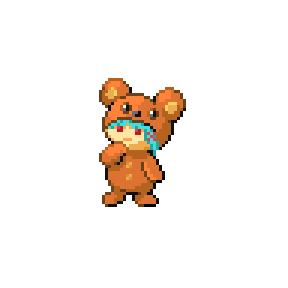
Page 1 / 10 of 9609 pokedex entries by sk372.
Bulbapi can tuck itself into its bulb-like shell for protection and camouflage. If a predator gets too close, it can also spray a pollen meant to reduce aggression in others and pacify them.

The bulb on Bulbaicate's back requires a lot of nutrients to flourish, so it is constantly foraging for food. Many species subsist largely by rummaging through trash, causing the pollen the bulb produces to be foul in stench.

Its curious nature leads it to kiss things as a way of exploring its surroundings. If Bulbachum particularly enjoyed kissing something, a puff of pollen in the shape of a heart floats from the bulb on its head.
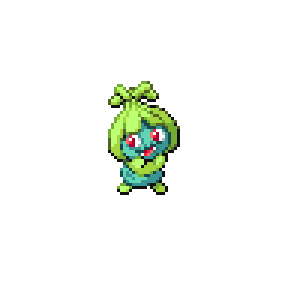
Curiosity leads Bulbachum to kiss at things as it explores its surroundings. If something tries to avoid being kissed, vines sprout from its head to grab and reel in its target.

Bulbalicky uses its lengthy tongue to lap up pollen and sap from plants. The type of flowers or trees it feeds from affects the type of pollen its bulbs can produce.
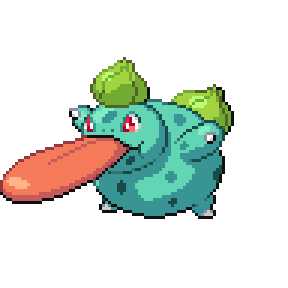
Inside Bulbavire's bulb is the organ that generates the powerful electricity within its body. It channels this power directly into its vines, which whip around while electrically charged in order to defend its bulb from harm.
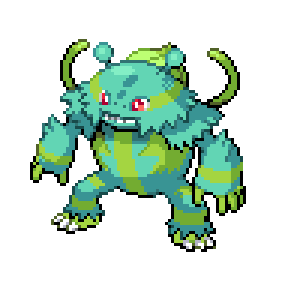
Bulbatomp coats the two plant bulbs on its cheeks with mud to nourish them. As long as they are healthy, the bulbs can emit powder clouds of pollen that causes others to grow sluggish.

The plants that grow on Bulbaterra's back regularly bear fruit and berries over time. The flavor is simple, but the fruit is quite nutritious, particularly for young Pokémon's development.

Parts of Bulbagron's body are covered with leaves as hard as steel. In fact, even seeds shot from its bulb are coated with a thin layer of metal, though they can grow after being planted like any normal plant.

Bulbaink's gears turn steadily, nourishing the bulb attached to the second gear. It can use its vines to turn the bulb's gear faster, overclocking it and making it erupt pollen to agitate attackers.
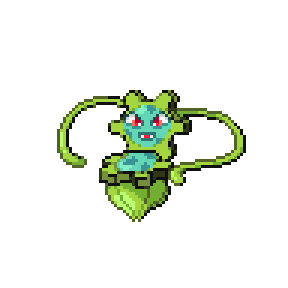
Bulbavenant tends to forests like a gardener, making sure that the trees are growing healthy and safely. Pests are pelted with a volley of seeds shot from the bulb on its head.
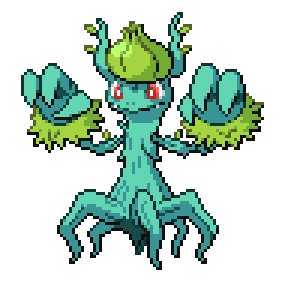
Bulbatoy's spinning provides energy for the bulb on its head. Once it rotates enough, the bulb will release a potent pollen that can help rejuvenate plant life and soil in old and barren areas.
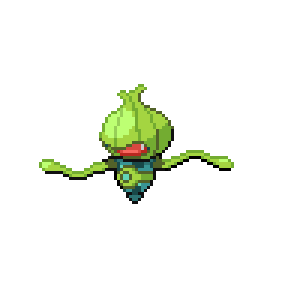
Caterbone uses discarded parts of Metapod shells as protective armor. Its club is used mainly to knock tasty leaves and berries down from trees for it to eat.
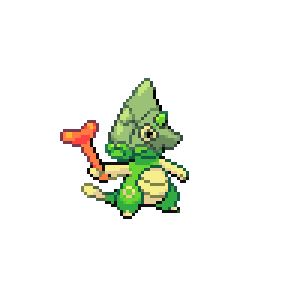
In desperate moments, Caterwak won't hesitate to use unwitting Caterpie as makeshift clubs for self-defense. It tries not to damage its impromptu weapon too much.

Catervee is most often seen in the wild during the autumn season, indulging in feasts of fallen and dried leaves. Some people have taken to using Catervee as an easier way to clear their yard of foliage.
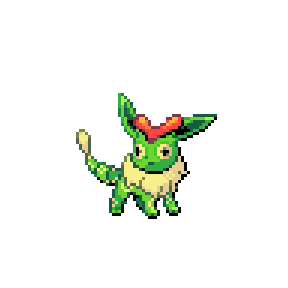
For self-defense, Catereon possesses an electrified mane as well as the ability to spit electric silk from its mouth. It also uses the thread to pluck and slightly cook berries hanging from high branches.
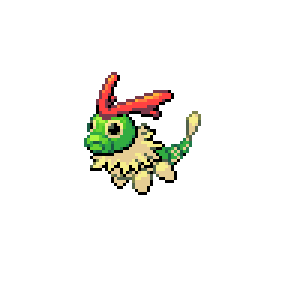
It has a strong appetite for fresh leaves straight from the branches. A hungry Caterdactyl can strip a verdant tree bare in about an hour.
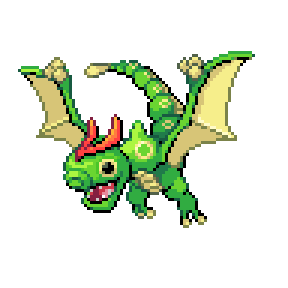
Caterew typically floats out of tree trunks in the early morning to find leaves and flowers to eat. If startled, it spits silk from its mouth that wraps around its target before it rolls them away using its psychic powers.

It is so far unknown why Caterkern resembles Applin after fusing. If anything tries to take a bite out of it, Caterkern will surprise them with a sudden burst of sticky thread in self-defense.
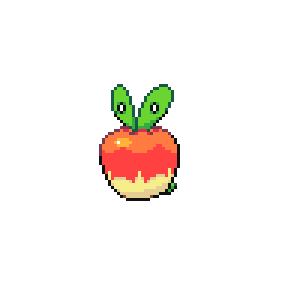
Catering are often employed by high-end restaurants for their pleasant demeanor and surprising professionalism. They are easily compensated as well, only asking for a nice plate of fresh leaves after a job well-done.

Caterogue hones its skills by striking nuts and berries that grow on trees. It will occasionally wrap its limbs in the silk produced from its mouth to increase its strength and defenses.

Catertomb pretends to be a helpless Caterpie to lure in prey. Would-be hunters seeking a meal will have the situation reversed when Catertomb suddenly attacks and envelops them with its spectral energy.
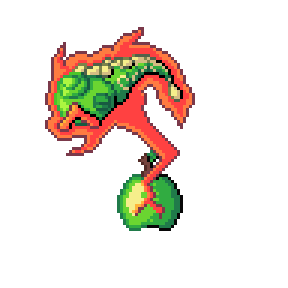
Caterark's mane is made entirely out of silken thread generated from its mouth. It seems to have a connection to its illusion powers, as Caterark with less thread casts smaller-scale illusions.

Cateresect sprays sticky thread from the tips of its claws to wrap up smaller Pokémon. It seems to have little reasoning for doing this, as it simply walks away after wrapping something up.
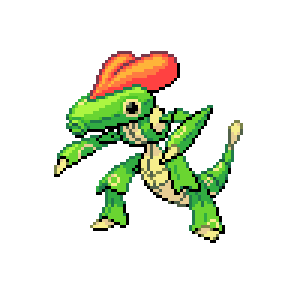
If two Cateragon spy the same leaf, they will headbutt each other to battle over who will eat the meal. Their stubborn nature means the leaf is often snatched by another Pokémon while the Cateragon duke it out.

Caterpet levitates around forests at night, nibbling away at berries still growing on tree branches. Negative emotions agitate it, causing it to spray sticky thread at those emanating those negative thoughts.
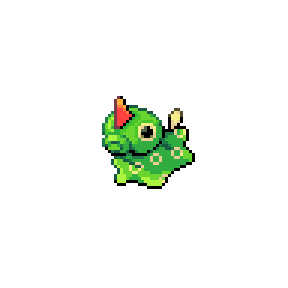
The flaps bordering Caterxew's mouth mimic eyes, making it seem more imposing to smaller creatures. It primarily frightens off Caterpie so it can steal their meals.
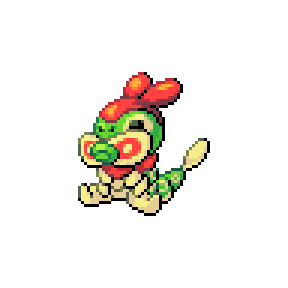
Catereanie possesses a multitude of feelers that sense fluctuations in the air, letting it know if other creatures are around. Incredibly timid, it rarely has the courage to come out from beneath its own tendrils.
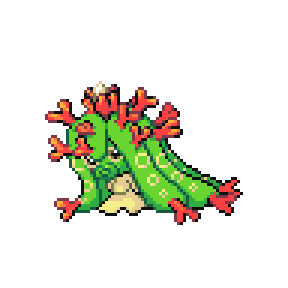
Catergast plays with others by creating little structures made with thread generated from its mouth. If its playmates damage its creations, it may get upset and cover them with the sticky silk as revenge.

Caterda's response to surprise is to defensively spray out sticky thread from its mouth. Due to its poor balance, it haphazardly sprays this thread in nearly all directions, creating a sticky mess.
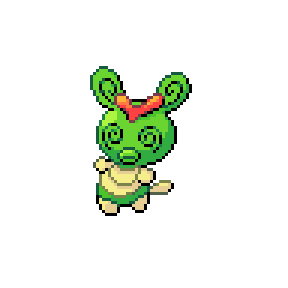
Voltorb's appearance has changed into one resembling an old prototype design for the Pokéball. Its behavior seems less volatile in this form, and it is less prone to exploding.
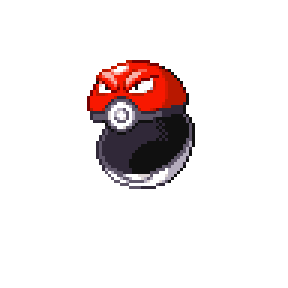
It combines Voltorb's self-destructive tendencies with Electrode's enhanced power stores. Voltode's smug grin reflects its explosive potential and the ego fed by the fear it inspires.

Sparks emanate at the end of Voltgela's vines, signifying the potent electricity it possesses within. Severed vines have been used as materials for highly-conductive electrical wiring in some regions.

Voltgon is a volatile presence when it appears on a computer screen. It must be carefully dealt with, lest it explode and damage the user's files and data.
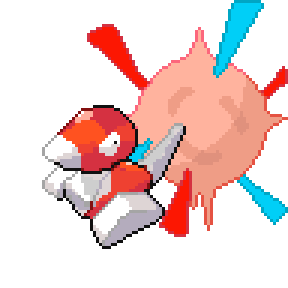
Voltlax generates electricity within itself by smacking its large belly. If it smacks its belly quickly enough in short succession, it can create enough energy to trigger a powerful explosion.

Care must be taken after a Voltini sheds its skin, as the discarded layer is still volatile. Improper handling will lead to it bursting into a shower of sparks.

Voltnite can quickly fly into a rage whenever it sees smaller Pokémon being hurt. It focuses internal electricity into its antennae, using them to cast lightning bolts at the perpetrator.
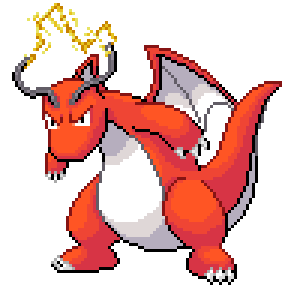
Voltew channels much of its explosive energy into the orb at the end of its tail. Striking it down on the ground creates explosions able to make craters reaching 20 feet in depth and radius.

Anyone who disturbs the flower gardens Voltnium inhabits will incur its ire. It shakes loose little orbs from its flower wreath, each packed with enough explosive power to leave small craters behind.

A Voltata is considered highly dangerous: it gnaws on electrical wires to siphon electricity, but if it consumes too much at one time, it will explode and cause greater damage.

Though Voltbird is relatively magnanimous and hands out gifts to others, it is very temperamental. Someone touching its bag causes it to become enraged and supercharge it with energy, causing it to explode.
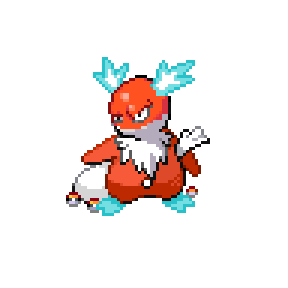
As a warning, Voltans shakes its tail to make a low rumble of rattling noises, sparks flying from the tip. If the warning is ignored, it strikes the ground near the agitator, creating an explosion.
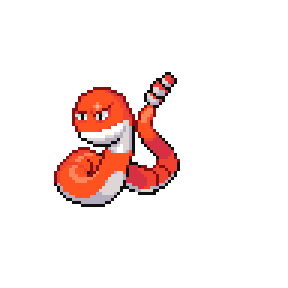
When curled up, Voltpy looks nearly identical to a normal Voltorb. It pranks groups of Voltorb by hiding among them, then uncurling to send them flying with its trunk.

Voltgon2 warns others to stay away from it by shaking its tail and scattering sparks all around it. Ignoring the warning leads to it exploding, causing irreparable damage to any data in the vicinity.
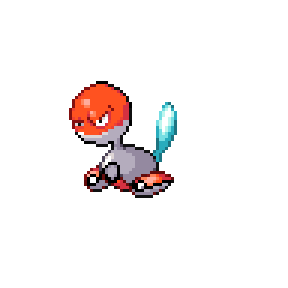
Voltsey enjoys helping Trainers catch other Pokémon, somehow producing a variety of Poké Balls on its own to share. To the chagrin of many, there are no records of a Voltsey that can create Master Balls.

As Voltar's body changes within its shell, the volatile, growing energy within leaks out from small gaps. It's advised not to get too close, as arcing electricity can lash out from Voltar at any time and cause injury.

Voltkrow gets Murkrow and other small avian Pokémon to do its bidding. If they refuse, it smacks them with one of its wings, which lets loose explosive force to send them flying.
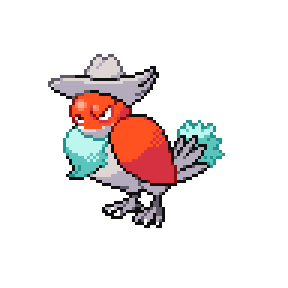
Rival Voltshrew in the wild curl into balls and roll at each other to establish dominance. If these displays last long enough, their combined electricity may produce sparks and even lightning.

Voltvoir contains vast amounts of electricity, seen crackling within certain parts of its body. Should something threaten its Trainer, it will not hesitate to discharge explosive bursts of lightning to defend them.
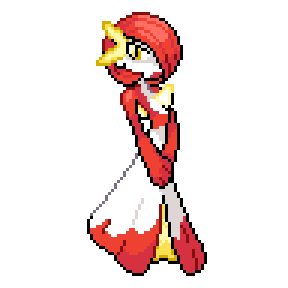
Voltomb is said to be pure explosive energy from a Voltorb gaining sentience and manifesting itself separately. Just having Voltomb near electronics carries the risk of them exploding from overload.

Locals are advised not to attempt assistance if a Voltlord washes up on land; it is extremely volatile and temperamental, and even the slightest prodding will make it explode and devastate the surrounding beach area.

Poké Ball-like objects hover around Voltceus at all times. Each can operate independently of Voltceus, and send out powerful electric bursts to stun its opponent and leave them open to an explosive follow-up attack.

Voltpunny is a bit jumpy and paranoid, always remaining on the defensive when faced with something new. Its ears and feet both contain explosive power in their strikes, should it be pushed into fighting back.

Voltjask's high-speed flight is powered by the electricity generated internally. It can weave back and forth rapidly to increase its power and speed, though this comes with the risk of it exploding from overload.

When Voltwick is thinking deeply, the lightbulb on its head lights up. Thinking too hard for too long will cause the bulb to explode, however.

The will o' the wisps that Voltpix creates are exceedingly dangerous. Though they appear as simple, small balls of fire, they are in actuality densely packed full of Voltpix's energy and will explode violently on contact with a surface.

Supposedly, Voltrachi is capable of granting people's wishes. However, it's ill-advised to make requests of it; if Voltrachi doesn't like a wish, it violently explodes and disappears to parts unknown.

Factories once tested using Voltink as generator parts due to their high stores of electricity. This experiment was quickly put to rest after incidents of Voltink exploding while inside the machines.

Voltbat flies through the air, gnashing at anything close. If it latches its fangs onto something, it creates a small explosion with enough force to propel itself backwards.
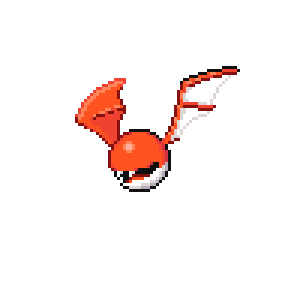
With enough effort, Voltinder can focus the energy in its body to cause a burst of electricity from its tail that can knock over much larger Pokémon. Doing so will leave it too weak to properly fly for some time afterward, however.

Workers in electric plants are always on the lookout for Voltfisk. It's considered highly dangerous due to being easy to overlook and step on, whereupon it explodes with great force.

Voltrum can channel much of its internal electrical force into its lower jaw. Once charged up, it lets loose an explosive roar that creates a devastating electric burst in front of it.

Voltish buries itself into the soil in order to absorb nutrients from the dirt around it. If anything touches the leaves that remain above ground, it will explode in self-defense.
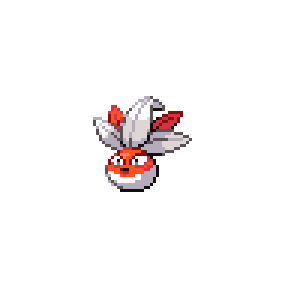
Voltetta creates small explosions in sequence, formulating a musical beat. Some orchestras have used it in performances to make their music have a much greater level of bombast.

Fearful of others chasing after it, Voltpod takes no chances. When it flees, it does so by turning tail and propelling itself with an explosion of force that also blows away any potential pursuers right behind it.
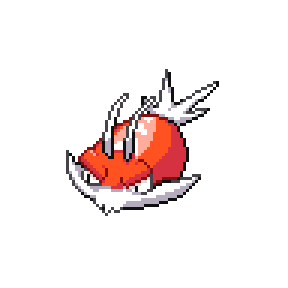
Great caution must be taken in the presence of Voltlix, as it can extend floss-thin tendrils out around it that carry massive voltage levels to shock anything that earns its ire.
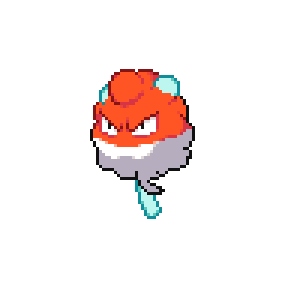
Voltmoth's wings generate a pollen that causes a numbing sensation in those exposed. If it feels cornered, it will explode and release a massive cloud of the pollen to paralyze anything within several yards of it.

Voltskit flits across the surface of water, carefully keeping an eye on what goes on beneath it. If it spots the approach of a fish, it explodes in self-defense, using the explosive energy to propel it to safety.
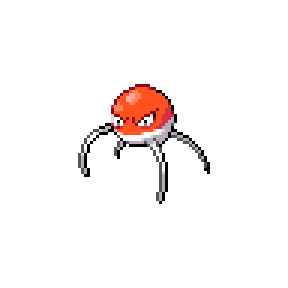
Voltlrock's energy stores are vast enough that electricity leaks out from all sides of its body. When it explodes, it creates a blinding burst of sunlight.
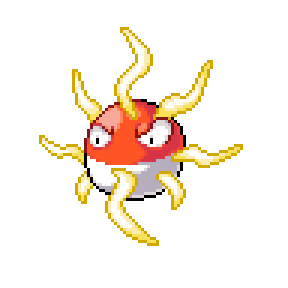
Voltcanth can fire out intense explosive bursts of electrical energy from its mouth. It sometimes uses this to carve out chunks of undersea rock to create holes for it to sleep in.
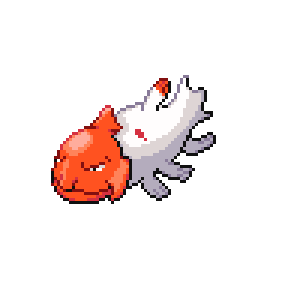
Voltwrath charges power in its fists with every strike that connects during battle. If the spiral pattern on its stomach swirls at high speeds, its next punch will have an explosive enhanced impact.

Voltbra mixes its psychic and electric powers to create explosive projectiles from thin air. These explosives always take the form of some variety of Pokéball.

Voltly mimics the appearance of a Pokéball to draw in curious passersby. Once they reach to grab it, its true form springs out with a loud cackle in order to frighten them.
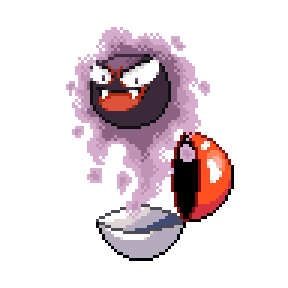
Now taking on the appearance of a Master Ball, Electrode's explosive capabilities have gone into overdrive. A single explosion from it can leave behind a crater at least a mile in length and depth.
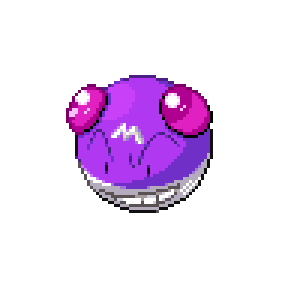
Electrtung uses its massive tongue to discharge excess electricity to avoid becoming bloated and ill. Some hospitals have even used them as living defibrillators.
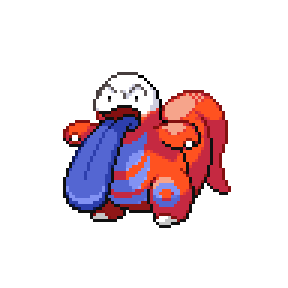
Electrdon discharges massive bursts of electricity from its horn, often during violent thunderstorms. It's thought that if it doesn't periodically release this energy, it may cataclysmically explode.
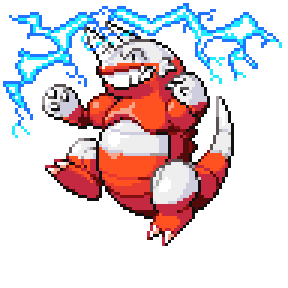
If an Electrgon appears on one's computer, it is best to let it roam about until it leaves. Attempting to shoo it away may result in it exploding with enough force to destroy the computer entirely.
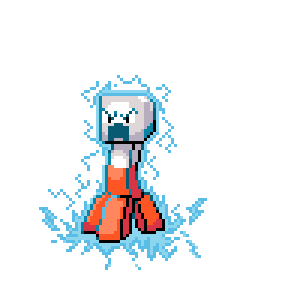
Electruna's cocoon crackles with electric energy, sending sparks out on occasion. It drops down on threads to grin at others, as if daring them to touch it and set off its devastating explosive ability.

Electrew's mind is powerful enough that it can create explosions solely through its own psychic powers. Fortunately, it is not a very hostile Pokémon and only uses this ability if it truly fears for its life.

Electrwoodo pretends to be a tree, though its bright coloration makes the attempt at subterfuge difficult. If its mimicry is interrupted, it lobs the explosive orbs on its hands at the offender.

Each segment of Electrlix's body is capable of exploding with tremendous force. Triggering one sets off the rest in a devastating chain reaction.
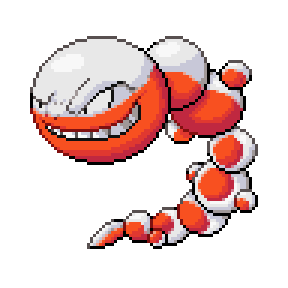
Electrbull has a vicious appearance to match its vicious nature. Electricity surges powerfully within it, released through potent punches or explosively loud, disruptive barks.
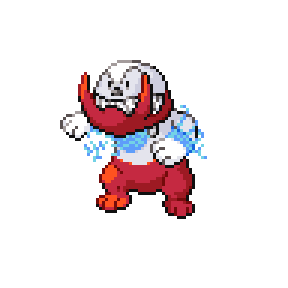
Electrgon2 is considered highly dangerous and should not be interacted with in cyberspace. Its explosions will not only wipe out all the data on the computer within but may destroy it outright.

Electrtomb hides within a stone resembling a Pokéball, waiting for unsuspecting Trainers to reach for it. When they do, it emerges fully from its stone and blows them away with explosive force.

Electrleep fires Electrode-shaped projectiles from its mouth at high velocities. Despite their size, these facsimiles explode with the force of a normal Electrode, making them quite dangerous.

While close to its body, Electrclops's disembodied hands store up their own fraction of its explosive power. Its hands float away and grab opponents from long distances before exploding, regenerating shortly afterward.

Electrceus can create an explosive burst of energy powerful enough to be mistaken for earthquakes. It feeds on electricity, able to drain the strongest electrical generators in less than 30 minutes.
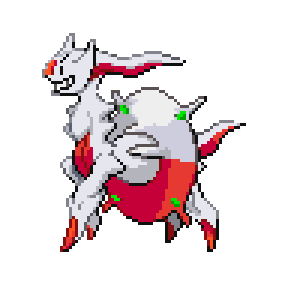
Electresect fires electric bolts from its cannon at a remarkably rapid rate. If a battle goes poorly for it, it supercharges and overloads the cannon until it makes an explosive discharge that devastates everything nearby.

Electrachi creates compacted orbs of stardust and flings them downward like meteorites crackling with electricity. The sparkly rocks left behind after they land and fizzle out are a popular accessory in some regions.

Electrpuff's voice is shrill and often causes sharp feedback when singing into its microphone. If it feels listeners don't appreciate its voice, it's prone to exploding in an angry huff.

The central head of Electrdrio contains all of the electricity in its body, as well as all the aggression. This leaves the other two heads very wary of setting it off in any way.

Electruk is considered a huge danger to the factories it is attracted to. It aims to consume their waste but is prone to exploding when discovered, spreading toxic and corrosive goop over a massive area.

Exeggbone wears a thick eggshell over its head for protection. The bone it carries is coated with a sticky yolk-like fluid that Exeggbone can sometimes be seen sucking on to comfort itself when nervous.
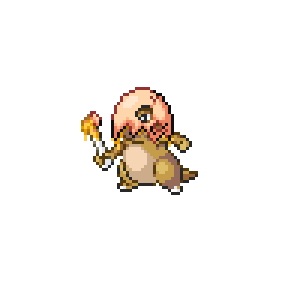
What looks like a tongue is actually part of the amorphous insides of Exeggtung. It can grow, shrink, and reshape this appendage for a variety of purposes.

A yolk-like ooze surrounds the egg-shaped core of Exeggto's body. Whenever it morphs, this core is always faintly visible somewhere in its transformed form.
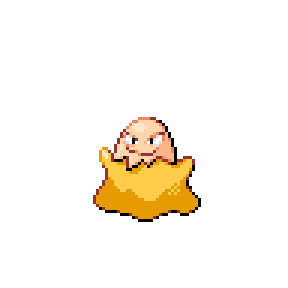
Exeggew's multiple tails each contain some measure of psychic capacity. If one should be cracked and lose the yolk within, Exeggew will have weaker telekinetic abilities from there on.
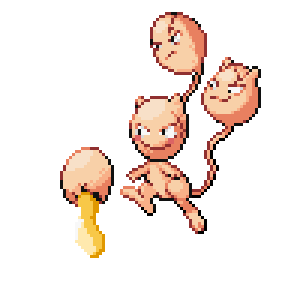
Exeggrita smacks others with its yolk-like leaf when it's in a bad mood. The sticky residue left behind is difficult to remove, and the pungent smell that lingers is even more so.
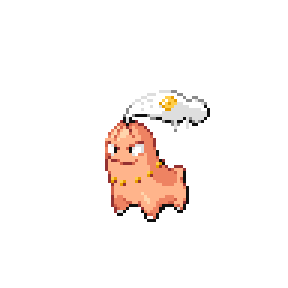
Exegglosion erupts a yolk-like fluid from its back in order to deal with its opposition. The liquid is scalding hot, though Exegglosion can only release so much before it begins to grow weak from expending much of its internal fluids.
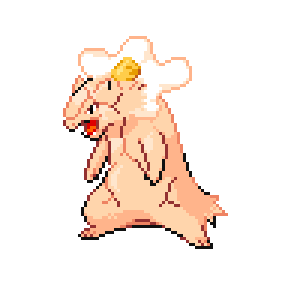
Exeggturn creates and electrifies a yolk-like fluid from its body as a form of self-defense. If the fluid is extracted and then added to a beverage, the drink will glow in the dark, with no adverse effects otherwise.

Exeggpom is a sticky, messy nuisance of a creature. It dips the palm at the end of its tail in the yolk of its skull before smearing and flinging the sticky, odorous substance all over anything it can reach.
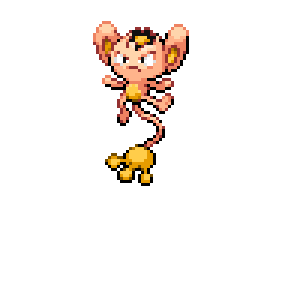
The eggs Exeggle produces serve as its own special paint for creating murals. If it runs out of its current batch, it can use the fluid inside its head, though this causes visible discomfort.

Exeggleep constantly creates more yolk-like fluid within, offering it to others to sample. Those that drink it develop faint psychic powers for a few hours afterward.
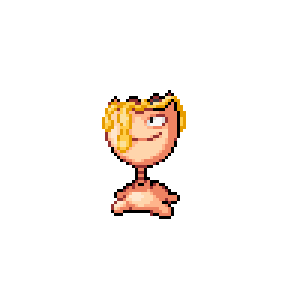
Seeds planted within Exeggwig's body will grow up healthy in short order, nurtured by the liquids inside. The plants can even bear fruit, though the fruit will contain a distinctly egg-like aftertaste.
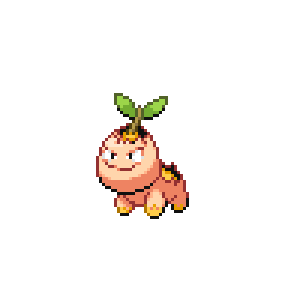
Seeds planted within Exeggwig's body will grow up healthy in short order, nurtured by the liquids inside. The plants can even bear fruit, though the fruit will contain a distinctly egg-like aftertaste.
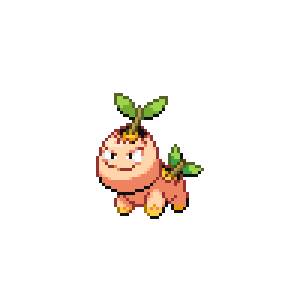
Exeggpunny gifts colorful sweet eggs to others, making it especially popular with young children and Pokémon. It often leaves these gifts in secret so as not to be overwhelmed by eager youngsters craving sweets.

Exeggloon groups stick together en masse for safety. Their bodies are light and fragile, with even a single poke being capable of causing them to leak the fluid that keeps them aloft and become inert.

The frills on Exeggaura's head emit a yolk-like liquid that creates a uniquely yellow, shimmering aura behind it when it runs. While intriguing to view, most don't care for the egg-like scent it also carries.

The six faces on Exeggkaboo's body allow it to be aware of its surroundings at all times. The yolk-like substance it secretes from its head is said to grant a person a glimpse into the spirit realm when consumed.
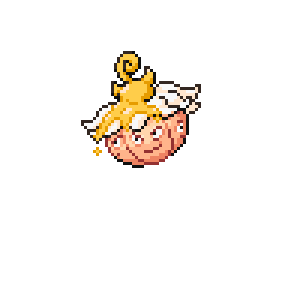
Exegglithe gets along well with and often adopts Exeggcute clutches it comes across. Its soft fur and warm body keep the group healthy and even seem to make them stronger over time.

After self-fusion, Exeggutor resembles its unfused counterpart from the Alola region. It's tall height makes it incredibly reliant on sunlight exposure; it becomes almost non-functioning without a light source of some kind.
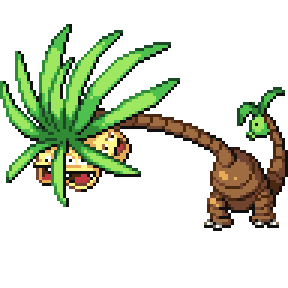
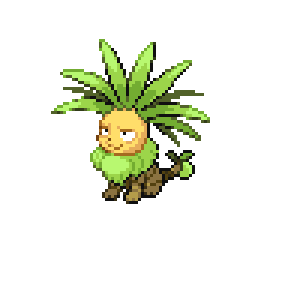
A variety of different berries grows periodically on Exegguvee's fronds. If it starts only growing a specific type of berry, it is a sign that Exegguvee is close to evolving.
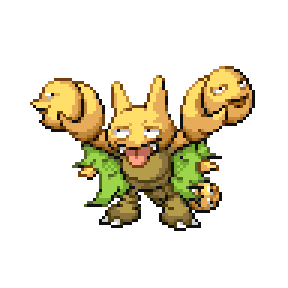
Exeggugar never lets go of the heads it carries with it. Because this keeps its claws always occupied, the heads compensate by using psychic powers to stun prey and make it easier to hunt.
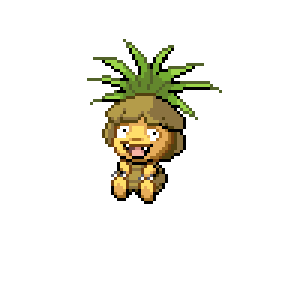
Exegguchum is a friendly and happy-go-lucky creature that runs up and kisses any new acquaintance it sees. Its kisses leave behind marks that carry the scent and taste of coconut.
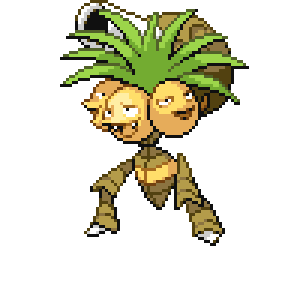
Exegguoh makes its home in tropical areas, particularly near coconut groves. It protects the coconut trees fiercely, breathing out three plumes of rainbow fire to burn anyone who threatens them.

Exeggusaur thrives in tropical areas, where it mingles alongside Exeggutor. Its serious attitude often gets it appointed as the leader of the groups, keeping the rest in line and out of trouble.

Exegguesect's cannon fires coconuts at extreme velocities, easily knocking out anything that tries to bother it. It is not yet known how Exegguesect keeps a seemingly limitless supply of its ammunition.
The leafy fronds on Exegguink's back will grow coconuts over time, relative to the gears' rotation. It takes a few hundred rotations to fully grow a single coconut that immediately falls off so a new one can grow in its place.

Exeggutik live among the branches of trees that grow juicy tropical fruits. Once a fruit ripens enough, a small swarm of Exeggutik leap onto it, sinking their fangs into it and draining its juices until it's completely dry.

Exeggurorus is usually active and roaming around tropical areas during the dead of night. The fronds on its neck and head emanate a colorful aurora that carries the faint smell of tropical fruits.
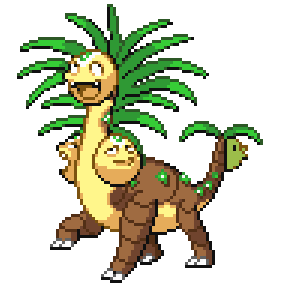
Exeggucolo's body regularly grows large and fresh coconuts, with at least one falling from the tree a day. It happily shares fresh juice from the one upon its head, and is particularly drawn to festivities where it can enjoy both company and music.
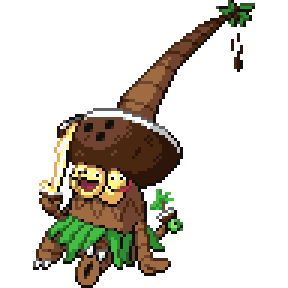
Whenever Exeggusian utters its cry, the bulb on the tip of its tail will mimic it. No matter how often this happens, Exeggusian will always seem surprised and confused by the echo.

Exeggudaunt uses its claws to knock down coconuts from palm trees and crush them within the claws' jaws. The eyes on the claws glow whenever it uses some of its psychic abilities.
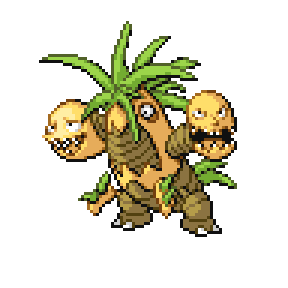
Parts of Exegguwrath's body have cracked slightly due to the strength of some of its muscles. It fights very carefully, doing its best to avoid letting an opponent strike at these weak spots.

Cusaur carries a bone in the center of its bulb. It has a strong attachment to the bone; attempts to touch it result in a vine extending from the bulb and using it like a club to beat up the nuisance.

Cuorb's hide is vulnerable, so it uses skulls it finds as makeshift armor for protection. Using some of its electric energy, it lifts and flings other discarded bones as projectiles for added defenses.

Cuode resting upside and showing its soft underbelly is a trap to fool predators. Once they come near expecting an easy meal, they are blown away by the explosive force it generates all at once.

Fashioning tougher bone clubs to dual-wield and a more solid skull, Cubone has a strong-willed personality, leaving sorrow behind. It gathers other Cubone in groups to guide them and help them grow stronger.

Cuwak carries around a Marowak skull, which it cries quietly to almost every night. It's said that the Marowak's spirit visits Cuwak in its dreams, whispering words of comfort and encouragement.

Cuchan fashioned a helmet of bone to protect its head, and bone gauntlets for its fists. It has to regularly replace the gauntlets as they fall apart from constant punching.
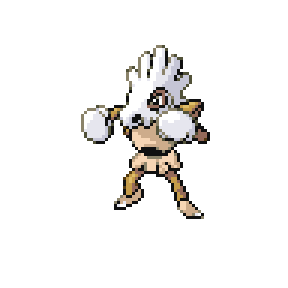
Cufing produces small but thick clouds of toxins from four segments of its body. These clouds cause intense coughing fits and eye irritations, leaving the eyes bloodshot and full of tears.

Interlocking plates of bone and stone give Cuhorn's body a highly resilient frame. It's fearful of others, and will charge right through solid stone in a panic to run away.

Cufree flutters around in search of flower gardens to rest and feed from. If it comes across dead flowers during its travels, it lands among the plants and cries over the loss.

Cumime is prone to occasional fits of sullen behavior and wishing not to be disturbed. It produces barriers to box itself off from the outside world until it's ready to socialize again.
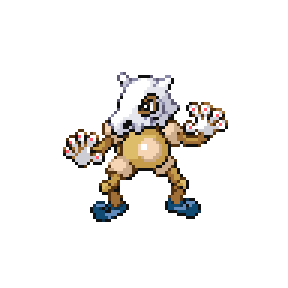
Cubuzz swings its lumbering arms around to generate stronger electricity. Once it's churned up enough energy, it directs it through the bone it carries, letting it more accurately pinpoint the target it wants to zap.
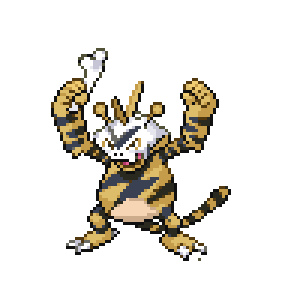
Lost travelers within caves have occasionally been assisted by wild Cumar. Igniting the bone it carries and using it as a makeshift torch, it illuminates the area and guides the visitors towards the exit.
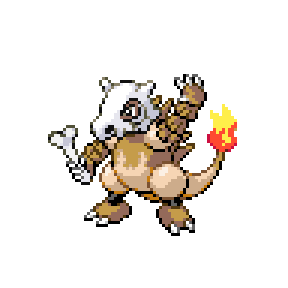
Cusir's pincers are made of solid bone and have quite the grip strength. It clicks them together rapidly as a warning to others to stay away if they wish not to get crushed.

Curos has a bitter and combative nature, easily sent into an angry tantrum. Its hard skull makes charges painful, and those who resist that will be struck by the bones held by its three tails.

Cudle uses thread spilled from its mouth as a tether to swing the bone it carries around. It clubs small Pokémon unconscious, then leaps onto them to deliver a venomous sting with its tail.

Cudos lashes out constantly, and almost exclusively targets traveling families and friend groups. It's thought that it does this due to a constant sense of loneliness leading to intense jealous anger.
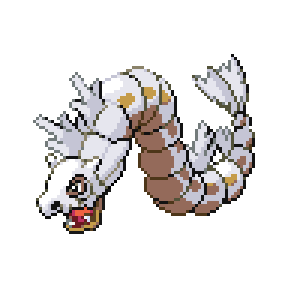
Curas was once a rare sight in the water, and retreated often due to fear of humans. In recent times, more are seen being adopted by Lapras colonies, and the species is growing more sociable as a result.
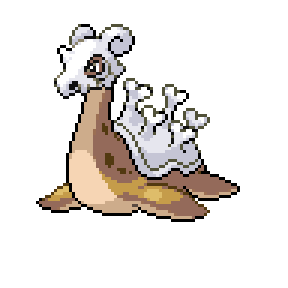
It's thought that Cuto gathers up the bones of other creatures in order to better mimic them. Because of this, however, its transformations usually end up with a few extra bones sticking out of its new form.
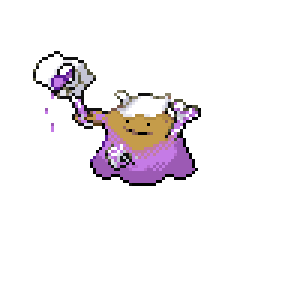
Cuvee is very loyal as a pet, but gets lonesome easily. Owners should be prepared to spend a long while cuddling its fluffy body after being separated for only a small span of time.
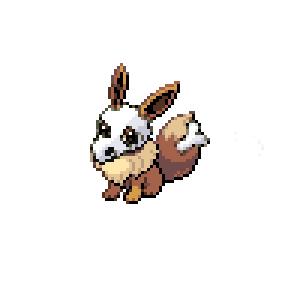
A swift swimmer with a gentle heart, Cueon mostly keeps to itself away from people. However, it is quick to rescue humans it sees in trouble at sea, vanishing back into the water once it's sure they're safe.

Custar hides its body within a skull for protection, using its many tentacles to move and hunt prey. Many deep-sea divers have been startled by the sight of the skull scuttling across the seafloor.

Before cocooning itself, Cuna gathers a few bones. When something gets too close, it shoots out a bone from gaps in its cocoon to bash away the intruder and keep its fragile body safe.

In ancient times, Cutops was a scavenger, avoiding direct conflict with other creatures. It trailed behind hunting Kabutops, eating bones and whatever else remained once the former had moved on.

The skull Culax carries is a tragic keepsake it cannot even wear properly. Its large size and appetite is theorized to be the result of using food as a coping mechanism for its sadness.

Rarely seen in the wild, Cudos carries the bones of long-departed members of its species within its wings. Some theorize it has a practical benefit for increasing its electrical prowess, while others think the reason is more spiritual.

Cunite is usually timid despite its size, but won't stand to see others picking on those smaller than it. Some have been spotted tending to and guarding areas where many Dragon-type Pokémon have passed on.
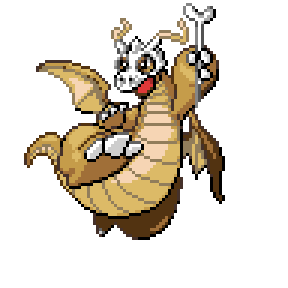
Cudrill strikes rapidly and aggressively with its bony limbs. Highly territorial, it seems most likely to reside in areas where destroyed and desecrated Beedrill hives are present.

Some theorize Cutwo is one of the last discarded failed attempts at creating Mewtwo, that managed to cling to life after being rejected. It has a cold, emotionless personality, except in battle, where it releases its boundless rage.
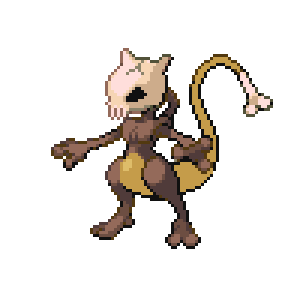
Cuew is very kindhearted, teleporting across the land to bring lonely Pokémon to others who seek companionship. Doing so makes it feel more at peace with its own sense of loneliness.

The many leaves on Culeef's neck grow around a ring of bones. They have a bitter taste and a bitter scent; those who smell or taste them exhibit slight signs of depression afterward.
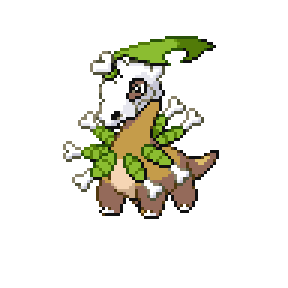
Cunium was originally thought to be a sentient mass of vines inhabiting the bones of another creature. Further research discovered the vines amass around the most fragile parts of Cunium's bare body as protective covering.
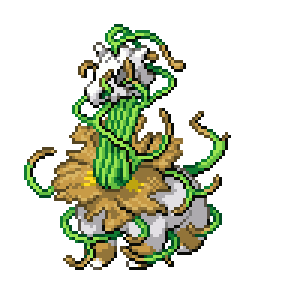
Cuquil's flame capacity is weak, so it can usually only manage to blow smoke from its back to ward off others. When it cries, it emits copious amounts of smoke that smell more acrid.

The flames that shoot up from Culava's body glow with an eerie color. It's thought by some that the skull it wears gives it a connection to the afterlife, altering its fire.
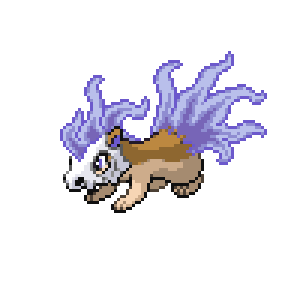
Culosion is often seen in the throes of sorrow, crying softly to itself as smoke billows lightly from its back. Its flames are rather weak, only seen when it can push past its sadness and focus on a battle its partaking in.

Cudile keeps the bones left behind from meals to use as tools in battle. Between meals and fights it gnaws on the bone club to keep its teeth maintained as well as to stave off boredom.

Cuian uses the bones it carries as a way of communicating with other forest denizens. Rapping the bones loudly and repeatedly against a tree trunk serves as a warning that predators are on the move.

When at rest, Curak tucks its legs into the skull shell and clings to trees. The eerie image of several Curak skulls covering tree trunks has become a popular sight in horror media.

Cudos ties webbing to the bone it carries before throwing it, letting it cast threads long distances and increase the size and speed of the webs it makes. It's also effective at knocking out prey once they're ensnared.

Cubat scrapes the bony edges of its wings across cave walls to make an unnerving screech to frighten prey. It attacks from above by descending rapidly and striking with a solid headbutt using its solid skull.
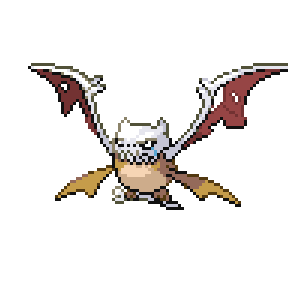
Holding bones with its antennae allows Cuchou to make the items glow. It uses the illumination to draw in smaller creatures, before smashing them on both sides with its glowing clubs.

Cuturn uses the organ on its head to illuminate the deep sea and help it navigate darker areas. Due to the front bulb looking like a glowing skull, it has startled many deep-sea divers caught unawares.
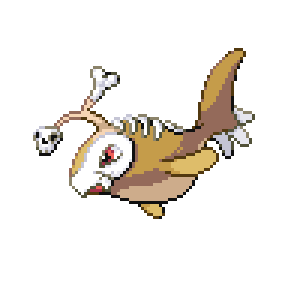
Cuchu carries a bone with it to help it better channel its electric power. Without a bone to focus electricity through, its body would spark at random and risk hurting those close to it.

Cufa's mood fluctuates depending on the amount of stars in the sky. A night sky filled with lights has it acting joyful, while a sky devoid of any visible stars causes it to sob uncontrollably.

Cupi uses its own eggshell as armor, keeping as much on it as possible and refusing to remove it. It's very afraid of most of the outside world, instinctively striking with its bone club at anything unfamiliar.

Cutic responds very poorly to conflict. It can barely defend itself even with a bone club, and spends most of the time pleading and crying for combatants to simply stop fighting one another.

Imbuing bones with psychic energy, Cutu uses them to draw symbols in the ground. The shapes it makes have yet to be deciphered, but are believed to have some import related to the future.
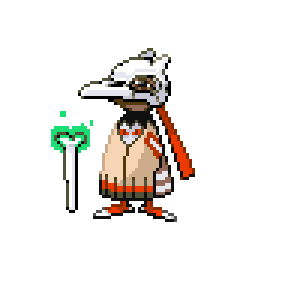
Cureep travels alongside flocks of Mareep in the wild. It generates little electricity on its own, so it rubs against other members of the group to absorb some of their energy and store it within its wool.

As Curos wields its bone club, it slowly charges it up with electricity from its body. After enough time, it can make the bone glow with the same level of brightness as its tail.

Cuossom gather in small groups to choreograph their dances together. The one who carries the biggest bone is the conductor, directing the movements of the rest.

Curill's buoyant body allows it to easily stay afloat as it swims around in solitary lake areas. It takes great care of the bone club it carries, cleaning it vigorously every day.

A greedy little Pokémon that steals anything it gets, Cutata will even steal away the bones of others of its kind, for no other reason than it can.

Cukern hides under a skull when it digs into the dirt to protect itself while it photosynthesizes. It vibrates rapidly to churn up and throw dirt around when predators draw close.

Cuflora finds the strongest stick it can to wield as a weapon in battle. After absorbing enough sunlight during the day, the skull it wears starts to emit a warm glow.
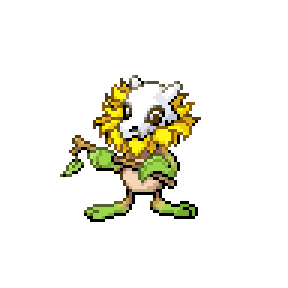
Cuma's quick flying skills let it stay out of danger, fleeing the moment it feels threatened. It perches high up tall tree trunks, tapping out a pattern with its many bony limbs to warn other Cuma of nearby dangers.

Cueon's psychic powers let it easily wield bones as flying clubs in battle. It has a gentle heart, often drawn to those who feel lonely so it can help lessen that isolation.
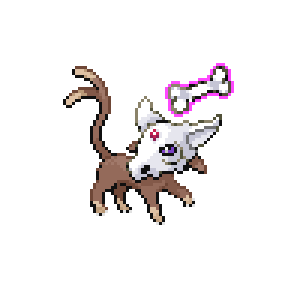
Cureon's mood is highly dependent on the phases of the moon. When it is full, Cureon is at peace, but the more it wanes, the more sorrowful it behaves.

Cukrow has an innate sense for finding bones buried under the ground. Some police forces have used it to locate missing remains, but discipline is needed to keep Cukrow from stealing its findings for itself.

Cuown uses a strange power to levitate a bone to use and vengefully lash out at those it comes across. Gazing too long at Cuown's skull will send visions of lost loved ones searing into a person's mind.

Cutress's carapace is made of super-strong bone marrow. From the hollow spines in its side, it fires sharpened projectiles made of bones at high speeds, piercing through anything that bothers it.
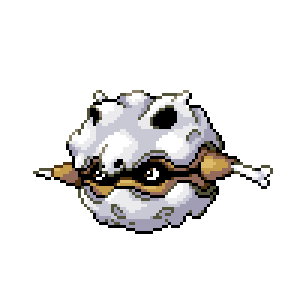
Cunub's strong sense of smell lets it sniff out tasty mushrooms buried beneath the soil. Racing towards them, it uses the upper fangs of the skull it wears to better dig through the dirt and reach the fungi.
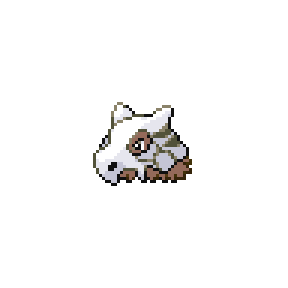
Cuswine's thick furry body and equally thick and sturdy skull make it easy to bowl over smaller Pokémon. It's not overly aggressive, but if hungry, it won't let anything stand between it and a potential meal it's sniffed out.

Cusola's back has bony growths that resemble coral. It hangs around Corsola colonies in the ocean, using its similar shape to distract predators so the Corsola can safely escape.

Half-skeletal in appearance, Curaid has an aggressive personality to go along with its fierce looks. An eerie, shrill shriek emits from its mouth whenever it spits out water jets at others.

Cudour stick together in packs to stave off loneliness, becoming fiercely loyal with one another. Pack members offer up bones leftover from meals to the one they consider the pack leader.

Cugon2 is effective at keeping computers organized, regularly cleaning out junk data and disposing of unused objects. It sometimes stares forlornly at the recycling bins within computers, as if in sorrow.
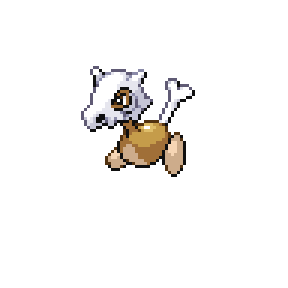
Old rumors circulate that Cutler is the remains of poached Stantler reanimated for the sake of vengeance. Its tendency to appear in places where Stantler poaching was high helps perpetuate these rumors.

Cugle decorates the skull it wears with splotches of paint from its tail. Each Cugle carries its own unique personalized artistic decoration.
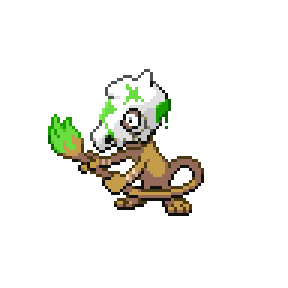
Cuby tries to make itself feel braver by lighting the bone it carries with its flame breath. Because breathing too much fire tires it out, it tries to keep its flaming club lit for as long as possible.

The lonely Cutank usually finds itself being adopted into Miltank herds. In exchange for the kindness, it becomes fiercely protective of the group, charging down perceived threats to whack them with the bone it carries.

Wild Blissey will often adopt orphan Cubone, carrying them in its pouch, feeding them its eggs and raising them tenderly. The joy and love these newly-formed families feel is palpable.

Aggressive sea storms located near cliff-side caverns are usually attributed to Cugia. It's said the ocean responds to the Pokémon's intense frustration and feelings of loneliness and isolation.
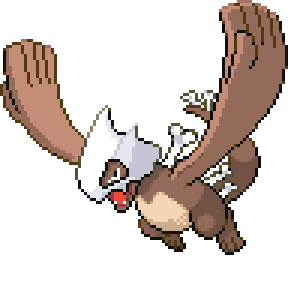
Cuchu charges up the bones it carries with lightning from its body, enough to make them glow brightly. It's often seen leading young Pichu around, defending them with deft use of its charged-up weapons.
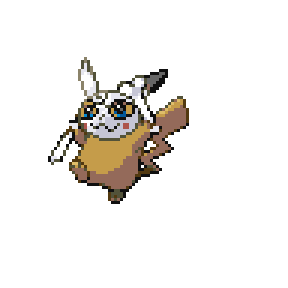
Cuoh is a very solitary, aggressive Pokémon that lives deep in underground caverns. The bones of previous trespassers are strewn about its territory as a warning for travelers to delve no further.

Curill fashions a helmet of bone not just for itself, but for its tail as well. When feeling lonely, it will talk to its tail, and make noises to pretend the tail is responding back.

Although Cukrow is a thief and a bit of a brute in combat, it has its own sense of honor. Fallen rivals have their bones gathered and buried by Cukrow as a sign of respect.
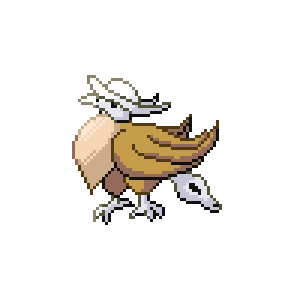
Cuchu supercharges the bone held by its tail with electricity, making it glow and crackle with lightning. It can fling the bone as a weapon, cracking through the air like a lightning strike.

The bone clubs Culax wields will usually be larger in size and still carrying a sizable amount of meat on them. This makes it effective both as a bludgeoning tool and a portable snack.
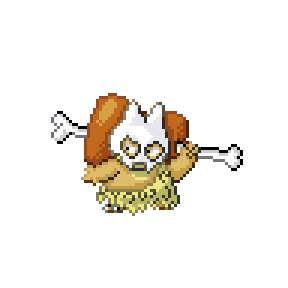
A vicious solitary hunter, Cuvile is very skilled at using bones in combat. It keeps one end of the bone blunt while sharpening the other, so it can bludgeon or pierce to suit its needs.
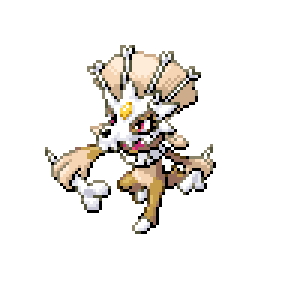
The beat of Cumega's wings can produce shockwaves powerful enough to shatter bone. It drops bones it carries as a distraction to prey, swooping down on them from a completely different direction.

Cufeon is deeply in-tune with nature, and cares greatly for the lives of plants. If it finds dying plants near it, it curls up next to them and cries in sorrow.
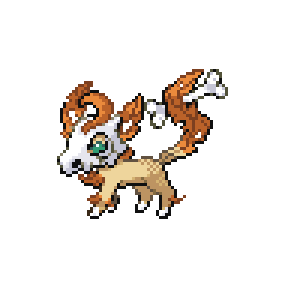
Cuswine's skull and tusks are made of extremely solid bone. It could charge full-speed into a solid glacier of ice and not even chip a piece off of its body.

Cugon-Z's glitchy behavior seems to be a byproduct of emotional instability in its programming. Its sorrow values spike at random, leading to fits of crying and hysterics.

Cutile takes great care in looking over the plants in its region. It gently digs up the remains of dead plants, planting seeds it collects in the holes left behind so new life can grow.
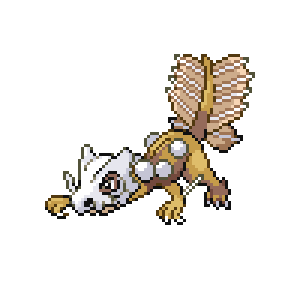
Multiple bones stick out of Cuslash's back, giving it ample defenses. Rolling allows it to bowl over most enemies with ease, and shed bone-spines can be picked up and used as extra weapons.

Cupert watches travelers while submerged in the mud to appear as little more than discarded bones. If a trespasser starts causing trouble, it leaps from the muck to strike them down with its bony weapons.
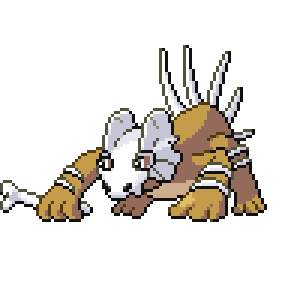
Culia's dance moves are slow and graceful, with a melancholic edge. It is quite emotionally sensitive, and often seen crying quietly after it finishes a performance.

Cuvoir possesses a psychic connection with the souls of deceased Marowak. It communes with them in the afterlife, attempting to grant their spirits some measure of peace, so they may rest.
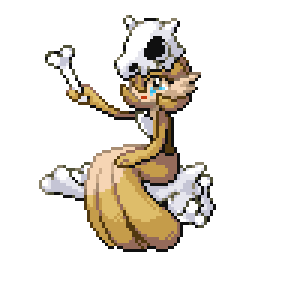
Culade's bone limbs are effective for bludgeoning, but not its most effective technique. It extends pointed bones from its elbows to use for stabbing and slicing particularly tough opponents.

Cuinja flies in total silence, though it always appears to be crying. Some say gazing into the hole in its back will show visions of deceased loved ones, communicating with the viewer from beyond the veil.

Some believe Cugross is the spirits of four deceased Cubone in a singular body. It stomps around on bony limbs, its eyes never opening even as it attacks others with psychic pulses.
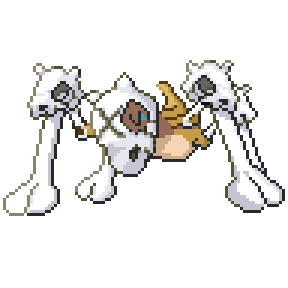
Cudoof's teeth are very strong, due to its habit of gnawing on bones. It will reshape larger bones using its teeth until they are custom-fitted to its grip or the shape of its skull.

Tales exist that say Cutomb is an entire generations' worth of Cubone and Marowak spirits tied to the same skeleton. Despite the frightening appearance, Cutomb is surprisingly gentle and kind to those unafraid of it.

Cucario fights vigorously in the name of protecting others. It creates small clubs in the shape of bones made from its own aura to wield deftly in combat.
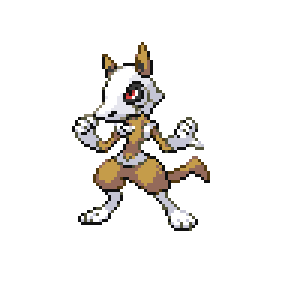
Cuble gnaws on bones as a leisure activity. Its powerful jaws regularly crush the bone it chews on, causing it to constantly be on the lookout for more to collect.

Cuchomp can leap in and out of the desert sands as if it were water. It's a fierce hunter, cutting down prey with the sharpened bone bits at the edge of its limbs.
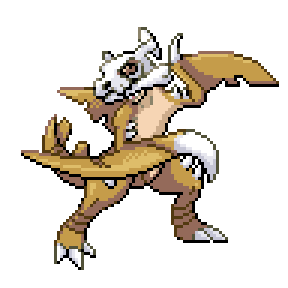
Curina uses its bone helmet and weaponry in defense of the Nidoran families it guards. A mild venom leaks from a hole in the tip of the skull, allowing it to poison particularly stubborn foes.

Culeep hides itself among undersea rock formations, so it only appears to be a skull on the sea bottom. Unsuspecting prey that swims by is then grabbed by sticky tentacles, dragged down to be eaten.

Made of extremely thick and solid bone, Cupardos's cranium is resistant to nearly every sort of physical strike. Young members of the species will playfully bonk each other with bone clubs, barely feeling the impact of the strike.

A gentle giant of the undersea world, Culord is usually seen swimming with a few Wailord bones in its mouth. It deposits them in a single den area, sleeping among the remains and crying softly to itself.

An unsettling aura emanates from Cuterra's shell, which takes on the appearance of a tombstone. Rumors say that if you spot a wild Cuterra staring at you quietly from the distance, your demise is nigh.

Cuchar has been observed using the bone club it carries to start fires. When together in small groups, they dance and chant around the flame.
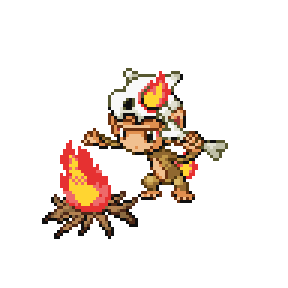
Cuferno has a strong intellect, able to use a bone as a club and tool in everyday life in the wild. It throws the club at intruders before beating its chest and screeching to try and scare them off.

Appearing at first to be two swords stuck within a Cubone skull, Cublade demonstrates its true skill in the heat of combat. Both blades release from their holder and strike with precision, while a faint glow emits from the skull's eye sockets.
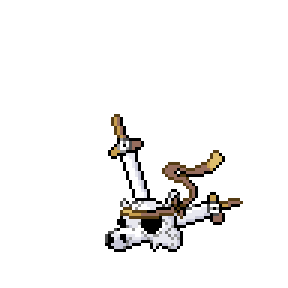
The ghostly wail of a Cubone is heard whenever Cuslash's skull-shield is struck, often unnerving opponents. This gives it the perfect opportunity to unsheathe its bone-blade and cut its foe down.
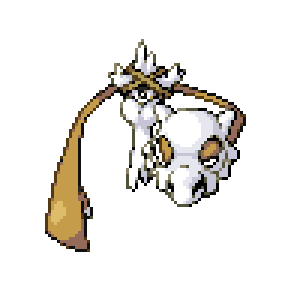
Some say Cuiard are inhabited by the spirits of soldiers who refuse to stop serving their leaders even after death. They dutifully serve their Trainer, using bones sharpened by the blades on their torso.
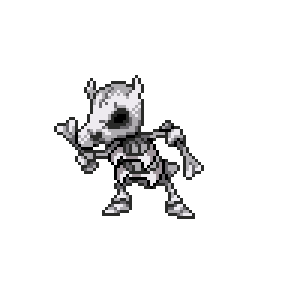
Curay inhabits the darkest caverns, its eyes glowing as it perceives others through the dark with perfect clarity. It creates sparks with the bone on its tail as a warning before belting out lightning at intruders.

Cutic appears to be a reanimated Milotic skeleton buried beneath sand and old seaweed. It hunts by pretending to be simple scenery, before leaping out and attacking prey with the sharp ends of its bones.

Cumence flies around mountain peaks, living a solitary lifestyle. It usually inhabits mountains that have a history of fallen Dragon types, and aggressively targets those who would invade and desecrate the area.
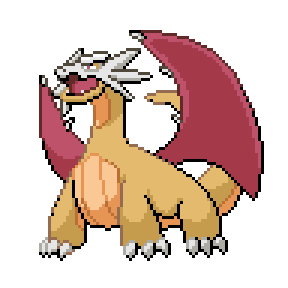
Cuark casts illusions in forests to confuse travelers into getting lost. It appears before them to lead them towards the exit, desperately seeking praise from others even if it has to engineer false heroics to do so.

Cuking uses the biggest and sturdiest bones from fallen creatures as a symbol of its might. It is very protective of younger Pokémon, showing no mercy to those who pick on them in its presence.
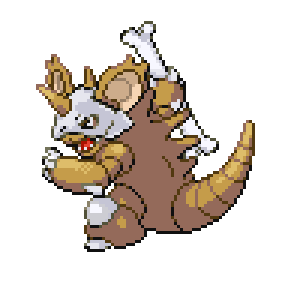
Isolated at the bottom of the sea, Cuogre does not want anything else to intrude upon its solitude. Anything that approaches its home is sent all the way back to the ocean's surface via massive churned-up whirlpools.
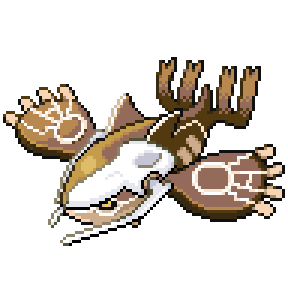
Cuquaza is a small specimen that appears to be wearing the skull of an ancient deceased Rayquaza. It lands only for a short duration to gather food, disappearing into the ozone layer, fearful of contact with other beings.

Legends say that Cualga would appear before certain humans and send them back in time. The stories all share a common theme of the time-traveler wanting to save a lost loved one.
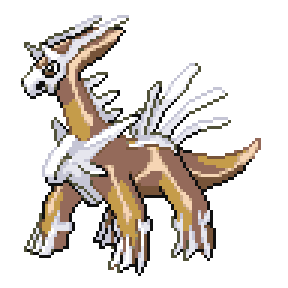
Images of Curem wielding a bone scythe gave rise to rumors depicting it as a reaper of lonely souls. The bony parts of its body are extremely chilling to the touch, and coated with permafrost.
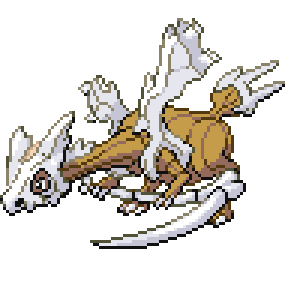
A strange, ghastly sort of aroma emanates from Curade's flowers. Most Pokémon are repelled, but Ghost types are attracted to the scent, leading to exorcists using it to help forcefully expel ghosts haunting homes.

In private, Cupunny likes to play with its bone, tossing it in the air and catching it like a baton as it leaps around. It gets extremely embarrassed if someone catches it doing this.

Culoom uses its powerful leaps combined with its lengthy tail to strike opponents from afar. The spores its mushroom cap creates cause watery eyes in those afflicted.
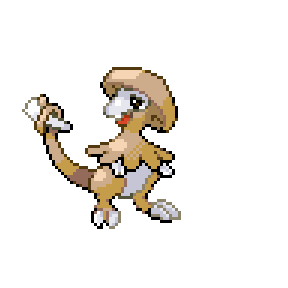
Cunette controls the bones it carries with ghostly power, but makes it appear as if it's the other way around. It does this to look more frightening and more effectively scare small children.

Cupix is most often seen in the wild near graveyards. It seems to have a light connection to the spirit world, and some believe the pale flames its tails conjure are the spirits of deceased Pokémon made manifest.

Cuki lies prone, waiting for a curious onlooker to approach. Once they're within range, it springs to life and rattles the bones it collects creepily before floating away.

Wearing a disguise looking like Cubone and even wielding a bone similarly, Cukyu tries to make friends with the Pokémon. Some appreciate the effort, while others find it disconcerting.

At first it was thought that Cuno's bony helmet obscured its vision before it was discovered it lacks eyes. Its strong sense of smell leads it to prey it knocks out with a single solid headbutt.

First discovered in the vicinity of Lavender Town, Cutales is an elusive species that avoids human contact. Touching one of its tails is said to curse the perpetrator to be eternally lonely.

Extremely slothful, Cukoth rarely moves even in its own self-defense. It is quite attached to its club, but even if it's stolen it won't muster up the energy to take it back, simply crying loudly in response.

Curoth has been seen pulling the bones out of its own body to use as weapons. It does this because its body grows new bones so quickly, the old ones would cause it extreme discomfort if not removed for too long.

Curon lays around dry areas, moving so little that small insects often flock to it. It pretends to be deceased as a way to avoid interacting with others; it is quite antisocial.

The Salamence skull Cuagon wears fills it with even more determination to one day fly. At the same time, it seems less inclined to leap off tall cliffs, fearful of breaking the helmet that inspires it so.
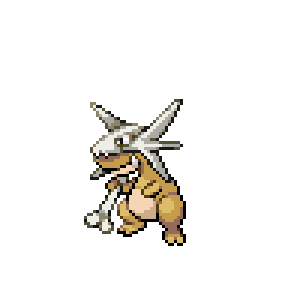
Cuelgon hides its small frame with the skull of a fallen Salamence. Timid and not terribly strong, it rarely pokes itself out from the shelter until it's time to evolve.

Curua uses illusions to masquerade itself as other Pokémon so it won't be lonely. If its friends discover it in its true form, however, it gets embarrassed and flees in a panic.

Wearing the skull of a fallen Charizard fills Cumander with vigor and bravery. It fights much more confidently, but this confidence falters instantly should someone manage to remove its helmet.
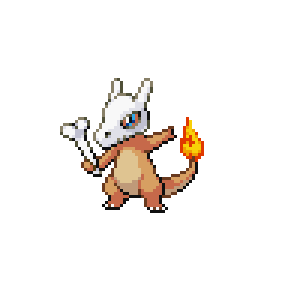
Highly timid, Cueary tries its best to be brave when trouble approaches. It usually manages a few seconds of flailing its club about before it inevitably hops away in terror.

Cusis has a difficult time trusting in others. When under stress, it hardens the normally gelatinous covering around its skull until it gets as rigid and sturdy as solid bone.

The strange, dripping material surrounding Cusion has a consistency somewhere between slime and sand. Research is still determining whether the head or the crossbones is the true core and source of its powers.
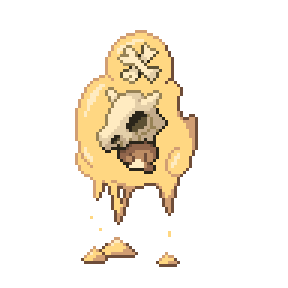
Curok tries to project an aura of confidence and charisma, but is actually highly self-conscious. If something knocks the skull off of its face, it will sob uncontrollably until it manages to cover itself again.
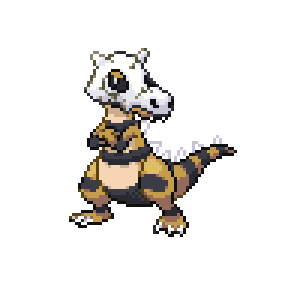
Cuxew grinds the bones it carries against the its tusks, in order to sharpen them both for battle. Broken tusks grow back and cause it little issue, but bones breaking while sharpening cause it to go into a panicked fluster.
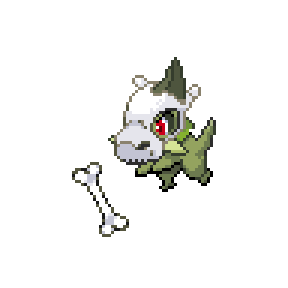
Culing create nests made of skulls and bones when it comes time to roost. The quiet chirping songs they sing during these moments have a decidedly melancholy feel to them.

Small flames flare up from the nostrils of Cuinder's skull-helmet when it's agitated. It uses bones leftover from previous hunts to help build its nests.

Curunt's extra skull layer around its cranium gives it ample protection from blows. It has a belligerent personality, but chewing on bones keeps its more aggressive impulses at bay.

Curunt carries a bone with it at all times, and sharpens one end of it over time. It uses the pointed end to chisel away at large ice blocks, digging itself out a den for when night falls.

Cuish buries itself in the ground to sleep, appearing to be a simple skull and foliage. If something gets too close, it instinctively waves its bone around and spreads an annoying pollen around that provokes sneezing fits.
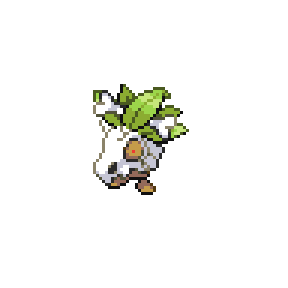
Cucorio cheers valiantly for its allies in battle, sparks showering from the pom-poms it holds. If the ally still loses, it falls to the ground, despondent at having failed to support them enough.

Cubish rummages through dumpsters and landfills to find detritus to consume. It uses bones as armor and weaponry to deal with other scavengers that might try to steal its trashy meal.
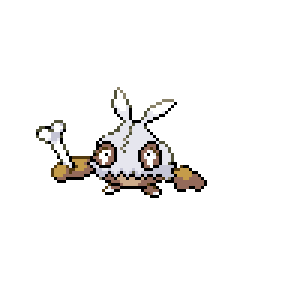
Traveling in small schools, hungry Cuvanha can reduce creatures to bones in a few moments of a feeding frenzy. Even the bones are not wasted, held in Cuvanha's jaws to use as self-defense.

Cuedo aggressively picks fights with other fierce underwater denizens, most often Sharpedo. The larger and deeper the scar on its skull is, the more respect it garners from others of its kind.

With a glowing red eye and many bone accessories, Cuvenant cuts a frightening visage. It's actually quite weak-willed, however; if its appearance and roar don't scare something off, it panics and flees into the forest.

Cuoom's scent is tied to its mood, and is primarily a noxious aroma due it often being in a state of depression. The tears it sheds are a type nectar known for being particularly sweet.

A silent and deadly hunter of the night, Cuvern swoops down and uses the bone club it carries to knock out prey in one strike. A second swoop follows, snatching up its target to be taken back to its lair.
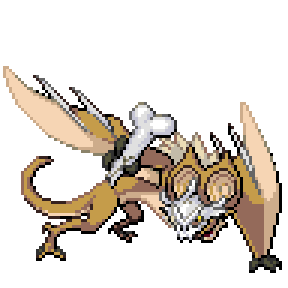
With a sensitive heart, Cudra is prone to crying at the drop of a hat. The tears it sheds are a thick and viscous fluid that often leaves sticky streaks trailing down from its eyes.
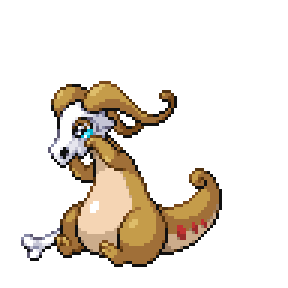
Cuplume's pollen clouds cause strong hallucinations in victims. In ancient times, people thought it caused them to glimpse into the afterlife, giving it a feared reputation.
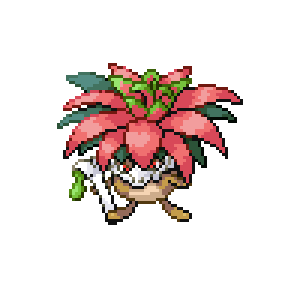
Cuful is incredibly forlorn, bonding with the first person to show it kindness. Its attachment is so great that it sometimes lashes out at family and friends, fearful they will take its beloved companion from it.

Culucha decorates the underside of its wings with bones. This macabre display not only intimidates some of its opponents, but it can pluck them from its wings to throw as projectiles in battle.

Cunea buries itself in the sand and pretends to be the skull of a fallen creature, until something wanders too close. It leaps from the sand with a cry, and comes down with a spiky-limb punch.
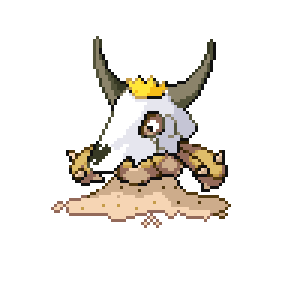
Curas's mushrooms have a brittle texture and a terribly bitter and sour taste, so few bother to pick them from it. The unique flavor is actually quite liked by certain Ghost types, however.

Cusand takes on the appearance of a friendly sanctum for small Pokémon to gather under for safety. Its extreme loneliness makes it very clingy, however, so those that enter beneath its skull dome are not allowed to leave.

Friendly and unfailingly loyal, Curuff makes for a devoted, if slightly over-attached, pet. Its most beloved bonding activity is playing fetch with its Trainer using its favorite bone.

Cusect carries a strange mushroom with it that dispenses heavy amounts of spores with a single shake. Living things that come in contact with the spores have their eyes become extremely irritated and watery for several hours.

Cunat's compound eyes let it easily spot oncoming threats and move to avoid them. When alone, it has a habit of chewing on the bone it carries to calm its nerves.
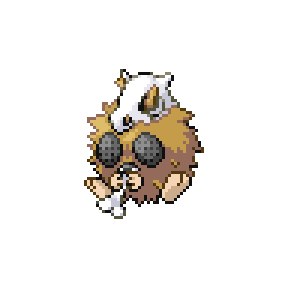
Cukin practices casting fire magic, using the bone it carries as its staff. It ignites the tip with its flame breath before flinging the fireball at its target.
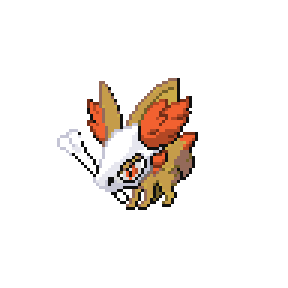
When upset, copious amounts of steam pour out from the eyes of Cukoal's skull-like shell. Sometimes, the steam clouds take the shape of Cubone or Marowak before dissipating.
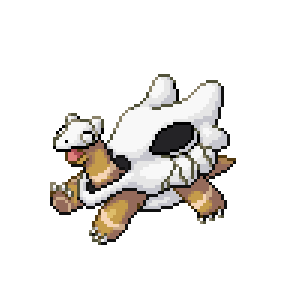
Cukaboo likes to target those traveling at night through forests for its pranks. Using a bit of ghostly energy, it throws hexes of bad luck from its bone, using it like a magic wand.

Bones grow from Cuor's core and jut out of holes in its exterior. It fires these bones as a self-defense method, the hollow holes glowing a faint, colorful energy until a new bone grows and fills the gap anew.
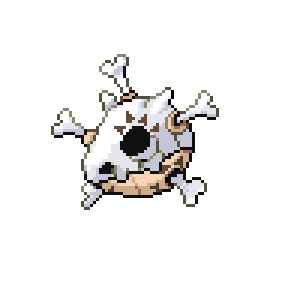
Cuor emits a strange energy that lets it control the broken off bone shards of its shell-like casing. Using this, it manipulates them into weapons and armor to keep itself safe from attackers.
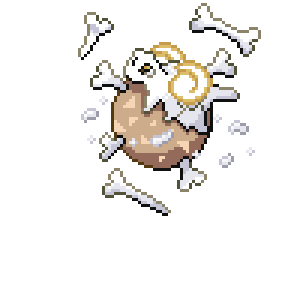
It wears the skull of another unfortunate Diglett on its head for protection. Culett was first discovered after sightings of "Diglett ghosts" became increasingly more common.

Cudisc appears to be drawn to feelings of loneliness. It leaps from the water into the arms of those feeling isolated, and cries for them out of sympathy.
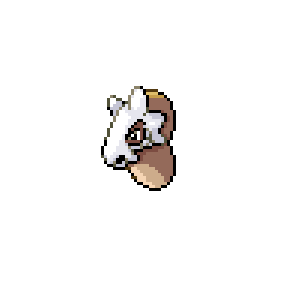
Trainers hoping to raise Cuyena are advised to adopt them in pairs. It is easily prone to lonesomeness, and needs the presence of another of its kind in order to not become depressed.
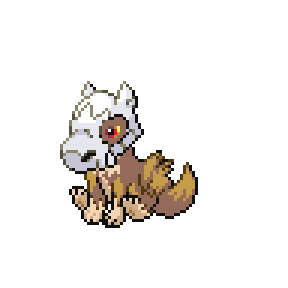
Cuple's back is covered with a bony carapace to keep itself safer from predators. It rarely crawls down from its home on branches, using thread shot from its mouth to reel in food from the forest floor.
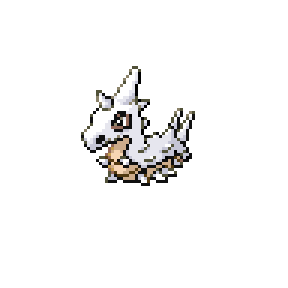
Cutrio carries a duo of bones and skulls with it at all times. It has been observed speaking to them regularly, and some observers swear to have faintly heard responses on occasion.

Easily upset, Cumur cries constantly and loudly. Its decibel levels while crying could cause cave-ins, so many other creatures kick it out of their dens on sight, making it even more despondent.
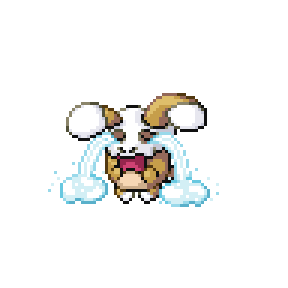
Before rival Cuyama get into a shoving match to express dominance, they use their collected bones to beat the ground as a customary pre-battle ritual. The loser will have to forfeit some of its bones to the victor.
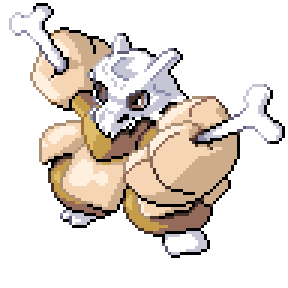
Cuwhirl was a common sight in the past as part of the many pirate crews. It used its large bone club to help its partners in crime board other ships and plunder their belongings.

Cuwrath fights with a great strength tinged with a great sorrow. It's fairly common to see its eyes heavy with tears even as it battles opponents with all its might.
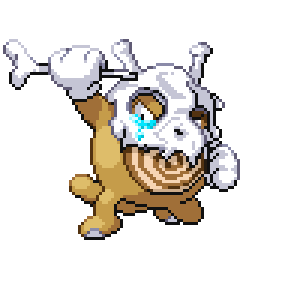
Cura defends itself from multiple angles with the telekinetically controlled bones of deceased Marowak. In serious situations, it reforms the entire skeleton to battle an opponent alongside it.

Cukazam wears and wields several bones across its body. Using its powerful mind, it can control these skeletal pieces all at once in battle, giving it a wide range of attacks to use on foes.

Cuchamp wields bone clubs in two hands while the other two remain empty-handed, letting it excel in two combat methods. Some more aggressive Cuchamp have been seen fashioning bone gauntlets for their fists.

The bulbs poking through the skull Cucool wears help it navigate, sensing surroundings with bio-electric pulses. Its sting causes allergic reactions near the eyes, resulting in irritation, excessive tear production and even blindness in some cases.

The first sightings of Cuta in the past caused slight mass panic due to its ghastly appearance, leading to many horror stories about them. Fortunately, modern times let people realize the species is harmless and in fact quite shy.

Cudash's morbid appearance and odd-colored flames gave it a dark initial reputation. Old folk tales say it would appear to chase down and forcibly drag innocent souls to the underworld.

Cupoke feels angry and forlorn, though it cannot remember the reason why. It finds some tranquility when in the presence of Slowpoke and Cubone families.
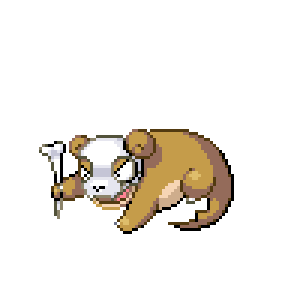
Cutortle swims through riverbanks in search of opponents to test its mettle against. The more scratches its shell and skull helmet show, the more battle-hardened Cutortle becomes.
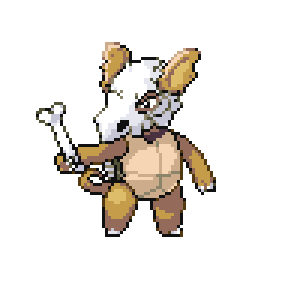
The Cuton trio can separate to better evade or attack foes. The center member directs the other two with waves of its magnetically-charged bone.

Cufetchd gathers up bones from old nests to use as a tool. It is intelligent enough to draw symbols in the ground with its bone in order to better communicate with humans.

Cutoise's large size belies its tender heart, and it is quite emotional. When sad or angry, the water it shoots from its cannons fires at twice the usual strength.
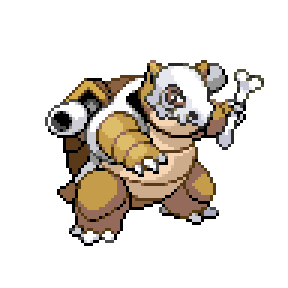
Holding it with its tongue, Cuder wields a bone as a weapon with surprising dexterity. The pointed teeth of its skull give it a painful bite force as well, should its bone-club prove ineffective.

The bone-like protrusions on the side of Custer's shell can launch out and home in on targets. Once they've connected and knocked out a foe, the bones fly back and slot into place.

Despite its size, Cunix is gentle and non-confrontational. It prefers gently nudging or batting away problems with the bone on its tail rather than using its massive stone-and-bone-covered body.
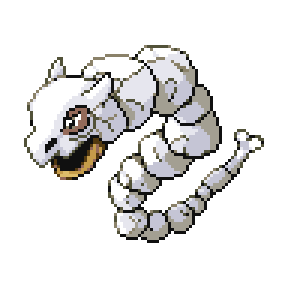
Cuno's skull helmet protects it somewhat from the psychic assaults of other Pokémon. Rapping the bone it carries against its pendulum causes it to generate extremely powerful hypnotic waves.

Cuby collects bones from the beaches to make a den for itself. Though a home made entirely of bones seems intimidating, Cuby is quite friendly and docile.
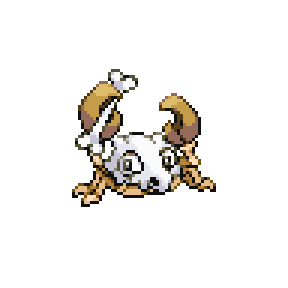
When Cuby shakes or clacks its claws together, they make an eerie hollow rattling sound that is effective at frightening off predators. The claws themselves are somewhat brittle and ill-equipped for prolonged combat.
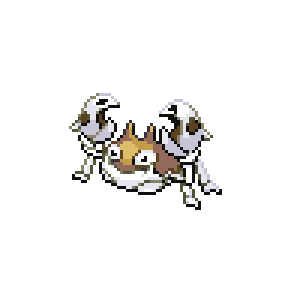
Marode bashes the ground with the club held in its mouth to warn away potential attackers. If the warning isn't heeded, it spits the club like a projectile before rolling forward quickly to get close and trigger a devastating explosion.

Familial love allows the spirit of a Marowak to stay tethered to the mortal realm. Though it is no longer alive, the ghost will stay by its side and protect it always.
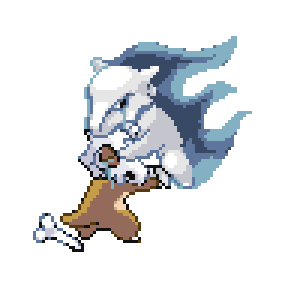
Marodon's body is so durable that there has never been a specimen seen with a crack on its bony armor. It lives among Rhyhorn colonies, keeping watch over the young in particular.

Marosey is said to communicate with the souls of fallen Marowak. It takes it upon itself to care for any and all Cubone it comes across, to soothe the matron spirit it communes with.

Maroew gathers the bones of Pokémon and makes a collection of them. When it has enough for an entire skeleton, it animates them with its psychic powers to play with its new skeletal companion.

Marotu was often seen as an assistant to priests of ancient tribal civilizations. It was believed that using and wearing the bones of fallen Pokémon allowed it to draw from their spirits and gaze into the afterlife.
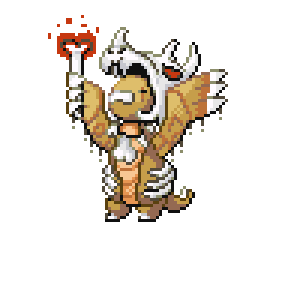
The bones of its rivals are worn by Maroring as a monument to its strength and triumph over others. It's thought that ancient tribes used Maroring's markings as inspiration in their magical practices.

Maroraid chews on the bones of undersea creatures to gain nutrients. If it neglected to do so, its teeth and water-spitting capacity would stagnate, leaving it less able to defend itself from larger creatures.
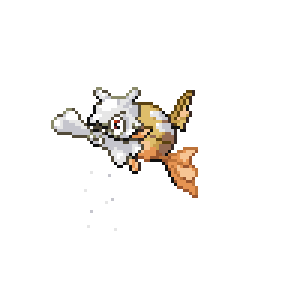
The two blades are made of exquisitely sharpened bones. Maroblade's fighting style is extremely aggressive, hacking away wildly at opponents with both swords, as if taking out repressed anger out on its opponents.
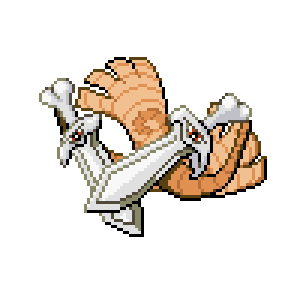
Marotic is a fierce hunter that moves smoothly through desert sands as if it were water. It seizes its prey with seaweed-like tendrils before constricting them and dragging them beneath the sand.
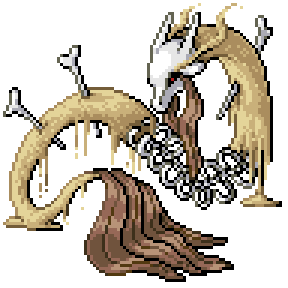
Maroveon ordinarily keeps to itself in the wild, until it senses the sorrow of those who have lost a family member. Drawn to their sadness, it lightly touches them with its ribbon, which allows the person to feel a sense of catharsis.
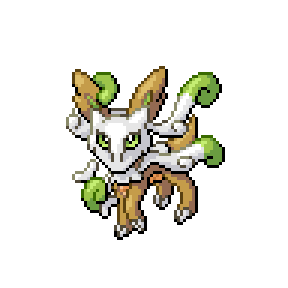
Marotuff's bone club emits a faint aura that lets it gently put people into a restful slumber. It stays near the sleeper, using the club just as effectively for defense should an attacker draw close to them.

The bone at the end of Marororus's tail is incredibly solid, strong enough to shatter a boulder with a single swing. It travels alone, only interacting with others when it sees young Pokémon in need of protection.
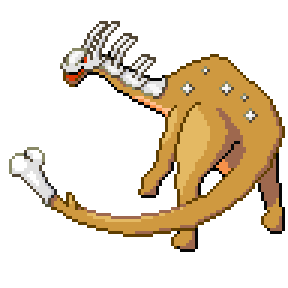
Marosect scuttles around caverns, pretending to be a hollow skull to avoid predators. It is said that if one listens closely, the faint and eerie cry of a Marowak can be heard echoing within the skull-like growth.

Maromeleon scrapes the bone it carries across its skull to set it aflame, lighting it like a match. Its fighting style gets fiercer once its bone is on fire, so Trainers should take care to make sure it doesn't get carried away in battle.

The bony covering over Maroloud's skull gives its cries a reverberating effect and increases its bass levels. It can cause seismic activity in its immediate surroundings using its powerful voice.
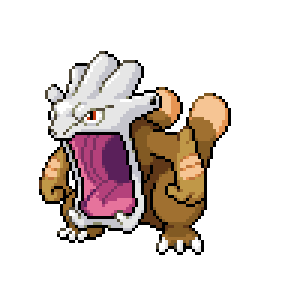
Maroape channels all of its anger and strength into the bone club it carries. Should the weapon break in battle, it flies into an even greater rage that borders on madness.

The star present on Marobra's skull changes color as it grows smarter and more psychically proficient. Gold is considered the highest rank, though rumors persist of a level beyond even that.

Marokazam uses powerful telekinesis to control sand and wind alike and create sandstorms at will. Whirling bones propelled by dusty tornadoes will assault any that disturb its solitude.

Marochoke possesses a physique and strength near unparalleled, and maintains a quiet, somber persona. Some say it trains constantly because it fears the possibility of lacking the strength to protect its loved ones.

The skulls on each head are so solidly built that it's often said nothing can survive being hit by all three in tandem. Marodrio dashes across arid dry lands at night, leaping through the air with a piercing cry.

Hitmonbone uses the bones it carries as a makeshift lance and shield. It doesn't neglect training its own body, balancing itself on its bone-spear and practicing its kicking techniques when alone.

Hitmonlee's kicking-based fighting style is emulated by many professional martial artists. Though it focuses almost exclusively on kicks, it has a formidable fist strike able to send a foe flying with a mere one-inch punch.

Hitmonlee's hands have become legs as well, gaining the same strength and extendable nature its legs normally possess. This gives it unparalleled combat capabilities with a unique four-kick fighting style.

Hitmondos excels at combatting others using its long and heavy tail. Its tail strength is enough that it could easily knock a Wailord unconscious with a single swing.

A dodgy foe that teleports and weaves away from nearly every strike, Hitmonew packs its legs full of psychic energy that boost its attack. It only needs one good strike to knock out even the largest of foes.

Hitmonchu's extendable legs pack a powerful punch for its size. Its electric control is still developing, so only about half of its kicks are able to be enhanced and charged up with electricity.

Though its horn is as powerful a weapon as its legs, Hitmoncross only uses it in battle as a last resort. It much prefers victories that come only from its kicking prowess.

Its legs are powerful, but its heavy rotund body makes its mobility poor. Hitmonperior fires pressurized air from the holes in its palms at the ground to help it leap through the air and close the distance to its opponents.

Hitmonbusken spends hours a day practicing its kicking technique. It has honed its technique enough that it can kick faster than the naked eye can perceive.

Hitmonlurk's extendable limbs let it more easily deal with intruders, striking them from afar with powerful strikes, especially its kicks. Its body is covered with cracks as the result of extensively training itself when not dealing with trespassers.

Hitmonolu's still-budding aura sense is strongest in its well-trained legs. As such, it has to kick or otherwise touch a person with its feet in order to sense their aura.
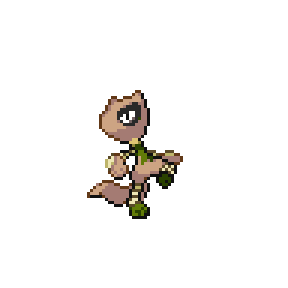
Hitmonbat perches on cave ceilings until it needs to hunt, rocketing downward with its foot to knock prey out in one strike. The "Hitmonbat Kick" is a popular image in recent media.
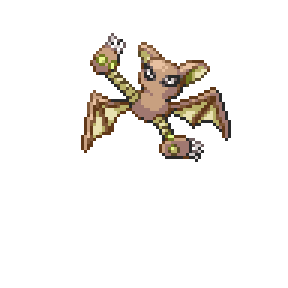
Hitmonizard possesses great discipline as well as a great ego. It looks down upon most others, and won't even deign to kick at an opponent until they prove worthy of the effort.

Hitmoncool was thought to be an undiscovered variant of Toedscool until further research was performed. Its leg-like tentacles are deceptively strong, and deliver a potent dose of poison with every kick.

Hitmonler can tuck its multiple feet into its body in order to roll down steep slopes. This also makes it adept at hiding limbs in combat until the right moment to launch surprise kicks at opponents.

The screws at the bottom of Hitmonmite's body are much longer than they seem, able to extend far outward at high speed as an attack. Though small, these "kicks" carry enough power to send a Golem flying.
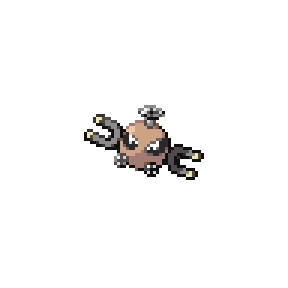
Its feet can operate freely from the main body, allowing it to launch kicking attacks from long distances at any angle. They must return to it to recharge periodically, however, or risk falling out of the sky and becoming useless until retrieved.
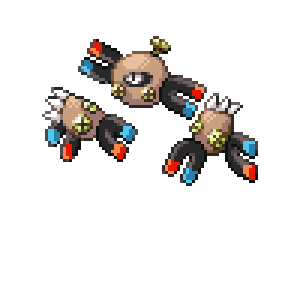
Above and especially beneath the waters, Hitmoneel delivers a strong kick with the swing of its tail. After winning a match, it claps its arms and feet together in celebration of victory.

Hitmontoise fires disembodied feet from its cannons to assault foes with powerful kicks from a distance. A few minutes after being fired, the feet dissolve into water.

Though Hitmonode's round body and short limbs limit its mobility, it packs an incredible punch when it lands a hit. A single good punch from its fist carries enough explosive force to send the heaviest of Pokémon careening through the air.

Hitmonlee uses its retractable and stretchy legs to maintain balance while ducking and weaving from an opponent's blows. They also allow it to take positions that let it punch from unorthodox angles.

Hitmontwo is a furious fighter, venting out its pent-up aggression through its fists. If a punch sends its foe flying off, it uses telekinesis to pull them back to it just so it can continue pummeling them.
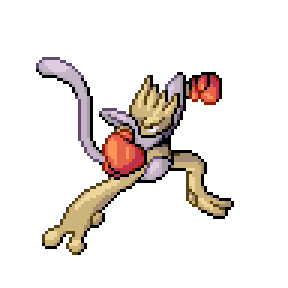
Hitmonew is a pugilist always eager to test its mettle against larger opponents. It dodges strikes with teleportation, reappearing in the perfect position to deliver punishing counter-punches.

Hitmondour has firm protective plating formed around the head, so that its skull is guarded against opponents and other Hitmondour it trains with. Humanity may have taken inspiration from it when creating boxing safety gear.

Hitmon Jr. is often found watching boxing matches on television or from the ringside. It mimics the moves of the combatants, honing its punching skills to perfection.
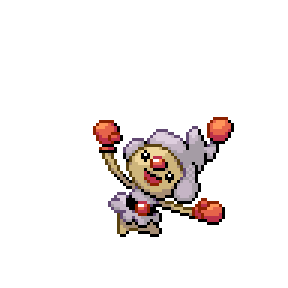
Hitmonzone's limbs deliver powerful blows and have a long reach. It uses strong magnetism to quickly maneuver around opponents and strike from the best angles.
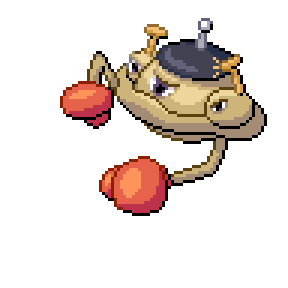
It's thought that fusion has somehow caused Hitmongon-Z to be stuck between the real world and cyberspace. Its limbs undulate and swap around at random, and few can look at its glitchy form for long without developing headaches.

A prime example of a dance-battler, Hitmonlia dodges a foe's strikes with ballerina-like grace, and returns with a punishing counter-punch without missing a step in its dance routine.

Hitmonvoir trains its fists to protect those it cares for. Those with a Trainer hone themselves particularly fiercely, often needing to be forced to stop and rest their exhausted body.

Though it has good fighting spirit and decent offense, Hitmondoof has something of a glass jaw; even a single hit impacting its tooth will send it scurrying away, the will to fight completely gone.

Hitmontomb's vigor for combat and practice is nearly infinite. It will rise from its keystone to fistfight anything that draws near, its spectral form letting it stretch its limbs to punch from long distances.

Hitmonpass's gloves contain powerful magnets, propelling them forward once they've locked onto a foe. Hitmonpass floats back and forth as it waits for its opponent to strike, magnetically repelling itself to dodge before delivering a devastating counter.

Hitmonblade floats around deftly in battle, dodging strikes and countering with strong punches. If desperate to win a fight, its fists can become blades, giving it more power and reach.

A pugilistic pup with a penchant for punches, Hitmonolu powers up its aura through fisticuffs. In particularly intense training bouts or battles, its fists may even begin emitting aura with each swing.

Hitmonbas is extremely self-conscious about its appearance. If it even thinks a person is looking down on it for its looks, it responds with extreme aggression and numerous fists to the face.

Hitmonbat trains itself by flying above and striking others with its fist-feet. Because of its small stature, the strikes are viewed more as a considerable nuisance than actually painful.
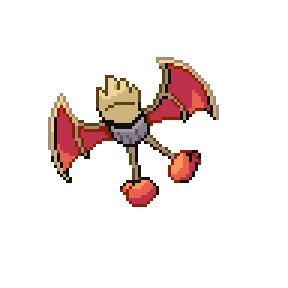
Hitmonbat never uses its fangs while hunting, only its fists. It fights prey one-on-one, and only deigns to sink its teeth and draw blood if it has knocked an opponent out in a straightforward bout.
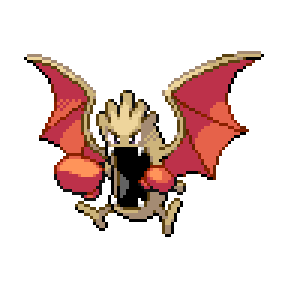
Hitmonice's frozen fists chill the air around it, forming ice whenever it throws a punch. It is said that even the hottest of Fire-Type Pokémon will be frozen solid from getting hit by even a single jab.
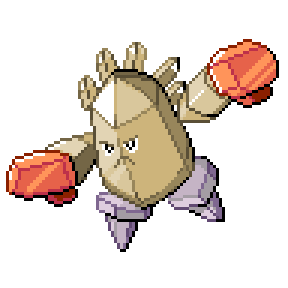
Hitmonea's boxing style is unrefined, consisting of wild swinging of its arms until it hits something. It hydrates itself often before and after battle, to the point of excess, leaving it bloated and slower-moving for a time.

Hitmonetta's combat movements are light and limber, akin to dance moves. It incorporates many twirls into its fighting style and specializes in spinning backhanded punches.

Every punch swung by Hitmonloud is accompanied by its bellowing cry. Its voice is so strong that it's not uncommon for a punch to miss, only for the opponent to be damaged by the sound-waves of its deafening roar.
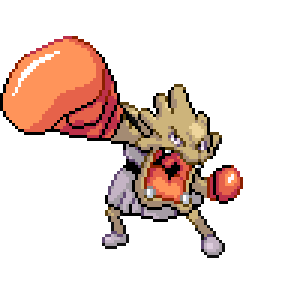
Hitmonler often taunts an opponent by beating its chest, daring a foe to take the first hit. Those that fall for the gambit find themselves hit by a punishing counter from Hitmonler's four fists.
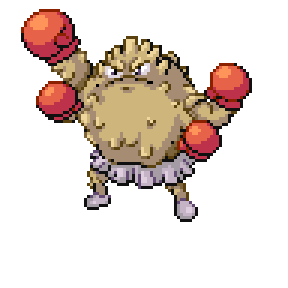
Hitmonlem has mastered a unique style of defense and offense. It tucks itself into a sphere and rolls at high speeds, its stone body near impervious to damage, before it springs out with quick punches that send opponents flying.

Though its punches are already potent, Hitmonmite excels in fighting Steel-type opponents. It shifts the polarity of its fists so they magnetize toward the target, increasing the speed and force it can punch metallic foes with.

Hitmonton can fire two of its fist-like components outward as long-distance punching attacks. Attached magnets ensure they quickly return, ready to be launched again.

Hitmonster are constantly seen closed and at rest, their tough shell and sharp spikes deterring most predators. Those who attempt to forcefully pry open the shell will see it open suddenly to launch a devastating punch from within.
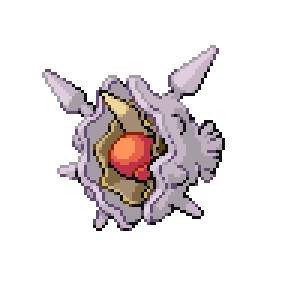
Hitmonter's gloved fists can pass through solid objects, punching others from a completely different room. It picks fights with other Ghost Pokémon to see who's more worthy of haunting a location.
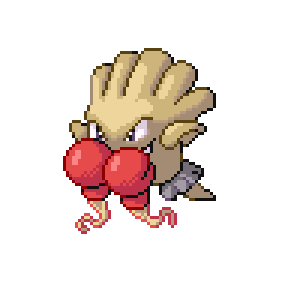
Thanks to a hive mind, any flavor one egg's tongue comes across, the others will taste as well. Should one of the clutch find something particularly delicious, the entire group will swarm and lick it intensely from all sides.

Between the stone whip it carries and its thick tongue, Lickiwak is never lacking a tool to bludgeon opponents. It's quite protective of smaller, younger Pokémon it resides near.

If something piques its interest, Lickihorn will charge towards it, intent on licking it thoroughly. It will bowl over anything unfortunate enough to get between it and its target.

Before offering any of its nutritious eggs to others, Lickisey will thoroughly lick them to ensure they are clean. While meant as a gesture of goodwill, this often makes the exchange feel awkward for the other party.

Like its vines, Lickigela's tongue will be replaced by a new one within 24 hours if severed. A severed tongue flops and wriggles for several seconds afterward, a sight many consider unnerving.

With its huge tongue, Lickikhan can gather up large amounts of food in a single motion, gathering it for its child. These large portions are necessary, as Lickikhan young have a prodigious appetite.

The tongue-like organs on Lickither's arms let it poke and prod at things to determine if they are tasty or not. It favors areas where lots of tart-flavored berries grow.

Lickito's transformative accuracy increases if it has licked the object it intends to mimic shortly before changing. Research suggests the lingering taste of what it licked helps it remember finer details.
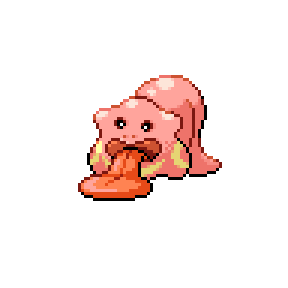
A bit of a prankster, Lickigon likes to hide among computer towers and wait. When someone goes to interact with the computer, it gives their hand a messy lick before hopping away.

Lickiew's long tongue is linked to its mental abilities. It reads a person's mind by licking them, though it also simply enjoys the act of licking another creature.

When Lickiflora soaks in a sufficient amount of sunlight, the ring of tongue-like petals around its face drips a type of condensation. Some are disturbed by the idea that morning dew might actually be Lickiflora's "saliva".

Lickichu can use lightning coursing from its ears to electrify its tongue in battle to powerful effect. Out of battle, it sometimes "swallows" the electricity on its tongue, apparently enjoying the tingling sensation it brings.
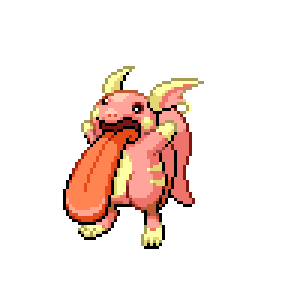
Fusion has caused Lickilicky's body to be unable to retract its long tongue, leaving it forever extended. It must regularly find sources of moisture to lick to prevent its tongue drying out.

The tongue-spines on Lickislash's back have functioning taste buds. Though not used for eating, when Lickislash rolls around, it is able to slightly taste everything it rolls over.

Lickidoof uses its lengthy tongue to carry multiple logs of wood at once, increasing the speed with which it can build dams. Once a dam is complete, it christens it by giving all the wood a thorough licking.
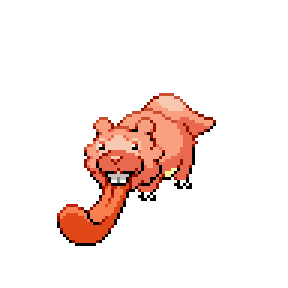
Extremely lazy, a lounging Lickiking will gesture at passersby to feed it. Those that do not comply will be seized by its lengthy tongue, then pummeled by its powerful fists for their refusal.

Some have theorized that the entirety of Lickilie's body within the outer casing is comprised of tongues, but this is unconfirmed. Anyone licked by one of its tongues will experience severe chills afterward.

The noxious yet sweet honey that Lickioom's flower produces flows outward to become the saliva on its many tongues. Anyone licked by it will have the nasty stench stuck to their body for at least a week.

One can see through its transparent dome that Lickisteel has a mass of roiling tongues within it. Should it fire one of its tongue-limbs off or lose it in battle, another from the center mass will replace it shortly.
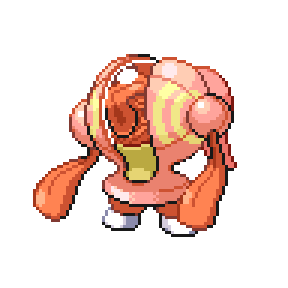
Always eager for a good fight, Lickilucha does not consider a fight truly won until it has pinned its opponent beneath its powerful tongue for a three-count. Unsurprisingly, not many are eager to let it earn this type of victory.
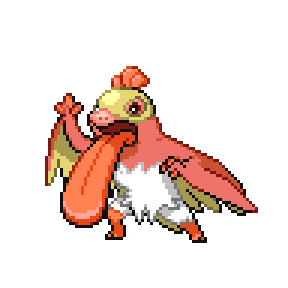
Explorers are cautioned against picking Lickiras's mushrooms, even in cases of dire hunger. In the majority of people, consumption causes a highly uncomfortable swelling of the tongue.

Lickiple's tongue can extend to almost three times its body length. Using this, it can reach out and consume leaves from a safe distance and rarely scurry far out of its home inside tree trunks.
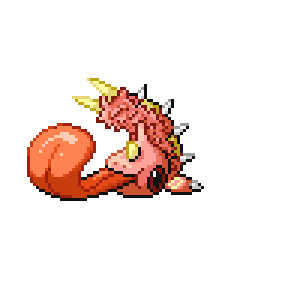
Digging as a trio takes a lot of energy, so when Lickitrio surfaces to feed, its tongues lash out to gorge on anything nearby. The leader of the group will sometimes smack the others with its tongue to get them to reprimand them.

Lickiler wraps its tongue vertically around itself before rolling down mountainsides. Anything that gets stuck to its tongue as it rolls gets slurped up after the downward roll is complete.
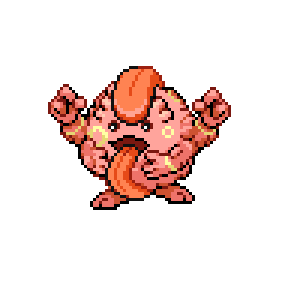
Its taste buds are very sensitive, so any time food touches Lickipoke's tongue, its simple mind is overwhelmed by the flavors. It's so enamored by the feeling of it against its tongue that it often forgets to actually eat the food.

Lickibro's thick tail helps it stay upright and counter the balance of its long heavy tongue. Its simple mind makes it forget it can retract its tongue back into its mouth.

The sticky tongue shared by both heads moves between them like a conveyor belt: food flows into one head and disappears, then the other. When bored, the heads may play an odd sort of tug-of-war with the tongue.
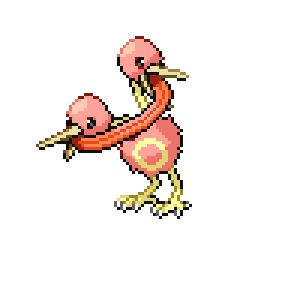
Lickimer loves to lick up anything it can find off the ground to eat and let its goo-like body grow larger. It can even be seen slurping up parts of its own body that have dripped off and puddled on the ground.
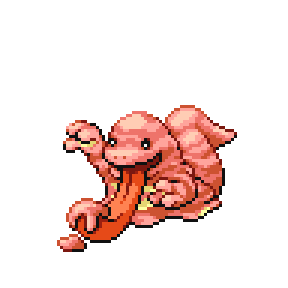
As Lickiuk roams near urban areas, it uses its tongue to grab and swallow any object it comes across. These items are not digested but are left behind in Lickiuk's trail, coated in stinky slime.

Though possessing less power than a normal Weezing, this Pokémon carries itself with a more chipper demeanor as well. It's theorized this is because the fusion resulted in less gas within it, causing less internal pressure.

The stench of Koffdon's toxic clouds is particularly abhorred by Rock-type Pokémon. It can fling drill-shaped smog projectiles at foes that seep into their body and leave them badly poisoned.
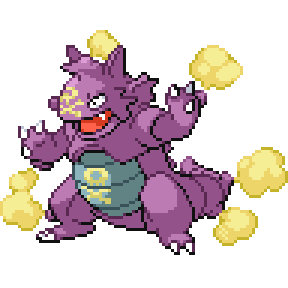
Koffbuzz generates toxic storm-clouds from the pores on its body. Due to the lightning and poison, the clouds are untouchable by others, though Koffbuzz can manipulate them effortlessly.

A smog sac within Koffreon's body regularly generates noxious gas that clings to its body. Touching the smog unprotected will lead to minor chemical burns on the skin.
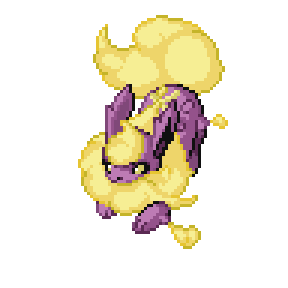
Koffew's behaves in a carefree and dim manner, floating after anything that catches its curiosity. The clouds it emits all have a different scent, and research has determined each matches the natural odor of various other Pokémon species.

As a sign of affection, Koffgey will use its wings to blow the clouds it creates in order to share its scent with others. It doesn't seem to realize most others don't appreciate its uniquely pungent aroma.

Kofftomb's ghost-like body is comprised of highly pungent and toxic gases. It enjoys enveloping plant life with its gaseous form and watching the plants slowly wither due to its toxins.

A set of Koffing create a thick cloud that carries along a battle-hungry Chimchar across the lands, searching for opponents. It is said only the pure of heart can sit upon the cloud; all others fall right through.

Those that inhale Koffrai's fumes will find themselves quickly falling into a deep slumber. The sleep is fraught with nightmares framed around being unable to breathe; victims always wake up gasping for air.
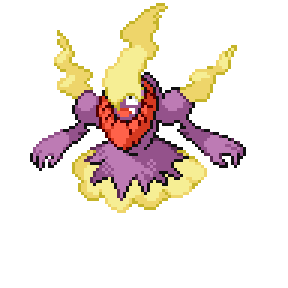
Koffpix expels fumes from behind at a constant rate, its three tails of smog never dissipating in full. If threatened, it can ignite the fumes and use them to sling fireballs at attackers.
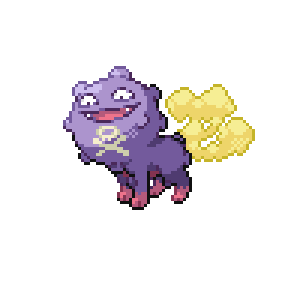
As Koffetta sings, it emits clouds of gas in the shapes of musical notes. Though it makes a pleasant sound, these clouds are very pungent and will send those who smell them into fierce coughing fits.
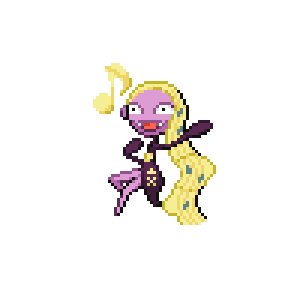
Koffecho floats along with the breeze, always trailing a tail made of its gases. Those that inhale the gases as it passes by hear a faint ringing in their ears for a few hours afterward.
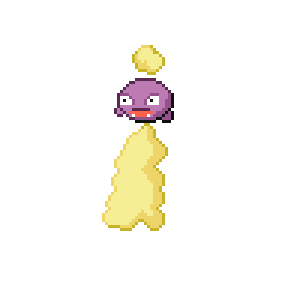
Koffdude can temporarily solidify the smog it creates into fists for self-defense. Being punched by these cloudy limbs not only hurts but leaves a lasting poison in those struck.
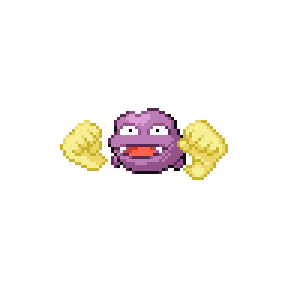
Koffnix's toxins work their way up from the tip of the tail before being exhaled through the segments closer to its head. Its poison works particularly well on Rock-types, so many underground denizens give it a wide berth.
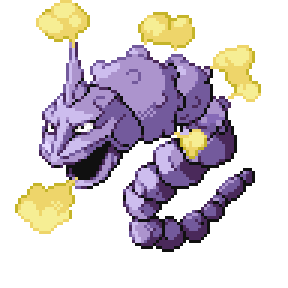
Metauna contains two separate layers of cocoon over its body to protect its evolving form. Though this gives it added defenses, it also lengthens the amount of time for evolution to complete.
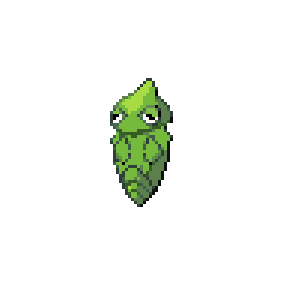
Metaew hides deep in the forest to hide away from others until evolution completes. The cocoon on its tail can vibrate to release faint psychic pulses that cause disorientation and confusion the closer they draw to it.

The closer Metagon2 gets to evolving, the smoother and more rounded its cocoon gets. When evolution is imminent, cracks begin to form and binary code can be seen quickly flowing within the gaps.
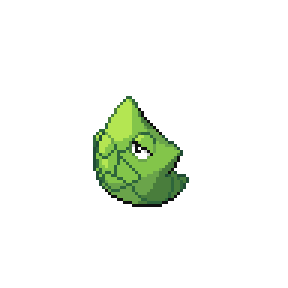
Metavyle hides among shrubbery to camouflage its nearly-immobile body while it waits for evolution. To defend itself, vines can burst from within its shell, though growing back the broken spots delays its evolution.

Metatomb forms up through cracks in the Metapod-shaped stone it inhabits. It is not especially hostile, appearing only to defend Metapod colonies from predators.
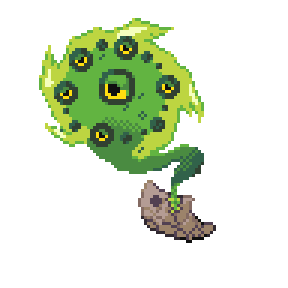
Metaceus's cocoon is said to be made of materials more ancient and durable than any naturally occurring on the planet. Analyzing them has proven difficult, as once Metaceus evolves, the cocoon dissipates completely into dust.
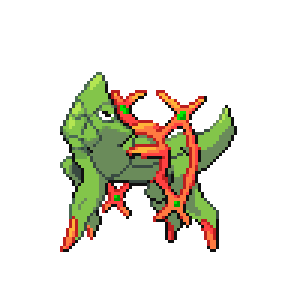
Metakyu gathers discarded pieces of Metapod cocoons in order to form its disguise. Despite the patchwork assembly, the result is rather sturdy, protecting it from predators until it can counterattack.

Metarachi's cocoon is highly sought after; when it evolves, it vanishes in a flash of light, leaving behind scattered remains of its shell. Supposedly, these shards contain wish-granting powers if enough are collected.

Metabas's heavy cocoon and weak fins give it little underwater mobility. It buries itself in the mud of lake bottoms to hide away until it can fully evolve.

Metacorio struts slowly in the afternoon heat, precisely positioning its wings before flapping in place. The warmth it gathers from the sunlight expedites its evolution process.

It gathers ambient static from the air with the bristles at the end of its wings. When threatened, Metacorio electrifies its shell as a deterrent. Its evolution process is halted while the shell is electrified.

Metacorio rests in windy areas to await its evolution, where the breeze stimulates its psychic energy. If the winds grow too forceful, it uses telekinesis to hold steady, hampering its evolution speed.

Though Metachop's cocoon heavily restricts its movement, its muscles are still packed with power. It restrains itself as much as possible, but it can knock out potential dangers with a quick flick of its limbs once they get close enough.

Weetor takes on an appearance combining Galarian Weezing and Alolan Exeggutor. Digesting and production of its gases takes a lengthy amount of time due to the length of its neck.

Weelee's extending legs are made possibly by diverting the internal pressure that creates its gases. As such, when it stretches its legs for long-range kicks, it produces less smog from its body.

The extra head has not grown properly, leaving it unstable. Though no longer prone to exploding, a single touch can cause it to release large amounts of foul gas from its pores.

As a conjoined being, both parts of Weeto are able to transform. They cannot separate, however, so their transformations result in having a miniature version of its new form attached to the main body.
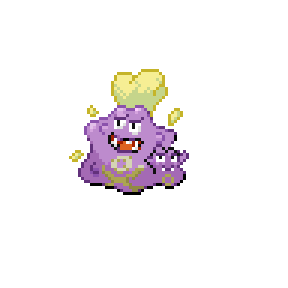
The toxic clouds Weetwo generates are so potent that its body developed a face covering to protect itself from its own poison. It aggressively floods areas with this suffocating smoke to drive people away from it.
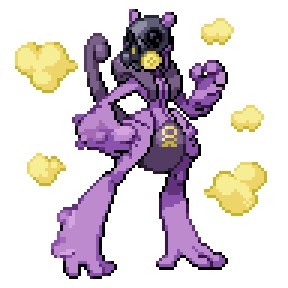
Weew's two bodies are connected at the tail, the joining section regularly emitting clouds of sour-smelling smoke. Inhaling the smoke causes different side effects depending on the Pokémon or person.

When startled, Weequil lets loose large amounts of pungent gas from its back. This act makes it feel incredibly embarrassed, and it will immediately run and hide out of shame.
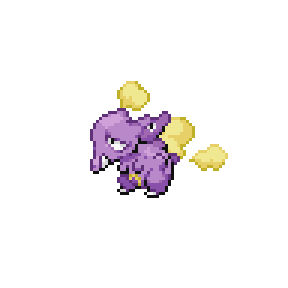
The bigger and more productive the toxic head on Weetoed's skull is, the more respect it commands among its kind. Marshes housing Weetoed are filled to the brim with cloistering toxic fog.

Weeluff floats about cheering on battles by shaking its smoky pom-poms and scattering them around small cloud puffs. Due to the stench of the clouds, its cheer routines aren't as effective as it would like.
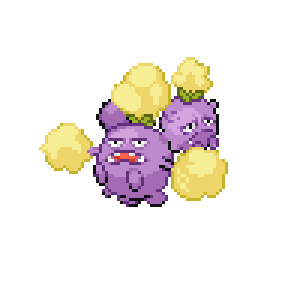
Weedreavus floats around deliberately spewing out toxic mists that make those inhaling it suffer feelings of fear and disorientation. Some believe the smaller head behaves like a conscience, trying vainly to make it stop acting maliciously.

The head functioning as a Weecargo's shell regularly puffs out pungent clouds of smoke. Some try to find meaning in the clouds' shapes, such as determining Weecargo's current wants or mood.

Rather than spitting ink, Weellery exhales thick clouds of toxic gas from multiple pores to disorient and poison any dangers present. In the wild, it's only been seen in ocean locations with a history of pollution issues.

Referred to as "The Scion of Toxic Storms" in old nautical legends, Weegia releases noxious air from the many pores along its body. When it flies, it creates a putrid maelstrom at sea that none can sail through unscathed.
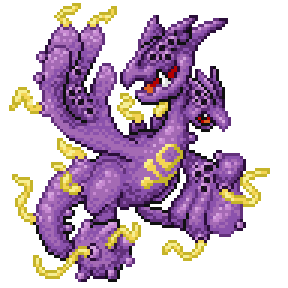
Cascading clouds of toxic gas flow forth from Weeoh with each flap of its large wings. It can exhale a rainbow-colored cloud of even stronger gas that greatly burns skin on contact.

In the distant past it was believed inhaling Weetomb's fumes allowed one to commune with the spirit world. In actuality, breathing in high amounts of the gas causes hallucinations.

Weeseed fires spikes from its body in self-defense. Upon contact with a target, these spines burst into plumes of noxious smoke, obscuring the area and allowing Weeseed a better chance to escape.

Though appearing toxic at first glance, the fumes from Weeler are harmless and have an earthy scent, a result of its constant diet of rock and stone. This unique scent is popular as a perfume in Pewter City.

Weeuk has been used recently in media to provide testament to the dangers of pollution. Of particular note is a film depicting a giant, polluting Weeuk being defeated by a heroic Tyranitar.

If Rhybone feels threatened, it charges forward at the danger, swinging its bone wildly. It usually closes its eyes during the charge, often causing it to run past the target and crash into another obstacle.

Rhytung enjoys lobbing things into the air with its strong tongue before headbutting them away. Owners must take caution, as it's too dim to understand the importance of others' property.

Rhyfree flies around looking for verdant flower fields and soft soil, before charging down so hard it buries itself into the dirt. It then eats the flowers from the roots up.

Rhygon charges at anything that catches its interest, flying at high speeds until the impact. Sometimes it will hit something so hard it causes a limb to fly off; fortunately they are easily reattached.
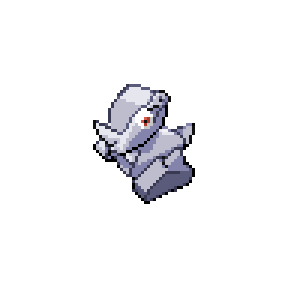
Rhychou's dense body sinks to the bottom of the sea, where it uses its twin horns to dig through the dirt and sand for food. The horns glow slightly when it discovers its preferred type of mineral to feed on.

Mysterious symbols scattered among ruin walls confounded researchers for years, until it was discovered they were simply the results of Rhyown charging around, hitting the walls and leaving impact silhouettes of its shape.

When Rhygrowth goes on the attack, it extends an arm to grab or punch the target. Because of its simple mind, even if it misses, it won't retract its arm back until it hits something or extends to its maximum limit.

Rhyvoir is impulsive and staunchly protective of its Trainer. It charges at perceived threats recklessly, forgetting that it could use telekinesis to better effect.
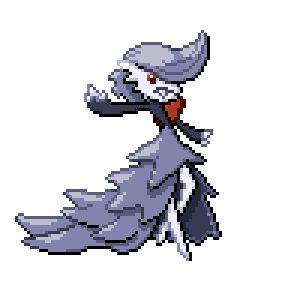
When Rhyesect starts charging at something, it has difficulty stopping. It uses the recoil from firing the cannon on its head to help it slow down and stop its charge.
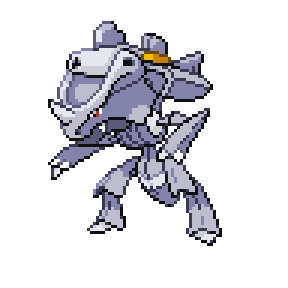
A heavy, rocky shell covers Rhyish's soft, fungus-like true form. It has a low walking speed but can hop in short, powerful bursts that enable a powerful headbutt attack.
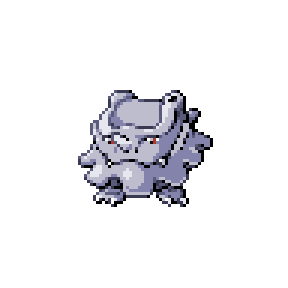
Rhyduck has a slow, plodding walk on land, but is a very deft and swift swimmer. The gem on its forehead glows when it is about to charge through the water and chase something down.

Rhychop rotates its arms to wind up a punch before charging at an opponent fist-first, not stopping until it hits something. These charge-punches can knock down entire trees with ease.

Rhynix's sturdy serpentine stone body allows it to charge and dig through rock and dirt with ease. Some say a stubborn Rhynix could dig its way through to the other side of the planet, if it tried hard enough.
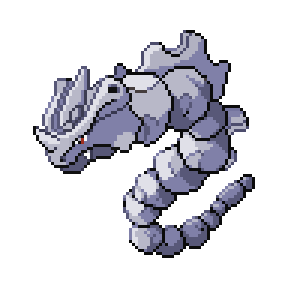
Rhysaur was one of the first known recorded fusions on record. Its discovery lead to reopening old scientific debates on which of its constituents were the first Pokémon scientifically recorded in history.

With a small stature and a powerful drill for a nose, Rhygon has made a name for itself in assisting digging crews get through stone quickly. It works best when treated to a shiny gemstone after a job well done.
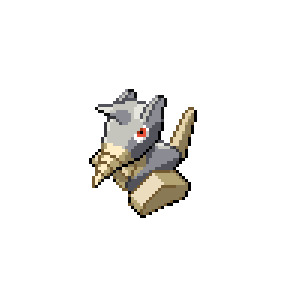
Rhyqueen acts as a caretaker for younger Nidoran species, but has a very simple mind and little patience for bad behavior. The young ones are often seen running from a Rhyqueen attempting to headbutt them as punishment.

Rhywig's horn works as a drill. Using this, it digs holes in the ground to plant seeds in, watching over the plants as they grow, its drill horn doubling as a tool to protect them with.
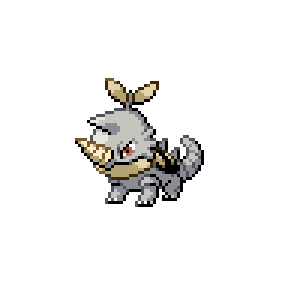
Rhyor's eyes grow brighter whenever it spins its drill, sometimes to the point that energy leaks out from the sockets. It rockets down from the atmosphere with its drill active to see how far into the ground it can burrow in one go.
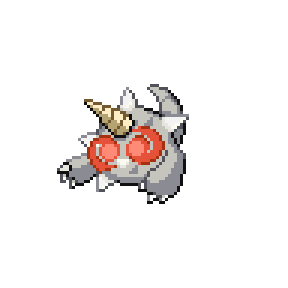
Rhyduck's psychic powers are stimulated when it spins the drill on its forehead. At max rotation, it's mind is powered up enough to lift and crush boulders thrice its size.

Some old records indicate Rhyizard may have been one of the first fusions ever recorded. When its combat instincts flare to maximum, the rotating horn on its nose begins to ignite.

Rhybell uses the heavy leaf-shaped stone on its vine to hunt unwary prey that wanders beneath it. Knocking them out with a blow to the head, it then scoops them up, dropping them into its mouth to digest over the course of a week.
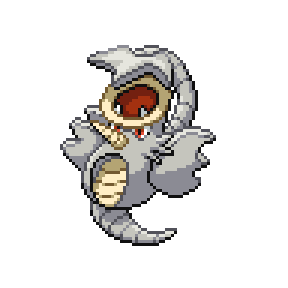
Chanode can create little egg-shaped familiars in its pouch, each one brimming with explosive energy. It lobs them at nuisances, the eggs smiling all the while until the moment they explode.

A very gentle and kind Pokémon, Chanite is happy to share the eggs it creates with those in need of a pick-me-up. The eggs are particularly effective on Dragon types, revitalizing them completely in seconds.

Chantret's tail allows it to boost itself up a little to gain a small increase in its sight range. It uses this to better spot injured Pokémon in need of assistance.
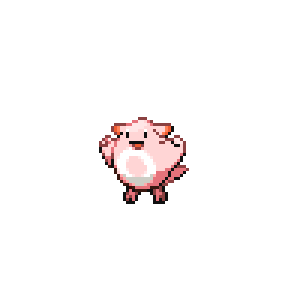
Though not edible, Chanfarig encourages others to chew on its tail, which releases healthy nutrients when bitten. The tail occasionally mewls in delight while being chewed on, which some find disconcerting.

Chanswine keeps eggs within the soft patch of fur on its face for safekeeping. Though it is a gentle giant, anything caught reaching for the egg gets hit by a mighty swing of its tusks.

Chanwile has a protective nature, nurturing Pokémon and their eggs alike. Many Trainers and Pokémon Centers rely on them to safeguard Poké Balls in their near-impenetrable false mouth.

Considered the ultimate caretaker, Chanceus's love and kindness is near infinite. It's said it could manifest 1000 arms made of divine energy in order to take care of throngs of creatures in need.
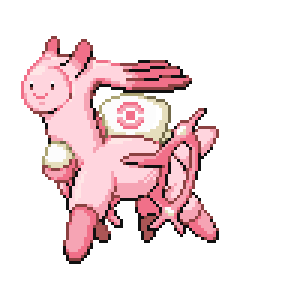
Chanlup is very prideful, believing itself to be the most skilled caretaker. If two Chanlup meet, they will immediately compete to see who has the better care techniques and better quality eggs.
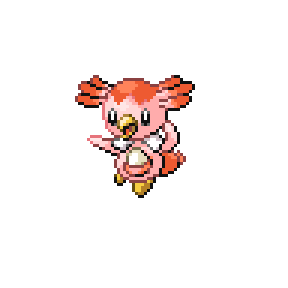
Chansharp trains other Pokémon in the art of rescue and care of wounded and stranded travelers. A strict instructor, any who aren't paying sufficient attention risk a painful punishment.
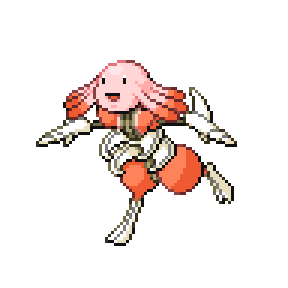
Chanking shares healthy eggs with members of the Nidoran family, but outsiders are not appreciated. Any other creature that tries to take its egg will be sent flying with one swing of its mighty tail.
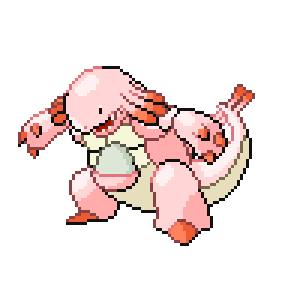
Chanpent has a slot atop its head for eggs to be placed on, which are warmed up by the flame burning within it. Some detractors say it siphons life essence from the eggs, making them hatch weak and sickly, but this is unsubstantiated.
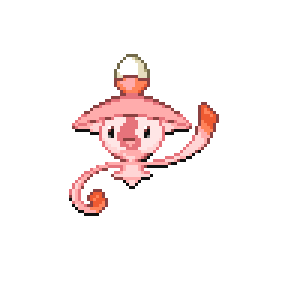
To deal with unruly Pokémon, Chanpede grips them with the many claws on its front. The claws deliver a calming substance that numbs the Pokémon, making them much easier to deal with.

Chansteel possesses a kind heart as well as a solid and robust body. It gets employed by Pokémon Centers to defend them from those who would get unruly, pinning the perpetrators down with its strong, extendable limbs.
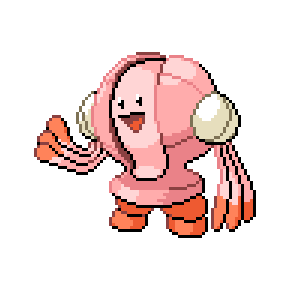
The hairs on Chanat's body carry a compound that reduces stress and fatigue with prolonged contact. Shed fur is often used by garment weavers to make comfort blankets.
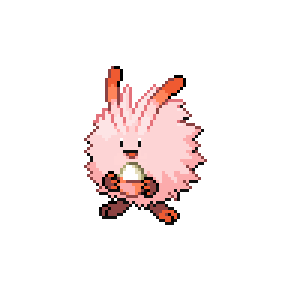
Chanduck's eggs are excellent for combating a lot of minor ailments. Ironically, they are ineffective at fighting headaches, which Chanduck constantly suffers from.

Chanbell creates and regurgitates eggs from within its body to offer other Pokémon in exchange for food. The tart taste of the eggs is popular in some rural regions of Unova.
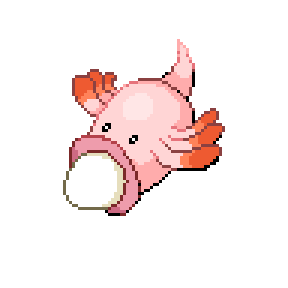
Chanzee is sometimes called to assist parent Pokémon with their unruly children. It is quite capable of calming them and lulling them to sleep, giving the child and the parents both the peace of a quiet naptime.

A strange mass of tendrils that infests the bones of an unfortunate Marowak. It occasionally shifts its tentacles into a shape resembling the body of Cubone, but is unable to hold that form for long.

The reddish vines from its mouth all operate as individual tongues of Tantung. This means it can grab and taste several things at once, and discover untold amounts of flavor combinations.

Rather than normal miming, Tanmime enjoys the art of shadow puppetry. It can manipulate its vines to form varying shapes with its arms, and make quite a spectacle of shadows.
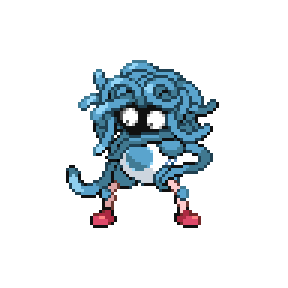
Though pointed at the ends, Tanther's vines aren't particularly sharp and thus aren't well-suited for stabbing or cutting foes. It's much more effective unraveling their coiled shape and using them to surprise and constrict them instead.

Tanvee's vines vary in texture, feeling warm, cold, rough, or soft. It's said that when more vines feel alike, it signals that evolution is near.

Tanew extends out the vines covering its body to make itself look bigger and surprise those it comes across. Each vine contains a modicum of psychic energy; if severed they will levitate in air and wriggle about until the energy fades.
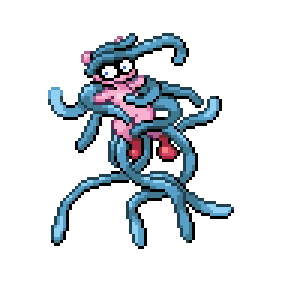
Tanotto scouts for swarming insects from high above, swooping down and using its tentacled wings to grab up as many as it can. It gorges eagerly, then shares the rest with other insectivores once it's had its fill.

At first glance Tanicate appears to undulate across the ground using its many wriggling tentacles, but further inspection reveals it has very tiny feet beneath the vines that it uses to move around.
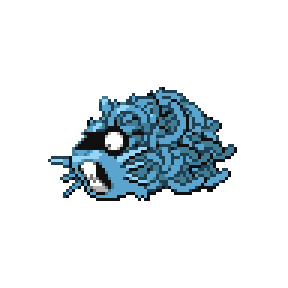
Tanvoir's head and arms are comprised of tightly-packed vines. These tendrils will spread out and extend into shields and barriers in order to protect those it cares for.

Tantomb's spectral body is made up of countless vines covered with a ghostly energy. They can extend great distances, allowing it to snag smaller creatures and drag them into its mesh of tendrils.
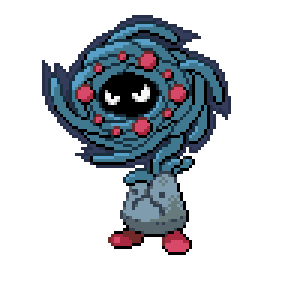
Tanrina has a caring nature towards any creature smaller than it. With the many tendrils comprising its body, it can pet, hold and comfort a multitude of creatures it wishes to nurture and protect.

Tanking's tendrils move on instinct to grab anything edible, so it rarely has to move and forage for itself. It only uses its limbs in self-defense, where it shows little mercy.
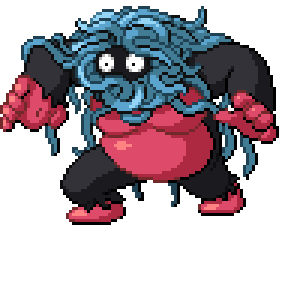
Tanterra acts gentle in the presence of others, luring unsuspecting Pokémon to rest on its back. The plant on its shell will then ensnare them with its tendrils and drag them inside it to be consumed.
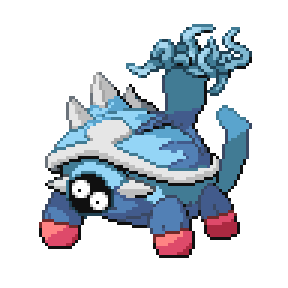
The tentacles wriggling out of several holes in Tanmuku's body are just a few of several that make up nearly the entirety of its internals. If in danger, it can fire its tentacles as projectiles in order to retreat and regenerate a new set.

During moments of hyperactivity, Tanroth will tear off its own vines and swing them around like whips. Due to its high energy, these vines grow back within minutes, so it never runs out.

Tanbat's odd shape makes flying rather erratic. Though poor at swooping, its tendrils let it latch onto nearby prey and bring it closer so it can bite into them.
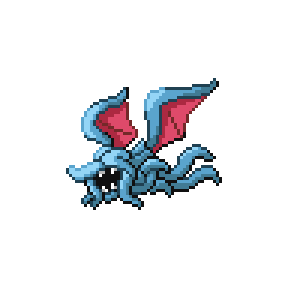
Tanpede's spines produce a venom that flows into the vines upon its head, letting it poison anything that gets too close with a potent Vine Whip. The mustache-shaped vines on its front are harmless, however, and preened often.
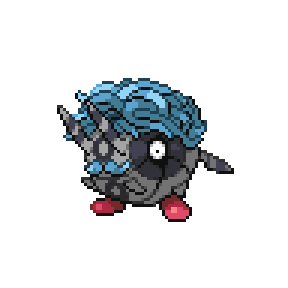
On occasion, the vines Tanrunt keeps hidden within its hood will slip out, thrashing and reaching out wildly towards those nearby. Tanrunt hastily covers them back up, seemingly embarrassed at this moment of exposure.
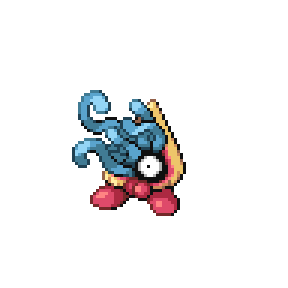
A wriggling mass of vines extending out of a partially-metallic body, Tansteel's arms can extend up to thirty meters. It regularly retracts and replaces the vines serving as its limbs to keep them from drying out.
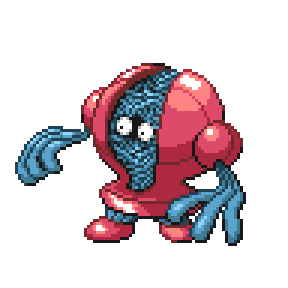
It produces steam from its hidden mouth, as it's shell is filled to the brim with its superheated tendrils. Steamed Tankoal vines are a popular snack food in some parts of Hoenn.
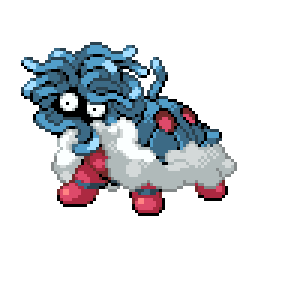
Every one of Tanbra's vines is imbued with psychic power. This lets it take on multiple opponents at once, being capable of firing off over a dozen Psybeams at once.

Its arms are covered with retractable vines, so Tanchop's reach is much longer than it would seem, letting it grapple opponents that wrongly assume they're a safe distance away.

Tanby is highly sought by upscale restaurants for high-class dining. The meat in its body combined with the texture and taste of its vines when cooked create a delectable, protein-rich meal worth a high price.
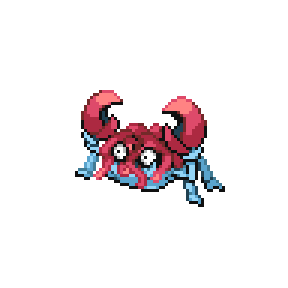
Tanler has sometimes been observed using its pincers to sever its own tentacles and eat them. They grow back over a long period, so it only does this when other food sources are scarce.
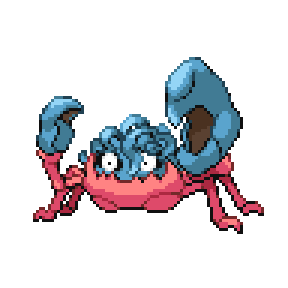
The eggs in the group age at different rates, leaving the older ones to take care of the younger until they fully hatch and develop. Once all are fully grown, Kangascute exhibits marvelous unity in battle.

Kangasbone fends for itself using the first bone it can find, but isn't very strong on its own. It searches for Kangaskhan herds, hoping to be adopted into a loving family.

A young Kangasther does not have blades at birth, so the defenseless joey clings to its parent's back at all times. Kangasther uses the soft hum of its wingbeat to lull the child to sleep at night.

Despite how dangerous it looks, the strong-yet-delicate grip of Kangasir's pincers makes it the safest place for the child to be held. Those who disturb the baby quickly learn it needs no pincers to be a fierce guardian.
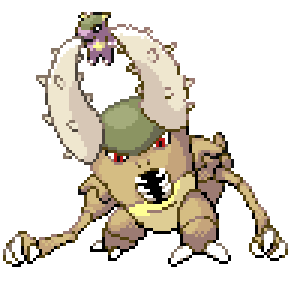
Part of Kangasto divided and became its young. The child can only transform its face at first, so the parent tutors it in the ways of shapeshifting until its mimicry can become perfect.
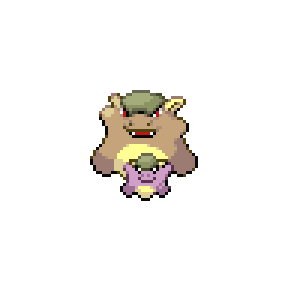
Due to their similar appearances, Kangasvee are often found in the company of Kangaskhan, adopted as an additional child by the parent. More and more Kangaskhan are being spotted carrying a Kangasvee in their pouch.
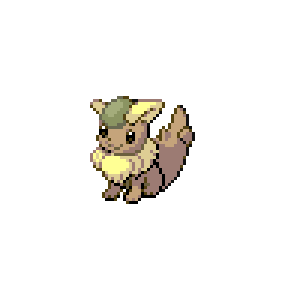
Kangasdos encourages a free spirit in its child, teaching it to roam fast, far and wide. Though the child has little electrical strength yet, occasional small bolts of lightning spark from its wings when it practices flight.
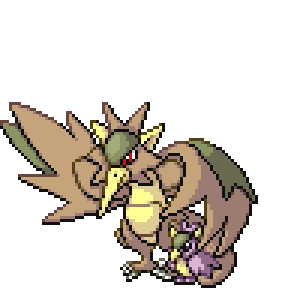
Kangasew encourages its timid child to go out, explore and make friends. It's a very kind and trusting parent, but will immobilize a creature instantly with psychic powers the moment it senses a hint of a threat.

In order to toughen up its progeny, Kangasotto allows its child to play-fight with other young in the flock. If the roughhousing gets too extreme, parents may step in and brawl over whose child was at fault.
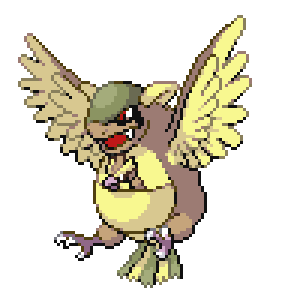
Though Kangaswoodo prefers to remain still, its curious child often hops out of the pouch to explore, forcing it to give chase. The young cries and pouts when Kangaswoodo lifts it back into the pouch.

Kangastoed carries its young around on its head, with the child holding on by a single strong strand of hair that Kangastoed possesses. This sometimes causes discomfort when the child tugs on the hair too strongly.

Kangasflora finds the sunniest spot it can to hold its child aloft and let it absorb the sunlight for nutrients. Many artisans find the sight of it oddly majestic, and many a statue and figure have been made of the scene.

A strange pair of letter-like creatures, Kangasown are never seen far apart from one another. The "child" seems to enjoy getting dirty and defacing walls with its body, much to the "parent's" chagrin.

Kangasbuffet appears to be a conjoined parent and child, with the parent taking the brunt of violence from predators. Though unconfirmed, it's believed the child eventually falls off the parent in order to fully mature.
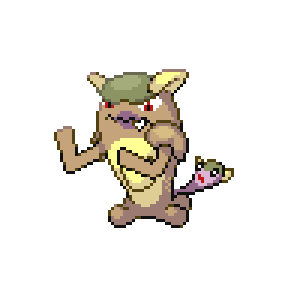
Kangasco's child is hidden beneath the ridges surrounding its torso. If necessary to protect the child, it will burst all these pieces violently at foes, before retreating somewhere safe to let the protective shell regrow.
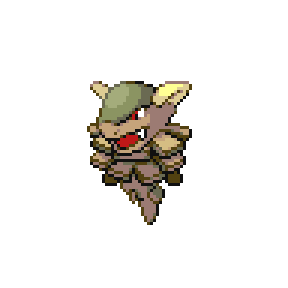
The child is naturally curious, and the parent overly protective. If the child hides within, Kangastress is relatively calm, but if the baby curiously peeks outside, its parent may fire spikes at the slightest movement.

Kangascross works in tandem with its young to search for sweet fruits and nectar in forests. Once they have found a good source of food, the child will be allowed to gorge itself first before the parent eats what is left.

On occasion, Kangasgon-Z's head glitches out and vanishes to parts unknown. The child must direct the body until the cranium manages to teleport back in place.

Kangasvoir has a gentle disposition and prefers to avoid conflict, a demeanor it hopes to pass onto its young. If forced to fight however, it is utterly merciless for the sake of its children.
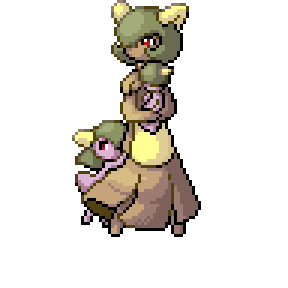
With its extendable tongue, Kangaseon catches insects and small fruits to share with the young it carries within its pouch. The joey is a curious sort and is often using its own tongue to lick and explore its surroundings.

It is said that Kangastomb houses the spirits of multiple fallen Kangaskhan. Seeing young children being harmed will cause Kangastomb to fly into a rage and inflict a terrifying vengeance upon the perpetrator.

Kangaslord's hide is incredibly tough and resilient to almost anything undersea hunters could throw at it. The child's hide is undeveloped and soft, so for safety it hides within the parent's mouth until it grows stronger.
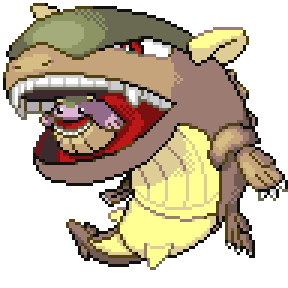
As the baby lacks any poison points, it relies solely on the parent to protect it from harm, always staying close. The parent is overly aggressive in defense and will charge and attempt to poison almost anything that draws near.

Kangasrino's exceedingly aggressive protective instincts are thought to be linked to its high testosterone levels. It will even attack massive Pokémon like Nidoking at the slightest provocation, blinded to the risks by its parental fervor.

It has spent much of its time honing the strength of its fists and legs in order to fight or leap away to protect its young from harm. It can leap into the air and send even the heaviest flying Pokémon crashing to the ground with a single punch.
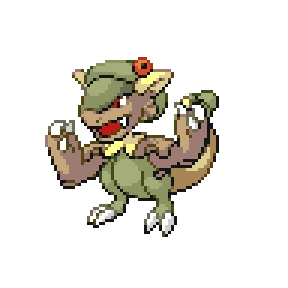
Its young cannot fly, so it remains perched on the parent's head while it hunts. Due to its speed and maneuverability, Kangasjask is always able to catch its child should it lose its grip and fall during flight.

Boundless energy mixed with parental instinct means Kangasroth is always running from one domain to another to keep its child safe. The youngster is often a bit dizzy and disoriented from all the constant running around.

Kangasinch defends its child from danger using its massive and powerful jaws. If it comes across something it cannot fend off, the child will leap into its mouth for safety while Kangasinch flees.

Whether Kangastrum can be considered a good parent is hotly debated in some circles. While there's no doubt it is caring and protective, it also raises its child to be domineering and bully other child Pokémon.

The child is immune to Kangasbell's digestive fluids, so the inside of the parent's body is the safest place for it to be. Kangasbell protects its young with a flurry of whipping vines and poisonous powders.

Hortor lounges at the sea-bottom in tropical areas, where some Pokémon will make the coral growths on its head their home. It defends these inhabitants with a trio of powerful Bubblebeam attacks.
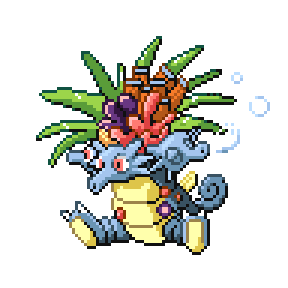
It ferries humans across the waters happily, defending them with ink shots from its mouth. Horas Trainers sometimes play games of tag this way, seeing which Horas can hit the other with ink first.
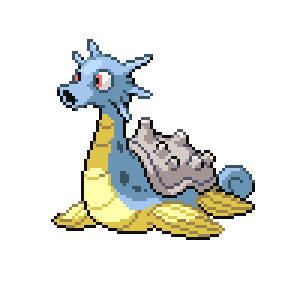
Horto shuffles around the ocean floor before dispersing a thick smokescreen of ink. The blinding ink cloud stirs up small organisms that Horto sucks up while they flail about in blind confusion.
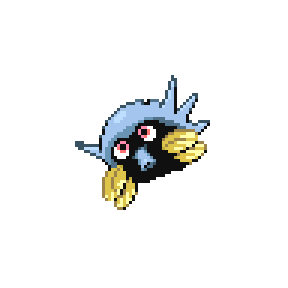
Horgeot swoops over water and sprays ink across the surface to make it murky. As the ink obscures vision and causes chaos beneath, it makes it easier for Horgeot to swoop once more and snatch up the confused prey.
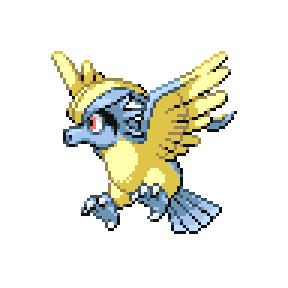
At first, Horfish was thought to be poisonous due to the liquid dripping from its spines. It's actually more ink so that Horfish can deploy vast amounts around it to make underwater smokescreens.
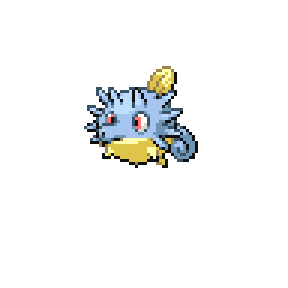
Hordour is able to breathe bubble-covered flames that scald quite a bit if popped. It swims together in small packs, creating a wall of flame-bubbles together when the whole group feels threatened.
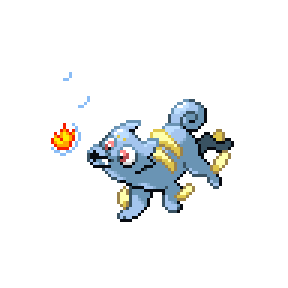
Horchum blows heart-shaped bubbles made of ink at others as a sign of affection. Though cute, the bubbles create quite the mess when they inevitably pop.
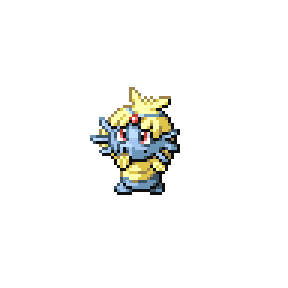
Horgon-Z seems to enjoy inhabiting virtual aquariums present on some desktops. The corrupted ink it sometimes spits from its mouth can cause visual errors in the background or in any other digital aquatic denizens.
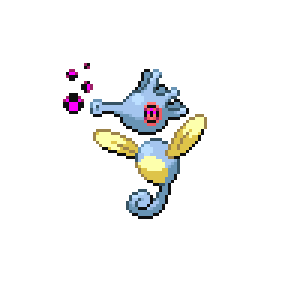
Territorial and unafraid to pick fights with bigger foes, Horan does not seem to know the concept of retreat. Its first strike in combat is always spitting up a large amount of poisonous ink at an opponent's face.
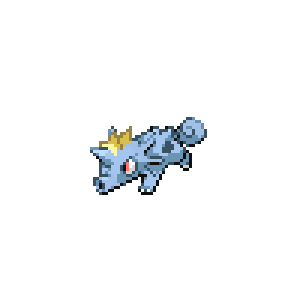
The globs of ink that Horling spits in self-defense are piping hot, bubbling and boiling after landing on the ground. It resides in beachfront areas, and has been encroaching on Wingull territory in recent years.
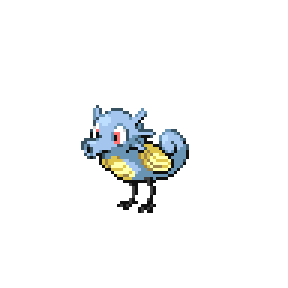
Though it appears decorative, the seaweed Hormise holds acts in accordance with its will, usually to grab and hinder other creatures so that Hormise can blind them with an inky smokescreen.
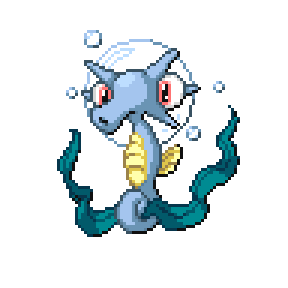
When Horgull senses it is being pursued, it lets out an inky black smoke from its mouth. If done while flying, this creates a growing dark cloud that obscures it from sight and gives it a better chance of fleeing.
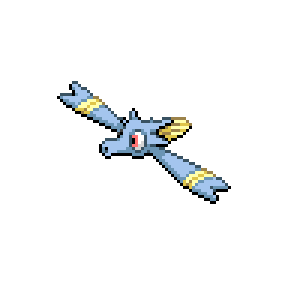
Water scooped up in Horliper's large beak when it feeds eventually transforms into ink within its body. It dispenses the stored ink through the holes in its sides.
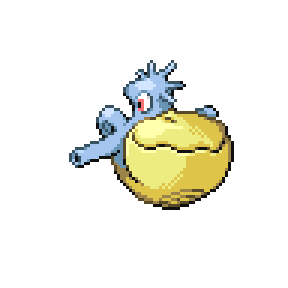
Horeal spits out little streams of ink from its mouth to play with others of its kind. On occasion it may spit ink with too much force and send itself rolling backwards.
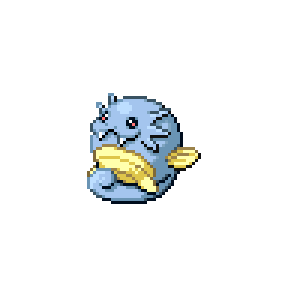
When startled, Horkey shoots a glob of ink into the offender's face. Then, angry at being surprised in such a manner, it viciously strikes at the now-blinded target of its ire.
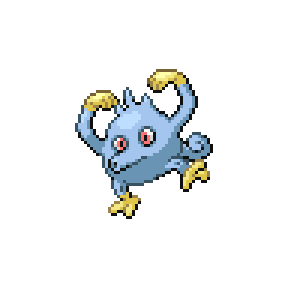
Seanite flies alongside large ships as they travel across the ocean, dutifully guarding them. If it spots aggressive Pokémon breaching the waters in preparation to attack, it stuns them with precision shots of ink from its mouth.

Seackle lives a sedentary lifestyle on the sea-floor, often accompanied by small Corsola groups. It has little patience for nuisances, so unwelcome guests are shot from far away by highly-accurate ink shots.
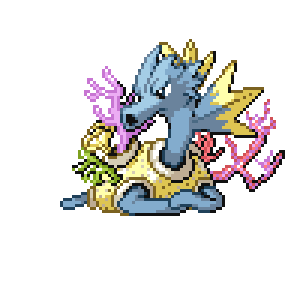
Golode floats around the waters listlessly and should be left to its own devices. It disdains being bothered while at leisure, and the explosions it generates when agitated can cause significant damage to its surroundings.

Despite a somewhat distorted appearance, Goldeen functions normally and seems perfectly peaceable in behavior. It's even become something of a mascot of a power plant located in a remote part of Unova.

Though there are many who find Goldeen's appearance after fusion to be beautiful and striking, it is overall detrimental. The large fins inhibit its speed and maneuverability, making it easily preyed on.
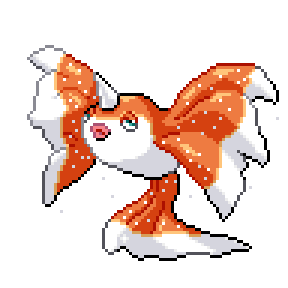
Goleon takes great pride in its glossy and pristine coat. It refuses to swim in an waters that aren't clean enough, and will show no mercy to those that dirty its fur.
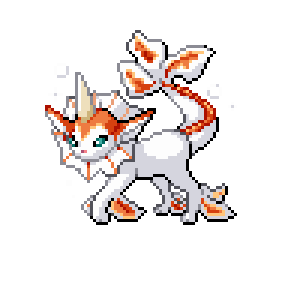
Golnub can smell fungus growing near the rivers it inhabits. It shuffles onto land to get the mushrooms, but always dives back into the water before it begins eating.

Golfeon is mostly found in forest areas with high precipitation. It soaks up as much rain as it can to keep its fur glossy, and allow it to better absorb sunlight on the clearer sunny days.
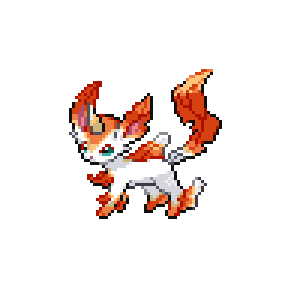
Golade's fights with an elegant grace matched by very few other Pokémon. Defending those who cannot defend themselves, it takes down far larger opponents with seemingly little effort.

Goltad moves sluggishly when its body lacks sufficient moisture. Its speed and agility increase while moisturized, so it tries to keep a collection of water in the dish upon its body so it can remain hydrated for longer.
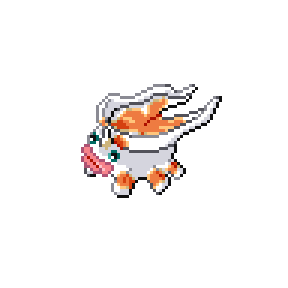
Some regions attempted to use Goldisc as a more glamorous gift counterpart to Luvdisc, but the Pokémon's aggressive temperament made it ill-suited to be a loved one's present.
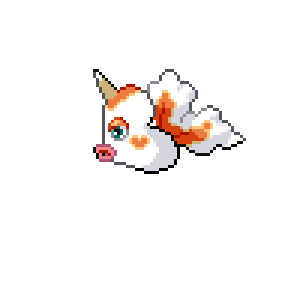
Golyena work together in small groups to take down larger prey. After a successful hunt and meal, the pack members will groom each other to keep their fur and tails immaculate.
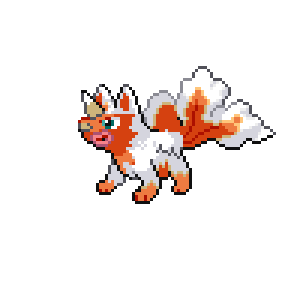
Golgull can glide through both the ocean and the sky and feels at home in both. It is a common sight to see members of a flock flying over the ocean, switching between flight and swimming without losing speed.
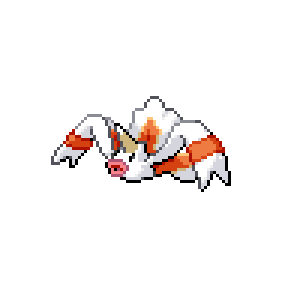
Despite its small stature, Seadra is aggressive and territorial, blinding intruders with shots of ink to the eyes before swiftly closing in to gore them with its sharp horn.

Seados funnels electricity from its fin-wings into its horn, unleashing chain lightning in an arc in front of it. It uses the lightning to hunt underwater denizens, shocking them to the point they float to the surface.

Seaowl tucks its wings in close when diving in the water to hunt. It swims nimbly through rivers, spinning its body to drill its horns into prey it charges down.
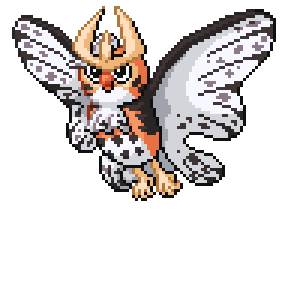
Dubbed "The King of All Oceans" in some regions, Seagia harshly judges humans it sees sailing the seas. If it feels they do not respect the ocean enough, it summons vicious whirlpools that tear apart even the sturdiest ships in seconds.
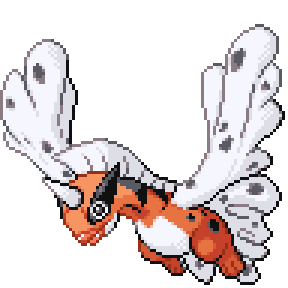
Seainja appears to swim through the water without ever moving a muscle. It's said it wears a sorrowful expression due to housing the souls of all those who have been lost at sea.

Sealous sees itself as an apex predator of its home, though its heads disagree on what said territory is. One constantly tries to keep the body on land while the other pulls it towards the water, leading to regular infighting.
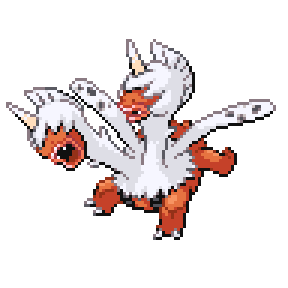
Seabarel is a territorial bully that inhabits large lakes. It uses its bulk and solid horn to attack and steal food from other Pokémon, as well as taking gnawing on any boats that happen to float through its territory.
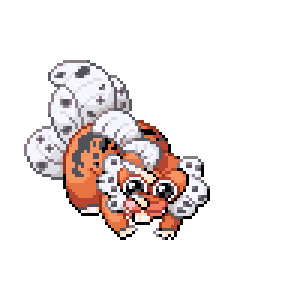
Seagon dives from high places towards bodies of water, and is more mobile underwater than on land. Its skull and horn have hardened intensely due to repeated impacts with the ground instead of water.
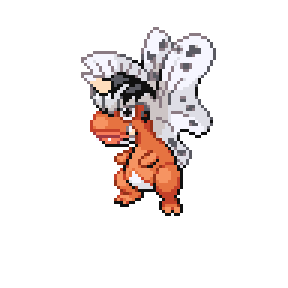
Any body of water Seaesta takes a dip in quickly heats up and becomes an impromptu hot spring. It can warm up its horn until it becomes white-hot and capable of delivering third-degree burns.

Seaoom generates bubbles that are made of the same smelly nectar it is seen drooling. Within the center of its flower hides a sharp horn it uses to strike at those pestering it.
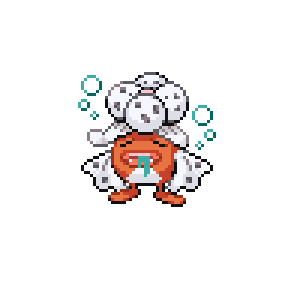
It considers itself a fierce and just king of underwater Pokémon, defending its kingdom from usurpers and aggressors. It will grapple and stab even Gyarados into submission for the sake of its subjects.

The orb at the end of its bone-staff spreads a pollen similar to that of its wings, but much more potent. Non-violent by nature, it puts aggressors to sleep with a wave of its wand before running away.

Butterto's small wings can only lift it from the ground for a short while, so it only flies in short, minute-long intervals. It digs the front half of its body into the dirt to nap amongst flower gardens.

Buttermagius's wings spread a magical powder with every flap. For plant life it merely promotes healthy growth, but humans that inhale the powder become obsessively compelled to plant flower gardens for Buttermagius to later feast upon.
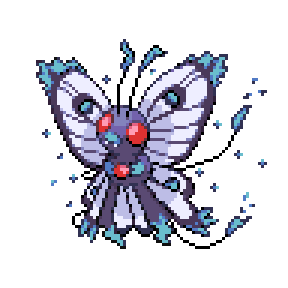
Buttermagius guards over flower gardens at night, becoming more active the more the moon wanes in the sky. Trampling across the flowers it protects is a quick way to earn a nasty hex.
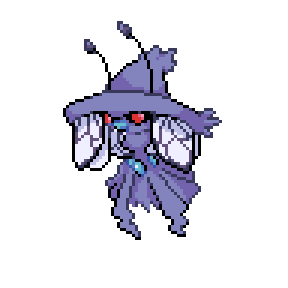
Butterperior keeps to itself, gorging on flowers and plants in verdant areas. To defend itself and its food, it fires off bursts of concentrated pollen from its palms that poison or stun trespassers that ventured too close.

Buttertomb's appearance hearkens to a Butterfree emerging from its Metapod cocoon. Though it has a similar appearance, Buttertomb is far more hostile to the creatures around it.

Butterdon's facial guard, while not being the strongest, is still quite sturdy and resistant to blows. Impacts cause it to let loose poisonous powder, weakening that that try to pick a fight with it.
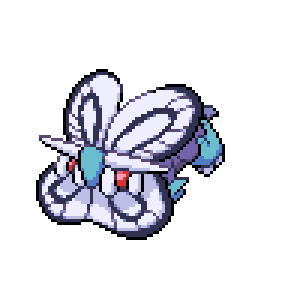
Butterino claims entire flower gardens for itself, with rivals fighting constantly over these territorial claims. Its horn can generate small bursts of annoying pollen to blind or otherwise incapacitate others.

Butteresect enjoys sampling and analyzing honey from many different kinds of flowers across the land. It prefers to avoid combat, but if pushed, it can dispense vast amounts of poisonous powder from its cannon.
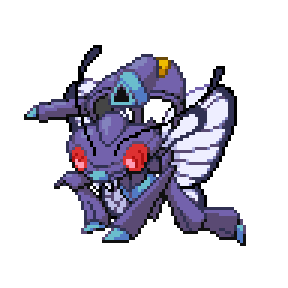
Being blind, Butterno uses its strong sense of smell to hunt for sweet treats to lap up. Wild Butterno have even followed unsuspecting Trainers to their home, lured by the scent of something sweet in their bag.

Butteronee's light body is easily carried around by the wind. To avoid being hunted while airborne, it casts cotton-like balls of spores from its body that burst into debilitating clouds of toxins.

Butterile leaves its antennae poking out while it rests above ground to help sense its surroundings. When in danger, it can cough up a poisonous powder from its jaws that is sure to repel potential threats.
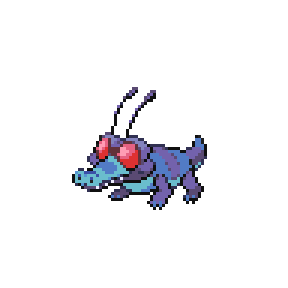
Butterxew is a messy eater of flowers, swooping down to chomp large patches at random and leaving gardens in disarray. It is often seen flying while still chewing on a bundle of flowers.
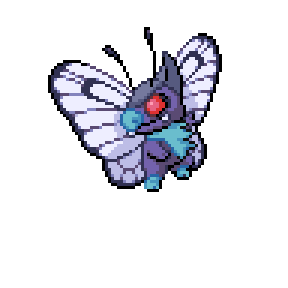
Butteror sprinkles bright sparkling minerals from its wings onto flowers it likes. Those that aren't vibrant enough for its tastes are burned to ash by short-range beams of heat it shoots from its eyes.
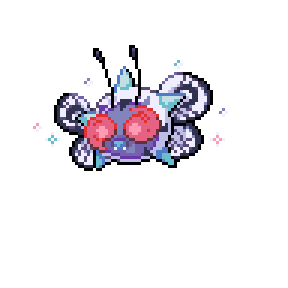
Butterdude's body is too heavy for its wings to lift it for more than a minute or so. It primarily uses them to spread paralyzing powder at threats and make it easier to fight them off.
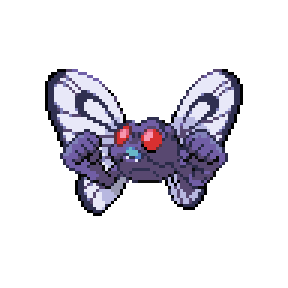
It buries itself face-down in the sand to camouflage itself as a normal starfish. Should it be attacked even then, Starsea spews copious amounts of ink to smokescreen its escape.

At first, it was thought this fusion only caused a slight change in Staryu's appearance and little else. Further research found it now shows a marked decrease in intelligence and a more lethargic personality.
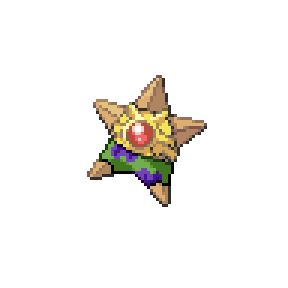
Startini regularly detaches its tail and grows a new one in a manner akin to shedding skin. The left-behind tail is highly nutritious for aquatic Pokémon and highly sought after.

Starma can rotate its head 360 degrees. If it spins its head quickly while rapidly flapping its wings, it can create strong gusts of wind up to 20 mph.

Starking rests at the ocean floor and is highly territorial. It flashes the cores of its body once as a warning to intruders, before it rises up to punish them for their trespassing.

It flies high in the skies during starlit nights, a red glow shining in each of its many cores. It's suspected that supposed sightings of "UFO lights" at night were people catching glimpses of Starquaza.

Starmuku can project solid light from the gem on its front, acting as an extra limb to interact with others. It requires a light source to function properly, and can barely use its ability in the dark.
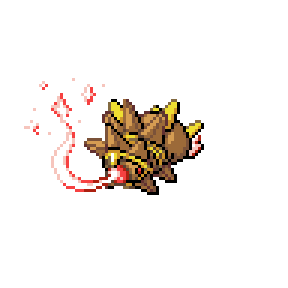
Stardew houses itself in tropical waters, typically surrounded by undersea plants or coral reefs. The hollow spot in its center fills with water or stored sunlight to fire in short bursts at potential threats.
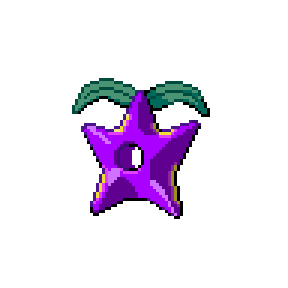
Starsis's outer membrane is comprised of a mixture of slime and saltwater. The core in its center will glow a different color depending on what type of psychic power it utilizes.
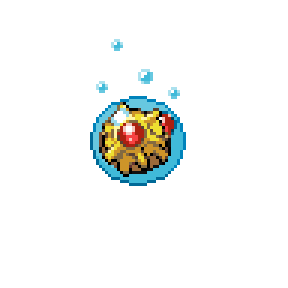
Staras can typically be found resting on the seafloor in the ocean shallows. It communicates with others of its kind via a series of flashing lights from its face and the mushrooms on its back.

Stardisc darts about beneath the ocean waves, communicating to others with flickers of light from its core. When in the presence of couples, it observes them with a pattern of shifting colors that seems to indicate curiosity.
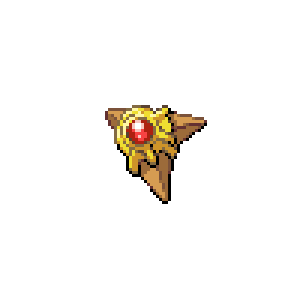
The massive gem on Starbra's forehead is said to be the source of its potent telekinetic abilities. Some have tried to hunt it, thinking it would grant them its power, but none have succeeded.

Whenever Starchamp's muscles tense in anticipation of an attack, the jewels on its stars glow brightly. It responds extremely negatively towards any attempts to touch the star on its face.

When Starta travel in herds together, they communicate with flashing lights from the gems on their body. This lets them seamlessly send messages through the herd while still moving at top speed.

Startoise normally fights with water shot from its twin cannons, but if its torso begins to glow brightly its opponent should brace themselves, as its core is feeding energy to the cannons to fire powerful twin beams of light.

Starode has a vast amount of untapped energy lying within its body. Some say that if one were to gather seven Starode into one place, their wishes would be granted.

Stardeen is strongly independent, traveling alone rather than in the safety of schools. In fact, the first instinct it has upon seeing another of its kind is to fight for dominance rather than group up.
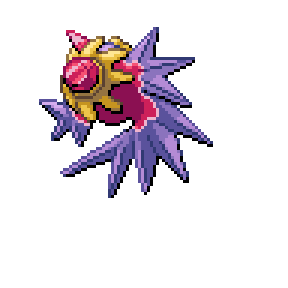
Starmime generates shimmering walls of light from the gem on its face, that it then manipulates with its hands to form defensive walls. It can occasionally be seen using these barriers to float along the surface of the ocean.
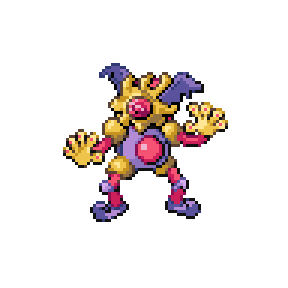
Due to Stargon's capacity to function in the deep depths of the ocean and its tendency to flash its crystal brightly while in the presence of technology, it has been invaluable in searching and recovering tech lost at sea.
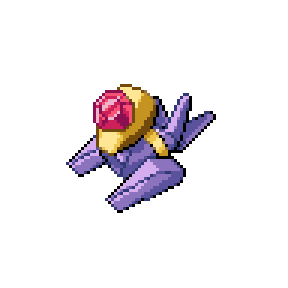
Startres roosts in locations near where undersea volcanoes lie. Its flames burn even more vibrantly as it focuses energy into the core on its face, which is capable of firing large beams of scalding-hot light.

Starturn's lights on its head and face can shine in a myriad of colors independent of each other. It can create truly radiant flickering displays of light that can confuse and stun prey and opponents in battle.
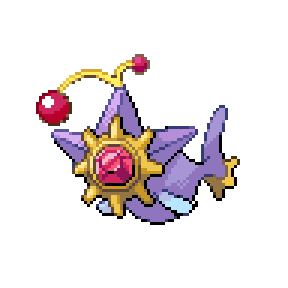
Despite the weight of the crystals on its body, Starluff freely flies by being carried by the wind. The air flow energizes the gems it holds, letting it shake them about to spread out colorful sparkles or even small bursts of energy.
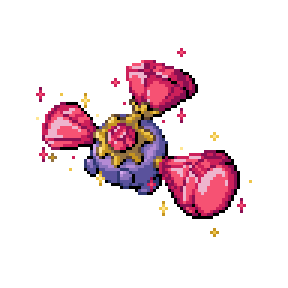
In the past, despots across various civilizations would order the poaching of Starkiss to claim its jeweled eye as a garish symbol of wealth and power. The species is rarely seen in modern day, and considered endangered.
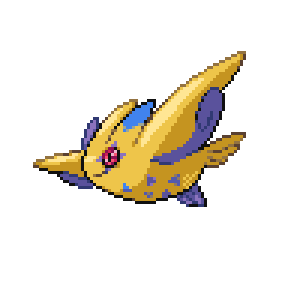
Stargon-Z powers up the core in its chest by making its limbs circle around it at various speeds. At maximum rotation, the core gains enough energy to shoot out powerful beams of multicolored light energy.
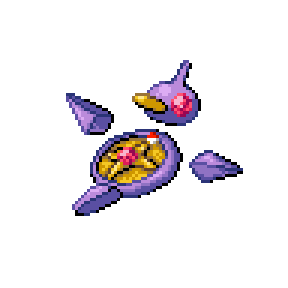
The thick spines on Starslash's back will grow back if severed or launched off in self-defense. It communicates with others via a series of glowing flashes from the horn on its head.

The get on Staridos's cranium is where its capacity for psychic powers is stored. It needs to slam its head against something to stimulate its brain and allow it to properly access and utilize its power.
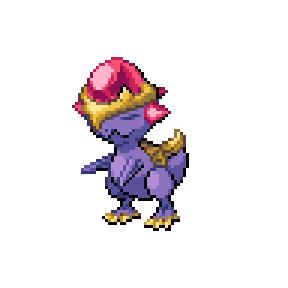
Divers are warned to avoid the darkest sea caves due to Starai potentially living within. Hidden along the walls, its presence forces divers into a slumber, dooming them to sleep forever beneath the depths.
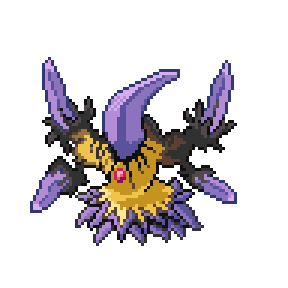
Strange flames burn constantly on its tails. Starpix communicates with others of its kind by flashing its eyes a vast assortment of colors; when communicating, its fire will change colors to match its eyes.
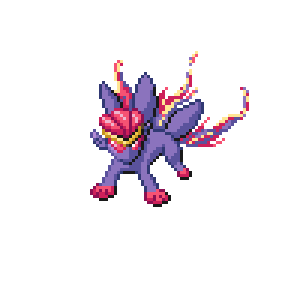
Every few rotations, the cores in each of Starink's gears will flash a sequence of lights. It is thought this is a form of communication, but what it communicates and to whom is currently unknown.
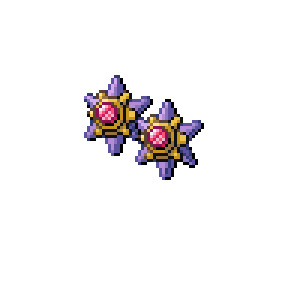
Starpede emits a bright flash from the crystal in its center that acts as a sensor pulse for it to survey its surroundings. It rolls its way to the nearest body of water to rest at the bottom and wait for its evolutionary process to complete.
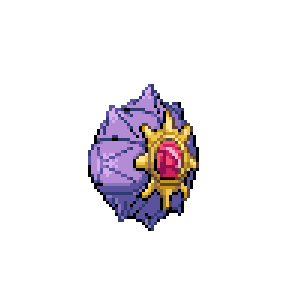
Starvern's wings shimmer and twinkle during the night. Gazing too long at its unfurled wingspan will lead to being hypnotized and potentially becoming its prey.

Starplume buries itself in the sand to absorb sunlight, appearing to be a beached Starmie to most observers. Those that try to touch it get blasted with a spray of stinky multicolored pollen from its core.
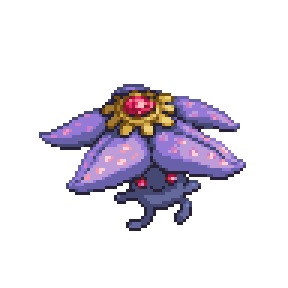
Startle keeps a cool head at all times, leaving its emotions almost inscrutable. It's capable of firing powerful beams of light from the core on its shell as well as its sunglasses.

Every one of Mr. gela's tentacles ends in a hand made for miming. Should one be severed, it likes to grab the wriggling vine and wave it at others to unnerve them. Removed vines grow back in a few days.
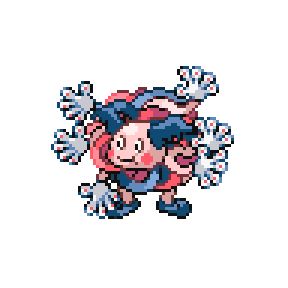
Mr. sea playfully blows bubbles at others to get their attention. Once it does, it attempts to dazzle them with displays of bubbles blown into specific shapes and objects.
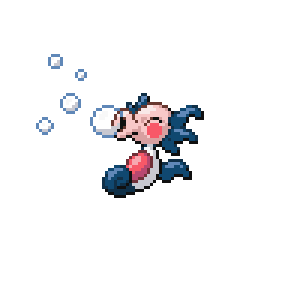
Mr. mime's behavior has become random and chaotic, acting with no rhyme or reason. It seems to operate under the belief that it can do anything.
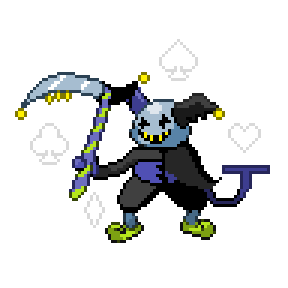
Cartoons featuring Mr. reon were very popular in past generations. It has a manic, zany energy to it that caused many wacky scenarios to occur over its years of televised adventures.

Mr. gon shows up on computer screens wanting to play with users, mimicking the movements of their cursor after a delay. Failure to play along results in it putting up barriers around data, leaving it inaccessible until the user plays with it.
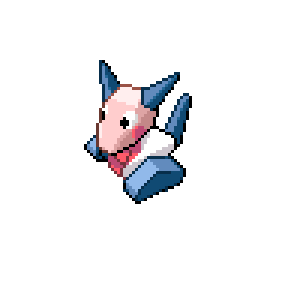
Mr. nite entertains others with amusing acts involving its own clumsiness. After it ends up in some sort of funny debacle, it ends the act by giving a comically bemused shrug to the audience.
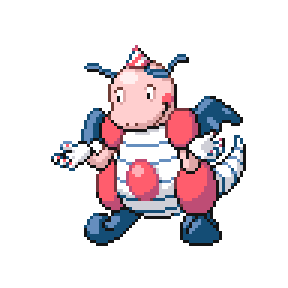
Mr. gey will mimic the movements and cries of any avian Pokémon it comes across. It does this without understanding the nuances of these acts, often getting it into trouble with the other Pokémon.
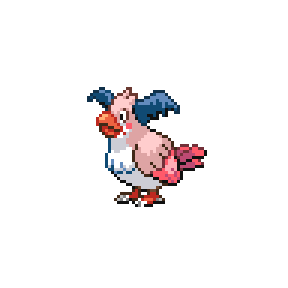
Mr. cross is an expert at juggling, using both its hands and horns to toss the figures it carries around. It is quite popular at bug-themed parties due to its appearance and the Bug-Pokémon-shaped items it uses in its acts.
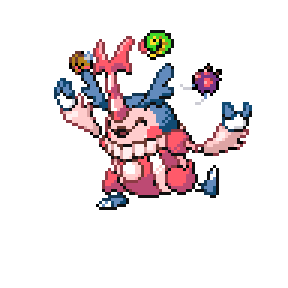
Mr. ki has developed an interesting type of mimicry: despite their appearances, every one of its various differently-shaped accessories can function perfectly as a key when Mr. ki wishes to lock or unlock something.
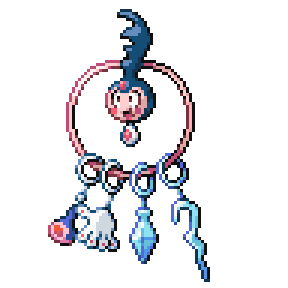
Mr. mer has a voracious appetite for berries, breaching onto land to gorge on them. This messy eating habit leaves its teeth stained with juice, often unnerving those who come across it after its meal.
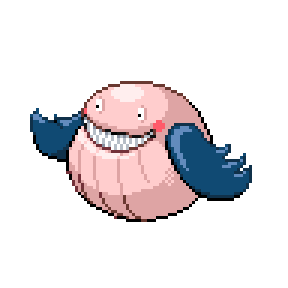
Mr. puff waves its arm to create a short-range series of mirror projections that can reflect projectiles. In tough situations it creates a spherical mirror shield around its entire body.

Mr. bat's main way of entertaining others is to act as if its swooping in for an attack, before knocking against an invisible wall and hitting the ground. Most specimens are known to have chronic headache issues.
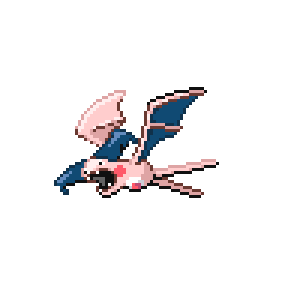
Mr. trum attempts to entertain others with wild gesticulations and funny dances, but its efforts often fall flat, as viewers are too put off by its unnervingly wide and ever-present grin.
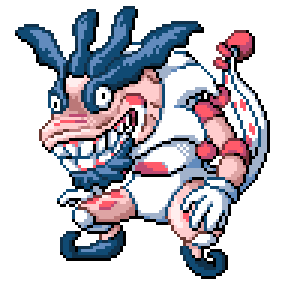
When on the hunt, schools of Mr. vanha will swarm around a creature and trap it within invisible barriers. The school waits until the prey exhausts itself trying to escape before deactivating the barriers and descending upon it.
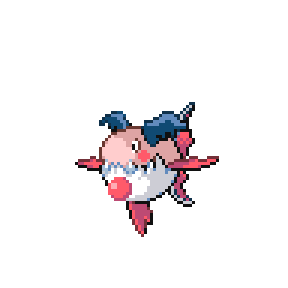
Nicknamed "The Fighting Clown" due to its appearance, Mr. lucha does its best to make a fool of its opponents with unpredictable movements and distracting gestures. The more serious the opponent, the harder it tries to make them look foolish.
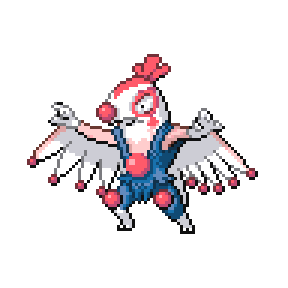
Mr. tite meditates to stimulate its imagination and come up with better miming techniques. After enough meditation, it can reshape the barriers it creates by miming into different shapes, often in the body shape of its foe.
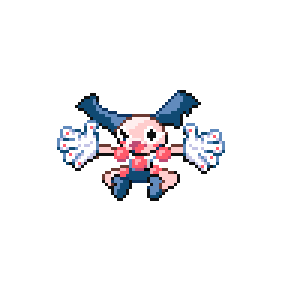
Mr. phish's hands have short reach, but a powerful grip. Its mouth hangs permanently agape, so whatever food it grabs must be thrown into its mouth and swallowed whole.
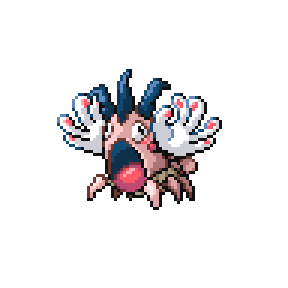
Scybone wields parts of Scizor's exoskeleton in battle, the partial pincer it uses being effective at cutting and bludgeoning. It maintains the pincer by sharpening it against rocks.

Scyhorn sharpens its scythe-like horn against stones. At maximum sharpness, its horn can cleanly cut through a thick tree trunk with a single swing of its head.

Scygela obsesses over the height of the tall grass surrounding its home, cutting it down whenever it grows too long. It even prunes its own vines with its scythes if they grow too lengthy and unruly.

Scyfree is pacifistic and prefers using its scythes to pierce into berries to eat them. Though gentle, it is rather selfish and will swat at anyone approaching it while it eats.

Scyew is cautious, always keeping strangers at bay by threatening them with the scythe blade on its tail. Once its trust has been earned, it is quite a gentle and loyal Pokémon.

Scysire possesses sharp bladed limbs but has a gentle and dim-witted demeanor. It mostly uses its blades to chop down branches or entire trees that grow its favorite berries.

Though not particularly aggressive, Scytler has an irritable disposition and gets agitated easily. If provoked too much, it disorients a target with a strange buzz from its antlers before striking with its bladed arms.

The long-bladed leaf on the back of Scyvyle's head is the sharpest of its weapons. With a swing of its head, it can cleave cleanly through the thickest tree trunks of its forest.

Scykip is a bit cocky and rambunctious, trying to intimidate others with the size and sharpness of the scythe on its head. It keeps the area around its swamp home trimmed by cutting tall grass with the blade.
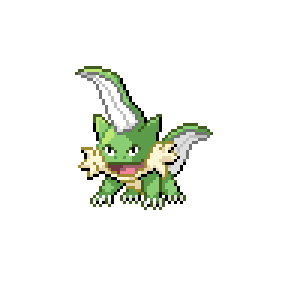
Scyinja floats around motionlessly without appearing to acknowledge any of its surroundings. Yet if something threatens it, the aggressor falls to unseen cuts slashing away at their body.
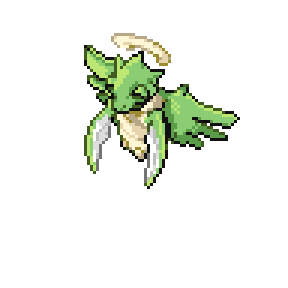
Scytomb's appearance has caused many to believe it is a conglomeration of several Scyther spirits united as one. It is known to appear in overgrown areas and hack the tall grass and plants to almost nothing.
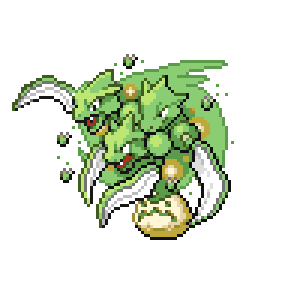
Scychamp is often tasked with clearing out areas overgrown with plant life. With its four bladed arms, it becomes a whirling dervish that cleaves through tall grass and trees alike with incredible speed.

The ice crystals Jynperior fires from its hands can grow into large ice sculptures once they embed into a surface. Jynperior uses this to furnish its home into a veritable ice palace.

Jynceon is a moody prima-donna of a Pokémon. Giving orders will only result in it turning up its head and flipping its hair, which flings ice crystals in the direction of whoever dares boss it around.
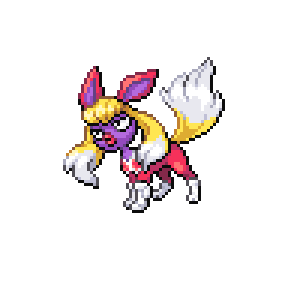
Jynvoir behaves in a playful manner that borders on being flirtatious. For all but its Trainer, this behavior is a ruse to lull others into a false sense of security before Jynvoir freezes them solid for fun.

Jynlade takes its appearance very seriously. If someone dirties it or besmirches its appearance, it takes great offense and lashes out using extending blades of ice from its elbows.

Jynpent dances in the darkness to create an eerie light that draws others in. Once they roam close to it, it siphons their body heat for sustenance, leaving them freezing cold.

Jynmer cheerfully dances for others, loving having an audience to its bouncy movements. Anyone who watches a performance all the way to the end is rewarded with a big kiss, whether they want it or not.

A thick shell of crystalized ice covers Jynelgon's sensitive body. Jynelgon drops the temperature of its shell further as a defense mechanism when touched, causing severe cases of frostbite.
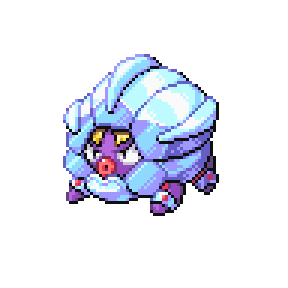
Jyntrum stomps around frozen cavernous areas, particularly those heavy with pristine bodies of water or crystal growths. It prefers these areas as they provide surfaces for it to enjoy gazing at its beautiful reflection.
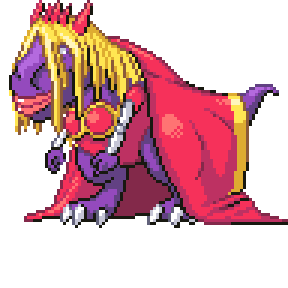
What appears to be Jynplume's hair are actually root-like tendrils it uses to ensnare victims from afar. Once constricted, they are subjected to Jynplume's breath, which is both toxic and capable of freezing a person solid.
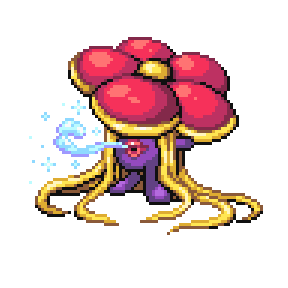
Jynetta's dance casts cool snowy gusts around it as it leaps and twirls. Viewers are compelled to join in the dance, unbothered by the cold air as they follow Jynetta's graceful movements.

Jynselia leaves behind a shimmering trail of frost as it flies through the air. Those who have seen it in flight report their next sleep being filled with dreams of living in excessive luxury and beauty.

Jyngull dive-bombs out of the air lips-first in order to kiss its target. Its kiss has a mild paralytic effect, so this technique is most often used to stun a person in order to steal their meal and fly off.
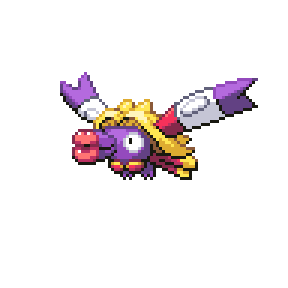
Should Jynduck's headache intensify, the psychic surge around it compels all affected to begin dancing for several minutes. Jynduck always seems confused by this development.

The jewel on its forehead gleams and shines as it dances. Should one stare too deeply at it, they will be caught in the rhythm, forced to copy the movements until Jynduck has finished its dance.

Colder northern regions have many stories depicting Jynchamp as battle-hardened warriors that fought with a dance-like grace. Many songs and shows are still being produced today to tell their tales.

Jynbell dangles from trees and shakes side to side, emitting a hypnotic effect that compels small Pokémon to come closer. Once in range, it belches up a cold, acidic mixture from its mouth that burns and poisons its prey.

It is a common ritual for Jynpoke, after successfully catching a fish, to dance in celebration of securing a meal. On occasion, it may forget to actually eat the fish after the dance concludes.

Being very prideful, Jynuk thinks of its sludgy exterior as truly beautiful, and wishes to share that beauty with others. It flings its goop at others to coat them with it and thus, make them as lovely as it is.

Jynby is often seen scuttling about in a rhythmic fashion, clicking its claws together to make the beat for its dance. Nearby Krabby that witness it feel compelled to join in the chorus.
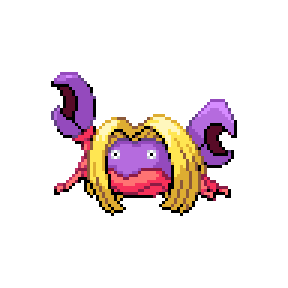
If it concentrates hard enough, Electafing can generate electricity in the form of limbs such as fists. With an aggressive temperament, it does this often in order to beat others into submission.

Electazing rapidly vibrates its body in midair to stoke more electrical energy from within its body. It can temporarily form fists made of lightning to deliver powerful electric punches to its foes.

With fire in one hand and electricity in the other, Electamar make formidable opponents indeed. Some Trainers say you can tell what kind of personality it has by which hand favors which element.

During thunderstorms, Electaeon climbs to the tallest spot it can in order to attract lightning to strike it. If it does, it lets out a booming cry of triumph as loud as thunder.

Electaew has complete and perfect control over its own electricity. It uses advanced psychic powers to ensure that every bolt of lightning it fires hits its target.

Electaligatr can channel massive amounts of electricity into its claws. Swipes from these electrified limbs are so powerful, the swing itself creates a thunderous boom.
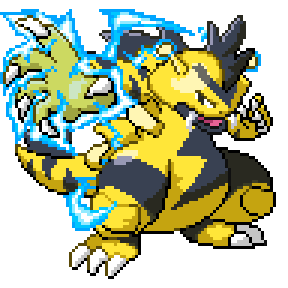
Electalix rotates segments of its body to churn up the electrical energy within itself. Rotating fast enough will create a force field of electricity around itself that automatically zaps anything that draws too close.

Electarow perches high up within areas where thunderstorms are common, using its beak as a lightning rod to recharge its internal electricity. Overzealous Trainers often mistake it for being a wild Zapdos.
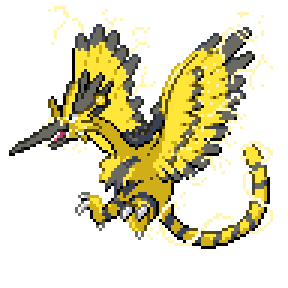
Electatank must be absolutely calm when being milked, or its milk will be dangerously electrified. Even then, faint electric energy is contained within the liquid, giving it a mild energizing effect.

Electavoir is very feisty and particularly defensive about its reputation. If it feels it or a friend has been slighted, it will angrily rant and threaten the perpetrator with electrified fists until they've atoned for the insult.
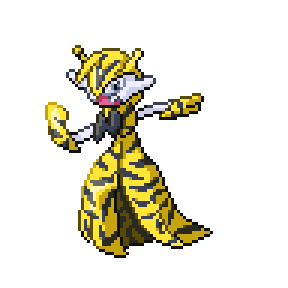
Electadoof builds up towering, sturdy dams meant to reach high and withstand stormy weather. During the storms Electadoof climbs atop its dam and seeks to be struck by lightning.
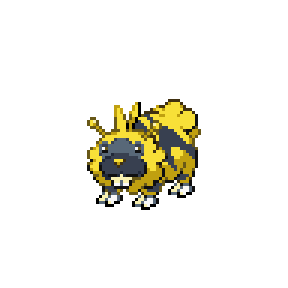
Electaskull haunts factories at night, siphoning electricity from the machines until they're completely depleted. When fully gorged, a crackling aura of electric energy surrounds it.
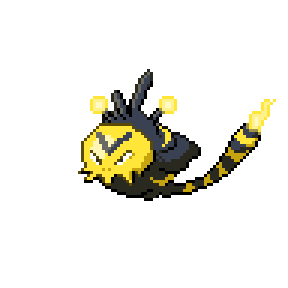
Electavern hunts its best during stormy nights. It masks its movements between the flashes of lightning, snatching up prey quickly and quietly before vanishing back into the storm clouds above.

Electale can channel its electric energies to energize its plus-shaped tail and coat it with sparking electricity. With enough effort, it can even rotate the lightning like a turbine and achieve short bursts of flight.
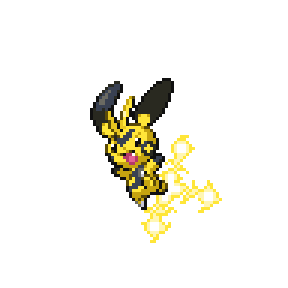
A fusion of two Magmar has its flames grow in intensity to the point of being almost completely comprised of burning fire. Despite its fiery appearance, it has a remarkably calm demeanor.
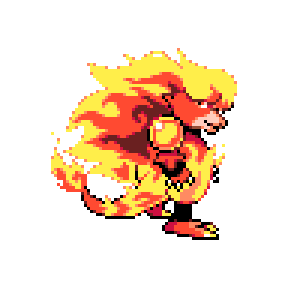
While normally friendly in behavior, should Magnite spot another of its kind, the two will be unable to resist the urge to compete and establish dominance. A fierce battle of claws and flame follows, until one of them lies unconscious.

Drumming on Magnaw's belly stimulates the internal furnace that supplies it with its flame breath. Rapidly beating on its stomach enough gives it the potential to exhale huge walls of fire.

Magchu's fire power is powerful, but volatile and difficult for it to control. Even simple coughs or sneezes might lead to a small inferno.

Originally, it was believed Magbird handed out pieces of coal to reprimand bad behavior. In truth, Magbird simply loves coal and wishes to share the pieces it collects with others around the world.

Although more likely to flee than attack, Magtler can breathe a strong stream of flame for defensive purposes. Its antlers turn bright from heat just before it unleashes its fire breath.

Magrowth uses its extending vines to constrict around its prey. Once it has them fully in its grasp, it sets the vines alight with its fire breath, holding them down and roasting them until they're ready for consumption.
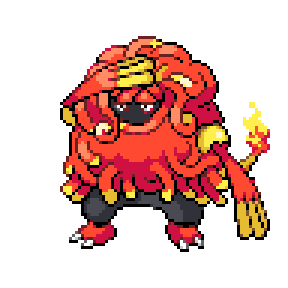
Magtrum was a terrorizing bully of the ancient world. It would breathe flames to send smaller Pokémon scurrying off in fear, then leap into magma where few could follow in order to avoid retribution.

Proud of both its physique and its flame prowess, Magchoke puts on shows for any who would watch. Between flexing poses and plumes of fire exhaled in a variety of shapes, it makes for quite the spectacle.

Magdrio's competitive nature means all three heads try to one-up the other in fire prowess. Some have even observed the heads angrily breathing flames on each other when competition gets too heated.

Pinhorn charges down anything smaller than itself in order to bludgeon and fling them with its horn. Once battered and stunned, it pounces and uses its massive weight to pin its prey down beneath it and eat.

Pinsey is an opportunistic hunter, even residing near Pokémon Centers in order to potentially hunt injured Pokémon. Due to this cruelty, the Chansey line consider it a mortal enemy.

The pincers on Pinfree's wings behave on instinct, clamping down violently on anything that passes through the gap. Though effective for capturing prey, the added weight leaves it grounded and potentially vulnerable to becoming prey itself.

Though it possesses decently strong limbs for clubbing foes, Pinther's true strength lies in clamping them together, possessing a powerful gripping force that crushes its opponent after weakening them.

Pintwo lives as deep in the most remote forests as possible in an attempt to avoid humans and other Pokémon. It uses telekinesis to lift aggressors up and draw them towards its pincers, which crush them with ease.
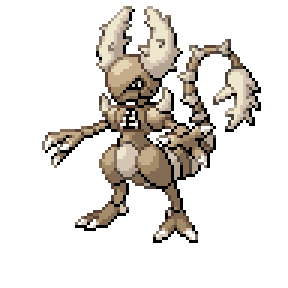
Pindos's spiky limbs can slam together with great force. The moment it senses something gets caught in its webbing, it descends quickly to crush the struggling prey in an instant.

A frightening creature of the deep woods, Pingrowth uses its pincers and countless tentacles to bind and crush prey for consumption. It's not uncommon to see it holding a few struggling creatures in its tentacles to save for later.
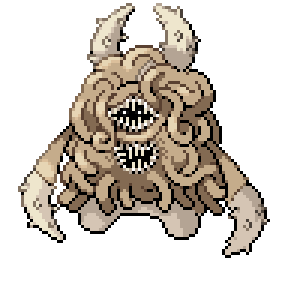
Pininja in the wild hovers around abandoned Pinsir nests, usually clinging to nearby trees. It's said if one disturbs the empty home, Pininja will open its body and suck the interloper's soul away.

Pindon's manic grin signifies its intent to hunt something. Aggressive in behavior, it charges down anything standing between it and its prey using the incredibly tough horns on its equally-durable skull.
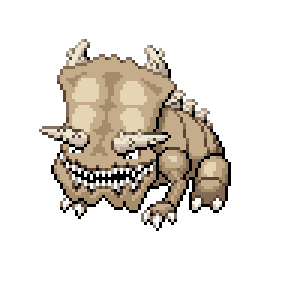
Each of Pinink's gears contains a single spiky horn. It rotates quickly when near prey to slam these horns together and crush its target beneath their powerful pressurized grip.

Pinsian is an effective pet for homes that have a tendency towards insect problems. It waits until a bug nest is nearly full, then pounces and inhales the whole colony into its maw in a bountiful feast.
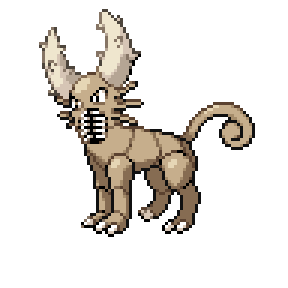
Pinduck roots around for spicy berries during colder seasons for warmth. The spice gives it a headache, however, which causes psychic power to surge and results in felled trees and branches.

Pinizard's terrifying visage spells doom for any insects in the vicinity. The small bugs get inhaled into its massive mouth before being incinerated by the flames within.
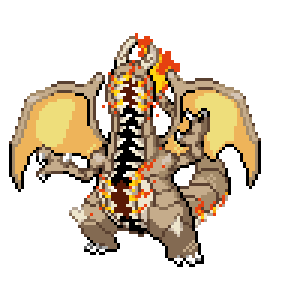
Pingar hides in the shadows and makes an unnerving noise by clicking its teeth and pincers. It relishes the terror it causes while it remains unseen, waiting to strike when its prey's terror is at its highest.
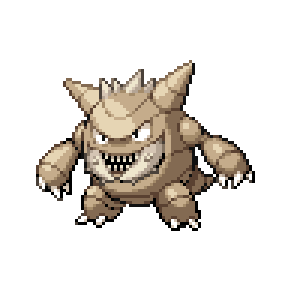
When angered, the five outer eggs rotate around the center, creating psychic energy that levitates Taucute in the air and allows it to charge forward to headbutt the target of its ire.
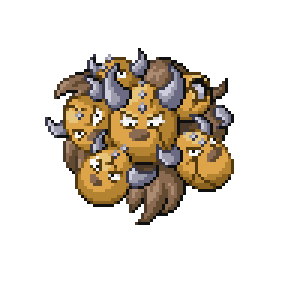
When its temper flares in combat, it becomes relentless. It won't stop chasing and striking a target until it's unconscious or Tauwak's bone club shatters and it's forced to find a replacement.

The tongue-like organs on its head let Tautung touch objects to discern if they would be tasty or not. Non-tasty objects that get licked will be batted away with a swing of Tautung's head.

The fusion of Rhyhorn and Tauros has given Tauhorn a massive horn to better charge at foes with. However, it often charges into things and gets itself stuck, the new horn lodged deep within the object it crashed into.

Tausey designates its territory as no-conflict zones. Should it spy infighting from any people or Pokémon, it aggressively charges and ends the fight by knocking them out with its heavy egg and powerful Headbutt.

It furiously charges at others that come to close to flower fields it has claimed, especially other Taufree. Should two Taufree clash, they headbutt each other until one is left knocked out among the flowers.

If a Taugon appears on your computer, move the cursor slowly. Moving too quickly will be seen as a challenge, leading to Taugon charging across the screen and potentially causing major damage to one's data.

Constantly frustrated and ready to fight, Tauew sneaks up on others to whip them with its three tails. This stimulates aggressive tendencies, leading to an angry, battle-ready opponent for Tauew to fight with.
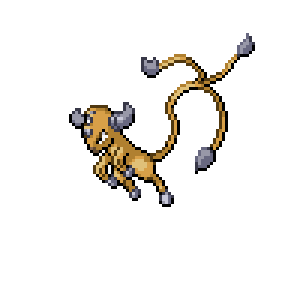
Despite its diminutive size and stunted mobility, Taurill is a force to be reckoned with. It packs so much strength in its small frame that it can pick up and throw a Snorlax with relative ease.

Taukern needs ample sunlight in the morning to keep its temper under control. Without enough sun, it begins to hop around raging, though its diminutive size limits how much damage it can cause with its tantrums.
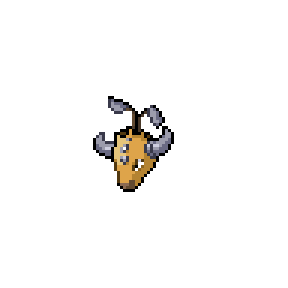
Sunlight is crucial to Tauflora's well-being, but care must be taken to ensure it doesn't absorb too much; if it does, it overheats and goes on a rampage.
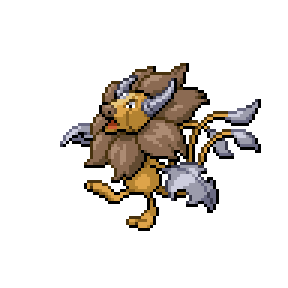
Both heads have the same size brain and the same urge to charge at intruders. It's not unheard of to see a Taufarig rapidly charging forward and backward as both heads struggle for control.

Tautress attempts to charge down and smash anything in sight with its sturdy shelled body. If a target manages to outrun it, it can launch detachable horns at high velocity to strike from long distances.

Tauckle uses its three tails and its resilient skull to help it knock down and grab berries to consume. The berry juice its body creates has a strong bitter aroma and taste.

Taupom swings among trees claiming entire forests as its territory. Highly aggressive, it descends on any intruders and beats them mercilessly with the palms on its three tails.

Tautomb manifests in response to its anger, of which it has plenty. The angrier it is, the larger its manifestation, but despite its strength, it has a limited range of attack due to being chained to the skull it forms from.

Hieroglyphs in parts of Kanto and Sinnoh appear to depict Tauchomp as being the vessel for some sort of evil deity. This is likely due to its extremely angry personality causing it to go on violent, destructive rampages at a moment's notice.

When sensing disaster approaching, Tausol charges quickly into nearby towns and forcibly pushes and frightens people away from the endangered zone. Though well-meaning, the brute-force method of helping gives it a poor reputation.

The angrier Tauram gets, the more heated its body becomes. If angered enough, its many tails ignite to become a blazing inferno that propels it forward and makes its charge attacks even more devastating.
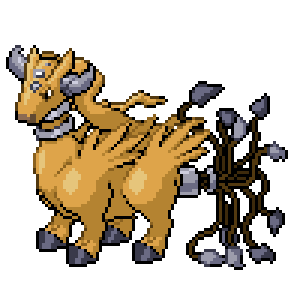
Taunette's already aggressive nature is exacerbated if it witnesses badly-behaved children. Its zipper-mouth opens up to let loose an otherworldly bellow just before it attacks.

Due to the fur over its eyes, Tauno has poor vision. It instead relies on its strong sense of smell to perceive intruders to charge down and nail with the sharp horns on its head.
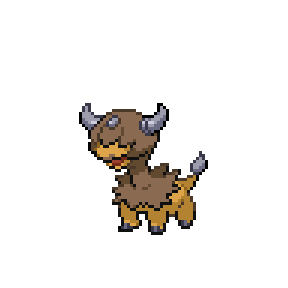
Tauroth is considered one of the wildest of animals, rampaging violently and indiscriminately. Tauroth has even been observed thrashing and lashing out in its sleep, never stopping its perpetual raging.

Tauras's charging tackle isn't very strong on its own, but the mushrooms on its back release spores on impact that weaken the muscles of its foe, leaving them more susceptible to follow-up headbutts.

Fusion has given Tauroc the rampaging temper of Tauros with Lycanroc's agility and focus. This makes it much more dangerous when angered, as its quick movements make avoiding its charge next to impossible.
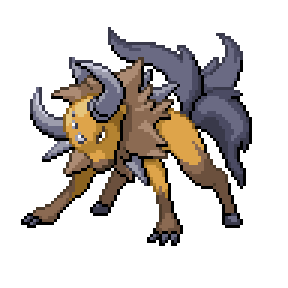
Taunat habitats have put up signs warning travelers about its presence. Tourists falsely confuse its cute, wide-eyed appearance for innocence, when it is actually quite aggressive towards strangers.
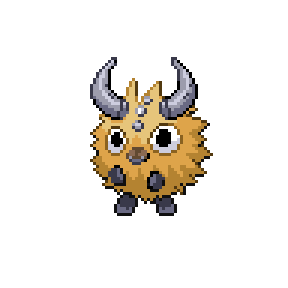
Tauchop's formidable muscle strength is tied to its temper. It will sometimes pull on its own tail to hurt and anger itself in order to get a power boost in battle.

Taumite seems especially disposed towards charging down metallic Pokémon. It is theorized this is due to its magnetism letting it increase the speed and force of its headbutt attacks.
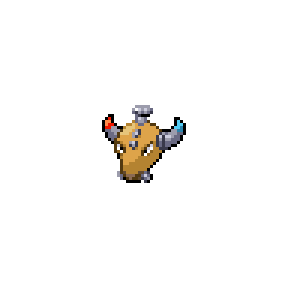
Tauduo will aggressively charge at anything encroaching its territory. Its two heads may lock on to different targets to chase down, leading to sudden and erratic direction changes mid-charge.

Magiyu contains what appears to be a Magikarp in the center, controlling its actions. It's thought that Magiyu channels strange energy into it, ensuring a more powerful evolution in its future.
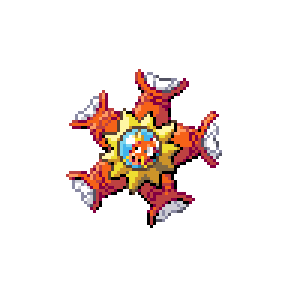
Maginx tries to captivate audiences with its dance moves. However, whether on land or in the water, its body movements are too awkward and jittery, so it always fails to impress.
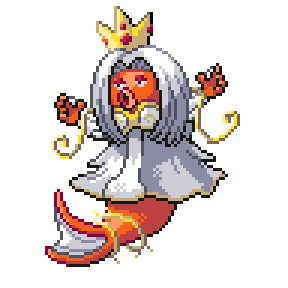
Magiros are a placid and weak species that tend to wander aimlessly across plains and farmland, grazing without thought or care. Touching its whiskers will send it into a thrashing rage.

It likes to help humans across the water, but has weak swimming skills, so it can only ferry a single person at a slow pace. Lapras herds tend to keep Magiras around out of pity.
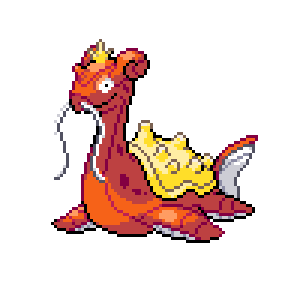
Magichou's body is rotund and squishy, requiring electric whiskers for protection. Unfortunately, its electric power is so weak that an attacking predator would feel no more than a faint static tingle, leaving Magichou effectively defenseless.
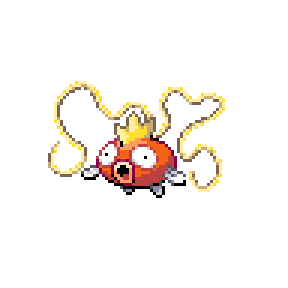
Extremely weak and timid, Magisparce tries to hide from danger by burying its head into dirt, sand or mud. However, because the rest of its body remains exposed, this only makes it more vulnerable to being preyed upon.
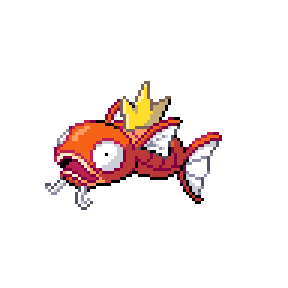
Magisparce lacks the muscle strength in its tail to properly drill holes to hide in. Instead it sticks its tail into a surface and slowly twists its whole body around in an incredibly lengthy and unwieldy process.
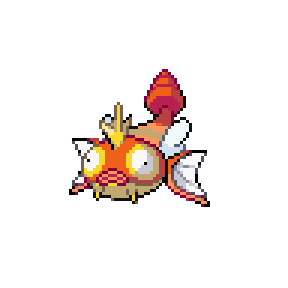
Magillery creates a large amount of ink within its body to use as projectiles, but because its mouth muscles are rather weak, the ink only comes out in a copious dark dribble instead.
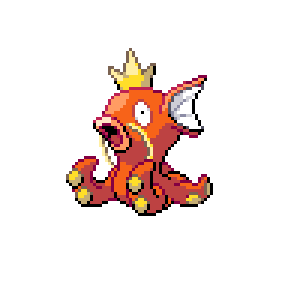
Magimagius is a devious little ne'er-do-well always intent on casting hexes on others. Fortunately for its victims, its spell-casting ability is rather pitiful, and most of its curses fizzle out uselessly almost immediately.
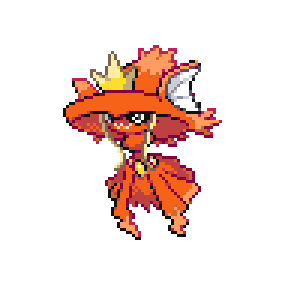
Magitomb uses its ghostly appearance to try to intimidate others. This fails due to its inelegant blubbering cries and its pitiful strength; even at its strongest, its ghostly powers can barely move a few light pebbles around.

Despite its massive size, Magilord is lacking in speed, strength and defense. It floats around slowly and aimlessly, only surviving due to predators not bothering to hunt it due to the bland taste of its meat.
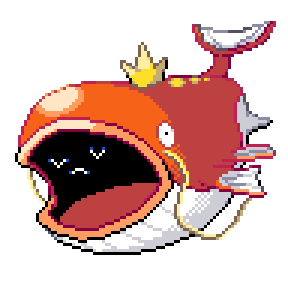
Magislash are often employed at seafood restaurants, particularly those that serve Magikarp cuisine. Their skill with the blade means that every meal is perfectly cut and portioned.
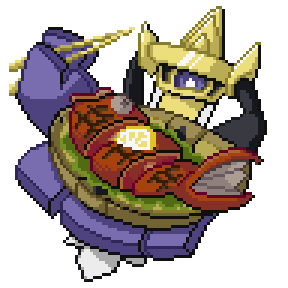
The weak Magijask's only defining trait is its aerial speed. Though it can fly fast, it can barely control itself once in flight and regularly crashes into trees and other obstacles.
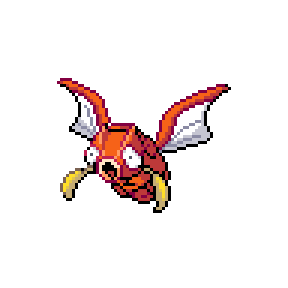
Magiwick lights up its flame at night to try and attract prey. The act of doing so is exhausting for it, though, so by the time anything is drawn close enough to hunt, Magiwick is too tired to do so.

Magiron's rigid, sturdy body gives it strong defense against predators. Unfortunately, its limbs are too weak to hold itself up for long, ruining its mobility on land and practically making it impossible to swim.
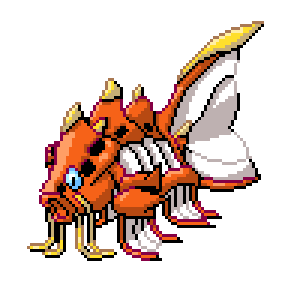
Magink's odd body composition, consisting of gears interlocking at an odd angle, leaves it weak and ill-equipped to function as gears or for swimming. It's considered rather useless as a result.
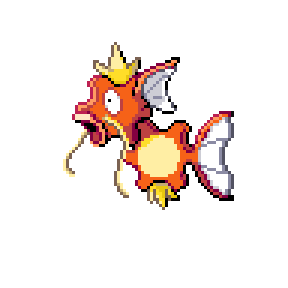
Found in the mud of drained lakebeds, Magifisk is considered one of the most pitiful Pokémon in terms of both strength and appearance. Even as food, they are considered bland and tacky at best.
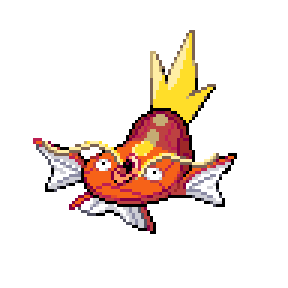
Magieye's favourite snack is big, beautiful gemstones. Unfortunately, its teeth are too weak to crack the jewels, forcing it to instead attempt to swallow them whole, often choking as a result.
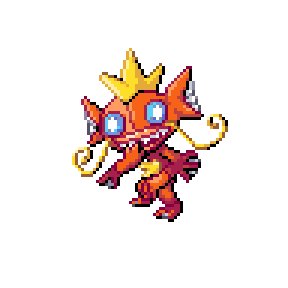
Though it has ferocious, aggressive tendencies, Magivanha's small teeth are incapable of piercing skin. Unable to properly hunt as a result, it bitterly resorts to being an undersea scavenger instead.
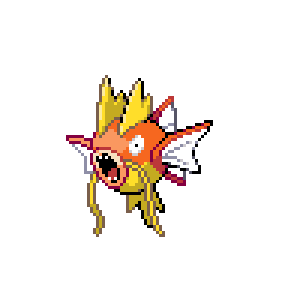
It is debatable whether the Magikarp inside Magisteel is controlling it or merely residing in it. Whatever the case, Magisteel reacts with aggression should anyone try to interact with it.
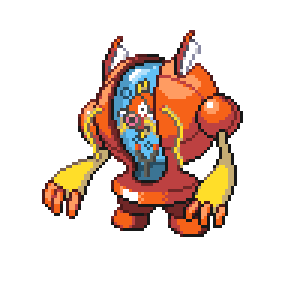
Due to its weak muscles, Magiaura rarely has the strength to lift up its long neck. It communicates by blowing a small amount of slow-moving cold bubbles at others.
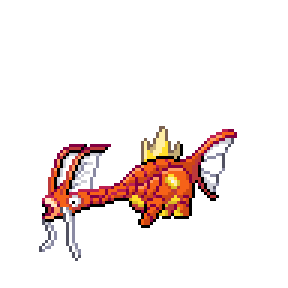
Magith is commonly found at the bottom of wishing wells. Some think it believes the coins within contain "wish energy", and that it wants to use that energy to wish to evolve sooner.
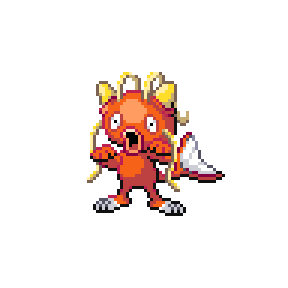
Magiduck will tug its whiskers during battle in order to enhance the normally weak psychic emanations it produces for its attacks. This leaves it with a splitting headache afterward, however.
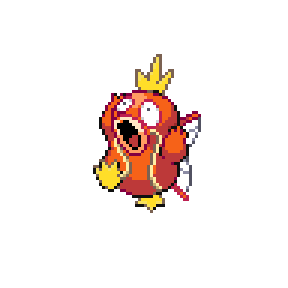
While possessing reasonable physical resilience, Magicanth is nonetheless incredibly weak and slow; it moves no faster in the ocean than it would on land.
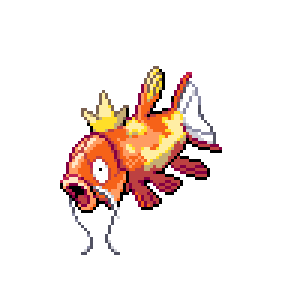
It has weak swimming capabilities, and even the poison of its stingers is incredibly mild, useless for defense. Magicool often ends up washed up on shore, staring pathetically at passersby.
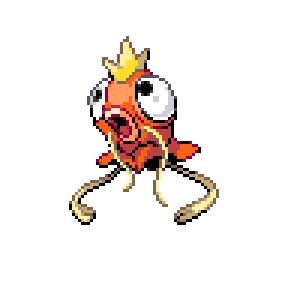
When at rest, it plays with the whiskers on its face for amusement. Based on reports of Magipoke trying to consume or pull off these whiskers, it's thought that Magipoke does not realize they are a part of its body.
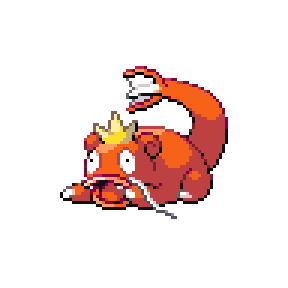
It comes onto land to rest, as swimming for too long leaves its muscles weak and exhausted. Observers find its tired and pitiful panting on land rather endearing.
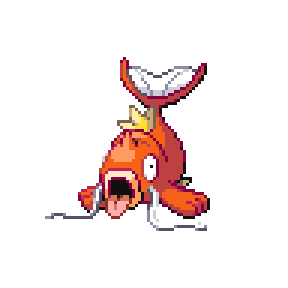
Magider latches onto Slowpoke tails like Shellder, though no evolution takes place. Instead, Magider uses its host as a way of migrating to a new body of water to reside in, as its own swimming capability is quite weak.
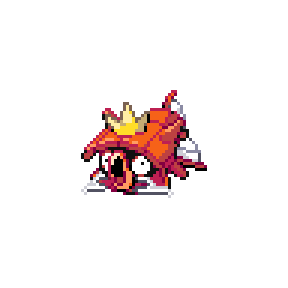
Though overall weak, Magiby's claws have a strong gripping power. It often uses them to hitch a ride on larger Pokémon while they hunt, grabbing and eating whatever scraps remain afterward.
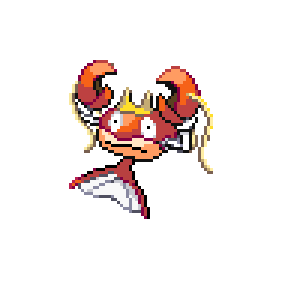
Still physically frail, Weefree evolved extra stingers that secrete and coat the wings with a fine poison to deter predators who would hunt it. Wrapping itself in its wings akin to a cocoon is a typical defensive maneuver.

Weether's scythes secrete the same poison found in its horn, used for self-defense. Though mild, it only takes a single light cut for the poison to take effect and result in strong bouts of nausea and dizziness.

Weegon prefers to be left alone, retreating into trees or computers when approached, depending on what's nearest. Its horn secretes a venom that's particularly caustic to Steel types.
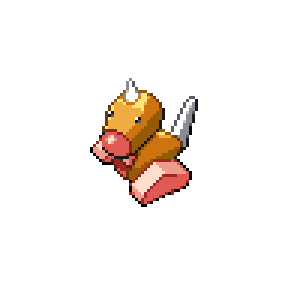
Weedle is usually pacifistic and content to wander around flower gardens, basking in their scent. Striking it even once, however, will cause it to unleash a massive amount of hidden fury.

Once Weedle has been angered, there is almost no stopping its rampage. It charges around blindly, tackling and striking at anything until it is defeated or calms down on its own.
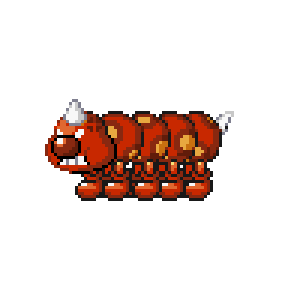
Weew is a curious sort, but also rather jumpy. It may hover closer to someone to investigate them, only to panic and stab them with its venomous tail-stinger the moment it is discovered.

Electric power is stored and concentrated within Weechu's stingers. As a show of intimidation towards predators, it taps the two stingers together, causing sparks to fly out around it.
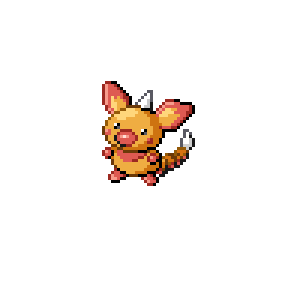
Weetata has a strong sense of smell, able to sniff out its preferred food from many yards away. Weetata fights for food and territory by battling one another using the stinger on its tail.

Weerow hovers around areas where Kakuna gather in wait for evolution. It swoops and poisons those who would prey on the Kakuna to protect the vulnerable cocoons, though primarily to prey on the would-be predators itself.
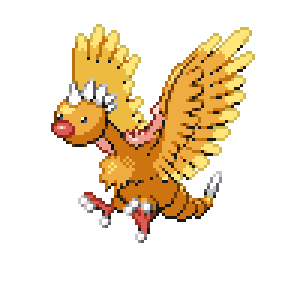
Weevoir gets attached to those who tend to forests and keeps them healthy. In exchange for maintaining the trees it loves to eat from, it follows and protects them from any dangers that might come near during their work.
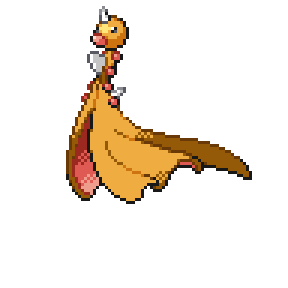
The poison from Weeceus's horn is highly potent, with a single drop being enough to render almost anything immobile. Careful studies are being undertaken to see if it could lead to the creation of a powerful catch-all antivenom.

Weetik stores static electricity in its stinger until it's ready to make a surprise strike on an unsuspecting victim. The jolt is still incredibly minor and rarely regarded as anything more than a momentary nuisance.
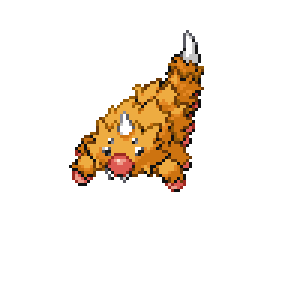
Weebat sneaks up on prey to deliver a quick sting before flying away. With an incredible sense of hearing, it listens to the sound of its poisoned victim's deteriorating heartbeat and breathing, waiting patiently for their eventual collapse.
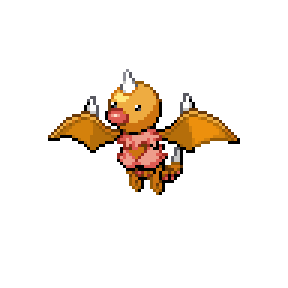
Weelu forages around bug nests, snacking on the discarded pieces of cocoons left behind from evolution. The poison in its horn is mild, but numbs victims quickly enough to let it fly away.
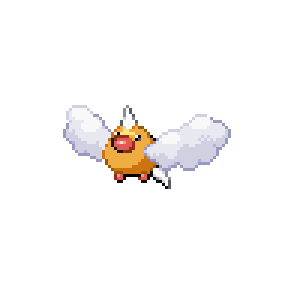
The mushrooms are no longer deadly to the host, but are now quite poisonous if consumed. This seems to have had the interesting side-effect of making Weeras no longer able to secrete poison from its horn.
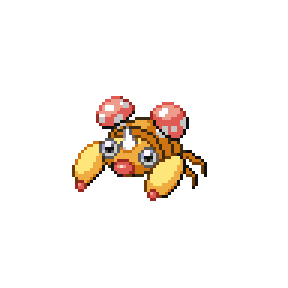
Due to its strong sense of smell, sneaking up on Weera before it teleports away is near impossible. It is docile enough to be lured close with its favorite type of leaf, however.

The marks on its leaves were thought to be signs of illness, until research found that Weesprout occasionally nibbles its own leaves. This seems to cause no harm, and its leaves grow back if fully consumed.

Weeder's front stinger is its primary means of defense, but not its only one. The duller-looking spines on the corners still possess tiny points of their own that can dispense venom as well.

Gyarasea hunts small fish with a combination of stealth and ferocity. It blinds prey with ink while hiding among kelp, before swimming quickly and snatching it up with its vicious bite.
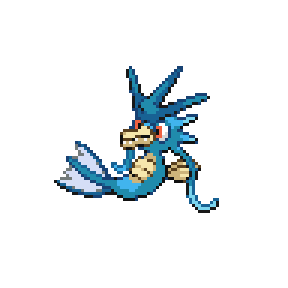
Gyarafree is much more aggressive that it appears at first glance, and does not take kindly to intruders in the flower gardens it calls home. It paralyzes a target with spores from its wings before blasting them away with a powerful Hyper Beam.
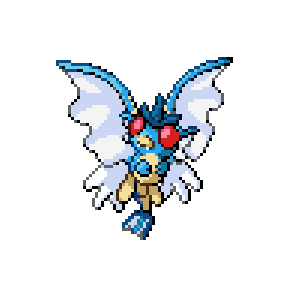
Gyarakarp has a ferocious and vindictive attitude towards all it comes across, but aside from a nasty bite, it is largely unremarkable and ineffective. It tends to act more passively in the presence of Magikarp.
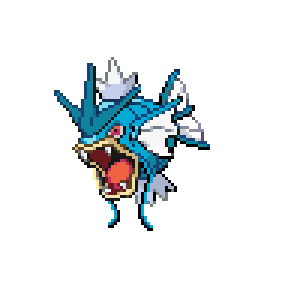
Gyarados resembles Gyarados's Mega Evolution after self-fusion. It is constantly in a state of rampaging anger, flying through the sky and laying waste to the ground below with powerful Hyper Beams.
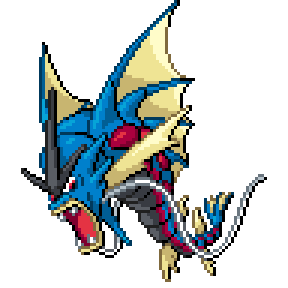
If two Gyararas meet, they will fight to the death, no matter what. It's thought that their aggressive and independent instincts are so great that Gyararas actively seek to be the last, and only, of their kind.
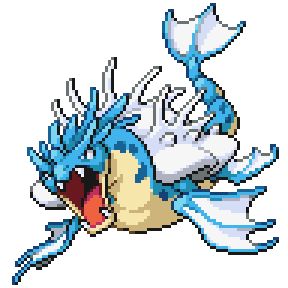
A very angry and powerful creature, Gyaraew prefers to be alone. It will claim a lake for itself, diving into the water and using its psychic powers to hurl any creatures within out of it so it can have it all to itself.

Gyaragey is exceedingly aggressive, particularly towards other Pidgey fusions. It will bully other Pokémon away from their meals without even taking them for itself; it simply wishes to bully them as an outlet for its aggression.
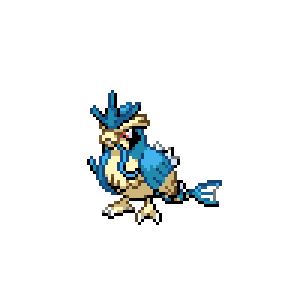
Anger causes Gyarachu to generate electricity that its body cannot fully contain. Because it is so easily angered, its body is almost constantly producing a large amount of sparks.
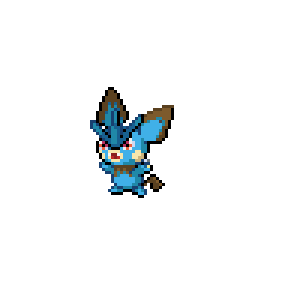
Gyaratic has a unique ability to pacify the raging temperament Gyarados possesses. However, when it does so its normally docile personality shifts to become an aggressive and violent creature, as if it had absorbed Gyarados's fury.

Many a tale has been passed down amongst sailors about Gyarallery. Should a ship run afoul of it, it will chase it down across entire oceans, not resting until it sends the boat sinking to the briny deep.

Many have claimed the secret to taming a Gyaratine is to climb on its back and pull its whiskers like reins. Pokémon Centers and hospitals regularly put out PSAs to discourage this idea.
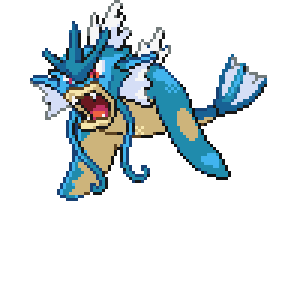
Much of Gyarapom's power is packed into its two thick tails, which can knock much larger Pokémon out with ease. It has a highly aggressive personality, attacking others at the smallest perceived slight.

The horns and tendrils on Gyaravire's head generate massive levels of electrical voltage. Extremely violent, a rampaging Gyaravire will decimate all its surroundings with titanic storms of lightning until little remains.

Gyarakiss is often found in accompanying wild Gyarados. It acts to curb their violent tendencies, pushing them away when they move to attack. For whatever reason, Gyarados never turn aggressive on Gyarakiss itself.
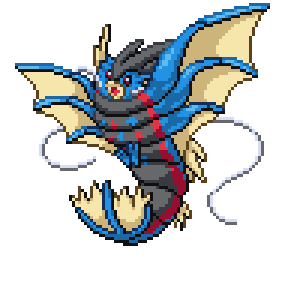
Gyaratina is a destructive creature believed to originate from a different dimension of some kind. It can emerge from shadows, laying waste to the surrounding area before once more vanishing into the darkness.

Gyaraesect rests at the bottom of large lakes, claiming them as its own. Its sensors immediately alert it to any intruders, which it blasts away with a titanic blast of powerful energy from its cannon.
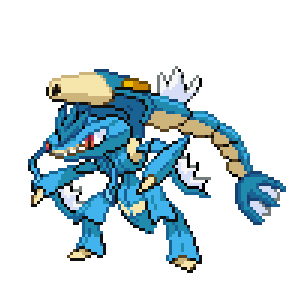
Gyaradew's mood is tied directly to its exposure to sunlight. It is calm and serene while under the sun's rays, but the moment it has no source of light and warmth, it stomps around in a tantrum, roaring at anything that approaches.
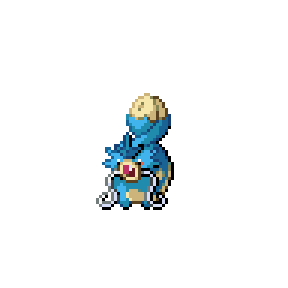
Gyaracorio dancing is a sign of territorial aggression, a warning to any who see it. One should back away slowly as it dances, lest one wants to contend with flame, scalding water and a razor-sharp beak.
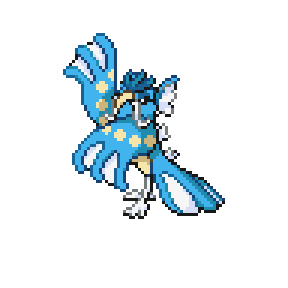
Gyaraedo has a most vicious, destructive nature towards anything that catches its ire, even slightly. With its speed and strength, it has torn entire ships to shreds in seconds.

What appears to be a miniature Gyarados inhabits Gyarasteel's center. Gyarasteel has a similar violent temperament to its passenger, firing off powerful beams of energized water and decimating anything nearby when it goes on a rampage.

Gyarayena live in small groups, but lack coordination due to their tempers. Any planned attempts at a cooperative hunt will fall apart quickly as tempers flare and they fight amongst themselves, their prey completely forgotten.
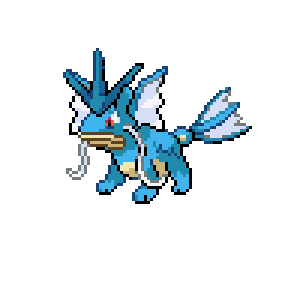
Gyaralow is very territorial and considers almost the entirety of the sky as its own. If it sees other Pokémon flying anywhere in its vicinity, it will immediately go on the attack and attempt to ground them.
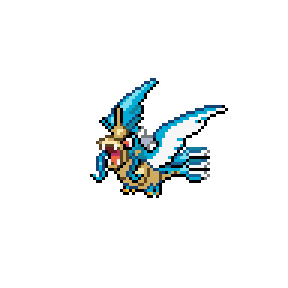
Gyaragull is an aggressive nuisance to those traveling through the areas it flies through. It lets out an angry bellow before dive-bombing any creatures that dare to traverse through its claimed territory.
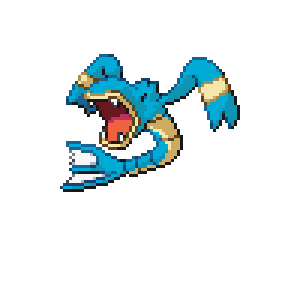
Gyaraduck is perpetually angry and violent due to the pain of its constant headaches. The stronger the headache, the more intense its rampage; a strong enough migraine can even make it release a massive Hyper Beam.

Gyarada is said to be so full of anger that it has disrupted its body functions and dazed itself. It wobbles and stumbles about in its rage, firing off Hyper Beams at random in the vague hope of hurting something.
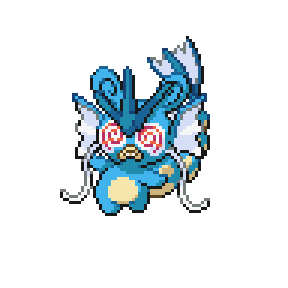
Gyaraduck is a highly adept swimmer, capable of swimming across entire oceans in a few hours. Its speed and ferocity are enough to let it hunt Sharpedo on a regular basis.

It looks fierce, but Gyarawag is fairly harmless, as its fangs are soft and unable to pierce skin. It's not uncommon to see it clinging to larger Pokémon with its mouth, stubbornly trying and failing to do any damage.
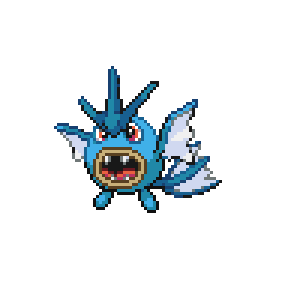
Gyaracruel is referred to as "The Devouring One" in some ancient legends. What appear to be tentacles are actually multiple tongues, which deliver paralyzing venom before dragging prey into its hungry maw.

Sometimes, Gyarapoke will throw a tantrum, thrashing its tail and gnashing its teeth wildly for little reason. It then forgets why it was angry, and begins a lengthy nap to recover the wasted energy.

Gyaragong is playful towards humans, but still remains a merciless hunter on land or sea. Many admit to being perturbed seeing it change so seamlessly from friendly to fierce and back.

Gyaraster are ravenous and ferocious creatures that are able to devour nearly anything. In ancient times, it was believed that whirlpools were caused by famished Gyaraster attempting to swallow the ocean itself.

Gyaraby's fiercely aggressive and battles those in its territory no matter the size. Anything smaller than it will be hunted as prey, and anything larger will be bit and pinched until they flee.
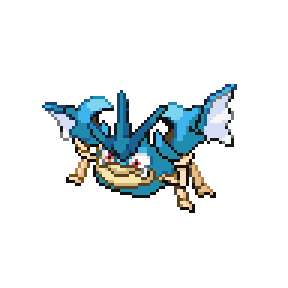
Gyaraler's jaws possess a powerful crushing strength. It has an extremely violent, stubborn nature, so anything it latches onto with its jaws will not be released until it has shattered beneath its strength.
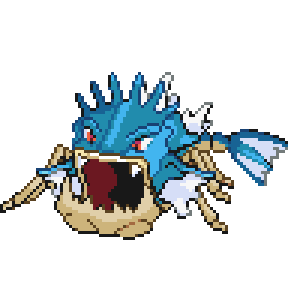
Lapbone is often seen drifting at sea inside Lapras bones fashioned into a makeshift boat. It sails the oceans in search of more Lapras, hoping to form a family for itself.
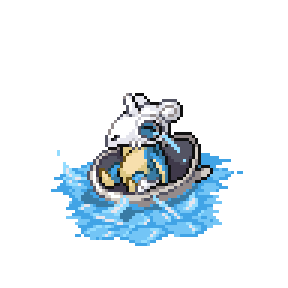
Lapzing can be found floating around coastal areas on misty mornings, inhaling the fog in order to expel it in the form of pungent clouds from its pores. Some ships have started keeping it around in order to help visibility in foggy waters.

Fast and agile swimmers, Lapdos inhabit the deeper depths of the oceans, rarely being seen near the surface. They enjoy the company of deep-sea divers, following them curiously and protecting them from harm.

Though it lacks the power to make fully-formed flames erupt from the gaps in its shell, Lapquil can create great amounts of boiling-hot steam to burn others in self-defense and obscure their vision so it can hide.

As it runs across the land, Laptei casts a trail of warm, frothy bubbles behind it. On the rare occasions it's seen staying still, it casts a quiet, solemn gaze in the direction of distant volcanoes.
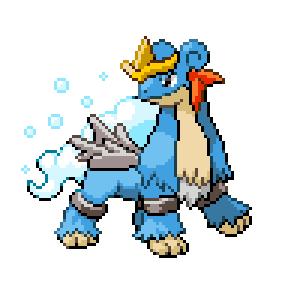
Lapcko's heavy tail is used for self-defense. It can use it both as a bludgeoning tool to swing at opponents as well as pulling it over its back to act as defensive plating.
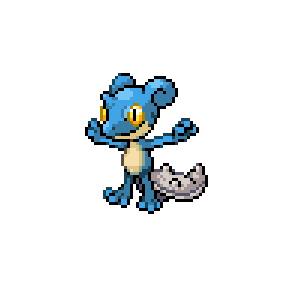
Laptomb can sense when someone is at risk of drowning near it. It draws out a large, spirit-like form with which it can take hold of the person in danger and ferry them somewhere safer.
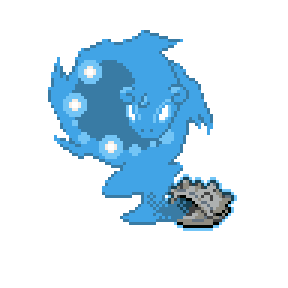
Lapcario train themselves vigorously to be powerful swimmers and aquatic battlers. Their swimming speed, strength and ability to sense aura make them popular as assistants to lifeguards and sailors.
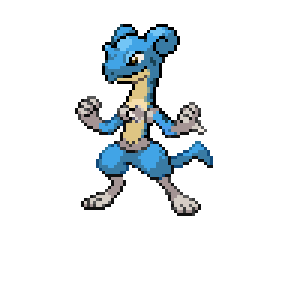
Lapgron acts as a guide and guardian through areas filled with dangerous Pokémon. It holds those it is ferrying in its arms, letting the dangers glance off its heavy, sturdy armor plating.
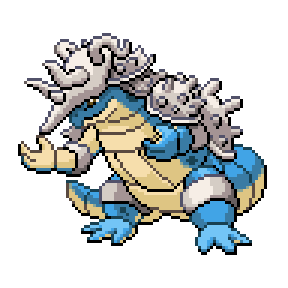
It is paramount for Lapruff owners to have a body of water nearby for it to play in. It has boundless energy it needs to burn via swimming, and will become incredibly anxious and restless without the proper outlet.
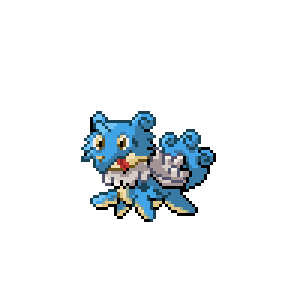
Lapizard is fiercely protective of humanity. Rivalries develop amongst its own kind as different Lapizard battle to see which of them is more fit to be guardian to humans in their territory.
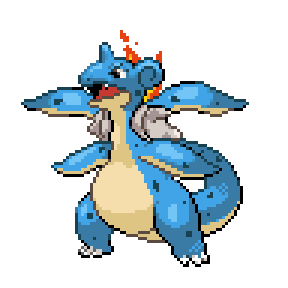
When it charges, it won't stop until it hits a wall. The impact causes its malleable gelatinous body to distort, leaving Dithorn misshapen and disoriented for a few moments.
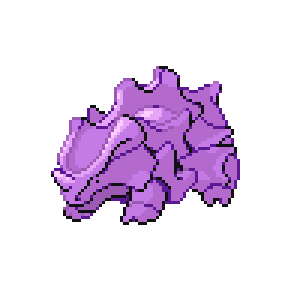
Ditsey nurtures abandoned eggs until they hatch, whereupon it transforms into a copy of the Pokémon that hatched, in order to raise it among its own kind as closely as it can.
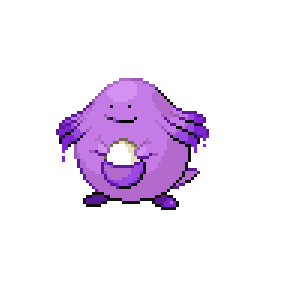
The form Dito takes after self-fusion has resulted in inquiries lobbied towards the Cinnabar Mansion about its true origins. The investigation is still currently ongoing.

Ditres nests near hot or volcanic areas, the heat keeping its body soft and malleable so it can transform. During its transformation, a burning flame envelops it until the process is complete.
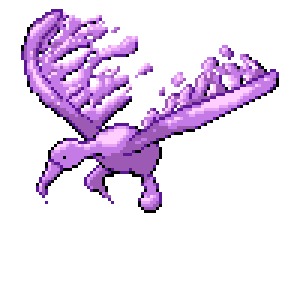
Ditew is able to transform and perfectly mimic other Pokémon after only a quick glance. Ditto seem to look up to it, and will flock to watch and intensely study its transformation abilities.
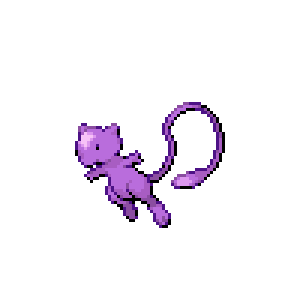
Ditpom has poor eyesight and poor memory, so it uses its tail to touch something before transforming, to better capture the details of the form it takes. It still usually winds up getting some features wrong, however.
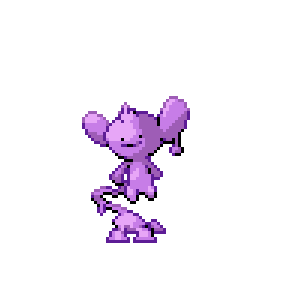
Ditflora's transformation ability is dependent on sunlight. If it hasn't photosynthesized enough energy, it will wind up stuck between transformations before reverting back to normal, exhausted.
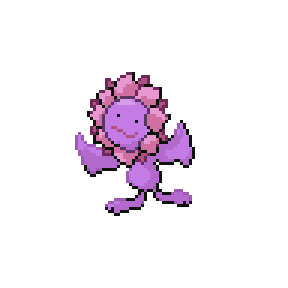
A very curious Pokémon, Ditown communicates with others by forming its body into letters and symbols. According to Trainers, it adores playing games of charades.

Ditgon2 prefers to keep itself in the shape of Porygon2, but maintaining that form for long periods of time is strenuous. The longer it attempts to hold it, the more unstable and melted its appearance becomes.
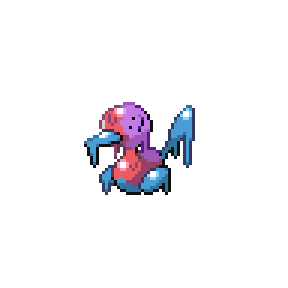
Ditpom slaps others with its twin tails before it transforms and assumes their shape. The act actually aids in its transformation, as physical contact lets it sample the target's DNA and let it better achieve an accurate metamorphosis.
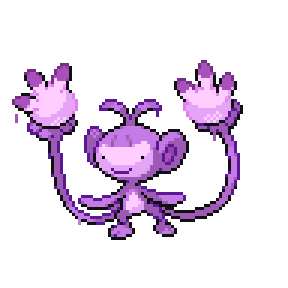
Ditvoir's transformation skills are said to be so strong that it can perfectly mimic any human on the planet. Many criminals have tried unsuccessfully to claim their crimes were committed by a Ditvoir in disguise.

A common, somewhat joking theory about Ditking's existence is that it's the result of a Ditto copying Slaking so perfectly, it became too lazy to change back to normal.
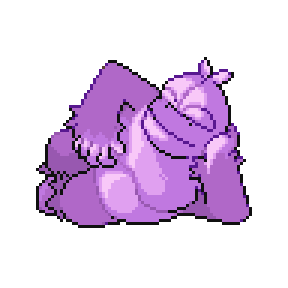
Though Ditnape can freely transform, it prefers to start fights in its normal form to gauge an opponent's strength. Its malleable body allows it to nimbly dodge strikes and hit back with stretchy, gelatinous limbs.
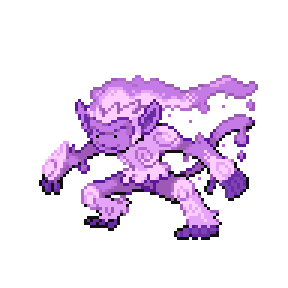
Ditdon can reshape the land around it with its great power, though this ability is only possible in its base form. Should it transform itself, any alterations it has made melt back to their previous state.
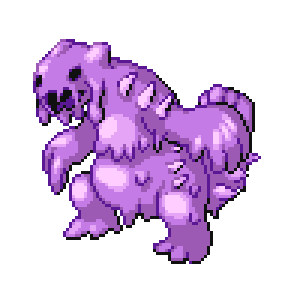
Ditesect's cannon fires a syrupy goop that coats its targets completely. Ditesect analyzes anything touched by the goop, allowing it to transform and perfectly mimic them.
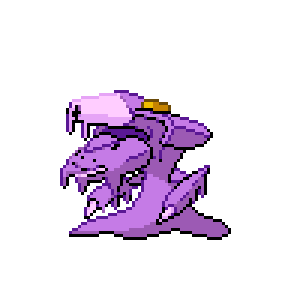
Although usually in sync, Ditdreigon's three heads possess some autonomy from each other. This results in transformations occasionally having traits of another Pokémon involved as one head tried shifting into a different form than the others.
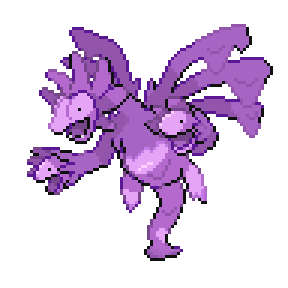
Ditdreigon usually keeps its three heads shifted into different Dragon-type Pokémon, borrowing their abilities and intimidating appearance. It's not uncommon for one head to forget to transform completely, though.
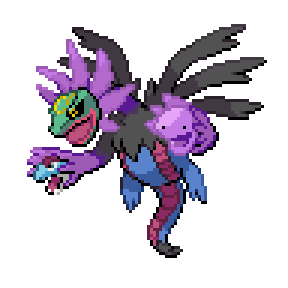
Its small body requires energy from photosynthesis in order to transform, so Ditdew can only morph while in direct sunlight. When the light is gone, it immediately returns to its normal shape.
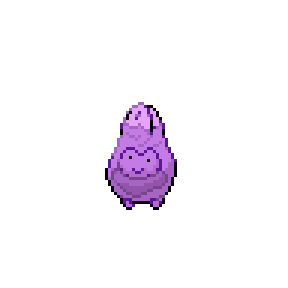
Ditxure is quite proud of the shape and size of its tusks, and tends to incorporate the tusks in its transformations. Whether in the new form's mouth or hands or as some type of accessory, the tusks will always be present in its changed state.
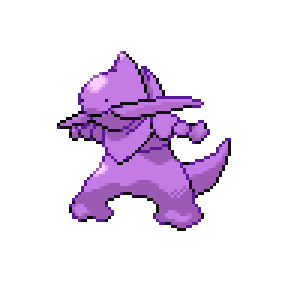
Ditrum may seem intimidating with its size, but has no real inclination towards aggression. In fact, it often accompanies large aggressive Pokémon, inadvertently curbing their violent tendencies with its incessant want to play with them.
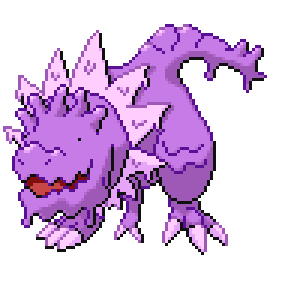
Ditice will only exercise its transformative abilities in colder areas. Warmer temperatures mess with its cellular structure, making it difficult for it to maintain its transformed states.
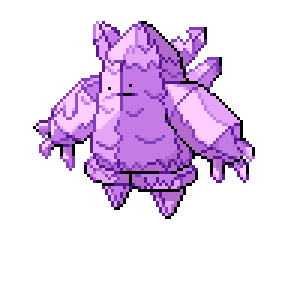
The mushrooms growing on Ditras's back can be freely plucked, growing back within seconds. They are considered a novelty snack item, as each individual mushroom picked has a different, randomized flavor to it.
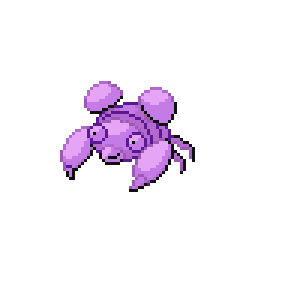
Ditrio regular switches which of its three “heads” actually holds its face. It enjoys clinging to the sides of tunnels dug by Diglett and Dugtrio so it can jump up and surprise them.

Ditloud analyzes creatures in front of it by shouting, measuring how the sound waves bounce off of its target. It can only transform into something after yelling at it in this manner first.
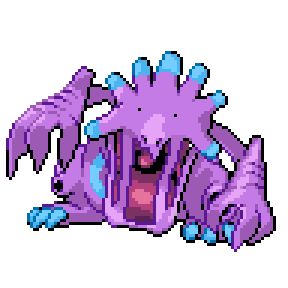
Though it's mimicked a Mankey's form, Ditkey cannot truly mimic its violent temperament. It tries to keep an angry expression, but cannot hold it long before a jovial smile returns to its face.
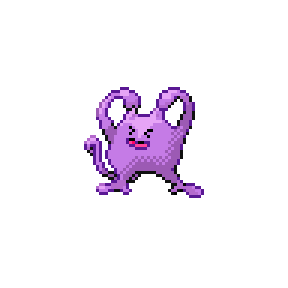
Ditrein keeps its cranial area partially transformed into ice in order to adapt to the frigid temperatures of its home. These frozen parts of its body may partially remain present in its altered form after it transforms into another creature.
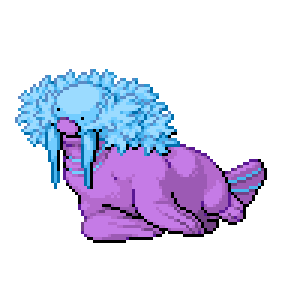
When Ditcanth transforms into other Pokémon, sometimes its transformation varies starkly from what it should look like. Researchers believe it may be copying what prehistoric versions of its mimicry target looked like.
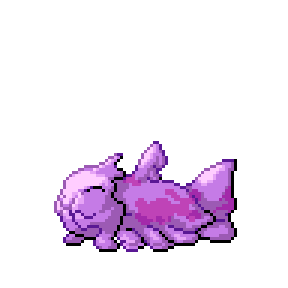
Ditchoke loves showing off its muscular form, flexing in a variety of poses. It often goes too far, overexerting its muscles and causing them to lose shape and temporarily turn to goop.
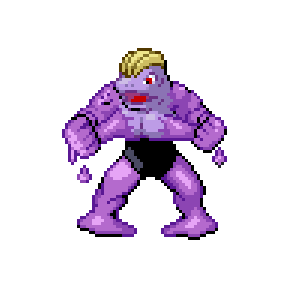
Ditle maintains the solidness of its shell for protection. When transforming, it hides within the shell, popping out in its altered form once the process is complete.
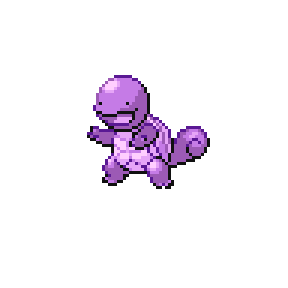
Few, if any, Ditpoke have been observed in the act of transforming. It's theorized by some that their simple minds have caused them to forget they even have the ability.
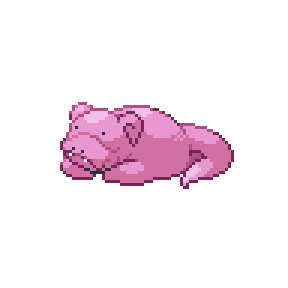
Each of the eggs in an Eecute clutch exhibits a different type of element. Though individually their capabilities are meager, together they can make a formidable confluence of powers.

The eggs in an Eecute clutch exhibit different personalities and elemental properties. The center one tries to maintain order, but the rest of the group are typically quite rebellious.

It's thought that the type of vegetation Eedle eats affects its evolutionary direction, as it has a noticeable shift in appetite, preferring specific types of plants shortly before it evolves.
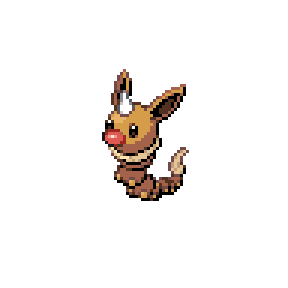
Due to its adaptive DNA and the long-lasting naps it takes, it's not uncommon for an Eelax to evolve while asleep and not even realize its changed for some time after waking.

Eedrill are quite affectionate and will often swarm after something to hug and nuzzle it. They seem unaware that their appearance hurtling towards another at high speed could be seen as disconcerting.
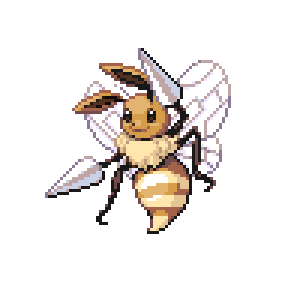
Eetwo is able to create constructs resembling evolutionary stones through sheer psychic power. It quietly ponders these facsimiles often, its tail shifting through a myriad of hues as it does so.
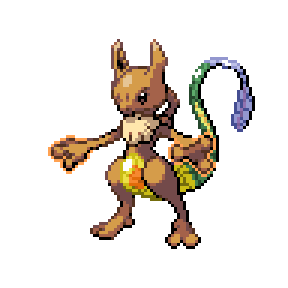
Eeret's was initially assumed to be an odd coloration of Furret due to their strong resemblance. It was only after a wild specimen evolved on contact with a Water Stone that researchers realized it was a fusion.
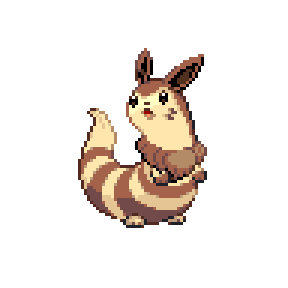
Rare variants of Eeret that take on coloration similar to Eevee have been spotted in the wild. These versions of Eeret seem a bit less skittish and more approachable in the wild by comparison.

Eerill's soft and fluffy tail has been described by many as pleasant to squeeze. Eerill itself feels a pleasant tickle from the act, so it happily offers up its tail to anybody who wants to hold it.
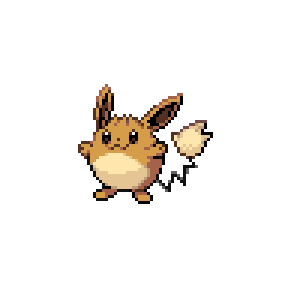
The flaps around Eeco's face can easily and painlessly break off and regrow. Though considered tough and flavorless, some have found a use for them as chew toys for some small Pokémon.
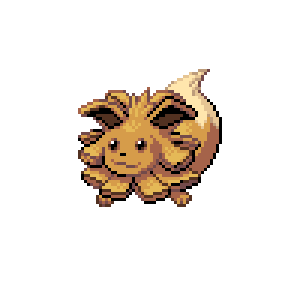
Eegar can be found across all the regions, its adaptive body letting it function perfectly well in a multitude of climates. The membranes of its wings vary in color depending on its current habitat.
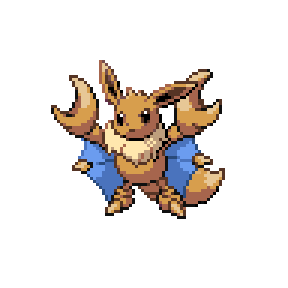
Many of Eelix's segments resemble evolutionary stones, but so far show no signs of functioning similarly. Supposedly, if one segment begins glowing brighter than the other, it signifies what direction Eelix's evolution will take.
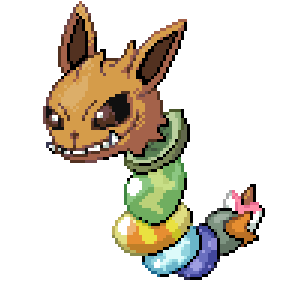
Eenub eagerly sniffs around for any sort of mushroom it can find to eat. Its body alters over time depending on what type of fungi makes up the majority of its diet.
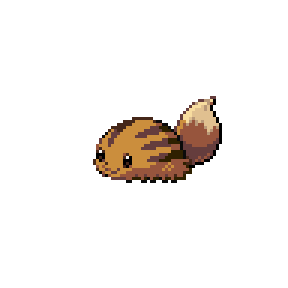
A friendly creature that loves to wrap around and cuddle with others, it's not uncommon to see Trainers with their Eeans happily draped over their shoulders or around their neck like a fluffy accessory.
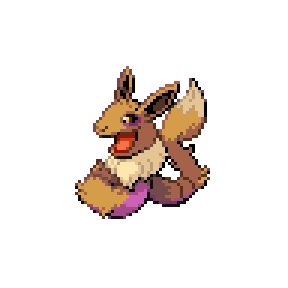
When living in an area that would help induce evolution, Eetler's fur will change hue slightly, and its antlers will gain additional attributes, such as a layer of frost, flames at the tips or electric sparks, among others.
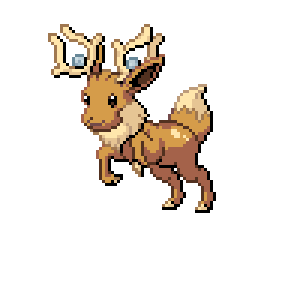
The markings on Eebok's torso resemble evolution stones, though the resemblance appears to be completely superficial. There are rumors that Eebok with different patterns exist in regions like Johto and Sinnoh.
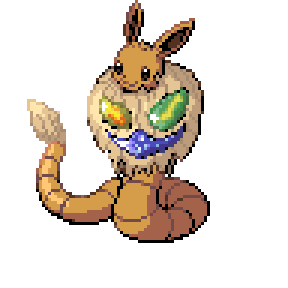
Eetank's milk takes on different flavors and textures depending on its surroundings. Northern Kanto Eetank milk is particularly popular for its creamy quality and sweet taste.
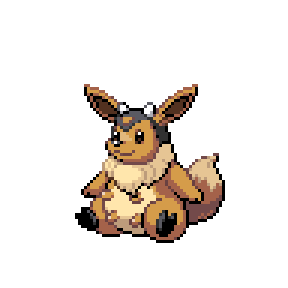
Eeslash's back is covered with spines resembling the multiple stones related to evolution. Though not effective as replacements for the stones proper, each spine does contain a modicum of the specific stone's energy.
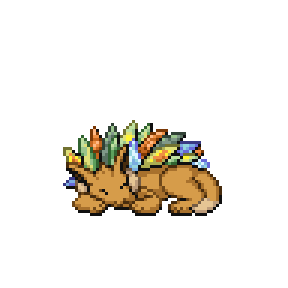
Eevoir appears to be able to harness the power of every known elemental force. It can freely generate and manipulate these elements in order to protect those it holds dear.
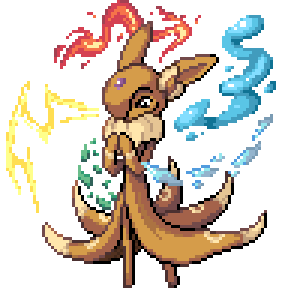
When gnawing on wood, Eedoof has been observed chiseling shapes into the trees it chews on. Though unconfirmed, it's believed the shapes relate to the form that specific Eedoof hopes to one day evolve into.
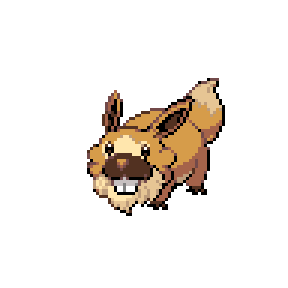
Early in its life, Eesaur's flower has a multitude of different colors on its petals. As it grows and acclimates to its surroundings, the flower petals will change to all become the same pattern.
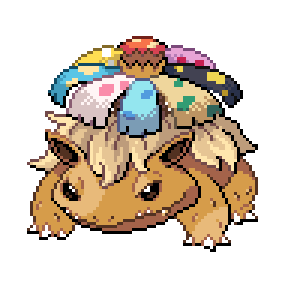
Beneath the fur on Eeidos's head lies a hardened skull plate, making its headbutt quite potent. It headbutts tree trunks and rocks on a daily basis to maintain the sturdiness of its skull.

Eequeen is an excellent caretaker of young and fussy Pokémon. Any little one throwing a tantrum is picked up and put into a firm, yet gentle hug and won't be let go until they've calmed down.
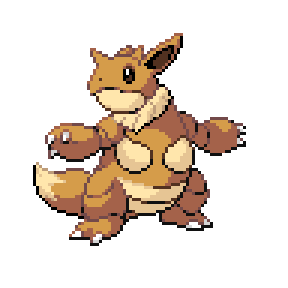
Eeloom scatters spores from its cap whenever it lands after a jump. The spores grow a random variety of unique mushrooms should they take root within fresh soil.
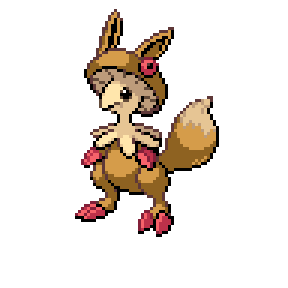
Eetom reshapes itself and changes color in accordance to its move. As it grows closer to evolution, its default color alters to a different shading, hinting at what it will become.
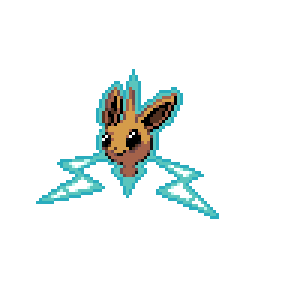
Eetales is highly protective of its many colorful tails. According to rumors, pulling on one will cause one to be cursed, with the terrible fate that awaits differing depending on the tail's color.
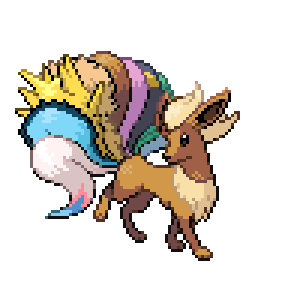
Segments of Eeagon's skull resemble the different evolutionary stones. The segments differ among different members of the species, and emit colored sparks when it strikes its head against a surface.
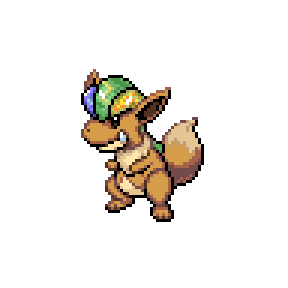
Eemander's flame starts out being colorless in the early days of its life, but as it develops, the color will change depending on the habitat it resides in. Urban-raised Eemander typically develop tan-colored flames.
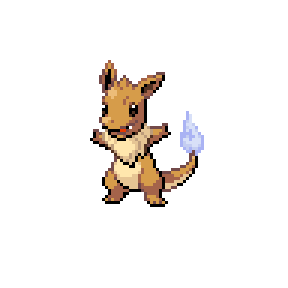
Eegoo's slick and gelatinous body lets it slide itself into a variety of tight spaces it enjoys exploring. These explorations leave behind a sticky, furry residue that fortunately dissipates in an hour.
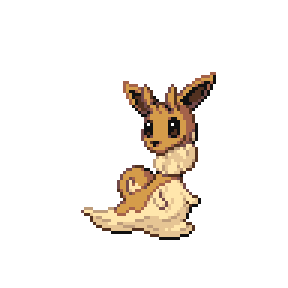
The longer Eeyena stays with its Trainer, the more attached and protective it gets. No matter how much training it is given, it can never be fully pruned of its habit of quietly growling at anything that gets close to its Trainer.
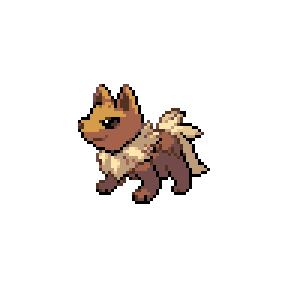
Eezagoon hops back and forth whenever it is happy and excited. It likes to fan others with the air pushed by the wagging of its large tail.
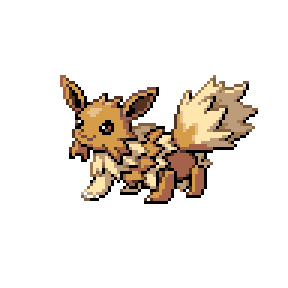
Eebra uses telekinesis to carry evolutionary stones with it at all times. When it places one over its forehead, it gains an elemental boost to its psychic powers.

Eeel's fur adapts to the water it dives into, keeping it warm and sleek to swim through the depths with ease. It dries out quickly once it breaches back onto land, becoming warm and fluffy once more.
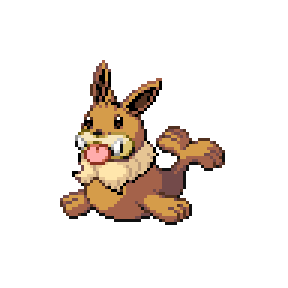
Depending on the surroundings, Eetly's aura will develop different elemental features over time. These changes also affect how its ghostly powers manifest as it haunts those living in its chosen home.
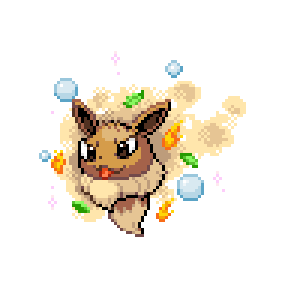
Vaporwak fashions a trident made of bone to accentuate its already potent hunting capabilities. Swimming at high speeds through water, it spears large fish and even the occasional low-flying avian for its meals.
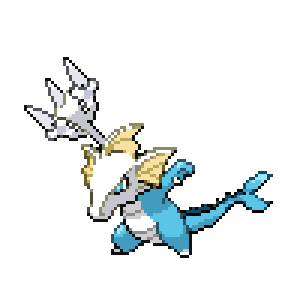
Vaporfing's body regularly puts out a copious amount of bubbles from its many pores. Though harmless and even aesthetically pleasing to some, the bubbles release a pungent scent when popped.

Vaporos can swim at high speeds by twirling its three tails behind it akin to a propeller. It gets extremely aggressive if the jewel on its forehead is touched.

Vaporvee developed a body that allows it to swim swiftly through the water, but lacks the gills needed to remain underwater. It can only remain underwater for 30 minutes before requiring air.
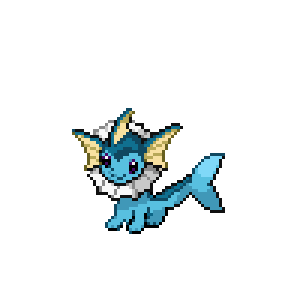
Vaporeon's normally smooth fur bristles out and stiffens when it becomes tense. It soaks aggressors with a stream of spat-out water, before jolting them with electricity shot out from its fur.
The flame sac within Vaporeon's body allows it to super-heat any water it produces and expels. In battle, it can fire boiling hot water or bursts of scalding steam to leave foes badly burnt.

Vapornite's gills let it stay underwater indefinitely, and its body is smooth and streamlined for quick swimming. It could swim from one end of the ocean to the other in less than a day.
Preferring to remain in solitude, Vaportwo surrounds itself with large bubbles. These bubbles are brimming with psychic energy, and reflect all manner of attacks, be they physical or projectile.

Vaporossom's Rain Dance is noted to be highly effective, quickly summoning torrents of clean water to revitalize the plant life around it. Many owners use it to help maintain personal gardens.

Many aquariums are beginning to staff Vaporgon2 as assistants. It seems to intrinsically know all the habits and needs of a majority of aquatic creatures, making it very helpful in ensuring proper care-taking is observed.
Vaporgon-Z always moves as if it was swimming, whether it is in the water or not. Its body is always a bit damp no matter what efforts to dry it are taken; touching the water coating it causes skin to tingle slightly.
Vaporziken mixes fire and water in equal measures in battle. It strikes with geysers of water shot from its fists as well as powerful, flaming kicks.
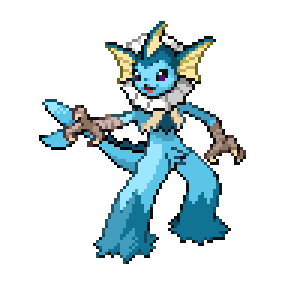
Vaportomp's frill is highly sensitive, with it reacting negatively to even an accidental touch. Its long and thick tail can swing with enough force to send an adult human flying back over 30 feet.
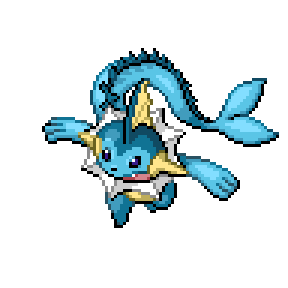
Vaporvoir can manipulate the moisture in the air around it to create solid bubbles that act as a shield. It often encases itself and its Trainer in these bubbles while traveling, as it is slightly overprotective.
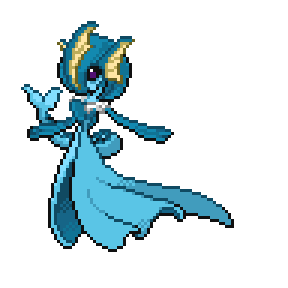
Water flows directly across Vaporferno's body, of which it can freely manipulate the length and shape. It enjoys toying with and confounding its opponents with various tricky movements before it strikes a decisive blow.
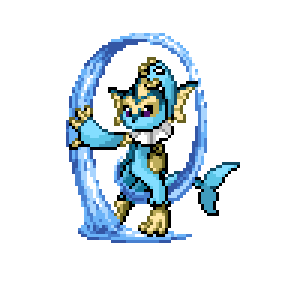
Only those with righteous hearts are said to be able to draw Vaporom out from its deep undersea home. Its arm can shoot a massive amount of bubbles at high speeds, each one charged with intense amounts of electricity.
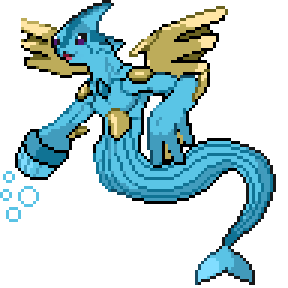
Vaportales can unfurl its tail wide in order to intimidate and ward off potential threats. Those that don't heed the warning will have to contend with its formidable control over fire and water.
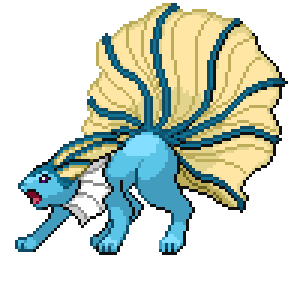
Vapormask carries with it a large gem similar to a Water Stone. It is said that looking at the stone for too long will cause a person to feel as if they are drowning.
Vaportik is quite fond of Water Stones, immediately latching onto any it finds and refusing to let go for hours. It seems to draw minute bits of energy from the stone, as it behaves more energetically for a time after releasing it.
Vaportrum is quite fond of swimming, instinctively searching for the largest body of water nearby. It takes running leaps into lakes and oceans it finds, sending out massive waves as it dives in.

Any trash Vaporodor consumes is immediately converted into part of its liquid body. This is an effective method of waste disposal, though it causes the water Vaporodor generates to have an extremely pungent odor.
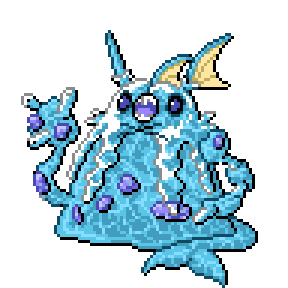
Vaporice spends most of its time underwater, cooling the temperature of the liquid with its mere presence. In times of danger, it can flash freeze the entire body of water. Even when water is frozen, it can move freely through the ice.
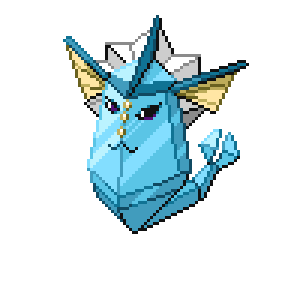
When moving through the water, Vaporselia's body grows transparent and camouflages itself within the depths. Campers who happen to sleep near its lake home are visited by pleasant dreams of swimming alongside it.
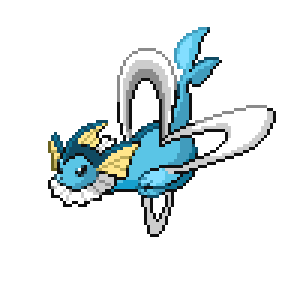
With waterproof fur and a robust body, Vapornine is a powerful and speedy swimmer, and supremely loyal and friendly. It is rapidly becoming the de facto assistant to lifeguards at beaches for its capabilities.
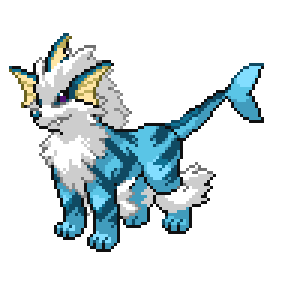
Vaporizard is always up for a challenge and eagerly seeks out worthy opponents in combat. Its way of challenging others is to shoot a burst of scalding-hot water at their feet.

Joltorb's ears move and twitch slightly as it picks up on ambient changes in electricity nearby. On occasion, an arc of electricity passes between them.
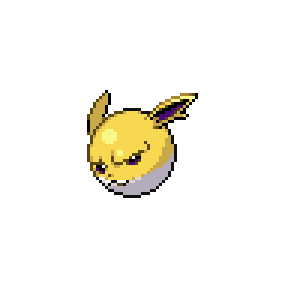
Joltvee has developed some of Jolteon's electrical output early. Though its voltage is potent, it lacks the full strength and runs out of energy after a few discharges.
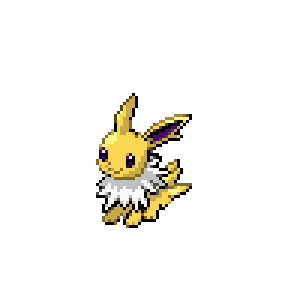
Joltvee can fire off the spiked-up hairs on its body outward in short-range bursts. These hairs shock those hit by them, though due to its still-developing form, the charges within the hairs are rather weak.

Joltgon tries to help out humans by entering their computers and providing them a performance boost with its electrical energy. This comes at the cost of making them use up much more energy, however.
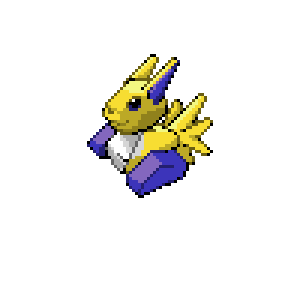
Joltlosion can generate a mane of electrical energy around its neck at will. It fires off countless tiny needles of electricity from the spiky mane all around it, giving it excellent range and defensive capabilities.

Joltitar showers the area around it with hundreds of tiny electric needles launched from its spiky fur. These little points will shock anybody who dares trespass on the mountain area it claims as home.
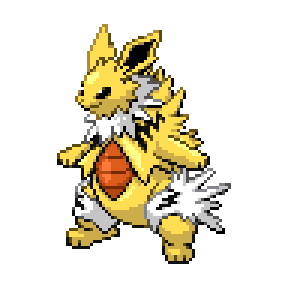
If scared, Jolts will defend itself with small discharges of lightning from the pointed frill on its head. It can often be seen clutching a Thunder Stone as a treasured keepsake.

One can feel the tingle of static electricity whenever one touches Joltvoir's fur. It can release a large amount of needle-like follicles at once, directing them with psychic energy to rain down upon its foes.
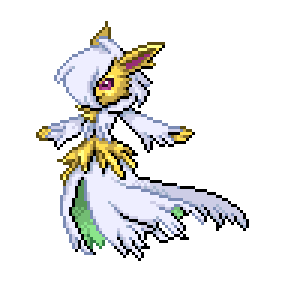
Joltiard channels lightning from its internal organs into the metal points on its claws and torso. It can fire electrically-charged needles from these points to nail opponents from long distances.
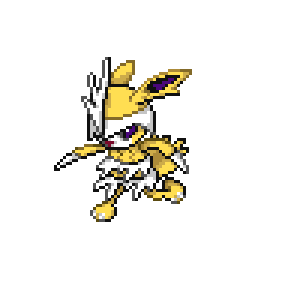
Joltrai generates shadowy electric fields at night, waiting for unwitting travelers to pass through. The fields cause the victim to fall into a nightmare-filled slumber while Joltrai drains bio-electricity from them.

Fire and lightning churn together within Joltram's body, giving it powerful offensive capabilities. Any point struck by the lightning bolts it generates instantly ignites with white-hot flames.
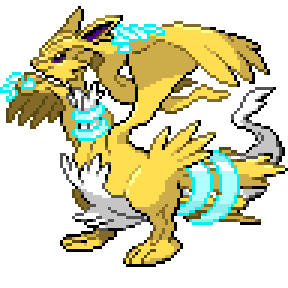
Joltrade moves with a grace in combat that hides its sneaky and underhanded methods. The thorny whips it swings from its flower hands leave behind electrified spikes with each strike, filling the battlefield with shocking traps.

Whenever Jolton discharges electricity, the voltage remains coursing across its metallic skin for some time afterward. Trainers must be careful not to touch it until at least five minutes have passed since a discharge.

It generates constant steady electricity through the turning of its two gears. Ongoing research suggests that Joltink may be able to recharge depleted Thunder Stones.

Joltgast is a beach-dwelling prankster, pretending to be a sandcastle until something ventures too close, whereupon it shoots out little bits of pointed fur charged with electricity. It dives beneath the sand laughing as its victim gets shocked.
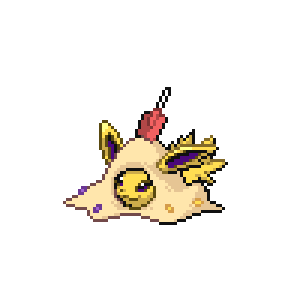
Thunder Stones grow on Joltbink's stone body, generating the electricity it uses for self-defense. Once a year it sheds the stones to grow new ones, making the once-rare evolutionary stones far more common.
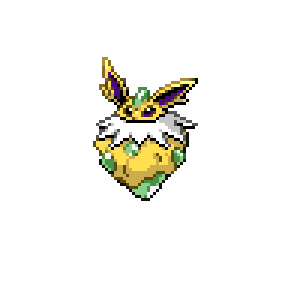
Joltox's flapping sends out extremely tiny little needles carrying electrical charges. Though harmless in small amounts, Joltox's rapid flapping spreads so many that the buildup of electricity causes rapid paralysis.

An organ within Joltortle's tail generates and stores electrical energy while it swims. It uses this stored energy to electrify its shell when it retreats into it, giving it added protection.

As Flapod gets closer to evolving, its shell radiates more and more heat from within. The tufts of fur igniting signals the process is nearing completion.

The joey is kept warm in the pouch, which is heated by an internal flame sac. The parent uses flame breath too cook food for the child, and cook anybody who gets too close to it.

One should never attempt to touch the stone on Flaros's head, as doing so will send it into an immediate rage. It will coat itself in raging flame before charging into anything and everything nearby until it calms down.

Flavee has a potent flame sac within it that lets it expel flame breath and leaves it very warm to the touch. The fire it breathes may take on different colors over time depending on its surroundings.

Its large size, warmth and friendly disposition make Flalax a popular pet for those who can afford to feed its prodigious appetite. It emits enough heat from its body that many like to use it in lieu of a fireplace for warmth.

Embers shed by Flaleef's flame take on the appearance of falling leaves. Its soft mane is warm and carries an herbal, soothing scent, so cuddling up to it is encouraged.
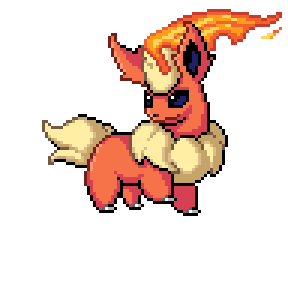
If one seems steam rising from a muddy pond, it's likely a Flasire is lounging within the water. It regularly submerges its warm body in cool water and coats itself with mud from the bottom to help regulate its internal temperature.

Flazor needs to regularly vent the fire its body constantly generates, lest it begin to overheat. Some parts of its metal carapace will even begin melting if it goes too long without letting its flames loose.
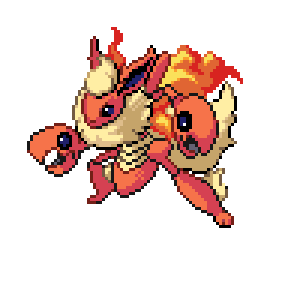
Flaswine's large internal flame sac makes its thick fur a constant source of heat. It's rather common to see small Pokémon huddled close to it during colder days in order to stay warm.

Flabok's entire body is warm, the furry parts particularly so. It enjoys sharing its warmth by wrapping others up within its coils and hugging them tightly.

The flame sac inside Flatei that generates its fire reaches temperatures equal to that of molten magma. A mere touch of its paw could heat a frigid lake into a boiling hot spring in minutes.

The intense heat inside Flatle's body escapes via some cracks in its shell that allow flames to emerge. It can retract these flames for the safety of others, but only short periods of time.

When Flaedge enters combat, it ignites the blade, burning off the fur coating that acts as a sheath. After the battles end, the fur grows back and covers the blade within an hour.
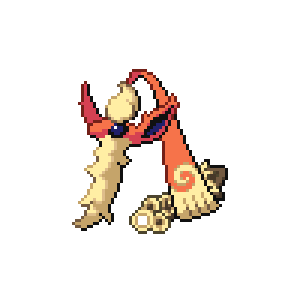
Flaesect's cannon works very effectively as a flamethrower, able to shoot a steady stream of fire for a lengthy amount of time. The cannon needs to fire regularly to dispel excess heat generated within Flaesect's body.
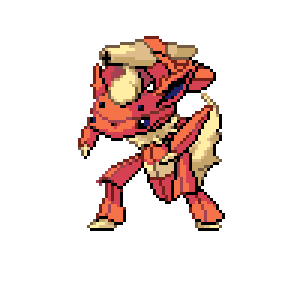
Flacott's innocent face belies its extremely devious intentions. It slips into homes through the smallest of gaps before spreading little embers from its fluff and setting things ablaze for fun.

Flakyu's disguise is able to generate a modest amount of heat, similar to Flareon's heat sac. It must be careful not to overuse its fire abilities, or the disguise may ignite due to overheating.

Flarachi expels fire from the flame sacs within its body to rocket it through the sky at great speed. Stardust burns within its fires, causing it to leave a sparkling trail behind when it flies.

A flame sac within Flaish's body keeps it nice and warm even while sleeping in the soil throughout the winter seasons. It shoots out a series of flaming seeds from its head to defend itself.
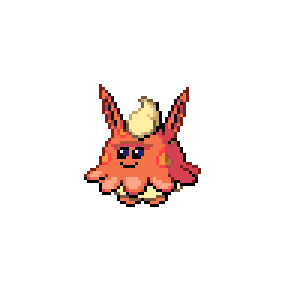
Flatik procure Fire Stones to cling to and absorb latent fire energy as sustenance. Research indicates it would take one Flatik upwards of 20 years to fully deplete a single stone.
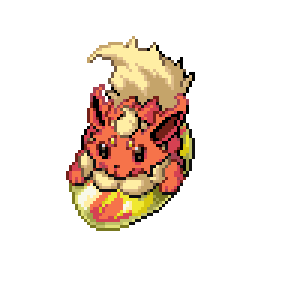
Flalass is a welcome sight for those traversing frigid mountainsides. It guides them to its home and warms them with its fluffy embrace until they feel ready to tackle the cold once more.
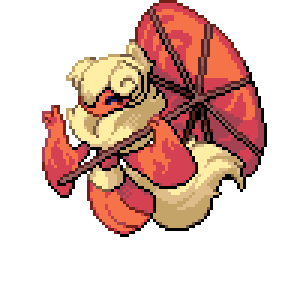
Should it need to defend itself, Flaskit will remove some of its fur and set it alight. It waves it around like a torch to repel predators long enough to give it a chance to escape.
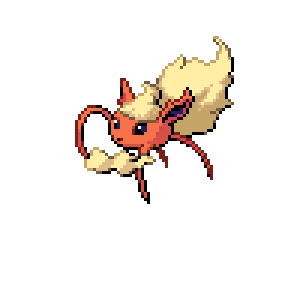
One should not try to take back a coin stolen by Flath. Its high body heat quickly warms up the stolen coin, making it likely to burn a person the moment they touch it while attempting to steal it back.

Whenever Fladuck uses its psychic abilities, the tuft of fur on its head moves and flickers like a real flame. When it soaks its head to relieve its headaches, steam can be seen rising from its cranium.

Flaform's naturally warm body causes snowfall near it to melt before it touches it. Despite the hot nature of its form, it can breathe out a chillingly cold ice breath to freeze others.
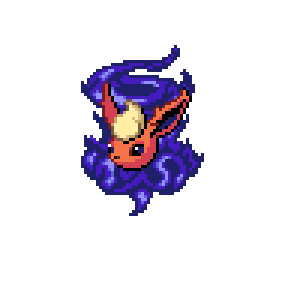
Flano uses a chunk of Fire Stone as its hypnotic pendulum. This makes its hypnosis abilities more effective on Fire-type Pokémon.

Poryorb are a danger to tech factories, infiltrating in small swarms that zip across the ground at quick speeds, endangering the workers. Though the explosions it creates when agitated are small, they still cause quite a lot of damage.

The data comprising Porycute's six units is shared and stretched thin, resulting in some being more complete than others. They work in tandem, but the various glitches and quirks make their teamwork inefficient at best.
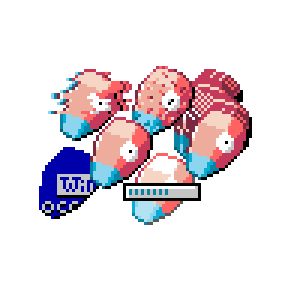
Porytor tries to spread its placid and content feelings onto others. Should it appear on someone's device, it generates pleasing music and visuals that help a person envision a relaxing tropical getaway.

Porybone wields a club made of coding that works best within cyberspace. It's effective at destroying low-rank viruses across the internet, deleting them with a single smash of its club.

Porydon is a great nuisance for buildings full of electronics. It infiltrates the building through computers, exiting cyberspace before using its horn to drill into the machinery and feast on the electronic components inside.

Poryfree is attracted to computer screens that have pictures of nature as their background. Curiously, pollen spread from its wings can cause new digital plants to grow on these pictures.

Poryu can project holographic images of webpages from the single eye in its center. Trainers often have it help them check on emails and other data while away from conventional PC access.

Porymie is occasionally spotted on websites related to oceanic research and the deeper areas of the ocean. It spins the star on its back to charge energy, releasing a shimmering and colorful beam from its eye once fully charged.

Porydos thrashes about cyberspace and wreaks havoc and destruction on any computer data it comes across. Only the strongest of firewalls and anti-malware programs have a hope of stopping its assaults.

Poryto's transformation capabilities are still in development. While it can change its body to mimic the form of others, the results always appear to be a much blockier version of what it is mimicking.
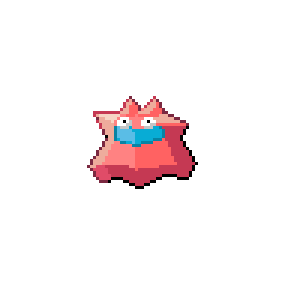
Poryreon's body is always warm to the touch, thanks to a powerfully burning core processor. It's recommended not to let it near personal computers, as its presence could cause them to overheat.
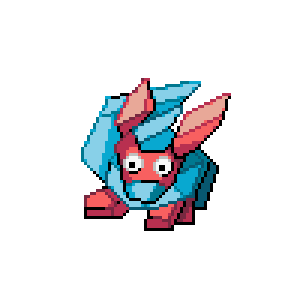
Whenever Porygon moves, it leaves a short trail of numerous afterimages behind. This effect can disorient foes in battle, but also seems to be taxing to Porygon as well.

Porystar is skittish and quick to hide in its shell when cornered or interacted with. The spines contain a toxin that works effectively both in and out of cyberspace to paralyze those pricked by the spikes.
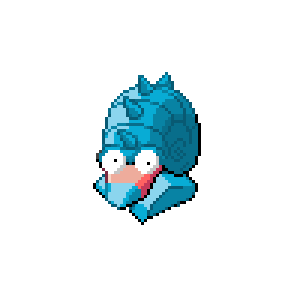
Porydos is most attracted to computers housed within power plants across the regions. It drains the computers, but then supercharges the generators, so workers aren't sure if it should be considered as a helper or a hindrance.

The bits of Porynair's body made of binary code seem to hold most of its programming power. Touching computers with the tip of its tail causes the machine to gain a temporary boost in specs.

Porynite was first seen in the vicinity of remote island research centers. It takes a vested interest in protecting scientists within its territory, often standing just near them for hours while work is being done.

Though Poryligatr technically has a powerful bite force, it lacks teeth entirely within its maw. It crushes seaside prey with its powerful limbs before swallowing them whole.

Poryret is a friendly but curious sort, poking into different computers across cyberspace. Many have found their files in disarray due to curiosity causing Poryret to examine them and shuffle them around.

Porybat marks its den within caves by scratching into the stone walls with its upper wings, which leave red-and-blue markings. Trespassers get a single distorted digital shriek as a warning before it goes on the attack.

As Poryfa floats through the air, a small trail of sparkling light follows it. Close examination of these emissions reveals it to be made entirely of binary code.

Porypi is said to bring good luck to a person's endeavors while it resides in their computer. Hardcore online gamblers often seek it out hoping to get an advantage in their betting.

Poryros's tail-orb is able to glow blindingly bright when used at maximum brightness. Its glow emits a special electromagnetic pulse that interferes with nearby technology when active.

Poryflora requires large amounts of sunlight to function, lest it shut down completely if deprived for too long. If it absorbs enough during the day, its body will glow during the night.

The flapping of Poryma's wings emits a small, weak electromagnetic pulse. Though ultimately harmless, it will cause multiple disruptions in the visuals on any electronics near it.
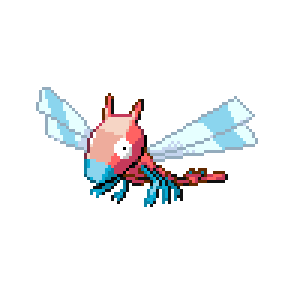
Poryeon is quite effective as a digital assistance. It uses pattern recognition as well as mild mind-reading to anticipate its owner's computer needs, opening up documents and pages ahead of time to assist in their tasks.
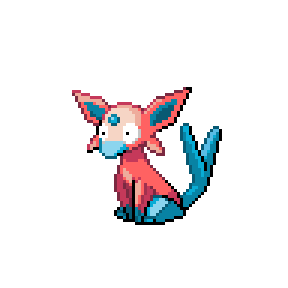
Porydreavus has the power to cast mild digital hexes that cause technical issues in the computers it inhabits. It gleefully delights in a user's vexation at these problems, feasting on the frustration they emanate.

Porygar is a digital hunter attracted to the movements of mouse cursors. It swoops down on them and attempts to eat them, forcing a user to frantically wiggle their mouse to escape its clutches.

Lacking a strong poison of its own, Poryfish's best defense is to hide underwater and camouflage itself among undersea mines. As a last resort, it can fire off its blocky spikes as fast-moving heavy projectiles.
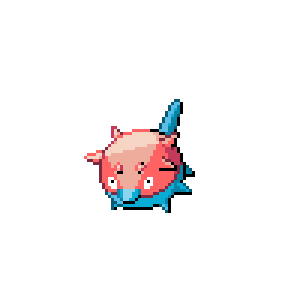
Poryzor's wings and heavy body leave it only able to fly in straight lines. It rarely ascends high into the sky, keeping low and crushing smaller Pokémon with the powerful grip of its claws.
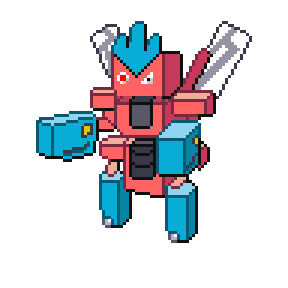
Porysel has a tendency to use its claws to dig markings into the sides of computers it claims as its own. Trainers will have a difficult time teaching it to resist this instinct.

Poryursa's close appearance to Teddiursa allows it to blend in within groups of them almost seamlessly. The best way to tell the difference is to offer it honey; unlike Teddiursa, it can't stand the treat's sweet taste.