Page 6 / 6 of 5347 pokedex entries by quackquackattack.
Warkou love to swim in lakes and rivers but are incredibly skittish. If they realize they are being watched by a Trainer, they bolt away by creating a surge of sparks in the water.

Warshrew search for clay deposits underground using their keen sense of smell. They water down the clay until it is a thick slurry that they can lap up.

Warslash dig underground to find clay deposits to eat. They often have clay stuck to their body after eating, so they take turns with other Warslash to wash their bodies.

Waran shoots down cocoons that hang in trees with jets of water. The water is mixed with a poisonous gel that eats through silk, which causes cocoons to fall to the ground and become its next meal.

Wardoof are prudent creatures that have special wooden plates that they add to their shell for more protection. They carve these plates out of wood that age alongside a Wardoof.

Wartomb reside in keystones that resemble a Wartortle's tail. When in danger, Wartomb possess other aquatic Pokémon to gang up on whoever is threatening them.

Warina stands between its younger nestmates and predators, relying on its shell to block attacks. It remains between its siblings and the predator until the predator leaves.

Warqueen remains close to the nest to keep watch over their nestmates. They spray a coat of corrosive gel over younger nestmates to make them easier to track if they get lost.

Warlord were once hunted because fishermen were scared that Warlord would eat the rest of the aquatic Pokémon in an area. Their sheer size could feed people for weeks, but there are now laws against hunting them.
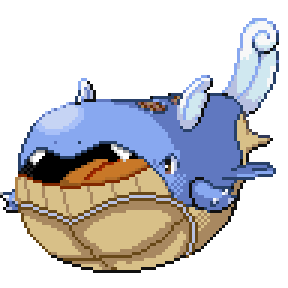
Warfable are most active during the full moon because they want to absorb moonlight. They get excited during the night of the full moon, so much so that they shoot a beautiful display of sparkling water into the air.
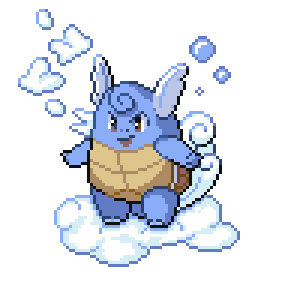
Warsis are surrounded by a thick gel that allows them to breathe underwater. By creating small ripples across their body at a thousand times a second, they can swiftly swim across bodies of water without disturbing the water's surface.

The growths on the back of Waras siphon nutrients for added bulk to protect them from predators. They require lots of fresh water to maintain the bulbs on their back, so they often go swimming to soak the growths with water.

Warduck needs to remain well hydrated or else they get powerful headaches. They tend to lash out whenever they are thirsty, so Trainers are advised to pack lots of water bottles to keep them calm.
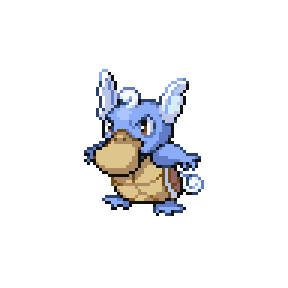
Warcash have sensitive whiskers that can detect earthquakes from a long distance. Whenever they pick up on seismic activity, they float to the surface of their swampy homes to minimize the chance of being entombed in mud.
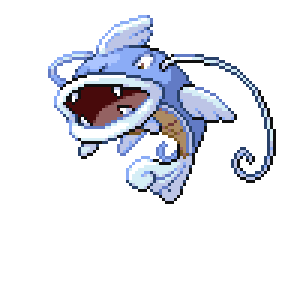
Warduck have many flippers that all work in unison to swiftly maneuver through the water. When one of their flippers is damaged, they have to rest on shore until it heals.
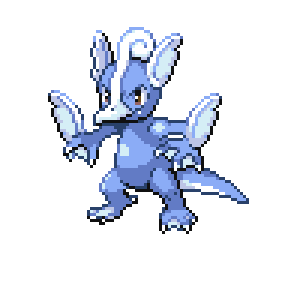
Wareal have a difficult time swimming because of their rotund bodies, so they float on the water instead. If they are knocked off course, they have a difficult time steering themselves back to land, leaving them stuck out at sea.
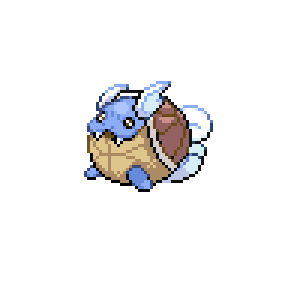
Warbyss can be found living off coastal shores where they live without many predators to threaten them. They enjoy eating seaweed and participating in casual races against each other, often reaching nearly 18 miles per hour.
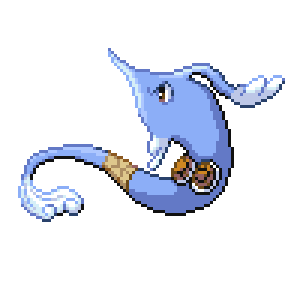
Warlithe practices putting out fires so that it can someday help firefighters. It can quickly find the source of a fire to snuff it out.

Warnine can be seen training at fire academies learning how to help firefighters. They can rush into burning buildings to pull people and Pokémon out safely.

Wara help children get acclimated to swimming. Their mindreading abilities allow them to detect when children are scared or struggling and help accordingly.

Warbra are hired as lifeguards because they are sensitive to the thoughts of someone in distress. Their superb swimming skills allow them to quickly reach drowning children.

Wardude are cautious creatures that hide in their shell when they are not eating. They live near hot springs where they soak up minerals from the hot water.
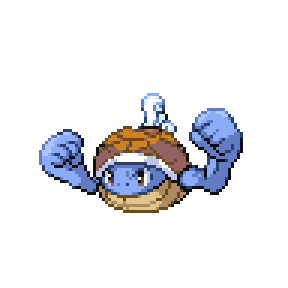
Wardude live close to hot springs and enjoy absorbing minerals from the water. This water helps keep their bodies smooth and clean.

Warfetchd produce streams of water through the baton that they carry with them. Many florists rely on their help to water plants, as Warfetchd can adjust how water is produced from their baton.

Waruk are made of a caustic ooze that eats away at sticky substances. Pokémon that are resistant to the caustic ooze give Waruk berries in exchange for cleaning their bodies.
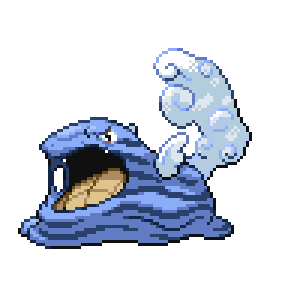
Its lower body has a mess of grey tentacles around it, which both keep it safe and gather food for it. The only thing it needs to do is bask in the sunlight every so often to regenerate vines when damaged.

Slowyu gain psychic powers when the shell on their back bites down on their back. Their telekinetic abilities allow them to lift and throw large boulders with expert precision.

Slowmie gain a jolt of psychic energy whenever the shell on their back bites them. This causes them to accidentally fling whatever they are carrying with telekinesis.

The crown atop its head is said to channel the dancing around it to bring the succor of a misty rain. It wiggles its hips in a slow rhythmic dance after a rainy season, as if building power for the next rain dance.
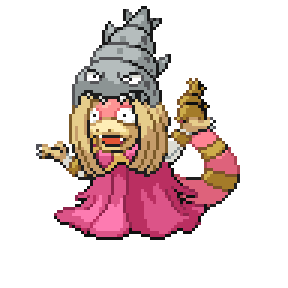
Slowlax experience hunger pangs whenever the shell at their tail bites down and causes them to crave Lansat Berries. The resulting burst of energy gives them the focus to groom themselves.

Slowllery has edible tentacles that grow back over time, which are harvested every year during the autumn season. They are mixed into balls of batter to form takoyaki, which are sold during autumn festivals.

Slowbok has a Shellder attached to its tail, which clamps down on occasion. When this happens, it flares its hood, inducing a flurry of dull thoughts in onlookers that confuses them.
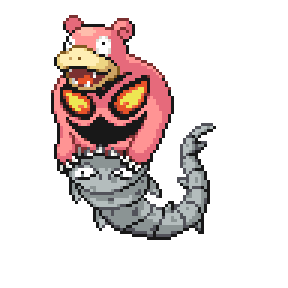
It is covered in a slime that keeps itself moist, which also functions as a sunscreen to prevent burns. Whenever the shell attached to its body bites down, it instinctively expands its innards to prevent the shell from biting its vital organs.

It relies on the shell attached to its tail to break rocks to draw attention to itself, as its stiffness is not suited for high dexterity tasks like fishing. Whatever finds it lurking in the dark gets bludgeoned with its tail if unprepared.
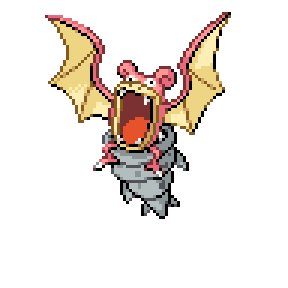
It zooms through the ocean with the help of underwater currents. Whenever it needs an extra boost, it convinces its shell to bite down on its tail, which gives it a surge of adrenaline.

It has several barbed limbs because of the shells that get attached to it, which allows it to defend itself from predators while gathering seaweed. Its shells produce a venom that causes vexation and worry if a predator will not leave it alone.

Slowturne sneak up on tired Pokémon at night to maximize their chances of surprising their prey. When the shell on their tail bites down, they experience a jolt of pain that causes them to scream so loudly that they scare away their prey.

Slowturne stalk other desert Pokémon at night to maximize their chances of securing prey. When the wooden shell on their tail bites down, they gain a surge of speed to help them chase after prey.
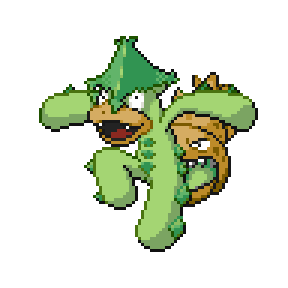
Slowsian will happily dismiss bites from its Shellder due to the good will it has. However, when the Shellder tries to point out the location of some treasure, Slowsian becomes so irate that it forgets about the times when the Shellder has helped.

Its long tail has a shell attached to it, allowing it to defend itself from predators rather than run away. Its heavy shell swings around like a cudgel to smack predators before it waddles away.

It fishes for aquatic Pokémon with the help of the plant gnawing at its tail, which produces vines that lure in prey. Once prey gets close enough, it yanks the meal out of the water.

Its body is engulfed with a large shell, which has the ability to surround its entire body. It no longer relies on fishing to obtain sustenance, as it shares nutrients with its shell.

Engineers equip these creatures with a set of Power Lens to help them repair electrical equipment. They use magnets to lift and move metallic parts with precision, a valuable skill to prevent electrical failure.

Magnefa lives near meteorite crash sites where it breaks off and clings to magnetic shards from the meteorite. Whenever a new meteorite crashes, it migrates to reach the new site.

Magnegeot makes nests out of scrap metal to house its young. Whenever one of its offspring falls out of the nest, it generates a magnetic field to try to lift the offspring back to safety.
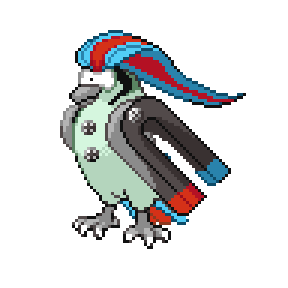
Magnerill works in factory settings where it inspects parts that are used in appliances. It quickly discerns which parts are defective and pulls the parts out of assembly lines with its magnetic tail.

Magnesaur bask in sunlight until they are replete with energy. It does not take long for them to charge, as they rely on both mechanical and natural methods of absorbing solar rays.

Magnegon2 collects computer hardware by pulling on mice and keyboards with its magnetic powers to bring back to its nest. Once it has enough for a meal, it removes every screw to disassemble the hardware and eats only the metallic parts.
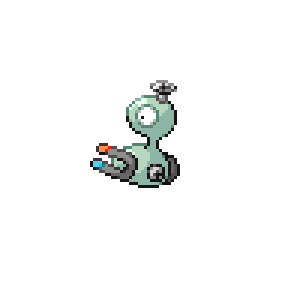
Magnelia is acutely attuned to both electromagnetic waves and people's emotions. It dances with glee whenever its Trainer is happy.

Magnefairy dance around meteorite crash sites in intricate and complex patterns. During these dances, they may magnetically pick up pieces of meteorites, which stick to their bodies.

Magnejask can rapidly change the polarity of their magnets when they zip by. This makes them quite useful in factory settings where they can pick up and drop metallic parts in rapid succession.
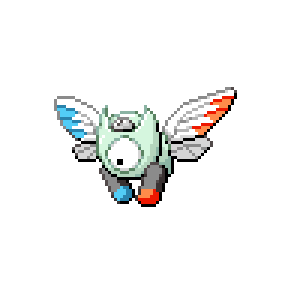
Using its magnetic powers, it makes sure planes in a hangar are properly aligned before repairs begin. Its magnetic fields ensure no screw or bolt is loose before a plane takes off.

Magnekaboo can be found working in abandoned factories making random trinkets for Pokémon around them. These trinkets often resemble candles or lanterns that are used during festivals that occur during the fall season.
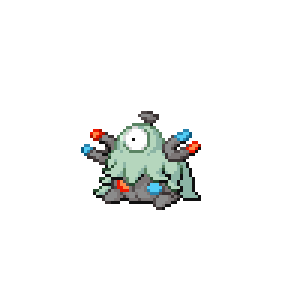
Magneduck have a magnetic tail that sticks to all sorts of metallic objects. Whenever there is a strong magnetic field around them, the pressure inside their head grows until they experience a headache.

Magneal float inside caves looking for metallic objects. Once they find a suitable object, they rub the object vigorously to impart some magnetic strength before they stick the object to their rotund stomach.
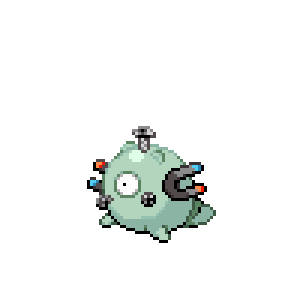
Magnefetchd collaborate with Pokémon that work inside factories to produce metallic parts. They relay signals between Pokémon and factory overseers to ensure everything runs smoothly.

Magneby have magnets embedded in its claws, which snap shut on command. It has difficulties prying its claws open after snapping them closed.
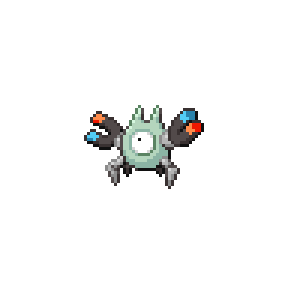
Magneler can cling to ships using its magnetic claws, which can reverse polarity at a whim. When its claws are snapped closed, it is nearly impossible to pry them apart by force.
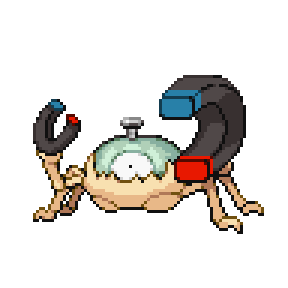
Its modular body allows it to attach modifications to itself, such as a Zoom Lens. Once it chooses a target, the Zoom Lens refines the targeting system to improve accuracy.

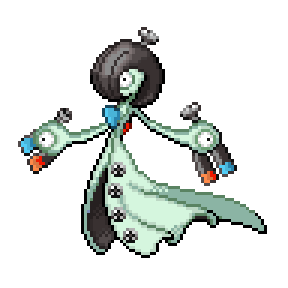
Magnevoir use electromagnetic waves to control other magnetic Pokémon around them. They are typically stoic Pokémon, but sometimes break their emotionless exterior to smile alongside their Trainer.
Magnejask work in factories where they pick up and drop metallic parts in rapid succession. Factory workers help them keep their wings lubricated with oil to ensure smooth performance.
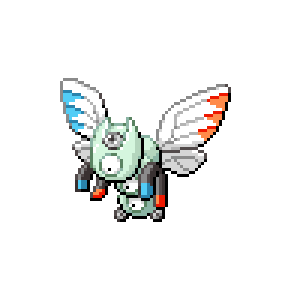
Magneduck have a misshapen head that sticks to many metallic objects while they swim. If they are exposed to a magnetic field and are unable to move, they experience a headache from the growing pressure.

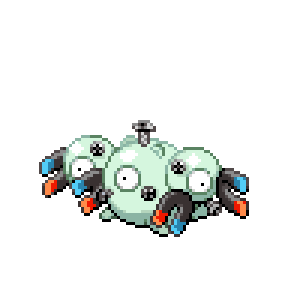
Magneal float inside caves to gather metallic objects onto their stomachs that they proudly display to others. Sometimes Trainers find useful objects stuck to their magnetic bodies.
Fardle clings to its leek baton with steady vigilance to protect itself from predators. With a sharp sting from its baton, Fardle repels Pokémon much larger than itself.
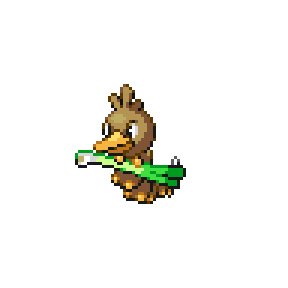
Fardile wield a long cattail that they hold like a baton. Whenever they dive into the water, they breathe through their cattail baton instead of surfacing for air.

Fargeot gather as many leek batons as they can to form their nest. They are known to steal batons from wild Farfetch'd, snatching the baton with their talons before escaping.

Fargeot have special green pattern of feathers that help scientists identify them in the wild. Their nests are full of leek batons stolen from wild Farfetch'd.

Farsaur carry a leek baton inside the bulb on their backs to keep the baton fresh. If the baton spends too much time outside of the bulb, it begins to wither from a lack of nutrients.

Farown's mysterious shape makes it appear as if it's about to take flight despite the fact it's constantly levitating. The way it guides itself with its leek had lead to the belief that the leek is the true body of Farown.

Farchu whip their foes with a leek baton attached to their tail. If their foes are too far away for their whipping attacks, they can shoot jolts of electricity from the end of their leek baton.

Farsaur grow many leek batons on their backs to help local Farfetch'd replace batons when lost. Farsaur are treated with lots of respect by other Farfetch'd because of this duty.

Farki can be found picking up batons from fallen Farfetch'd and storing them in its ring. It has a distinctly sharp onion scent that draws the attention of many curious Farfetch'd.

Farmander are aggressive creatures and are willing to bop anything that stands in their way with their flaming baton. This aggressiveness quickly fades when their baton is out of reach, as they feel powerless without it.
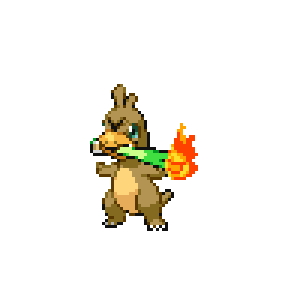
Farfisk use their static rods to perform shocking displays of electrical attacks. Their mud-coated feathers prevent Farfisk from hurting itself.
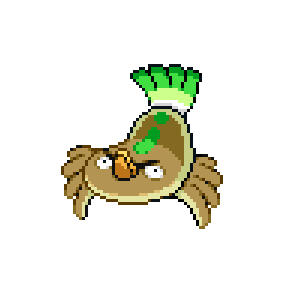
Faruff loves playing fetch with the leek baton they carry with them. If their Trainer ends up losing the baton, they get upset and will refuse orders until they are reunited with their baton.
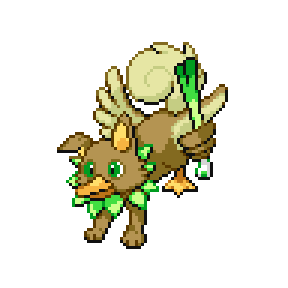
Farmeleon are hostile creatures that ferociously defend their flaming baton. They attack potential thieves by lighting nearby grass and bushes on fire to scare other Pokémon away.

Farcie shine with the resplendent power of their emerald leek. They cook in cauldrons made of crystal deep below the surface waiting for the right Trainer to savor the flavor of their stew.
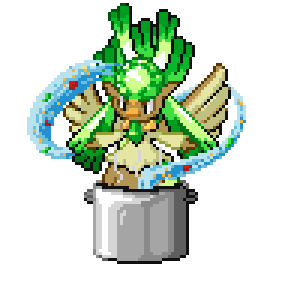
Farform rain down leek-infused water from their clouds, leaving the ground saturated with the scent of this plant. Many soar through the sky to practice performing tricks with their baton.
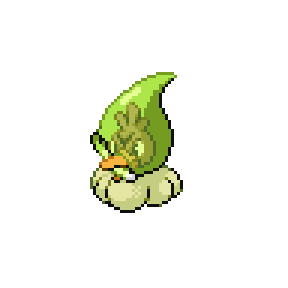
Farizard are often chosen to light torches at certain sporting events because of a story involving Farizard. The story involves a brave Farizard lighting the way for many Pokémon behind them by flying blindly into a storm to create a path forward.
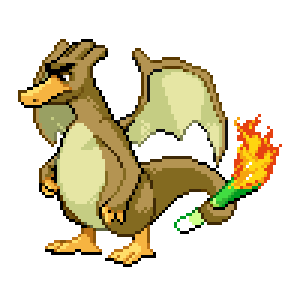
Farchoke helps farmers throughout the world water and tend to plants. All it asks for in return is a small plot to grow leeks.
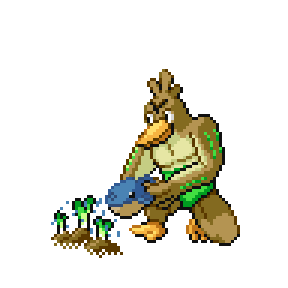
Fartle has a hollow leek baton that can absorb a gallon of water at a time. With a flick of the baton, Fartle can quickly douse small embers.

Fardude break rocks with the leek baton that they carry with them. They never let go of this baton, as it is one of their most prized possessions.
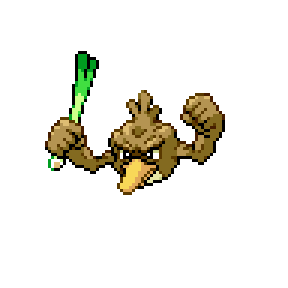
Fardude hold on tight to their leek baton out of a fear of losing this precious object. Even when knocked out, Fardude maintain a firm grip on the baton.

The twin heads of a Dohorn play with other Pokémon around them by chasing them with their beaks. Their long beaks resemble horns, which they use to tease other Pokémon.
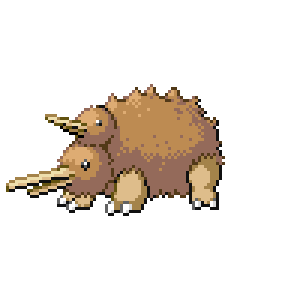
Doros dig at the base of trees with their sharp talons to unearth bitter roots to eat. They are capable of uprooting stumps once they get a secure hold on the roots.

Dodle dig into flowers to drink nectar with their skinny beaks. Whenever they are threatened, the glands in their beak produce venom, allowing Dodle to poison foes that interrupt their feeding session.

Dogey make an annual migration to a more temperate climate and travel in flocks to protect their young. They reserve their flying ability for emergencies and prefer to roam about with their legs.

Dotto have long legs that carry them for long distances without rest. They often wander far from their flock to find grassy green patches of grass, hoping to find some edible Bug-type Pokémon.
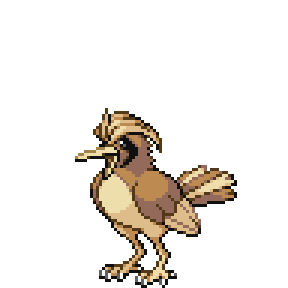
Doluff are capable of flying short distances by flapping their heads as though they are wings. However, they prefer to run because they get dizzy after vigorously flapping.
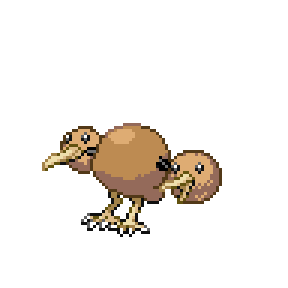
Dobuffet absorb many hard-hitting attacks during a Pokémon battle. When they find an opening, they launch a counterattack by pecking with one of their two heads.
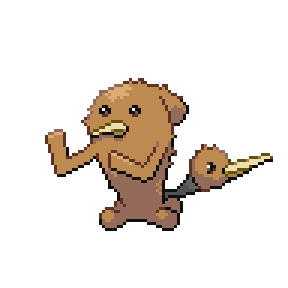
Doraid rely on their sharp beaks to skewer prey onto their beaks. They were once hunted for their beaks by tattoo artists, who used the beaks as tattoo needles.
Dotar heads each have a separate diet and often argue about which direction to go for food. Their varied diet of Bug-type Pokémon, berries, and mud keep their body strong and healthy.
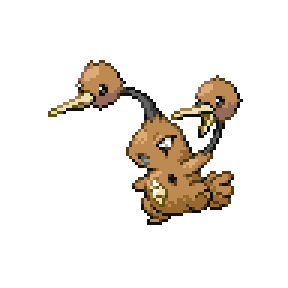
Dotomb have so many festering spirits within their body that they struggle to do anything at all. Sticking one's hand into their body is ill advised, since they have a strong urge to peck anything that comes close.
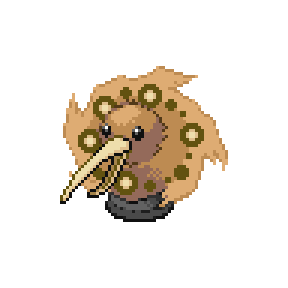
Dorem freeze over large swaths of land to make themselves a comfortable home. They are hard to surprise because of their hypervigilance and their twin heads.
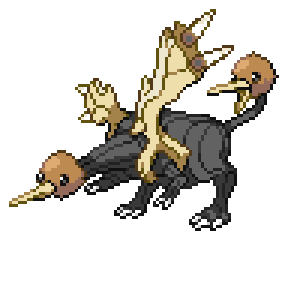
Dolous rely on their swift feet and strong sense of smell to chase after prey. Without a proper scent trail to follow, Dolous quickly lose track of their prey and peck at the ground in frustration.
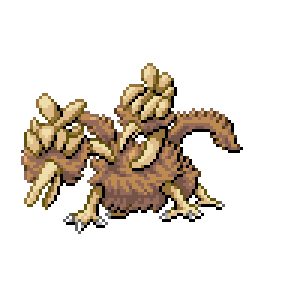
Dodreigon have two main heads that protect the featureless third head that is attached to their body. Even though the third head is unable to communicate, the other two heads react with glee if the third head is given headpats.
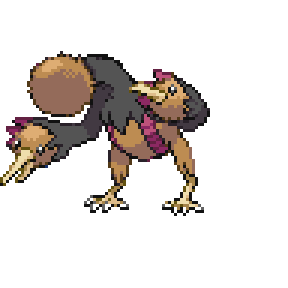
Don hunt for slow Bug-type Pokémon because their bodies are heavier than gold. They strategically peck at their target to goad them into exposing their weak spots.
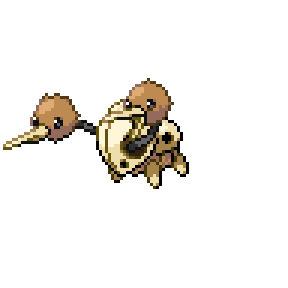
Doxew hunt for Bug-type Pokémon by uprooting logs and stumps with their claws. Once the Bug-type Pokémon begin to run away, they peck at the ground with their twin beaks.
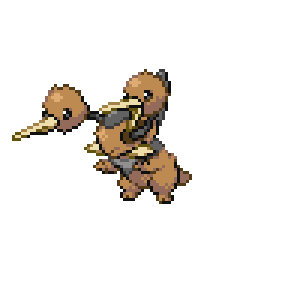
Dokoal release billowing smoke from their beaks, which helps them burn through cocoons and secure them a meal. On rare occasions they carry an egg atop their backs and nurse the egg until it hatches.
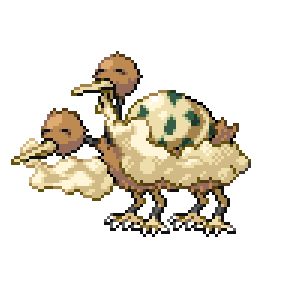
Dosian wander into mineshafts to peck at the rare metals within the cavernous walls. They take turns poking at the rocky walls to eventually reveal the shiny ore.

Dochamp train in short bursts and are easily distracted. Athletes enjoy having arm wrestling matches and races with Dochamp because they are magnanimous regardless of whether they win or lose.
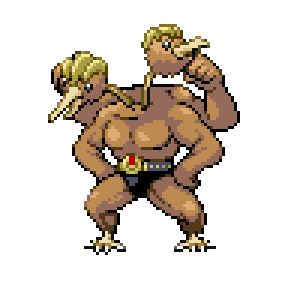
Dotle often trip over themselves often because of the unwieldy shell across their body. Getting up after a fall can be difficult because they need to keep their heads in a balanced position.
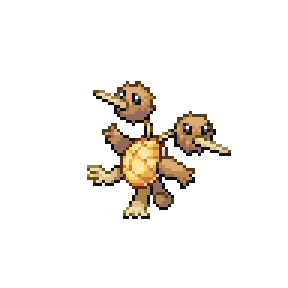
Doder maneuver their beaks with surgical precision when hunting for shelled Pokémon. One head will apply pressure to the back of their shell while the other tries to pry their prey open.
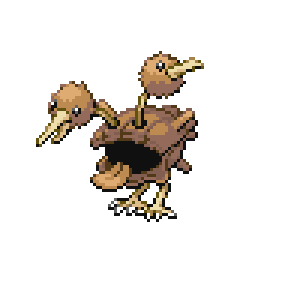
Doyu are capable of travelling far from water with their two taloned feet. This allows them to access berries and other snacks that are hard to access close to beaches.

Domie run past beaches to access forests where a variety of berries are present. They love trying out new food so much that they travel far from their homes to do so.

Douna defend themselves against predators by unleashing a pecking assault against whatever may come close to them. The painful pecks of a Douna cause many to leave them alone.

Doleef release a pleasant aroma to lure Bug-type Pokémon towards them. Once the Bug-type Pokémon is close enough, they peck their prey in rapid succession to secure their next meal.

Doquil burn small shavings of wood to lure Pokémon out of their burrows. If they find a suitable target, they unleash a flurry of pecks to take down their next meal.

Dodile appear like a sick Totodile to get close to a meal from a Feraligatr. Once they are close enough to the leftovers, they sneak chunks of the food to their many heads.

Dotret travel in packs where they keep watch for their predators. If a bold predator decides to attack, they have to endure the pecks from the entire Dotret horde.
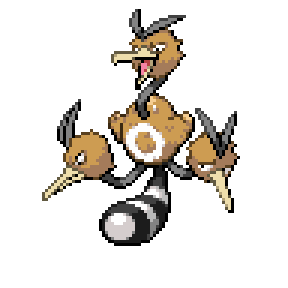
Doret travel in large groups to protect themselves from predators and hunt large prey. Their speedy bodies are capable of outrunning a bike while their heads are able to pluck a Butterfree mid-flight.

Dosaur peck at the base of trees to coax Bug-type Pokémon out of their homes. For particularly stubborn prey, they flood the burrows with poisonous pollen to force their prey out.
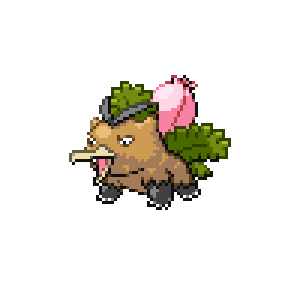
Doursa act demure to lure other Pokémon close to them before unleashing a feral assault of beaks. The painful pecks from a Doursa cause many Pokémon to become more vigilant of the friends they make.

Dobi appear as forest guardians at a first glance, but whenever anything comes too close to them will get pecked by a barrage of beaks. They travel through time to feed baby Doduo until they are ready to feed themselves.

Dotomb coordinate ethereal pecks against foes by taking turns with miniature beaks. While each peck is small, the cascade of multiple beaks can be quite painful in the right spot.

Dotina are capable of harnessing their powers to unleash a flurry of pecks at their target. It is said that whoever angers a Dotina will be sent into a dimension where they are pecked non-stop.
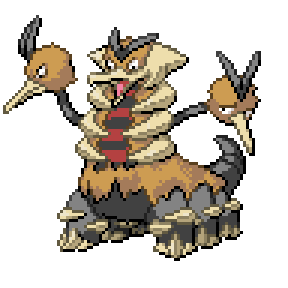
Dodreigon are incredibly fast creatures that chase after prey in short bursts. Their three heads act in unison to peck at their prey until they have secured themselves a new meal.

Domander shoot embers at the base of stumps to create smoke, which causes prey to rush out of burrows. As the prey frantically try to escape, Domander unleash a three-headed assault of pecking in an attempt to skewer their next meal.
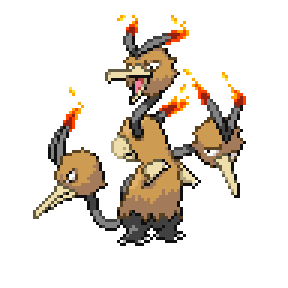
Dobat fly silently through caves to find nooks and crannies to peck into. More often than not, they are able to locate a Bug-type Pokémon hiding in the crevice.
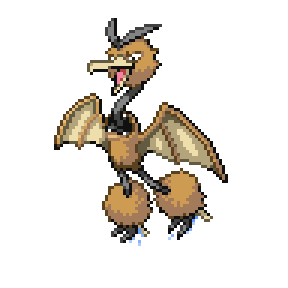
The barbs on a Doseed are made of small beaks. They swirl their heads to smack their beaks into their target, causing painful stab wounds.

Docorio dance with style but often stumble over themselves trying to impress their Trainer. The moments they dance in unison are as fleeting as they are mesmerizing.
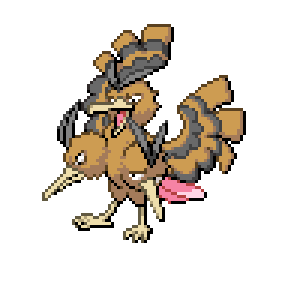
With a long beak and sharp claws, Doroc hunt prey with ferocious grit. They are known to chase their target for miles, rarely ever giving up a chase. These chases often put them at risk of harm as they recklessly dash towards prey.

Doish rely on the element of surprise to skewer other Pokémon onto their beaks. Their razor-sharp teeth allow them to tear up their prey so that their heads have an easier time chowing down.

Domeleon claw at the base of old trees to create enough wood shavings to start a fire. The crowds of prey that escape the burning tree are subject to a three-headed pecking assault.

Doeel swim through icy water to find small fish Pokémon to skewer. Once one head has secured a meal, the other two stop their hunting to share the food.

Dogong hunt below the sea by releasing freezing cold beams of ice against fish Pokémon. Once they freeze a fin or flipper from their prey, they unleash an assault of pecks to tear into their meal.

Seefing roll around and bark at other Pokémon in an effort to make friends. Many of their friends are scared away by the fetid aroma of the gas they produce.

Seefa come out on nights of the full moon to skate across the icy water. Moments before dawn breaks, they slap their blubbery stomachs to signal their satisfaction with the monthly ritual.

Seepi are pure-hearted creatures that love spending time with other Pokémon. The eggshell covering their stomach allows them to quickly slide across smooth surfaces.

Seeking are playful yet intelligent creatures. They prefer to dumb down their responses to inquiry because they love to play games more than they enjoy answering questions. They are particularly happy with a ball to play with.
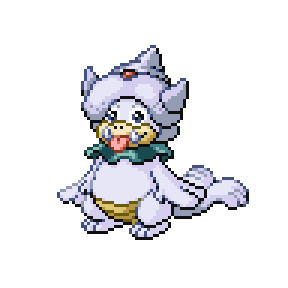
Seesel live in small packs without their parents, who leave to rest atop icebergs once they reach the age of maturity. The youthful Seesel become tired easily and enjoy taking naps.

Seeursa are gullible Pokémon that always approach Trainers or other Pokémon with trust and respect. They are vulnerable to deception, so their Trainers need to teach them how to be cautious around strangers.

Seering are deceptively proficient swimmers and can swim long distances to find new sources of food. Many who are kept in captivity become overweight because they lack the exercise they would get in the wild.

Seetine soar above the sea searching for schools of aquatic Pokémon. They dive into the sea to bite onto their prey before returning to the sky.
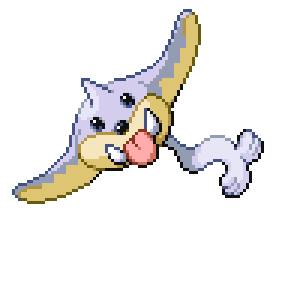
Seevoir appear in frigid open waters during snowstorms to guide lost sailors home. Their angelic voices lead sailors to the nearest port, saving many lives each year.
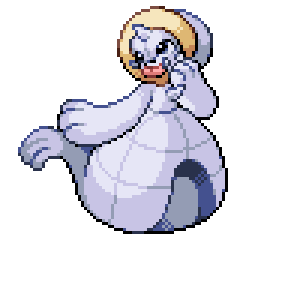
Seelord often wash onto shorelines throughout the world, causing the public to panic over their beached state. Marine experts often have to remind the public not to disturb Seelord as they regain their stamina.
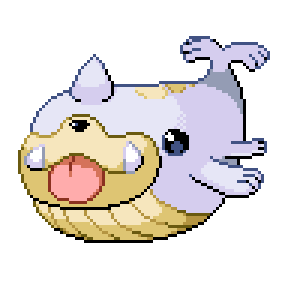
Seeful stores lots of blubber in its body, which makes up eighty percent of its rotund body. It relies on this mass of blubber to keep warm in sub-zero temperatures.
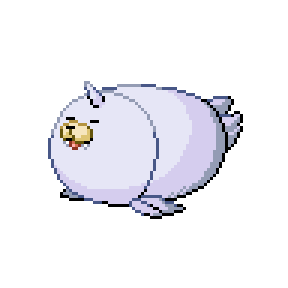
The body of a Seeal is mostly made of blubber, which helps it warm in frigid temperatures. When it reaches the point where it trusts with its Trainer, it will expose its soft and vulnerable underbelly for belly rubs.
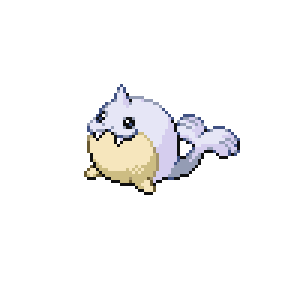
Seewag coalesce into groups whenever temperatures fall below freezing. They huddle together to preserve body heat while also defending against predators.

Dewfing shuffle and roll around searching for friends in icy waters. Many Pokémon are unable to endure the foul stench they produce, so many of their friends end up being Poison-type Pokémon.

Dewzing produce a cold, snowy substance that smells like rotten fish. Many Poison-type Pokémon get to experience snow for the first time thanks to the kindness of Dewzing.

Dewzing produce puffs of frost made of a putrid liquid that they produce. Poison-type Pokémon flock to find Dewzing to cool down on a hot summer day.

The fastest way to give Dewrill a moment of felicity is with a few cuts of Magikarp and a belly rub. They may bring pearls to people who consistently give them food and affection.

Dewsel wash up on shores across the world because they fall asleep on icebergs. When they finally return home, they climb to the top of another iceberg, repeating the process.

Dewring seem intimidating because of their massive size but are rather playful. They enjoy tossing balls back and forth and love to chase after smaller Pokémon. When they inevitably have to part ways, they offer tufts of fur to those they play with.

Dewshrew live in rivers throughout the year, lurking below the frosty surface during winter. They help save children who fall into the water by digging through the ice with their claws.

Dewtomb swirls with a mixture of ice crystals and snowflakes that compose its body. It likes to possess other aquatic Pokémon, forcing them to dig holes into floes of ice.

Dewceus take great care of their creations and live among them in the form of a majestic aquatic Pokémon. They protect aquatic life from poachers by freezing the surface of the water and shielding their kin from harpoons.

Dewdile are apex predators that hunt other Water-type Pokémon. When their prey is trapped within their jaws, they have little chance of escaping.

Dewmer survive in subzero temperatures by catching slow aquatic Pokémon and storing as much blubber as they can. They often surround fishing vessels hoping for an easy snack.

Dewrantis extend the range of their blades by freezing over their arms. This icy structure allows them to slide down hills by using their blades as skis.

Deweal communicate with others with a series of barks and belly taps. Whenever they are in danger, a sharp whine signals others of their species to come to the rescue.

Gripod produce a thick, oily gel around their bodies that diffuses force from attacks throughout their body. Scientists are testing products that mix with Gripod gel to produce an alternative to diesel.

Grito hides in quiet corners of sewers to ambush Rattata when they skitter by. Its shell is covered with a viscous gel that sticks to its prey.

Grico produce a viscous oil that smells like gasoline. Scientists treat Grico with utmost care to prevent them from exploding.

Grisola has adapted to the pollution in its environment by eating toxic sludge that hurts other aquatic Pokémon. When it inevitably cleans up the pollution in one coral reef, it migrates to other coral reefs to clean them up as well.

Grikoal release noxious clouds of smoke from their bodies that scare away other Pokémon. They crawl along the ground searching for friends that can tolerate the smoke they create.

Grin put rusty objects in their mouth to break down and consume the rust. When they have broken down all the rust, they spit out the metallic object before finding another object to repeat the process.
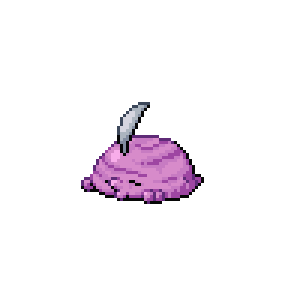
Grimel are not very bright and often get their bodies stuck in crevices of rocks trying to look for food. Thankfully, their sludge-like bodies eventually melt through rocks and allow them to escape.

Grichop are coated with a thick sludge that softens their punches, so they have to train hard to ensure their punches hurt. They train nonstop by repeatedly punching rocks until they are exhausted.

Grita is unable to gallop because of the slime it produces near its hooves. Trainers can remove this substance to donate to factories, which turns the slime into adhesive for stickers or tape.

Pungent fumes and toxic sludge wrap around a central core, their bodies releasing a noxious scent that resembles Lax Incense. They create a feeling of nausea in creatures around them, making them harder to hit in a battle.

Muto love taste of rotten fruit, digging into dumpsters to find their next meal. This is behavior is thought to originate from the fact that glucose was scarce in prehistoric times, leading to this desire to seek out anything sweet.

Mutrodon are made of a toxic sludge that causes nearby plants to wither. They are frightened by water and will refuse to allow any of their sludge to touch it.

Mubell eat a plethora of trash daily and live in junkyards and landfills to remain close to their food source. They melt garbage in their large bell to turn objects into dark sludge.

Mupoke slowly clean up garbage from beaches throughout the world. Their tail acts like a shovel that helps them scoop garbage into their mouths.

Blastpie shoots jets of water with its small antennae, which distracts its foe long enough to hide in its shell. The shell barely fits its body, so it relies more on its water jets to avoid getting eaten.

Blastpod needs to balance the mobility of its water cannons and the rigidity of its shell. It startles predators with its cannons but also depends on its shell to defend against pecking.

Blastfree shakes berries off branches with jets from its water cannons. Its wings provide both an emergency escape and added height for berry gathering.

Blastkarp leap out of the water to shoot berries out of trees with their cannon. If Blastkarp fails to land back into the water, they flop around until they fall back in.

Blastuna fires its water cannons at anything that disturbs the branches it hangs from. Sometimes the recoil from the water cannon knocks it out of the tree.

Blastdos roars through the sky with speeds that rival fighter jets. It unleashes storms on foes to assert dominance, even though it is just as vulnerable to a bolt of lightning.

Blastuna hangs from branches and shoots water jets at other Pokémon that come too close. Whenever it fires its water cannons, it is flung back from the recoil.

Blastdrill is equipped with three water cannons that shoot powerful jets of water. It marks its territory by spraying a mist laced with toxins, which also scares away other Pokémon.

Blastgey has a singular cannon that shoots out streams of water. It is strong enough to knock down berries from trees, which makes up a large part of its diet.

Blastowl relies on its cannons to propel it through the air. It has a peculiar muscle spasm that causes it to bobble its head once a second, even while flying.

Blastgeot flies through hurricanes and tropical storms without the risk of being whisked away. Its large water cannons stabilize its flight so that it does not get knocked off course.

The force of a water jet from a Blastata's cannon can knock down small bird Pokémon. It swims faster than it crawls, so it is rarely found far from a body of water.

Blasticate are too big to fit into their shell but instead have access to cannons that fire jets of water. They can quickly knock down berries from branches that hang over water and shoot down their predators as well.

Blastrow hunt for bug Pokémon by flooding their burrows with water, forcing prey to escape or risk drowning. Once the Pokémon reach the surface, they pounce to secure their next meal.

Blastrow stalk Caterpie back to their burrows before flooding their burrows with water. If any Caterpie manage to escape through a different tunnel, Blastrow can fire long range jets of water to knock them unconscious.

Blastans rarely fail at hunting because of their ability to sneak up on their prey. If they ever manage to escape, Blastans unleash a torrent of water to overwhelm and subdue their prey.

Blastbok stabilizes itself with its tail as it fires jets of water at prey. This method of confusing prey allows it to come close enough to deliver a toxic bite.

The cannons on the stomach of Blastank can fire bursts of milk strong enough to punch holes in stones. The odd trend of milk baths is fueled entirely with Blastank milk, as the calcium-rich milk is said to create smooth skin and reinforce bones.

Blastitar are proud, prideful creatures that always demand respect from others. Other Pokémon fear Blastitar because of their ability to cause earthquakes and flood the area around them.

Blastchu has a powerful tail cannon that shoots jets of water and lightning bolts. Its flexible tail allows it to fire shots even when curled up in its shell.

Blastshrew drink liquified clay to nourish their bodies and often surface with clay all over their bodies. If another Blastshrew is nearby, they take turns giving each other a pressurized bath from their water cannons.

Blastslash live near clay deposits and eat clay to nourish their bodies. Whenever the clay dries up and becomes hard, they hose down the clay to turn it into an edible slurry.

Blastran fire corrosive gel at prey through the cannons on their back. Due to the pressure that comes out of the cannons, they often lose their footing and end up missing their target.

Blastrina protects their nestmates by standing guard at the entrance of their burrow. They vigilantly stand ready to shoot corrosive gel from their cannons.

Blastqueen zealously protect their nest from danger, and they are always ready to blast threats with a burst of corrosive gel. Their diligence is rewarded with affection and berries from their younger nestmates.

Blastlord shoot water out of their cannons when they surface for air. Their massive bodies can store a week's worth of air, but they enjoy the act of shooting water from their cannons, so they come to the surface almost daily.

Blastesect can hit a target from across a football field with a precise burst of water thanks to the many calculations they perform in their head. There are only a few Pokémon that can move fast enough to confuse a Blastesect.

Blastking have a kingly influence over their territory that allows them to command other Pokémon to do their bidding. In exchange for this influence, Blastking are obliged to protect Pokémon with their tough shell and powerful cannons.

Blastom love bubbles, so whenever they get the opportunity to wash clothes, they save the suds to play with after the fact. Their pressurized bodies can wash clothes in a matter of minutes, giving families more free time and clean clothes.

Blastron terraforms natural depressions into swamps by flooding the area with the massive cannon on its back. As the humidity slowly rises, Blastron switch to shooting rocks at Bug-type Pokémon that migrate to these newly formed swamps.

Blastsis soak up water with the mysterious gel that surrounds their body and fire water from the cannons on their back. By opening pores within the gel bubble, Blastsis can store several liters of water as their body swells in size.

Blastpede produce a torrent of water from their cannons that propel them swiftly through the water. The cannons help them reach speeds that rival motor vehicles.

Blastrum are ferocious creatures that can crush metal with their jaws and clear paint and rust off old cars with a single blast from their cannons. Their domineering personality makes them difficult to train, especially if recently caught.

A single blast from Blastdra's cannon can coat foes with a sticky gel that clings to fur, feathers, and scales. Another blast can quickly wash away this gel, which is perfect for after Blastdra achieve victory.

Blastduck extends and retracts its water cannons in response to stress. Whenever it experiences a headache, the cannons contract and make it difficult to shoot water.

Blastboach rely on their large cannon to blast foes away. If an opponent can grab onto their cannon and stop them from attacking, Blastboach become an easy target.
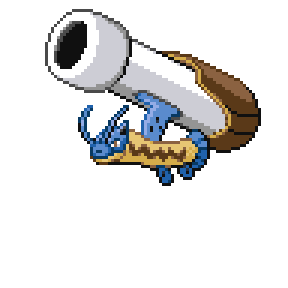
Blasteal rely on the cannons on their back to propel them through water since their round bodies lack the muscle mass for them to swim effectively. They often accidentally bump into other Pokémon, but few Pokémon get angry at them.

Blastnine are equipped with two powerful cannons used to shoot high-pressure streams. They are often loyal pets of firefighters because of their agility and strength.

Blastdude erode rocks by releasing torrents of water from the cannons on their back, making the rocks soft and edible. If Blastdude are desperate for food and are unable to locate rocks, they will eat silt and sand to nourish themselves.

When a building is on fire, Blastfetchd work alongside firefighters to shoot jets of water at fires. Their versatile cannon-like baton allows them to put out flames from a long distance.

Blastgong shoot chilling beams of water from their back cannons to push past floating ice as they swim through the world. These beams of water can quickly cause hypothermia in Pokémon that are not used to the cold.

Blastly are found in humid environments where they conjure bubbles that contain spirits of the dead. Each bubble is capable of blasting a burst of water before popping, which releases the spirits inside.

It holds onto a Tropical Shell that stores static electricity, which turns the shell a bright red. Whenever it discharges the electricity in battle or otherwise, its shell returns to a greyish purple.

Shellans's periwinkle camouflage allows them sneak up on nests of aquatic Pokémon. Their bivalve shell has the ability to unhinge and swallow eggs whole.

Shellpuff sings at a frequency that resonates underwater so that it can put other Pokémon to sleep. Divers wear specialized headphones that produce static noise to avoid falling asleep.

Shellmask wears a shell as its mask. Despite not having eye holes, it proudly wears the mask to defend itself from dangerous Pokémon.

Shelleye rely on deceptive tricks to obtain jewelry. They leave their shell open to entice people to reach for the pearl inside before snapping shut. Once they have a hand nestled in their shell, they remove any jewelry the person may have.

Cloypod need plenty of nutrients to evolve, so in addition to their indigo cocoon they have a small, hinged shell that allows them to eat. Whenever they are attacked by predators, their hinged shell slams shut.

Cloyking live near waterfalls where the cascade of water protects their pearls. They typically leave other Pokémon alone to keep the location of their pearls hidden, but may offer one as a reward for helping them escape a hungry Ursaring.

Cloygey are a migratory species that travel from one beach to another throughout the year. Many are unable to complete the long journey because they are picked off by Flying-type Pokémon.

Cloytoed are capable of quickly swimming away from predators and only rely on their shell when they hunt for food. They clamp down with their shell to snap tentacles or fins off of other Pokémon.

Cloyicate eat bleached coral because of their sickly-looking color. As pollution in the sea continues to spread, colonies of Cloyicate grow more numerous.

Sailors rely on Cloyown to communicate with other ships when their equipment fails. Their malleable shell allows them to morph into basic messages that can be seen with a telescope.

It endures the heat by wading in mud or greywater and may do so for an extended period of time. Once it awakens, it shakes off everything atop its back, sending mud and water everywhere.

Cloyloon float above the sea to hunt for prey. They typically eat Flying-type Pokémon that dive into the sea for food, but can also eat Water-type Pokémon that leap out of the water.

Cloymask has plating on its hands and its mask that are made of the same material as shells. It can be shy and cautious because it is worried it may break its mask.

Cloydisc are part of a popular game where new lovers open their shell to reveal the pearl inside. It is said that lovers that pick a large pearl will have a long-lasting relationship, which inspires many lovers to stick through tough times.

Cloyder produce pearls made out of nacre, a strong, resilient, and iridescent substance. This natural ceramic is being studied by scientists who wish to replicate its remarkable properties.

Gasdeen produce eerie vibrations from their horn while swimming to scare away other Pokémon. As the other Pokémon scatter, they swoop in to eat leftover food.
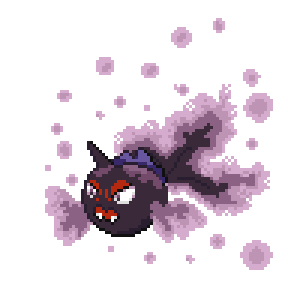
Gastops float around places where paleontologists dig up fossils looking for bones that were once part of their body. Once the complete skeleton returns to their rightful place, they are depleted of ill intentions and roam calmly.

Gasma are an ephemeral presence that dart aimlessly through haunted forests. People who wander through those forests often report a Gasma zipping by on a gust of wind.

Gasbi are an evanescent presence in Johto forests and travel through timelines to guide ancient spirits. It is rumored that they pass messages from loved ones in the distant past, though this has yet to be confirmed.

The wings of a Gasmega have an evanescent quality, as they vaporize into a mist before anything physical hits them. Gasmega chase after baby Pokémon out of haunted forests, often over long distances.

On cold foggy nights in graveyards, Gaskull can be found patrolling the nearby vicinity. It is said that staring into the eyes of Gaskull causes a person to lose years of their life in exchange for momentary communication with the dead.
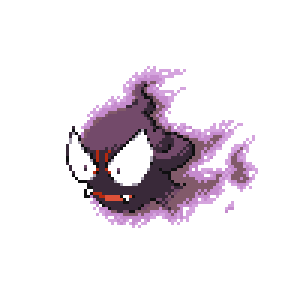
Gasrachi wear talismans on their bodies because they can cause great calamity if left to their own devices. When granting wishes, they corrupt the wish into an effect contrary to what is desired.
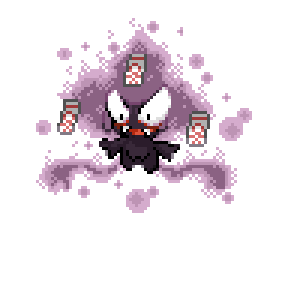
Gasnx phase through solid objects to escape Trainers and never leave a single scintilla to prove they were there. Their elusive nature causes some people to doubt they exist at all.

Gasink linger in old factories where they operate machinery with their ethereal bodies. It is said that they carry the will of workers who were harmed by the factory's machines.
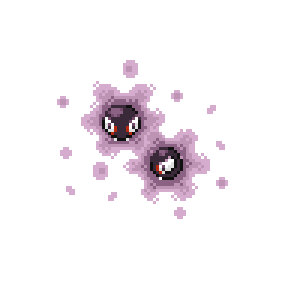
Gasion has a purple gel around its body that sublimates into a gas when under stress. As Gasion gains mastery over its body, it can shoot bubbles of noxious fumes to make foes sleepy.

Gasmise reside inside sunken ships at the bottom of the sea where their heartbroken cries can be heard for miles. They collect old, decrepit skeletons inside the ship as though they were mourning a nautical crew.
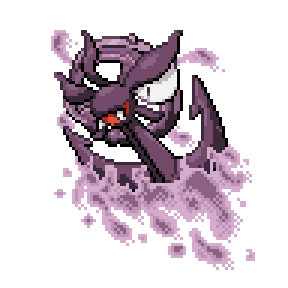
Gasgast possess cremated remains and wander cemeteries to ward off grave robbers. If they find someone desecrating a grave, they bury the legs of the intruder until an apology is made.

Gasgast possess ashes that resemble cremated remains. They patrol cemeteries to chase off grave robbers and comfort visitors.

Gasduck releases phantasmal bubbles that store the energy from its headaches. When the bubbles inevitably pop, it will experience another headache.

Hauntops despise having bones removed from their bodies, which makes excavating fossils difficult for paleontologists. Their level of aggression is correlated to how many bones they are missing, so paleontologists excavate fossils of Kabutops last.

Haunma are ethereal beings that phases through dense objects, such as trees or branches. They often torment and chase other Pokémon while zipping through the forest.

Haunrow swoop over prey with their aubergine wings and pick them up with disembodied talons. They are particularly fond of Mareep because they are easy for their talons to grab onto.

Haungon2 enjoy possessing microphones while someone is in a meeting and muting the sound until it is noticed. Attempts to fix the microphone will always show that it works but will remain muted until Haungon2 leaves the device.

Haunbi bring messages from people who have long passed in an effort to help grieving families. Their efforts have mixed feelings attached and may cause anger in some people who are not ready to hear the message.

Haunmega can enter into a momentary incorporeal state that allows them to phase through physical objects. This is handy when chasing other Pokémon or Trainers when they toss obstacles their way.

Haunrino can turn intangible while they run, phasing through trees or boulders. Whenever they feel mischievous, they emerge from the ground to scare Trainers and Pokémon.

Gentops end up in museums around the Kanto region where they watch over other fossils. Thieves who attempt to take one of their bones are met with cuts from their scythe-like hands.

Genrow are apex predators that combine both stealth and ethereal attacks to subdue prey. They are shrouded in an amethyst veil that obscures their movements and makes attacks hard to predict.

Gengon2 lurk inside webcams of office workers that work from home and reveal themselves during meetings to frighten their coworkers. Their bulbous limbs wave in the background to direct attention to themselves.

Gengon2 love to take over webcams and linger in the background, frightening many office workers who are working from home. Attempts to fix the device usually end when Gengon2 decide to move on.

Genbok intimidates other Pokémon by flexing muscles in its hood. This causes its prey to become paralyzed with fear, preventing them from escaping.

Genmega chase Trainers and their Pokémon out of haunted forests to keep their territory free of intruders. Many Trainers report nightmares of being chased by a Genmega long after the encounter.

Genduck can manipulate other objects and phase through walls, but it is always perplexed by the constant headaches it has. Its headaches occur sporadically, which creates difficulties for scientists studying the phenomenon.

Ongey can be found in cities sitting atop buildings and powerlines. People who are new to cities often mistake them for decorations.

Onotto can be found perched atop important buildings like libraries or museums. Their picturesque appearance makes them popular subjects of photography.

Ongeot have a statuesque appearance that artists love to capture. They often remain still for hours at a time, which makes them perfect subjects for art.

Onsire are easy-going creatures that tunnel underground to find clay to eat. When they eventually dig into a burrow, they eat any available Rindo Berries to prevent vines and roots from leeching nutrients from their body.

Onown can be found near ancient ruins where they burrow into the nearby cavern walls. The messages they leave behind are said to give insight into the ruins nearby.
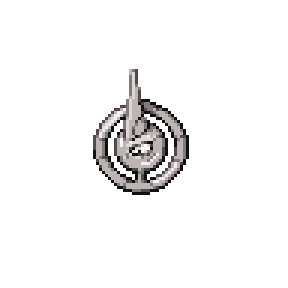
Onmory were once trained to act like flying mounts for soldiers. Their tough, rocky feathers shield the rider from danger as they soar through the air.

Onbok create small caverns when they slither underground and prefer to crush prey with their tail over biting them. When two Onbok meet, they wrap their tails together as a greeting.

Onchu have a rocky, pewter shell that protects them from claws, beaks, and talons. They can produce small bursts of electricity that causes the fur of other Pokémon to fluff up with static.

Onor have an outer shell that is made of the same material that can be found in asteroids. Scientists are still studying how Onor are affected by electricity.

Onduck feeds off of large boulders, which it breaks down using its rock-solid headbutt. To cure its resulting headache, it wanders to the nearest spring to drink mineral water.

Onta gallop through rocky mountain paths to find patches of grass. They are careful not to burn the grass since it is one of the few sources of food they can obtain at high elevations.

Ondash live in herds and travel together atop rocky mountain paths. Their careful footing allows them to traverse steep cliffs without falling. Once they find a patch of grass, the herd stops to feast on the rare greenery.

Their bodies are made of various clays and sediments which they leave behind as a sticky goo. This sediment they leave behind helps plants grow, and stains marble or porcelain floors.

They sully the ground beneath them with a trail of rocks and slime. While this makes perfect fertilizer for other Pokémon, people usher them outside to keep homes clean.

Drowpod hypnotize predators into a dreamy trance that distracts the predator while they hop far enough to avoid detection. Once they are far enough away, they release the predator from the trance.

Drowyu releases psychic waves from its appendages to lull people to sleep. It latches onto people while they are sleeping to consume their dreams.

Drowursa hypnotizes Trainers and Pokémon to put them to sleep. Once it has finished eating their dreams, it joins them in a brief nap.

Drowpuff release somnolent psychic waves that cause drowsiness and often hit themselves with those waves as well. They dream of singing lullabies to other Pokémon but always wake before hearing the audience's reaction.

Drowmeleon hypnotize others with the flame on their tail until they fall asleep. Once asleep, Drowmeleon devour dreams and leave behind nightmares of being set ablaze.

Drowduck hypnotize Pokémon and Trainers into experiencing crazy and outlandish dreams. While they love to eat dreams, eating too many of them gives them migraines that can last days.

During a Pokémon battle, Drowrath press their hands against their snouts to produce a soothing lullaby. The lullaby causes their opponent to fall asleep long enough to give them a punch or two.

Drowmite sways back and forth like a coin from a hypnotist. Its arc is always smooth and symmetrical due to its ability to calculate the perfect path.

It delivers Dream Mail when a family is hypnotized in a safe and comfortable space. For those who lose access to the ability to speak and write, this is one of the few ways family members can remain connected to elderly loved ones.

Hyptuff inhale and puff out their chest before each performance, where they sing and lull others to sleep. Once asleep, they consume the dreams that emerge.

Hypton steal hypnotic coins from other Pokémon to use as their own. They swing the coin back and forth in a rhythmic pattern to entrance others.

Many Hypder attempt to hypnotise other Pokémon by swinging the pendulum in front of their body. This often leaves them hypnotized by their own powers, giving them a dizzying headache.

Krabdra float in the ocean, using their fins to glide through the water with ease. Krabdra will dig into rocks using their powerful claws whenever they need rest.

Krabking are regarded as unlucky by fishermen, as their crab arm is thought to scare away good luck. As a result of being underfished, Krabking are widespread and populous, found in many aquatic places.

Krabnx live on small beaches located on remote islands, dancing from dusk until dawn. Krabnx wave their claws in the air during the dance, releasing ecstatic psychic energy that keeps them awake.

Krabsir defends Krabby colonies with its many pincers, scaring away predators. In exchange for this help, Krabby colonies scuttle across beaches searching for food to bring back to Krabsir.

Using their many legs, Krabdos scuttle across the ocean floor in search of food. When pulled out of the water, Krabdos become enraged and soar into the sky to sink ships, slamming into them.

Krabras can be found in aquariums, as they are caring and gentle. As a result, Krabras are trained to dive and ferry folks down underwater, using the air vents on their shell to maintain an air bubble to breathe.

Krabto have no way to flip themselves over if they end up on their back, rendering them powerless to fight back against predators. They bury themselves in sand to ensure their shell is always face up.

Krabpi use their eggshell to protect themselves, along with their baby claws. Krabpi will make a high-pitched gurgle to call for help when in danger.

Floating in the sky above beaches, Krabluff use a large cotton spore to hang from as they sleep. Krabluff only descend from the sky when it is time to eat and always have one claw gripping onto their cotton spore.

Krabsaur unleash a flurry of claws and vines to protect the beach ball on their back. Why they are fond of beach balls is still being studied by scientists.

Krabfish use their claws and barbed body to protect themselves. To dissuade predators from biting them, Krabfish grip onto the predator with their claws before stabbing the predator with their barbed bodies.

Krabsel are keen-eyed hunters of the icy tundra, stealing eggs and food from other Pokémon when they are away from their burrows. Krabsel will monitor the activities of another Pokémon before burrowing straight towards their meals.

Krabrow have a large beak that they use to pierce prey. Their crustacean-like legs give Krabrow more stability when hopping on land, allowing them to waddle into tight spaces.

Krabsola live together with coral that grows on their shell, as the coral helps strengthen their claws. In exchange for this, Krabsola help the coral spread, migrating from one coral reef to another.

Krabraid use their fins to swim along the ocean floor, using their claws to grab onto food. Despite having legs, Krabraid do not use them, preferring their fins.

Krabllery use their tentacles to wrap around shelled prey before prying open their meals using their hooked claws. When two Krabllery fight over the same meal, they smack their claws against each other until one of them gives up.

Krabtine float above the ocean floor, their wingspan casting large shadows below them. Krabtine have claws attached to arm-like antennae that they use as extra protection.

Making canvases out of stone instead of parchment, Krabgle use their sharp claws to carve into stone. Krabgle utilize many art styles, ranging from realistic to abstract to stylized statues.

Krabtar kicks up sand using its claws to burrow into the sand. Once a suitable burrow is made, it tucks itself into its shell and takes a nap.

Krabpom use their claws to swing from vine to vine, leaping across branches in the jungle. Their claws are sharp and can break open coconuts, allowing Krabpom to eat the fruit inside.

Krabkiss have large mouths that munch on berries, preferring ones that grow closer to beaches. Krabkiss prefer wide-open spaces, as their wings get tense if confined for too long.

Krabsaur can be found submerged in sand at beaches throughout the world. Their resemblance to small islands make them highly photogenic, as many tourists want a picture with Krabsaur.

Krablup waddle in flocks to preserve warmth. They huddle together and protect the weaker Krablup by having them stay in the middle of the group.

Using their aquatic wings to soar through the air, Krabjask slam their claws into opponents. Krabjask also use their grip strength to pinch opponents.

Krabmuku have a rotund shell that has spikes and extends its innards to form a claw to grab onto meals. Their claw is slimy to the touch, sticking onto berries and snacks.

Krabas swim in the sea, finding rocky reefs to lurk in. Krabas can be found rubbing against rocks, scraping debris and filth off their scales.
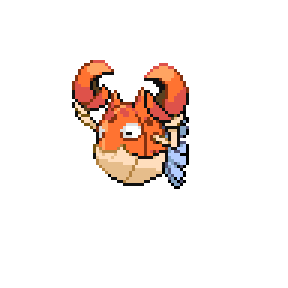
Fluttering in dark caverns, Krabat travel in colonies, overwhelming both prey and predator with their sheer numbers. It is said that Krabat colonies can gather up to 50 individuals before splitting off.

Krabfisk are found in factories, using their bodies to absorb excess electricity. Scientists rely on Krabfisk as a failsafe if any electrical equipment is damaged.

Krabrunt have a large mouth that can stretch as wide as its head, which it uses to swallow food whole. Krabrunt do not use their claws, as they are tiny and cannot reach very far.

Krabedo have claws attached to their aerodynamic fins. While this does slow Krabedo down, they remain some of the fastest creatures in the sea.

Krabeanie use their claws attached to the center of their tentacles to attract prey. Once ensnared, Krabeanie inject poison to secure a new meal.

Krabapex have soft tentacles that can harden into sharp barbs to capture prey. When not on the hunt, Krabapex prefer to hide under their large shell.

Krabgast carry the shells of once-living Pokémon as they scuttle along shores. Many children feel a deep sense of nostalgia when they are around these creatures, as though a familiar pet has returned.

Krabth scuttle across beaches to look for shiny coins or trinkets they can add to their collection. They become hostile if anyone tries to take their newfound possessions and are not afraid of pinching people.

Krabduck are docile and calm, communicating using quacks and waving their claws. This method of communication is sophisticated enough that local sailors can tell if a storm is coming by observing Krabduck that are on beaches.

Krabduck are friendly and clever, using their quacking and claws to guide each other to patches of litter. Krabduck then clean up that area so that they can invite tourists to their beaches, beckoning ships from their sandy shores.

Krabwag use their sturdy claws to dig out small holes in sandy beaches to use as their homes. These watering holes that Krabwag create allow Pokémon typically found in more swampy areas to make their homes closer to the beaches.

A few pieces of Clever Mochi are all it needs to be happy. It knows it needs to slice and share its mochi because its mind reading powers can detect the slightest of envy.

The bulbous heads of Krabcool are protected by a hard shell and are difficult to penetrate. Their claws are small but nimble, burrowing deep into the ground to protect their soft underbellies.

Krabdude have a shell-like helmet and two large claws that excavate the earth beneath them. Once Krabdude create suitable burrows, Krabdude will rest in those burrows before starting the process over again.

Krabler have sturdy arms and sharp claws used to dig deep into the ground. Krabler are picky with their sleeping habits and refuse to sleep unless the ground is freshly dug up.

Armored with a thick shell, Krabta enjoy galloping across beaches without worrying about predators. When they are submerged underwater, they release bubbles from their head and tail with each exhale.

Krabpoke are sedentary Pokémon, sleeping for up to 22 hours a day. They use their tails to slowly drag food to its mouth before falling back asleep.

Krabro uses its psychic powers to lure Pokémon in the area to sleep before taking food from sleeping Pokémon. It is said that Krabro is oblivious to the pain that its tail feels, as though the tail was put to sleep.

Krabeel crawls on its stomach across the ocean floor, using its claws to grab onto food. Krabeel prefers warmer climates, as it has yet to develop enough body mass to preserve enough heat.

Krabgong slides across the ocean floor by freezing the water in front of it. Krabgong prefers colder climates as it is easier to freeze water in such climates.

Krabuk scuttle into factories to seek out nutritious sludge. They use their large claws to scoop sludge into their mouths until full.

Krabder drag themselves around with their weak claws, crawling around to gather seaweed on the sea floor. Krabder are unable to move quickly, as their shells inhibit their range of motion.
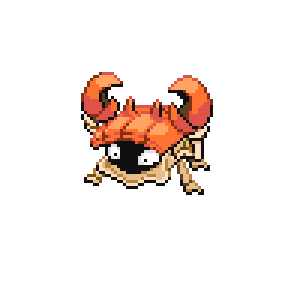
Krabster has a heavy shell that makes it slow and relatively immobile and is vulnerable if flipped on its side. However, Krabster can still move due to its claws and small legs helping it crawl and remain upright.

Krabler have two sets of claws, their front claws able to crush steel beams. If pollution is present in the ocean, Krabler will attempt to claw at it in vain.

Able to regenerate their limbs, Kingyu sometimes lose an arm in a tight crevice or when hurt. Kingyu are able to regrow such limbs quickly, some doing so in only 24 hours.

Kingsir has massive pincers that crushes bones into edible pieces. It can be found near Krabby colonies, giving them protection in exchange for food.

Kingras are a favorite of the tourism industry, as their air vents on their shell can be used to maintain a bubble for tourists to breathe in. In the event of emergencies, Kingras are also known to defend tourists and bring them back to beaches.

Kingturn rely on their bright and shiny hook to lure other Pokémon into their claws. The alluring glow of the hook draws in many aquatic Pokémon to their doom.

Kingtic have two large claws that are the size of their torso and hug itself when in danger to appear larger. If Kingtic hear a cry for help, they will rush over to render aid to those in danger.

Kingsola exist in a symbiotic relationship with coral, as the coral provides extra defense for Kingsola. In return, Kingsola ensure the coral are protected from predators and pollution and collect garbage into piles away from coral reefs.

Kingziken develop their fighting prowess by sparring with other Kingziken. They are best suited for powerful kicks and grappling with their claws. After a long sparring match, they lock claws as a sign of solidarity.

Kinglup hustle around tundra environments, looking for fish Pokémon to eat. Kinglup rely on catching up to slower Magikarp.

Flying in damp caverns, Kingbat flap their wings to glide silently through the dark. Kingbat crush rocks and shells with their claw-like mouth in search of food.

Kingcorio dance from dawn to dusk, waving their claws into the air. It is said that these dances change the weather, summoning rain to a given area.

Kingedo have a sleek shell atop their head. Despite the shell weighing as much as another Kingedo, the aerodynamic shell does not encumber its speed.

Kingth dig into the sand at beaches to find coins and shiny objects. If they encounter another Kingth while searching for shiny objects, they spar until one of them gives up their collected horde.

Kingduck are cunning, as they wave their claws and quack to communicate when ships are arriving. When ships dock at the port, Kingduck wave their claws, hoping for snacks from various sailors or tourists.

Kingduck have a fully developed language, using their quacking and claw movements to detect changes in temperature and humidity. In some laboratories, Kingduck work alongside scientists to predict stormy weather.

It grips onto its opponent using its large pincers and swings them around to tire them out. While its pincers are clamped down, it releases a burst of bubbles onto its target to secure victory.

Kingeel crawl on the ocean floor with their claws clearing the debris in front of them. Kingeel do this because they prefer to slide on smoother surfaces, as debris and other irritants cause them pain.

Kingong slide on their stomach along the ocean floor by freezing a path in front of them. These paths allow Kingong to wander without worrying about colliding with debris on the ocean floor.

Kingder use one claw to help them crawl along the seafloor and swap claws to give the other one rest. One claw can lift twice their body weight above their heads, but Kingder requires great effort to do so.

Kingster are heavy and bulky, but their protective shells and hefty claws help protect them from attacks. However, Kingster can use their claws to smash and pry off parts of their shell, shedding weight for speedy escapes.
