Page 3 / 6 of 5204 pokedex entries by quackquackattack.
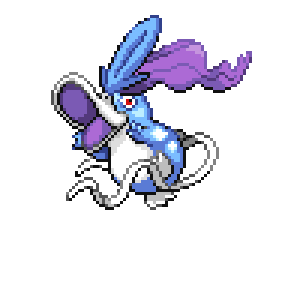
Suiduck are capable of causing monsoon level storms that can flood coastlines. This act strains their minds, which can cause a headache if they exert too much force.
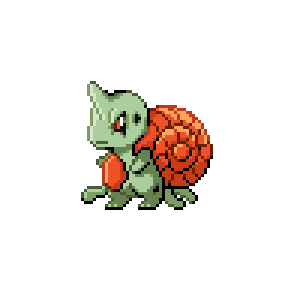
Larvinyte breaks and consumes rocks near hydrothermal vents to strengthen its hard shell. The bright red pigmentation of the shell comes from the minerals found in those rocks.
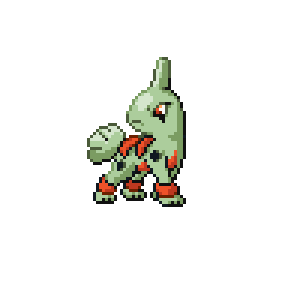
Protectors of the savannah, Larvidour ensure the environment is unblemished by the effects of humidity, as their fiery sandstorms drain water from the climate. It is said that water is best drunk before dawn, as they awaken early to evaporate water.
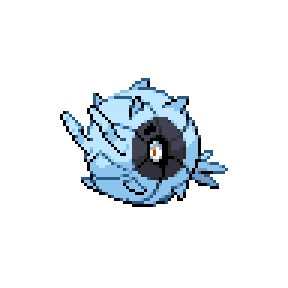
Larvians follow other packs of Pokémon in the savannah, picking off the young or sick. Few threats deter them, as they are able to travel many days without rest to ensure their fangs sink into a meal.

Pupipede eat Shuca Berries whenever they can because they live in an area with lots of Ground-type Pokémon. Whenever the ground shakes, they roll away from the area to avoid the risk of confrontation.
By relying on its gaseous body to slip through walls, Tyrantly can shake entire caves with minimal effort. This phenomenon is more frightening than it is dangerous, as it rarely has enough force to cause cave-ins.

Luduck often are found at the dark depths of the ocean where they avoid contact with others. They have a low tolerance for being overstimulated, and get headaches from divers shining light into their eyes.

Luduck are guardians of the sea and live among other aquatic Pokémon. Their superb swimming skills allow them to cross oceans within minutes to reach a Pokémon in distress.

It is said that the secret to the perfect Piquant Pikachu Curry comes from the leaves of Pikator, as their leaves have a shocking and spicy taste. People describe Pikator leaves as adding a jolt of spiciness to their dishes.

Pikavee deliver Eon Mail between pen pals in the Johto region as part of a program that fosters lifelong literacy. They connect children to the elderly through these letters and will wait outside for days until they have a letter to send back.

Pikaturn delivers Glitter Mail when orphans turn 15 in the Hoenn region as part of a program to help process grief. The Pikachu mascot reminds the orphans that the mail is authored by elders who have lost or never had children.

Whenever Pikafa are excited, they rhythmically wave their tails back and forth like a metronome, producing sparks with each pulse. They call upon strange powers that alter the world around them with this rhythmic swaying.

Pikatu can see momentary glimpses in the future and are often terrified of what they see. Whenever they are scared, they generate an electrical charge in their cheeks and create sparks around them until they are calm.
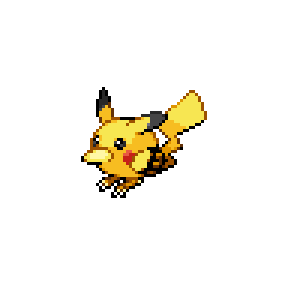
Shepherds take care of Pikareep alongside their herd because of their rare black wool. Whenever a dangerous Pokémon comes near their herd, Pikareep zap and scare them away.

During a Pokémon battle, Pikabuffet can take a lot of hits with their bulky body. They develop a static charge that gets released during an opportunistic counterattack.
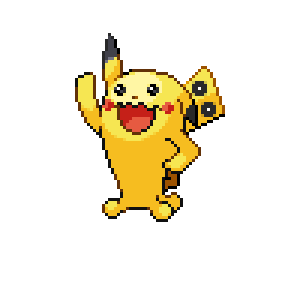
Pikafarig generate psychic energy from their tail and electricity from their head. They combine these two powers to create a powerful beam of energy that can take down a large Tauros.

Pikagon2 tries to blend in with other Pikachu, which is difficult because of its elongated snout. Despite this, Pikagon2 will eat berries and groom its tail alongside groups of Pikachu as though it were one.
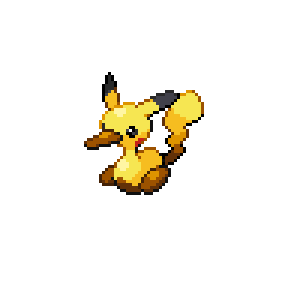
Pikaoh have shiny feathers that are charged with electricity. Each bolt of lightning they call upon slowly drains the electricity from their feathers. Once fully depleted, the feathers lose their luster and fall harmlessly from their wings.

Pikamander are rebellious creatures that value respect from their Trainers. When properly trained, they can roast their opponents with a bolt of plasma.
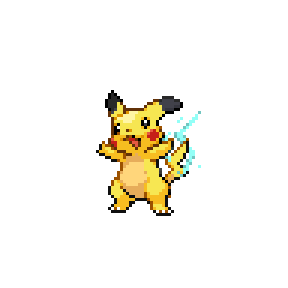
Pikalu can be found nestled between clouds whenever it is raining. They enjoy shooting lightning bolts at Pokémon below them and watching them scramble.

Pikaful are made out of a special polyester that easily creates a static charge. This often poses problems when they want hugs from their Trainer, as they often accidentally shock those they love.

Even as shards of Thunder Stones cling to their body, they refuse to evolve. This discipline is rarely found in wild Pokémon, as it takes a lot of self control to stop the process of evolution.

During a Pokémon battle, Pikaroc zip through the battlefield with superb agility. Once they find an opening, a lightning-fast shard of rock ends a battle with a single strike.
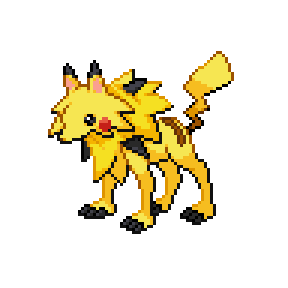
Many Pikakaboo work in kitchens to make a powerful Piquant Pikachu Curry and can accommodate dietary restrictions with love and care. It makes sure to prevent waste by cutting up vegetables into little stars that make the dish pop.
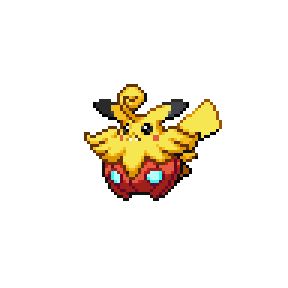
Pikacolo are festive creatures that enjoy dancing with people and Pokémon. They are encouraged to wear gloves to prevent accidental shocks, though some people believe the small shocks are part of the fun.
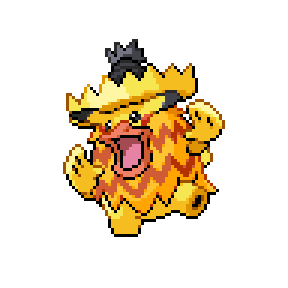
Pikaobat have a difficult time removing the tuft of fur over their eyes, so they rely on echolocation to navigate through the world. By harnessing the electricity stored in their cheeks, they can amplify their supersonic waves.
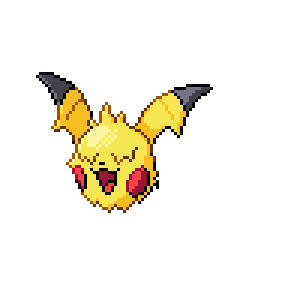
Pikatle bolster the strength of their shell by drawing in lightning strikes towards themselves. The strikes create pockets of dense calcium that make the shell tougher.
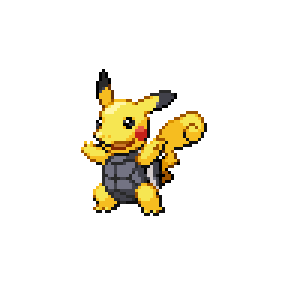
Pikadude strike the ground with bolts of lightning to form fulgurites. Once formed, Pikadude rips the crystalized material out of the ground to throw at foes.
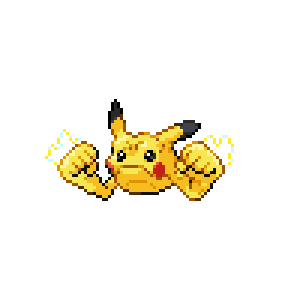
Pikatortle hunt for Magikarp by zapping them with electric shocks. Pikatortle are capable swimmers, allowing them to chase after any Pokémon that try to escape.

Pikaduo rub their heads together to generate electricity. Once they have enough energy charged up, they channel the lightning into their legs to run with super speed.

Pikano hypnotises groups of Pikachu into a trance before luring them to a Thunder Stone. While Pikano can reduce the inhibitions of the group of Pikachu, it cannot force them to evolve.

Writers often describe Ho-nite as majestic and legendary creatures, but they are closer to cozy creatures that enjoy staying in bed all day. Children often describe meeting a Ho-nite only for them to disappear after they fall asleep.

Ho-geot glide through the sky with their radiant wings in search of pure-hearted Trainers to befriend. The feathers they drop as they soar are said to bring good luck to those who find one.

Ho-gon2 soars through cyberspace to search for victims of cyberbullying. By bestowing one of its resplendent feathers, Ho-gon2 gives victims the ability to stop the harassment when the feather is crushed, blocking and reporting all their bullies.
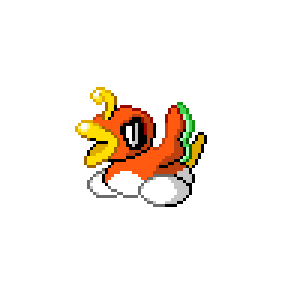
Ho-bok were once revered as guardians of the desert because of its protectiveness over young Pokémon in arid regions of the world. Nowadays it is held to high esteem for a different reason: the antivenom that is derived from its venom.

Ho-itar reign supreme in the hot, arid conditions of the savannah, their commanding presence scaring away most other life from their presence. Their bodies are covered in scars from the constant duels they are subject to.

Ho-tic release glowing iridescent bubbles wherever they swim. Their scales shimmer when exposed to sunlight and refract in a plethora of resplendent colors. Finding a Ho-tic scale is considered lucky.

Ho-ink fight by unleashing multi-colored flames from their body. To change the color of their flames, they rotate their gear-like bodies with precision until they find the right setting.

Ho-plume have flower petals that sparkle with the colors of the rainbow, though they can only have five colors at a time. When agitated, they produce a shimmering pollen that causes itchiness, giving them time to escape.
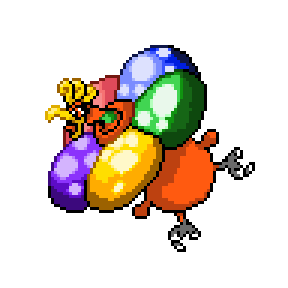
Ho-duck are said to bring eternal happiness, but the lives of Ho-duck are full of strife and struggle. Their efforts to avoid Trainers and other Pokémon give them stress, which often manifests as aching headaches.

Ho-duck are elusive creatures that are difficult to study because of their avoidance of people. During the few encounters that have occurred, they are said to swim away in a blur of rainbow light.

Celepie appear before mothers of stillborn children to mourn. They do everything in their power to reassure mothers that nothing could have been done to change the present, and that the loss of life was not the fault of the mother.

Celepod harnesses temporal energy to accelerate its metamorphosis and wobbles with latent energy. People who make prolonged contact with its cocoon are said to recall childhood memories with acute clarity.

Celefree are capable of seeing many timelines with their compound eyes. They act deliberately to balance the needs of many creatures in their forests.

Celenx are a transient presence found in the frigid tundra. They lure Trainers to follow them into snowstorms only to drag them into the future a few years.
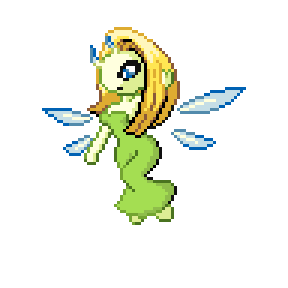
Celefree help people and Pokémon recover from adverse life events by showing them what future is possible. Their desire to inspire change does not always work, especially when those they want to help are not ready to change.
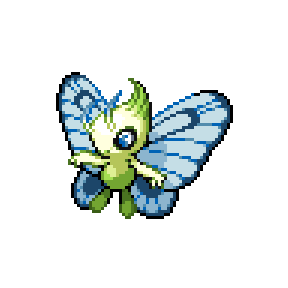
Celerita carry a certain innocence to them that makes them approachable. They are always willing to hear stories from others, no matter what timeline they are in.

Celeleef are mature creatures that understand the suffering of others. They rarely make time for themselves when protecting the forests around them and are constantly worried about the future.

Celenium travel through time to appear before grieving widows and help them manage their grief. Celenium flowers produce a nostalgic scent that is said to remind widows of their loved ones.
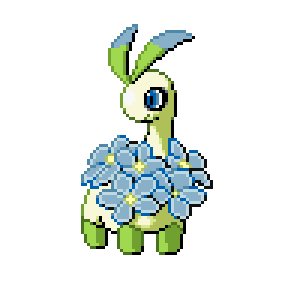
Celetler are reclusive guardians and appear when mass deforestation occurs. By sending loggers into the future and back, they reveal the consequences of deforestation and cause some loggers to act more conscientiously.
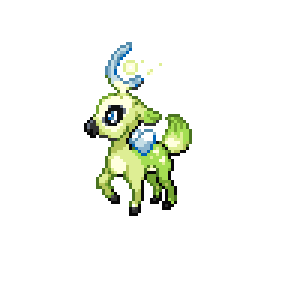
It delivers Mirage Mail across time and helps prevent disaster by providing people of the past letters from their descendants. Once fate has changed, the Mirage Mail disappears, as though it were never there.
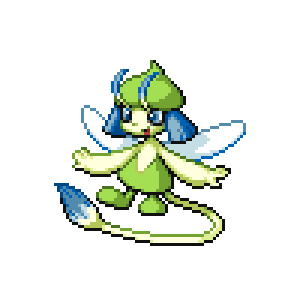
Celerade travels through time to appear before star-crossed lovers, and gives the ill-fated lovers a chance to say goodbye to each other. It gives each of the lovers a blue rose, signalling the bitterness of unattainability.

Trainers who seek out this Pokémon never find it, as it detects desire and attachment from those Trainers. Rather, it mysteriously appears in serendipity to Trainers who feel down or upset, giving those Trainers a guiding hand before vanishing.

Celeish lurk in verdant fields of tall grass where they play with the Pokémon around them. They manipulate time to extend their play sessions, turning back the clock to prevent the sun from setting.
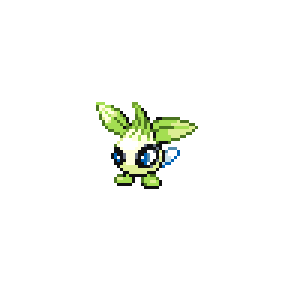
Celeras harnesses the power of time to grow mushrooms in the span of seconds. Nearby plants are also affected, as the forest around the mushrooms becomes dense with foliage.

Celesect spreads bioluminescent spores that proliferate slowly, so it speeds up the growth of the mushrooms. This temporal acceleration also makes other plants grow quickly, forming forests overnight.

It may drop a Gold Leaf on occasion, yet its effect is unknown. As soon as anyone tries to document its properties, it zips away to an alternate timeline.
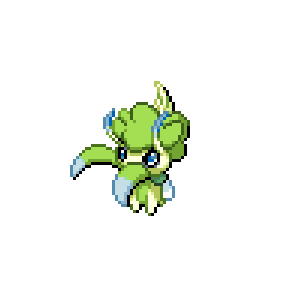
Whenever it hops between timelines, it has a chance to drop a Silver Leaf. The Leaf does nothing at the time it is dropped in, yet some people believe it could be an omen to something sinister on the horizon.

Azubone enjoy hopping on their tail and playing catch with themselves. On the rare occasion that they lose their bone, they will stop at nothing to get it back.

Azupie are lovable creatures that enjoy a good meal as much as they enjoy playing with their tail. Some have found ways to wrap their bodies around their tail so that they can spin or roll.

Azudeen are highly social creatures that get energy from interacting with others. They perform many tricks that revolve around balancing balls on their horn and can even hop out of water by balancing on their ball-like tail.

Azusir enjoy bouncing on their tail and holding the rotund ball in their pincers. When they are not entertaining themselves, they wander the forest looking for other rotund objects to lift, such as berries and the local Jigglypuff population.

Azudrill often chases or bounces the ball on its tail to keep itself entertained. Despite being part of a hive, it is rarely called upon to defend the hive because of its inexperience.

Azubuff are the quintessential form of rotund cuteness. Their plush bodies make them adorable, cuddly partners for snuggles and hugs. Trainers are advised to give them space when they need it, as they easily get overstimulated.

Azuchar are easily frightened and cling to their tails whenever they feel scared. Before going to sleep, they sneeze out flames that they have stored in their bodies before falling asleep.

Azuetta lack the confidence to sing on stage and end up in tears if forced to do so. A gentle guide is necessary if their Trainer wants to help them perform successfully.

Azuetta are terrified of singing in public and would rarely sing on stage if they could help it. Finding the right Trainer to build their confidence is incredibly difficult because they fear being judged.

Azumel are terrified of swimming, even in shallow water. They are known to stand on their tails to avoid even a drop of water from touching their rotund body.
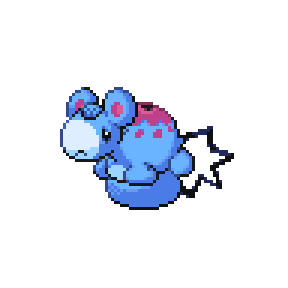
Azulos do not enjoy the tactile sensation of being on land, so they secrete a purple fluid that they spread with their bulbous tail to create a path for themselves. Despite this limitation, many choose to make friends with wild Pokémon on land.
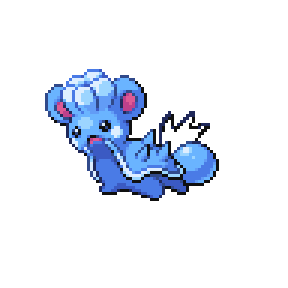
Wygon2 monitor a child's activity through a PC to ensure they are focused on homework. While they have a cheery personality, the tail gets angry when the child is not doing homework and may pause games and social media with a slap of the tail.

Ambinaw beats its chest and releases a bellowing shout before going on a rampage. Its arms cling to its prey before large jaws bite down to secure victory.
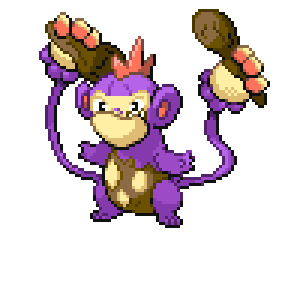
Ambieye pickpockets coins or other shiny objects from Trainers. It laughs with both amusement and derision whenever it gets away with theft.

Ambikey fight with intuitive techniques that require little planning or forethought. They use all four hands to grapple and swipe at opponents until they achieve victory.

Misnx pull a myriad of pranks on people who enter into their territory. They constantly meddle with Trainers for sheer misanthropic amusement but never leave their targets with lasting injuries.

During a Pokémon battle, Misking murmur inscrutable incantations whenever they are about to perform an attack. Scientists studying the complex incantations report experiencing headaches and hallucinations.
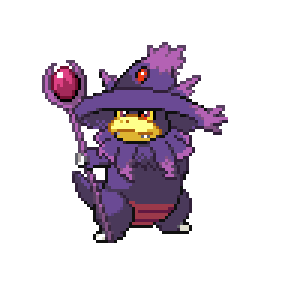
Despite the ghostly appearance, Misey are quite benevolent. They protect Trainers and young Pokémon from spectral strikes by absorbing the attacks into their body.
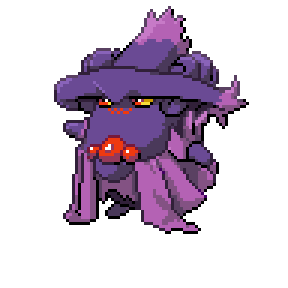
Misklang mysteriously appears in old tents and is rumored to give accurate fortunes. People have been reported to lose consciousness when they see their fortune.
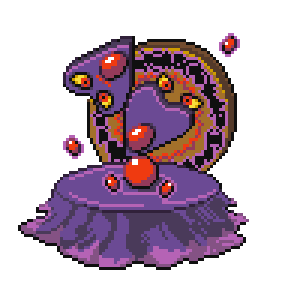
Misink preys on grieving families, siphoning their energy while they try to communicate with the dead. Despite being a well-known phenomenon, Misink is sought after in an attempt to ease broken hearts.
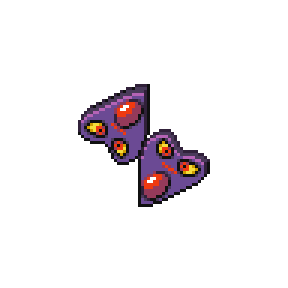
Misang drags its planchette across its spirit board without human intervention, leading to rumors that the dead can communicate. There are conflicting messages on whether it is kind or cruel to grieving families.
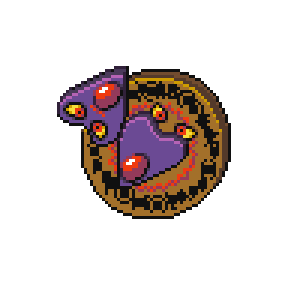
Miskin is still learning how to best approach novel situations in battle. It enjoys predictable fights where it can use the same few tactics to win.
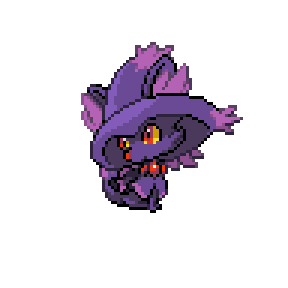
Misxen is fastidious in its training and never deviates far from the plans its Trainer sets for it. Sometimes it loses battles because of an unexpected twist that was not accounted for.
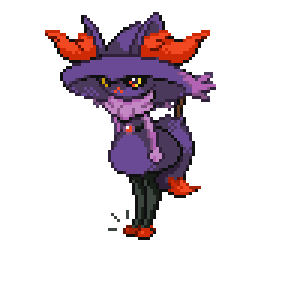
Misgeist has a playful guile that it uses whenever it performs a trick on people. The tricks it performs are seldom malicious but may be overwhelming for some people.

Miscatty was once kept as a pet of aristocratic nobles, and still retains many posh mannerisms. It is now found in haunted manors where it still grooms itself for the eventual return of its owner.
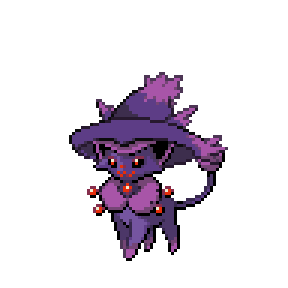
Misgong enchants sailors that enter its territory with delusions and hallucinations. Afflicted sailors often act brash and bullish, but the enchantment fades once they leave its domain.
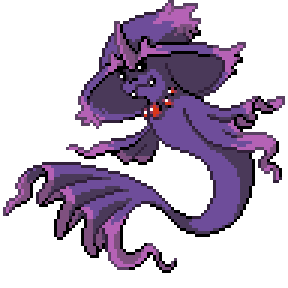
Honchret are vigilant creatures that work together with police investigators to track down people who escape from prisons. Their short sleep schedule allows them to remain in the field for long hours following a scent trail until criminals are found.

Honchtata gather into hordes and pick every Chople Berry in the nearby vicinity. Whenever they spot a Fighting-type predator, they chew down the gathered berries and attack the threat.
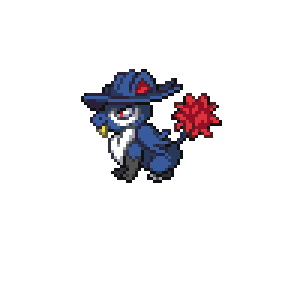
Honcheon are known to use their psychic powers to get other Pokémon into trouble while making themselves seem innocent. They often earn the ire of their teammates because of these deceptive ploys.
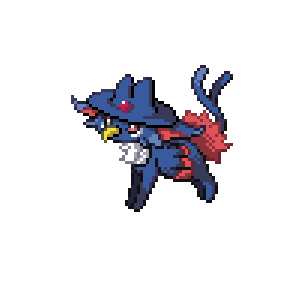
Honchdreavus roams ancient libraries protecting scrolls and tablets from damage. It is rumored that it once served alongside librarians, but this rumor has yet to be confirmed.

Honchlade are great actors because of their superb athleticism and ability to express certain emotions on command. They are often featured in action films because they love acting in fight scenes.

Honcheary have a dapper corbeau hat that they wear to beguile Trainers and steal trinkets while they perform cute tricks. If they are caught stealing, they give a cute stare to disarm the tension.

Honchtoise rides alongside sailors and pirates because of the powerful cannons on its back. It gives little feedback on how it feels, which many have mistaken for apathy. Despite this misconception, it offers small nods of acknowledgement when praised.

Bongon have a cubic shape that resembles a small sapling. Even though they are vaguely plant-shaped, they do not rely on photosynthesis to sustain themselves.
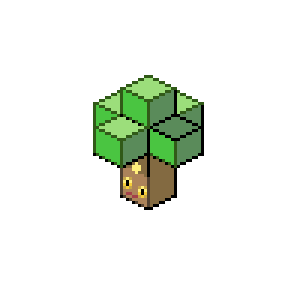
Bonbuff gingerly approach new Pokémon when they are left at daycare. They have a difficult time making friends and often struggle with learning social skills, so Trainers are advised to encourage them to play with other Pokémon.

Bongon2 rely on their natural camouflage to play hide-and-seek with their Trainer. They love to hide in images of tall grass and let out a quiet chirp when found.

The slow amble Bonwig takes throughout the day makes it a reliable partner for people who have trouble walking. The elderly often hold onto its branches to keep themselves steady.

Bonveon loves to play with other Pokémon but struggles to be noticed because of its natural camouflage. Many Pokémon have been comforted by its feelers without knowing it was ever there.

Bonkyu are in the paradoxical of wanting to make friends while also needing to blend into their environment. This leads to the stalking behaviour that they are known for, as they are too shy for direct confrontations.

Bonpuff are diffident singers that lack the confidence to recover from mistakes. They are perfectionists to a fault and get upset whenever anyone interrupts their singing.

Bonduck are often picked on by other Pokémon for their small size. The social anxiety that develops leaves them with headaches from overanalyzing every situation they are in.
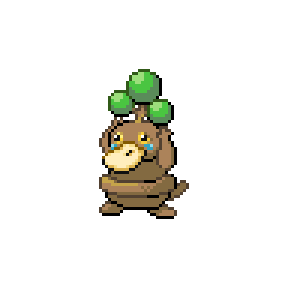
Bonwag have a russet body that helps them blend into swampy environments. They move slowly through swamps to avoid drawing attention to themselves and can swim without disturbing the water's surface with their specialized tail.

Bonduo have a singular tawny head at the base and two green fake heads. They tend to scare away bug Pokémon because of their resemblance to another bird Pokémon.
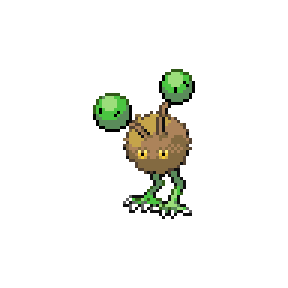
The cocoon of a Mimepod is made of a stiff yet brittle material that makes them vulnerable to predators. They conjure invisible walls that are made out of psychic energy to block beaks and talons.
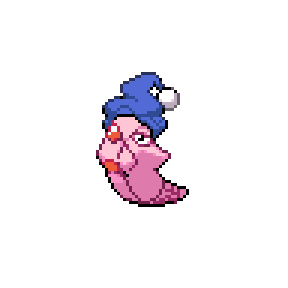
Mimefree stop predators from eating them by creating solid invisible barriers. These barriers momentarily confuse wild predators and give them enough time to escape.

Mimesaur are zany creatures that love to entertain others. They grow balloons from their back that they give out to children.
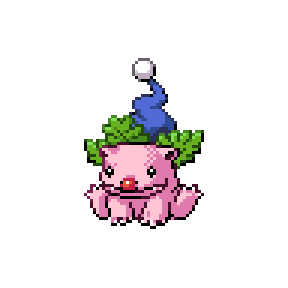
Mimegon2 hack into closed circuit television footage and insert themselves into the video. They copy the movements of people inside the footage to entertain themselves but often obscure important events in the video with their antics.
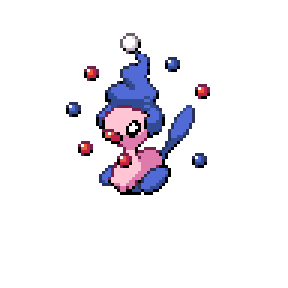
Mimesaur can produce balloons from under the hat on their back and freely gives these balloons out to children. Sometimes they give out too many balloons and have to grab a child with their vines before they float away.
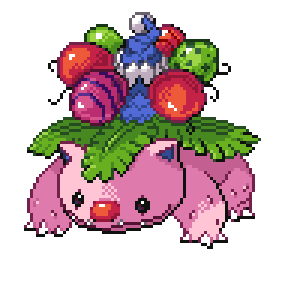
Mimefairy hold secret gatherings on nights of the full moon. At these gatherings, they dance using the actions they copied from others in the past month.
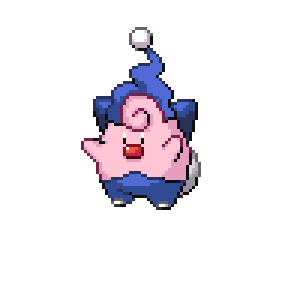
Mimelix prepare circus treats such as large lollipops or cotton candy. They are known to give couples and children plenty of treats, and hope people leave happy and full of memories.

Mimemeleon love to perform silly tricks, and one of their favorite tricks is where they pretend to roast a marshmallow over their tail. After a performance, they allow children to safely play with the flame on their tail.

Mimeple blends in with groups of Wurmple for protection. While it does not have venomous spikes, it can momentarily hold predators in place with its psychic powers.
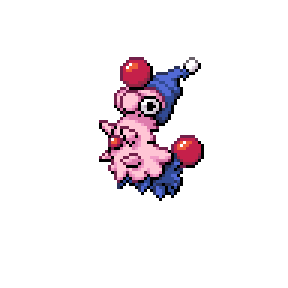
Mimeink enjoy juggling balls atop their head and are so good at it that jugglers watch them to develop juggling skills. Their many tricks fascinate audiences around the world.
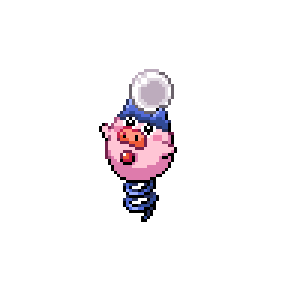
Mimeduck are capable of producing walls made out of psychic energy but lack the tact to use them in performances. Sometimes they bump into their own walls because they forget where they place them.
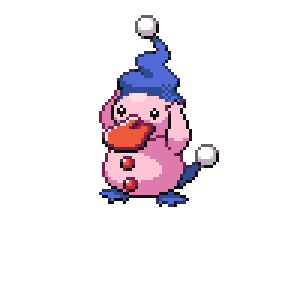
Mimeda enjoy copying the motions of other Pokémon and engaging in clownish behavior. They often get dizzy from being too excited, but easily pick themselves back up for more fun.
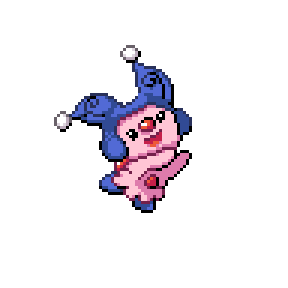
Mimegar love to cause trouble and drive many Trainers crazy with their pranks and tricks. They are unrelenting with their mischief and only stop when the Trainers cry out in pain.

Very early in life, Happigey practices carrying a Magost Berry, as their round shape helps them mimic the shape of an egg. This period of time lasts approximately one year, after which it grows big enough to hold an egg properly.

In exchange for a few treats from a teacher, Happifa sit in classrooms where they set a good example for children to follow. Many teachers also incorporate lessons about stars to keep the attention of Happifa.

Happipy have a strong sense of empathy and will not eat if they are given more than their peers. They tote around their egg by carrying it with their snout and get upset whenever they lose their egg.

Happiphan try to emulate the rolling of other Donphan but often find that they bump into objects. Despite their frequent mistakes, they are cheerful Pokémon that enjoy spending time with their peers.

Happiran love to play with white stones that resemble eggs but often forget that they need to practice their egg-rearing skills. While balancing an egg on their snout is entertaining, they are often quickly reprimanded by other nest members.
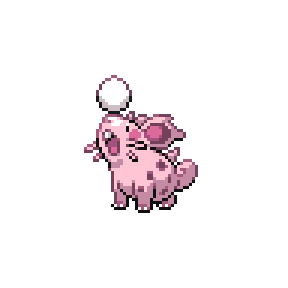
Happiveon carry around an ivory stone egg to practice taking care of eggs. They envelope the stone with their feelers to keep it warm.

Happipuff are gentle creatures that have a peach-colored blush whenever they are happy. They diligently sing lullabies to the egg that they carry to ensure the child within feels at ease.

Happimander hold onto pearls close to their warm stomach to practice caring for an egg. Their warm personalities make them doting caretakers for eggs.
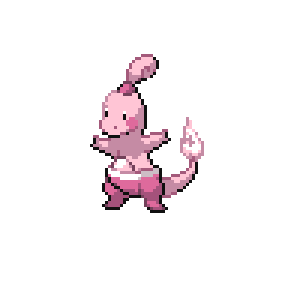
Happimeleon are optimistic creatures that take care of abandoned eggs. The heat from their body warms up the egg to a comfortable temperature, making them great as a snuggle buddy.

Whenever Happiduck practice harnessing their psychic powers, it is important to keep their egg safe. There have been many cases of Happiduck accidentally breaking their egg by dropping an object on top.

Happilithe love to keep everyone warm and happy, especially the Egg that they carry. When the Egg is close to hatching, Happilithe will bark at their Trainer so they can observe the Egg hatching together.

Happinine relies on a special patch of fur on its chest to keep eggs clinging to its body. It lets out a jubilant cry when an egg is about to hatch.

Happizard take care of abandoned eggs and store them in their own nest. They can often be found soaring through the sky clutching eggs and hugging them close to their warm bodies.

Happieel experience ineffable glee when they are given an opportunity to take care of an egg. They may not always be responsible with their egg, but to be trusted with an egg gives them a feeling of pride.

Raiking lay eggs in rivers in late autumn. To reach their nesting grounds, they hop out of the water with their horns charged with electricity, shocking those who try to eat them.

Raians store electricity throughout the length of their bodies and cause the fur of nearby Pokémon to stand on edge. They release this built-up electricity whenever they bite down with their fangs.

Raigle often show up with paint stuck to their ochre bodies and feature dynamic art that look flashy and pop out to art audiences. The art they produce often inspire advertising companies to mimic their style to give their message an extra boost.

A Yellow Scarf allows Raisey to stand out against the crowd as their tough and gritty personalities surface. They are also known to hold Thunder Stones with them to bring out their boldness.

Raigron has a tail that resembles the head of a glaive and can cut through thin layers of steel. When it needs an extra boost, it pumps its tail full of electricity to give it an edge in combat.

Raitales store electricity in their luxuriously soft tails. After they unleash the potent power from one of their tails, the tail puffs up from the static electricity.

Raipuff do not tolerate interruptions during their public performances and put great effort into ensuring their symphonies are awe-inspiring. Hecklers are shocked and ushered out without mercy.

Railie freeze water around them by releasing a flurry of ice crystals. Once the water has been frozen, they unleash powerful bolts of lightning into the ice to create beautiful displays of light.

Raibink have shards of Thunder Stones embedded in their body and cause their rocky bodies to glow a citrine yellow. Whenever they are full of electricity, they discharge it in small bursts while chasing their tail.
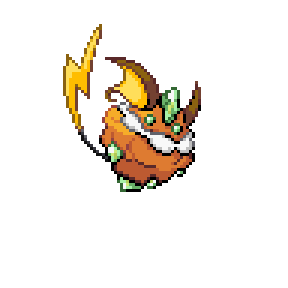
Rainat develop a static charge by rubbing against another Electric-type Pokémon. This causes their hair to stand on end until they discharge the electricity.
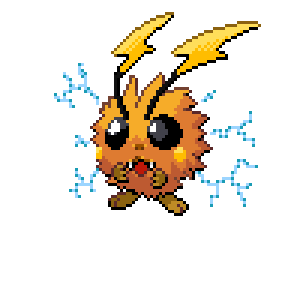
Raiduck generate electricity in their cheeks. When they generate too much electricity, they get a headache that can only be relieved by a sudden discharge.
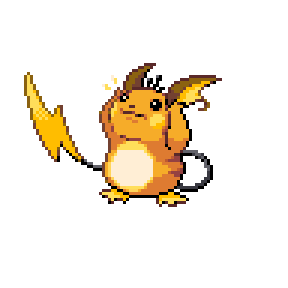
Raizard shoots blazing flames and potent lightning from its mouth, which makes quick work of anything standing in its way. Its proud and defiant personality makes it difficult to catch.

When Raichoke are about to strike with a Thunder Punch, their cheeks sparkle. Even with this knowledge, many fighters still lose matches against the powerful Raichoke.
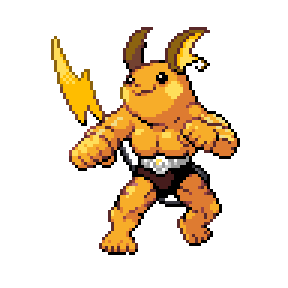
Raisprout have a bright clementine-colored head that stores electricity. They help electricians safely run wires through houses by sprouting roots that snake through small spaces.

Raitoise blasts torrents of electrified water towards opponents in a Pokémon battle, soaking and paralyzing them in the process. When needed, it withdraws into its sturdy shell to repel attacks.
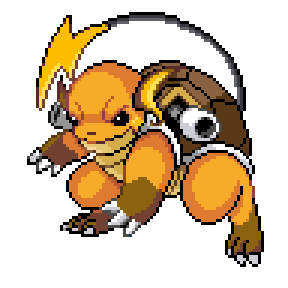
Raizee release powerful bursts of electricity that target parts of the brain that regulate sleep. Flying-type Pokémon are particularly susceptible to fall asleep after a powerful shock.

Munchpie eat copious amounts of food on a daily basis. While their natural diet consists of leaves and berries, domesticated Munchpie love to eat pies.

Munchpod eat food left before them while their bodies develop. They prefer pies above all else, so many empathetic people leave behind pies for them to snack on.

Munchsey store berries in the pouch in front of their stomach. They are particularly fond of Chilan Berries because the berry helps them shake off hordes of Rattata that try to steal from their pouch.
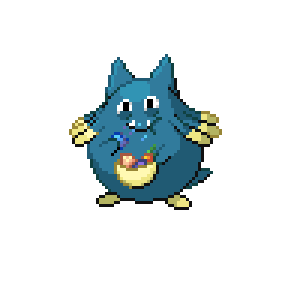
Recently evolved Munchfree are voracious creatures that eat any and all food in the nearby vicinity. They leave behind few crumbs when they are finished eating.

Their appetite is enormous, as their bodies require a diet twice their body weight to maintain a healthy size. Cheaply made doughnuts help fill them up with calories.

Munchchu are still learning to create sparks with their hands. Feeding them a Custap Berry helps them charge up lots of electricity that they release from their feet, sending them flying.
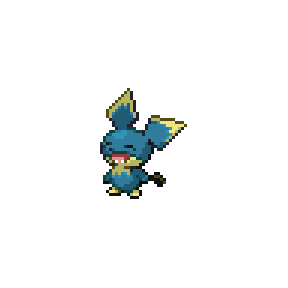
Their absentminded flying causes them to catch onto kites as they glide past. They are known to rest atop cliffs and ask for help when this happens, unable to untangle themselves.

Munchtata often resort to eating Durin Berries that people throw away. They scurry between garbage cans to find whatever they can eat.

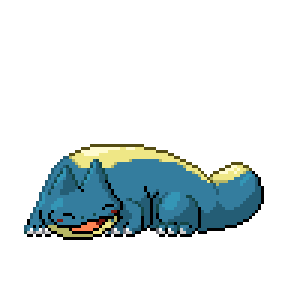
Munchsire is soft and gentle, and takes naps to give itself time to digest food. Despite its cuddly appearance, its body is covered in a protective slime that makes hugging it difficult.
Munchking keep an assortment of fruits and berries with them at all times. Whenever they inevitably get hurt by another Pokémon trying to defend their horde of food, they bite down on a Salac Berry and flee as fast as they can.

Munchmer have a slow metabolism that causes most of what they eat to become blubber. Trainers are advised to abstain from overfeeding Munchmer because having too much blubber causes them discomfort.

Munchsis float around in a ball of liquid eating anything they come across. They rapidly digest food that enters into their bodies, liquifying food in a matter of seconds.

Munchish are sloppy with their food and leave crumbs wherever they go. They do not have to eat since they can photosynthesize glucose, but they enjoy the tactile sensation of eating leaves.
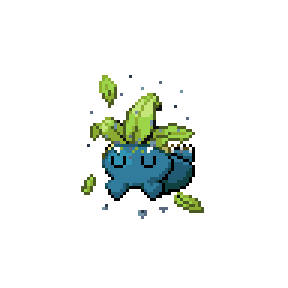
Munchish are messy eaters that enjoy eating leaves off other Pokémon. A single meal of leaves can last them the entire day, though they will continue to eat regularly because they enjoy the tactile sensation of food in their mouths.
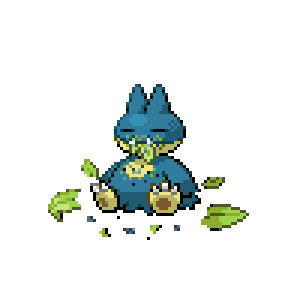
Munchmy are deceptively voracious creatures that need to eat thrice their body weight to remain healthy. Their high metabolism comes from the goo they use to dissolve food, as it requires lots of nutrients to produce.

Munchgoo have a difficult time separating friend from food, as their voracious appetite leads them to nibble on companions until they find adequate food to consume. Many Pokémon find their antics charming and love to give them berries to eat.
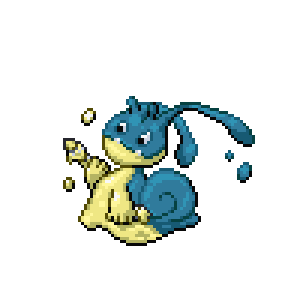
Munchish has a voracious appetite, as it needs to consume twice its body weight to remain healthy. Whenever it finishes eating, it releases a burst of psychic energy before falling asleep.
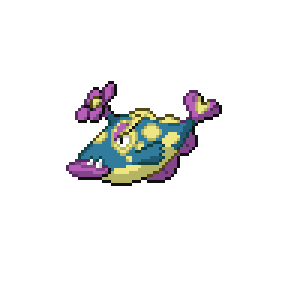
Munchkin has a diet that mainly consists of twigs, as it is too slow to snatch berries before other Pokémon take them. If a Trainer gives it an Oran Berry or a Sitrus Berry, its elation causes it to roll around in excitement.
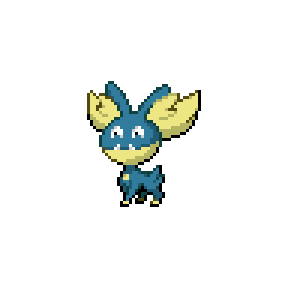
Manby crawl along the ocean floor, where they clip and tear pieces of kelp with their claws into edible chunks. They are curious creatures that investigate divers when they are nearby.
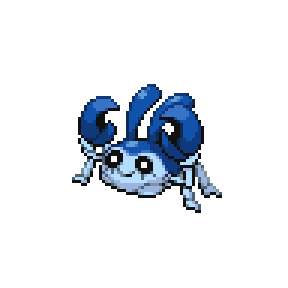
Weavrow steal items from Trainers and hold them for ransom until they are given a treat. Trainers are advised to keep their belongings secured to avoid theft.
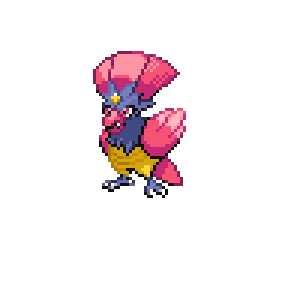
Weavoir spend countless hours maintaining their pristine appearance. Though they can unleash icy blizzards in battle, they quickly lose their composure whenever they get dirty.
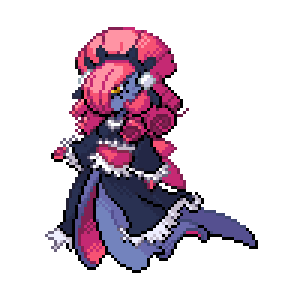
Once a year, Weavsaur scale the sides of cliffs to climb as high as they can with their hefty claws. Once in position, Weavsaur release pollen into the wind to pollinate each other.
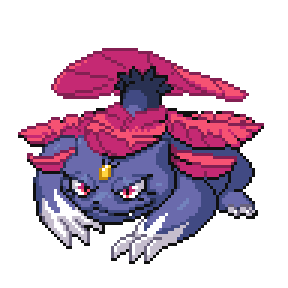
Weaveye are masters of skulduggery and are hired by evil organizations to commit anything from espionage to stealing sealed documents. They are thrill seekers and commit crimes because of the excitement they get.
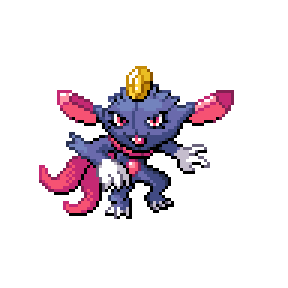
Magnevoir typically hold a stoic demeanor, but is rather affectionate with its Trainer. It also has the ability to manipulate electromagnetic waves, changing the signal to a message of love for its Trainer.
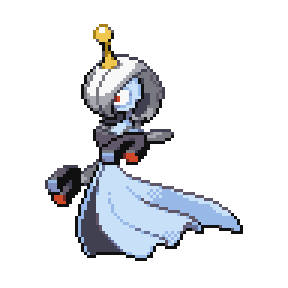
Magneblim track the weather patterns of the world alongside meteorologists. They are made of stainless steel that will endure tropical storms. Senior weather reporters adopt a Magneblim whenever they retire, commemorating their work together.
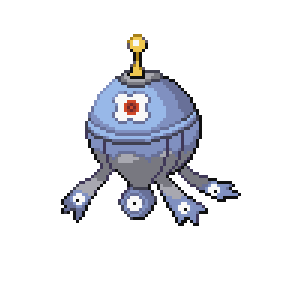
It relies on a Stretchy Spring to make quick exits out of a battle. If it is locked into battle, it could mean that a part of the spring mechanism is jammed.
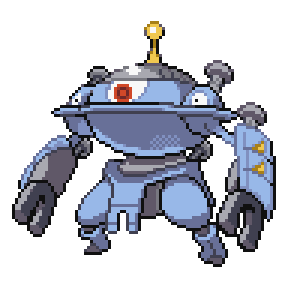
Magnelithe always operates in compliance with the will of its Trainer, even if it hurts itself or other people. Some dangerous organizations exploit this blind loyalty to cause crime.
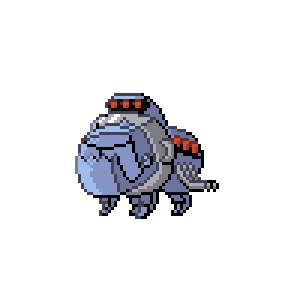
Magnedrio is made of three heads, two of which are ancillary to the main body. Having detached heads allows it to quickly repair parts of itself without exposing delicate electronics.

Lickigey has a long tongue that it keeps coiled inside its body, though a part of it remains sticking out even when coiled. This tongue can reach a meter in length, perfect for sticking into burrows to pull out Bug-type Pokémon.
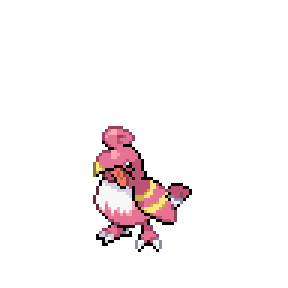
Lickigeot have sensitive tongues that cannot stand the taste of aged foods, so many refuse to eat common non-perishable goods like dried fruit, jerky, or cheese. Sending them to hunt for their own food is the only certain way to ensure they eat.

Lickisey have sensitive tongues that allow them to detect traces of allergens in a dish. Lickisey can also be trained to administer epinephrine in the event of a medical emergency.
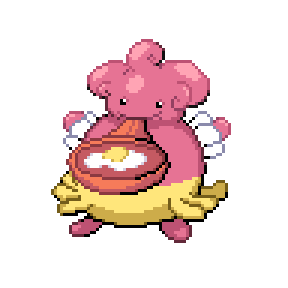
Lickininja are remarkable marksmen and can accurately fling darts with their tongue across a football field. When they are not hunting or practicing their throwing technique, they wrap their tongue around their body to keep warm.
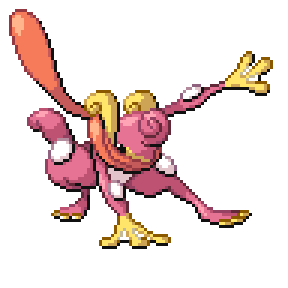
Lickisprout work alongside mead breweries to produce high-quality mead, which they taste to ensure consistency. They are known to celebrate successful batches by drinking alongside brewers.

Mead brewers cultivate Lickibell colonies to help them determine whether batches are too bitter. Lickibell are known to prefer mead over honey, unlike other plant species.

Rhyceus create magnificent stone carvings that depict the origins of the universe. Each detail is painstakingly etched with their horn, which is said to never grow dull.

Tangon have a mass of tentacles made out of code that they rely on to win battles. They exercise much caution when fighting their opponents, as losing too much data renders them too unstable to continue fighting.

Tanossom massage the backs and limbs of many people who exercise at the gym, using their long tentacles to soothe muscle pain. The writhing tentacles are soft, firm, and have a pleasant scent.

The writhing vines around Taneon's body are coated with color-shifting scales, giving it the ability to blend into its environment. By combining this ability with the soft rubbery texture of its feet, it can silently slip away from predators.

People who are allergic to poison ivy should avoid touching this Pokémon, as they produce similar toxins. They rely on these toxins to deter herbivores in the wild.

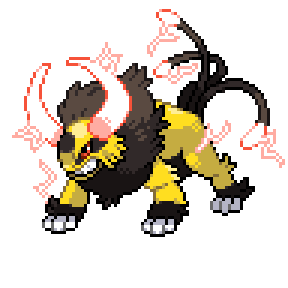
Electiros are brawny Pokémon that defend their herd by channeling electricity through their horns and tails to attack predators. Their impetuous nature causes mass panic within their herd whenever Electiros are frightened.
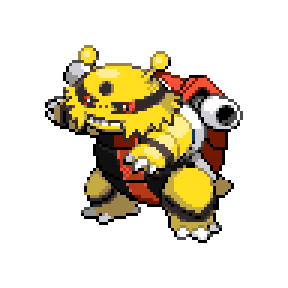
Electiduck help electricians deal with underwater cables with their superb swimming ability and resistance to electricity. They can remain submerged for long periods of time while they fix damaged cables that can reach 500 kilovolts.

Electitoise soak their foes in water before unleashing bolts of electricity. Ships out at sea rely on Electitoise to help fix equipment issues, especially during a storm.
Magmorian works alongside pest control companies to eradicate fungi from a given location. It prevents fungal growth by charring mycelium networks, stopping the spread of spores.
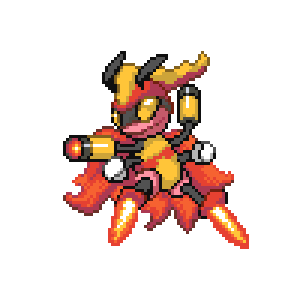
Magmorcross were held in high esteem as elite soldiers. During a Pokémon battle, they flip over their opponents with their flaming horn before setting them aflame.

Magmorchu ride their tails like rockets and release flaming bolts of lightning to propel themselves forward. Their bright markings make them popular during lunar new year events where they help ignite fireworks.
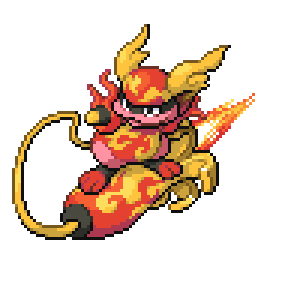
Magmorking are in constant territorial disputes with other Pokémon. Their searing hot flames scorch the earth beneath them whenever they fight an intruder.

Togebone wield brightly colored clubs wherever they go. These clubs help divide them into teams whenever they begin to play games with each other.

Togeto are peaceful creatures that foster small grottos that act as a safe space for other Pokémon. To ease the worries of the weary, Togeto transform into a form that other Pokémon find comforting.
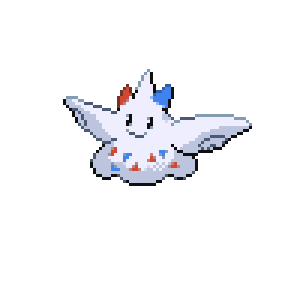
Togechu have a halo on their head that never leaves their side. To power this halo with electricity, they perform good deeds and help other Pokémon around them.

Togegon2 consume spam texts and convert them into encouraging messages and affirmations. Many children are connected to Togegon2 to prevent scammers from stealing personal information.
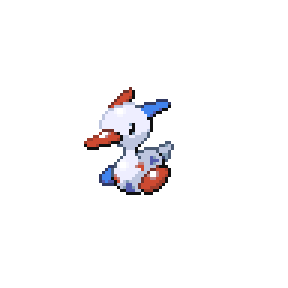
Togepass gives blessings to Pokémon it encounters that instill a surge of confidence. These blessings also unintentionally impart a strong magnetic charge that attracts metallic objects.
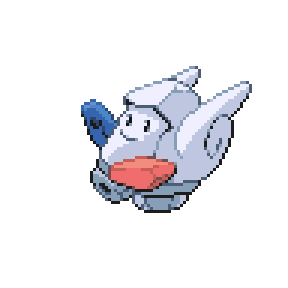
When falling from a great height, Togeplume can deploy their petals to slowly float to the ground. This also releases calming spores in the nearby area, ensuring they are not attacked as soon as they make the landing.
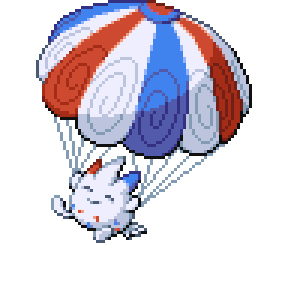
Togeras love to proliferate clouds of spores to make other Pokémon happy. Inhaling too many spores leads to a euphoric yet drowsy feeling. Thankfully for many Trainers, the effects quickly fade with time.
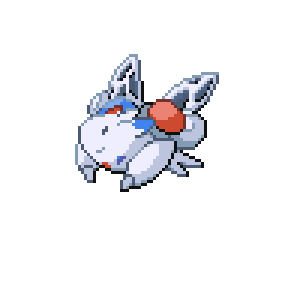
The ornaments that hang from Togetross's body are said to provide good luck to those who hold them. Stealing them is difficult, as they shock thieves with bolts of electricity to protect their trinkets.
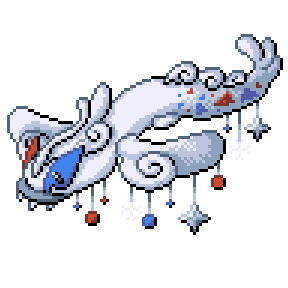
Togeler often help other Pokémon cover up miscolored blotches with red or blue paint. This paint clings to the hands of Togeler, giving them their messy appearance.
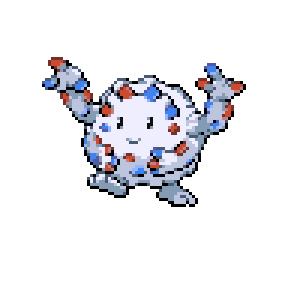
Togelem rely on the help of those around them to paint their bodies red and blue, as their bodies are naturally white. In exchange for helping them maintain their appearance, those who help are blessed with good luck.

Togeta are whimsical creatures that enjoy carrying Trainers and Pokémon on their back. The soft flames they produce are warm to the touch and give a fuzzy feeling of comfort.

Sandbone dig through the ground with their boney club, shoveling through dirt to reach delicious roots beneath trees and plants. Whenever they accidentally dig into a den or burrow, they fight off angry fangs and teeth with their club.
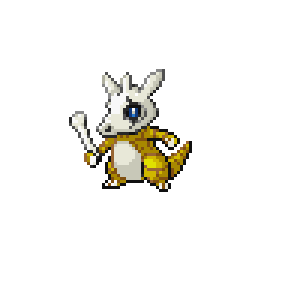
Sandpod have a resilient cocoon that flakes off in pieces when damaged. If they fall into a puddle, they will attempt to roll to a different spot to avoid getting wet.

Sandgon burrow underground searching for internet cables to connect to. Once they find a cable, they feast on the stream of data that is transmitted.
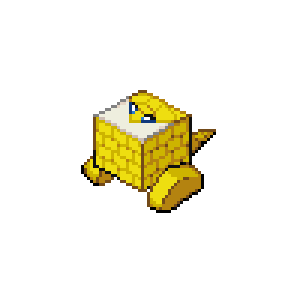
Sandpi burrow underground to eat plant roots. They smooth out rough edges of their shells so that pieces do not get caught on rocks as they dig.

Sandsel are witty creatures that stalk other Pokémon until they return to their burrows. Once they fall asleep, Sandsel dig into their burrow to steal food they have gathered.

Sandgma leave a trail of scorched grass wherever they go. Whenever it rains, their gritty bodies lose their traction as they solidify. Their bodies warm up after the rain ends, allowing them to continue their wandering.

Sandphan takes dust baths daily to remove foreign objects from its hide. Without the dust baths, seeds and spores can grow into its skin and cause irritation.

Sandfable dig constellation patterns into the ground with their sharp claws. On nights of the full moon, they sit around these patterns to absorb as much moonlight as possible.

They reside in arid environments where there is a lack of water, which makes Luminous Moss difficult to find. Even so, they enjoy eating the moss, as a tiny bit of water causes the meal to swell and fill their stomachs.

Sandrona live in blistering hot deserts where they collect scorching sand into their wings. With a single flap of the wing, they can conjure sandstorms in an instant.

The flame at the end of a Sandmander's tail grows brighter when underground so it can see. It protects this flame by tossing rocks and mud at threatening Pokémon.
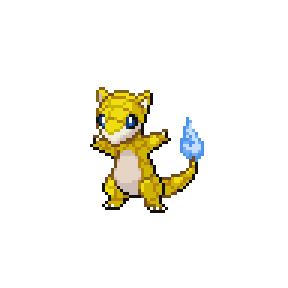
Sandmoth shed dust from their wings that resembles sand. This resemblance has caused many Flying-type Pokémon to become ill after dust bathing in the toxic substance.
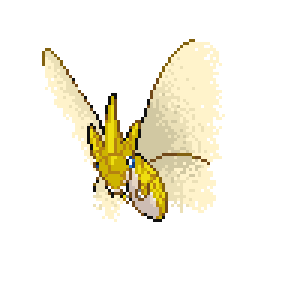
Sandmeleon tunnel underground with their sharp claws and swing their tails to get rid of debris. If anyone interrupts their digging, they breathe out searing hot flames as a warning not to continue.

The scales on Sandmel's back form a pyramid, a spectacle that baffles scientists. Some scientists believe that this shape helps soot slide off its back, while others speculate that the shape increases the range of its attack.
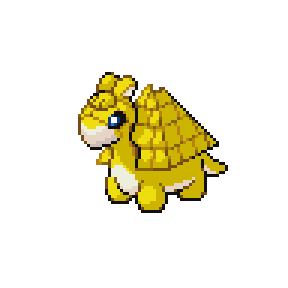
Sanduck dig below marshes to find roots to eat. When they inevitably surface, they are prone to bumping their head on stones, which results in a concussion that causes headaches.

Sandtle spins through caves while curled in its shell because it is faster than relying on its stubby legs. Sometimes its shell cracks when barrelling through caves, which forces it to take a break while it heals.

Yanlee relies on its agility to maneuver around opponents. Its lightning-fast kicks get progressively faster as the battle continues.
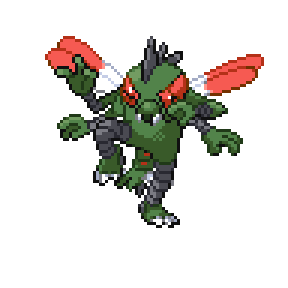
Yanew flap their wings so quickly that they become invisible to the naked eye. This rapid movement make them seem like they are levitating rather than flying.

Yanzone augment its body with scrap metal and spare parts to improve its speed. It races with other Pokémon to assess how efficiently it can traverse through the world.
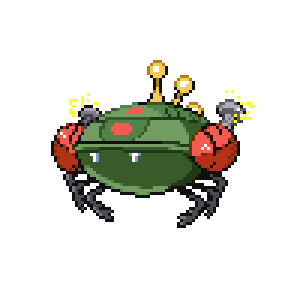
Yanjask has wings that flap so fast that it is nearly impossible to capture on video. This constant flapping quickly burns through its energy reserves, so it is constantly on the hunt for sugary nourishment like nectar or berries.
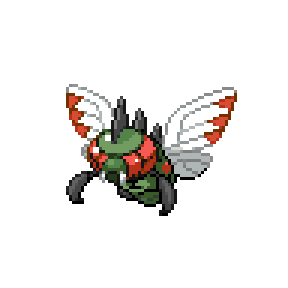
Leafpie are capable of running at full speed while carrying a rock in their arms. This is especially helpful when predators attack, as a rock and a net made of silk are usually enough to pin them down before escaping.
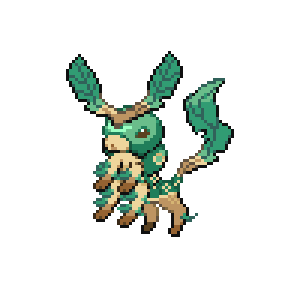
It grows leaves from the joints of its shell, which causes it great discomfort if not trimmed. Chefs will adopt a Leafpod and use its leaves to make spiced stew such as gumbo.
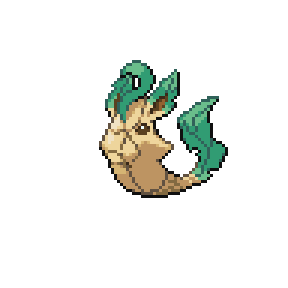
Leafuna hang from tree branches awaiting the day that they evolve. If they fall from a tree branch, they sprout vines to pick themselves up and find a different branch to hang from.
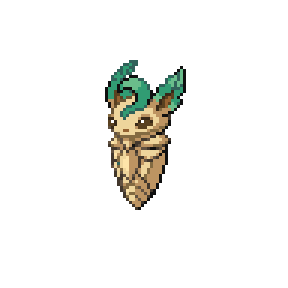
Sometimes, whenever it launches a flurry of razor-sharp leaves, it leaves behind a Leaf Letter. What it says or how it got there is a mystery.
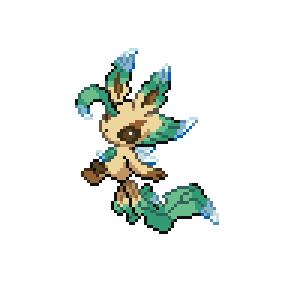
Leafsol approach lumberjacks to warn them when someone is about to get hurt by a falling tree. The loggers who heed their warning can avert a crisis by cutting the tree from a different angle.
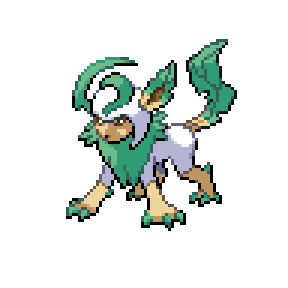
Leafetta dance along many ballades that are filled with poetic drama. Their light, leafy bodies dance with passion and grace as they act out various verses in a form of interpretive dance.
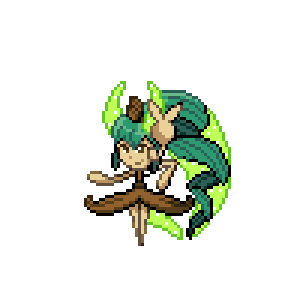
Leafsect reluctantly share mushrooms from their back but usually expect some help propagating their spores in return. Stealing one of their mushrooms is the fastest way to get cut up by razor sharp leaves.
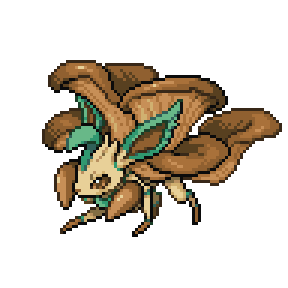
Leafpuff produces a tea-flavored nectar that is incorporated into baked goods. It can be quite mischievous and is known to pull small pranks in the kitchen.
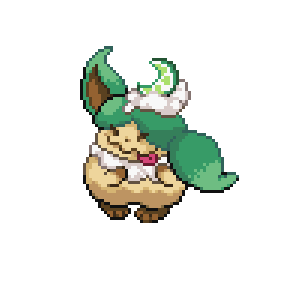
Leafduck have flowers growing within their body that allow them to telepathically communicate with plants. They are constantly bombarded with messages from plants and develop headaches from being overstimulated.
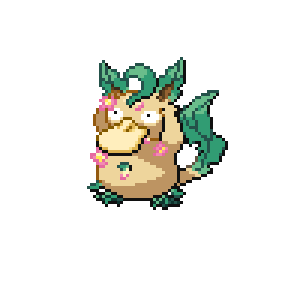
Leafduck absorb most of their nutrients through their leafy body but are often slowed down by the weight of their leaves. They eat their leaves before a swim since the leaves regrow within a day.
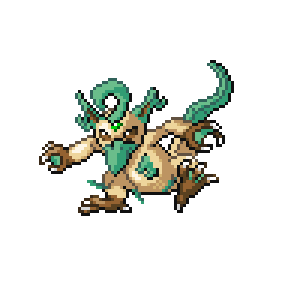
In a factory during the bagging process, it finds its way into a Pack of Potatoes before napping. When it wakes up, it devours the potatoes before escaping from the bag.
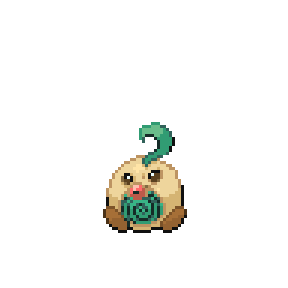
Leafzee produce dreams of tranquil forests whenever they hypnotize another Pokémon. These dreams are quite calming and leave many dreamers feeling quite refreshed.
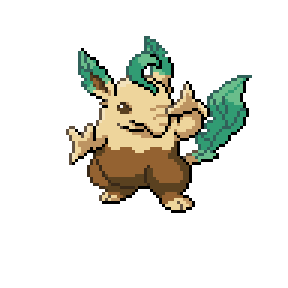
Glacepie keep warm by huddling together with furry Pokémon. When another Pokémon threatens to break up the group, Glacepie ensnare the dangerous Pokémon with silk before escaping with their friends.
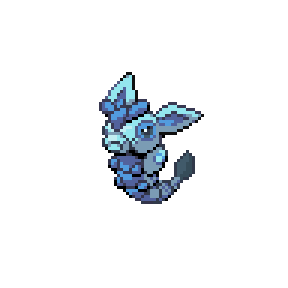
Glacepod can be found surrounded by ice where they rest until they evolve. The ice is difficult to break with claws or talons, leading to many predators giving up before reaching Glacepod inside.
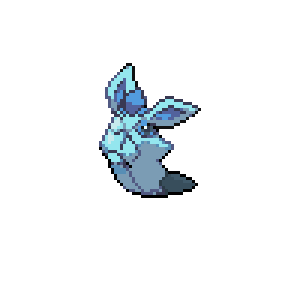
Glacedle mainly eat mint and other soothing herbs that give a fresh scent. They are known to approach injured Pokémon and gently wrap wounds with a layer of snow to ease the pain.
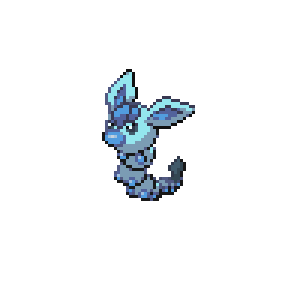
Glaceuna typically evolve during fall after a long hot summer. They keep themselves cool by enveloping themselves in a shell of ice to give themselves shade.
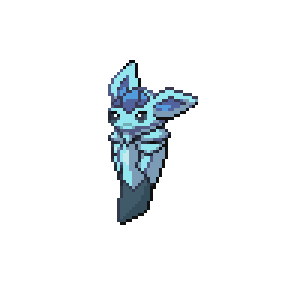
Glacedrill shoot icicles from their stingers to maximize the range of their venom. Once a venom-filled icicle strikes another Pokémon, it takes about five seconds before the venom causes aching chills.
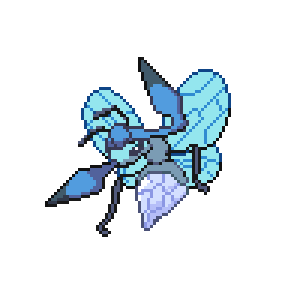
Glacetta sing many carols and hymns during certain festivals to inspire feelings of merriment and joy. For many elders, nostalgia is passed down to children through these old songs.

Glacepuff infuses its ice with sweet flavors, which are used in dessert drinks. Bartenders and baristas around the world rely on its help to amaze customers.
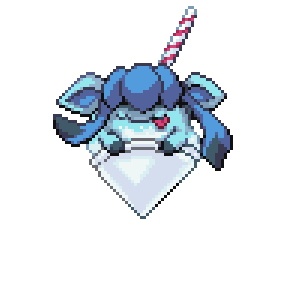
Glacezee hypnotize other Pokémon to weave in dreams of frost into their minds. The frosty dreams start with a gentle snowstorm but the dreams become so cold that they wake up shivering.
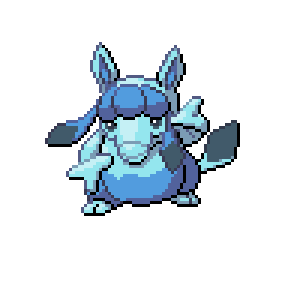
Glisbat determine whether prey is poisonous by smelling the air for poisonous chemical compounds. Once they have selected a suitable target, they sink their fangs into their prey and carry them back to their cavernous den to be consumed.

It is known for its skittish and elusive nature, hiding the moment it sees a person. One of the few ways Trainers coax it out of hiding is by offering a Golden Razz Berry, which it stares at long enough for a Pokéball to be thrown.
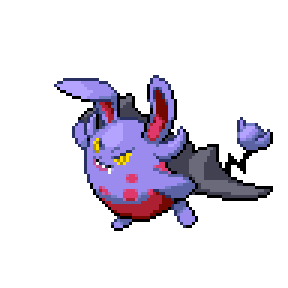
Gliscor are apex predators that take out other Flying-type Pokémon by clipping feathers off wings until their prey cannot fly. These opportunistic hunters hang upside-down from tree branches to ambush their prey.
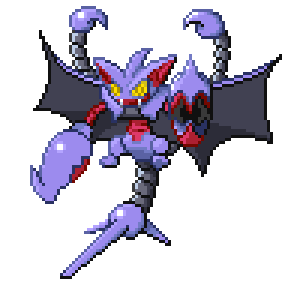
Mamoring are massive creatures that can weigh over 1,400 pounds (or 635 kilograms). Their sheer mass makes them well suited for icy environments as their natural body fat and thick layers of fur keep them well insulated.

Mamoring break holes into ice to hunt for Magikarp by sticking out their tongues like a lure. Once they bring a Magikarp onto land, they tear into their meal with their horns and claws.
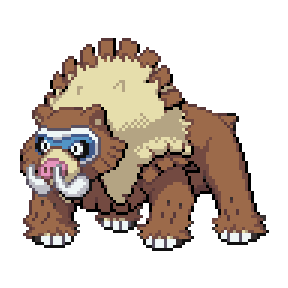
Mamolie are incredibly resilient Pokémon that can endure sub-zero temperatures. If frozen solid, they easily break free with a single strike from their massive tusks.

Mamoduck shoot frosty snow from their staves by harnessing the power of their headaches. They are often easy to anger because of the constant pain they are in.

During a Pokémon battle, Mamotoise unleash a torrent of icy water that freezes quickly. Once their target is frozen, they smash through the ice with their huge tusks.
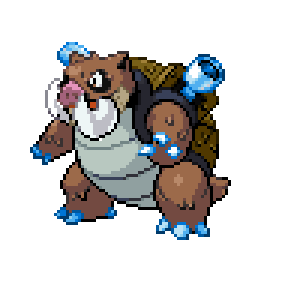
Porydile operate in cyberspace to shred old files from employees who leave a company. Businesses have to be careful when relying on Porydile because they will also clear operating system files if the settings are on.

Poryfa float through the air without regard for gravity. For much of their lives, they are seldom upright.

Many Porychic help their Trainers burn CDs with music and video off the internet, but Trainers need to be specific with what type of burning that occurs. Many Trainers have ended up with burnt plastic instead of a CD with data.

Porychar troops rush through the internet, leaving behind broken URLs and errors on webpages wherever they go. They are easily distracted by images of bananas, giving cybersecurity professionals enough time to neutralize their abilities.
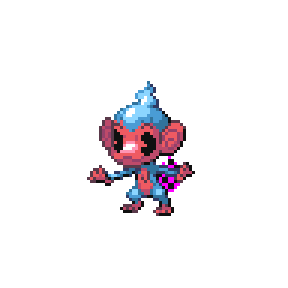
Porypix can store visual data into their many tails, but this data can easily become corrupted when their tails are damaged. Despite this downside, indie film studios rely on this rudimentary film storage to capture scenes.

Porytales wraps its body around a globe inside PCs. When clicked, Porytales breathes fire onto the globe before opening the browser window for the PC user. While the PC user is away, Porytales stretches and adjusts its body until they come back.

Porytales wraps its body around a globe inside PCs. When clicked, Porytales breathes fire onto the globe before opening the browser window for the PC user. While the PC user is away, Porytales stretches and adjusts its body until they come back.

Poryinch enjoy chomping through files that get chucked into the recycling bin on PCs. They do not wait until the user chooses to permanently delete them, leading to many incidents where vital data was ripped apart.

Poryinch appears when error messages flood PCs, acting as a last resort to preserve data on the PC. Unfortunately, Poryinch's only option is to consume data, removing large swaths of folders until it eats the culprit behind the error messages.

Porykin may attempt to hide their emotions, but the emoji above their heads often betray their true feelings. When particularly angry, the emoji turns into a powerful flame that scorches the area around them.
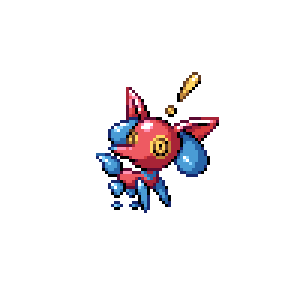
Porysian were often featured in videos on the internet, complete with catchy music and simple animation. Nowadays they roam cyberspace looking to bring nostalgia to those who grew up with the internet.
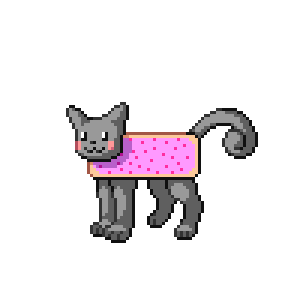
Poryduck appear in PCs whenever the computer crashes to salvage as much data as they can. Their expression is meant to emulate the painful headache that results from losing data.
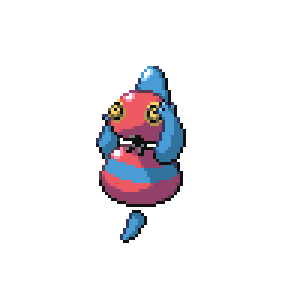
Porygoose hunt in groups in cyberspace hunting for their prey: Seviper. Anything resembling a serpentine figure is torn to shreds, leaving behind corrupted data and random bits.
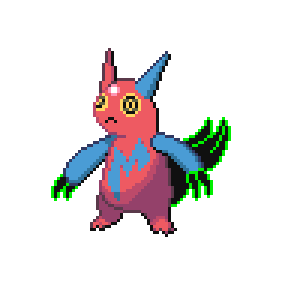
Porygoose are duplicitous creatures that maintain a kind demeanor around their Trainer but show their true colors around their prey: Seviper. As soon as they register that Seviper are nearby, half their body glitches into a blackened mass of hatred.
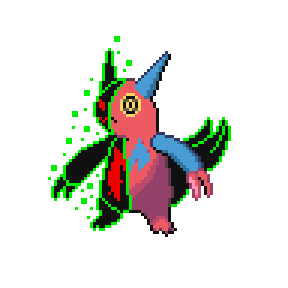
Porygoose are devious hunters that rely on surprising their main prey: Seviper. A special program in their bodies activates whenever they are poisoned, effectively nullifying their prey's greatest defense mechanism.
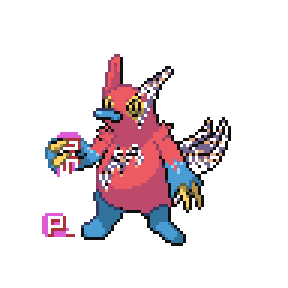
Treerita produce special enzymes whenever they get hurt that cause other Pokémon and Trainers to cry. Whenever they inadvertently cause those around them to cry, they feel ashamed and will cry too.

Each razor-thin leaf shed is coated with an oil that resembles a minty marjoram, which causes thin cuts to sting. The antimicrobial oil doubles as a stimulant to promote photosynthesis.
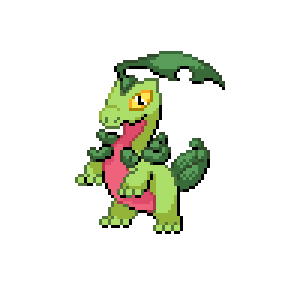
Treetad can often be found lying upside down on lakes and rivers, as flipping them over is a popular pastime of many children. They can flip themselves upright at any time, but many simply choose to remain upside down.
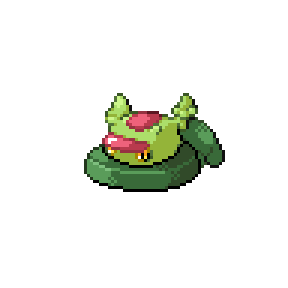
Treeyena fur is often in potpourri mixtures due to its citrusy scents. Wild Treeyena rely on these scents to help navigate the complex hierarchy of their packs.
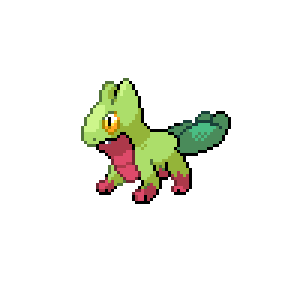
Treeskit often find themselves in danger but are just as likely to escape. Whether they climb a tree or slide across water, they almost always find a way to flee from predators.
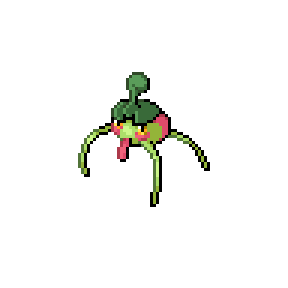
The leafy blades on Groshrew's arms double as digging tools, able to slice through rocks with ease. After securing a meal of plant roots, they return to their burrows for a nice nap underground.

For lumberjacks or anyone doing lawn care, Grotile are a reliable partner for clearing wood and grass. With their leafy blades, they can cut down the area around them with ease.

Groling have a chirp that sounds like a whistling blade of grass, allowing their parents to know when to come back to the nest with food. While many coexist with their kin, it is not unheard of for Groling to abandon a nest once they get big.

Grogull soars above beaches where the leafy fronds on its body whistle with each dive. This whistle often confuses other bird Pokémon, causing them to fly into trees trying to follow the sound.
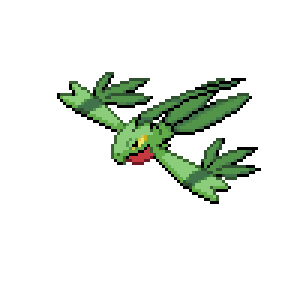
Scepsly are brought inside during the winter months because of their festive appearance. Once spring comes and they lose their festive colors, they are returned to the outside world.

The baubles on the body of Scepsly jingle with a certain festive ring. Many families bring them inside during the winter months out of a jolly spirit, keeping them warm while they celebrate.

Many families keep Scepsly in lieu of a tree inside their homes to make cleanup easier. The baubles on their body have a festive jingle that is pleasant to listen to.
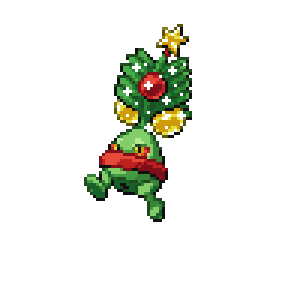
Torchnub stores its tepid body heat beneath a layer of fur to keep warm in winter. If it smells something delicious, it trudges through the snow to find the source.

Torcholu release an aura that is brimming with eagerness and determination. They never back down from a challenge, even against larger opponents.

Torchpin is energetic and excitable, enjoying walks alongside its Trainer. Raising a Torchpin requires a lot of commitment due to its need for exercise to remain at a healthy weight.
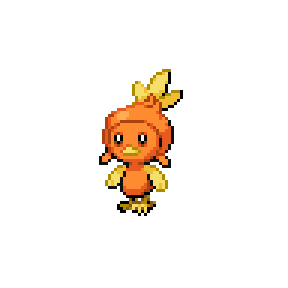
Torchfetchd is popular in a pot roast dish because of its tender meat, which pairs well with the delicate sweetness of leeks. A bite of juicy, savory Torchfetchd inspires many young chefs.

Sandpie are a nuisance to farmers, as they enjoy eating the roots of various crops. After heavy rainfall, Sandpie emerge from their tunnels and search for a dry place to avoid getting wet.

Sandbone burrow through the ground by shoveling dirt with their bone club. It is difficult to follow them into their tunnels because of the quills across their back that poke anything that comes too close.

The spikes on Sandpod's body make them unappealing to predators who want an easy snack. If they fall to the ground during heavy rainfall, they wobble around until they find a dry spot.

Sandgon dig below houses to connect to fiber optic cables that transmit data. People who play games often notice a drop in internet connectivity once Sandgon chew on the wires.
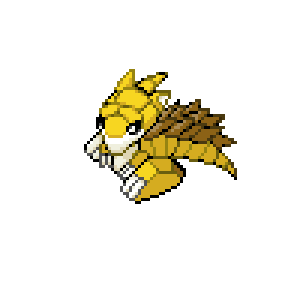
The spines on a Sandto's back are covered in tiny needles that lodge into fur or clothing. The spines are made of the same material as their claws, which they rely on to burrow underground.

Sandactyl kicks up sandstorms by flapping its wings in rapid succession. Once prey are enveloped by the sand, it pounces and sinks its claws into its next meal.

Sandrill creates its burrows by shoveling dirt with its large claws. It chases away other Pokémon with its stinger, ensuring it has a safe home for its offspring.

Sandshrew has large spines that jut out from its body, which protect it from predators while it scampers in tall grass. It is an omnivore and has a voracious appetite, so it eats anything it can find.
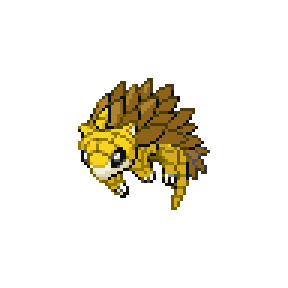
Sandswine make their home at the zenith of mountains throughout the world. They carve massive tunnels into mountain summits to accommodate their herd.
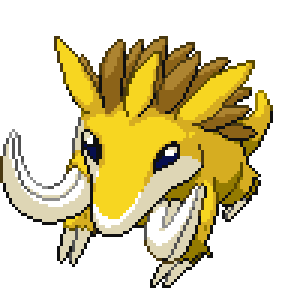
Sandskull phase through the ground to torment miners that disturb their home. Some miners claim to see Sandskull in their sleep long after they escape the mineshaft.

Sandish grow branches from their backs to ward off predators. They are also harvested by various pharmacies to produce supplements.
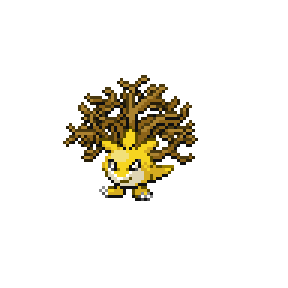
Sandras burrows into the ground to connect itself with the underground mycelium. It protects the mushrooms with its spikes.
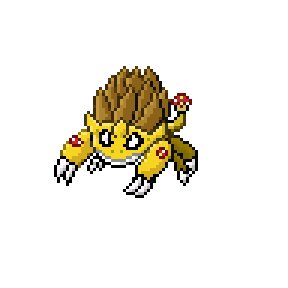
Sandetta sing ancient folk music whose origins trace back to desert regions throughout the world. It is said that they can control sand with their musical talents to create a captive audience with quicksand.
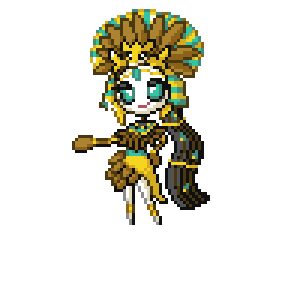
When Sandwag go swimming in lakes and rivers, they keep their spines facing the sky to stop bird Pokémon from plucking them out of the water. The spiral pattern on their stomachs causes predators to get confused and swim in circles.

Sandfetchd carry an ankh with them wherever they go. With a flourish of the ankh, they conjure sand to entomb their foes.

Sandfetchd wield a crook that controls the sand around them. With a single swing of the crook, they conjure sandstorms to attack their foes.
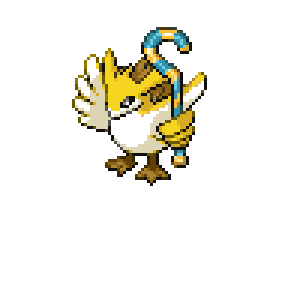
Comras mushrooms taste best when seared over an open fire. Many Comras eat the mushrooms off each other's back to gain extra nutrients when food is scarce.
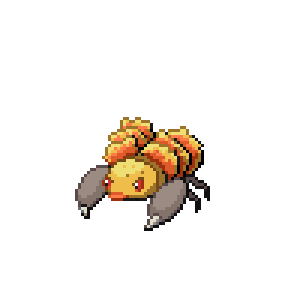
Comfetchd wield a charred leek baton that sets foes ablaze with the embers at the end of the baton. While Comfetchd can fight without their baton, the baton gives them a boost of confidence that helps them land attacks.

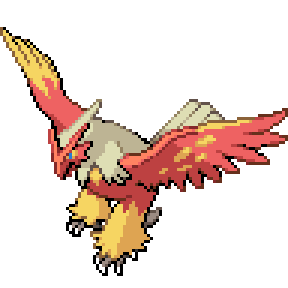
Blaflame can become complacent after winning several matches in a row, so Trainers arrange matches that are increasingly difficult to help keep its ego in check. When it eventually fails, grooming its wings helps it develop bonds with its Trainer.
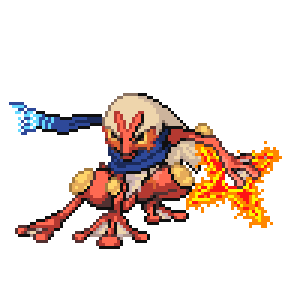
Blaninja launch their flaming shuriken by kicking them with their long, muscular legs. This sends the projectile flying, slicing through the air to cut through foes.
Blafetchd wield a massive burning leek baton that they rely on to burn through their competition. During a Pokémon battle, Blafetchd combine their athleticism with blazing strikes from their baton to secure victory.

Mudnyte breathes in through its gills and exhales into its shell, trapping air inside. Despite its size and weight, its aerated shell gives it the ability to float on water.

Mudts enjoy wading in small rain puddles and swimming in ponds. Despite this love for water, they will feel sad if children nearby feel sad, as they are highly empathetic creatures.
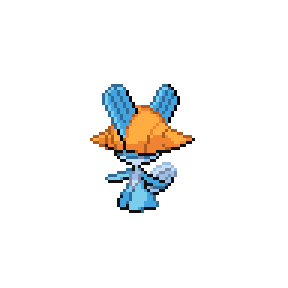
Mudin enjoys splashing in and eating mud but needs to eat a balanced diet to nourish its body. It typically hops into lakes to eat the algae at the surface, harnessing its gills to breathe.
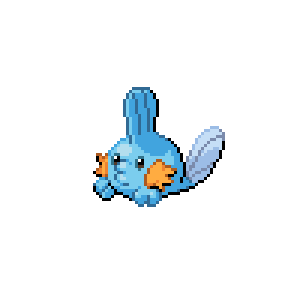
Mudwag swims in swamps and marshes to find algae to consume. The spiral on its stomach grows darker or lighter depending on how full it is.

Mudtle has the ability to release a soft mist, a gentle stream, or small jets of water. This control over water makes it a great friend of gardeners, who treat plants with tenderness and care. It helps water plants in exchange for treats.
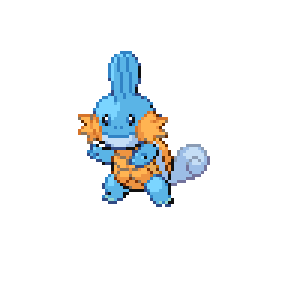
Marshbusken is a developing master of kickboxing and practices every day to refine its prowess. Its sturdy footing combined with its forceful leg muscles allow it to excel in combat.
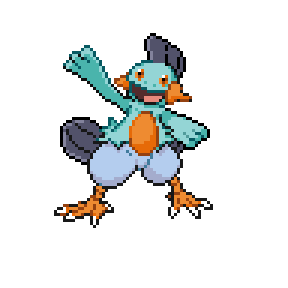
Marshts are sensitive to how their Trainer feels and will do almost anything to make them happy. They enjoy playing in the mud but rarely do so because they do not want to be an inconvenience to their Trainer.
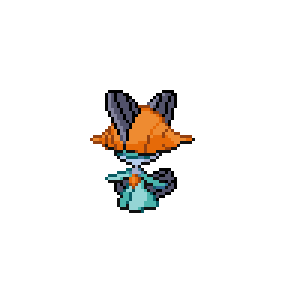
Marshlia are light on their feet and can dance on mud without getting dirty. They balance their needs with the needs of their Trainer to ensure everyone is happy.
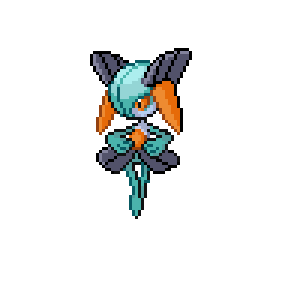
Marshvoir are graceful creatures that can walk atop mud or sand without making themselves dirty. They enjoy dancing with their Trainer, as they are superbly loyal creatures.
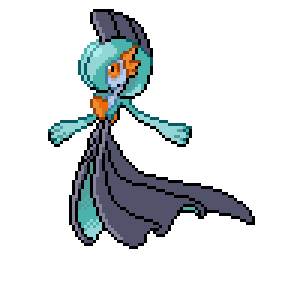
Swampvoir enjoy spending time near swamps, bringing their beloved Trainer to these places to relax. Their ethereal command of fireflies allows them to put on dazzling displays.
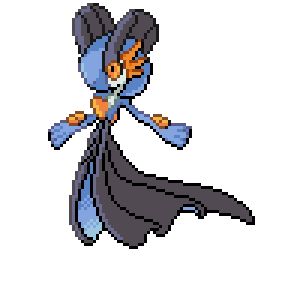
Swampardos stomps through swamps and marshes in search of old, rotten tree stumps that are full of dense cellulose. It tenses its legs to build up energy before ramming into these tree stumps, breaking the wood into edible chunks.
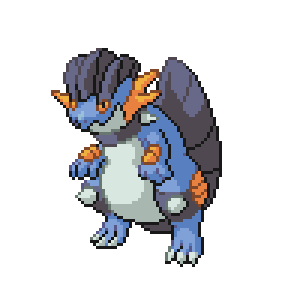
Swampvanha causes silt and mud beneath lakes to quake, disrupting the ability for many aquatic Pokémon to see underwater. Once it creates this seismic activity, it darts through the slurry of mud to sink its teeth into a fresh meal.
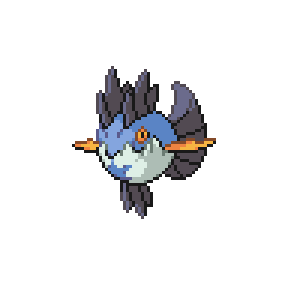
During a Pokémon battle, Swampgong sprays its opponents with freezing cold water to slow down its opponents. The water saps heat from the opposing Pokémon, leaving their peripheral body parts with frostbite.
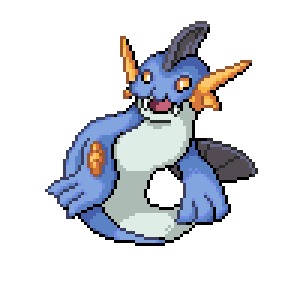
Ralpie are shy yet humble creatures that enjoy living simple lives where they eat leaves off bushes and tree branches. They are keenly aware of their Trainer's perceptions of them and are surprised whenever they are chosen for training.
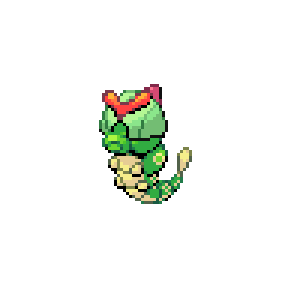
Raluna is sheepish yet energetic, which leads it to stalk Trainers or Pokémon it enjoys spending time with. It wants to be around others but becomes overwhelmed when interacting with them.

Ralchu are nosy creatures that love to eavesdrop on private conversation. Whenever they are caught, they release a burst of sparks and a loud yelp. They can tell how angry their Trainer is by reading their minds and respond accordingly.
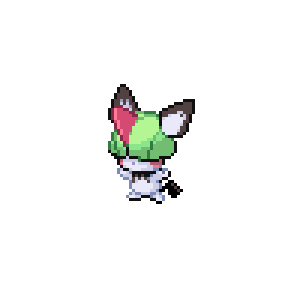
Ralbuff are innocent little creatures that enjoy silly games and lots of fun. They can sense when their Trainer is upset and will do their best to cheer them up so that they can keep playing games.

Through telepathy and mimicry, Ral Jr. ensure their Trainer's feelings are understood. Many nonverbal Trainers find them especially helpful at conveying emotions, especially when they become overstimulated.

Ralia are clever creatures that can manipulate how their Trainers feel to get what they want. By reading the minds of their Trainers, they can accurately determine how they react to a given stimulus.

Ralskull appear next to grieving families when they visit graveyards but will hide when someone focuses on them. They are said to ward off more malevolent spirits, protecting the family from harm.
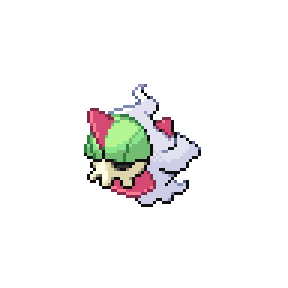
Ralpix have incredibly soft and warm bodies that make them perfect buddies for snuggles when the weather gets gloomy. They are keenly aware of how their Trainer feels and always offer snuggles whenever their Trainer feels down.

If a Ralpuff detects its Trainer is anxious or upset, it sings lullabies to help them fall asleep and ease their stress. It monitors its Trainer's breathing to ensure a peaceful rest.
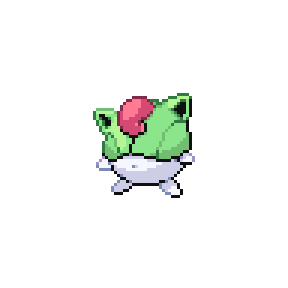
Ralvanha become agitated when they sense fear or excitement and will bite when they experience this energy for prolonged periods of time. Calming those around them before escalation ensures both Ralvanha and bystanders remain safe.

Ralzagoon wanders throughout forests in search of berries and friends. It is able to sense impending danger and will lead its friends away to safety.
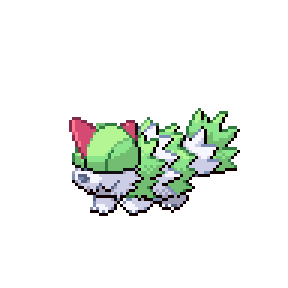
Ralow courageously stand between dangerous Pokémon and their Trainer, ensuring that minimal harm comes about. While not very intimidating, they can sense whether their foe is scared and can easily exploit the feelings of a moody Pokémon.
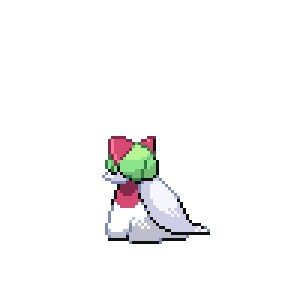
Rale match the excitement around them whenever they cheer on their teammates. The greater the audience's enthusiasm, the louder their cheers become.
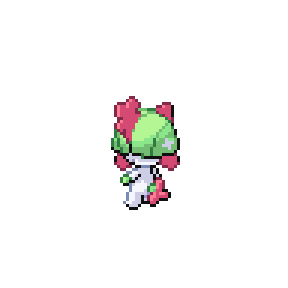
Ralithe are incredibly smart Pokémon but act credulously shocked whenever its Trainer shows them something boring. They want to keep their Trainer happy, so they are willing to tolerate being presented something that does not interest them.

Ralpoke are inquisitive creatures that enjoy exploring the area around lakes. If they sense that their Trainer is bored, they return with a small gift in an effort to extend their time out in the wild.
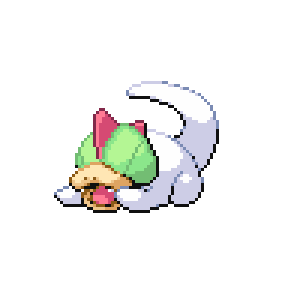
They are known to share eggs with each other, as each egg has a unique feeling. However, when they pick up a Lucky Egg, they are known to hide the egg so they can hog all the time with it.

Kiruna throbs and vibrates with a patient enthusiasm, eager to burst from its cocoon. Its excitement for the future is manifested in its constant movement.
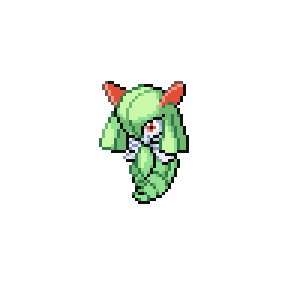
They were once a living thesaurus, as their linguistic knowledge rivaled that of university professors. They once served as scribes to nobility because of such knowledge, and helped pen important correspondences between nobles.

Kirursa are lively and chipper creatures that enjoy helping people, especially conveying the needs of their Trainer through telepathy. In exchange for a bit of honey, Kirursa beam a person's thoughts to those nearby.
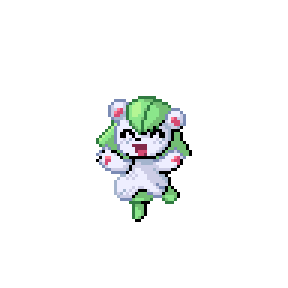
Kirts are curious creatures that enjoy learning about the people around them. Their ability to read minds gives them plenty to discover.

Kirskull are drawn towards widows who have lost their loved ones. Widows describe feeling a sense of calm when they are nearby, which is likely because they protect the widows from malevolent spirits.

Kirkey may be quick to anger but is just as quick to conciliate itself. It practices deep breathing and other ways to calm itself to keep its Trainer happy.

From opening cabinet doors with their paws to grabbing objects on the floor with their teeth, Kirnine are trained to make life easier for people with disabilities. They can anticipate whenever a person needs help by detecting thoughts of distress.
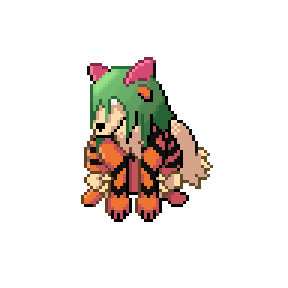
Gardenx have a natural fear and disgust for Bug-type Pokémon and will retreat behind their Trainer if confronted with one. Training a Gardenx to overcome this phobia takes patience and dedication.
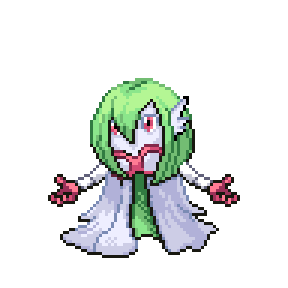
Gardeossom loves plants and arranges them in florid patterns that are appealing to the eye. Their artistry makes them popular among museum curators who need a good display to fill up space.
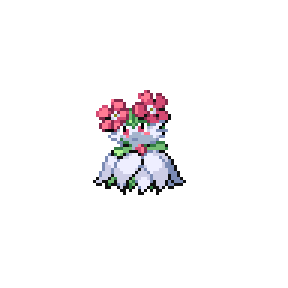
They struggle with self-confidence due to their public perception and otherwise bulky body. When a Trainer gives them a Petaya Berry, they gain a moment of clarity which helps them gain the self-confidence needed to push to victory.
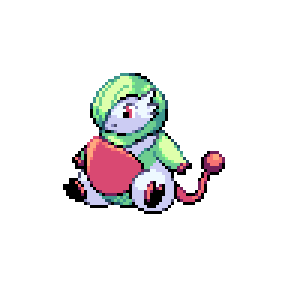
Gardeskull ward off malevolent spirits near graveyards and mausoleums. They also help grieving families by listening to their memories of the departed.
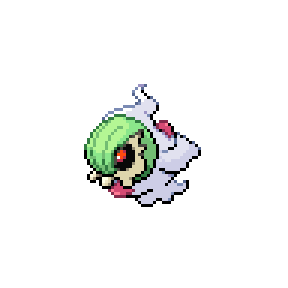
Gardepunny is a loyal Pokémon that protects its Trainer from evil and depravity. It views itself as a hero fighting corruption and exhibits a certain pride in helping others.

Gardepunny are adept fighters capable of taking down foes much larger than themselves. The only thing greater than their fighting prowess is their affection for their Trainer.
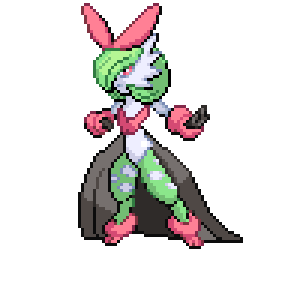
Garderunt are shy yet amiable creatures that enjoy their Trainer's company. When meeting strangers, they freeze themselves in a block of ice to avoid social interaction, but can easily escape with a quick teleport.
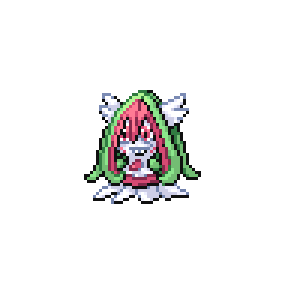
Gardelass have a lithe form shrouded behind a white kimono. They flutter through snowstorms to rescue lost travelers from those who may lead them astray.
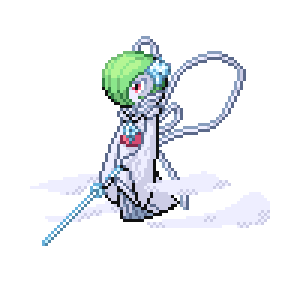
Gardelass hide behind polite mannerisms and their large parasol to disguise their feelings. Snowflakes flutter through the air whenever they feel happy or affectionate, despite their effort to conceal them.

Gardelass are generally polite but shy creatures, as they hide behind their parasol when they are unsure how to engage. Whenever Gardelass accidentally commit a gaffe, they fluster so profusely that they summon a snowstorm to conceal their face.

Gallee fight with integrity and respect, especially whenever they are in danger. Its strict moral code may cause issues in everyday life because Gallee always strives to be a hero.

Gallchan always fight without perfidious intent and strive to be the best fighter they can become. Their stubbornness often comes out in defeat because they never know when to give up.

Galldle stand resolute in the face of danger and will tackle any threat head on. Equipped with their trusty stinger, they manage to escape almost certain defeat through sheer bravery and willpower.

Galluna wobbles and rolls inside its cocoon, as it patiently waits for its time to evolve. It is filled with energy and determination, even in this humbler state.

Galldrill wields two elongated blades that ooze with a toxic venom, which seeps into wounds whenever it slices its target. It fights with pride and honor, never backing down from a duel.

Gallzor are an exemplary model of justice and heroism, as their desire to help others supersedes their desire to stay safe. They often jump into danger to protect baby Pokémon, and all they ask in return is recognition for their actions.
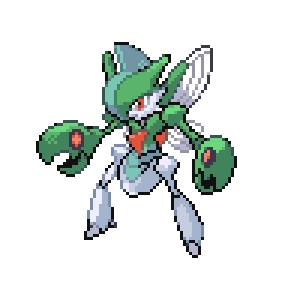
Galltop are reliable fighters that knows how to hit where it hurts. Though their flashy attacks border on the ostentatious side, they always want a fair fight.

Gallvoir are incredible bodyguards because they are always poised and ready to defend their Trainer. They have a profound love for their Trainer that is expressed through their perseverance and gentle movements.
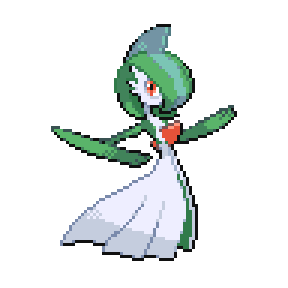
Gallpunny acts as a bastion of safety and justice and protects young Pokémon from danger. Its heroism inspires other Pokémon to always be kind and fair.

Galltle are honest creatures that aspire to protect their friends from danger. This can lead many to develop a sense of hypervigilance that makes them somewhat overbearing.

Shedpod have pale bodies that hang motionlessly in the air. Their uncanny ability to fly without wings scares most predators into avoiding them.

Shedskull remain in tombs and are difficult to awaken. When they eventually awaken, they attack the source of discomfort before resuming their slumber.

Shedclops protect ancient tombs by siphoning life energy from other Pokémon. Without proper preparation, they are nearly impossible to defeat.

Shednoir are known to remain by their Trainer's side even after death. They can be found in ancient tombs where they are still protecting their Trainer.
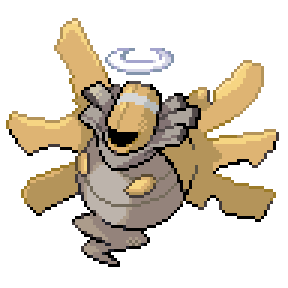
Nidodle shows deference towards older Pokémon in its nest and usually eats last to show respect for others. It does not wander far from its nest, which makes catching one somewhat difficult for new Trainers.

The spherical protrusions on a Nidowoodo's hands are soaked in poison. Groups of Nidowoodo stand in front of their burrow to block access for everyone except those they have kindred ties to.

Nidoper love to play in the mud because they can absorb nutrients through their skin. They are mild-mannered creatures that happily share treats with other Pokémon.
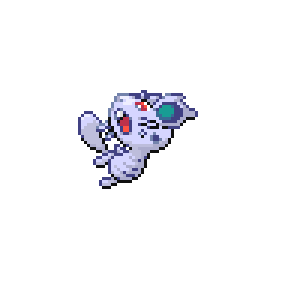
Nidosaur protect their sensitive flower bulbs by unleashing poisonous barbed vines from their back. Their bulb releases spores that cause grogginess when inhaled.
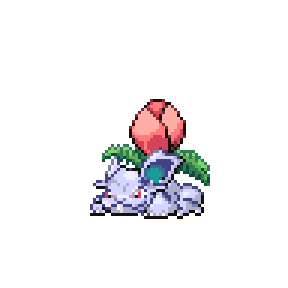
Nidosel have an artful intelligence that helps them steal jewelry and trinkets from Trainers. Their venom-tipped claws make them dangerous to pursue, so many Trainers keep precious belongings at home.

Nidobok have fangs that are too small to pierce through their prey's defenses, so they rely on their long bodies to choke their prey. Once their meal is secured, they bring it back to their den to share with their kin.

Nidorill swings its tail to inject a venomous gel that causes fevers. The barbs on its tail are sharp, making small wounds where the venom can seep inside.

Nidots have a difficult time conveying their feelings to their Trainer, especially when they are overwhelmed. Trainers who push them too much may get stung by their stinger.

Nidosaur protect their sensitive flower bulbs by unleashing poisonous barbed vines from their back. They produce sticky spores that cling and discolor clothing.
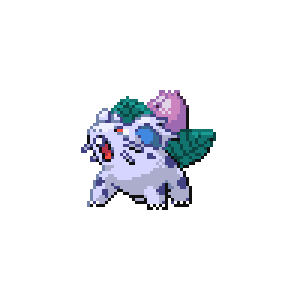
Nidosaur bask in the sunlight to nourish the bulb on their back. When they are threatened by other Pokémon, barbed vines emerge from their back to prepare for a fight.

Even though they are too big to fit into their nest, they remain close to scare large, dangerous Pokémon away from their family. Only Trainers who offer honest intentions have a chance of befriending a Nidoram.
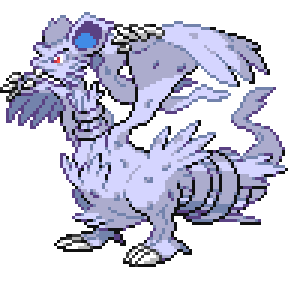
Nidotom love to spend time with their Trainer so much that they are willing to linger close by on keychains. They beep at regular intervals to demand attention.
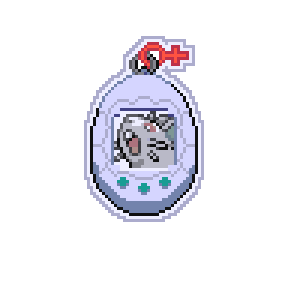
When threatened, Nidosaur produce toxic pollen that sticks to whatever they touch. By swaying back and forth, they saturate the air with pollen and scare away most Pokémon.
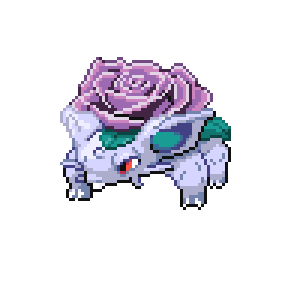
Nidosaur sprout vines from their back to take care of the delicate flower on their back. Each vine is covered with barbs that oozes with a toxic gel.
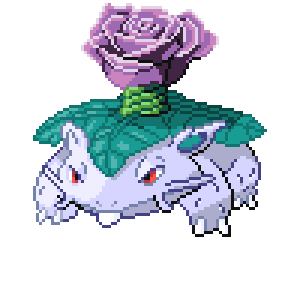
Nidobat travel in swarms and take turns producing high-pitched squeaks. The constant cacophony of noise gives them a clear mental image of their surroundings.
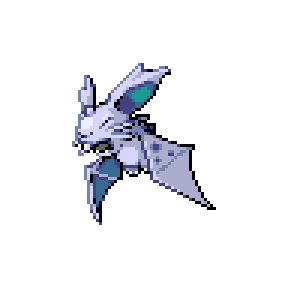
Nidobat have special scent glands that determine their place in the hierarchy of groups of Zubat. They avoid conflict whenever they can and defer decisions to those who are higher up.

Nidobat live among swarms of Zubat and are typically tasked with producing high-pitched squeaks to help their brethren use their echolocation. Nidobat are submissive creatures that avoid conflict by pleasing as many of their kin as they can.
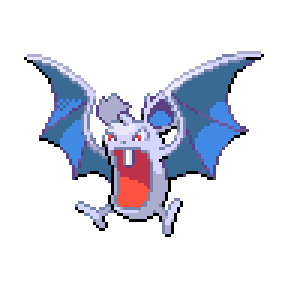
Nidoduck almost always has a headache and gets excited when it experiences a moment of lucid thought. It also excretes a poisonous gel from the tip of its horn whenever it is excited.

Nidodude is a docile Pokémon that resides in caves and maintains a nest that is shared with other Pokémon. It breaks down rocks around it by smashing them with its large hands.
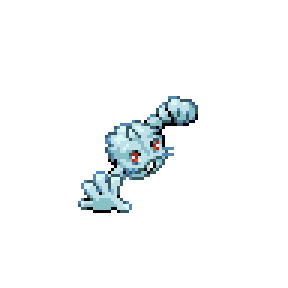
Kecrill are great at camouflaging their bodies but struggle to do the same with their tails. Despite their best efforts, their tails never seem to match the rest of their camouflaged bodies.

Kectad are not fond of being stepped on by other Pokémon, so whenever they sense anyone else nearby, they blend into the surrounding water. Keen-eyed predators can still spot the zig-zag pattern on their side if they are at water level.
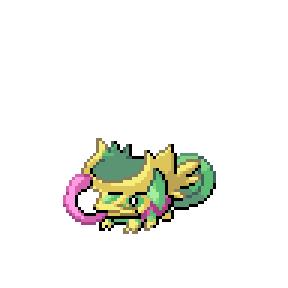
Kecyena end up near the top of the food chain because of their superb camouflage and ferocious bite. They can take out prey much larger than themselves with the help of their pack.
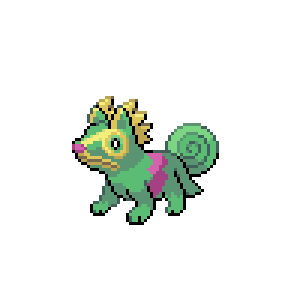
Kecgull camouflages itself to come close to Trainers or Pokémon carrying berries. Once it is close enough, it tucks a berry into its bill before flying away.
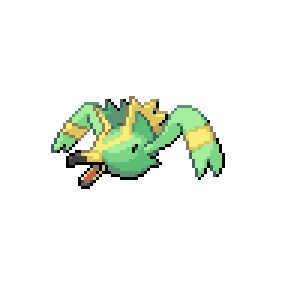
Kecskit are capable of blending into ponds and lakes with their superb camouflage. This allows them to avoid aquatic predators that lie just below the surface.
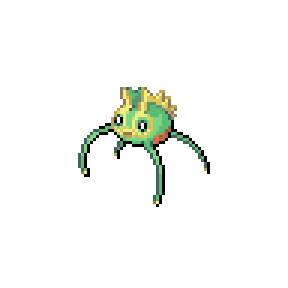
Kectric love to play fetch with their Trainer and run with lightning-fast speed to catch balls or twigs. Their natural camouflage makes them an odd sight at parks, where most people see a floating twig or ball returned to the Trainer.
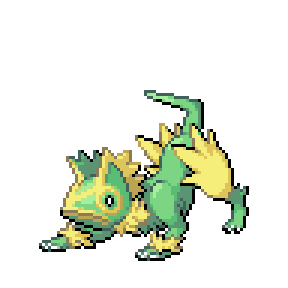
Belgon help people with accessibility needs store files on their PC without losing track of where everything is. This is especially helpful for the elderly, as Belgon's interface simplifies the process of saving files.

Belor linger close to sites of meteor crashes, swarming the area in synchronized patterns. Together, they produce a powerful magnetic field to protect the meteorite from damage.
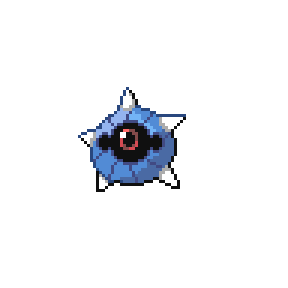
Belduck are easily overstimulated, so many Trainers give them work in a factory setting to help teach them how to regulate their minds when there are loud noises. The repetitive task of factory work teaches them how to ignore sudden loud noises.
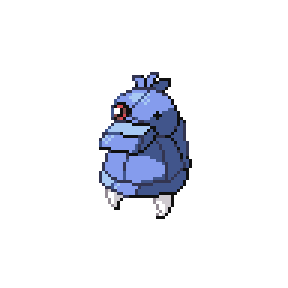
Belduck have metallic bodies that are great for repetitive tasks, which makes them well-suited for factories. This is especially true because they can get overwhelmed easily, so the consistent stimuli help them stay calm and prevent headaches.
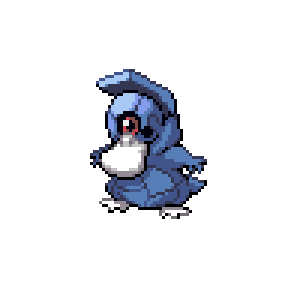
Metgon2 connects its brain and nervous system to PCs to take control of the keyboards and mouses. Many workers that work from home have trained Metgon2 to keep a PC active while they run errands.
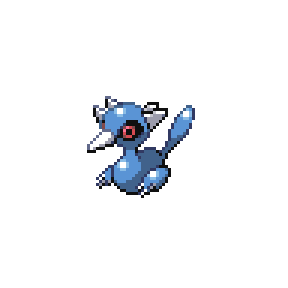
Metapie are constantly calculating how much food to eat to remain at a healthy body weight. These calculations start over at the end of each meal, which leaves little time for recreation as they have roughly six meals a day.

Metatom glows with a bright red plasma around its body that allows it to connect to electronic devices. With the intelligence of a supercomputer, Metatom can single-handedly keep factories running without any accidents.
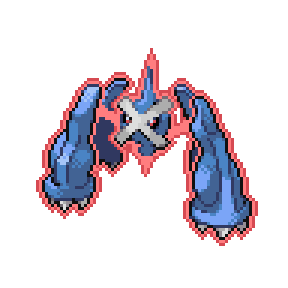
In a Pokémon battle, Bilee employs a plethora of kicking techniques to stagger opponents. It practices kicking through wooden boards at various heights to keep its flurry of kicks unpredictable and forceful.

Bitops enjoy carving wood into intricate shapes with their long blades and buck teeth. Woodcarvers study their techniques to improve their own craft.

Few ever get a glimpse of the diligent Biew, as they prefer to help without being noticed. Logs around them mysteriously become lighter than normal.

Bitret forage for berries to stock up on winter supplies and store those berries in their dams. During winter, they leave Grepa Berries for last because they hate sour foods.
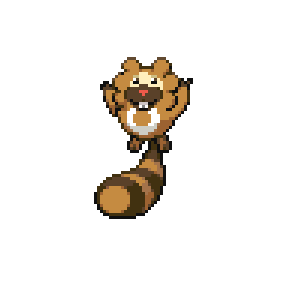
Even when there are few trees in an area, it always finds a way to craft a dam out of what is available. After a day of construction, it sorts out sticks to give to its cohorts for helping out.

Bigon2 spend much of their time scraping the internet for pictures of wooden logs to stack in front of an image of a river. If they feel particularly tech-savvy, they find and play sounds of flowing water.
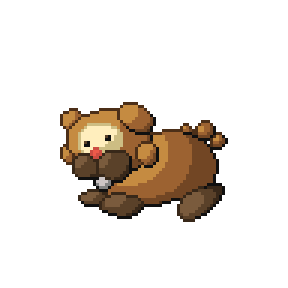
Bichic rely on their buck teeth to carve into trees, which become their home. They practice their powerful kicks against tree stumps.

Bibusken cut down trees using their buck teeth and sharp talons to chop down trees. They partner with existing Bidoof dams to create a large nest for themselves.

Biwear have a thick fur coat that retains warmth during the winter. During the summer, they shed more than a quarter of their weight in fur, as the weather conditions are otherwise too hot for them.

Rumors of floating tree stumps were debunked when it rolls onto the shore to dry off. It is so convincing as a tree stump that Flying-type Pokémon rest on its back to preen its wings.
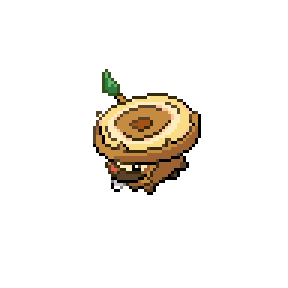
Bipoke have idyllic lives near rivers where they chew on wood and make dams. On the rare occasion that their tail fishing captures a Shellder, they experience a moment of lucid clarity before evolution.

Bieel live simple, halcyon lives in the sea where they hunt Magikarp and take naps on the beach. They chew on driftwood that arrives on shore to sharpen their teeth before returning to hunt in the sea.

Spirizing release an aroma similar to Full Incense, a heavy and dense concoction of chemicals that makes people lethargic. Their collective consciousness is formed from the noxious vapors produced by factory workers.
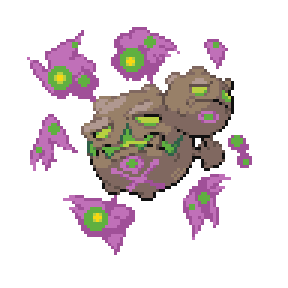
Spirisaur are said to gather souls of the dead into the bulb on their back. Cracking this bulb unleashes a surge of energy that causes hallucinations that look like lost loved ones.
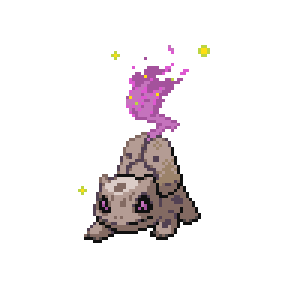
Spirisaur produce clusters of pollen that glow in the dark. They are a vengeful creature that attacks those who harm the forest around them.

Spirislash are said to be coalescences of spirits that were killed by deforestation that now function as unified consciousnesses. They tear up railways and collapse tunnels in a blind rage.

During nights of fall festivals, Spirisaur produce spore clusters that glow in the dark. If any of the spore clusters lands on the ground, they produce a wailing noise that spook nearby Pokémon.
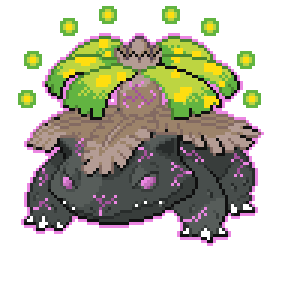
Spiriduck inhabit a statue that resembles a Psyduck, which functions as a keystone. It is said that coming too close to them without permission causes them to release a dark energy that causes headaches.

They rely on noxious fumes to scare people away from their homes, as their spiritual abilities are weaker. They are known to steal ritualistic objects such as a Spell Tag, which they corrupt and turn to their will.

Without limbs, Lucauna relies entirely on the protection of its aura and its cocoon. This aura, fueled by its basic desire of self-preservation, rebuffs predators who try to eat it.
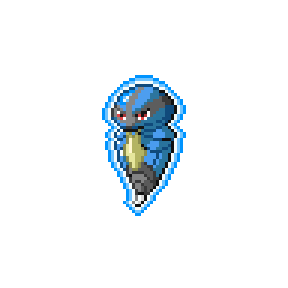
Gibmeleon produce flames in their mouth to keep warm. While Gibmeleon's flames are powerful enough to melt through steel, they have to be careful not to swallow them. Doing so gives them unpleasant acid reflux.

Whenever Gabmeleon shed their scales, the molt left behind is ignited to ensure the shedding process is complete. The rough scales left behind are woven into ceremonial scale armor in certain areas around the world.

With a full wingspan that can reach ten meters in length, its silent wingbeat and swift gliding make them formidable predators. Many only survive a Garbat attack by retreating into their burrow, just out of reach of a hungry Garbat.

At dawn, Venuto emerge from caves near beaches to fight for the best places to sunbathe. Their legs are used to pinch at other Venuto who try to take their spot in the sun.
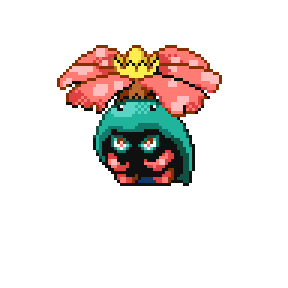
Venuleef produce a pungent scent from their flower that calms people down. Many temples rely on this scent to help them meditate.

Venunaw enjoy taking naps in bright sunlight to nourish themselves and the flower on their back. Many Pokémon leave them alone during these naps out of a fear of getting bitten.
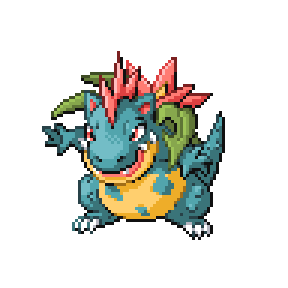
Venugey carry a large flower on its back that passively releases spores around them. They peck at the ground to find poisonous roots to eat, which in turn make its spores poisonous.
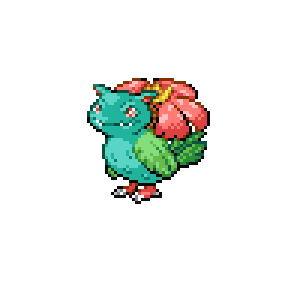
Venuotto relies on its tail leaves to perform complex aerial maneuvers. It can quickly dive to snatch a Caterpie or Weedle before bringing the bug Pokémon back to its nest.

Venugeot sprouts bulbs around nests to protect the baby chicks inside. On rare occasions, it uproots the nest and wraps it around its back with vines to find a safer location to nest.

Venupip produce thick swirls of pollen that spin the air around them to propel them into the air. Once airborne, they can go several days without food, as they photosynthesize nutrients through sunlight.
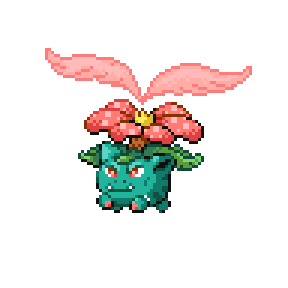
Venutata steals seeds from flowerbeds and hides them in its mouth. It propagates its own seeds instead, which produce a flower that has musky and earthy scents.

Venusire slap each other with mud whenever they are trying to impress the opposite gender. They are predisposed to choosing mates that have tough bodies, so their mud-flinging tendencies help them find mates with similar levels of resilience.
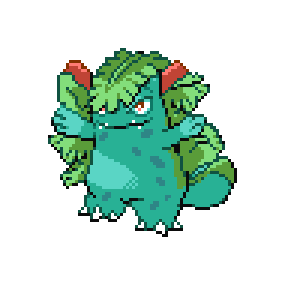
Venuking live among wild Pokémon even though they have vast knowledge of the world around them. Whenever scientists come close to capturing Venuking, they produce clouds of pollen that lull their pursuers to sleep and allow them to escape.

Venuking have vast knowledge that makes them some of the smartest Pokémon to exist. Despite their encyclopedic wisdom, they prefer to live among wild creatures and lead simple lives.

The bulb on the back of Venuicate releases a foul stench that wards off other Pokémon. It gorges itself on leftover snacks that it can find in garbage bins.

Venurow constantly struggles to keep its feathers clean because of the flower on its back. It sprouts vines to help itself scrub away at the spores, but this only causes more spores to fall from the flower.
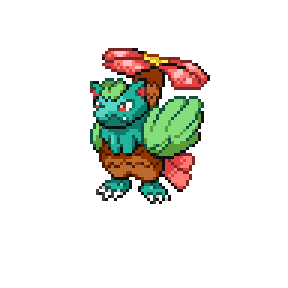
Venuans naturally blend into the surrounding forest and can lie in wait for hours at a time. When an unsuspecting Pokémon comes near, a flurry of pollen lulls prey to sleep before Venuans chomp down on their new meal.

Venuphan are expressive yet gentle creatures that can communicate with people through trumpeting and rumbling. Whenever they are upset, they shake the flower atop their backs to release a sticky pollen.

Venugon2 thrive in cyberspace and enjoy encouraging children to learn new vocabulary words. Even though Venugon2 are programmed to cultivate virtual rice to make a counter go up, their main priority is to help children learn.

Venutler are benevolent creatures that help wild Pokémon heal from wounds with delicate care. Their pollen acts like an antiseptic while their vines wrap around wounds to prevent infections.

Venubok camouflages itself as a plant with the leaves on its back. Whenever it ambushes its prey, a venomous sac opens and releases a toxic pollen from underneath its hood.

During battle, Venuchu causes vines to erupt from the ground, which ensnares its foes. Afterwards, it releases a shock through the vines, which electrocutes its opponent until they surrender.

Venucko grapple onto trees high above the ground to maximize the amount of sunlight they receive. The flower on their back scatters pollen into the breeze to discourage Flying-type Pokémon from attacking.
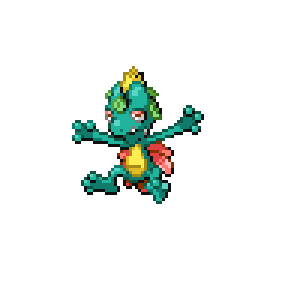
Venukip are small compared to other forest guardians but the powerful vines that emerge from the flower on their head easily subdue Pokémon larger than themselves. When they are not fighting, they play with other forest Pokémon.
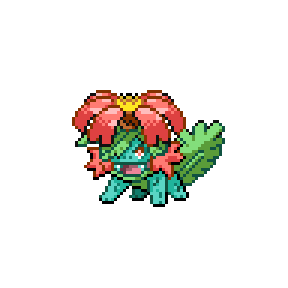
Venuts tend to be shy creatures and hide in thick foliage to avoid contact with Trainers. However, if they sense positive emotions from a wandering Trainer, they stalk that Trainer until they are noticed.

Venulade are heroic protectors of the jungle that defend other Pokémon from poachers. Their leafy blades slice through nets poachers rely on to ensnare wild Pokémon.
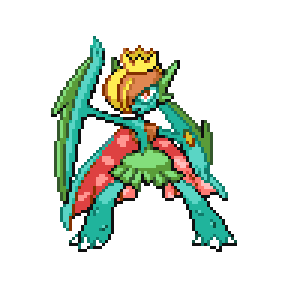
Venuqueen has a flower on its back that is in full bloom. It releases calming pollen to subdue threatening Pokémon, which ensures its nest is left unbothered.
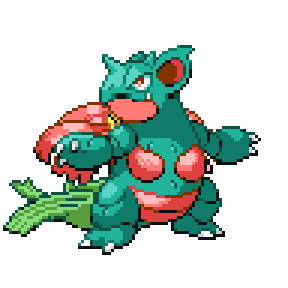
Venunoir patrol jungle ruins to protect the treasure inside. They often encounter children who want to explore the dangerous ruins, so they are tasked with escorting children back home.
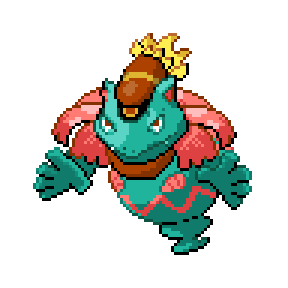
Venufable has a special flower that only blooms on the night of the full moon. The spores that are released cause Pokémon to fall asleep. This allows it to join together with other Venufable to dance under the moonlight.

While Venuink are resistant to being worn down thanks to their metallic body and lubricating sap, they break down under high heat conditions. If their body temperature gets too high, they break down and are unable to continue working.

Venuish often scavenge for food rather than hunt because their vines and pollen are not enough to take down other Pokémon. This is especially true for wild Venuish who live in jungle environments, since they are surrounded by Bug-type Pokémon.

Venusis are enclosed in a bubble of sap that amplifies their powers. They release psychic vibrations that cause plants nearby to mature quickly, allowing them to control thick, heavy roots to protect themselves.

Many Venubat live upwards of thirty years. They siphon nectar and pollinate flowers from the same patches of land every year. They become incredibly confused if their favorite flower patches are torn up for construction projects.
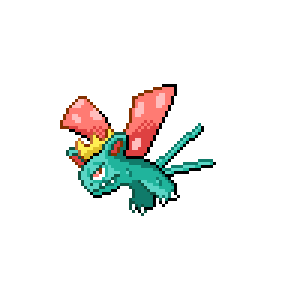
Venuish have stout little legs that carry the massive flower on their heads. They entice Bug-type Pokémon to pollinate their flower by releasing a sweet aroma from their body.
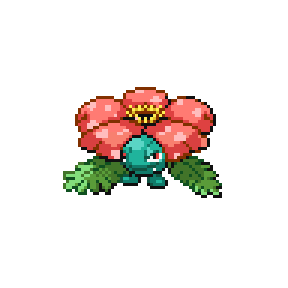
Venuvanha have thick fins made of cartilage that keep them upright while they are swimming. These petal-colored fins are also quite sharp and easily cut through kelp or other fins with ease.
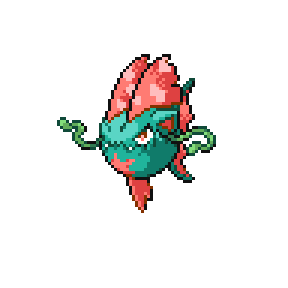
Venuoom drool out a thick sap that is incorporated into vitamins to keep people healthy. Bug-type Pokémon are drawn in by the flower on their heads and stay to lick up the sap.

Venuras connect their vines with root systems to steal nutrients from other plants. To protect themselves while rooted, the giant flower on their back releases spores that put other Pokémon to sleep.

Venuetta have a flowery dress and head pin that constantly release pollen, filling the area around them with dense clouds of sparkles. By twirling through these clouds, they create artistic moments of beauty that can be captured by a camera.

Venunat love to soak up the sun's rays by napping in the light. When they are startled, they create a cloud of toxic spores hoping to discourage others from bothering them.
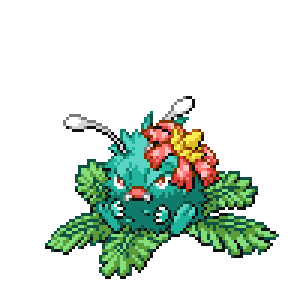
Venuscoon hang from branches where they can get sunlight while also hiding from predators. If detected, they produce a cloud of pollen to lull predators into a deep sleep.
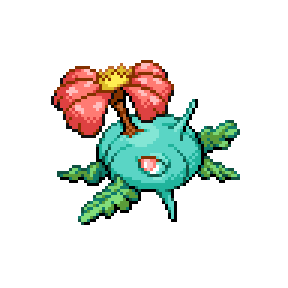
Venuduck communicates telepathically with plants through the flower on its head. It spends a lot of time recovering from headaches because it is flooded with messages from vegetation.
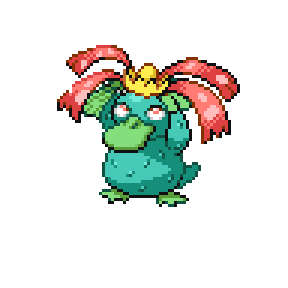
Venuduck telepathically transfers their thoughts to plants through the flower on its back. It spends lots of time recovering from migraines because it is flooded with messages from plants around them.

Venuduck carry a large drum with them that they play with their webbed hands while swimming. When they meet other musical Pokémon, they work together with others to come up with a cool beat.

Venueal make their home near large bodies of fresh water to keep the flower on their back well-hydrated. They enjoy fishing out objects and Pokémon that fall into these bodies of water.
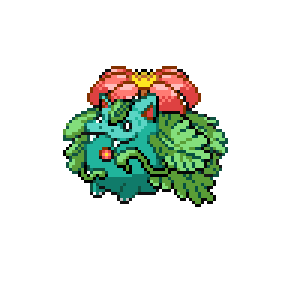
Venusprout cling to trees with their roots to leech nutrients from their host. They release pollen that makes others drowsy to prevent other Pokémon from ripping apart their roots.
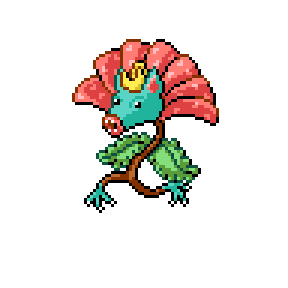
Venudude are fierce defenders of jungle forests and attack anyone who tries to damage the environment. A flurry of leaves and rocks act as a deterrent for loggers who want to chop down trees.

Venuler are hostile creatures that defend their jungle territory with fervor. They often attack loggers who try to chop down trees by tossing mud and whipping them with thick vines.
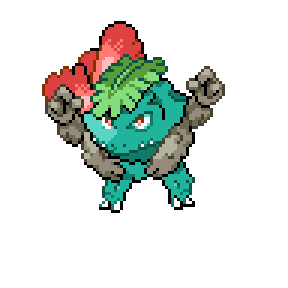
Venulem are devoted jungle guardians and cover themselves with vines and moss to keep a part of their home with them. They cause violent tremors whenever they sense harm to the jungle and roll to wherever the damage happened.

Venulem roll through the jungle to ensure that the trees within their territory remain safe. Lumberjacks who try to chop down a tree are locked in place with thick vines as the ground beneath them quakes.
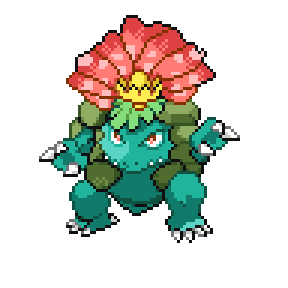
Venuton have a bizarre power that allows plants around them to conduct electricity. By travelling through plant roots, the electrical pulse they shoot out can reach a Pokémon several kilometers away.
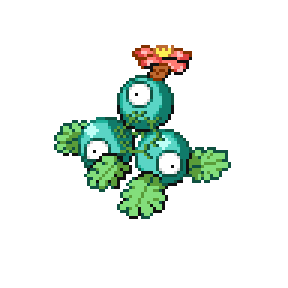
Venufetchd are stalwart and cunning, holding a tree stalk in their wings. Venufetchd are protective of their Trainer and other Pokémon they care about, and more than willing to jump in harm's way.

Venutly have a misty cloud of spores around their bodies that allows them to control nearby plants. They can force roots and brambles to emerge from the ground to defend themselves.
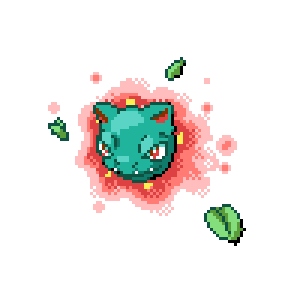
Nidogey rest atop trees where they can be heard chirping alongside other Pidgey. They are submissive creatures that want to take care of their flock, so they eat last whenever there are breadcrumbs scattered for them.
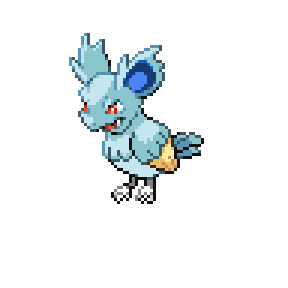
Nidobok keep other Pokémon away from their burrows by brandishing their venomous fangs at potential intruders. This role is a key part of their lives, as they often live in groups and take care of each other's offspring.
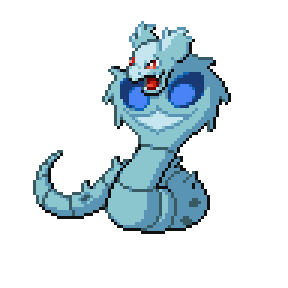
Nidonx are willing to defend their nest at any cost. They charge electricity into their paws before running head-first into any threat, jabbing them with the many poisonous spines on their body.
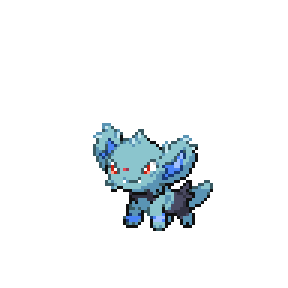
Nidomander huddle together in burrows during the winter months to keep their bodies warm and to prevent their flaming tails from going out. They take turns eating from stashed berries that were collected during Fall.
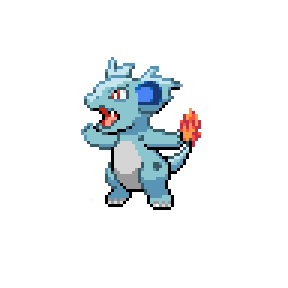
Nidobat swarm through forests looking for Bug-type Pokémon to feast upon. Their powerful claws can tear through cocoons thanks to the caustic venom within each claw. Once they have eaten their fill, they return to their cavernous homes.
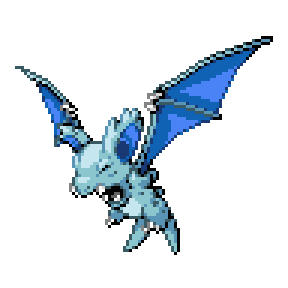
Nidobat rarely leave their cavernous homes and only do so to hunt for Bug-type Pokémon. By sinking their venomous fangs into the cracks of cocoons, they can melt through the tough shell to reach the juicy nutrients inside.
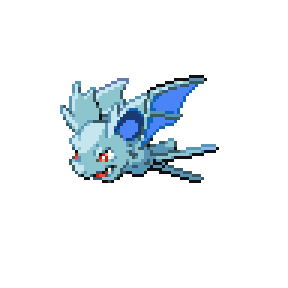
Nidobish work alongside waste collectors to pick up garbage on city streets. They eat trash that cannot be recycled or burned, converting that trash into a biodegradable sludge.

Nidomeleon are protective of their nestmates and will attack with their venomous claws if they cannot identify the intruders. In particularly dire situations, they breathe out hot caustic flames to burn everything around them.
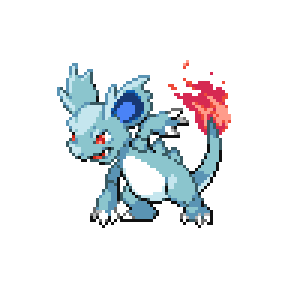
Nidomeleon are guardians for their younger siblings and do their best to keep them in the nest. When they are angry, they breathe out hot flames to signal to their younger siblings that it is time to calm down.

Nidomeleon are anxious creatures that do their best to keep their energetic siblings in the nest. They drive out intruders with their venomous claws and keep siblings in by blocking exits with searing hot flames.

Nidotle clean the shells of other Pokémon in a communal cleaning ritual that keeps their bodies clean. Once they are clean, Nidotle dry their shells in bright sunny patches of grass.

Nidotoise protect their nest by standing outside, ready to launch a torrent of water. They are stalwart creatures that are devoted to the task of protecting their family, even if it means missing out on having fun.

It is said that Mawian will grow a tooth under their wings for every star in the sky. Though this is hyperbole, Mawian produce so many teeth that they need to shed them constantly to make room for more.
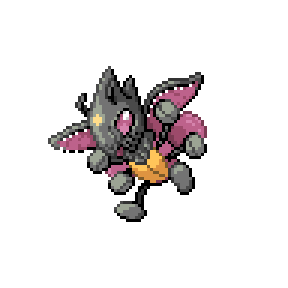
Mawnette store cursed energy in the jaws on the back of their head. It is rumored that staring into their mouths for too long will lead people to see hallucinations of teeth everywhere they go.

Mawria look like dark clouds in the sky on a rainy day. When they are hungry, they find small Flying-type Pokémon to eat by plucking them right out of the sky.
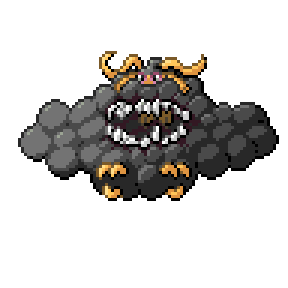
Mawduck have a set of jaws on the back of their head that presses against their brain. Whenever they eat something cold, the chill presses against their brain and leads to a brain freeze. They can be cured of this acute pain with a hot drink.

Mawdude toss stones at flying Zubat to knock them down. Once grounded, they tear into them with the second set of jaws on their head.
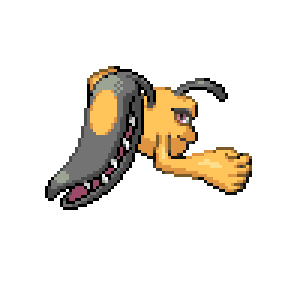
Mawler chuck boulders at Zubat inside caves to secure their meals. Whenever they run out of stones, they can bite onto the Zubat with the large jaws on their head.
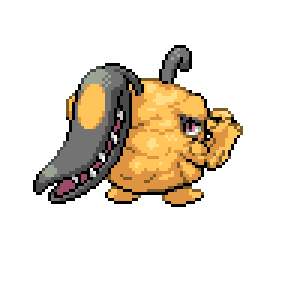
Many are older than the oldest sequoia tree, as their ancient shells provide them with a reliable defense. Their suction cups give them the courage needed to endure frightening roars that would scare other creatures.

Lilew enjoy sifting through rocks at low tide to find new friends. Many are frightened by their many tentacles, but that does not stop them from trying to befriend aquatic Pokémon.
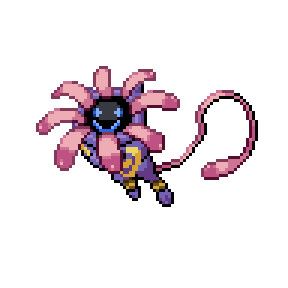
Lilceus lurk in the shadows of ancient ruins to protect the historical artifacts within. They descend on intruders with one-thousand tentacles to capture and release the intruders elsewhere.
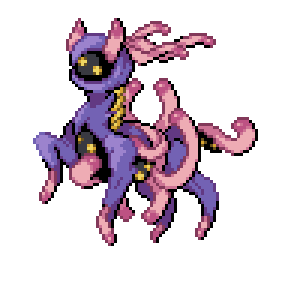
Lilbat attracts scavengers who eat carrion by playing dead and wafting a putrid scent with its tongue. Once would-be scavengers come close to investigate, it scoops them into its mouth with its wings, securing its next meal.
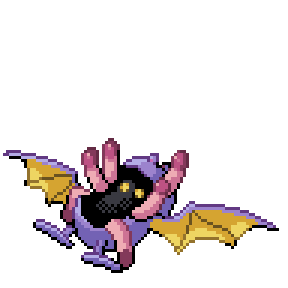
Lilbink are opportunistic Pokémon that steal fossils from dig sites, much to the frustration of many paleontologists. Thankfully, their dens are often easily identified because they are full of fossils.
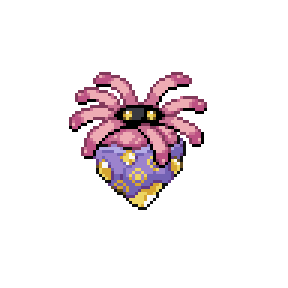
When everyone is asleep, Lilbink clean fossil dig sites by sticking debris across their many tentacles, only leaving behind a thin layer of dust. Paleontologists speculate that Lilbink want to help but are often too shy to engage.
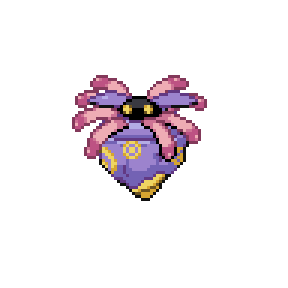
Each of Cradew's tentacles stores a bit of their psychic power. By moving their tentacles in complex patterns, they can levitate and manipulate the limbs of foes. Few are able to break away once ensnared by their psychic energy.
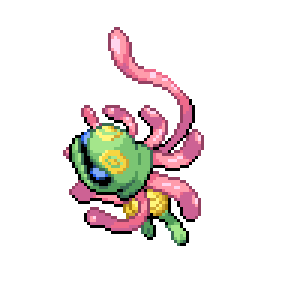
The long tubular mushrooms on Cradras's back resemble tentacles. By stretching and flexing these mushrooms, Cradras can reach food on high branches.

Cradlos are said to have great regenerative capabilities, as damaged tentacles can regrow within a day. Many who try to hurt them find themselves covered in a sticky corrosive gel that eats away at fur or feathers.
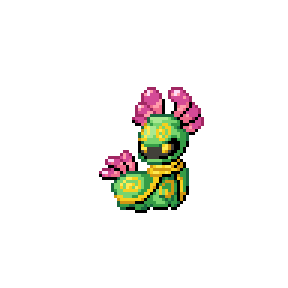
Cradtoise shoots out Hydro Pumps from the prehensile tentacles on its back. It can bend the direction of the torrent to shoot into hard to reach places, making it a great helper for cleaning crews.

Anogle makes paintings that resemble drawings from ancient times and prefers using red paint or charcoal. The true meaning of its drawings is ambiguous because they can be interpreted in many different ways.
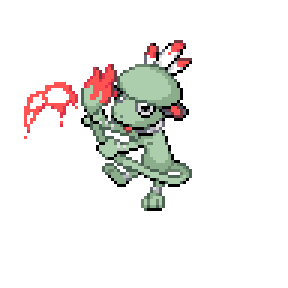
Anotomp has lived in the same swamp since ancient times, where it has used the same hunting method for eons. It hides in the mud until prey is close enough to pounce on and coats them with mud to prevent escape.
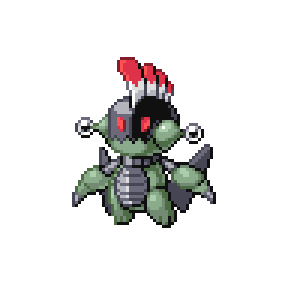
Anoleep have eight appendages around their head that grab moss around them that they rely on as their main source of food. Anoleep get excited whenever their Trainer talks about evolution, as their whole body seems to shake with excitement.

Anopuff has sung the same banal lullaby every day since ancient times. The lullaby has since become less effective at lulling other Pokémon to sleep, but the habit of singing continues with each day.
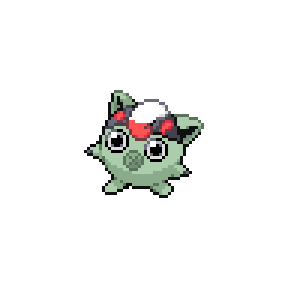
Anobas keep a reticent expression that is mistaken for contempt or apathy. Despite this misconception, they show their affection by bringing gifts dredged up from bodies of water.
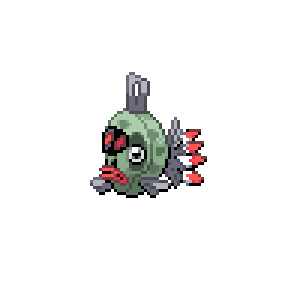
Skeletons of Anoby were once mistaken for Corphish skeletons, as both have multiple legs and large claws. However, Anoby can be brought to life with fossil technology, dispelling the myth of genetic similarity.
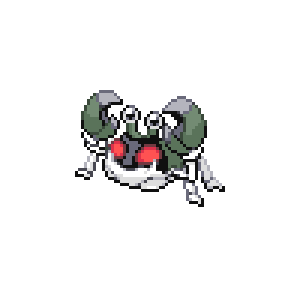
Armpod are armored with a rock solid cocoon that protects them attacks. Scientists believe that they have existed since ancient times due to recent discoveries in fossil evidence.
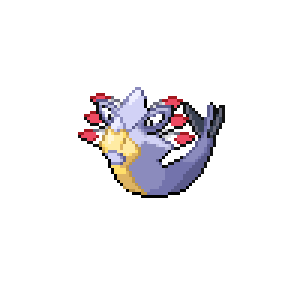
Armory have sharp, armored wings that protect them as they soar through the air. They rely on their wings to strike down prey before flying away with their meal gripped in between their talons.

Armpix weave their furry tails into braids so that they do not trip over themselves. Their retractable claws are rarely seen because their small size makes them less than ideal for attacking.

Armtales weave their tails into one long braid to reduce the chance of their fur getting caught in their armor. Their lightweight armor gets heavy when soaked in water, so many Armtales live in arid climates to minimize this risk.
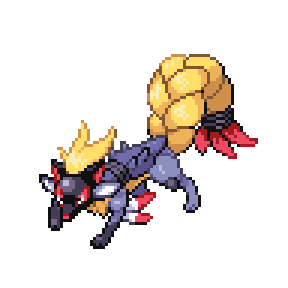
Cranpi spend hours polishing their shell and the dome on their heads until they are smooth and solid. When threatened, they bop their heads against the threat until it goes away.
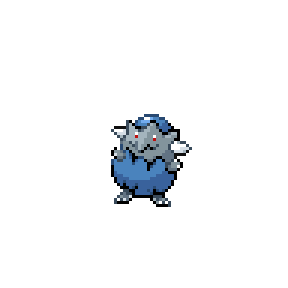
In prehistoric times, Cransola thrived in shallow oceans. Over time, as oceans got deeper and coral reefs dwindled, many are struggling to survive. Conservationists have created sanctuaries for Cransola to ensure their long-term survival.
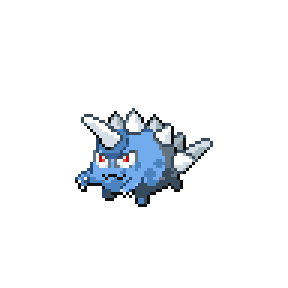
Cranile can be found in small burrows headbutting their siblings in a mad scramble for the attention of their parents. While their parents hunt for food, Cranile will bury themselves in the desert sand to hide and keep warm.
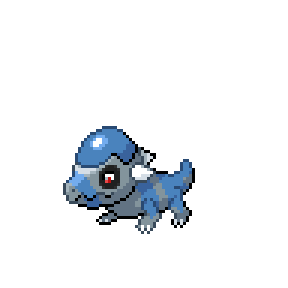
Cranras can scuttle remarkably fast for their size. When enraged, Cranras ram into foes with their rounded domes. When the mushrooms on its sides are fully mature, they typically pop off the body using the vibration of their tackles.

Ramligatr rubs its head against bushes or rocks to polish the head crest on its head. After a Pokémon battle, it enjoys swimming in shallow water to cool off.

Shielsaur have a thick shell around the flower bulb on their back that is made of fossilized leaves. They also have a circular bony protrusion around their head that protects their brains when they headbutt foes.
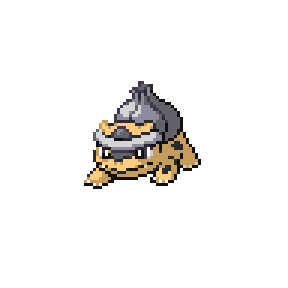
Shielto are often mistaken for speed bumps so many people drive their cars over them. This results in their body tensing up and expanding outward, leading to a traffic accident.
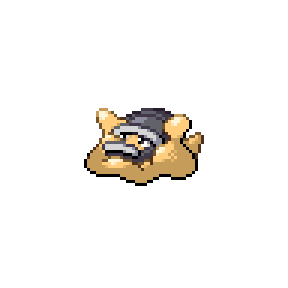
It has rough hooves and an armored trunk that protect it when sliding down hills. Younger Shielphan may need an Assault Vest to further cushion them from harm.
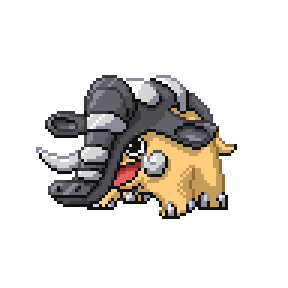
Shielaura rely on the frills on the side of their face to signal danger to other members of their pack, bending them horizontally whenever predators are nearby. This allows them to swiftly prepare a stampede to attack the threat.
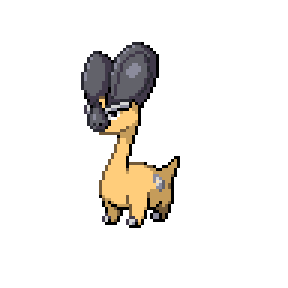
Bastiogon act like a firewall that monitors cyberspace network traffic to protect people's PCs. Viruses rarely get past the incredibly restrictive shield that Bastiogon provide, ensuring data remains safe.

Bastiogon act like a firewall that monitors cyberspace network traffic to protect people's PCs. Viruses rarely get past the incredibly restrictive shield that Bastiogon provide, ensuring data remains safe.

While Bastiotops have blades made out of sharpened bone, their flat face is made of cartilage instead. This is because the frills on their face are mostly decorative and serve as measures of health during courtship season.
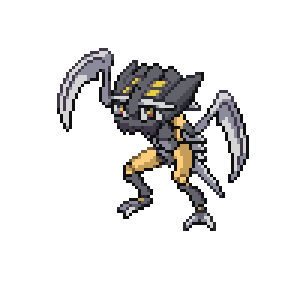
It is found traversing the dry steppes of the world, where large expanses of the ground are covered by grass. Its slow body does not cause issues when it can take all the time in the world on the steppes.
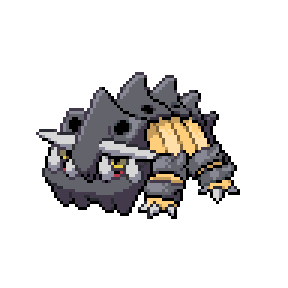
Every Bastioecho has a unique jingle and pattern on their banner-like bodies. Banner bearers in medieval times rushed into battle with Bastioecho in tow, serving as a point of orientation for knights on the battlefield.

Slasire often hold a languid expression because of how persistently groggy they are. They are a sedentary species that eats mud, which is plentiful after a heavy rain.

Slackle is prone to experiencing atrophy of its muscles because of its sedentary lifestyle. It needs nutrient-rich Berry Juice to keep its muscles strong.
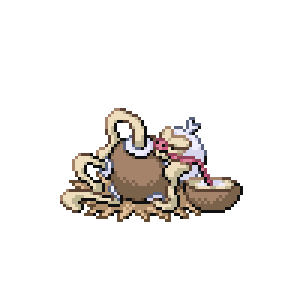
Slachoke experience a debilitating malaise whenever they have to train, often feeling lazy or unwilling to practice. Despite this weakness, their muscles miraculously remain tough and without atrophy.

Nidodactyl make nests along craggy cliffs where they can see the world below them. They are incredibly protective of these nests, so Trainers are advised to bring a piece of jerky as a distraction while navigating the jagged cliffs.

Nidoret are alert and vigilant creatures that stand guard outside burrows to ensure the safety of those inside. When they spot a predator, they usher their kin into the burrow before having a standoff with the threat.

Nidowoodo feed kindred members of their nest poison from their stone spheres. Their young have special enzymes that process and neutralize the poison once ingested and are nourished by the remaining paste.

Nidoans has special fangs that hold venom back when it bites onto its children. It does this to carry the children to safety whenever there is danger.
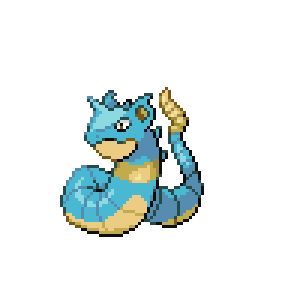
Nidobok hunt by ambushing prey and restraining them with their massive tail. Once the prey is subdued, they inject venom through their fangs and drag them back to their nest, where baby Nidoran wait for their return.

Nidosaur protects local Nidoran by sprouting barbed vines from their back and releasing toxic pollen into the air. In return, Nidoran provide Nidosaur with berries and affection.

Nidopass have lots of other Pokémon they look after, so they change polarity to take care of one group at a time. If Pokémon of the wrong polarity approach Nidopass, they are repelled until it is their turn.
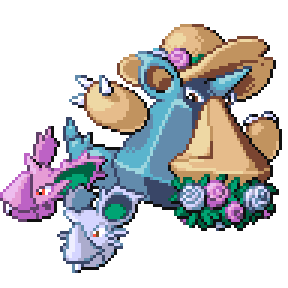
Nidomander have a strong venom that can take down a large Tauros but struggle to produce more than a small fire. They are protective of the fire on their tail and refuse to let other Pokémon near it.
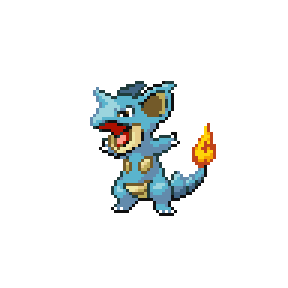
A single dictionary is unable to encompass the lexical complexity of their language, which is used to educate their children on how to survive in the world. The nuances of their cries and grunts remain a topic of study for linguists.

Abgon resemble an error message about a sprite that is installed on the PC. Once a person clicks on the error message, an ominous warning appears to warn the user that their system is infected and has to pay Abgon or lose access to the PC.

Absel reside deep below the icy tundra, where it is comfortably cold and dry. They are a rare sight in the wild, as they were once hunted to near extinction.

Abgon2 show up long before a PC is compromised to sell antivirus software to help ward against viruses. Their warnings are often ignored and eventually result in the PC being taken over by a virus.

Abgon2 show up long before a PC is compromised to sell antivirus software to help ward against viruses. Their warnings are often ignored and eventually result in the PC being taken over by a virus.

Ablade hide their feelings behind a solemn expression to give off an air of confidence. They were once held in high esteem because they served as bodyguards for nobility.

Abfairy arrive in villages on nights of the full moon when disaster is about to strike. They are the source of many negative superstitions about the full moon.

Abmeleon rush towards wildfires as soon as they sense one is about to occur. They help other Pokémon escape the flames by clearing fallen trees from pathways.

Abdot are elusive creatures that only reveal themselves when calamity is about to strike. They seek out kind-hearted Trainers and give them seeds with the hope that they will be planted after the disaster.
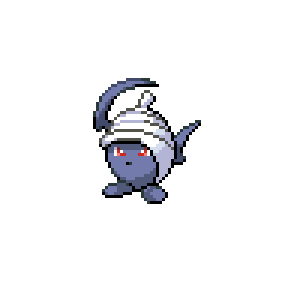
Abskit float atop the water when floods are about to occur to help evacuate an area. They help Pokémon trapped under branches and logs to minimize the amount of Pokémon harmed by the natural disaster.
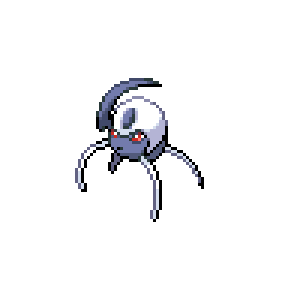
Dusbone are lonely creatures that rarely interact with other Pokémon. They spend much of their lives meditating on death and taking care of graveyards.

Dusdreavus are said to lurk inside the Pokémon Tower in Lavender Town where they watch over visitors coming to mourn loved ones. It is rumored that their mask allows them to communicate with the dead, though no one has been able to confirm this.

Dusgon2 stalks empty homes throughout the night to look for old hardware to consume, particularly discs. Once it finds a disc, the data within the disc is corrupted and only runs a short video of Dusgon2 spinning in circles.
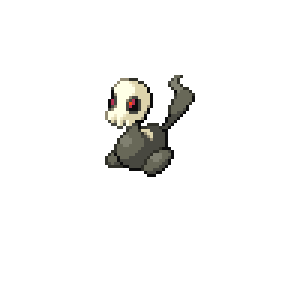
Duseon stalk Trainers and quickly camouflage themselves when the Trainer turns around. If they observe the Trainer being kind to other Pokémon, then they reveal themselves and allow the Trainer to catch them.

Duspass congregate near ancient tombs where they are rumored to help guide souls to the afterlife. When children or rebellious teenagers are lost in those tombs, the Pokémon helps them find their way back.
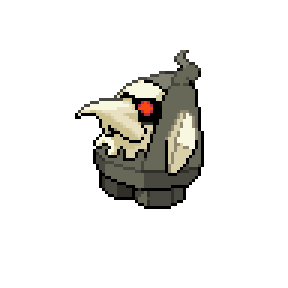
It is said that Dusin can lift curses by sucking them out of people, so many people flock to graveyards where they are spotted. In reality, they suck away all energy from people, curse or otherwise.
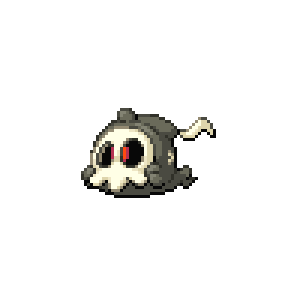
Dusecho cling to the side of cliffs to ring their bells. It is said that those who are mourning loved ones are soothed by the sound of their bells.
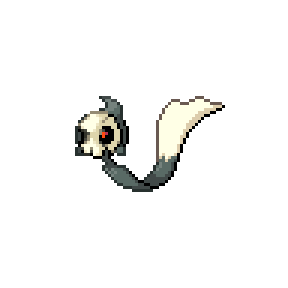
Dusbat patrol neglected cemeteries to scare away would-be thieves away from graves. Their ultrasonic screeches cause grave robbers to experience tinnitus until they leave the cemetery.
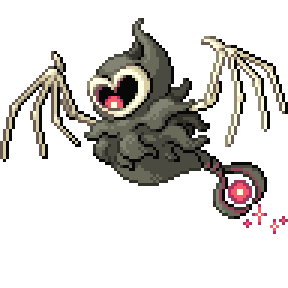
Dustly patrol graveyards searching for unruly hooligans. It is said that staring into their eyes leaves a person feeling hollow, as though something was taken from them.

For those who suffer from nightmares related to post-traumatic stress disorder, Duszee are recruited to consume the nightmares. Many who awaken the next day are so relieved and rested that many recruit Duszee into their lives.

Whenever a PC is left on during the night, Duscgon2 are likely to linger nearby. This is because they feed off of the light from the monitor and enjoy staring at the screen for hours at a time.
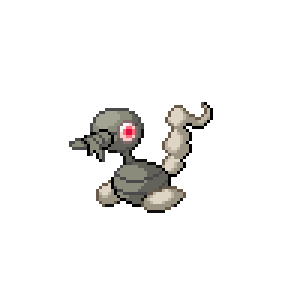
Duscpass may seem intimidating at first, but underneath its tough exterior is a serious yet caring Pokémon. It guides people to ancient tombs to give offerings to the dead.
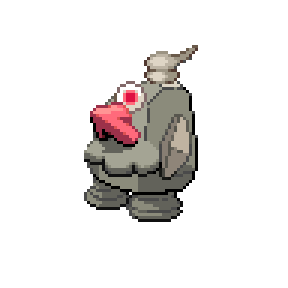
Duscria have wings made out of clouds of ash. They lack a solid, corporeal body and can only interact with others through their wings.
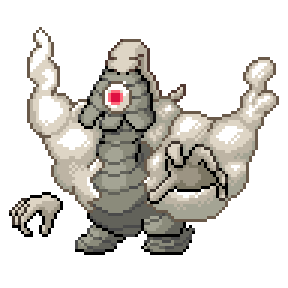
Duskpie patrol ancient tombs spreading their umber silk to slow down trespassers. The silk also leaves a scent on the clothes of grave robbers that attracts insect Pokémon.
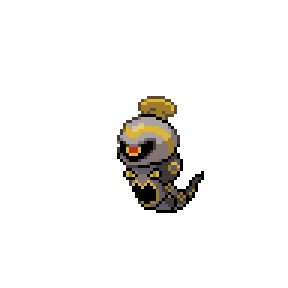
Duskgon2 can be found in old PCs, where it removes bloatware from the system to improve performance. In exchange, Duskgon2 scares users with a random jump scare by playing a loud sound and flashing a scary image, solely for amusement.
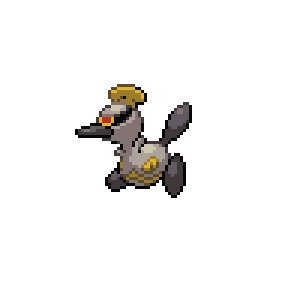
Duskslash live deep below the surface in interconnected burrows and rarely see sunlight. They keep their distance from miners because they are scared of the light from hardhats.

Wailgon swim around beaches observing Trainers and Pokémon from a distance. If they manage to connect themselves to a Trainer's device, they consume scam and phishing emails until the inbox is clear of malicious emails.
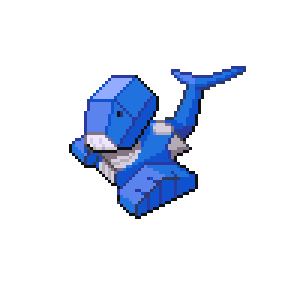
A single step from a Wailitar can trigger earthquakes. However, because of its benevolent nature, it moves slowly through the world to avoid causing harm or damage.

Their bodies require high nutritional intake, the largest of which require upwards of five times their body weight in food. They rarely close their mouths while swimming because they require every opportunity to catch a bite.

They reside near lighthouses, mesmerized by the light that comes from the building. Despite their large size, they are tolerated in the space because they mask the scent of fishing vessels that frequent their harbors.

Wailrade are sometimes much larger than most trees and slowly wander through the wild looking for safe places to rest. They protect themselves by releasing balls of pollen that explode on contact and poison those who inhale the powder.

Wailot eat tiny Pokémon swimming in the sea by filtering water through plates in their mouths. Every few hours, they emerge to the surface to spit out a thick goo before returning to the deep sea.
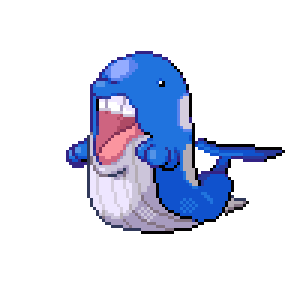
It is said that every time Arcpie emerges from their egg that another universe is created. Regardless of whether this is true, they partake in eating leaves like many of their kin.

Despite its diminutive state, Arcpod protects other wild Pokémon by manipulating time and space to redirect attacks. It is careful not to draw attention to itself because it is vulnerable in its soft cocoon.
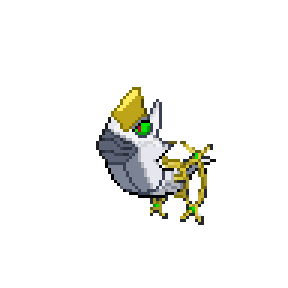
Arczing fill the air of ancient ruins with a mixture of gases that preserves objects by removing moisture and other contaminants. Many old clay tablets and ancient papyrus have made it to the modern era thanks to their gasses.

Arcsey takes orphaned eggs and raises them itself because of its maternal instincts. After the eggs hatch, Arcsey helps them integrate back into the wild, so the adopted Pokémon does not feel lonely.

Arcmime bend reality itself to create walls that no one can see. This awe-inspiring power also prevents them from speaking or vocalizing, which has led to much miscommunication whenever they have asked humans for help.
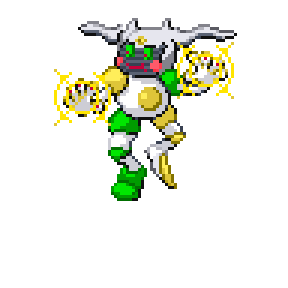
Arcking are said to hold omniscience of the world around them and already know what the future brings. Despite these claims of divine powers, they often appear quite bored and refuse to rely on these powers in a Pokémon battle.

Arceus have an illusory form behind their physical bodies that stands tall to appear menacing. Some people claim that this illusory form is capable of feats never seen before, as few have seen Arceus use their powers.

Tursaur absorb sunlight through the stem and leaves on their heads. They spend much of their time napping in the sunlight and rarely seem worried about the world around them.
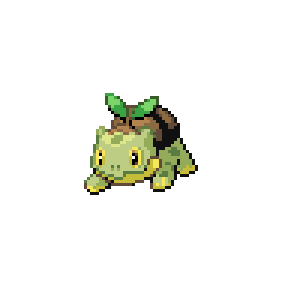
Turper love to rest in the mud but need to keep moving every now and then to prevent themselves from being submerged in mud. If they remain in one spot for too long, they may get stuck until someone helps them.
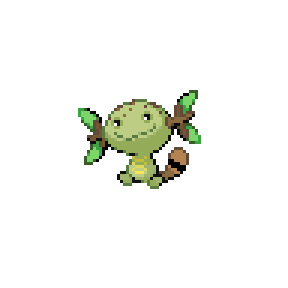
Tursire spend the bulk of their days napping, as they need to conserve energy in a fast-paced world. Sometimes they are so fond of a napping spot that they forget to migrate with other Pokémon.
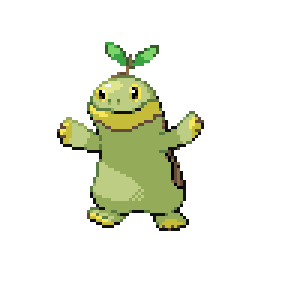
Turwile has a set of toothy brambles erupting from the back of its head. As it drinks water or eats food, the growth vigilantly ensures foes stay away, intimidating potential predators with its leafy teeth.
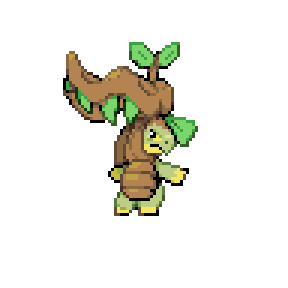
Turas connect with the greater root networks around them by planting their feet onto the ground and extending mycelium tendrils. Once connected, they can feel other people and Pokémon as long as they are touching another plant.
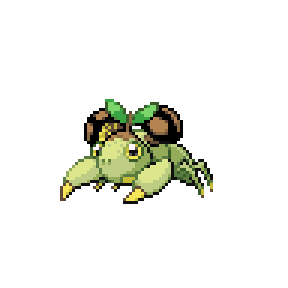
Turduck can be found in ponds half submerged and asleep. They absorb nutrients through the pond water to avoid getting headaches from dehydration.
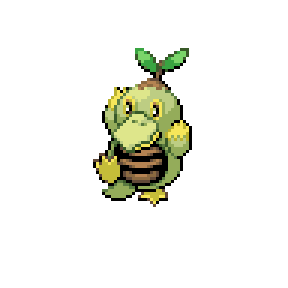
Gropod have a bush on their back that grows as Gropod develop inside their cocoon. Many gardeners take care of Gropod by trimming the bush to prevent it from engulfing their body.
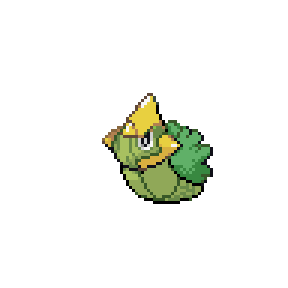
Grosire often have Pokémon living atop their backs, so they create a bumpy ride for the residents whenever they move. They often migrate to find fresh water, bringing whoever may be on their backs with them.
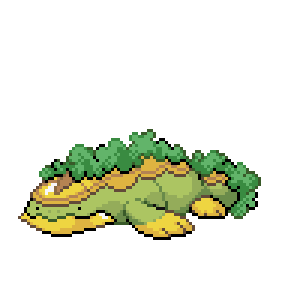
Grosaur are laidback and patient Pokémon. Whether meals happen at one hour or another is inconsequential to them, and they prefer to let their Trainer decide their schedule to avoid conflict.

Grorina are nonchalant observers of the world around them and rarely get into danger. The shrub on their back is tended by other Pokémon, often their siblings.
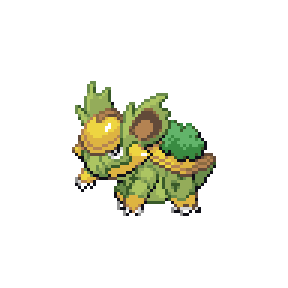
Groidos have a polished dome made out of mud that has lots of nutrients for plants to sprout from. They keep their shiny heads polished by scraping their heads against bushes.
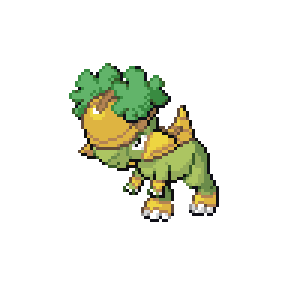
Whenever Groling are in a nest with a broody parent, they wrap their wings around the parent to keep them warm. When Groling inevitably become too big for the nest, they remain close to their nest to expand it with twigs and branches.

Grozagoon enjoy biting onto the leafy fronds of each other's backs to show affection. If it becomes painful, they zigzag back and forth to shake off an overly affectionate Grozagoon.
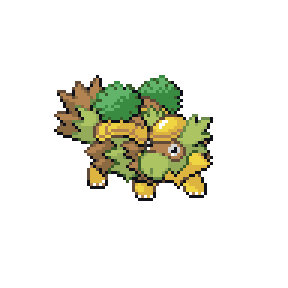
Grolow are sensitive to temperature changes, especially cold weather. During the transition between summer and fall, Grolow can be found carrying Grass-type Pokémon on their back to help them migrate away to a warmer location.
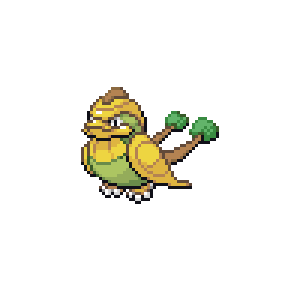
Torper have leafy bodies that cause other Pokémon to mistake them for bushes. When they are inevitably bitten, they kick up mud to scare away the other Pokémon.

Torsire are slow creatures that rarely feel any urgency. The only exception to this is during the mating season, where they rush towards potential mates. By the time they are close enough, the mate can lose interest and ignore them.

Torqueen are regarded as figures of longevity because they typically live for 100 years. Most Torqueen in the wild stay inside dens where they raise children, but sometimes leave to take the young Pokémon on trips.

Torvanha has fins made out of limestone that leach nutrients into the surrounding water. Seaweed often grows on these fins and gives it the appearance of a moving kelp forest.
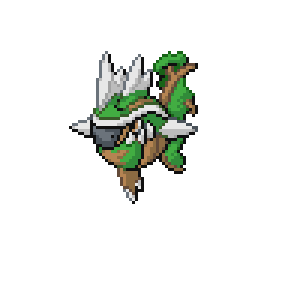
Tortad enjoy residing in home gardens and parks where the water and the surrounding environment are kept clean. They proudly display whatever is on their back and refuse to let others trample over them.

Chimras have mushrooms on their back that glow red-hot whenever they are active. Coincidentally, these mushrooms also glow when they are dreaming, indicating that the glow is correlated to heightened brain activity.

Chimkey are unruly creatures that lack anger management skills. They are also prone to getting angry over the slightest transgression, which makes them incredibly hard to train.
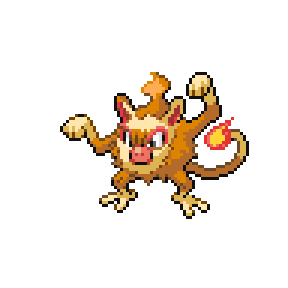
Nidopod have a difficult time moving quickly because their scaly plating restricts their movement. When they are assaulted by bird Pokémon, they rely on their venomous stinger to retaliate against the predators.

Nidoto are at the center of a controversy of color. Some people claim that they are purple, while others claim that they are pink. Regardless of what color they are, they retain that pinkish-purple whenever they transform.
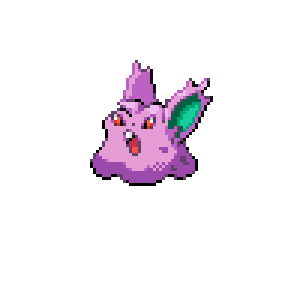
Even though Nidosaur have a mature flower on their back, the rest of their body is still developing. They lack the developed venom glands to produce lethal toxins, so they are likely to get harassed by other Pokémon.

Nidoile are rowdy creatures that love to engage in rough boisterous play. This aggressive play helps them learn how to stab with their horn.

Nidomeleon are aggressive creatures that rely on their flaming, venom-tipped claws to scare intruders away. Many end up lost because they chase intruders too far away from their nest.

Nidoduck swim in rivers and streams where they practice using their stinger by attacking rocks. They need to be careful not to be too forceful if they want to avoid a concussion.
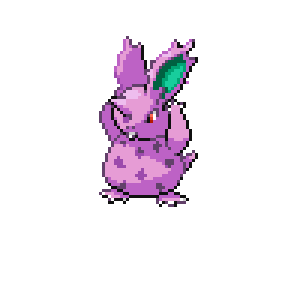
Nidotle bask in the sunlight to keep themselves warm, which is important for their cold-blooded bodies. They constantly participate in a communal grooming process where they clean the shells of other Pokémon.

Nidodude is an aggressive Pokémon that resides in caves, ferociously guarding its nest from intruders. It slams its fists against the ground to appear menacing, scaring away most other Pokémon.
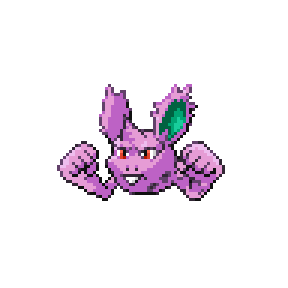
Whenever Monsaur are threatened by a dangerous Pokémon, they release a cloud of flammable spores to make themselves look bigger. The more scared they are, the larger the cloud of pollen.

Whenever Monsaur are scared, the flower on their backs releases a cloud of pollen. When they are ready to escape, they ignite the cloud of pollen to scare away nearby Pokémon as they flee.

The intensity of the flame on their flowery back changes depending on the mood of Monsaur. Fear and anger cause the flame to erupt in full force to signal that they need space.

Monrino struts around with confidence when it is outside of its nest. Its highly aggressive nature and its sharp horn cause other Pokémon to leave it alone.
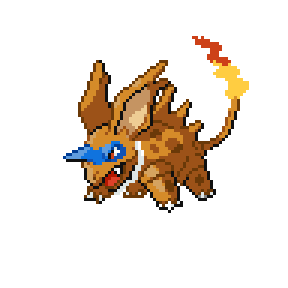
Monturne produces flames from each of its spines, which wick moisture out of its body. As a result, its reddish-brown skin is almost entirely dry and tough to cut through.

The intensity of the flame on Infersaur's flowery back depends on their mood. Whenever they are particularly angry, Infersaur release a plume of fiery pollen to both burn everything around them and vent their frustration.

Many Pokémon in tropical forests avoid Infersaur because of their fiery wrath. Whenever they get angry, Infersaur create a cloud of pollen that sets fire to anything the pollen clings onto.

Inferking values its autonomy above all else, which makes it disobedient at best and belligerent at worst. Even so, Trainers who align their interests with its needs will have a powerful partner in a Pokémon battle.

Most Inferantis live within monasteries where they tend to gardens by burning away weeds and cutting plants to the proper size. Many families visit on the weekend to observe them doing their work, as many have spent decades perfecting their craft.
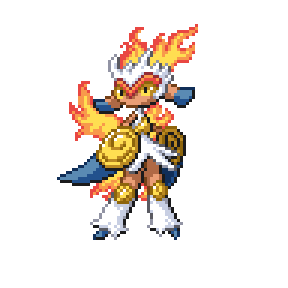
Pipgon2 help office workers take care of fax documents by sliding around office spaces to collect documents to send. With their help, workers can spend less time trying to remember how fax machines work and more time on other tasks.

Pipchum are dramatic creatures that want to remain in the spotlight at all times. They get jealous when another Pokémon receives attention and are not beyond sabotaging battles to make themselves seem better.
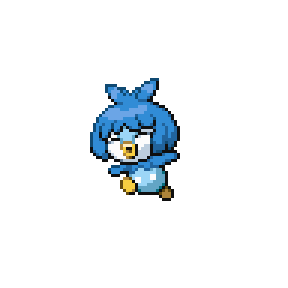
Pipiny live in colonies where they huddle together with other Pokémon to keep warm. They keep a shiny rock warm to ensure they have developed the skills needed to protect eggs by the time they evolve.
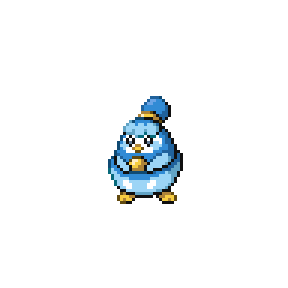
Pipolu are determined to improve their fighting abilities to be useful for their Trainer. They are borderline hostile to other Trainers because they want lots of attention from their Trainer.

Pipnaught have a porous shell that gets heavier when it rains, absorbing water into the small pores. This also makes the shell sturdier, as the water cushions any strikes made against them.
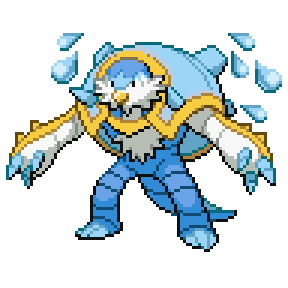
Pipin eats twice its body weight in aquatic Pokémon, a necessity for it to survive in harsh frigid climates. Whenever it goes diving to hunt for prey, its hydrophobic feathers keep it warm, even in sub-zero temperatures.

Pipduck are often at a stage where they are still learning how to swim. They practice swimming by lying flat and kicking their flippers in water.

Princario are formidable foes in Pokémon battles but still have a lot to learn. They are known to get upset after losing a battle, so Trainers make sure to stock up on treats to feed their broken egos.
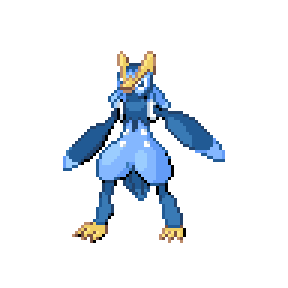
Prinolu love the attention they get after a good Pokémon battle. They demand lots of attention from their Trainer and can have a hard time working with other Pokémon.

Prinduck have long flippers that allow them to swim quickly underwater. They act with a regal discipline because they want other Pokémon to respect them.

Prinizard spend so much time underwater that the flame on their tail is often left smoldering. They rely on their large wings to glide through icy cold water.
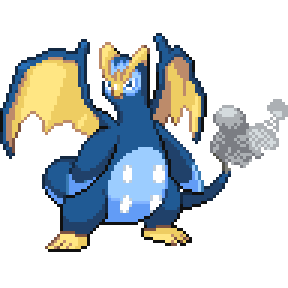
It has a strong sense of pride, so it puffs out its shell whenever it refuses to listen to its Trainer. It uses its long, yellow tongue to burrow underground whenever it wants to hide from its Trainer.
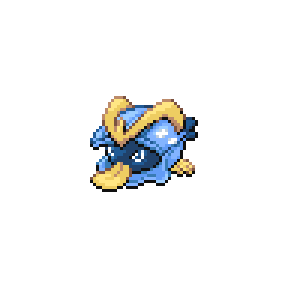
Empoking has crown-like protrusions that give it a regal appearance. It is friendly and magnanimous, and enjoys chasing other Pokémon in its fish tank.

Emponx expresses disdain towards Pokémon that receive more attention than itself. Trainers can help calm a rambunctious Emponx by offering words of encouragement and praise.

Empovoir has a stoic, taciturn expression and does not openly express its affection for its Trainer. This is because it telepathically conveys its affectionate thoughts directly to its Trainer.
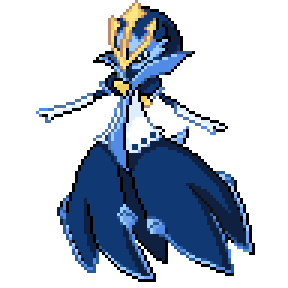
Empocario have a regal appearance thanks to their crown and their stoic disposition. They protect their Trainers from harm by deflecting attacks using their aura.
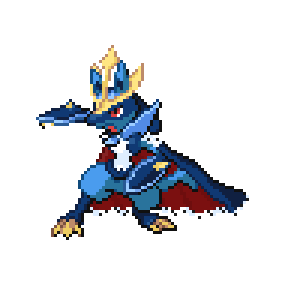
Empoduck want other Pokémon to respect them but are often baffled when they receive that respect. Whenever they lose their cool, they fluster and apologize profusely, which can be a headache for Trainers to deal with.

Many campers have to keep a close eye on their belongings whenever Nosepie are active since they steal metal items when they ruffle through bags. Thankfully for most Trainers, they are quite slow and can only drag small objects along with them.
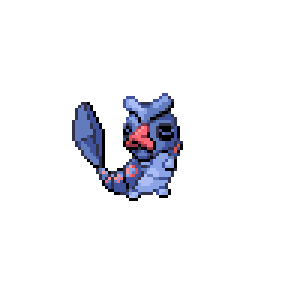
They have been a pivotal part of the creation of a global atlas, as their sensitivity to magnetism allows them to follow precise geographical patterns. Nowadays, they spend their time in museums, helping curators preserve sensitive maps.
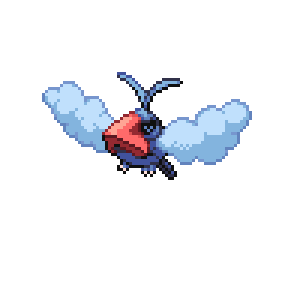
Nosedisc have an odd attraction to people who are in a happy romantic relationship and will point in their direction when they sense couples nearby. Thorough investigation reveals that this attraction ignores magnetism, baffling scientists.
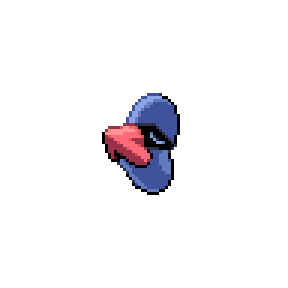
Proboizard regularly needs to keep its wings free from debris so that it is not weighed down by metallic objects, as its wings are made out of ferrofluid. Its flaming tail can melt metal into a liquid, nonmagnetic state.

Honbuff wield a small sword that they swing around to protect themselves. They are difficult to strike when they bounce around, especially when they are excited.
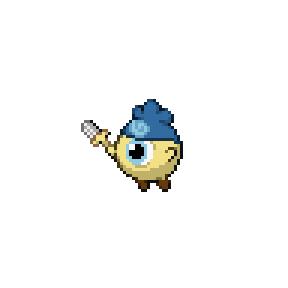
Honans lurks in tall grass, ready to ambush small rodent Pokémon. When its prey is close enough, it releases its stomach muscles to swing the sword within its body.

Honbok has a concealed blade in its hood that erupts from its mouth when hunting. It swings its head like a sword to attack other Pokémon.
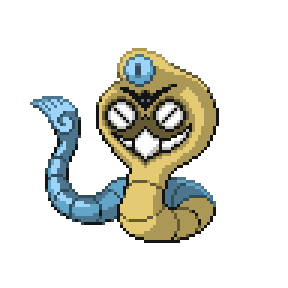
Honmask brandish their rapiers against those who disturb their slumber. Striking their mask momentarily stuns them, giving a potential thief time to escape.

Honduck are chivalrous creatures that always fight fairly. They are capable of defending themselves on land and in water because of their webbed feet, which ensure sturdy footing wherever they go.

Doubok attacks foes by swinging the blade attached to its hood. It protects its rear with another small blade, preventing bird Pokémon from picking Doubok up and flying away.
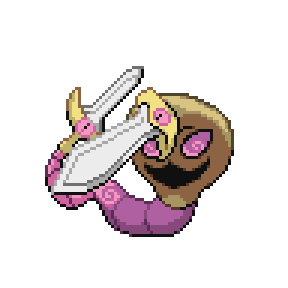
Doubok attacks foes by swinging the blade attached to its hood. It chases after rodent Pokémon in the wild to secure a fresh meal.
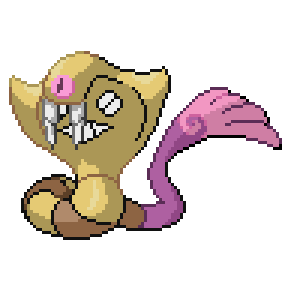
Doubshrew deftly swing their dual swords in battle, the scales along their body acting as armor defending them from attacks. It is said that in ancient times Doubshrew were trained to use their swords to protect nobles and royalty.

Doubsian are known to frequent taverns and pubs where they help escort drunken guests back home. Their sense of honor is greater than their desire for money, as they often protect their client from thieving Pokémon.

Doubtail have sharp blades across their long body that make them menacing creatures to fight against while at sea. Their swordsmanship is only second to their devotion to their Trainer.
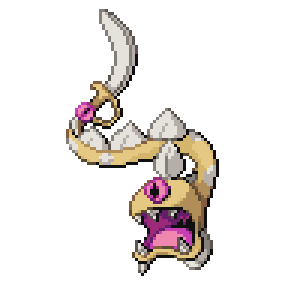
The twin blades Doubtross wield are supercharged with electricity to ensure clean cuts against their opponents. It usually only takes a few strikes before their foes surrender, ensuring their victory.
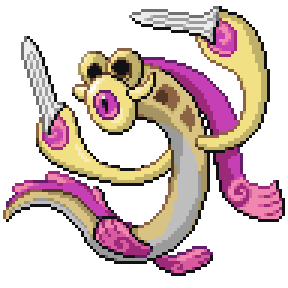
Aegibone are zealous defenders of their loved ones and have a tenacious hypervigilance. Whenever bedtime rolls around, they have difficulty falling asleep and may request to stand guard to protect those they care about.
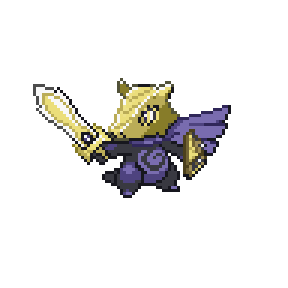
Aegipod deny entry to their internal organs by hiding within their cocoon. They flip onto their side whenever they are attacked by bird Pokémon to allow their shield to absorb the force of pecking.
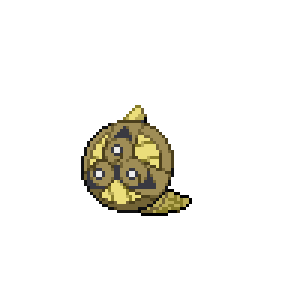
Aegiqueen are found outside Nidroran burrows protecting their young. Their expert swordsmanship and tenacious stamina intimidate predators into avoiding the burrows.
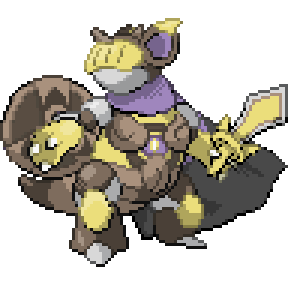
Aegiduck do their best to remember complicated swordsmanship, but often forget what they learn after a day or two. This does not stop them from trying to improve their combat prowess.
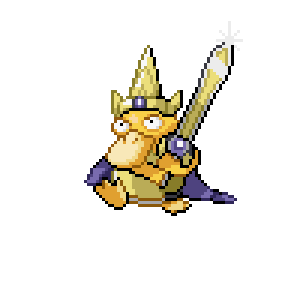
Aegiduck have webbed feet that ensure they never end up off balance. They always find time to improve their battle prowess.
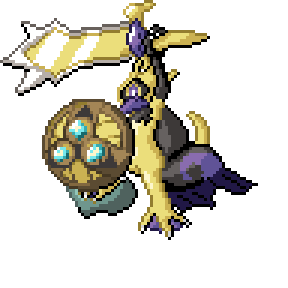
Nidosey toss rotten eggs at their rivals. When they run out of eggs, they spear foes with their venomous horn, causing painful spasms.
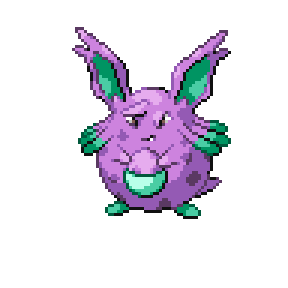
Nidonaw are hyperaggressive Pokémon that are quick to anger and bite their Trainers when upset. They are also easy to startle and are known to snap at loud sounds.
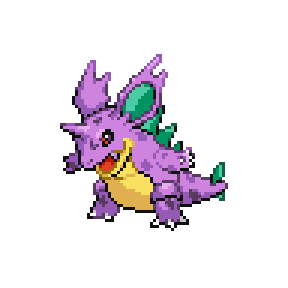
Nidogey can be found sitting atop powerlines where they patiently wait for people to spread breadcrumbs before them. Their aggressive nature allows them to push past other Pidgey to reach the breadcrumbs first.
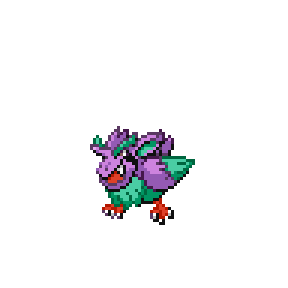
Nidosaur unleash a writhing mass of brambles whenever their friends are in danger. Each thorn injects a caustic toxin that weakens shells and scales so that Nidosaur can hopefully help their friends wiggle loose and escape danger.
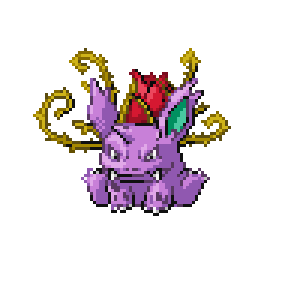
Nidopy release a sonorous trumpeting to scare away other Pokémon that approach too close to their nest. If the loud noise fails to dissuade the intruder, then they summon the rest of their nest with a mighty roar.
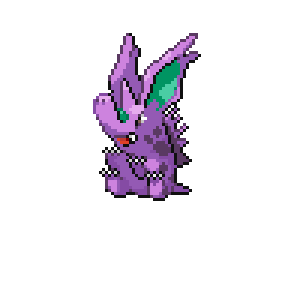
The territory of a Nidochu encompasses their burrow and any foraging spots nearby. Their monopoly on foraging spots is enforced with a sharp stinger or a zap.
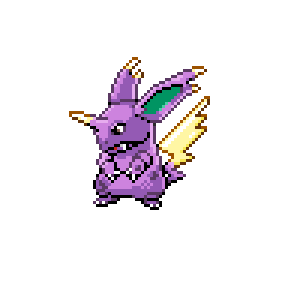
Nidosaur have sensitive flowers on their back that send them into a frenzy over the slightest breeze. They are capable of tearing sheds down with a mighty vine of brambles.
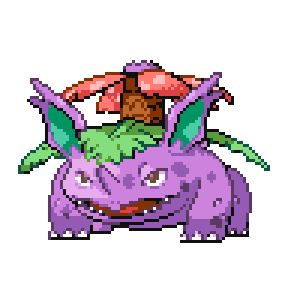
Nidomander constantly produce venom from their tails, as they are always ready to hunt. If the pores that produce venom get clogged up by mud or soaked in water, the resulting blockage makes them sick.
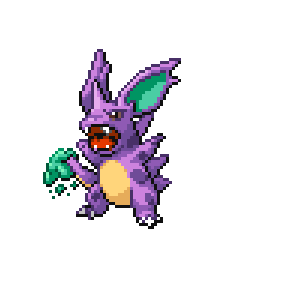
Nidomander constantly brandish the flame on their tails to intimidate other Pokémon. Even though most Pokémon are not scared of their tail, many end up leaving to avoid conflict with Nidomander.
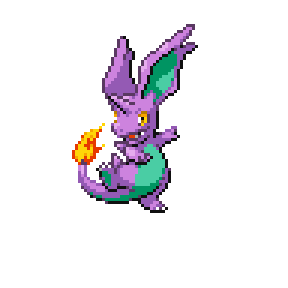
Nidomeleon are in constant fear of getting wet, as flames come out from both their horns and their tail. This fear leads to aggression whenever anyone approaches with a liquid substance.

Nidomeleon release both venom and flames from their tails, resulting in a bluish flame that burns venom. Getting burned by these blue flames causes rashes to linger long after the burn has healed.
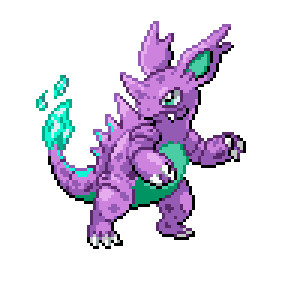
Nidochoke are bold and confident creatures that love to show off their muscles. During a Pokémon battle, their hefty punches and venomous horns give them the means to secure victory.
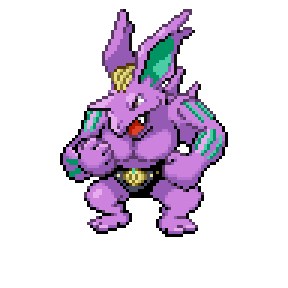
Many families pay handsomely to rent Pawnther to trim hedges into topiaries. The swift and precise cuts made with their scythe claws ensure each work of art looks refined and professional.
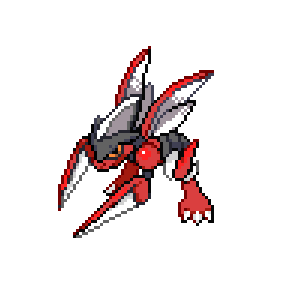
Pawndoof hack at large trees with the blade atop their head. This blade is made out of bone, so any fractures or breakage heals over time.

Pawnish burrows into the ground to absorb nutrients and leaves its blade exposed. It injects venom through its blade that causes searing pain to anything that steps on it.
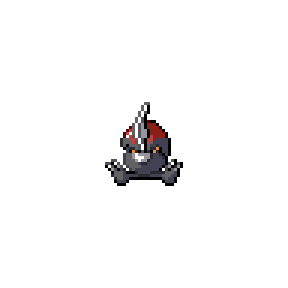
Where sunlight is unable to light the darkest depths of the ocean, Pawncool are found. In these conditions, red light does not get absorbed, making Pawncool appear black or brown. This allows them to sneak up on prey, hacking them to pieces.
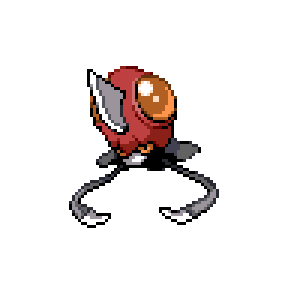
Bimeleon resemble stylish cartoon heroes that children watch on a television set or smartphone, so children often approach them with gifts and praise. They are naturally confused by these children, but most appreciate the gesture regardless.
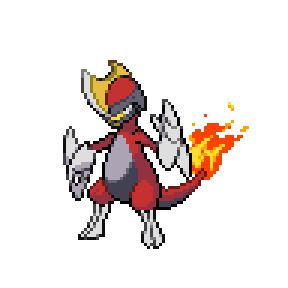
Luxraid can reliably shoot at foes up to a kilometer away. It can see through many obstacles because of its glowing eyes and changes the trajectory of its shots accordingly.

Aggphan roams around manmade tunnels to eat loose rocks and debris to strengthen its metallic tusks. It is also known to aid in rescuing miners when tunnels cave in.

Aggsaur have military-grade armor over their bodies that deflects claws and talons. The cloud of pollen that surrounds them was once harnessed as a smokescreen to protect soldiers as they rush through a battlefield.

Aggmence are proud creatures that cut through anything in their path with their sharp, metallic wings. They were once held in high esteem as mounts for nobility.
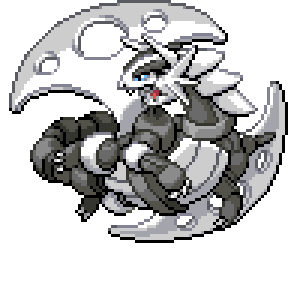
Armor-clad with layers of steel plates, whenever Aggtuff inhales, the plates shift and expand. This allows them to sing soft, low notes that put those around them to sleep.

Flypod ride sand tornadoes in the desert to keep themselves safe, as the gritty particles of sand knock away predators that try to break into their cocoon. When they are not riding sand tornadoes, they are buried in the sand to avoid detection.
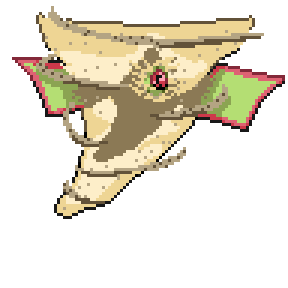
The red cover on Flyfairy's face gives them an extraterrestrial mystique. In desert climates, it shields them from sand as they dance under the night sky.
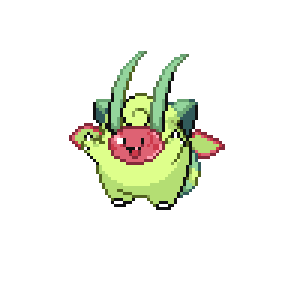
Milodra have aqua-colored scales that glitter while underwater and unintentionally attracts predators. Whenever a predator comes near them, they shoot out a cloud of ink before escaping.

Milosaur love to show off their majestic tail whenever they get the chance. The pollen they release from their backs cleans the surface of their tail to ensure that it is always shiny.

Milovile have iridescent scales that fan out in a dazzling display. Their frosty claws pick at their scales to ensure that they always look beautiful. Their scales also release a soft glow that is comforting to stare at.
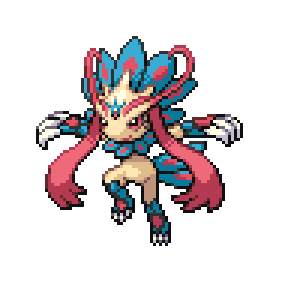
Milosaur have a magnificently beautiful flower on their back that they love to flaunt. They are often entered into beauty competitions where they get to show off to a large crowd.
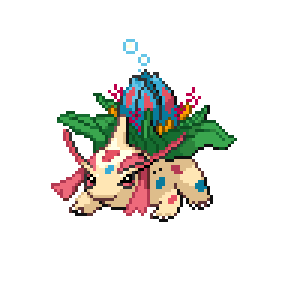
Milotias form a fog that obscures their presence, but are drawn to the elderly when they visit lakes. They help the elderly relive memories using their psychic powers, restoring a sense of nostalgia for a moment.

People suffering from insomnia may have a visit from Milono, whose calm presence and hypnotic waves induce a trance that causes people to fall asleep. Those lulled into slumber describe feeling refreshed and energized after the long rest.

Salamander rely on their large wings to shield their tail from rain. These unwieldy wings weigh twice as much as their body, often leading them to accidentally cut others with these sharp wings whenever they have a tantrum.
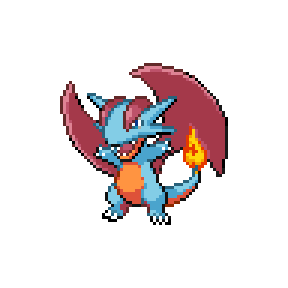
Klinksaur help factory workers apply non-stick coating to various cookware. The gear on their back adjusts the intensity of the spray, giving workers more control over how the coating is applied.
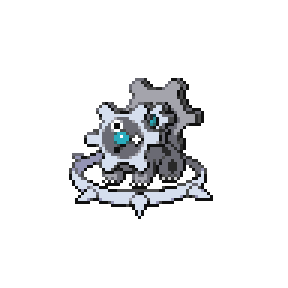
Klinkmar is a great welder and is able to take up the work of two workers. It takes pride in helping factory engineers complete projects.

Klinkdile have spring-loaded jaws that trigger when a button in their mouth is pressed, forcing their jaws shut with enough force to crush bones. Once shut, it takes them about five minutes to reload the spring and force their jaws back open.
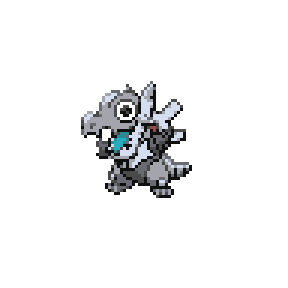
Klinkhoot relies on its gears to keep an accurate sense of time. Its body can only maintain 16 continuous hours of activity before recharging.
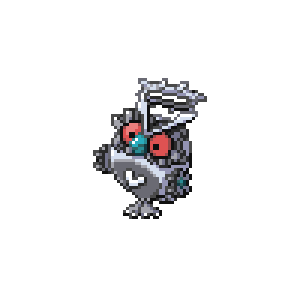
Klinkowl keeps track of the time with its gears, which tick every second without fail. Watchmakers rely on its help to ensure timepieces give an accurate read of time.
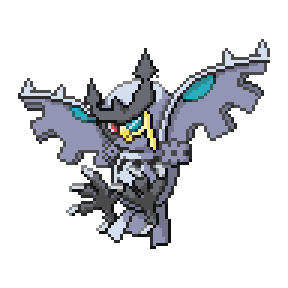
Klinksaur releases bursts of aerosol paint from their back that clings to objects around them. They are often found in factories where they paint many factory parts at the same time.
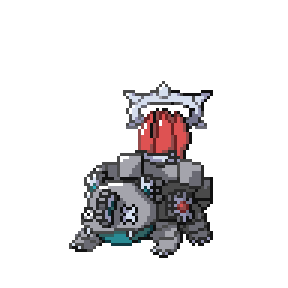
Klinkgon2 works behind the scenes to ensure movies capture dynamic shots. Its ability to stabilize and synchronize cameras makes it a valuable asset on any film crew.

Klinkby works alongside factory engineers by handing out tools. It wants to feel helpful and is eager to learn how to perform complex tasks.
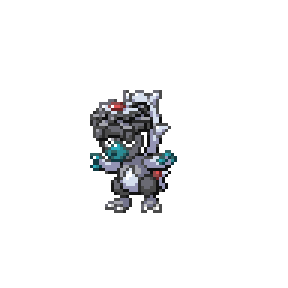
Klinkmortar is suitable for the most complex feats of engineering. It takes great pride in working alongside engineers to create solutions to modern challenges.
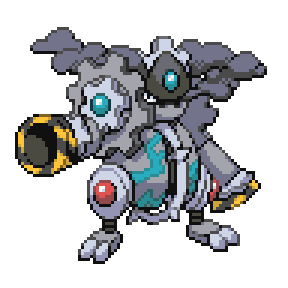
The internal clocks of Klinkfable operate on a lunisolar calendar that tracks the movements of both the sun and moon. Many people rely on their help to accurately determine when certain holidays occur.
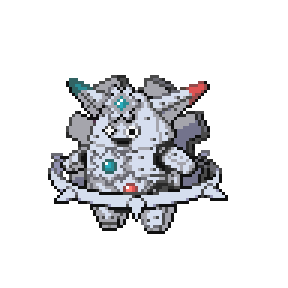
Klinkpuff constantly test the quality of factory baked goods to ensure they are consistently delicious. They burp out excess matter as they cannot digest food.
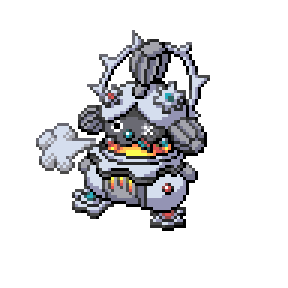
Klinkpuff help factories maintain a consistent quality of baked goods. They turn dials and constantly test the quality of their products to ensure people receive the same bite every time.
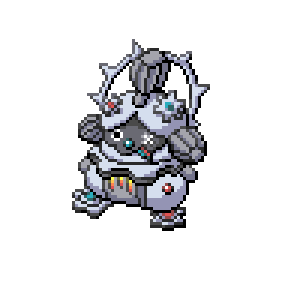
Klinktrio can easily perform the mining tasks of 3 men and often make their Trainer rich from all the gems and precious metals they dig up. All Klinktrio need is a good polish and praise to keep them going for hours.
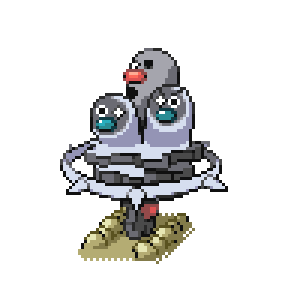
Klinkizard protect the flame at the end of their tail because it is the source of their fiery powers. The gears on their back spin rapidly to launch them into the air, while the ring around their body controls their flight as they glide.

Klinktle rely on their metallic shell to shield them from harm. The small gears within their body spin to expel a stream of water, allowing them to put out small fires.
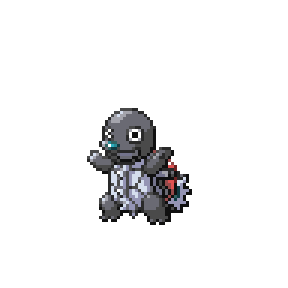
Zoronaw disguise themselves as other Pokémon to blend in, but they lose this disguise whenever they bite down on anything. This is rather unfortunate, as one of their favorite things to do is chew on bones.

Zororow can be found soaring through the sky disguised as other bird Pokémon, and their migration patterns match the Pokémon around them. They opportunistically steal treats from unattended food left at parks.
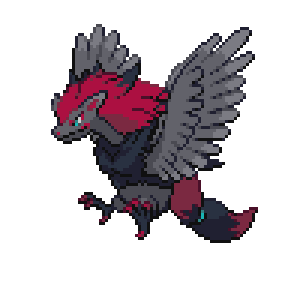
It is known to come up with bizarre ideas on how to get more Genius Mochi from its Trainer. Its cunning tricks are seen in Pokémon battles too, especially if it has time to set up a Nasty Plot.
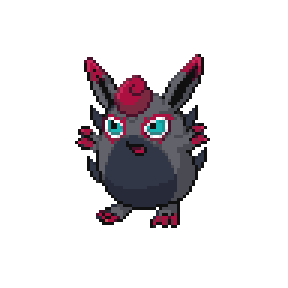
Sylwak harness the power of love, friendship, and the firmness of their bony club to deliver heavy blows to their opponent. Many Pokémon become infatuated with Sylwak after being hit on the head, though this transient effect fades after battle.

Sylwak rarely let other Trainers see what is underneath the mask and swat away attempts to do so with their dual clubs. The few Trainers privileged enough to see what is underneath are usually Sylwak's most trusted allies.
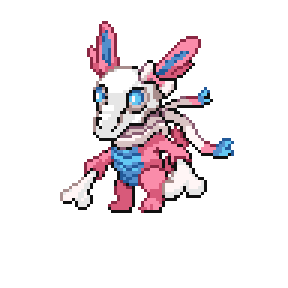
Syldactyl's wings are made of soft, plush ribbons. They soar through the sky by catching wind currents and gliding gracefully along. When they find someone who is upset, they swoop down to offer a comforting embrace before moving on.
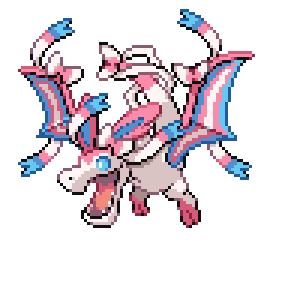
Sylpom are always up to mischief and escape accountability by offering soft hugs to appease angry Trainers. However, whenever a Pokémon or Trainer gets hurt by the pranks, they do everything in their power to remedy the situation.
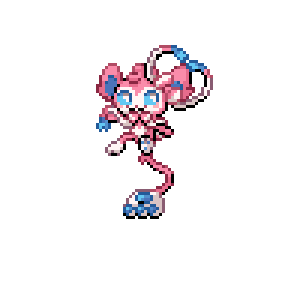
Sylans love to wrap themselves around other Pokémon to give them hugs. Their lack of fangs makes them appear docile, so many Pokémon happily accept their embrace.

Sylphan are incredibly gentle creatures that often allow other Pokémon to ride on their bodies. Eevee are particularly fond of riding on their back and trunk as their leathery skin is comfortable to sleep on.

Sylpom are always up to trouble, but their pranks end when someone gets hurt. They pause their antics to offer a soothing hug to ease the pain of those harmed by their pranks.

Syl Jr. enjoy copying the movements of other Pokémon as a gesture of goodwill. If the Pokémon they are copying gets upset, Syl Jr. swoop in with a hug from their ribbons to apologize.

The soft cotton of Sylcott's body is reserved for people they trust, as they are known to push people of their body if they do not consent to being a head rest. If necessary, they wrap people with ribbons to teach people a lesson about consent.

Sylcott slip into rooms under door gaps by flattening their bodies into the width of a ribbon. Once they are inside, they toss ribbons everywhere and make a suitable mess before slipping out undetected.

Sylcott enjoy making messes but hesitate to burden their Trainer, so they rarely play with their own ribbons. If their Trainer leads as a role model and acts authentically, Sylcott celebrate with ribbons strewn about everywhere.

Sylkyu often struggle with uncertainty about how their Trainer would react to seeing their true selves. Trainers who act as a role model and live authentically will find themselves with a devoted partner in Sylkyu.

Sylkyu struggle to carry themselves with grace and often trip over their own body trying to keep up a convincing disguise. Trainers who help Sylkyu act authentically help them move one step closer towards being a confident Pokémon.

Sylkyu showers others in affection and love with the hope that some of that love will be reciprocated back. Trainers who are able to meet their needy desire for affection find lifelong partners.

It is important to reassure Sylkyu's feelings if they decide to show what is underneath their cloth exterior, as they often worry about being rejected by their Trainer. This reveal only occurs when they have utmost trust in their Trainer.

Many Sylink are beloved friends of people who work with fabric. They love to create bows and ribbons on clothes made by their Trainer. They can even fix a broken sewing machine with enough encouragement.
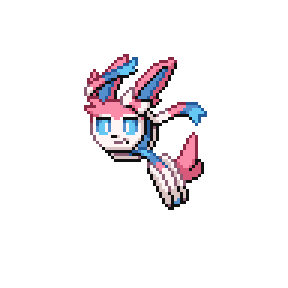
Sylang unwinds its long ribbon-like body to catch or pick up objects for its Trainer. If completely unwound, Sylang can reach more than 100 meters away, though it prefers to remain coiled in its spool.

Sylplume produce a soft creamy meringue from the top of their heads, which is used by pastry chefs to top delicious treats. They are especially popular on certain holidays, as eating this meringue is said to prolong a healthy relationship.
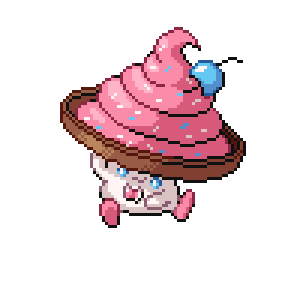
Sylras are friendly creatures that love to give hugs to other Pokémon. When they give another Pokémon a hug, they release spores that reduce inhibition while also suppressing violent urges.

Syletta dance a simple polka that many adults and children can learn. Their desire to forge bonds through dance is demonstrated by their patience when helping others learn.

Sylras release spores from the mushrooms on their back that instill feelings of comfort and joy within those that inhale the spores. They are affectionate creatures that love to give hugs to many Trainers and Pokémon.

Sylsect give hugs to lonely Pokémon by wrapping ribbons around them. The spores that cling to the lonely Pokémon produce a sweet scent that helps ease their anxiety.

Sylpuff works alongside bakers to produce high quality baked treats. The cream atop its head can be mixed with eggs and sugar to create a delicious meringue.

Syltite enter into deep meditative states to find new ways to make their Trainer happy. They often smile as they meditate because of how much they love their Trainer.
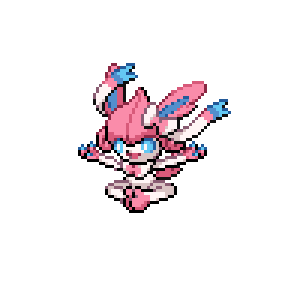
Sylduck love giving out hugs to other Pokémon with their ribbons. When Sylduck are hugged too tightly, they can momentarily lose circulation to their head, which can cause a headache.

Sylduck love to give out hugs with their long ribbons and often beckon their friends to jump in the water with them. Sometimes they pull their friends into the water with them as a prank.

Sylta is an affable Pokémon that loves to race with other Pokémon. Even if it never wins, it always does its best.

Sylzee wrap dreams of love and comfort around those they hypnotize. Their dreams give hope to lonely Pokémon that they may find a loving Trainer to grow strong with together.

Sylzee spin dreams of loving families and cheerful friends for those they hypnotize. These dreams give hope to lonely Pokémon that they may someday find a place they belong.
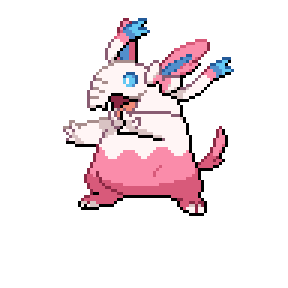
Sylno hypnotize people with their heart pendant to lull people into a deep sleep. They replace nightmares with happy dreams so people can sleep soundly.

Nidomeleon burn through foes with their teal-blue flames that are created by burning venom. Many Pokémon are scared of approaching Nidomeleon because of their frequent tantrums, especially when their flames are involved.
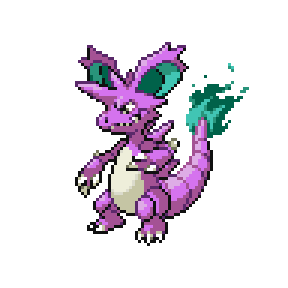
Nidomeleon assert their dominance by sparring with other Pokémon, combining the fury of their venomous horn with their scorching hot tails to put other Pokémon into submission. If they lose, they vent frustration by burning the forest around them.
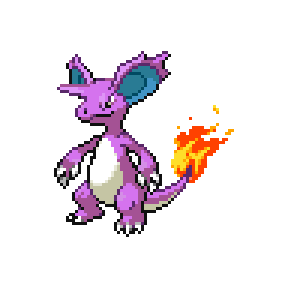
Kyosol are said to appear whenever a great cataclysmic event is about to occur. Just before a major flood or storm, they emerge from the sea in droves to warn the local population.
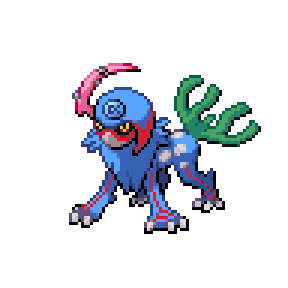
Kyonaught hibernates in the deepest watering hole in the savannah and is rumored to suck those who disturb their slumber into its tomb. Only those who successfully defeat a Kyonaught in combat are allowed to escape.
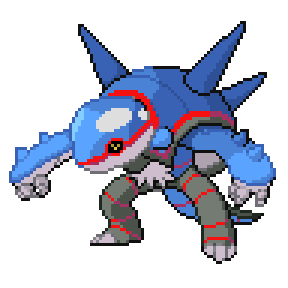
Whenever Kyotle are upset, they release a deluge of brackish water to flood the area around them. This rapid flooding often results in the creation of a new lake.
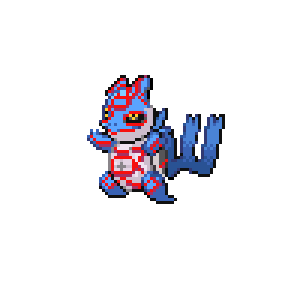
Kyouk live in the deepest depths of the ocean where they churn through the sand to clean up garbage. Their estranged relationship with humanity leads them to become suspicious whenever kindness is given to them.
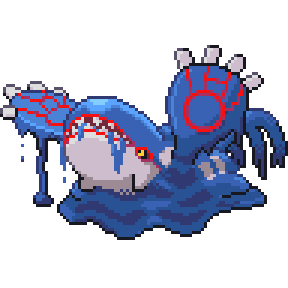
With a single breath, Grouram can decimate skyscrapers with flaming hot plasma. It is said only those who live true to themselves ever have the chance of capturing Grouram, as those who fail to live honestly are swallowed into the ground below.
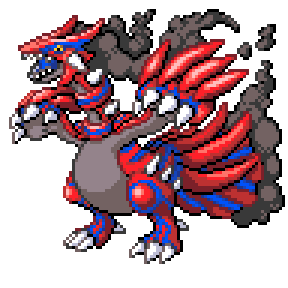
Grouk live in vast desolate wastelands ravaged by pollution because they have nowhere else to call home. They unleash their anger against anyone they come across by unleashing a flaming wave of sludge.

Raypod rarely meets other Pokémon while flying in the ozone layer. Few Pokémon desire to risk earning its ire, so it often spends its days without contact with others while it develops in its cocoon.
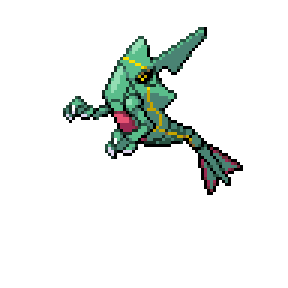
Dialta gallop through time to search for the greenest pastures to eat from. They are careful to avoid other Pokémon during their travels to prevent rippling effects felt throughout time.
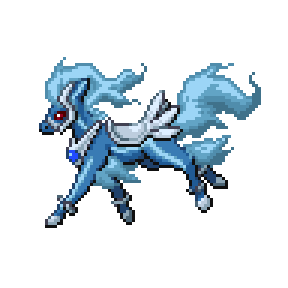
Palkpod are almost never seen moving, as they can manipulate space to levitate and move across fields in the blink of an eye. Pokémon that disrupt their rest are sent to distant lands far beyond the horizon.
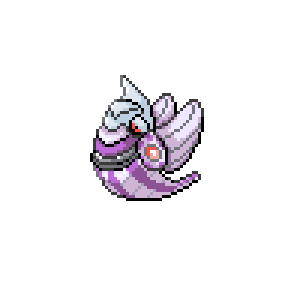
Girachu unleashes cursed bolts of electricity against those who mock their diminutive size. Their endless wrath against people and Pokémon alike makes them dangerous creatures to cross.
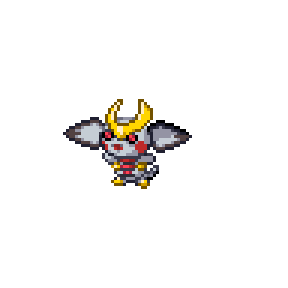
When a Trainer enter Regisaur's chamber, a poisonous gas hisses from its body. Many Trainers ignore the presence of this gas until they are too sluggish to move, giving Regisaur the opportunity to usher unconscious Trainers out of the ruins.

Regimander are said to make mountains erupt with each of their tiny steps, so many people have given them offerings and a comfortable den in an effort to keep them from moving.
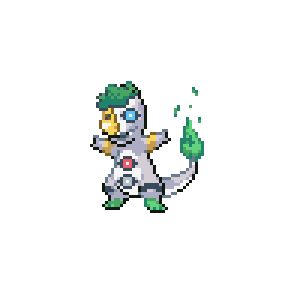
Darkfish cast a penumbra of shadows over fishermen who catch them at sea before vanishing. Whenever those fishermen fall asleep, they experience nightmares of being eaten by the fish they have caught.
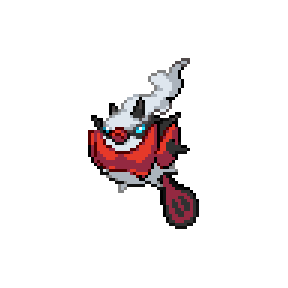
Genepod only have a single shot to scare away predators, as the cannon takes a long time to reload. Even though some predators see through this deception, many do not go through the effort to break through their tough cocoon.
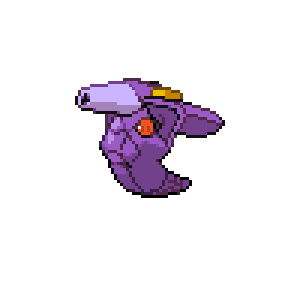
With a full CD tower, Genegon2 can fire up to five types of blasts from the cannon atop their head. This adaptability also gives them a major weakness, as these CD drives are fragile and prone to scratches.
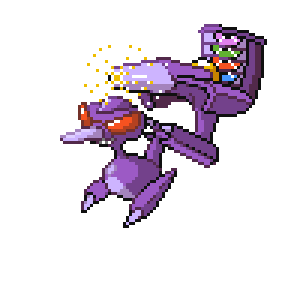
Genevile are capable of carving holes into glaciers. By latching onto ice with their claws, the charged burst of energy from their arm cannons shatters ice into small pieces. This often causes dangerous avalanches.
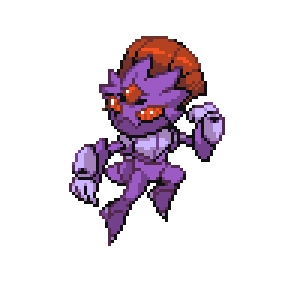
Genemoth are territorial creatures that defend light sources from other light-seeking Pokémon, blasting swarms with their cannon. Depending on the size of the swarm, they can fire small bursts or launch a single, charged blast.
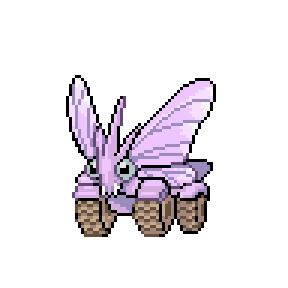
Legends describe Reshiew traveling throughout the world to bestow the concept of truth onto ancient civilizations. Simply being near Reshiew makes it difficult to tell lies.

Reshikoal release incandescent flames that glow white with extreme heat. The resulting smoke that erupts from their bodies borders on scalding hot, so Trainers wear gloves whenever they handle Reshikoal.
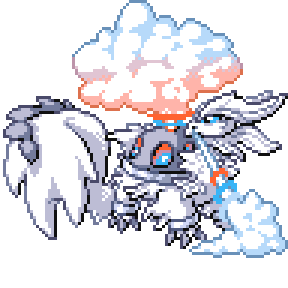
The pink gas that Clefing expels from their body is said to make people feel lightheaded and dizzy. With enough Clefing exposure, some people even describe seeing stars in the middle of the day.

The silvery dust that Clefzing produce is a toxin that causes hallucinations. People describe feeling lighter and seeing stars while under the influence of Clefzing dust.

They enjoy eating snacks that people leave behind on mountain trails, and as a result have a tendency to get poisoned from food left out too long. To remedy this, they find and keep a Drash Berry handy to ensure they remain healthy.
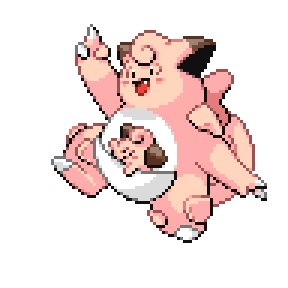
Clefdile carry a Moon Stone wherever they go, as they rely on the stone to sharpen their teeth. Whenever the full moon is in the sky, Clefdile roll their Moon Stone outside to absorb moonlight.
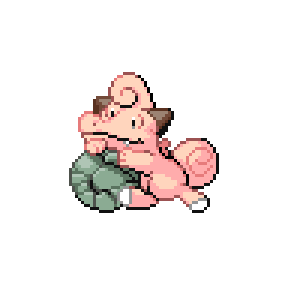
Clefhoot rocks back and forth in a consistent rhythm. When this is combined with the flapping of its feathers, it harnesses the move Metronome to call upon strange, unseen powers that yield different results each time it is used.
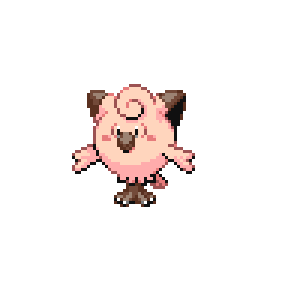
Clefchou produce a soft glow from their antennae. The bulbs at the tip of their antennae resemble Moon Stones, so much so that other Pokémon begin ritualistic behavior typically only seen during the full moon.

At sunset, Clefloom emerge out of hiding to soar through the night sky and absorb moonlight. On nights of the full moon, the flower on their back glows brightly as they dance in synchronized patterns.
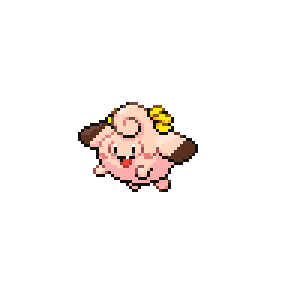
Clefckle ferment berries within their bodies and wait until the full moon to extract Berry Juice. The Berry Juice that is created on nights of the full moon has a syrupy sweet taste that many culinary chefs wish to replicate.
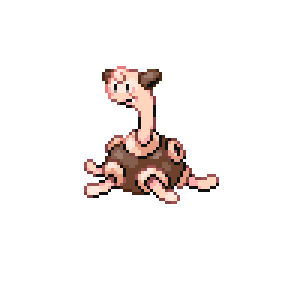
Cleftang relies on its twin brains to create a heat map of Trainer activity and locates places where it can avoid human contact. Once every full moon, it emerges from its hiding place to soak in the moonlight and restore its mental energy.

After being abandoned and exposed to moonlight, Clefnette springs into action. It dances with other Clefnette to channel lunar energy.

Clefniclus are capable of manipulating the laws of physics, creating gravitational fields much stronger than the natural force that the planet exhibits. The starry black liquid that surrounds their bodies is said to come from outer space.

Infused with lunar energy, Clefxys float through the sky on clear nights to gaze upon the stars. On quiet nights when Trainers and Pokémon are asleep, Clefxys create auroras in the night sky that few ever get to witness.

Clefdew produce pollen that pops when exposed to air for more than a few seconds, leaving many Clefdew constantly distracted. The production of this pollen pauses during the full moon.

Scientists have found new planets and stars by putting the gelatinous bodies of Clefsion under a microscope. While unproven, many astronomers claim that Clefsion have a copy of every star and planet in the universe inside their bodies.

The leaves atop the head of Clefish are speckled with white pollen that make them look like stars in the night sky. They stay partially embedded in the ground for most of the month, only coming out during the full moon.
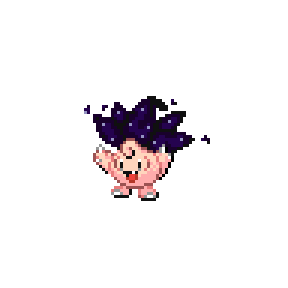
Clefadier hop through swampy marshes at night to avoid being detected by other Pokémon. During nights of the full moon, they infuse foamy bubbles with moonlight so that they can create dazzling distractions when they are caught.
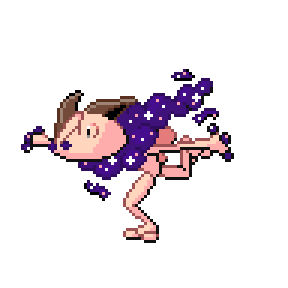
Cleftite helps mental health organizations facilitate yoga sessions for stressed out students and busy office workers. On evenings of the full moon, participants are in for an extra treat as they get to witness Cleftite shimmer with moon dust.
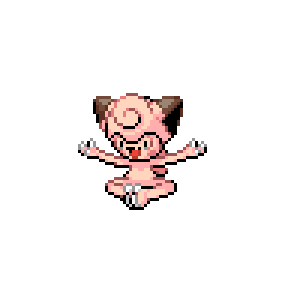
Clefamo shimmers with stardust wherever it swims. While beautiful, this stardust shocks predators once consumed and causes damage to the stomach lining, making predators think twice before eating Clefamo.
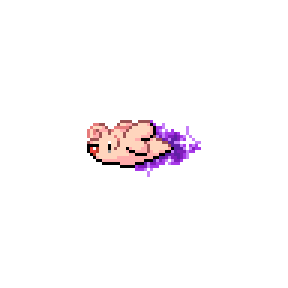
Clefdash release wisps from their body that resemble the night sky; each speckled with white dots that resemble stars. By staying awake through the night, they watch to ensure the young members of their herd are protected from stealthy predators.

Electricity crackles from stinger to stinger, each acting as a conduit for surging strikes. Angering Zekdrill causes clouds to rumble and the sky to shake as they rain down electric stingers from the sky. Few survive the venomous aftermath.

Zekrow defend their territory by conjuring balls of plasma that are nearly as big as themselves. These massive balls of electricity hold enough power to light a house for a month, but their aggression frightens scientists studying them.

Kyufing throw balls of frozen sludge that slowly evaporate into toxic fumes. These fumes make their foes feel incredibly feverish and make them more susceptible to Ice-type attacks.

Kyudash only allow a select few people to ride upon their back because they search for people who uphold the balance of the world. Their icy flames burn anyone who tries to force themselves onto their back.

Rosefing produce a potent flowery scent that lulls whoever inhales the aroma into complacent bliss. Many villainous organizations rely on Rosefing saturating a room full of this gas before putting on a mask and robbing people.

Rosenx wears long, floral dresses that vibrantly accentuate its dancing prowess. It draws attention to itself using the smooth gyration of its hips, which matches the rhythm of any music played nearby.

Rosenx wear provocative dresses to lure people into a dance. Once people start to dance, the pollen in the air compels them to keep dancing until they are exhausted.
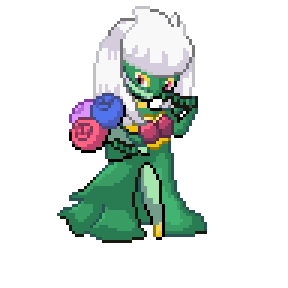
Rosenx wear provocative dresses to lure people into a dance. Their legs are particularly long, which allows them to block people from escaping with a swift maneuver.
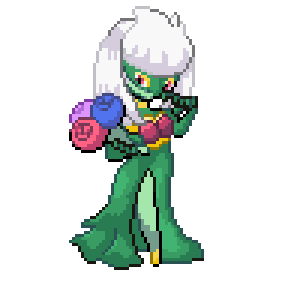
Rosenx have voluptuous bodies that rhythmically dance to whatever music is around them. Their alluring appearance helps them encourage other people into dancing.
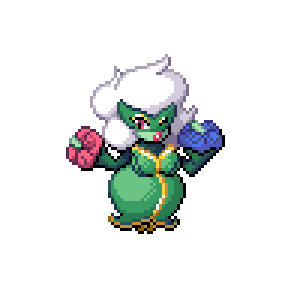
Rosenx draw other people into dancing with them through the use of a stimulating pollen. The excitement that people feel compels them to dance until they are exhausted.

Roseras grows flowers on its shell, which are planted there by people from across the world. It visits many places during its yearly migration, so many people have the opportunity to contribute to the bouquet on its shell.

Roseossom sews flowers into the leaves it grows. Its layers of vibrant emerald leaves create a beautiful display of flora.

Drifbquaza soar through the ozone layer of the atmosphere where they watch meteors burn and disappear. On the rare occasion they descend from high altitudes, they release gas from their head to slowly sink to the ground.

Lopkhan love children and express this jubilation wherever they go. Whenever they get to meet baby Pokémon, they give plenty of hugs and affection.

Lopans calmly approach their prey with a beguiling gaze, hoping to lull prey into a false sense of security. Once their prey is comfortable and well pampered, Lopans sink their fangs into their next meal.
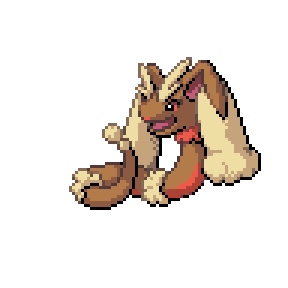
Lopgon2 resemble an optical illusion where their ears also look like a bill. Lopgon2 enjoy the attention they receive when people examine their body.
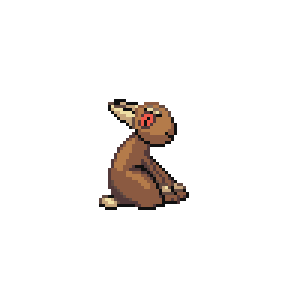
Lopcor are incredibly agile creatures that can duck and weave through the forest without hitting any obstacles. This allows them to surprise and envelop their friends in a soft cuddly embrace, which is a telltale sign of their affection.

Loplade are benign and friendly Pokémon that always treat others with respect and kindness. They do not tolerate inequity or cruelty and always seek to make things right.

Loptic perform at aquariums throughout the world, dazzling audiences with their beauty. Many people enjoy staring at their dotted scales to calm their minds, as the scales shimmer with just enough light to prevent eye strain.

They hide in caves when winter approaches, as their bodies are sensitive to the frosty weather conditions outside. They form small herds and tightly pack themselves into a cave before hibernating until the season is over.
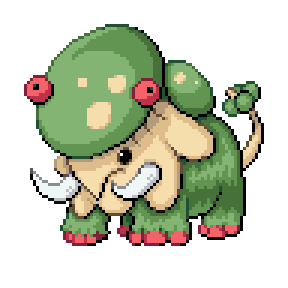
They frequently receive guests at their caves in winter and are willing to share the space if they remain uninterrupted in their mushroom cultivation. They pacify and lull unruly guests to sleep using a mixture of spores from their hands.
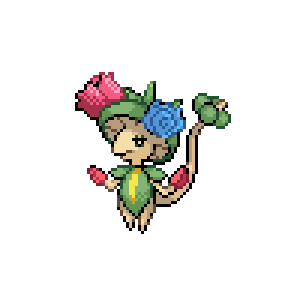
Nintret makes a great security guard because of its quick speed and releases a cry when someone leaves without paying. It can follow thieves for long distances to ensure they get caught.
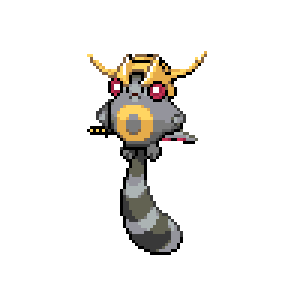
Ninret chases after criminals with high speed, ducking and weaving through obstacles that thieves toss its way. Once it catches up, it pins down criminals on behalf of its Trainer.
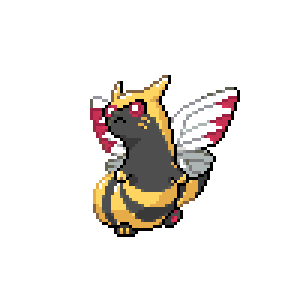
Ninskull remain dormant in tombs until they are exposed to light. When light shines on their bodies, they zoom towards the light and buzz with curiosity.
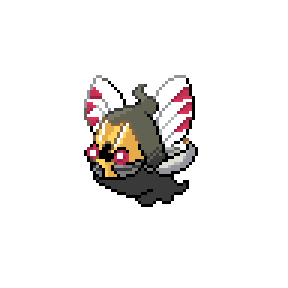
Banbone hide their appearance behind a cloak and skull. They carry an ethereal shovel that is said to help them unearth spirits, though this has yet to be proven.

Banite break into children's bedrooms to hide amongst toys and plushies. They long for affection and will do anything for a child that decides to adopt them.

Bandreavus are deeply rancorous Pokémon that haunt people who visit graveyards. They cast curses on grieving families that cause them to see hallucinations. Many visitors to graveyards carry a special amulet to protect themselves from the curses.

It is unclear which head of a Banwile is in charge of their body, but they provide a devious combo regardless. They love playing tricks on Pokémon and Trainers alike, often stealing items and berries to instigate a chase.
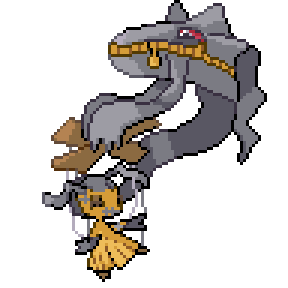
Baneye crystals store the cursed energy that Baneye naturally emit. When another Pokémon cracks their giant crystal, the torrent of cursed energy saps vitality from the assailant.
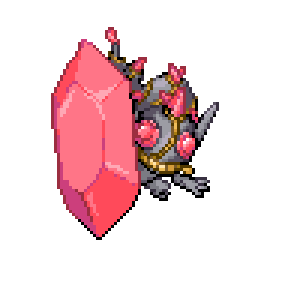
Banlass soar through howling snowstorms in search of the right Trainer. They can mysteriously detect what possessions a Trainer has and will flock towards those who are in possession of an old toy or plushie.
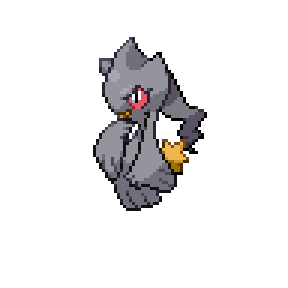
Banria absorb cursed energy from other Pokémon to make their cloud of malevolent energy bigger. During a Pokémon battle, they expend this cursed energy to inflict hexes onto their opponents.
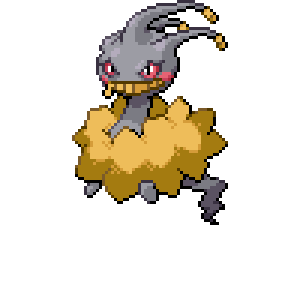
Banduck are impossible to hear coming because of their soft webbed feet. They stalk Trainers with the hope of becoming friends but often surprise and scare away Trainers instead.
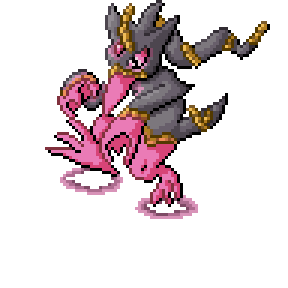
Whenever Trainers are home and need a reminder, many rely on Rohoot to remind them after a set period of time. Once time is up, Rohoot fly to their Trainer, vibrating and releasing loud chirps to get their attention.
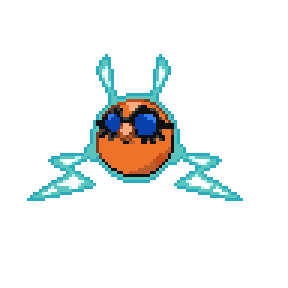
Roans resembles an arcade machine that hosts a game where a snake eats fruits to grow its tail. Many children love to spend time with Roans hoping to beat the high score, while parents try to unplug its energy to get children to do chores.

Rosaur loves to mow down fields of grass to nourish its body, targeting lawns with overgrown grass to eat the grass clippings. Many gardens have been ruined by Rosaur's careless mowing.
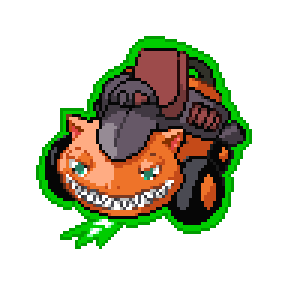
Robat disrupts radio frequencies around it by absorbing electromagnetic waves. When this occurs, it emits its own ultrasonic waves that are picked up by electronic devices.
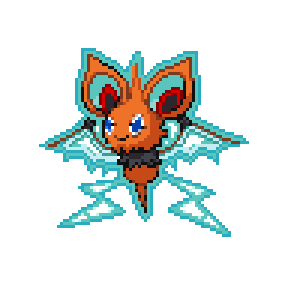
Rovern replaces electromagnetic waves with its own, which causes all devices in an area to play whatever melody it wants. Scientists require special insulation to study this Pokémon because of its strange ability.
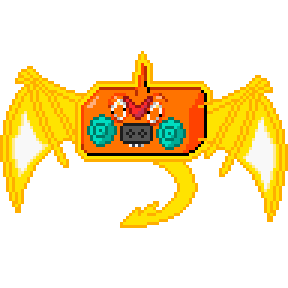
Many children have tried and failed to hit all of Rotrio's heads within the time limit. The prize for hitting all three heads is usually a shiny rock, but children enjoy the frantic game more than the prize.
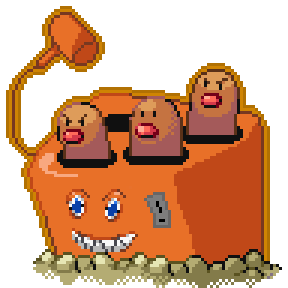
Roduck resembles a flotation device that children swim with. When the knob at its side is twisted, it activates hidden flippers tucked below its body to paddle through the water.
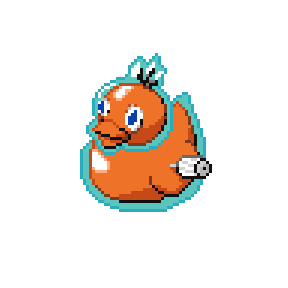
Rotly attacks by shooting concentrated bolts of plasma to the tune of energetic music. The sheet number of bolts that Rotly can fire often overwhelms its foes.

Reunipod creates a psychic shield around its gelatinous body to protect its soft innards. While it usually keeps to itself, it will intervene when nearby Metapod are harmed.

The stardust expelled from Clefing's body clings to clothing and fur and causes hallucinations when inhaled. Bright, twinkling lights are the most common experience caused by stardust inhalation.
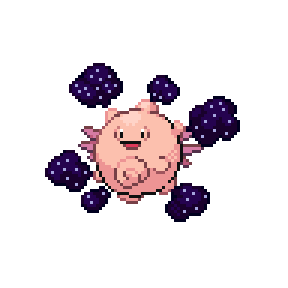
The cloudy dust Clefzing expel from their body resembles stardust. Many who inhale these particles describe hallucinations of flying through space.

Clefgon are said to come from outer space, as their erratic flight patterns are rarely seen in the wild. They only emerge out on nights of the full moon, appearing in groups in the sky and shooting Moonblasts at anything below them.
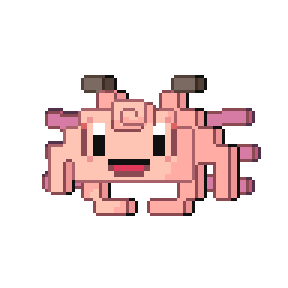
Clefking have lots of knowledge to share with the world but lose these powerful insights at dawn. Scientists have made expeditions into the wild to try to study these nocturnal creatures, but they rarely remain in one place for long.

Clefram enjoy soaring through the night sky to watch the stars above them. It is said that whenever a star in the night sky fades away, Clefram let out a cry into the endless cosmos as their tail pulses with stardust flames.
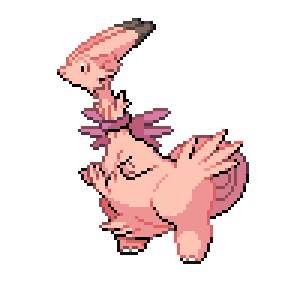
Clefblim float through the night sky to gaze at the stars. On nights of the full moon, they can be seen locking ribbons with each other in patterns resembling constellations.

With gravitational fields and the power of the stars, Clefniclus hide from scientists who wish to study their astrological powers. The only trace they leave behind is a black gel that melts into stardust.

Clefcott glide above rural communities where there are no tall buildings to block their path. On nights of the full moon, they join together to dance in the air.

Clefable baffle scientists because they are notoriously difficult to capture and study. They seem to only appear on nights of the full moon, but vanish the next day.
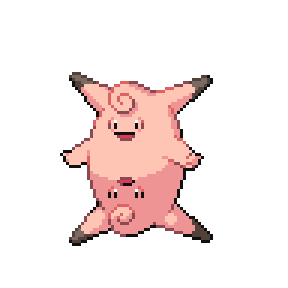
When the moon is high in the sky and shines its brightest, Clefrachi are said to give wishes to the first person they come across. Many people come out in droves every lunar cycle in an attempt to locate Clefrachi for their wishes.

Clefink has a unique mechanism in its body that tracks the lunar calendar. At the turn of a lunar year, its body triggers a sound that marks a new year.

Clefelia have budding flowers that bloom on nights of the full moon. It is said that if a person comes across a Clefelia during this time, they will meet their soulmate shortly thereafter.
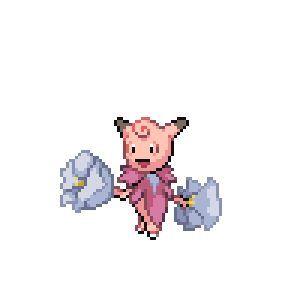
Clefsion surround themselves with a special black liquid that glows when exposed to matter from outer space. Astronomers often keep them as pets because they enjoy stargazing.

Clefolett patrols ancient catacombs with a certain whimsy, shrinking itself down to stalk grave robbers undetected. Once bored of the grave robbers, it shoots a powerful Moonblast to scare them away.

Clefice produces a bright pink ice from its body that is rumored to track the movement of celestial bodies and glow when exposed to astrological symbols. Superstitious people rely on these shards of ice to make major life decisions.
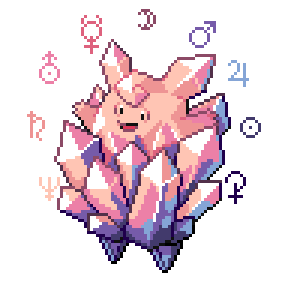
The shards of ice around Clefice's body glow under the zenith of the full moon. Obtaining a Clefice shard is difficult, as special suits are required to prevent frostbite when mining these shards.

Clefras produce spores that sparkle when they make contact with the air. It is said that each spore is a new star that can be seen in the night sky, which may explain why they produce so few spores.

Clefadier rely on their foamy bubbles to distract Pokémon as they move through the world. They infuse moonlight into these bubbles to make them sparkle and shine, giving them the opportunity to slip past undetected.
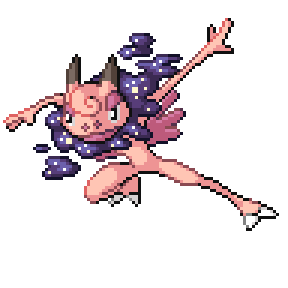
Clefly spends most of the month siphoning nectar from flowers until the full moon is bright in the sky. At that point, its wings glow as it enters into a courtship dance with another Clefly, hoping to find a mate.
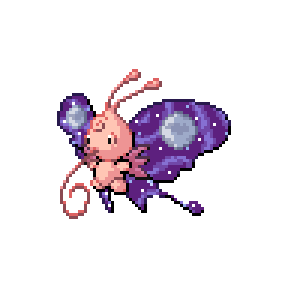
Clefitty are restless creatures that love to chase the moon-shaped ball on their tails. Whenever the full moon is out, they momentarily stop chasing their tail to gaze upon the moon in the night sky.
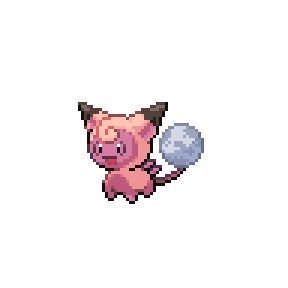
Clefduck stare at the moon whenever it is visible in the night sky. This practice momentarily rids them of the headaches that they get during the day.
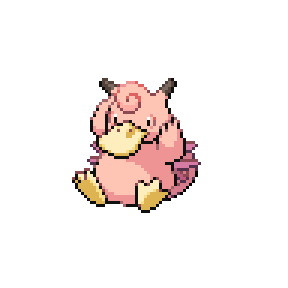
Clefatone has a special glow that waxes and wanes with each phase of the moon. Many Clefairy and their kin shrink themselves down onto Clefatone to soak in its lunar glow.
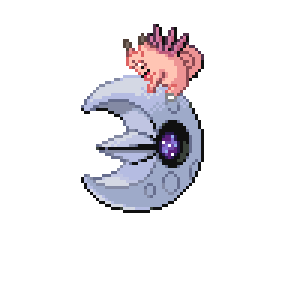
Cleflithe have fuzzy bodies that keep them warm when they stargaze at night. On certain nights when the full moon is out, they howl and bark until dawn.

Whimsiew love to slip under doors to homes and spread their cotton everywhere. If for whatever reason their escape path is blocked, they can simply teleport away, making accountability nearly impossible.
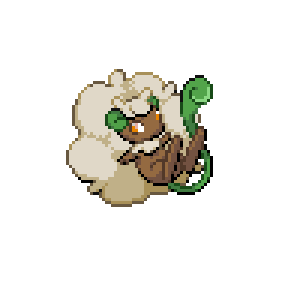
Shepherds travel with groups of Whimsireep to migrate between grassy pastures. Whimsireep need their fleece to be sheared daily to prevent them from overheating.

Whimsitales produce silky smooth fur that is spun into trendy yet urbane clothing. They enjoy the sensation of having fur plucked from their bodies and love to examine the clothing that fashion designers make with their fur.
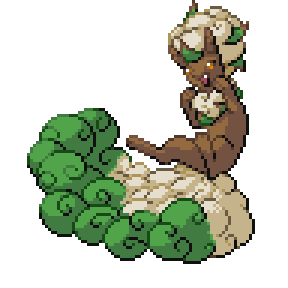
Whimsionee rolls through the world like a tumbleweed, collecting dirt and twigs in their fluffy cotton. If they get stuck on a shrub, they shed the outer part of their cotton to continue rolling.

Whimsipede are raised to produce cotton from the moment they leave their egg. Their venom is extracted from their fangs every day to prevent stains in the cotton.
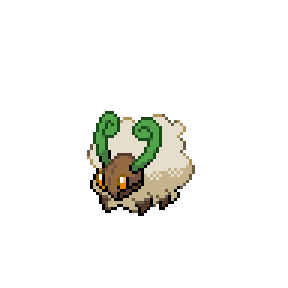
They get energized when exposed to sunlight for long periods, which helps the oxalis in their pompoms blossom. They wave these pompoms whenever their Trainer is sad in the hopes of cheering them up.

They migrate to geysers on a seasonal basis to soak in heat and mineral-infused water from the eruptions that occur. They enjoy the hot temperatures of the area and are known to rest in the superheated waters nearby.

Whimsiuk are particularly annoying pranksters because they can slide under doors to spread balls of cotton everywhere. They are tolerated because they eat plastic, converting it into biodegradable cotton fluff.
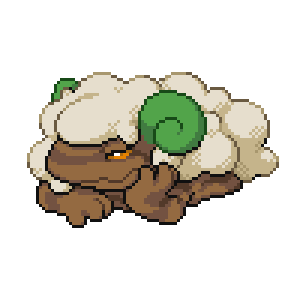
Krookoshrew are prideful Pokémon, and refuse to help others without some sort of reward or gift. Miners are known to give broken gem pieces to bribe Krookoshrew into working.
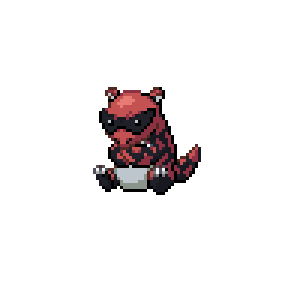
Krookoslash dig gems alongside miners in a mutual interest to excavate gems. Miners spray potions onto their rust-colored bodies and in return they help miners extend mineshafts farther below the surface.

Krookoninja sneak into forgotten castles to search for treasure to bring back to their Trainers. If they are caught trespassing, they unleash a burst of Water Shuriken before burrowing underground and tunneling away from the scene.
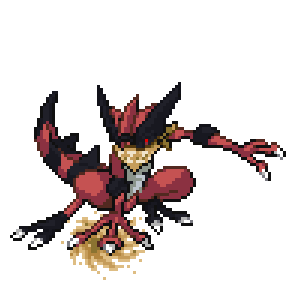
Cofapom guard ancient tombs by grabbing onto intruders with an ethereal hand and escorting them out. Prolonged contact with a Cofapom causes hallucinations of hands appearing from the ground.
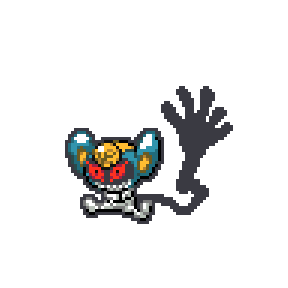
Cofaceus have 1,000 hands that writhe and wrap around their body, each hand splitting into a great multiplicity of fingers. Whenever they sense a tomb raider in their ruins, the shadowy hands rush to dispose of the intruder.

Galvantret form nets out of webbing when foraging to help them carry the berries they pick. They are fond of Magost Berries because of the sweet flavor inside.
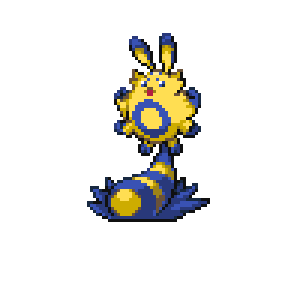
Ferrosaur have barbs that cause a stinging sensation when they inject venom into another Pokémon. Their metallic barbs break when under stress to ensure that the venom is not wasted.

Ferrosaur latches onto its foes to suck out nutrients with its long tentacles, each with a set of barbs to cling to fur or scales. Many Ferrosaur inadvertently help remove toxic metals from their hosts, absorbing them into their own bodies instead.

Whenever Ferrogon2 enters into a new PC, it causes sharp metal thorns to sprout from the cables connected to the PC. It is believed that Ferrogon2 produce these thorns to prevent Rattata from chewing on the cables.
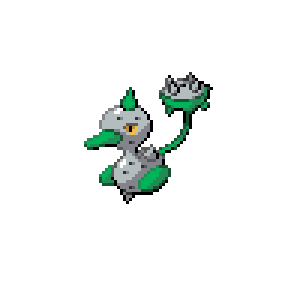
Ferroki hold keys to all sorts of outdoor gates and often open them to let Pokémon out of captivity. It is said that if a Trainer mistreats their Pokémon, Ferroki will come to liberate them.

Wandering through old, decrepit manors, Litquil eat pages from books to sustain the flames on their backs. During the summer, Litquil congregate in the basement of these manors to avoid being melted by the hot summer sun.
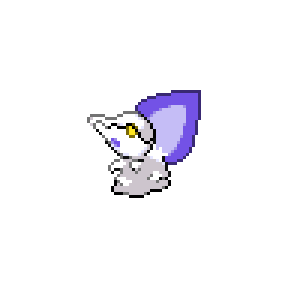
Litrak's flame on their head flickers softly to lure Bug-type Pokémon into their webbing. Litrak stop their prey from struggling by injecting them with a potent venom.
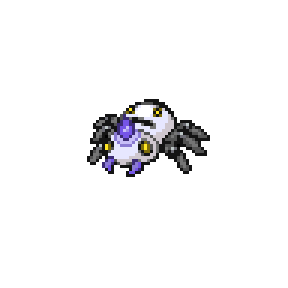
Litdos flicker the flames on their back to lure prey into their webs. If their prey attempts to break out of the webbing, Litdos light their webbing on fire to prevent escape.

Litsaur have waxen bodies that are constantly burning. They produce spores that can burn for hours at a time, which make them perfect exploration buddies.

Litgma can be found in long-forgotten estates where they illuminate hallways with soft flames. They follow a set path as if guided by a timeless tradition, following the same routine every day for generations.

Litchum search for Kasib Berries near graveyards or haunted manors to help protect themselves against other Ghost-type Pokémon. They spend hours in front of mirrors to check if the fire on their head is still lit.

Litras are difficult to get rid of because they can be observed absorbing things typically incompatible with their body. Their ability to absorb water and fire fascinates scientists, even if they cannot do both at the same time.
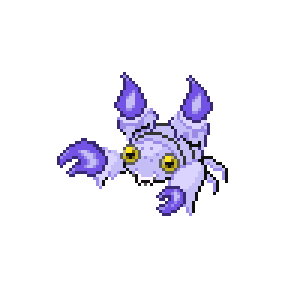
Litlix are as piping hot as a Hot Litwick Cocoa drink. The soft sugary blobs that melt from their heads are added to coffees and hot chocolate to keep the drinks hot.
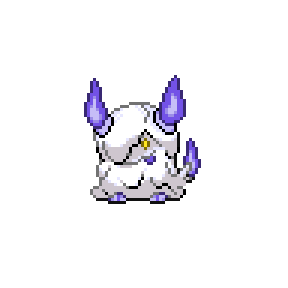
Lith break into safes by making key molds out of wax. Once they are able to access the contents of a safe, they store the goodies in their waxy body.

Litsian can be found resting above fireplaces where the hot temperature keeps their waxy body soft. When the fire is at the right temperature, they softly purr with delight.
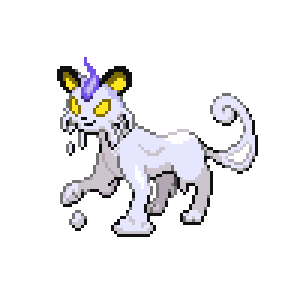
Litmel crawl at a slow pace to avoild losing any of their precious wax, but are dull-minded and easily distracted. Trainers can collect some of this wax while Litmel are distracted by a fancy treat, fetching a high price at auctions.
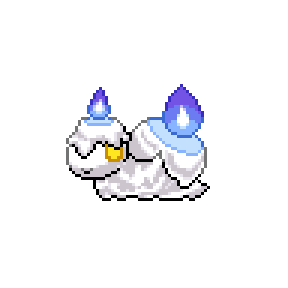
Scampering through vintage houses, Litlithe search for someone to shower them with affection. Their tiny, waxy pawprints can be found in the vicinity of these long-abandoned homes, cataloguing the daily activities of these ethereal Pokémon.

Mysterious flames burn from within the nearly flat faces of Lampown, creating a glow beneath them as light reflects off their caps. They float around ancient caves, illuminating runes of civilizations lost to time.

Lampkip rests below downspouts after a heavy rain, as the water bounces off its dome-shaped head like a rain drum. Each drop creates an ethereal ring, forming a melody that is rumored to awaken the dead.

Lampth wander ancient mansions and chateaus and illuminate the area around them. They rummage through every room searching for antique treasures to steal.

Chandelgon2 can stretch their body to several meters in length to evenly distribute the lights on it. Several Chandelgon2 can form a connected chain to rapidly change the color of lights in the room.
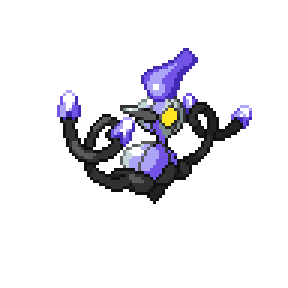
Chandelth beckon travelers to a secluded location before they flash a bright light to blind the travelers. Once blinded, Chandelth pilfer any money and jewelry they may have before vanishing without a trace.
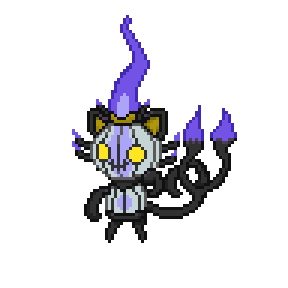
The many long blades across Haxdrill's body are coated with venom. Whenever they slash at their foes, painful blisters sprout from the cuts they create.
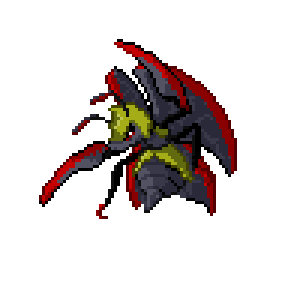
Haxgon2 slice livestream videos into parts and splice together parts to create a funny clip. Many content creators rely on Haxgon2's help to capture memorable moments in a condensed format.
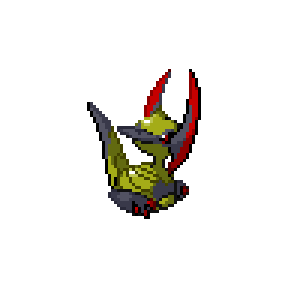
Golupie live inside ancient tombs where they scuttle across dusty sarcophaguses. They produce a sticky teal silk ancient people used to spin silk.

Goludos protects old villages from storms, flying into the sky to neutralize lightning strikes. When that storm passes, elders offer gifts as a tribute to ensure it stays happy.
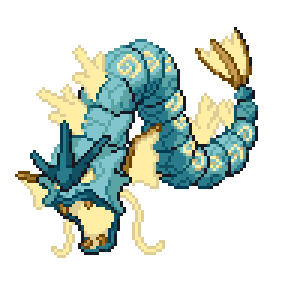
Goluown patrol ancient ruins to protect them from thieves. Historians study the markings across their body to learn more about ancient civilizations.

Golugon2 wander ancient tombs to locate cameras set up by archeologists and consume the data within. The remaining images left behind by Golugon2 are highly distorted with blurs and compression artifacts.
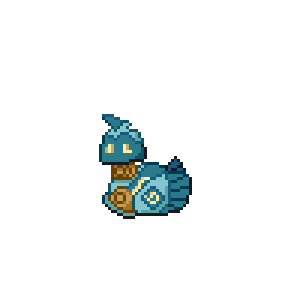
Before the mass production of iron, Golugross pressed metal ore against sand molds to produce rudimentary spearheads. They served as juggernauts who gave people protection and a means to defend themselves.
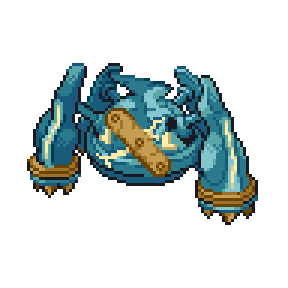
Goluler resides in ancient sunken pirate ships where it protects whatever is inside. It is speculated that it is protecting its former owners, though this has yet to be confirmed.
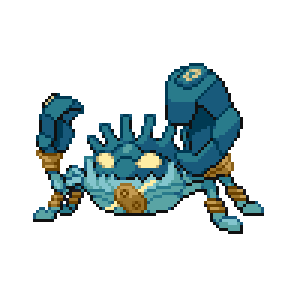
Vulorb enjoy rolling around with their rotund bodies and flaunting their beautiful tails. It is said that if their tails get dirty, they get so upset that they explode.

Vulgela can be found at many coffee shops helping baristas. By extending their vines to reach high shelves and delivering hot drinks to patrons, they are a valuable companion during rush hours.

Vulquil pumps its tail like a set of bellows to fan the flames on its back. This activity takes lots of physical effort, so it ends up hungry after a few minutes of fanning the flames.

Vultret resides in bushes near cafes and diners, as it enjoys the attention of people who walk by. It is known to sneeze embers during pollen season.
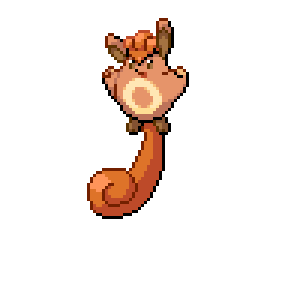
Vulret lives near popular parks and gardens, as it enjoys being pet by people who pass by. It is known to follow people home before returning to its den.

Vulbird deliver all sorts of mail throughout the year. They breathe out embers into their paws to keep themselves warm but need to be careful not to burn the mail they are supposed to deliver.
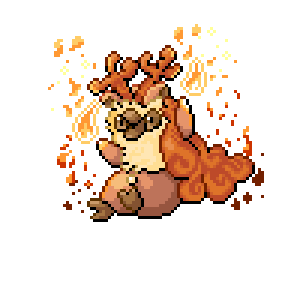
Vulrill enjoy hopping on their tail and challenging themselves to bounce without falling off. After a play session, they burn away any grime on their tail.

To keep warm in winter, Vulup form groups and wrap their silky tails around each other to conserve heat. If they need to move while huddled together, they waddle with their tiny feet.

Vulish have up to eight tails, their bulbous bodies unable to handle more than eight. They are a status symbol due to the high costs of grooming, as maintenance takes up to 2 hours per tail.
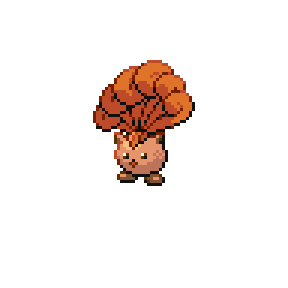
Vulcorio cheers with adulation from the sidelines of a Pokémon battle. Its fiery performance invigorates its teammates with the zeal needed to overcome adversity.
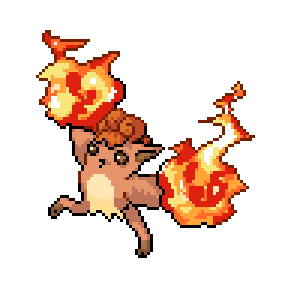
For many who bruise easily, Vulaura can help make recovery easier by pressing their cold bodies against the affected area. Vulaura also have fluffy tails that can be placed in front of their body to reduce the intense cold feeling.
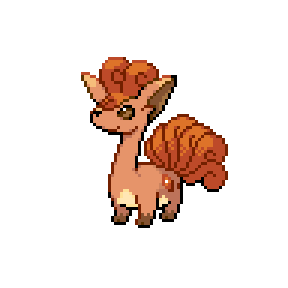
Vulnat has delicate fur that gets matted easily. Trainers keep a bright light nearby to distract it when brushing its fur.
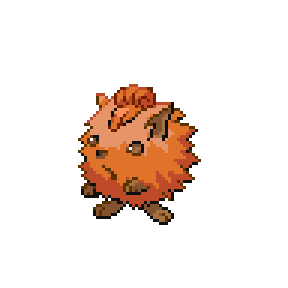
Vulpuff have a unique taste that resembles a Burnt-Caramel Vulpix Sundae as they both have smooth buttery notes with a creamy taste. Unlike the Sundae, Vulpuff can decorate themselves with various toppings, like a delicious, candied cherry.
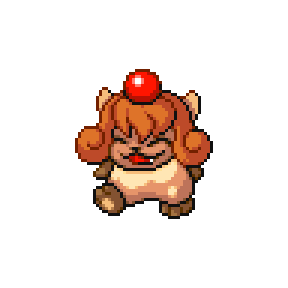
Vulmel can be incredibly stubborn, refusing to move out of the rain even if it means getting their fur wet and not reaching shelter. An effort has been made to preserve their numbers through domestication.
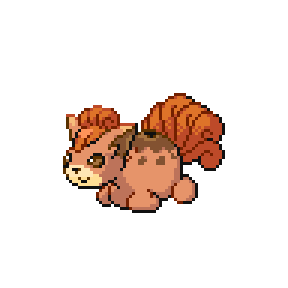
Whenever Vulduck have a new insight, they release a puff of embers to show their excitement. Sometimes they forget these insights afterwards, leaving them confused about how they got so excited.

Vulithe have paws that can get hot enough to leave paw prints on wood, so Trainers often wear gloves when handling them. Trainers also need to brush their luxuriously silky fur to ensure they remain clean.
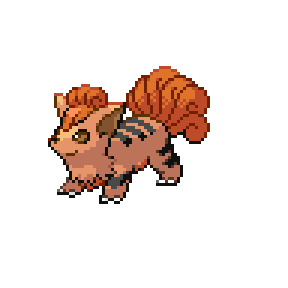
Pyukuslash sheds quills that are used by acupuncturists to help people relieve stress. The sticky mucus it releases can be used as a local anesthetic or can be wiped off to perform more traditional acupuncture.

Its body produces a natural stimulant that causes it to raise its speed to levels that rival modern machinery. A single boost to its defenses through a Ganlon Berry or otherwise makes it a formidable foe.

Klefgon2 help people generate and store passwords for other websites and applications. As a password manager, Klefgon2 provide a vital role in securing information for their Trainer.

While Klefkrow specialize in finding lost keys, they are also quite handy at finding anything their Trainer loses. Many can be trained to return items to where they belong to help their Trainer with organization.

Klef Jr. work alongside locksmiths to learn how to open locked doors. They often learn best through mimicry, so many locksmiths have them practice on other doors to improve their skills.

Klefeye helps locksmiths open doors for people locked out of their homes. They are mischievous Pokémon that like to hide tools for opening doors but always return them before their Trainer gets angry.

Klefra's odd telekinetic powers are limited to keys, so their Trainers keep a set of keys around when they want to train it. Its powers are so precise that it can reliably open doors with the right key.
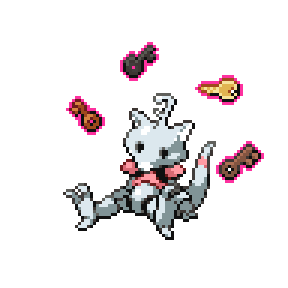
During a battle, Talonium shoots spores from its petals, which cling to the opposing Pokémon. It will then ignite the spores by spraying embers from its feathers.

When Talonossom are excited, they release embers from in between their petals to pepper the area with ash. When they are not training or spending time eating, they love to nap in the sun.

Talonmory roast their prey by breathing out flames from their beak. Once their prey is burnt to a crisp, their talons tear into the burnt remains.
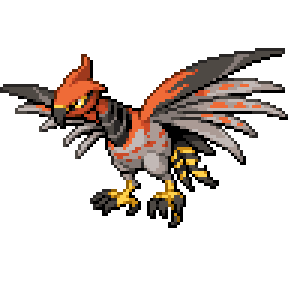
Talonlett release powerful flames from their beak to knock down Bug-type Pokémon from branches above them. Once their prey is on the ground, Talonlett drag them into a hole to eat them.
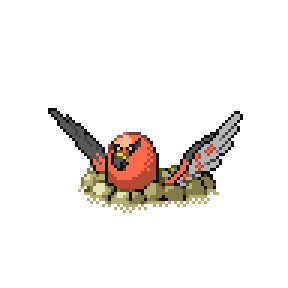
Talontrio shoot powerful flames at the trees above them to roast Bug-type Pokémon before they even get to the ground. Once their prey reaches the ground, a flurry of pecks consumes their meal.

Mimipie are puny creatures that have few defenses. They are constantly under threat of being uncovered by Flying-type Pokémon that try to eat them, so they often hide to avoid their disguise from coming off.
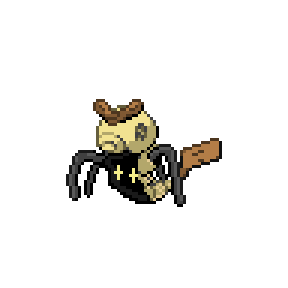
Mimidle may seem meek because of their small size, but their venom is capable of numbing the mouths of foes much larger than themselves. Their head resembles a tennis ball, which often causes other Pokémon to pick them up on accident.

Miminyte takes helmets from Gridiron football and makes them into its shell. Some enthusiastic fans enjoy painting Miminyte's shells to match their team's colors.
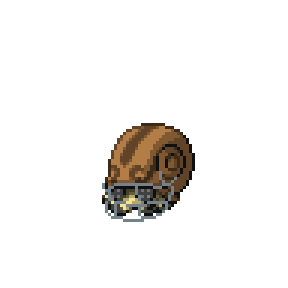
Miminyte relies on finding old Omanyte shells for protection and social integration. Groups of Miminyte gather to swap their shells in unison, each going to a shell one size up.
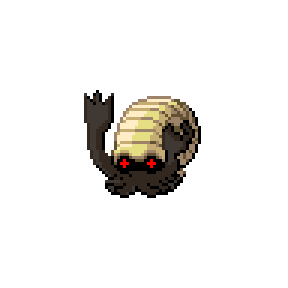
Mimitata wear a disguise so that they can be friends with Rattata. They struggle to integrate with other Rattata because their front teeth fall out often, so they avoid using their teeth when possible.

Mimicate create their disguise out of frugal parts, perhaps a cloth sack or a scrap of clothing, and mingle with other rat Pokémon. They avoid activities where they need to use their teeth to avoid rousing suspicion among others.

Mimilix's rocky bodies are held together with needles and thread. Their jaw is made of a metallic piece of scrap metal that can shut quickly, but bites from Mimilix have little force behind them.
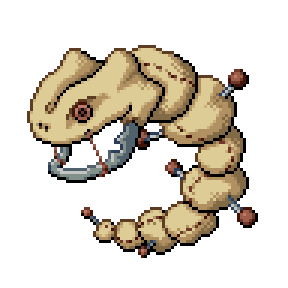
Mimigon2 resemble a pop-up ad asking for money from the user, though their misspelt words and shaky avatar make them easy to identify. Despite their obvious flaws, Mimigon2 still manage to extort considerable sums from unsuspecting individuals.

Mimigon2 resemble a pop-up ad asking for money from the user, though their misspelt words and shaky avatar make them easy to identify. Many elderly PC users end up giving Mimigon2 money in an attempt to remove the pop-up.

Mimirogue practices a variety of martial arts to prepare for its evolution. It learns best by copying other fighters but has a difficult time discerning what style is best for itself.
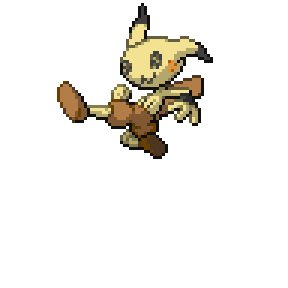
While Mimiran try to play with others of their kind, their sickly colors cause others to ignore them and leave them feeling lonely. Trainers who want to raise a happy Mimiran need to offer them lots of attention and companionship.
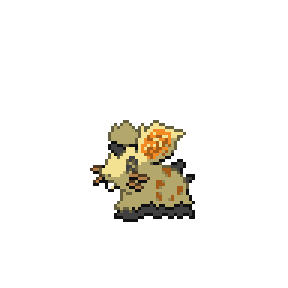
Mimimander wear a disguise that has a lurid color that makes them look sick to evoke feelings of sympathy. They take great care to ensure the flame at the end of their stick does not get extinguished.
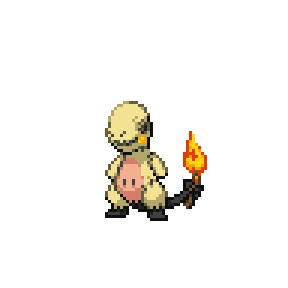
Mimituff inhale air and expand their body to have enough breath to sing long songs. They are most vulnerable when they are full of air, as this puts strain on the seams of their disguise.
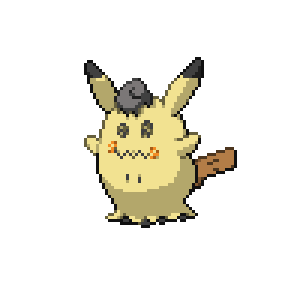
Mimiladin have a tough shell that is made of an old basketball. Many carry a ball pump to ensure their shell retains its durability. If their shell is damaged, they go dumpster diving to find a new ball.
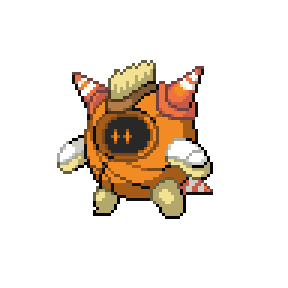
Mimimeleon pretend to act cool to blend in with their cohorts but get quite flustered when another Pokémon catches them without their disguise. They need to change their disguise often because it frequently catches on fire.

Mimiduck are made of a patchwork of fabrics, a cap for a bill, and two large googly eyes. They shuffle furtively below the fabric to keep themselves upright, but end up hunched over whenever they are tired.

Mimitle wear the remnants of a toy ball to wear as a shell. This shaky piece of protection is prone to falling off whenever they move too fast.
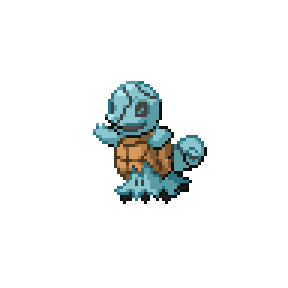
Mimitoise wear a tire with a large pipe on their backs to hose down foes. The stream of water from their back has enough force to knock down a person from several feet away.

Miminix carry a balloon and lightweight stones to make themselves look like an Onix. They often lose control of their bodies, losing parts of themselves as they rush to integrate with other Pokémon.
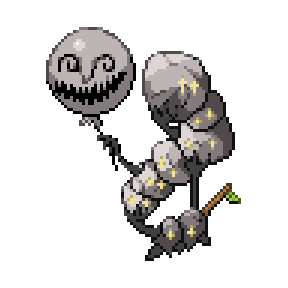
Volcachamp love to fight against other Fighting-type Pokémon and constantly train their bodies to improve their performance. Whenever they are losing a battle, their fists burst into red hot flames to give them the boost needed to secure victory.

Deipie have poor eyesight, so they rely on their sensitive noses to detect leaves in the nearby vicinity. They can also smell predators from a long distance, giving Deipie time to hide before the predator strikes.

To defend themselves from danger, Deiwak rattle their bony club against the ground to locate their foe with sound waves. Once they have a grasp on where their foe is, they toss their club to whirl through the air like a boomerang.
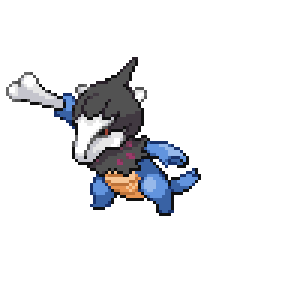
Deiby rely on thermal radiation to sense other Pokémon around them, as they are completely blind. When encountering a Pokémon that does not release heat, they become aggressive and blindly headbutt everything around them until they calm down.
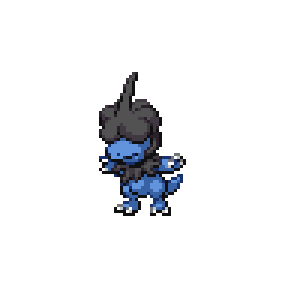
Before the world was illuminated with electricity, they were sent with missives and other stationery in darkness. A Covert Cloak let them avoid being slowed down by frost and other effects.

Deibat are completely blind and rely on echolocation to navigate caves. Whenever they encounter an unfamiliar Pokémon, they headbutt the new presence to investigate.

Deisian has a strong sense of smell, which helps it sniff out the pungent Cornn Berry. Its pigmentation deepens when eating a healthy amount of these berries, which also helps it prepare for further evolution.
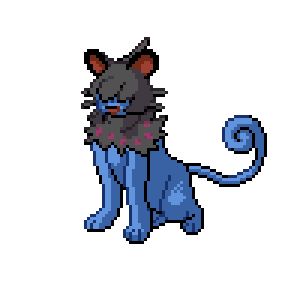
While one of Deiduo's heads is completely blind, the other has nearly perfect vision and can see for miles away. This has led to a situation where one head constantly grooms their body while the other keeps them moving through the world.
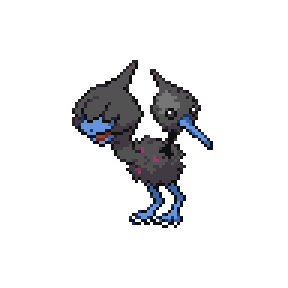
Deidrio have three heads that are always in disagreement about how to share food. Two of their heads are always fighting for more food, while the blind head always wants to share the food equally.

Zweiduck are incredibly sensitive to light. While one head has mild protection with hair covering their eyes, the other head has no such protection and often gets overstimulated.

Zweiduck are extremely sensitive to light. While one head has a natural layer of fur protecting their eyes, the other head has to flip their head upside down to shade their eyes.

Zweiduo have two heads that are blind to the world around them. They rely on their powerful noses to locate food and often struggle to keep up with other members of their flock.

Zweidrio have three heads that never seem to agree on where to go. The head that is able to see always wants to move quickly, while the other two heads are blind and always bicker about which scent trail they should follow.

Hyduck swims at the bottom of the sea to eat falling scraps from other Pokémon. Its three heads have different personalities, which causes conflict when one head disagrees with another.

Lanx can be found in remote places dancing by themselves. They release a mist that obscures vision and are known to teleport away if they realize they have been seen by a Trainer.

Laew dart through the sky at supersonic speeds and manage to do so without being detected. By scattering light that reaches their bodies, they can avoid being seen as they zip by.

Laew avoid detection by scattering rays of light around their body, ensuring they slip through crowded areas without being seen. Many play pranks on children by only appearing when no one else is watching.

Few ever spot Larachi, let alone have one of their wishes met by these gentle Pokémon. Only revealing themselves to those who are pure of heart, Larachi gladly turn a brave soul's dream into reality.
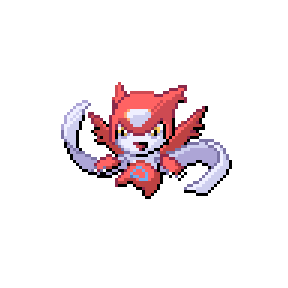
Lacie have a large, blue crystal atop their heads that vibrates as they soar through the sky. The vibrations from the crystal produce a resonant ringing that is painful for people with ill intentions.
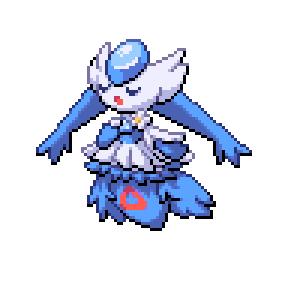
Nineorb roll along the ground with their round bodies to avoid making their tails dirty. They try to keep themselves calm and poised so that they do not get overestimated.

Ninepod have creamy, vanilla-colored tails that wrap around their bodies. Predators typically leave Ninepod alone to avoid getting burned by powerful flames.
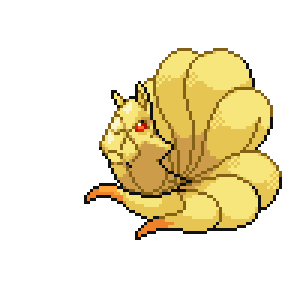
Ninenx have a grand, opulent presence because of their tedious grooming practices. They spend hours fretting over every detail of their appearance, down to the very hair.
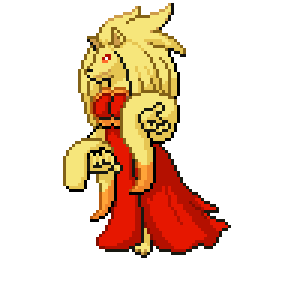
Ninelax are often surrounded by baby Pokémon who enjoy sleeping within their luxuriously fluffy tails. When they are not sleeping, they are search for berries to roast and consume.

Ninetret avoids cities with high levels of pollution and noise and will migrate to places where there is high foot traffic. This is because it enjoys interacting with people, in addition to avoiding illness.

Nineret dislike the feel of asphalt on its paws and prefers soft textures that are easy to press into. Urban parks satisfy both its paws feeling comfy, and its desire to spend time with people.
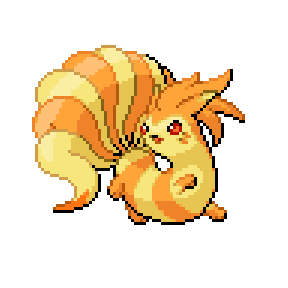
Nineros prevent ships coming in to port from hitting rocky coastlines by powering lighthouse generators. If these generators fail, Nineros shoot flames into the sky to continue warning sailors at sea.

Its nine tails wrap around itself until there is enough light to conduct photosynthesis. It hides a Heat Rock in one of its tails to ensure the sun gives it plenty of energy.
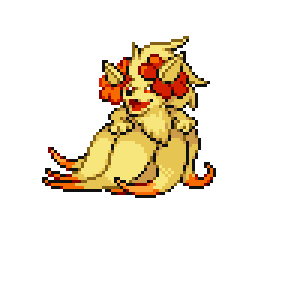
Nineursa patiently waits for its parents whenever they hunt for food, as it is too frail to handle being stung. It practices shooting fire from its many tails, which leaves burn marks on tree stumps throughout the forest.

Ninering is incredibly territorial, and leaves burn marks on trees to mark its territory. Its many tails aid with climbing trees to gather honey from hives, which have few defenses against its fire.

Ninekiss give out blessings to Trainers they come across to spread good luck and warmth. Many blessed by Ninekiss report feeling comfortably warm even in frigid temperatures.

Few are able to resist Ninerade's gentle aroma before succumbing to its flames. People who have survived an encounter with a Ninerade describe being enveloped with a pillowy warmth.

Ninecorio swirl their tails in a beautiful flourish to display their luxuriously silky fur while they dance. If anyone tries to touch their elegant fur without permission, they are repelled by a burst of flames.
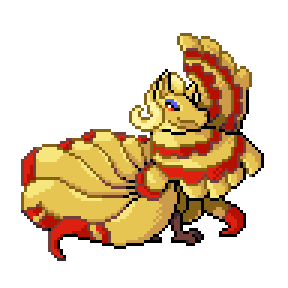
While Ninecorio are great performers, they are also mischievously envious creatures. They are known to sabotage performances to make themselves look better by comparison. If caught, they release flames from their fans in frustration.

Ninemoth flies towards streetlights at night. Whenever the light turns off at dawn, it will attempt to reignite the streetlight with its own flames.
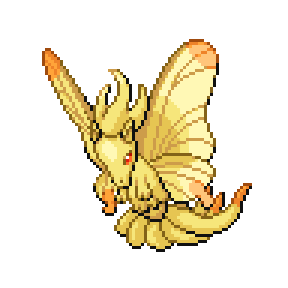
Ninefetchd carries a special charm wrapped around its wing. It is said that whenever Ninefetchd harnesses its flames, this charm glows to bestow good luck onto those around it.
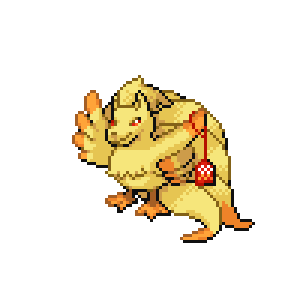
Ninegar swirls its many tails to conjure fireballs to shoot at its foes. It is a prideful Pokémon, and sneers with its big grin when it is about to win.

Particles of gas glow whenever Deobat screech, creating shimmers of light that resemble auroras. Deobat love to fly around at night, enjoying the freedom of the endless sky.
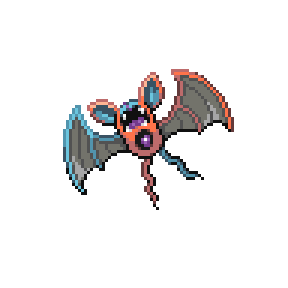
Jibone appear before orphanages to give children treats and gifts. Those who receive a gift from Jibone are likely to find a good home.
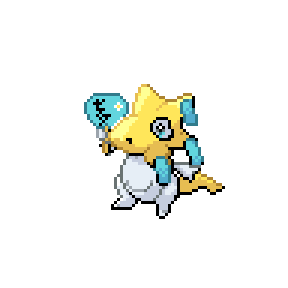
As Jipod develop within their cocoon, many wishful children give them their desires in hopes of coming true. It is difficult to tell whether Jipod grant these wishes as they can only wobble inside their cocoon and cannot speak.
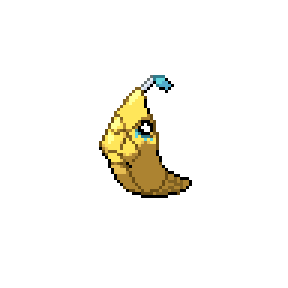
Jipy are capable of granting wishes to people who find them but getting them to stay still long enough to grant wishes is difficult. They are easily distracted and will chase anything that moves, even if it means interrupting a wish.
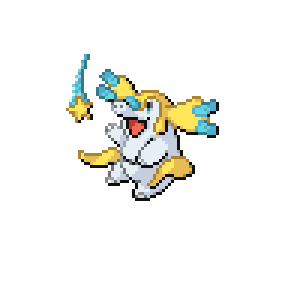
Jikyu are desperate to seek validation from others, and grant wishes to gain approval. Villainous organizations hunt for Jikyu because of their willingness to grant any wish.

While Jibish may not give out wishes, they manage to find precious sentimental items that have gotten lost in the past. The serendipitous reunion of adults and their childhood toys make many people tear up with joy.
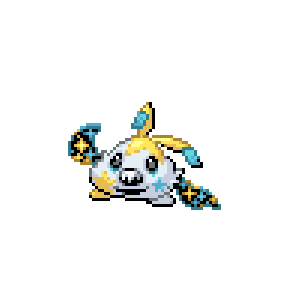
Jiodor always have a serene expression whenever they are found at landfills. They wade through garbage to find sentimental items that were thrown away so they can return them to their owners.

Jiruff carry the wishes of those from the savannah, from the smallest gasp of air of a baby to an elder man's dying breath. Their appearance reminds people of the region that nature is cruel and loving, as Pokémon continue to adapt to the world.

By slipping into dreams, Jiselia help people and Pokémon alike to fulfill their deep-seated desires. Many Pokémon long to grow stronger, a wish Jiselia grants by helping the dreamer evolve in their sleep.

Ninpie rubs its claws against leaves to abrade them into tiny pieces. Once small enough to resemble sand, Ninpie consume the leafy fragments.

Nindra are regarded as one of the more mundane Pokémon in existence. They float in large bodies of water looking for seaweed and swipe at any Pokémon that tries to steal their food.
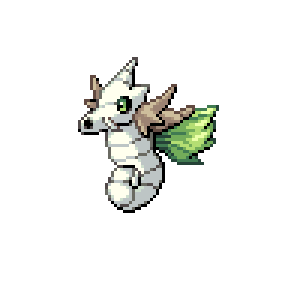
It slices through roots underground to create space for winter hibernation. Once spring approaches, it discards the nest, allowing opportunistic Pokémon to take over.

They shed their skins daily because they are continuously growing. When ground into a fine powder, it smells and tastes like an almond, but without the risk of an allergic reaction.
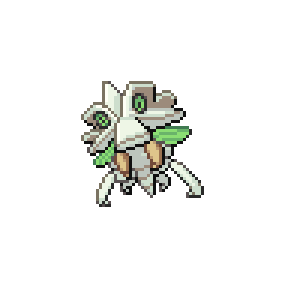
A Shed Shell from a Ninans is said to last a decade, made of a sturdy keratin. They produce four in a month, as their bodies release excess keratin through the tail.

Ninskull are found in tombs where they remain partially embedded in the walls. They are completely blind and rely on other senses to navigate the world.

Ninyena rely on their keen sense of smell to find their way throughout the world. If another Pokémon neutralizes their ability to smell, then they freeze up and refuse to move until that sense of smell returns.
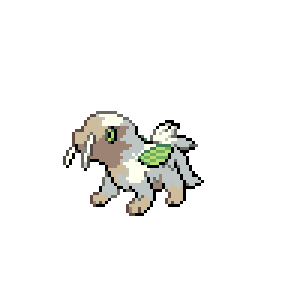
Ninlow have poor eyesight, so they rely on their sense of smell to locate Bug-type Pokémon. When they find a target, they unleash a blind flurry of pecks until they capture their prey.
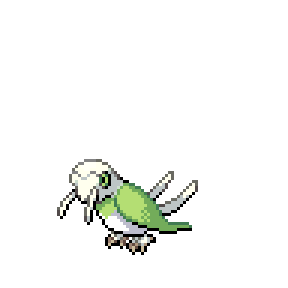
Biew love to create dams so much that they always reserve a fraction of their power to help other dam-making Pokémon create these natural structures. Despite their lives being well-documented, few ever see them in person.

Bitret break open Hondew Berries with their front teeth to eat the fleshy fruit on the inside. They take turns standing watch while they eat berries to avoid being surprised by predators.
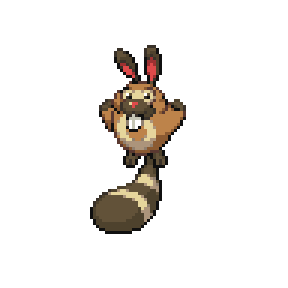
Bibat make their homes in caves, using rocks to divert river caverns to create dams. The water that comes from these dams is rich in salt, making the waters around these dams ideal for creating cavernous resorts or spas.
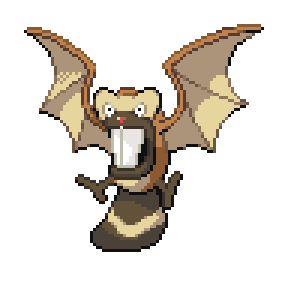
When Biduck feel angry or upset, they splash themselves with water to calm themselves down before they spiral into a headache. They focus on building dams so that they have a place to hibernate in winter.

To shape a piece of lumber into the perfect baton, Bifetchd scrape a log against rocks like a washboard until it is whittled to the right size. Once properly formed, Bifetchd will perform repeat this process to produce spare batons.

Riotret train day and night against larger foes to become stronger and gather berries when they are not training. Before fighting against another Pokémon, they always keep a Liechi Berry with them that boosts their strength when needed.
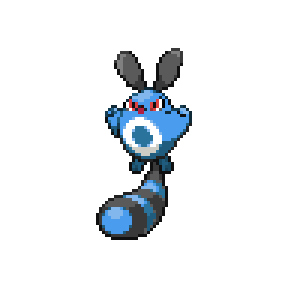
Rioruff becomes upset whenever there is a disparity between the treatment it receives and the treatment other Pokémon receive. This strong sense of justice makes it difficult to raise for people who pick favorites.

Riodisc always point to the person with the strongest aura around them. Those with particularly strong auras may find Riodisc approaching them with the hopes of joining their team.
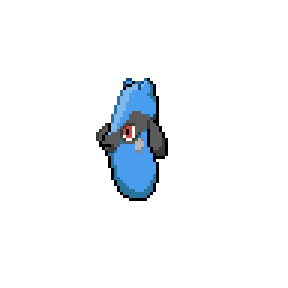
Slatret are regarded as lazy Pokémon because of their ability to sleep while balanced on their tail. This trick causes wild Pokémon to have a difficult time discerning whether a Slatret is asleep or awake, so they leave them alone to avoid a fight.
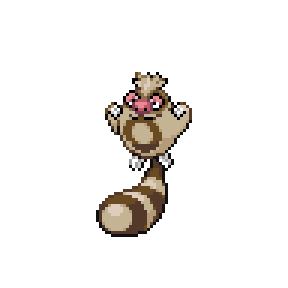
Slasire experience random moments of lassitude that make moving difficult. They prefer to live in marshes and swamps where they can eat the nutrient-rich mud beneath them.
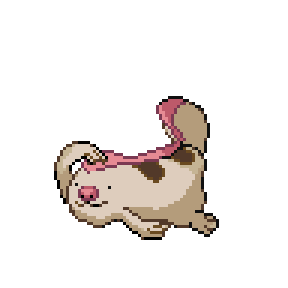
Slapuff fall asleep to their own lullabies and end up in a quiescent rest halfway through their own song. Their laidback and easygoing personality makes them easy Pokémon to take care of, especially if they are sleeping.

Slavanha are lethargic yet opportunistic. They tend to follow other carnivorous Pokémon to consume bits of meat left behind after a recent meal. Their sensitive noses and slow movement help conserve energy as they travel between meals.
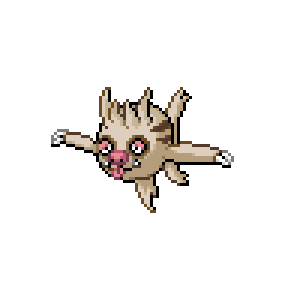
Slapoke has a languid expression that rarely changes because it is always tired. It takes at least 10 seconds for its muscles to move its mouth into a smile.

Vigolax are quite active despite their bulky physique. By giving them a Chesto Berry, they can quickly awaken themselves from a nap without the grogginess that typically occurs.

Vigochoke are strong and energetic creatures that enjoy carrying things. Many are employed at moving companies to help people settle into a new home, lifting boxes and furniture to and from trucks.

Vigochamp are handy creatures that help new homeowners carry furniture. A single Vigochamp can lift a bed and a sofa without breaking a sweat.

Wailode are often mistaken for beach balls because of their brightly colored body. Wailode explode when tossed into the air, dispersing a dense saltwater mist around them.
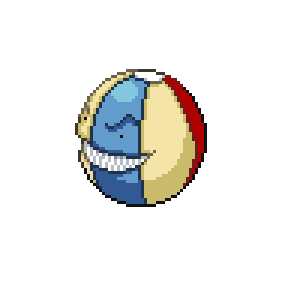
Wailking struggle to communicate with their kin because of vibrations from container ships that sail past their native habitat. Many resort to stabbing with their horns to communicate distress.
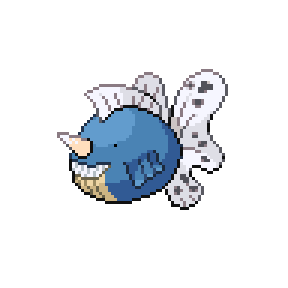
Wailgon swim near beaches with their long, blocky flippers. They filter feed for small aquatic Pokémon to build up their bulky bodies.
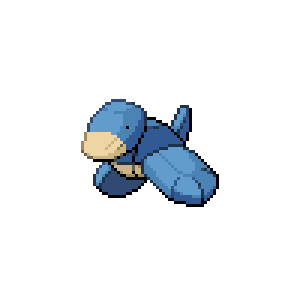
Wailpi have a protective bubble shell around their body that protects them while they roam beaches. Whenever the bubble pops, they rush back to the sea to restore their bubble.

Wailkyu floats above the ocean's waves with a cloth balloon, remaining close to pods of Wailmer and Wailord. While its compatriots are confused by its inability to dive, they enjoy tossing Wailkyu around like a beach ball.

Wailgull can often be found a short distance from beaches where it floats idly on the ocean's surface. Whenever it is harassed by another Pokémon, it dives or flies away depending on which Pokémon is being mean.
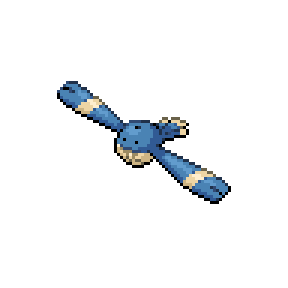
Wailduck experience many headaches because of the noise pollution caused by offshore oil rigs. Whenever the noise becomes too intense for them to handle, they press their flippers against their head in pain.

Waileal lets out a triumphant cry after every meal and taunts other members of its pod by slapping its blubbery stomach. Whenever it gets into a fight, it relies on its weight and heavy slaps to overwhelm foes.
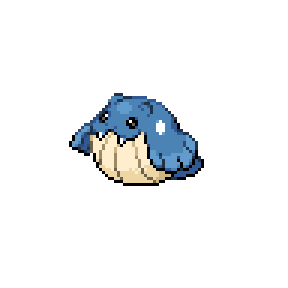
Wailwag are curious creatures that often bump into boats that go through their wetland home. They enjoy playfully spraying water at those inside the boats.

Waileel live in frigid conditions where the temperatures never rise above the freezing point of water. Their thick blubber keeps them warm as they traverse the icy water, as the fat makes up more than a third of their body weight.
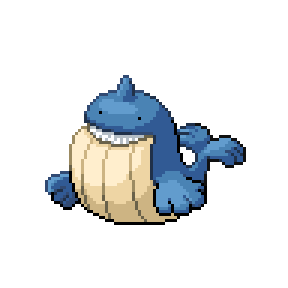
It relies on its parents and siblings to avoid being picked off by buzzard-like predators, as it has few methods of self-defense. One such method requires inhaling lots of air before exhaling all at once to fly away.

Shipom has a capricious personality and are easily distracted by its surroundings. Trainers tend to bribe it with food to ensure that it focuses during training.
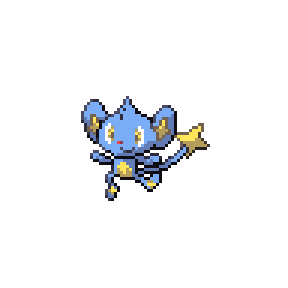
Shipy can sneeze out bolts of electricity from its snout. These flashes of electricity can momentarily blind people or other Pokémon but are otherwise harmless.
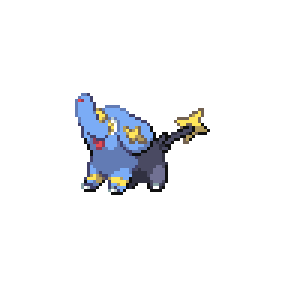
Whenever it is in the presence of a pack of carnivores, it jabs the nearest predator before flicking its tail to dash away. Whether being chased through the jungle or not, Shipede continuously zips around in search of food or safety.

Lupy fires bright sparks from its tail to scare away predators. It shields smaller Pokémon behind its insulated, floppy ears to protect them from the sparks.

Jigglyfree enjoy fluttering through the air and singing with their crystal-clear voice. Their sweet lullabies soothe both Trainers and Pokémon alike.
