Page 3 / 4 of 3114 pokedex entries by katieplaysgames.
Axepy sharpen their tusks on rocky outcroppings, keeping them ready to fight with. They are powerful for their size, capable of moving boulders and knocking over trees.
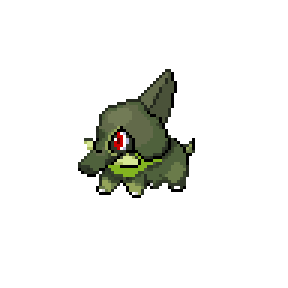
Axephan have small but sharp tusks that jut from their mouth. Too small to use effectively for combat, Axephan use their tusks to root around for tubers and other underground meals.
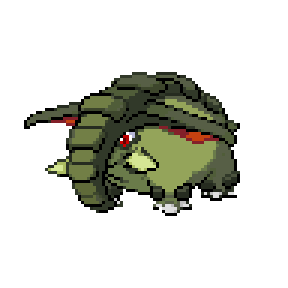
The fusion of two Axew causes an exaggeration of draconic characteristics in Axexew, resulting in more pronounced tusks and more exaggerated spines. They use these features to intimidate larger Pokémon and are adept at avoiding confrontation.
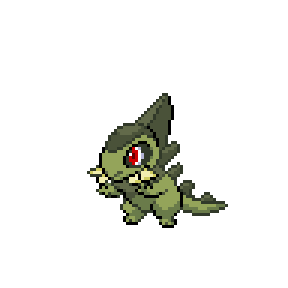
Goletuff can be found within ancient ruins, slowly working in teams to try and restore the old buildings to their former glory. They make gentle humming noises to one another, harmonising and creating a mournful song for their lost cities.

Golesect can be found sifting through ancient ruins in search of fragments of pottery and masonry to incorporate into their bodies. They use these fragments to construct a pot to carry plants, sheltering them from the elements and helping them grow.

Fletchrua are able to mimic the sounds of other Pokémon with their chirping, fooling nesting Pokémon into bringing them food that would otherwise have gone to the parents' young.

Fletchras have fine, fibrous Hericium mushrooms parasitising their bodies. These mushrooms take a feathery appearance and are used by Fletchras to glide away from danger.

The feathery wings of Fletchfree glow with burning embers making their flight visible at night. They can inadvertently cause forest fires while searching for flowers during prolonged dry periods.
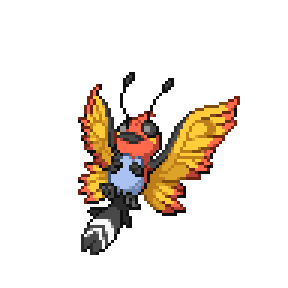
Fletchbok fluff out the feathers lining their hood when they feel like they're being threatened. They slither forward and peck viciously at whatever they're afraid of if they feel like their display isn't working.

Fletchras maintain a high body temperature in an effort to stave off the parasitic fungus that infests their bodies. The dried out fungus is prone to catching fire, but the spores from the dying mushroom fall back onto the body of Fletchras.

Fletchras maintain a high body temperature in an effort to stave off the parasitic fungus that infests their bodies. The dried out fungus is prone to catching fire, but the spores from the dying mushroom fall back onto the body of Fletchras.
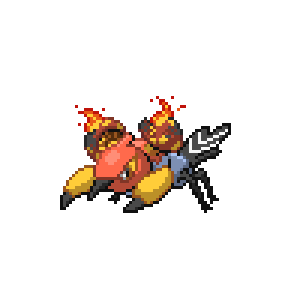
Golrow roost in the mouths of caves, making their nests within crags and crevices in the rock. They swarm anyone who gets too close, biting at them with sharp fangs and draining their vitality.
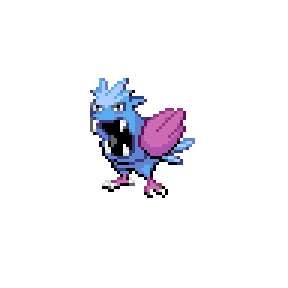
Golchic rapidly flap their tiny wings whenever they're excited, making a high-pitched cry as they do. If they become too enthusiastic about whatever has them worked up, they start to spit fire from their gaping mouth.
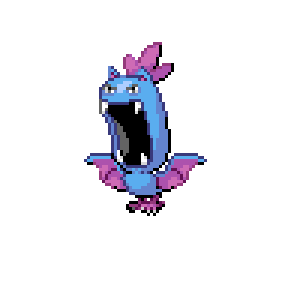
Thanks to their proportionately gigantic mouths, Golbat can consume food many times their weight in a single gulp. They are immobile whilst they digest these meals, having to cling to the ceiling and wait before being able to fly again.
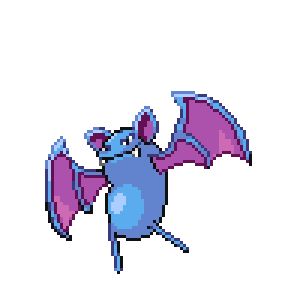
Golithe are very affectionate, bounding up to their trainers and giving long, slobbery licks. Their enthusiasm leaves them prone to making their trainers late for appointments.

Stuncargo hide amongst broken stones and pebbles along rocky sea floors, disguising themselves as just another stone. They are good enough at hiding that they even fool other Stuncargo, with entire rock formations sometimes being formed of them.

Burying themselves in thick mud, Stuntoise are nearly invisible from the water's surface. Their shells blend in with the riverbed, granting camouflage that only breaks when they decide to move to a better hiding spot.
Sablchan is a master boxer, analyzing the moves of its rivals with its crystalline eyes. It's thought that it perceives the passage of time more slowly than other Pokémon, allowing it to react and move more quickly than its foes.

Sablchan is a master boxer, analyzing the moves of its rivals with its crystalline eyes. It's thought that it perceives the passage of time more slowly than other Pokémon, allowing it to react and move more quickly than its foes.

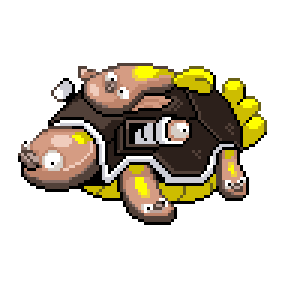
Sablcargo are found deep underground, making their home around volcanically active aquifers. They filter out the minerals from the water they drink, gradually growing a large rocky shell that's studded with valuable crystals.

The superheated steam Sablcargo release is rich in minerals, causing crystals to form wherever it cools. They are able to control the release of their steam, allowing them to steadily grow gigantic rubies upon their back.

Sablcargo are found deep underground, making their home around volcanically active aquifers. They seek out the hottest part of the aquifer, absorbing the mineral-rich water so they can stud their shells with new crystal growth.

The superheated steam Sablcargo release is rich in minerals, causing crystals to form wherever it cools. They are considered to be a status symbol amongst the super-rich, creating precious gems on demand for their owners.

Sablcargo's bodies are composed of the metals and crystals they feed on deep underground. They have a preference for softer metals, with the most sought after Sablcargo being ones that have fed on gold.

Living in deep caves far from any sunlight, Sablkip has nevertheless developed extremely sensitive eyes. The crystal growths across its body produce a dim light that allows it to find food in the underground pools it lives in.

Venicargo have poor eyesight, relying on their antennae to sense the world around them. When startled, they withdraw their bodies into their curled-up carapace, waiting out the danger.
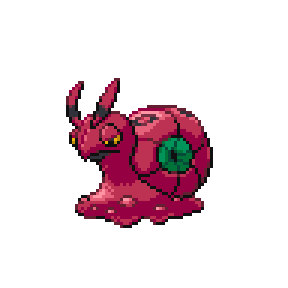
Venibok have a thick chitinous exoskeleton covering their body with separate segments to allow their tail to move easily. Their head is bulbous and patterned to dissuade larger Pokémon from attacking them.
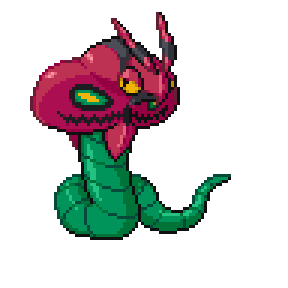
Venipuff make loud chirps to communicate with one another across a forest, inhaling deeply and inflating to twice their size to make these noises. Their tendency to chirp at sunset makes it difficult to camp in regions where they make their home.
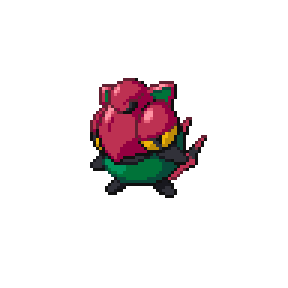
The fusion process causes Venipede to develop additional body segments as well as increasing the potency of their venom. Their exoskeleton also becomes covered in extra spines, making them dangerous to touch.
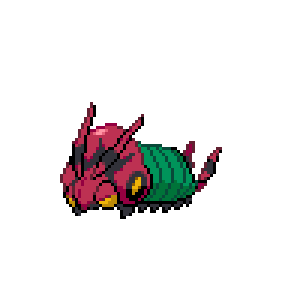
The fusion process causes Venipede to develop additional body segments as well as increasing the potency of their venom. Their exoskeleton also becomes covered in extra spines, making them dangerous to touch.

Venibat have eyes that are poorly adapted for seeing in daylight, so they rely on their keen hearing to navigate. They make high-pitched chirping noises that carry well through dense undergrowth.
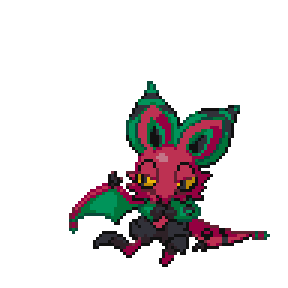
Venibat have eyes that are poorly adapted for seeing in daylight, so they rely on their keen hearing to navigate. They make high-pitched chirping noises that carry well through dense undergrowth.

Whirlirino mouths are formed of multiple segments, enabling them to open their mouths far wider than might be expected for a Pokémon their size. They have a venomous bite that they use to deter their foes.
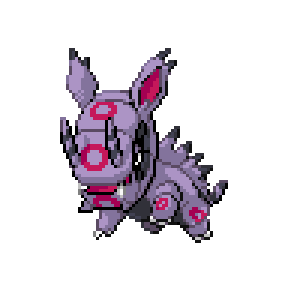
Scolirow have a sharp proboscis that they use to pierce through tree bark and feed on tree sap. When disturbed, they rear up and flap their gigantic wings to intimidate whatever interrupted them.
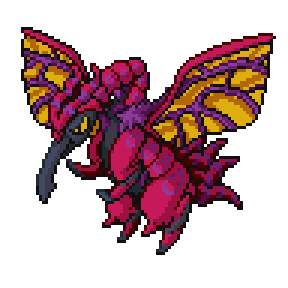
Scolisey are trusted matriarchs within Scolipede colonies, left in charge of freshly laid Venipede eggs. They care for the colony eggs as though their own, with some particularly protective Scolisey using their own bodies to shield them from harm.
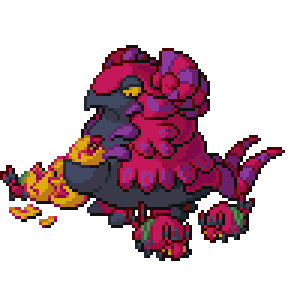
Scolipede lengthen and grow many extra legs following the fusion process. In collaboration with palaeontologists, Pokémon Researchers have concluded that Scolipede revert to a body form from millions of years in the past.
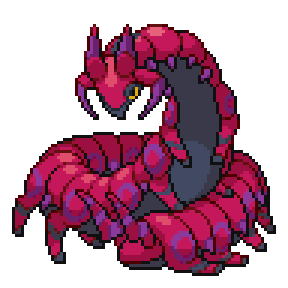
Tynat fossils are often found alongside those of much larger Pokémon. Palaeontologists theorise that they would parasitise larger Pokémon, using their powerful jaws to bite through thick skin and drain their energy.
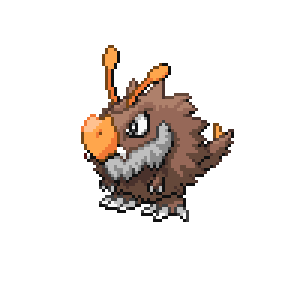
Snopede live in very cold environments and have carapaces that are built to retain body heat. Though their shells are cool to the touch, their bodies are kept well-insulated and they can live at temperatures far below freezing.

Snopede are covered in a thin, loose layer of chitin that is built to retain heat. This loose layer gives them an eerie appearance, and some researchers suspect Snopede is the source of many urban myths.
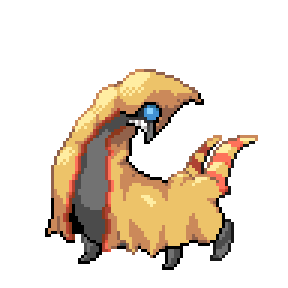
Living high up in the mountains, Snoruff search across glaciers in small packs to find lost Trainers. When they find someone who has gotten lost, they will herd them back to safety at the nearest shelter.

Snoroc roam across frozen glaciers in small packs, their sharp claws giving excellent purchase on the treacherous terrain. Teams of Snoroc are sometimes used to pull sleds and allow people to travel great distances in harsh conditions.

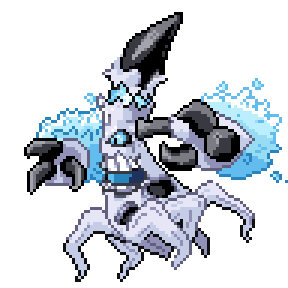
When they were first discovered, Glavenant were thought to be a male variant of Froslass. More recently they have been discovered to be Pokémon that possess the frozen remains of trees that have perished over harsh winters.
Large herds of Oddreep are kept in pastures by farmers, the fields they call home looking like a moving shrubbery. Farmers periodically harvest their leaves to be dried out and sold for tea, the leaves creating an unusual tingly sensation.
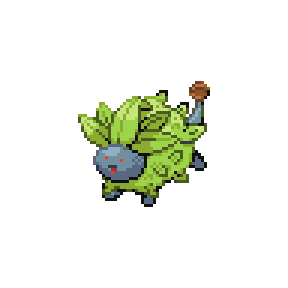
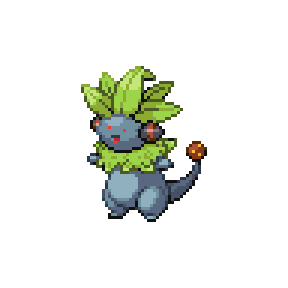
Oddffy are coated in a thin layer of fur that traps moisture and dirt, allowing plants to grow within it. They stimulate this plant growth with periodic electrical shocks, helping to revitalise the plants if they ever begin to wilt.
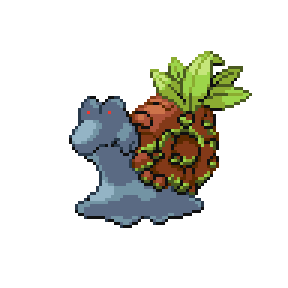
Oddcargo shells are packed with rich soil that supports healthy plant growth. They partially bury themselves when resting, leaving only their leafy shell above ground.
Oddrow are considered a pest by farmers due to their habit of arriving in a field in the early morning and digging out a hole for themselves for the day. They poke their long neck out of their hole, soaking in the sun, before leaving at night.
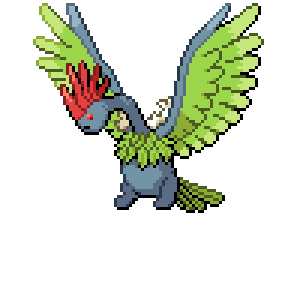
Oddrow are considered a pest by farmers due to their habit of arriving in a field in the early morning and digging out a hole for themselves for the day. They poke their long neck out of their hole, soaking in the sun, before leaving at night.
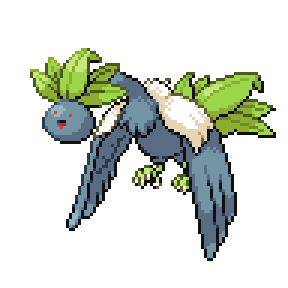
Oddshrew skin is heavily plated with ridged grooves running throughout. Experiments with Oddshrew have shown that this makes their skin surprisingly absorbent, able to suck up and distribute moisture across their bodies to help their leaves grow.
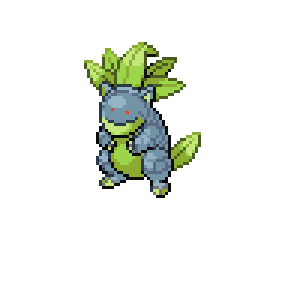
Oddlurk roam around the perimeters of long forgotten buildings in tropical jungles. They tend to and maintain the buildings as best as they are able, though their skill is often limited to cultivating and caring for the plant life.
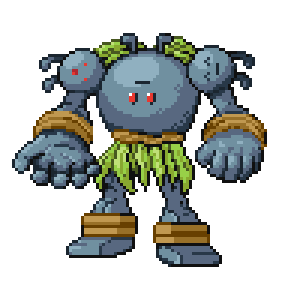
Oddtales spend the day sleeping in a very shallow burrow, fanning their tail leaves out above the surface so they can photosynthesise as they rest. At night, they emerge and wander in search of food and a new resting burrow.
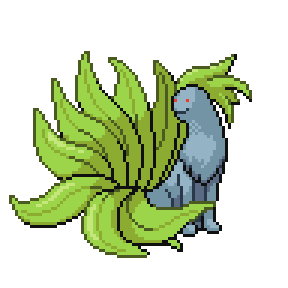
Oddroth are nocturnal and have been seen racing around at high speed in the depths of the night, their head leaves trailing in the breeze. They spend the day buried up to their neck, sleeping in the ground to passively absorb nutrients.
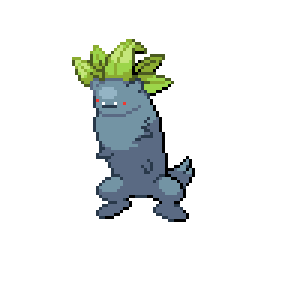
Odder are a common Pokémon to be included in aquariums, their leaves filtering out impurities in the water whilst their shell keeps them from being disturbed. They pump water past their leaves by opening and closing their shells.
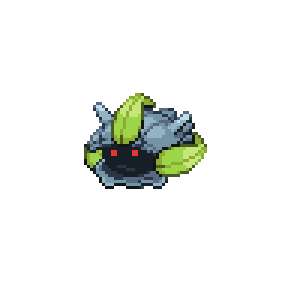
The gems on Oribink's body glitter in a brilliant red hue, the light scattering through them and casting beautiful patterns onto the walls as it dances. The dancing of Oribink is thought to bring good fortune to Trainers who see it.
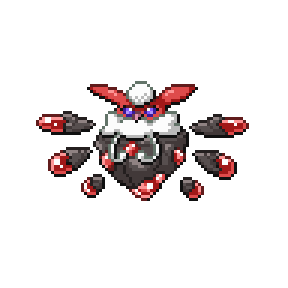
Oridra take joy in cheering for the success of others, waving their arms and dancing with great enthusiasm. They have a tendency to splatter those nearby with mucus as they do so, inadvertently flinging their slime every time they shake their arms.

Oritty are enthusiastic Pokémon that take great joy in the success of others. They are common sights on the side lines of sporting events, giving excited cheers and co-ordinated waves of their tail pom-poms.
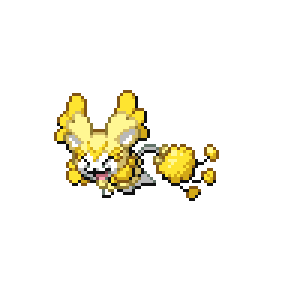
Oritwo are artificial Pokémon that are genetically engineered to have amazing psychic potential, able to read the movements of those around them and copy them with a thought. They are peaceful, and love to use this power to dance with others.
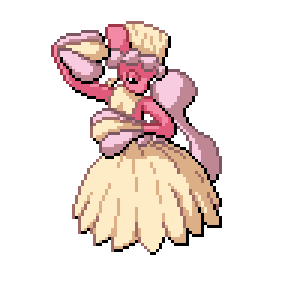
Oripy are often involved in travelling performances, dancing together in small herds to the delight of onlooking children. After performances, they wander amongst the crowd, gratefully accepting gifts of peanuts and other snacks.
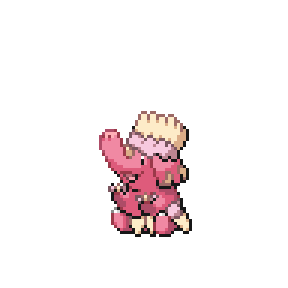
Trubsea live in the open ocean and can be found within ocean gyres filled with disposable plastics and waste. They camouflage themselves amongst the detritus, keeping themselves safe from harm.
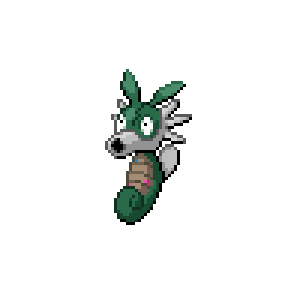
Trubdra hide in garbage patches in the deep ocean, camouflaging themselves in the single-use plastics and waste. They attack anyone that tries to clean up their hiding places, reluctant to see their home restored and made environmentally sound.
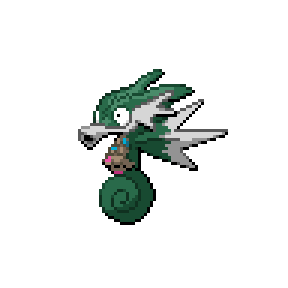
Trubicate prowl city streets in search of discarded litter and plastic waste to consume. Their bodies gradually build up the more garbage they eat; they use shards of glass like teeth to allow them to bite through anything too tough to swallow whole.
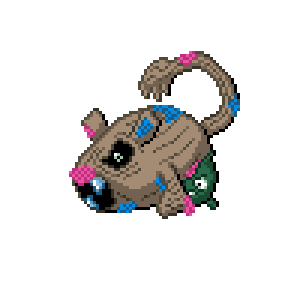
Trubcargo crawl through city streets, hunting for garbage and litter to consume. They incorporate the discarded waste into their bodies, packing anything they can't eat into their thin plastic shell as food for later.
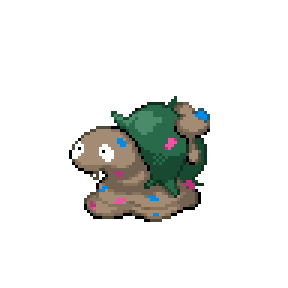
Trubcargo crawl through city streets, hunting for garbage and litter to consume. They incorporate the discarded waste into their bodies, packing anything they can't eat into their thin plastic shell as food for later.
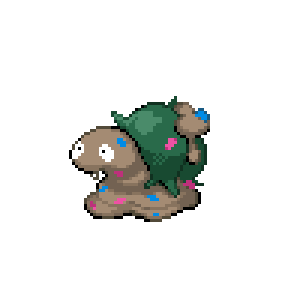
Trubrow roost in and around city dumps, consuming waste to add to their bodies. Their wings are composed of thin sheets of plastic that are light enough to help them fly but gradually degrade, littering microplastics along their flight paths.
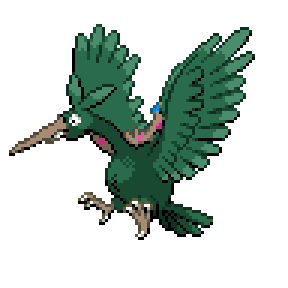
Trubish waddle through city streets at night in search of discarded waste to consume. Their plastic bodies often rupture around their head, allowing larger chunks of waste to blossom out of them and wave in the wind.
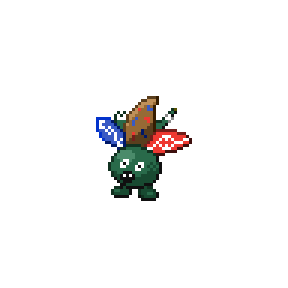
Trubish form in cities with an overflow of garbage and poor street hygiene. These Pokémon actively work to try and gather up discarded litter into themselves, sometimes rupturing and needing to deposit their waste into trash cans.
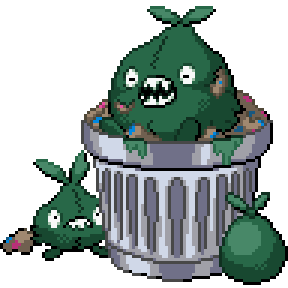
Trubish form in cities with an overflow of garbage and poor street hygiene. These Pokémon actively work to try and gather up discarded litter into themselves, filling themselves to bursting point.

Trubodor have swollen, bloated bodies that they constantly fill with discarded trash and waste. They lumber through neglected streets in cities, and large populations can prove dangerous when they start actively trying to raid bins and dumpsters.
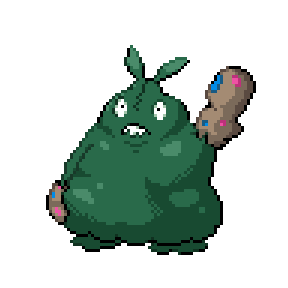
Trubish waddle through city streets at night in search of discarded waste to consume. Their plastic bodies often rupture around their head, allowing larger chunks of waste to blossom out of them and wave in the wind.

Trubeanie secrete a sticky mucus that they use to gather detritus and waste to camouflage themselves, hiding amongst the polluted waters of city coastlines. Their mucus is laden with toxins from the decay of the garbage.
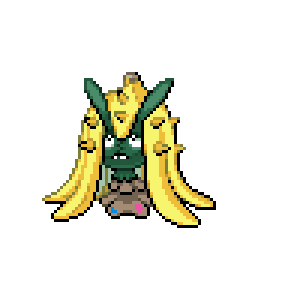
Trubler collect construction waste to build out their bodies, taking broken bricks and concrete wherever they can. Poor management of a building site can result in large populations of Trubler moving in and disrupting progress.
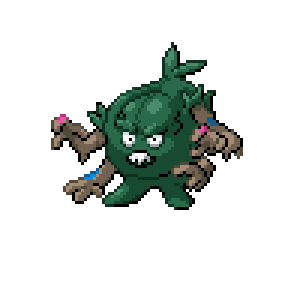
Trubler live in highly polluted waters, their bodies forming from industrial waste and microplastics. They have a drive to try and clean up their homes, consuming the pollutants that float in the water around them.
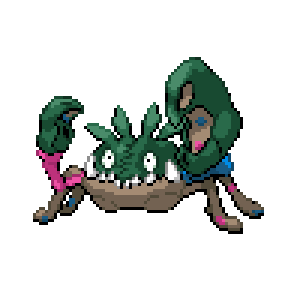
Trubler live in highly polluted waters, their bodies forming from industrial waste and microplastics. They have a drive to try and clean up their homes, consuming the pollutants that float in the water around them.

Garbdra use scraps of plastics and microplastics floating in the ocean to hold their bodies together, constantly seeking out oceanic waste to do so. Their bodies gradually degrade in sea water, making their presence toxic to other Pokémon.
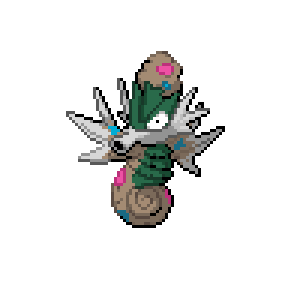
Garbicate are drawn to cities that have poor street sanitation, nesting amongst discarded trash bags and piles of waste. They feed on anything they can find on the floor; gnaw marks around dumpsters are a sure sign of their presence.

Garbodor form within city dumps and other similar areas with high densities of waste and refuse. They gather as much waste into their bodies as they can, and particularly bad instances of pollution can result in gargantuan Garbodor.

Garbno are found in crowded cities, especially those plagued by littering. They pile trash in central areas and sometimes use psychic abilities to subtly encourage others to help.

Cartales fur is short and stiff, creating a streamlined shape that allows them to swim rapidly through the water. Their nine fins at the back of their body keep them stable as they assume a torpedo shape to swim through the water.
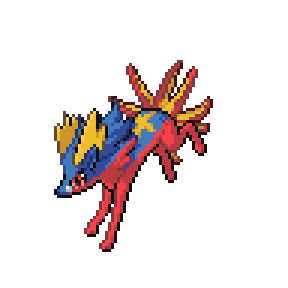
Carliper flocks circle over the ocean in search of schooling fish Pokémon. When they find one, they dive in unison, swimming straight through the school with their large beak wide open, catching as much food as they can in one bite.
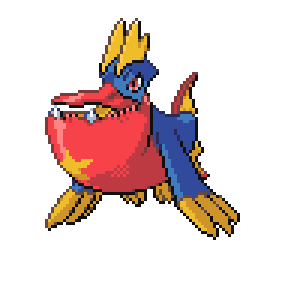
Carsian are swift aquatic predators, able to swim at high speed through Hoenn's oceans. Their whiskers are sensitive and can pick up the eddies in the water left by other Pokémon, allowing them to track prey across great distances.

Sharplosion swims in tropical waters and is most often found around coral reefs, patrolling their territory in search of food. Their fine fur burns hot on contact with air and produces a lot of heat even underwater, producing a steam trail as they swim.

Sharptales are a favourite Pokémon amongst many ocean exploration organisations thanks to their speed in the water and their ability to tolerate swimming at great depths. Their many fins help them manoeuvre in even the stormiest of seas.
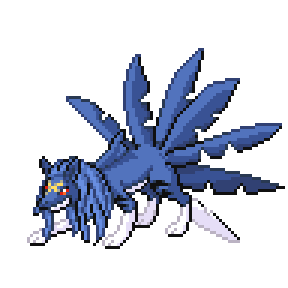
Sharpsian are covered in short, rough hairs that help them cut through the water with minimal friction. Their speed and aggression in the water make them popular amongst lawbreakers at sea.

Phantcargo can be seen by the light of their eerie green fire at night, processions of them slowly crawling beneath the canopy of ancient forests. Superstitions claim that each Phantcargo is the spirit of a fallen tree made manifest.

Phantqueen can only be found at night within untouched forests, the Pokémon animating fallen and dead bits of wood to form their body. They shake the horn-like branches on their head to scare off rivals encroaching on their home.
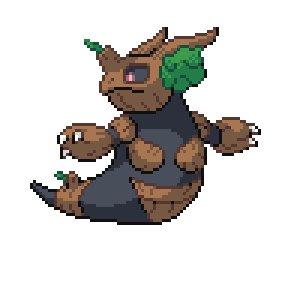
Possessing fallen logs, Phantpet makes its home in old-growth forests. It tries to lure travellers away from well-trodden paths, making efforts to make them lose their way in the dark woods.

Phantump frequently form from individual Phantump that cluster together in search of companionship. Trainers are advised to take extra care to ensure their needs are met as they can be prone to low mood.

Phantump frequently form from individual Phantump that cluster together in search of companionship. Trainers are advised to take extra care to ensure their needs are met as they can be prone to low mood.
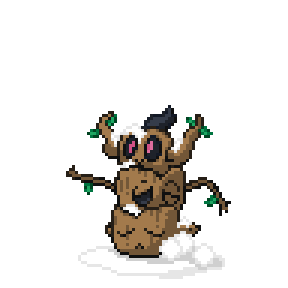
Phantump frequently form from individual Phantump that cluster together in search of companionship. Trainers are advised to take extra care to ensure their needs are met as they can be prone to low mood.
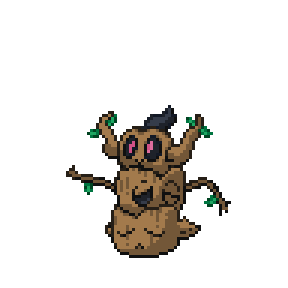
Phantump frequently form from individual Phantump that cluster together in search of companionship. Trainers are advised to take extra care to ensure their needs are met as they can be prone to low mood.

Phantsian possess fallen logs, drawing on the lingering vitality within them to form smoke-like bodies. They drift silently through deep forests in search of prey to sustain their log, their whiskers tracing even the faintest whiff of life force.

Phantwhirl colonies are often found in areas that experience heavy logging, and can be seen lingering around cut tree stumps. They are protective of their home, banging their fists against their belly to try and scare people away.
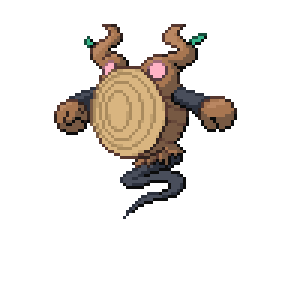
Trecargo possess fallen logs, infusing the dead wood with new life. Legends persist of their shells playing host to spirits of the forest, claiming their passage through old growth forests leaves a trail of fresh plant growth in their wake.

Trecargo possess fallen logs, infusing the dead wood with new life. They seek out decaying trees within the forest and tear them down, incorporating the wood into their shell and leaving space for new growth to take the tree's place.

Trerow live within old growth forests, roosting in dead or dying trees. Their dry woody bodies camouflage well against their homes, and the first sign of a flock of Trerow is usually when their bright red eyes fixate on the person approaching.
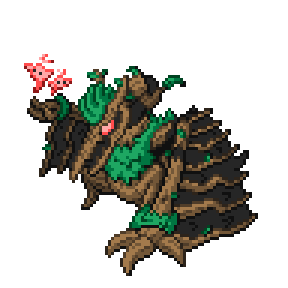
Trerow live within old growth forests, roosting in dead or dying trees. Their dry woody bodies camouflage well against their homes, and the first sign of a flock of Trerow is usually when their bright red eyes fixate on the person approaching.

Trets has an innate connection to plant life and makes its home in old-growth forests. Due to excessive logging over the years, Trets actively avoids people, making it rare to encounter in the wild.
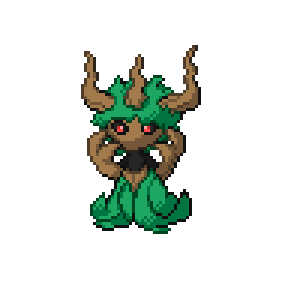
Tresect gather fallen logs and branches, incorporating the dead wood into their bodies. They appear to draw power from the wood they gather, firing blasts of energy that grow in strength based on the amount of material they've collected.
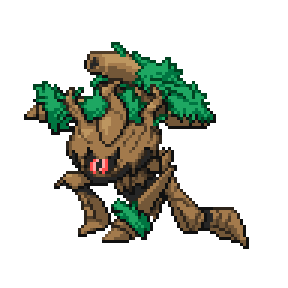
Tresian stretches its roots through the ground, tapping into nearby trees to feel what they feel. It uses this ability to sense the movement of other Pokémon through the trees, pouncing on anything that gets too close.

Glooleef can smell the nectar of other Glooleef from many miles away, trekking through the night to find one another. They bow their heads in turn, drinking from their companion's flower.

Gloowoodo slowly wave their two flowers to mimic the motion of being moved by the wind. They leave a trail of pollen as they move, the dusty substance causing irritation to the eyes of those unfortunate enough to be nearby.

The nectar from Gloobull flowers has a strong floral scent that draws attention to them from people and Pokémon alike. In lieu of using perfumes, some Beauties choose to keep Gloobull with them at all times.
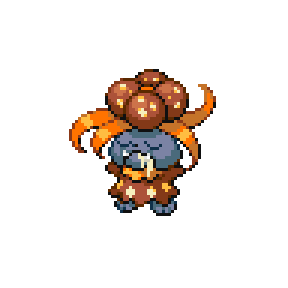
The nectar from Gloobull flowers has a strong floral scent that draws attention to them from people and Pokémon alike. In lieu of using perfumes, some Beauties choose to keep Gloobull with them at all times.
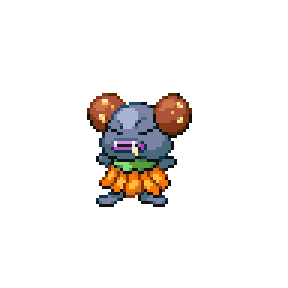
Only the flower of Gloonub is visible as it roots around through leaf litter for food. They are often trailed by swarms of Bug-Type Pokémon, the swarms drawn to Gloonub by the musty scent of their nectar.
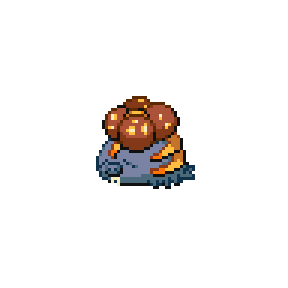
Gloosly are easy Pokémon to keep within cramped apartments thanks to their small size and need for only sunlight and water. They are popular with students, though their scent can lull their Trainer to sleep when they should be studying.

The thick petals of the flower growing on the bodies of Glooshrew are tough enough that they can use them to roll on. They will emerge at night and roll from one sleeping spot to another, searching for fertile soil to settle for the day.
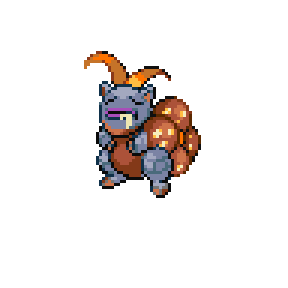
Gloobite constantly drool a sticky sap down their front, splatters of it covering their body and giving off a sickly sweet scent. The sap attracts other Grass-Type Pokémon, providing Gloobite a steady stream of possible prey.

Glootales flowers produce a slightly acrid scent, reminiscent of the first wisps of smoke from a fire. Their many-petalled tails waft this scent through the forests they live in, allowing them to find one another through the dense undergrowth.
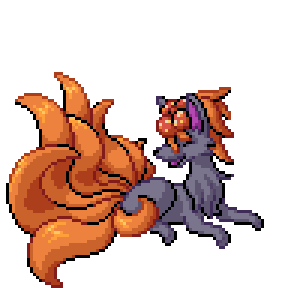
Glooile tunnel through the soil, keeping only their flower above the surface. They constantly emit a sickly sweet scent that draws other Pokémon to them, launching out of the soil to bite at them once they're close enough.
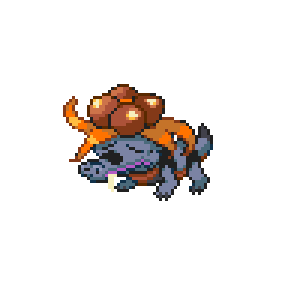
The multiple mushrooms growing from the backs of Gloosect ooze a sickly sweet liquid that cause Gloosect to seek out others of their own species. When they find each other, they groom their partner, becoming coated in fresh spores as they do.
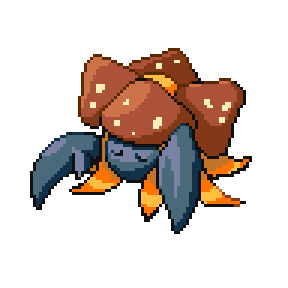
Glooth are nocturnal Pokémon, roaming the forest at night in a dream-like haze. They are drawn toward rare flowers and will spend the night curled around them.
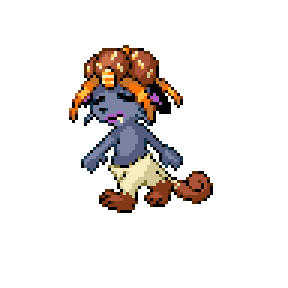
Gloonix tunnel through loose soil and dirt, consuming vast amounts of nutrients as they do. The soil they consume allows them to grow petals that give off an earthy smell that is prized by fragrance companies.
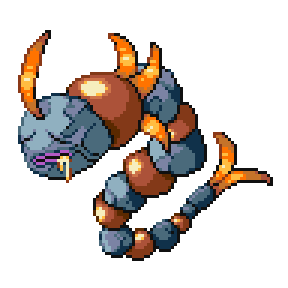
Noishrew are cliff-dwelling burrowing Pokémon. They use their exceptional hearing to find one another in their pitch-black burrows and to locate nests high up in the cliffsides.
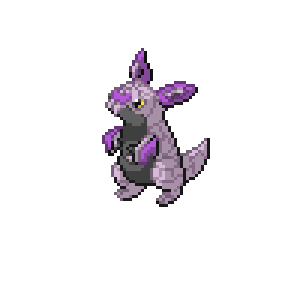
Noicor use infrasonic bursts of noise to find their way across sheer rock faces, using echolocation to identify reliable handholds. Climbers frequently train alongside Noicor, using their guidance to develop better climbing technique.
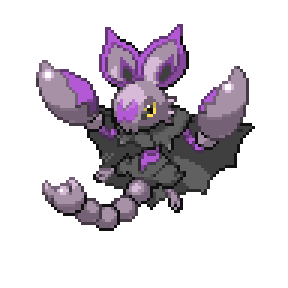
Though capable of flight, Noislash are clumsy in the air and prefer to spend most of their time underground. Their spines are sensitive to infrasonic waves, allowing them to locate one another with high-pitched shrieks while underground.
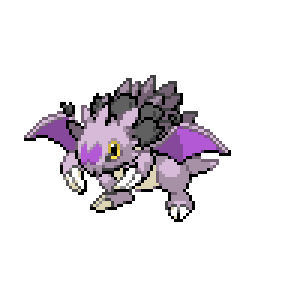
Noiduck ears are extremely sensitive to loud noises, enabling them to hear the faintest sound from great distances away. Growing urbanisation has caused them to retreat into the wilds, trying to avoid the headache inducing noise of the city.
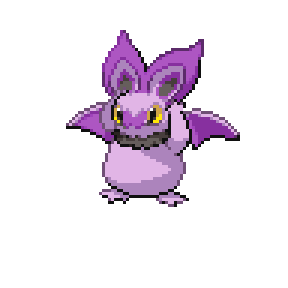
Noiperior lives deep underground in pitch-black conditions. It has extremely sensitive ears and can hear the faintest noise of rocks shifting from miles away, helping it navigate the underground caverns.

Not as graceful in the air as other flying Pokémon, Noislash mostly hunts at night. It uses its sharp hearing to track prey down and is adept at digging, enabling it to chase prey Pokémon into burrows and underground if needed.

Swabpunny's body is incredibly light, allowing it to stand upon clouds. Using its powerful legs it can leap between them, drifting gracefully through the skies.

What looks like body fur is actually wisps of cloud that Swabeary uses to help make itself light enough to leap high in the air. They can be found high up in mountaintops bounding across cliff faces.

Swabish use the feathers sprouting from their head to shape moisture in the air and keep it close to their body. This has the effect of making them look like they walk with miniature clouds around their head at all times.
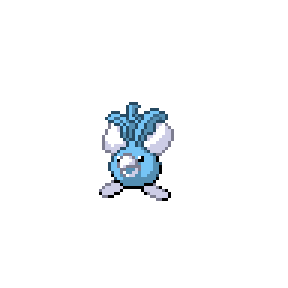
Dancing high in the stratosphere, Altapunny plays amongst clouds in the wake of storms. They can rarely be seen jumping between cumulonimbus clouds, though most who see them mistake them for wisps of cloud blown by the wind.

Dancing high in the stratosphere, Altapunny plays amongst clouds in the wake of storms. They can rarely be seen jumping between cumulonimbus clouds, though most who see them mistake them for wisps of cloud blown by the wind.
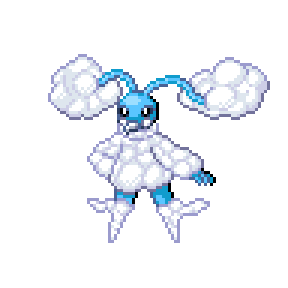
Goopie live close to the water's edge, dipping in and out periodically to keep their slimy bodies comfortably damp. When threatened they produce a sticky mucus that rapidly hardens on contact with the air.

Goopod anchor themselves within tidal rock pools using sticky mucus, remaining hydrated thanks to the regular refreshing of the sea waters. They are largely immobile and rely on hiding out of sight to stay safe long enough to evolve.
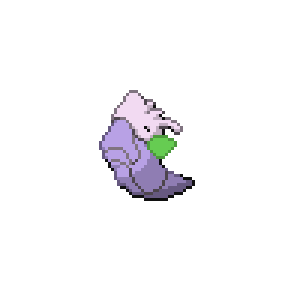
Goofree constantly secrete a sticky mucus from their bodies to protect themselves from harm, using it to ward off physical blows. They can shape this mucus as it hardens and dries, making temporary wings that they use to fly.

Coated in highly conductive slime, Goochu are constantly surrounded by weak electrical fields. They lack fine control over these fields and often shock their Trainers in their eagerness to show affection.

Goorow have a thick coating of mucus across their feathers. Whilst this makes them less competent at flying, the layer offers protection against the environment and prevents damage from sharp thorns and branches.

Gootales tails produce a clingy, viscous mucus that they use to coat their entire body. The mucus helps to regulate their temperature, reacting to disperse intense heat harmlessly whilst still remaining fluid.

Goomander are coated in a thick layer of mucus, protecting their bodies from physical harm. This mucus is kept liquid by an intense internal body heat and, for some Goomander, can result in their legs being impeded by the slime.
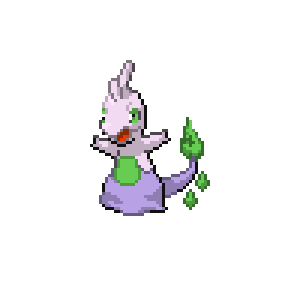
Goomoth produce a steady supply of mucus from specialised glands on their backs. They groom and shape their mucus into wings, allowing them to glide across great distances in search of food.
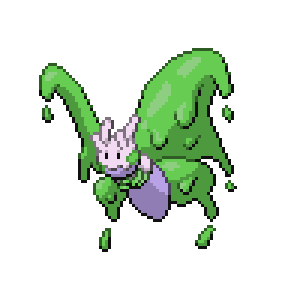
Goomander are coated in a thick layer of mucus, protecting their bodies from physical harm. This mucus is kept liquid by an intense internal body heat, so it is advised that Trainers take great care when handling Goomander.

Goomeleon have dense and sticky slime covering their bodies, making it hard to make physical contact with them. Their slime is scalding to the touch and can cause nasty burns for the unwary.

Goonine are playful Pokémon, always eager to find time to run around with their Trainer. They enjoy getting up close and being pet, but their slimy skin is off-putting to many.
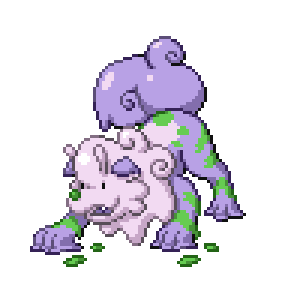
When the slime Gooizard produce makes contact with the air, it rapidly stiffens and becomes inflexible. They use this quality of their slime to create wings that enable them to take to the air, offering them excellent mobility.

Slitales fur is coated in a thick layer of mucus that helps to protect them from harm. They secrete the mucus from special glands along their neck and use their tails to coat their body in it.
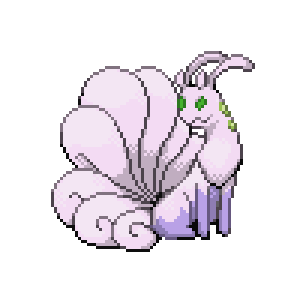
Slimoth wings can only remain flexible when mixed with water. They wait until there's rain to emerge from their hiding places, spreading their wings wide to gather as much moisture as they can to allow them to fly.
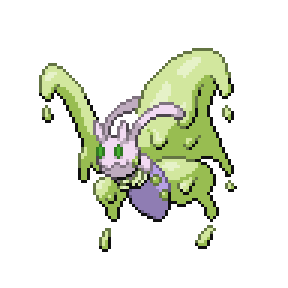
Slinine leave droplets of acidic mucus behind them as they walk, burning away plant growth wherever their mucus lands. They can leave a trail of burned plants hundreds of miles long within a single day as they race across the landscape.

Regiorb are extremely difficult to locate in the wild, their bodies blending in nearly seamlessly with boulders and rubble. They are dangerous Pokémon to disturb due to their propensity to explode at the slightest disturbance.
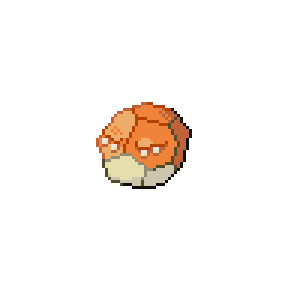
Regiode are formed of fine-grained sandstone, the matrix binding the sand in their bodies together reinforced by a potent electrical charge. They are able to control their electrical charge, turning it into dramatic explosive potential.

Regiode are formed of fine-grained sandstone, the matrix binding the sand in their bodies together reinforced by a potent electrical charge. They are able to control their electrical charge, turning it into dramatic explosive potential.

Regiesect swarms position themselves along mountain passes when they hear people approaching. They launch boulders from their catapult when people get too close, triggering impromptu Rock Slides.
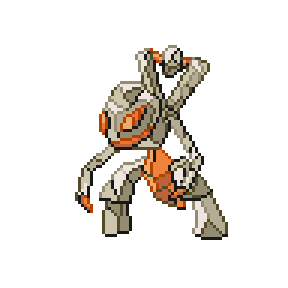
Regice form at the bottom of glaciers, the heavy base of the immense ice structures putting pressure on and grinding against the underlying bedrock. Regice emerge at the moraine of the glacier, their bodies a composite of ice and stone.
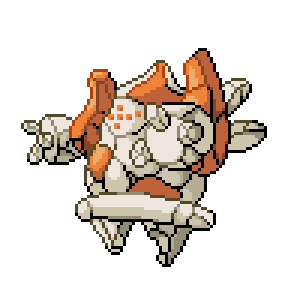
Regice form at the bottom of glaciers, the heavy base of the immense ice structures putting pressure on and grinding against the underlying bedrock. Regice emerge at the moraine of the glacier, their bodies a composite of ice and stone.

Regicargo shells are formed of blue ice, the shell's crystalline structure containing no traces of impurities or bubbles. They make their home within glaciers, slowly boring tunnels throughout their icy home.
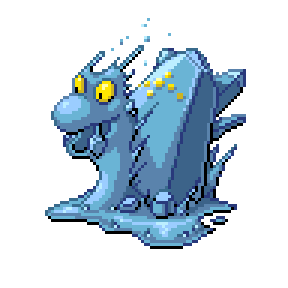
Regicargo shells are formed of blue ice, the shell's crystalline structure containing no traces of impurities or bubbles. They are becoming a steadily rarer sight as their populations retreat high into the mountains due to rising global temperatures.

Regicargo ice has the strange property of reflecting and containing heat, making them very resistant to melting. The bright flame within their shell creates a dazzling light display, refracting through the ice and delighting those who see it.

Regicargo can sometimes be seen floating aimlessly through polar waters, their icy shell allowing them to bob along the surface of the ocean. The climb aboard icebergs if they drift close enough, riding them in the hopes of returning to the ice sheet.
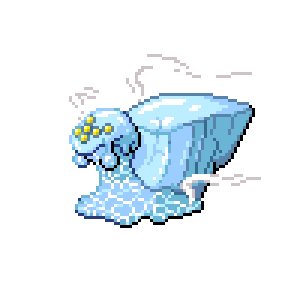
Regimortar's body is remarkably efficient at transferring thermal energy. Its ice crystals absorb heat from the air, transferring the energy to the blazing inferno that forms the other half of its body with near-perfect conservation of energy.

A Pokémon theorised to have first appeared during the Ice Age, Regiswine live atop glaciers in modern times and are formed of densely packed blue ice. They are so cold that hikers are advised to avoid them due to risk of hypothermia.
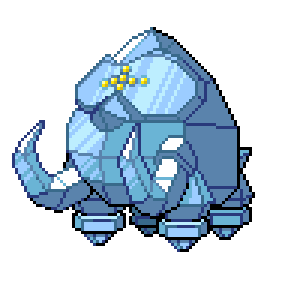
Regisea live deep underwater in the oceans of Hoenn far beyond the reach of the light of the surface, only their eyes and holographic fin visible in the dark. They are too heavy to move quickly, simply holding onto rocks and debris.
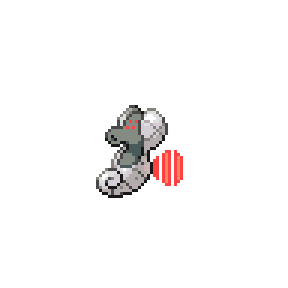
Regidra are slow swimmers, their dense metal bodies preventing them from moving swiftly through the water. Despite their low speed, they are far from defenceless as they are able to gather power into blasts of pure energy.
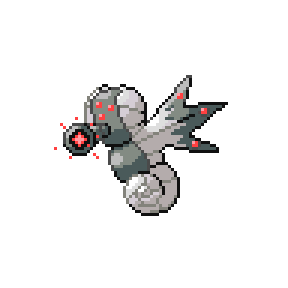
Regirita draw their energy directly from sunlight, the apparent leaf on their head actually being a solar panel. They are friendly and easy to raise, but are extremely heavy and have a habit of trying to jump on their Trainer's chest.

Regileef have a flexible solar panel attached to their heads, using the panel to fuel their activities. They are placid Pokémon and will peaceably follow the sun to wherever it is brightest.
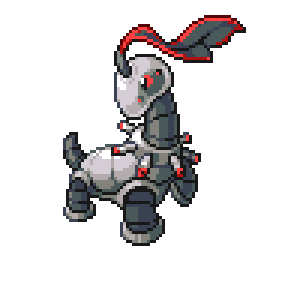
First documented within Paldea's Area Zero, Regileef can now be found in most industrial developments. They have a ring of diodes around their neck that store solar power, and a holographic leaf sprouting from their head that stores sunlight.
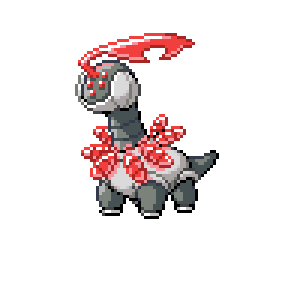
Regidra are found in ocean trenches, their eyes glowing in the pitch black ocean. They are a hazard for deep sea submarines due to their hyper-dense bodies, collisions between the slow moving Pokémon and unwary submersibles causing large dents.
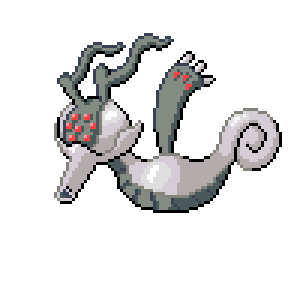
Regidra live deep in ocean trenches, swimming slowly and relying on their steely skin to protect themselves from harm. They can fire projectiles from their mouths at high speed, using them to attack other deep sea Pokémon.
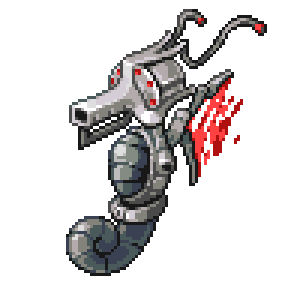
Regitar are artificial Pokémon produced by Silph Co. and are marketed as the perfect partner to protect Trainers preparing to brave Mt. Silver. They are prohibitively expensive for all but the most successful Trainers.
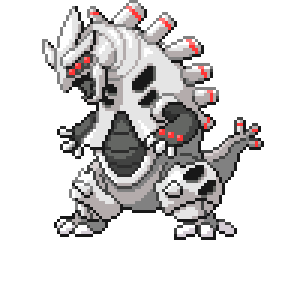
Regialga are encased in exceptionally dense steel armor. They use their temporal abilities to rapidly reverse damage, making them highly durable opponents to face.
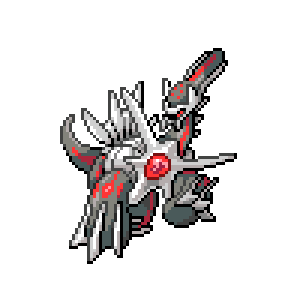
Regialga are encased in exceptionally dense steel armor. They use their temporal abilities to rapidly reverse damage, making them highly durable opponents to face.

Regirock form within abandoned construction sites within the foundations of buildings that were never completed. Rebar threads its way through the concrete and gives form to the new Pokémon. They wander in search of purpose.

Vilesea drift through the surface waters of tropical regions, using their prehensile tail to cling to driftwood or to one another. They absorb sunlight through the leafy fin on their back, sustaining themselves on the energy of the tropical sun.
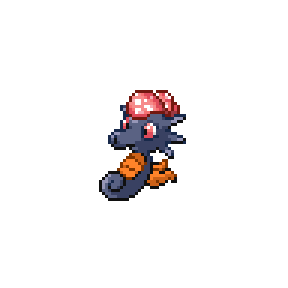
Vilevee petals have a luminescence to them that give them a vibrant red hue. They have an innate curiosity about elemental stones, their flower rippling and moving with anticipation as they get close to their energies.

Vileon pollen carries a static charge that causes the grains to stick to one another and to the fur of Vileon. Vileon can abruptly invert their own electrical charge, creating a cloud of pollen that obscures vision and irritates eyes.
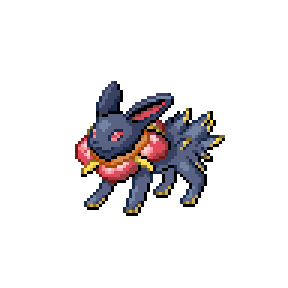
Vileleef have a single petal growing from their heads that droops downward toward the ground. The petal's edge is sharp, able to cut through plant matter with a well timed swing of the head.
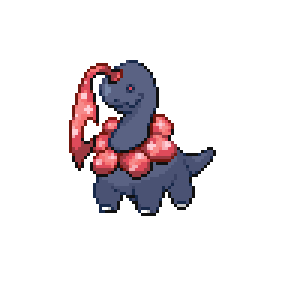
Some Vileleef have unusually long legs that they use to traverse through dense undergrowth. These rare Vileleef use their height to feed on branches that other Vileleef struggle to reach.

Vilenium roam through dense jungle in search of fruit to feed on in high branches. The flower on their head takes on the scent of the fruit they feed on, with more varied diets resulting in Vilenium that smell like an entire fruit bowl.
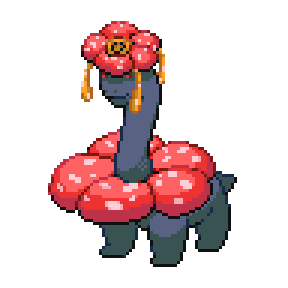
Vilerak feed on the nectar of flowers, searching for the largest plants they can find. They take on the scent of the flowers they drink from, the flower on their head exuding a pleasing aroma.
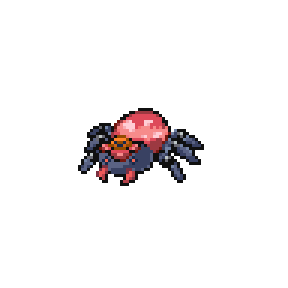
Viledos crawl up to the highest points they can find once they feel their flower start to bloom. They shake their abdomen once they have reached the peak to release the pollen into the air to be picked up by the breeze.
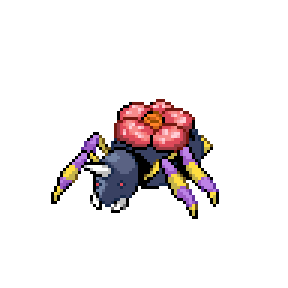
Vileros shepherd smaller Pokémon to safety during jungle storms, waving their staff and exuding a strong aroma to ensure they never lose track of them. They are protective of their flock, launching Thunderbolts at anyone who threatens them.

Vileros flower petals contain a complex internal structure that allows them to generate a static charge when struck. They stand out in torrential rainstorms to build up their internal charge, letting loose as an attack should they feel threatened.
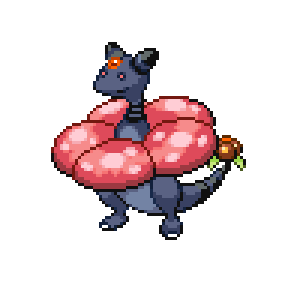
Vileloom live in lush jungles, moving through the canopy in the mornings and settling in place during the day. The large flowers on their heads draw in bug Pokémon from great distances.
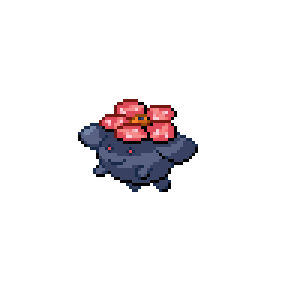
Vileluff's flowers give periodic puffs of pollen that help them to sense the direction the wind is blowing in. When they see their pollen travel in the direction they want to go, they leap into the air and spread their arms wide to catch the breeze.
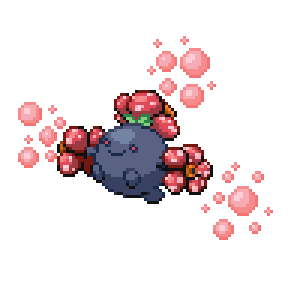
Vileluff wave their arms around excitedly when they feel the wind pick up, their petals ruffling in the breeze. Trainers can usually find Vileluff easily in the wild by the strong scent carried through the air from their flowers.

Vilesaur bury themselves up to their flower in soil during the day, sleeping in sunny patches of the jungle whilst they warm themselves. At night they dig themselves out and gather together to socialise with one another.
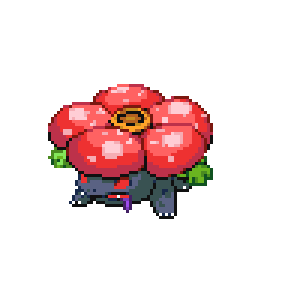
Vileckle thread their bodies through the discarded petals of fallen flowers, using the soft material as a hiding place. When threatened, they retreat within the petals and wait out whatever danger is around.

Vileckle form a symbiotic relationship with flowering plants, keeping the plant safe within their shell and moving it to ensure it is well lit and watered. In return, the flower grows berries that Vileckle can stockpile and eat when they're hungry.

Vileckle form a symbiotic relationship with flowering plants, keeping the plant safe within their shell and moving it to ensure it is well lit and watered. In return, the flower grows berries that Vileckle can stockpile and eat when they're hungry.

Vileckle have very light sensitive eyes and are easily dazzled by strong sunlight. To help them manage in daylight, they have formed a symbiotic relationship with a flower that provides them with constant shade.

Vilecargo flowers release a constant stream of pollen into the air. The pollen particles are coated in a thin layer of mucus, binding to the first surface they touch. Their pollen is allergenic and can sometimes cause respiratory problems.
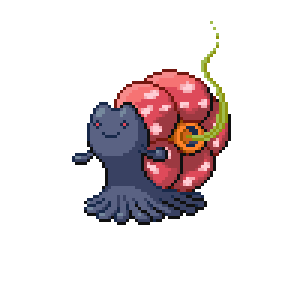
Vilecargo flowers give off a foul odour that is often likened to the smell of burnt meat. The smell draws pollinators from far away, using the slimy trail that Vilecargo leaves behind it to find it.

The flower growing around the base of the necks of Vilerow constantly exudes pollen that has a soporific effect on those that inhale it. They leave a trail of this pollen as they fly, often resulting in Pokémon falling asleep below them.
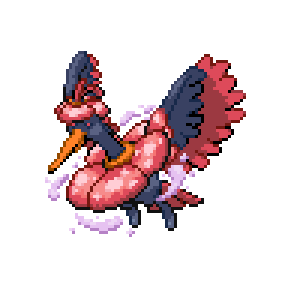
Vilenub's fur becomes densely matted with soil and dirt as they dig through the ground in search of plant roots to feed on. Their fur is packed with enough soil that it can support plant life of its own, large flowers growing from their back.
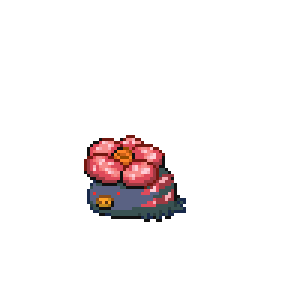
Vileswine fur is thick with plant matter, roots matting in amongst the hairs and feeding on the detritus that gets caught in their fur. Flowers periodically bloom from the mess of roots, driving Vileswine to distraction with the constant pungent smell.
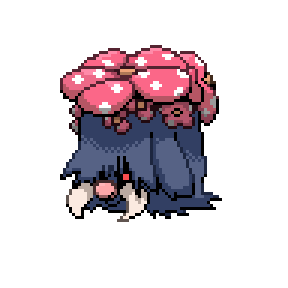
Vilepy seek out fallen fruits and berries to eat to help their flower develop a rich nectar. The nectar's flavour and texture change depending on what berries Vilepy have eaten, and can be spicy, sweet, or savoury.
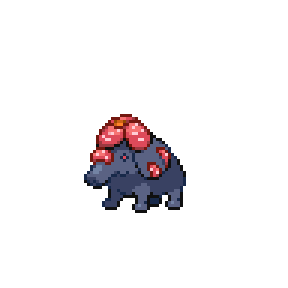
Vilechu use electrical charges to help stimulate the growth of their flower, seeking out areas with high electrical potential to aid them. They are a common sight in the fields surrounding power plants, basking in the ambient energy.
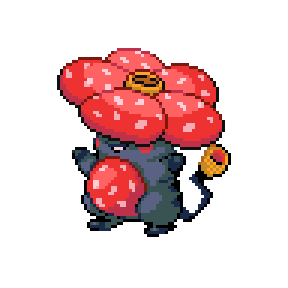
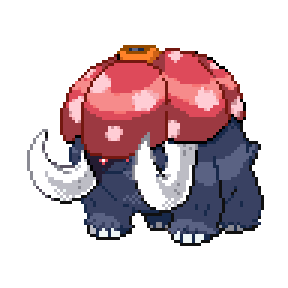
Vileswine use their great tusks to clear away trees and bushes and create large glades where they can spend their days lazing in the sun. Pokémon Researchers theorise that they do this to reduce competition for sunlight for their gigantic flowers.
Vilelia leave trails of pollen glittering in the air in their wake as they dance and twirl. Their performances are breathtaking, but can only be safely watched outside due to the gradual build-up of their allergenic pollen.

Vilevoir have long, draping petals sprouting from their waist that form an elegant dress. This, combined with the broad-rimmed flower adorning their head, make them incredibly popular Pokémon at fashion shows.
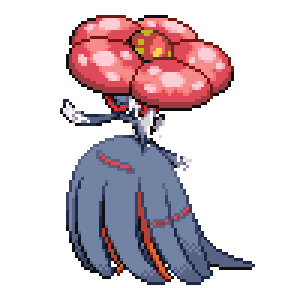
Vilevoir petals have a soft, silk-like texture that allows them to function as elegant dresses. They sweep through balls, leaving a floral scent in their wake that invariably delights guests.

The skirt of flower petals around the waist of Vilevoir trail long strands of translucent fibres that are coated in a fine layer of pollen. This pollen gradually disperses as they move and, when breathed in, it engenders feelings of camaraderie.
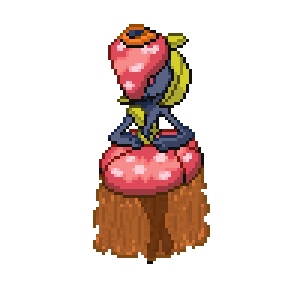
Viledoof are not able to produce their own chlorophyll and have to rely on eating large quantities of plant matter to ensure they can keep their flowers healthy. Families of Viledoof gnaw down trees to eat the young leaves on the upper branches.
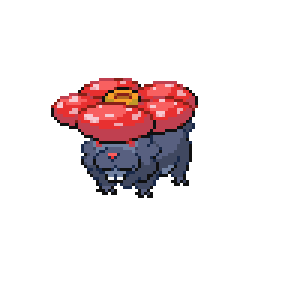
Viledoof are not able to produce their own chlorophyll and have to rely on eating large quantities of plant matter to ensure they can keep their flowers healthy. Their flowers turn brown and wilt if they're not able to find enough food.

Vilesaur bury themselves up to their flower in soil during the day, sleeping in sunny patches of the jungle whilst they warm themselves. At night they dig themselves out and gather together to socialise with one another.

The flowers growing out of the heads of Vilewig are large enough to obscure their vision, making it hard for them to navigate the jungle floor. This liability is offset by the excellent camouflage it provides, helping them stay hidden from danger.
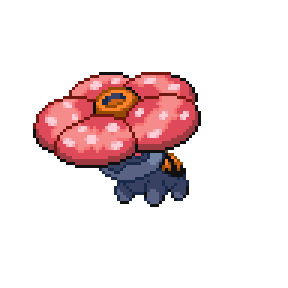
Viletle move together in small herds, grazing on the jungle undergrowth as they do. When they feel threatened, they lower their heads in unison and huddle together, making them appear to be a single large bush of flowers.
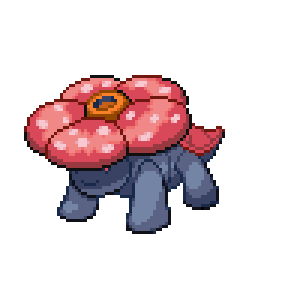
Vileterra have evolved to fill the same ecological niche as Venusaur, leading many to compare the two. Having evolved in Sinnoh, Vileterra has far fewer poisonous Grass type Pokémon to compete with and so developed a Ground type instead.
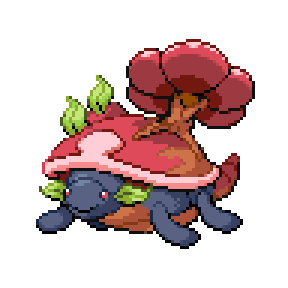
Vilechar troupes sleep together during the day, spending the daylight huddled together high up in the tree branches. Their flowers help disguise their sleeping place, making it appear as though the branches are simply in bloom.
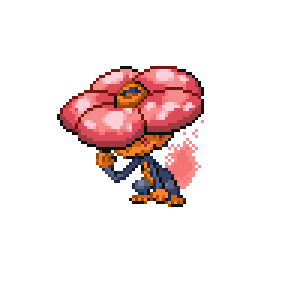
Vilechar troupes sleep together during the day, spending the daylight huddled together high up in the tree branches. Their flowers help disguise their sleeping place, making it appear as though the branches are simply in bloom.
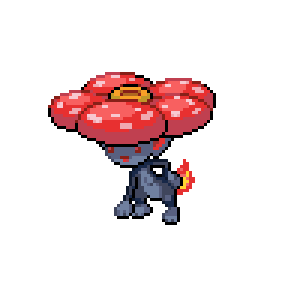
Vileferno are agile Pokémon, swinging through the treetops at a rapid pace in family troupes in search of fresh fruit. They leave a trail of pollen as they move, a gentle rain of it falling to the forest floor and marking out their path.
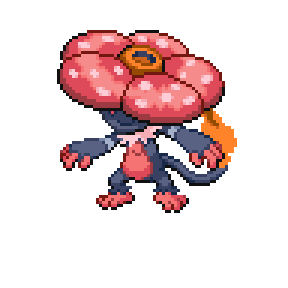
Vilenape deliberately make broad sweeping movements in battles to shake loose large puffs of pollen. They use sweeps of their limbs to waft the pollen clouds at their opponents, and can use bursts of flame to cause the clouds to abruptly ignite.

In some regions, Viletales flowers bloom in a beautiful pale pink, evoking the feel of a spring morning. Their petals are highly flammable when dried out and can cause fire hazards if not properly cleaned up after a Viletales has passed by.

Vilelia perform elaborate dances with their flowers, leaving traces of golden pollen floating in their wake. They are popular with dancers who seek to learn their movements and incorporate them into their own choreography.
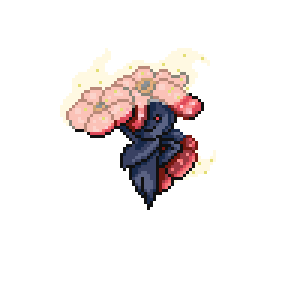
Vileruff are popular companions for aromatherapists, their playful nature making them constantly eager to be around people whilst their scent elicits feelings of youthful energy. They love to seek out flowers to gift to people.
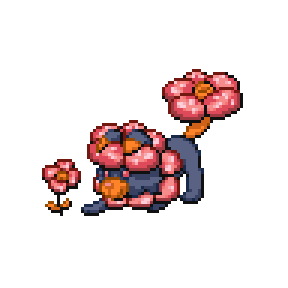
Vileroc packs roam through jungles in search of food, working together as teams to take down larger Pokémon. They keep track of one another using their keen sense of smell, able to scent the tail flowers of one another without needing to see them.
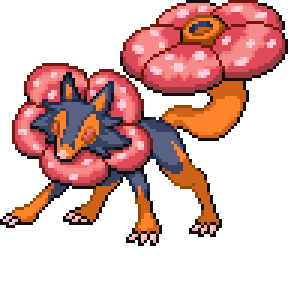
Botanists have spent a lot of time studying Vilesect, fascinated by the unique symbiosis between the flower and the mushroom that grow on their backs. The mushroom provides the flower vital nutrients, whilst the flower releases spores to the wind.
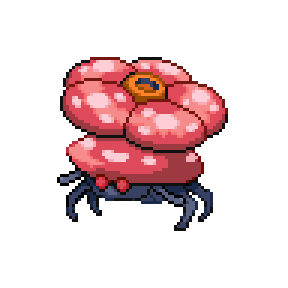
The vivid red fins of Viledisc make them a popular Pokémon to keep in aquariums, their movements eye-catching and fluid in the water. To maintain their striking colouration in tanks, they require a steady diet of Pomeg berries.
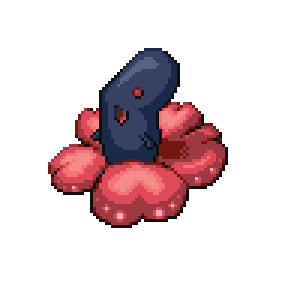
Necrotres burn with an unearthly fire that is fuelled by strange crystals laced throughout their body. Pokémon Researchers have determined from the lattice structures of these crystals that they originate from Ultra Space.
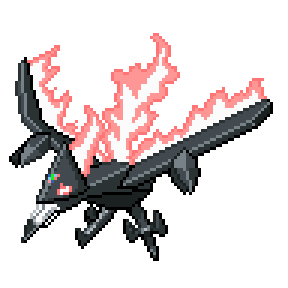
Necrotres burn with an unearthly fire that is fuelled by strange crystals laced throughout their body. The flame from these crystals produces a strange kaleidoscopic fire, its elemental composition appearing to shift erratically.
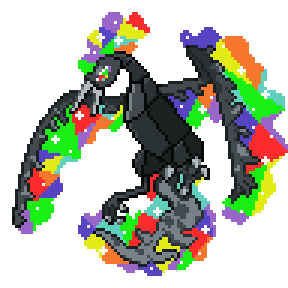
Necropip drift through the air on whorls and eddies of power originating from Ultra Space, using micro-portals to generate lift and thrust. They spend their time searching for tiny crystal fragments that they attempt to fit into their bodies.
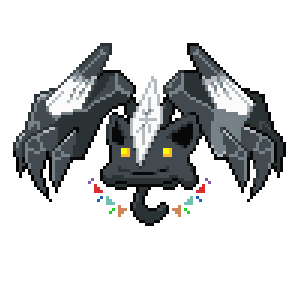
The prisms lodged in the bodies of Necroluff capture and refract light within their matrices. The structure of these crystals isn't fully understood, but they have been demonstrated to bear a remarkable similarity to that of Z-Crystals from Alola.
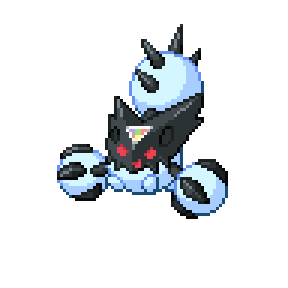
The prisms lodged in the bodies of Necroluff capture and refract light within their matrices. The structure of these crystals isn't fully understood, but they have been demonstrated to bear a remarkable similarity to that of Z-Crystals from Alola.

Bemite are popular household Pokémon. Their bodies are soft and well suited to hugs. They store kinetic energy in their bodies and convert it to electricity, allowing them to magnetically float.

Sailors report seeing schools of Dheltine on stormy nights, their eyes shining through the rain like ghostly headlights. When a storm is particularly bad, Dheltine will use the anchor on their tail to pin themselves in place above the ocean.
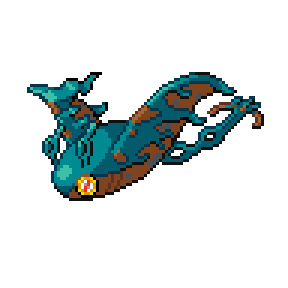
Marcargo feed on Corsola, making their way slowly across coral reefs in search of their prey. The venomous tentacles lining their back protect them from fish Pokémon that might try and eat them, warding them away with nasty stings.
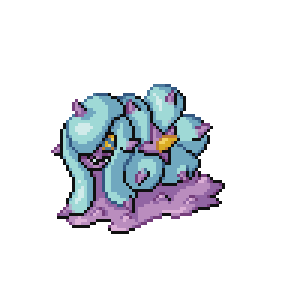
Marsian grow bored easily and find themselves searching for a distraction whenever they do. Their distractions usually involve them toying with a smaller Pokémon, stinging and watching its prey try to get away before they pounce and catch it again.
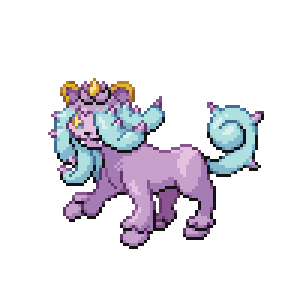
Toxcargo shells are prized for their beauty, the vivid colours and exotic shape of the shell making them a valued addition to many collections. Collectors seek out Toxcargo within coral reefs, following their thick trail of mucus to find the Pokémon.

Toxcargo shells are prized for their beauty, the vivid colours and exotic shape of the shell making them a valued addition to many collections. Swimmers are advised to be wary of collecting the shells as Toxcargo can launch venomous barbs from them.

Toxphan are covered in toxic spines to deter attackers and will hunker down close to the ground if it feels threatened. Large populations can cause widespread damage to an ecosystem due to the difficulty in relocating them.

Toxsian creep silently through coral reefs, relying on their colourful tentacles to camouflage them against the coral. They watch carefully for movement in the reef, pouncing on any Corsola that crosses their path.

Hawlbull love to make flashy and inefficient moves during a fight, more to impress a watching crowd than to quickly win. This tendency makes them popular with inexperienced Trainers who have yet to learn the best way to win a Pokémon battle.

Hawlwhirl leap high from the water to tackle any Pokémon that they believe is challenging them for control of their pond. They prefer to fight in a showy manner, creating a spectacle as an example to other Pokémon not to take their territory.
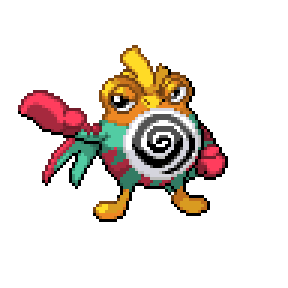
Cacrow spend days flying through deserts in search of oases, drinking as much water as they're able to once they find them. They will only move on when sandstorms start to roll in, taking to the skies to get ahead of them.

Cacras have parasitic flowers that use their bodies as a source of water and nutrients to allow them to bloom despite harsh desert conditions. The presence of these flowers force Cacras to constantly be on the search for water sources.

Cacras live amongst cacti deep in the desert, hiding amongst the thorny plants and only moving at night. They use their claws and teeth to puncture the thick hide of the cacti and drink the juice within to quench their thirst.

Cacsian tails swish rapidly when they're annoyed; the frequency of their tail flicks reflects their growing irritation. If sufficiently provoked, they lash out with their tail, scratching the source of their ire with the thorns lining it.

Cacwag waddle through the desert in search of oases, sometimes travelling weeks to reach the rare pockets of water. When they find them, they submerge themselves and soak in as much water as they can, storing it to drink later.
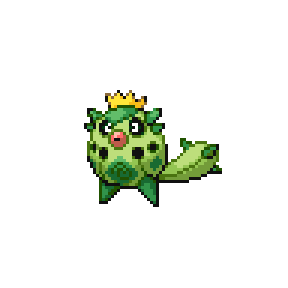
Cacwag waddle through the desert in search of oases, sometimes travelling weeks to reach the rare pockets of water. When they find them, they submerge themselves and soak in as much water as they can, storing it to drink later.
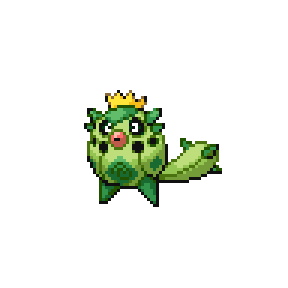
Cacwag waddle through the desert in search of oases, sometimes travelling weeks to reach the rare pockets of water. Travellers lost in the desert are advised to follow Cacwag tracks as they will often lead them to water.

Cactales live deep in the desert under intense sunlight, families of them travelling slowly together across the dunes. On the rare occasions that it rains, their tails will rapidly bloom with short-lived flowers.
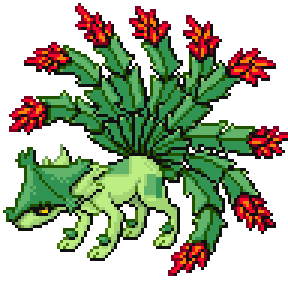
Cactria surrounds itself with a personal sandstorm, using the unstable storm to travel through the air. They prefer arid environments and will seek out deserts and savannahs if there's heavy rainfall.
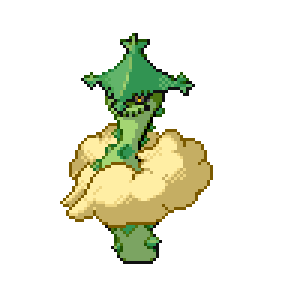
Cactnine are a popular mount for people who need to travel through the desert. Their tough hide makes them resistant to sandstorms, whilst their speed and endurance allow them to ferry their passenger to their destination within a single day.

Sandycargo feed on old lava flows, breaking down the silica-rich rocks into sand and incorporating the grains into their bodies. Beaches with large Sandycargo populations are popular tourist destinations for their brilliant white sands.
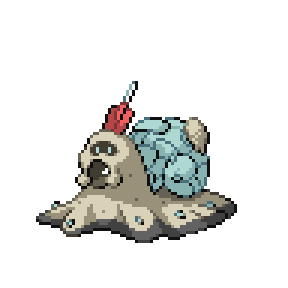
Sandychu draw lightning strikes to themselves during storms, raising their tails on beaches to make them easy targets. Their tail and parts of their body are turned into fulgurite, the fragile glassy material sparkling with captured lightning.

Sandytrio make their home on tourist beaches, nearly invisible as they dig their way under the sand. They have a fondness for children's beach toys and will emerge underneath buckets and spades, wearing them as hats for their own amusement.

Sandywag feed on sand and mud, using their tail to scoop the sediment directly into their body. Nutrients are absorbed from the sediment constantly, creating a dried out spiral in their belly that needs regular watering to keep from collapsing.

The white wool covering the bodies of Paffy is actually tendrils of a parasitic fungus. While the fungus doesn't appear to cause the Pokémon any direct discomfort, Paffy eat considerably more than other Pokémon of their size to maintain it.
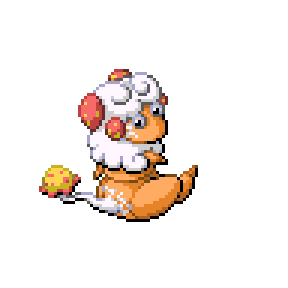
The pale wool covering the bodies of Paffy is actually tendrils of a parasitic fungus. Paffy use their claws to try to shear and reduce the growth of this fungus on other members of their flock, working to stop it spreading too far.
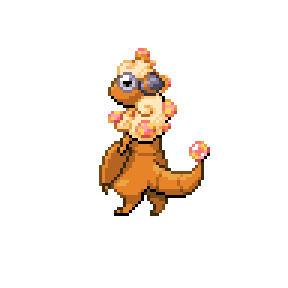
Palocargo seek out old shells on the beach, using them as shelter to withdraw into when spooked. They are able to launch their shovels as projectile weapons, spearing them into their foes if they aren't left alone after hiding away.

Palocargo claim abandoned shells as their own, hiding their sandy bodies within them. They are defensive of their new homes, attacking those who would damage their shell with powerful Shadow Balls.

Found mostly at beach-side holiday resorts, Palochamp love to impersonate sand sculptures during sand castle competitions. They're too vain and proud of their build to maintain their charade for long and will often show off to beachgoers.

Amatoise produce a fine mist that constantly flows from the interior of their shells. This mist is filled with ice crystals that create a beautiful light display as they drift through the air.

Aurofairy reach up to the sky whenever the aurora glitters overhead, entranced by the majestic display above. Frost crystals glitter in the dark around their arms when they do so, making it appear as though they are hugging starlight.
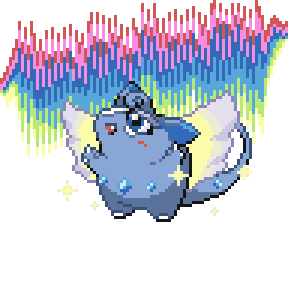
Aurotle frills leave trails of glittering ice crystals in the water as they swim, making it appear as though Aurotle are swimming through a starscape. Large populations of Aurotle can cause lakes to gradually freeze over.
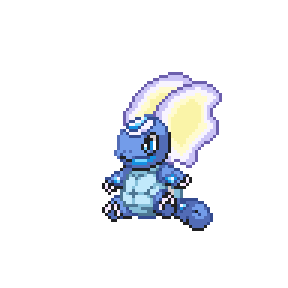
Aurotle spray a fine powdered ice from their mouths, creating glittering displays to communicate with one another. They are a popular Pokémon to employ in restaurants, with many deserts using their powdered ice as the base for desserts.
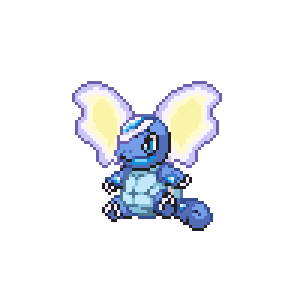
The shells of Aurotoise are studded with gemstones that have a unique chilling effect on the air around them. Their cannons exude a constant stream of water vapour that reflects light in beautiful auroral patterns due to the chilled air around them.

Rocklia are popular Pokémon for Hoenn's beauty contests thanks to both their natural grace and their empathic ability to read the crowd. Knowing what their audience wants to see gives them a huge advantage over their competitors.

Rockon are very affectionate and love to jump up for cuddles with their Trainers. Unfortunately, they are also very dense and heavy for their size, and their fur has the consistency of wire wool.
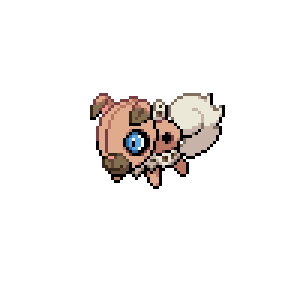
Rockroc are affectionate and playful, bounding up to their Trainers and insisting on attention and fuss. They constantly underestimate how large and heavy they are and can accidentally injure their Trainers with their weight.
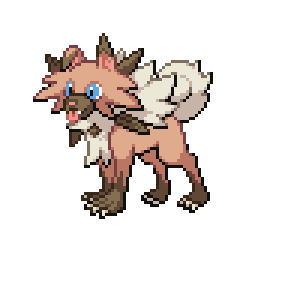
A highly affectionate Pokémon, the two heads of Rockduo each love receiving pets and will compete for the attention of their Trainer. They love playing catch and are highly mobile, able to sprint after a thrown ball at up to 60 miles per hour.
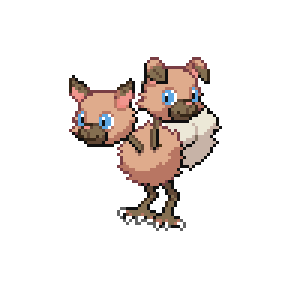
The heads of Lycanduo are competitive with one another, each wanting to be the first to catch a thrown ball, or be the first to strike in a fight. Their competitiveness leads Lycanduo to be reckless and headstrong, making them a challenge to train.

Lycangar packs prowl through the night in search of chances for mischief. They find people walking alone at night, howling to scare them into running. Once the person is sufficiently scared, they appear from nowhere to startle them while cackling.

Lycangar packs prowl through the night in search of chances for mischief. They take pleasure in chasing after people, spooking them with loud, cackling howls. Despite the joy they take in scaring people, they very rarely attack.
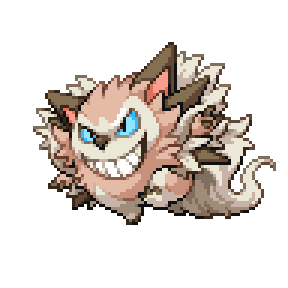
Lycandle are covered in a thick coating of sensitive hairs that help them navigate in the dark. These hairs are tipped with an irritating poison to deter predators, and despite their soft appearance it is not advisable to stroke them.
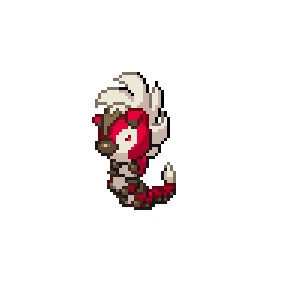
Lycantu are usually only seen at either the full moon or the new moon. They make loud calls to the sky at night, and legends claim their cry causes the moon to change phases.
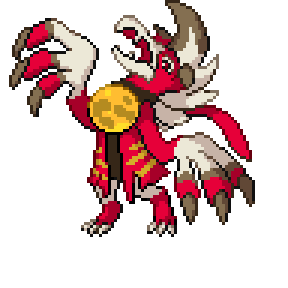
Lycanroc hunt in small packs and can co-ordinate with one another across vast distances using the phases of the moon. They howl in unison with one another twice a day, once at midday and once at midnight.
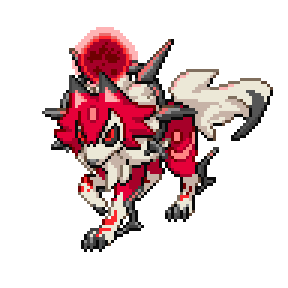
Melogon-Z often look to help orchestral composers with their work, attempting to generate scores for big performances. Despite their enthusiasm, they are often more of a hindrance than a help, as they lack any inherent understanding of music theory.
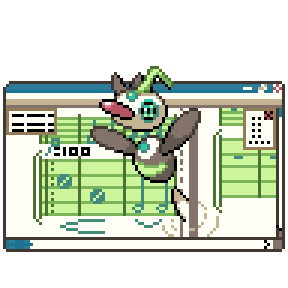
Melocargo's shell is completely hollow with an internal structure built to amplify noise when struck. They love to make noise using their shell, swinging their head around to strike at the surface of the shell with their long feelers.
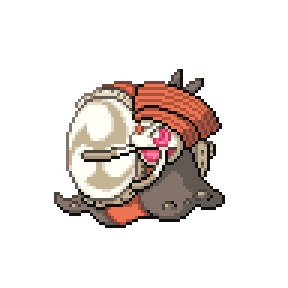
Cresscorio loudly celebrate the changing phases of the moon, twirling psychic constructs resembling the moon around themselves as they chirp. Their song induces drowsiness in those who hear them, lulling people to sleep despite the upbeat tempo.
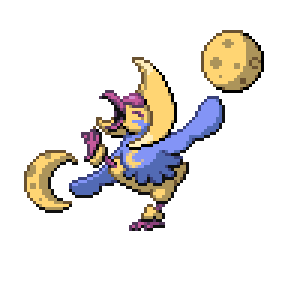
The fur of Bruxtret has a beautiful sheen and colour to it. This makes them a popular source of wool for clothing items. Their populations need protection by Pokémon Rangers to help ensure they are not overly depleted in the wild.

Bruxret have sleek and beautiful fur and are very popular companions for fashion-conscious Pokémon Trainers. Their location in the wild is a closely guarded secret to make sure that their population doesn't become too depleted.
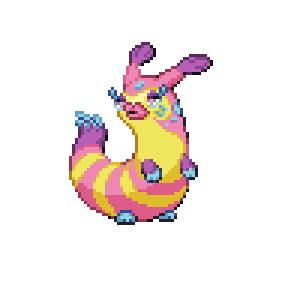
Parazing release a constant stream of gas from their bodies. The gas isn't toxic in itself, but it contains thousands of microscopic spores that can cause infections when inhaled.

Paravee shelter beneath giant mushrooms when they're afraid, hiding beneath the spore caps until the danger has passed. Their fur often becomes coated in spores as a result, leading them to spread the fungus throughout their territory.
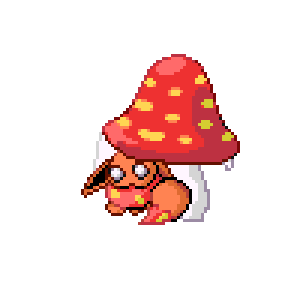
Palaeontologists have found Paranyte fossils nestled within the spore caps of various mushroom species, suggesting their modern parasitic relationship with fungi has existed for millions of years.

Parastar use their tentacles to grab onto swimming Pokémon, clutching tightly to their bodies and draining their energy by biting with their sharp jaws. Wailord can sometimes be found with dozens of Parastar infesting them.

Parastar use their tentacles to grab onto swimming Pokémon, clutching tightly to their bodies and draining their energy by biting with their sharp jaws. They use their claws to ward away attempts to dislodge them, striking out with surprising force.

Parastar use their tentacles to grab onto swimming Pokémon, clutching tightly to their bodies and draining their energy by biting with their sharp jaws. They use their claws to ward away attempts to dislodge them, striking out with surprising force.

Parato make shallow burrows along the sea floor, searching through the silt for buried Pokémon they can feed on. They use their sharp claws to pierce through Shellder shells when they find them, draining their energy to fuel their own growth.

Paratres spores are lighter than air, drifting upward from their bodies and enabling them to take to the skies. They seed clouds with their spores, causing rains that are followed by rapid mushroom growth.

Parahoot dig hollows into the trunks of trees, resting their spore cap against the opening whilst they feed on the softer wood inside. Large flocks of Parahoot can prove deadly to trees if left unchecked, draining the plant of all of its energy.
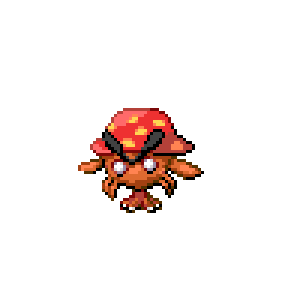
Paraowl mushrooms release an irritating chemical during daytime, encouraging their host to remain dormant until nightfall. When they take to the air at night, Paraowl leave a glittering trail of spores drifting through the air behind them.

Pararak are heavily infested with fungus, their carapace splitting in places as mushrooms grow from them. They can spin some of the mycelium fibres into webbing, using them to ensnare food to feed their parasite.

Urban legends speculate that consuming a Paratu mushroom grants the imbiber the ability to see into the future. Pokémon Researchers have been unable to verify these claims and, given the potential toxic risk, strongly advise against doing so.

Urban legends speculate that consuming a Paratu mushroom grants the imbiber the ability to see into the future. Pokémon Researchers have been unable to verify these claims and, given the potential toxic risk, strongly advise against doing so.

Paratu are coated in a fine layer of spores that can cause unpredictable effects when touched. When they fly overhead, the long mycelium threads on their heads release these spores, often causing hallucinations likened to glimpsing the future.
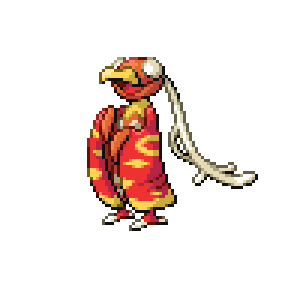
Parapip whirl their twin mushrooms at high speed to take off into the air. They drift from meadow to meadow in search of food, inadvertently leaving a trail of spores behind them as they fly.

Paraloom mushrooms have a light, airy texture to them. They are popular ingredients in stews as they take on the flavour of the surrounding food, masking their natural slightly grassy flavour.

Parama shake loose clouds of spores with each whir of their wings, leaving a spreading trail in their wake as they fly. The mushrooms that grow from these spores induce feelings of restlessness when consumed.

Parama shake loose clouds of spores with each whir of their wings, leaving a spreading trail in their wake as they fly. The mushrooms that grow from these spores induce feelings of fatigue when consumed and are sometimes used as a sleep aid.

Paraeon spores retain a psychic connection to Paraeon for several hours after they've been released. They use this connection to control the minds of anything the spores settle on, usually compelling their victim to bring them food and water.
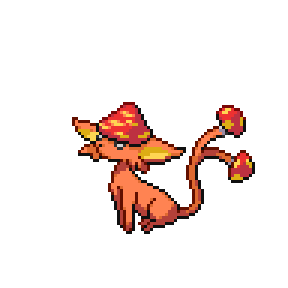
Paraeon spores retain a psychic connection to Paraeon for several hours after they've been released. They can use this connection to manipulate objects, telekinetically levitating the spores and whatever they have covered.
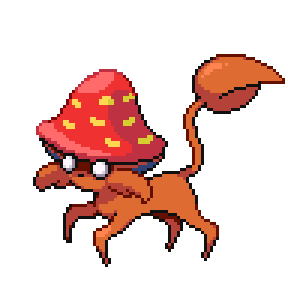
Parafish anchor themselves to the sea floor by wedging their mushroom into crevices in the rock and inflating it with water. They vigorously shake their body to attract predators, releasing clouds of spores when struck to spread their fungus.
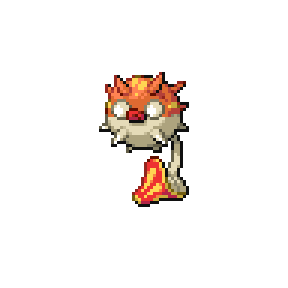
Parasel rapidly scale tall trees, using their sharp pincers to hook themselves onto branches. They dig into the crowns of trees, feeding on the sweet sap found in the fresh growth at the very top of the trees.

Paracargo are prone to parasitic fungal growths. They seek out petrified wood, feeding on the fossil trees to absorb enough minerals to help their mushrooms grow as large as possible.
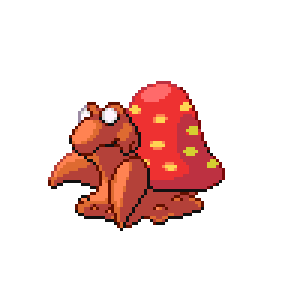
Paracargo have deadpan, slow reactions to events around them, their wits dulled by the parasitic fungal growths throughout their body. Comedy writers like to make use of them in sitcoms to punctuate jokes that might otherwise fall flat.

Parapy use their immense strength to topple healthy trees, ripping them from the ground so that they can get at their roots. They feed on the roots in small herds, using their trunks to break the wood open and drinking the sap within.

Paratar dig through the roots of mountains, carving their way through the tough bedrock in search of rich mineral veins. They feed on these minerals to fuel their mushroom's growth, lending the fruiting body a rich, earthy flavour.
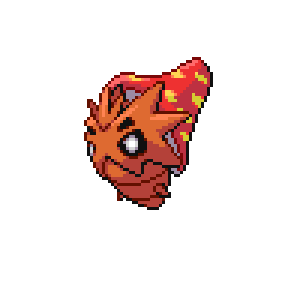
Paraitar's armoured plates conceal a layer of mycelium that extends across the entirety of their body. This fungal layer cushions their body, reducing the harm they suffer from physical blows.

Paraitar's armoured plates are coated in a layer of mycelium that extends across the entirety of their body. This fungal layer contracts like a second layer of muscles, improving their reaction time and striking power.

Paraitar's armoured plates play host to an aggressive fungus, leaving them plagued with constant mushroom growth across their body. They seek out sandstorms, trying to use the abrasive storms to clean the parasitic growths from themselves.

Paranaut can be found living within orchards, clutching fruit to the cap of their mushroom and allowing it to decompose. They let the sickly sweet juices trickle over their body, absorbing the sugars through their skin.

Para Jr. make twitchy, dancing motions in an attempt to entertain those around them. The effect is often unnerving rather than amusing, though Para Jr. take the lack of positive response as a sign to try harder with their strange dance.

Parachic are parasitised by a fungus that drives them to constantly seek out food. They can grow aggressive and irritable if not provided a steady source of nutrients, scratching and spitting fire at anything stopping them from eating.
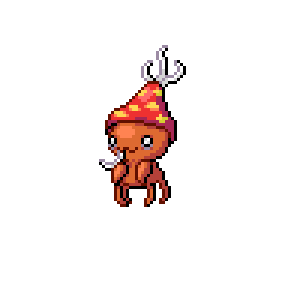
Parakip regularly cover themselves in damp clay, plastering it over the mycelium growing over their skin. Researchers speculate they do this in an effort to reduce the itching that their parasitic growths cause.

Paraqueen make their home within dank, moist caves that help to encourage the growth of their parasitic fungus. Their territories are often marked by mushroom circles, and they try to introduce their parasite to anyone who trespasses on their home.

Paraqueen make their home within dank, moist caves that help to encourage the growth of their parasitic fungus. They become sluggish when their parasite begins its fruiting phase, standing at the mouth of the cave to allow spores to drift in the wind.

Paraleon strut through crowds of their peers searching for the highest point they can reach, aiming to be the one to stand tallest. The Paraleon at the peak of a given grouping releases its spores, aiming to pass its parasite to the rest.

Paraleon strut through crowds of their peers searching for the highest point they can reach, aiming to be the one to stand tallest. The Paraleon at the peak of a given grouping releases its spores, aiming to pass its parasite to the rest.
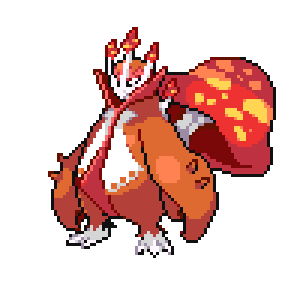
Pararam release spores with each flap of their wings, releasing dense plumes into the atmosphere as they fly. Their spores mix with clouds, causing localised weather changes and resulting in rains followed by mushroom growth a few days later.
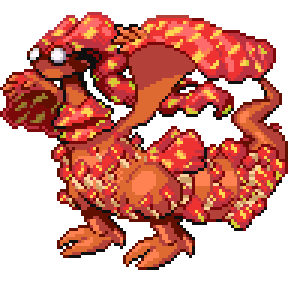
Paratales dig their burrows at the roots of ancient trees, feeding on them to get through the colder months when other food is scarce. They are protective of their homes, shaking their tails to shower noxious spores on any that try to harm their tree.

Paracada compete with Paras for food, often battling their fellow Bug-type for control over specific trees. Paracada with particularly dense mushroom growth show heightened aggression, suggesting they are attempting to infect Paras with their spores.

Paratales dig their burrows at the roots of ancient trees, feeding on them to get through the colder months when other food is scarce. They block the entrance to their burrows with their many tails, preventing others from accessing their shelter.

Paratales dig their burrows at the roots of ancient trees, feeding on them to get through the colder months when other food is scarce. Paratales mushrooms develop a woody flavour that's reminiscent of the fruits of the tree they live under.
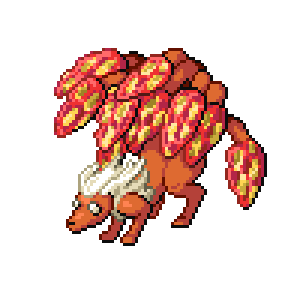
Parainch traverse deserts in a constant hunt for oases. When they find one, they sit themselves half submerged in the water and allow their parasitic mushroom to absorb as much as it can, fungal spores leaking into the water as they do.
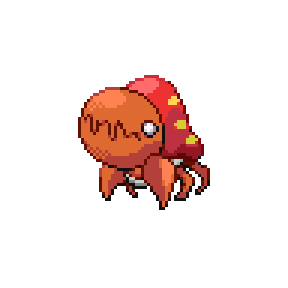
Parainch transmit fungal spores through their bites, spreading the infection of their parasitic fungus to any unfortunate Pokémon that they bite down on. Trainers are advised to take affected Pokémon to the nearest Pokémon centre as soon as possible.

Parainch transmit fungal spores through their bites, spreading the infection of their parasitic fungus to any unfortunate Pokémon that they bite down on. Trainers are advised to take affected Pokémon to the nearest Pokémon centre as soon as possible.
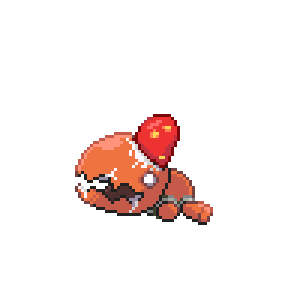
Parava soar across the desert on wings formed of thin fungus in search of watering holes. They leave a trail of spores drifting to the sands as they fly, mushrooms sprouting in their wake with the next rains.

Paraelgon mushrooms are tough enough to allow them to resist most physical blows. They seek out danger, allowing themselves to be struck and releasing clouds of spores every time they suffer a blow.

Pararua spores induce hallucinations in those that breathe them in, often causing the afflicted to believe they are facing a different Pokémon. Pararua take advantage of this confusion, striking in unexpected ways in battle.
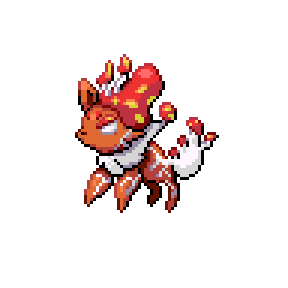
Parapuff eyes are sensitive to bright light, making them unwilling to come out during the day. When they emerge at night, they sing to one another, their mushrooms resonating in harmony and helping them find each other in the dark.

Paratuff keep to dark caves and tunnels, scuttling about blindly and feeding on plant roots and underground mushrooms. They croon to one another in the dark, singing an eerie, echoing song.

Parabat wrap their bodies in thick strands of mycelium, helping to protect themselves from physical harm. They are totally blind, relying on their sonar to navigate as they scuttle around dark caves.
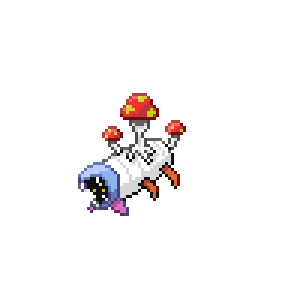
Paraeye release a steady stream of glowing spores, coating the caves they live in with the spores. Their homes glow with an eerie orange light, allowing them to seek out exposed gem stones for consumption.

Paraeye release a steady stream of glowing spores, coating the caves they live in with the spores. They seek out exposed emeralds, smearing their spores onto the gems and encouraging the growth of more black-capped mushrooms.
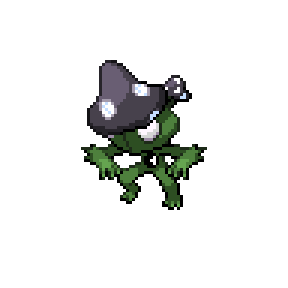
Pararunt seek out frost-resistant mushrooms to wrap around their body during winter months, sheltering within the mushroom caps to wait out the cold weather. They leave a trail of spores as they travel, inadvertently spreading the fungi behind them.

Paraful movements are stiff and awkward due to the fungal growths that spread throughout their bodies. When they're struck, clouds of spores fly free with the goal of finding a fresh place to grow.
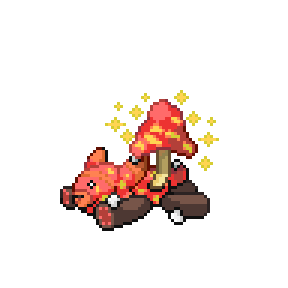
Researchers theorise that the vibrant colours and outlandish noises of Paraful are so that they can be struck by predators to spread their spores. Video game companies take inspiration from Paraful and create characters based on them.

The fungus infecting Parawear drives them to aggressively launch unprovoked attacks on other Pokémon. They do this with the goal of getting injured enough to reveal their plush interiors, launching a cloud of spores into the air.

The fungus infecting Parawear drives them to aggressively launch unprovoked attacks on other Pokémon. They do this with the goal of getting injured enough to reveal their plush interiors, launching a cloud of spores into the air.

Pararuff are filled with energy, often racing around and wanting their trainers to take them on regular walks. Trainers are advised to be considerate and clean up when doing so as Pararuff are prone to leaving trails of spores behind them.
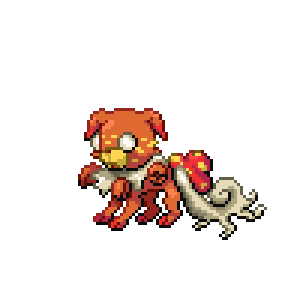
Paramo-o rattle the scales on their back to communicate with one another, creating an eerie chittering noise when they do. They groom one another with their large foreclaws when they meet, trying to keep one another clean of fungal infection.
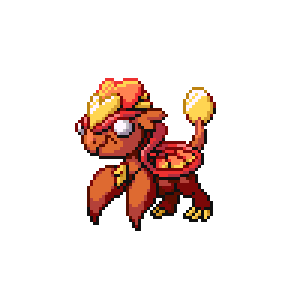
Paraladin use their symbiotic fungus to protect themselves from harm, relying on the dense mesh of mycelium to absorb the impact of physical blows. They battle one another to help spread the mushrooms within their family groups.
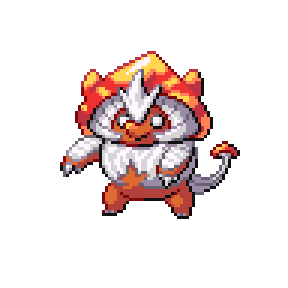
Paraladin use their symbiotic fungus to protect themselves from harm, relying on the dense mesh of mycelium to absorb the impact of physical blows. They bide their time in battle, waiting for an opportunity to strike back with their giant claws.
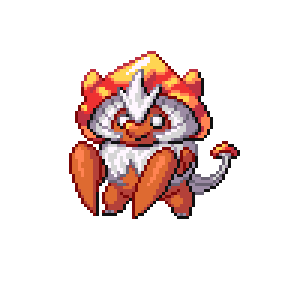
Parabre spend most of their day with their body submerged within their river homes, only their spore cap bobbing above the water. They lunge at anyone that tries to gather their mushroom, grabbing at the would-be forager with their powerful claws.

Swarms of Paraor can be seen streaking across the night sky, tumbling through the upper atmosphere and leaving a glittering trail behind them. Atmospheric samples of the trail they leave have determined them to be spore clouds.
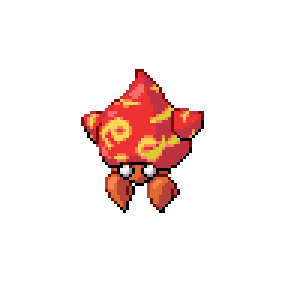
Paramoth mushrooms parasitise most of the nutrients that they consume, forcing them to be constantly on the move in search of food. They are drawn to bright lights and can sometimes be seen climbing up streetlights at night.
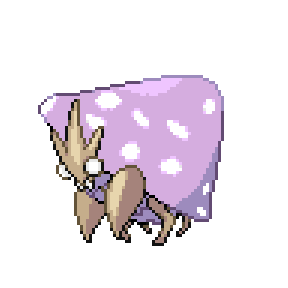
Paradisc shed a constant stream of spores into the water as they swim. They are poorly suited to captivity, as any aquarium housing them needs to have mushrooms regularly cleaned out of their filtration systems.
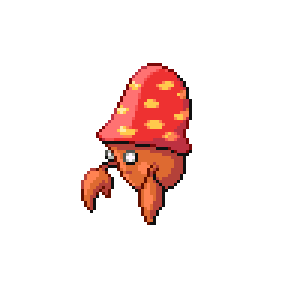
Parayena are protective of their large mushroom, barking loudly at those that attempt to touch them. They are prone to fleeing if they think their mushroom is at risk of harm, preferring to run rather than battle.
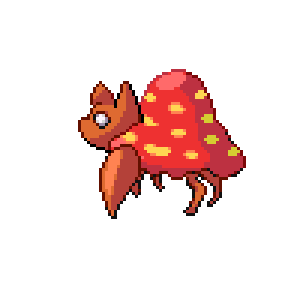
Paranoone are sometimes seized by manic energy, racing at high speeds in a straight line. Analysis of their mushroom has found that it regularly releases high doses of caffeine, making it the likely cause of this behaviour.
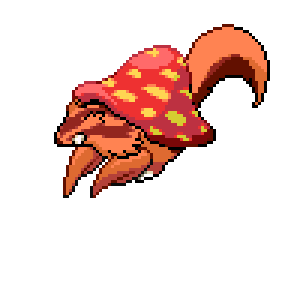
Pararelp release blooms of toxic spores as they swim, killing off most aquatic plants whilst leaving kelp forests totally unharmed. Ecologists carefully monitor Pararelp populations, ensuring they don't get out of hand and disrupt aquatic ecosystems.
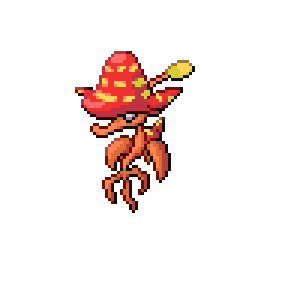
Pararelp release toxic spores as they swim, killing off most aquatic plants whilst leaving kelp forests unharmed. Pararelp's bright colours make them visible within the kelp, drawing in predators and resulting in their parasitic fungus spreading.
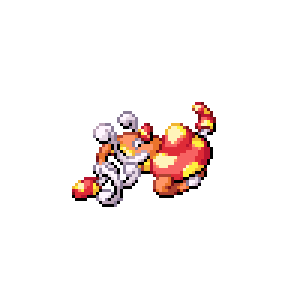
Paracool drift aimlessly through the oceans, clumsily grabbing at Pokémon that swim too close to them with their claws. They periodically shake their bodies, releasing clouds of spores into the water as they do so.
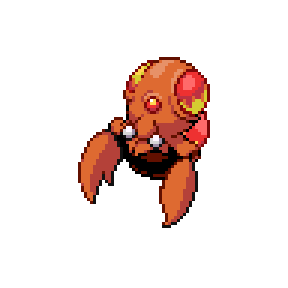
Paratortle withdraw into their shell when they feel threatened, relying on it to shield them from harm. Strikes that land against the soft upper surface of their shell cause puffs of spores to release, debilitating those that inhale the cloud.

Parader scuttle across the sea floor in search of food. When faced with danger, they tuck their limbs within the bell of their gigantic mushroom, hiding away until the danger has passed.

Necrotres are blindingly bright Pokémon that can outshine even the midday sun. It takes a tremendous amount of energy for them to maintain their form and they can only manage it in the presence of strange crystals found in Alola.
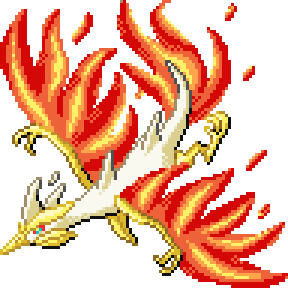
Necrotres are blindingly bright Pokémon that can outshine even the midday sun. It takes a tremendous amount of energy for them to maintain their form and they can only manage it in the presence of strange crystals found in Alola.
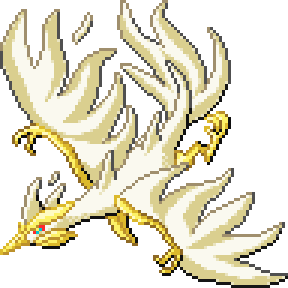
Necrocargo are found on the beaches of the Alolan islands, sifting through the sands for crystal fragments to feed on. Their bodies shine with an otherworldly light that blazes hot enough to melt sand, leaving a trail of glass behind them as they move.
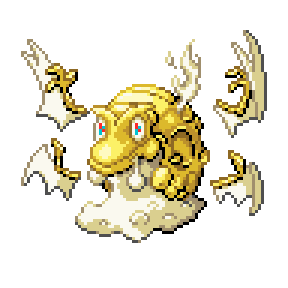
Necrochic contain incredible potential within their bodies that can only be realised with rare crystals from Alola, their flames burning with an intense, blinding light. Trainers are advised not to handle the blazing hot Pokémon directly.
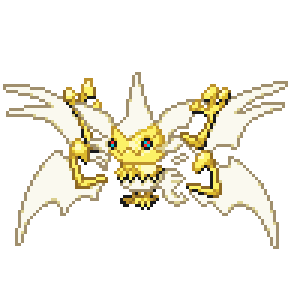
The petals and leaves on the flower of Jangsaur are dense and edged in a metallic compound. They serve a dual function of protection and warning, being dense enough to block attacks whilst also making a loud clanging noise against one another.
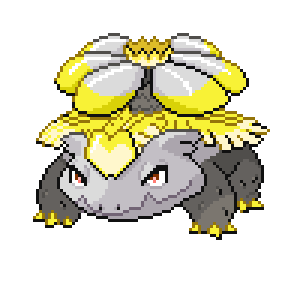
Jangsian are difficult to please. They show their displeasure by swishing their tail back and forth, clanging the weight at the end of their tail against their back and making a loud noise.
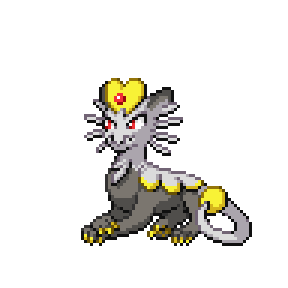
Komdon live deep within volcanoes, their hefty scale armour protecting them from the intense heat of the lava they bathe in. Their powerful claws allow them to tear through even the hardest of stone.
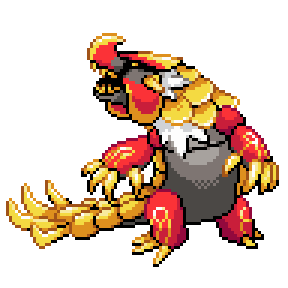
Wimqueen are cowardly Pokémon, prone to hiding themselves away at the first signs of danger. Their size makes this difficult, and spooked Wimqueen in the wild can be found with just their head and neck wedged under boulders or in holes in the ground.
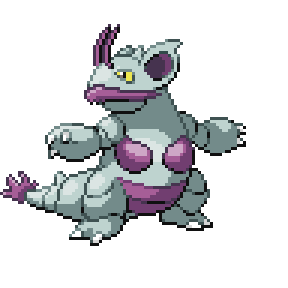
Wimkia hide from any Pokémon that appears more confident than they are. If they are unable to remain hidden, they distort space itself to expedite their retreat, folding the ground in front of them to shorten the distance they need to run.
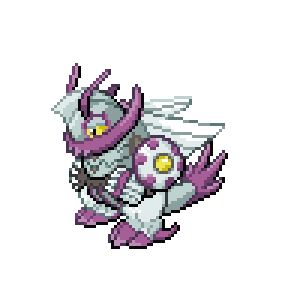
An unusually shy Pokémon, Wimcott avoids Trainers and prefers to live in abandoned areas. It can be found in derelict buildings and tends to congregate on rooftops. When disturbed, it uses its light body to float away on the wind.

Golisian is popular amongst Alolan Trainers both because of its rapid reaction time and its personable nature. Some larger Golisian are able to be ridden by young Trainers.
Folett hide in meadows, blending in with wild flowers and tall grass. When a glade of Folett are startled they will abruptly withdraw their bodies into the grass, hiding away and pretending to be newly growing plants.
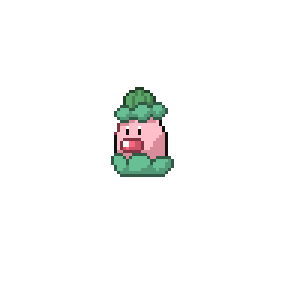
Folett make their homes in hedgerows and bushes, using the shelter of the plants to safely stay above ground and soak in the sun. They are easily overlooked Pokémon, as from a distance they appear to be simply freshly growing plants.
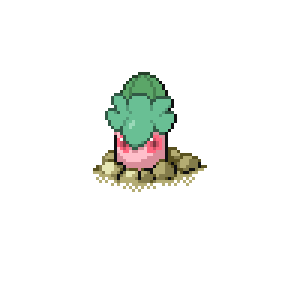
Foth lurk in bushes waiting for prey to come by, their colouration and leaves helping them blend in and remain hidden. When they aren't hunting they love to lounge in the sun, their leaves soaking in the warm sunlight.
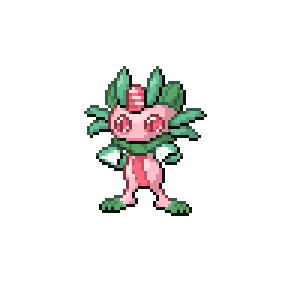
Foitty hide within flower beds, playfully wagging their tail and jumping out to surprise small children and Pokémon that pass by. They give off a refreshing floral aroma when they're excited, making them popular with florists.
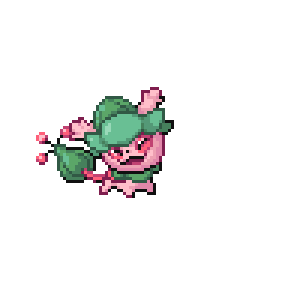
Luras is a popular transport Pokémon in cooler climates, used as a ferry for taking children across bodies of water. Its gentle nature makes it a valued member of the community.
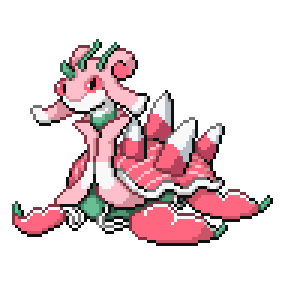
Luras is a popular transport Pokémon in cooler climates, used as a ferry for taking children across bodies of water. Its gentle nature makes it a valued member of the community.
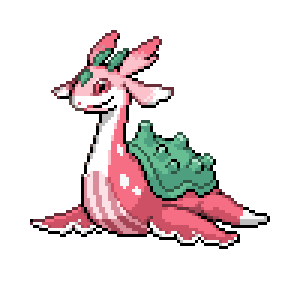
Carmoth are coveted for the beauty of their crystalline wings. Their crystals glitter a myriad of colours when light is shone through them and are at their most beautiful under the light of the moon.
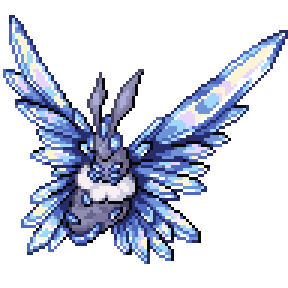
Chesown drift through ancient ruins, curiously observing archaeologists working to uncover the secrets of the past. They regularly twist their flexible body into different shapes, appearing as though they're trying to communicate in a lost language.
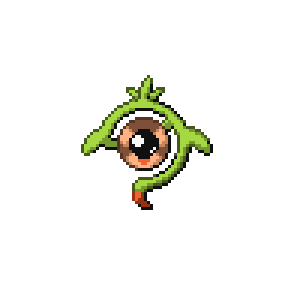
Chesplume's petals are full of chlorophyll, functioning more as leaves than as the petals of flowers. The tough, springy texture of their flower lets them protect themselves from physical harm, allowing them to rest wherever they please without fear.
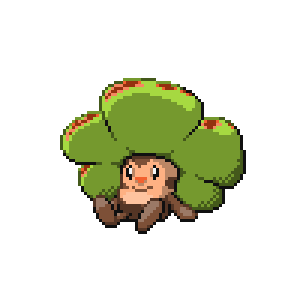
Chesnine quills are soft and pliable, their texture sometimes being compared to the feathery down of bird Pokémon. Quilts made with Chesnine quills are particularly good at retaining heat and are popular for winter blankets.
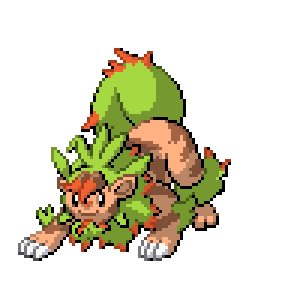
Venodos are covered in a fine fuzz that is soft to the touch. When they get riled up, their fuzz secretes a paralytic poison that can make them dangerous to handle.
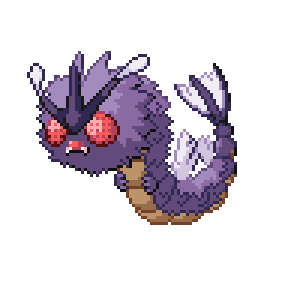
Venowl have fantastic night vision and are able to track movement across great distances in even the dimmest light. They are a favourite companion of guards and policemen on the night shift.
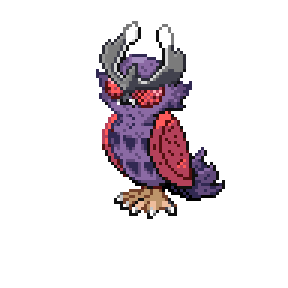
Venogma are covered in fine hairs that grow constantly. These hairs shed easily as they move about and can end up being embedded in skin if touched, creating a painful burning sensation.
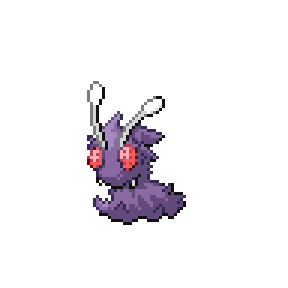
Venochu fur is coated in a conductive powder. When they're in battle, they shake their body vigorously to release the powder before loosing an indiscriminate electric shock, the bolts of electricity drawn to anything covered in the powder.
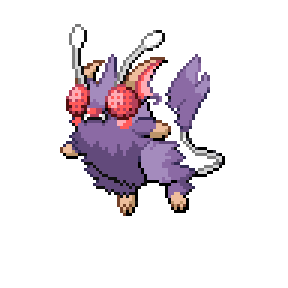
Venoras mushrooms are extremely sensitive to sunlight, being unable to grow or produce spores while exposed to the light. They prompt their host to burrow underground, only allowing them to surface during the night.
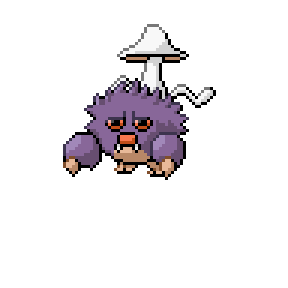
A fusion of two Venonat causes the DNA of Venonat to develop rapidly and begin expressing traits of their evolved form. Their over-developed bodies require a greater amount of food and Trainers are advised to bring extra rations on journeys.

Venodisc can be found in fast-flowing streams, their sharp fangs and grasping hands helping them stay in place in the current. They make poor aquarium Pokémon as their fine hairs constantly shed and clog up filtration systems.
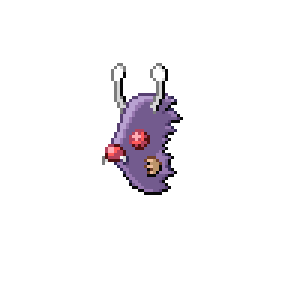
Venotle are covered in sensitive fuzz used to detect movement. The fuzz is not waterproof, so when swimming, they tuck everything but their limbs into their shells.
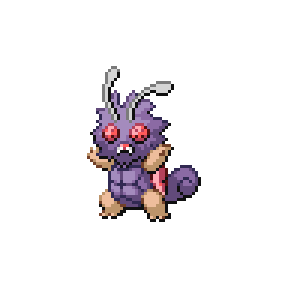
Venotortle are highly attuned to their environment thanks to a coating of dense sensory hairs, sensitive ears, and eyes that can see even in the darkest conditions. When they sense danger approaching they retract into their shells to wait it out.
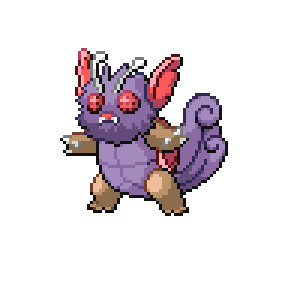
Quilnine engage in rough forms of play with one another, facing off at each other from great distances before racing into one another with powerful Take Downs. They appear to enjoy the collisions, nuzzling each other affectionately after the impact.
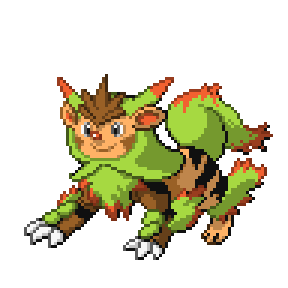
Chescargo make their homes in abandoned castles, preferring those with copper roofing. They are protective of horse Pokémon, holding grudges against those who harm them. Their small stature makes it difficult for them to be an effective threat.
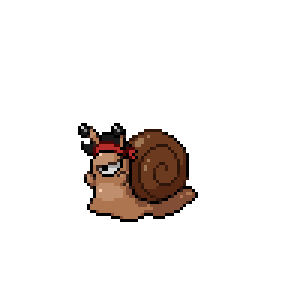
Chescargo make their homes in abandoned castles, preferring those with copper roofing. They are protective of horse Pokémon, holding grudges against those who harm them. Their small stature makes it difficult for them to be an effective threat.
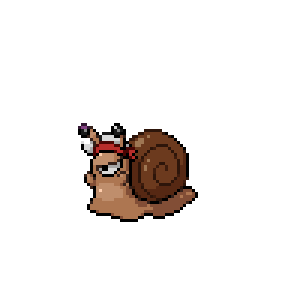
Covered in a thick armoured hide, Chespert move about their grassland homes with little fear of attack. When threatened by something powerful enough to pose a danger, they will band together and present a spiky shield-wall with their bodies.
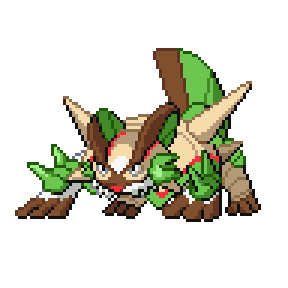
Chesplume lower their head toward their foe when they feel threatened, relying on the tough petals of their flower to absorb impacts and keep themselves safe. They have a protective nature and will also block strikes intended for smaller Pokémon.
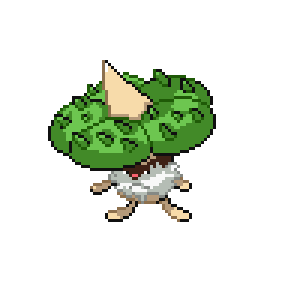
Chesnine are a common sight amongst demolition crews. Their tough armour and high speed allow them to function as wrecking balls, charging at supporting walls to bring down buildings scheduled for destruction.
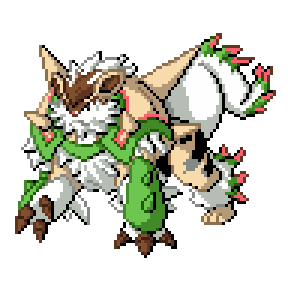
Fenneicate are a common sight in the forests of Kalos, gnawing on fallen branches and twigs to keep their teeth sharp. When they get excited, their body temperature spikes; in drier months this can cause them to trigger forest fires.
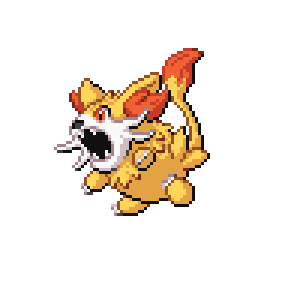
Fennerino spines exude a viscous toxin that is highly flammable. They can ignite this toxin at will, shaking their head vigorously to scatter their flames as far as possible to scare off rivals.
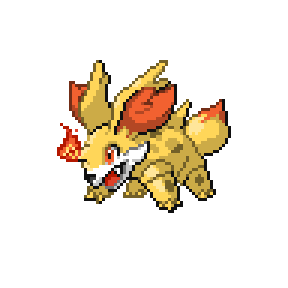
Fennelithe are easily trained to play games of fetch, chasing after any sticks thrown and happily chewing on them as they return them to their Trainer. They like to keep a collection of sticks in their den, using them as chew toys at night.
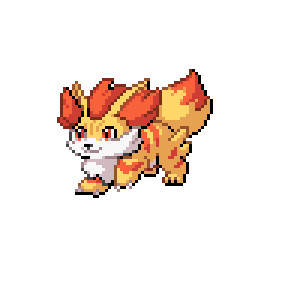
Brailithe are employed by firefighters to clear out dry tinder and underbrush ahead of the dry season in arid areas. They have an aptitude for finding areas at high risk of fire, creating firebreaks in case a wildfire starts.
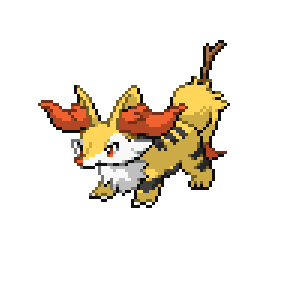
Brainine collect twigs and sticks from a variety of tree species to line the entrance of their dens. They have been documented travelling thousands of miles just to find new trees to gather from.
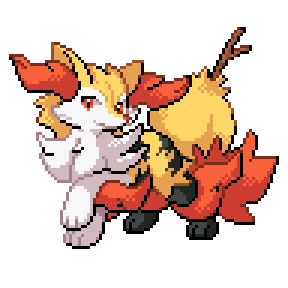
Deltales carry a burning branch with them at all times, maintaining a disciplined control over their power over fire by keeping it burning as long as possible. As their skill grows, they can maintain a single branch for months.
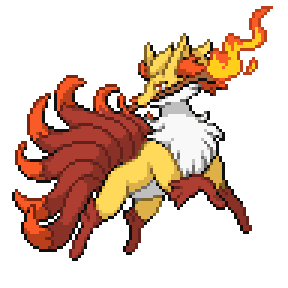
Deltales have been described in legends as Pokémon heralding rebirth, their penchant for wielding burning branches often leading them to burn down forests. The plants that grow from the ash-rich soil are always healthier than those that came before.
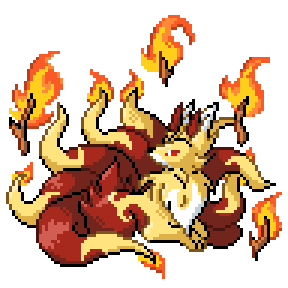
Delsect are coated in fine mycelium fibres that keep their bodies warm through any weather. The fungus is an irritant that causes a burning sensation when eaten, making it popular amongst people who love spicy food.
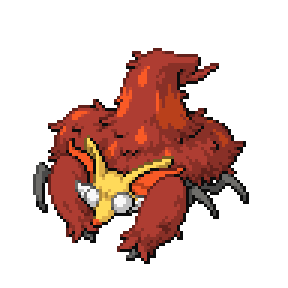
Delgeist form from bewitched plants in the autumnal harvest. They become very possessive of the inanimate plants that were around them when they form and will try to scare off farmers.
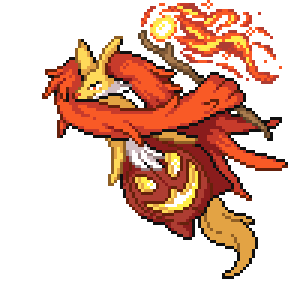
Delnine race ahead of forest fires, carrying burning branches with them in an effort to warn other Pokémon of the danger coming their way. Pokémon Rangers keep a close eye on Delnine populations for early warnings of fire outbreaks.

Delnine race ahead of forest fires, carrying burning branches with them as they run ahead of the blaze. Pokémon Rangers have observed them deliberately using their burning branch to start further fires, driving more Pokémon from their homes.
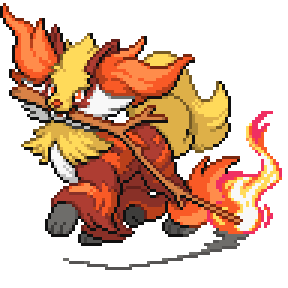
Frogicate trap air within their fur to enable them to breathe underwater. The air bubbles escape slowly, forming a trail behind them reminiscent of a tail.
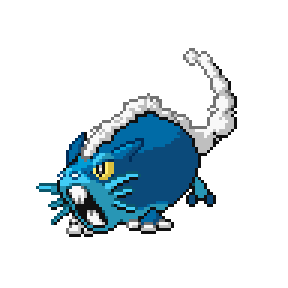
Grezone use ionised water as a means of attack, floating low over water surfaces and using their magnetic powers to create water shurikens. They are cumbersome in the air, however, only able to use their powers to float or to attack.
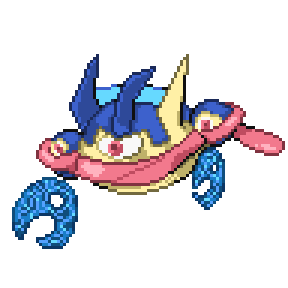
Pumpsaur is most commonly found in the autumn, appearing within the fields of rural communities. They are friendly and easily trained, enjoying the company of young Trainers as they explore the Pokémon world.
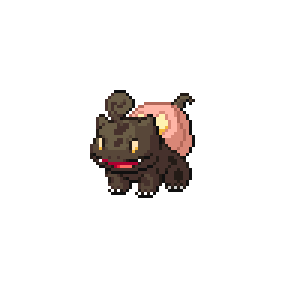
Pumpsaur are popular in farming communities, their ethereal connection to the harvest making them invaluable for maintaining a healthy crop. They have an innate ability to sense when a crop is ripe for picking.
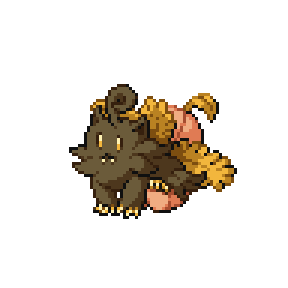
Pumprogue are common companions in agricultural communities, used as a deterrent to keep Flying-Type Pokémon away. They will pick fights with Pokémon that disturb the crops under their protection, even if they are unlikely to win.
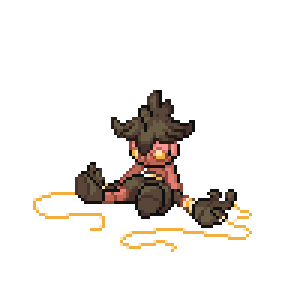
Pumprogue are common companions in agricultural communities, used as a deterrent to keep Flying-Type Pokémon away. They will pick fights with Pokémon that disturb the crops under their protection, even if they are unlikely to win.
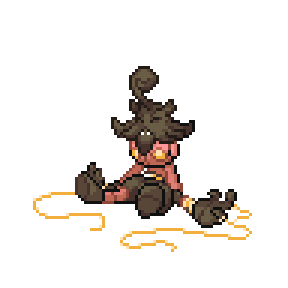
Pumpape haunt pumpkin patches, vigorously protecting them from both real and perceived harm. They have an unfortunate habit of chasing off farmers looking to harvest their crop.
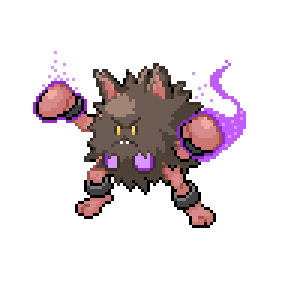
Pumpape haunt pumpkin patches, vigorously protecting them from both real and perceived harm. They summon spiritual energy to their fists, striking at other Pokémon that would dare attempt to feed on the growing gourds.
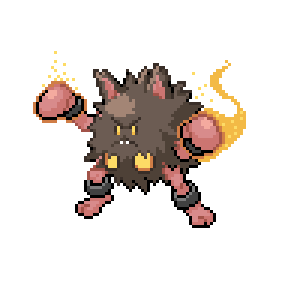
Pumpwhirl release a steady ooze of thick orange slime from the hollow in their stomach. Those who have been brave enough to taste it describe the flavour as being artificially sweet, with a slight syrupy taste.
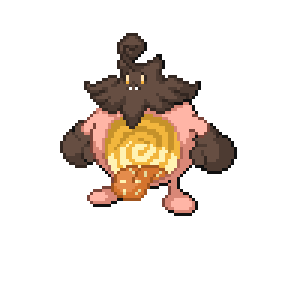
Venozing can control the density of their internal gases to become lighter or heavier than air, levitating in place and using their wings to move around. In an emergency they can release large puffs of gas all at once, providing a burst of speed.

Venopip wings are delicate and easily damaged by sudden movement, leading them to shelter in the forest undergrowth during the day. At night they emerge and lift their wings to catch the calmer night-time breeze, drifting away in the dark.

Despite its soft texture, the fuzz growing from Venoluff makes for poor clothing. The fibres of the fluff have fine barbs coated in an irritating toxin, making cloth spun from it scratchy and unpleasant.
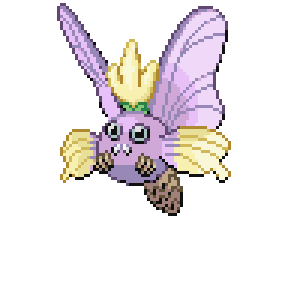
Venocargo live amongst the boulders and debris found in the aftermath of a lava flow, spending the day hidden amongst the rocks as they sleep. At night they emerge from their hiding places, feeding on the mineral rich basalt around them.
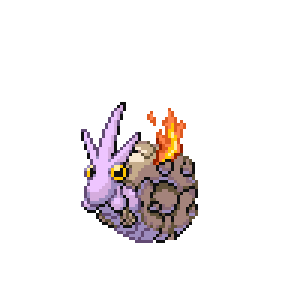
Venoswine live in colonies in mountainous regions, huddling together for warmth in colder months. When temperatures drop at night they glide down to the lower slopes, gracefully descending together in search of shelter.
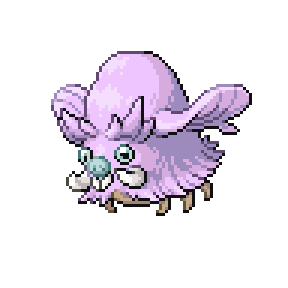
Venoswine live in polar regions, their thick layers of fat and coating of fuzzy fur helping to protect them from the cold. They hibernate through the summer months and emerge in the polar night, roaming the ice fields in the constant darkness.
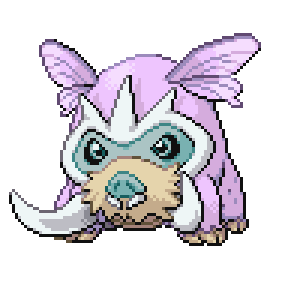
Venoswine live in polar regions, their thick layers of fat and coating of fuzzy fur helping to protect them from the cold. They hibernate through the summer months and emerge in the polar night, roaming the ice fields in the constant darkness.
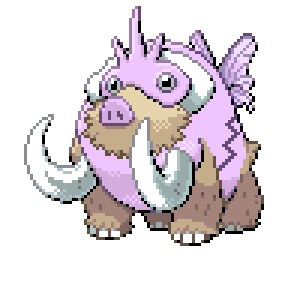
Venobusken flutter their wings rapidly when they get into Pokémon battles, lifting off the ground as they launch their flurry of kicks. The flutter of their wings dislodges paralytic wing scales that harm their foe when they get into open injuries.
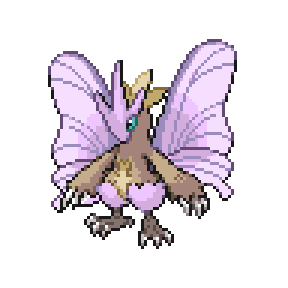
Venoziken practice their martial arts with one another under the light of the moon, whirring around in a flurry of punches and kicks. They rely heavily on their wings during fights, using the manoeuvrability they afford them to their advantage.
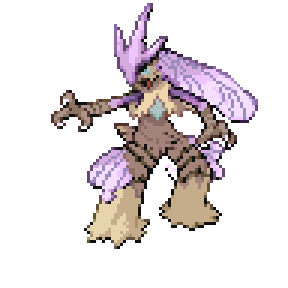
Venolia are nocturnal Pokémon, gathering together to dance with one another under the moonlight. They are drawn to bright lights at night, and cities sometimes have large gatherings of Venolia dancing in the street.
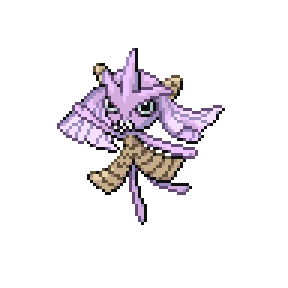
Venovoir drift under the light of the moon with an unearthly grace, adjusting their course with occasional flutters of their wings. Gatherings of Venovoir are commonly sought out as a source of inspiration for ballroom choreographers.
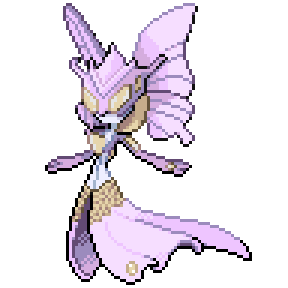
Venovoir drift under the light of the moon with an unearthly grace, adjusting their course with occasional flutters of their wings. They are popular companions for Trainers attending a masked ball, lending an air of mystique to the evening.
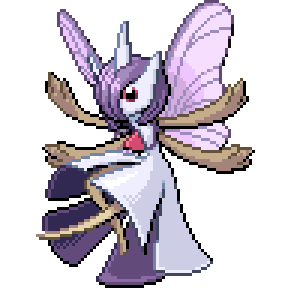
Venovoir gather together in dark clearings, fluttering together under the light of the stars. They can sense negative emotion through their antennae and will follow nervous travellers in an effort to offer companionship and soothe their unease.
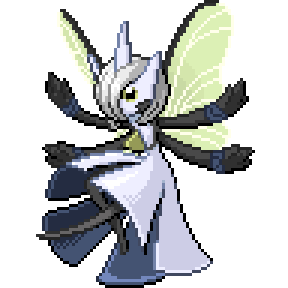
Venoslash colonies dig extensive tunnel networks, working together to expose tubers and roots to feed on. At night, some Venoslash will crouch at the entrance to the tunnel network and whir their wings, bringing fresh air in for the colony.
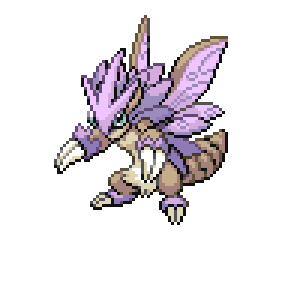
Venocario have an uncanny ability to sense the emotions and intent of others. They do this by scattering fine wing scales into the air and watching them interact with the auras of others, reading changes in demeanour through their subtle movements.
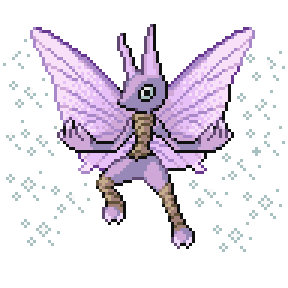
Venoking spend most of their life sleeping, only emerging for food and water for a couple of hours at night. If their rest is disturbed, they grow angry and aggressive, hurling boulders and fallen trees at whatever woke them.

Venoterra make their homes in city parks, sleeping throughout the day and allowing Pokémon to play atop their broad shell. During the night, their lamp ignites and they search for the light of other Venoterra so they can socialise together.

Venosharp are most active at night, fluttering into position to observe battles between other Pokémon. They take interest in the strategic manoeuvres on display and will sometimes emit a loud buzz of instruction.

Venoray have exceptional night vision and patrol their vast territories under the light of the stars. When they encounter a potential rival, they rapidly flutter their wings, unleashing a stream of electrically charged wing scales.

Venorade were historically a popular Pokémon in royal courts, their presence considered to add an air of elegance and refinement. Their flowers bloom only at night and give off a disarmingly sweet fragrance.
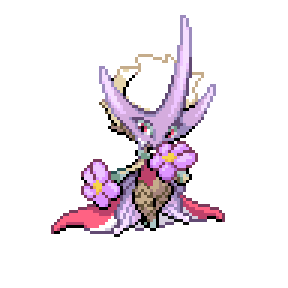
Venorade were historically a popular Pokémon in royal courts, their presence considered to add an air of elegance and refinement. Their flowers bloom only at night and give off a disarmingly sweet fragrance.

Venotula are nocturnal predators that hunt through forests for smaller Pokémon to feed on in the dead of night. They move with quick, jerky motions as they search, pouncing on anything they see move that could be food.

Venotula are nocturnal predators that hunt through forests for smaller Pokémon to feed on in the dead of night. They rub their legs together rapidly when threatened, releasing a cloud of electrically charged dust from their fuzz.
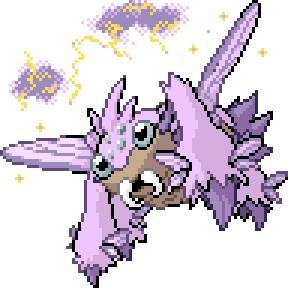
Venoxorus maintain large territories, patrolling the woods each night in search of potential threats to their rule. Rangers operating in their territory are advised to avoid using flashlights as they grow aggressive if they encounter a bright light.

Swarms of Venorachi leave a trail of glittering wing scales behind them as they fly, a sparkling trail shining brightly against the night sky. Children often mistake a passing swarm as a meteor shower, making wishes for the future as they watch on.

Venorachi flutter and play with one another at night, their translucent wings letting the light of the stars shine through. They are easily distractible in their play and chase after meteor showers when they spot them passing by.

Venonx fur is coated in a fine dust that has paralytic effects when breathed in. They flutter their wings to unleash this dust at their foes and can electrically charge it to make a dazzling light display.
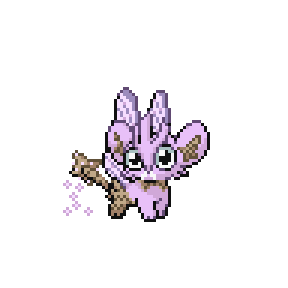
Venovern are elusive Pokémon that prefer to hunt only on dark nights. They are sensitive to bright lights and attack artificial light sources in an effort to extinguish them, making them a hazard to low-flying aircraft.

Households in villages near Venomy populations are advised to dim their lights at night. Venomy are drawn to bright lights and crawl up windows if they see lights left on inside, leaving a trail of slime all over the windows as they do.
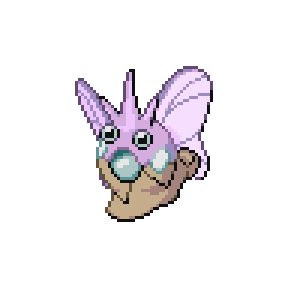
Venoetta have dazzling, wing-like structures that grow from their heads. As attention grabbing as these structures are, their true purpose is to magnify the volume of their songs.

Venoetta have dazzling, wing-like structures that grow from their heads. As attention grabbing as these structures are, their true purpose is to magnify the volume of their songs.

Venosect constantly shed spores from their large mushrooms, a fine dusting of them settling on their legs. When the build up becomes too irritating for them, they flap their wings to disperse them, inadvertently spreading the fungus as they do.
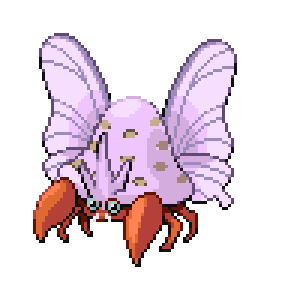
Venomoth wings shimmer with an iridescent sheen, the colours at their most brilliant in dim light. Their gem is used to channel psychic power, enabling them to launch attacks from a safe distance.
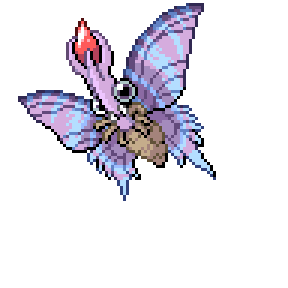
Some Venomoth develop much thicker body fuzz than unfused Venomoth. Their thicker body fuzz allows them to make their homes at higher altitudes but makes them more likely to avoid flames.

Some Venomoth have a far more intimidating appearance than unfused Venomoth, their wings bearing bright eye spots and their abdomen appearing to have stingers. Despite their aggressive appearance, they are no more dangerous than other Venomoth.

Venochoke flit around woodlands searching for the heaviest plants they can find. Once they find a likely candidate, they heave it out of the ground and spend all night flying with it to work on their strength.
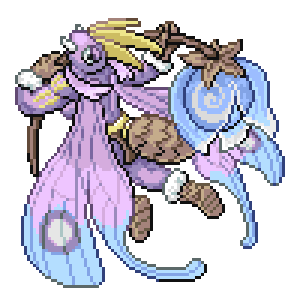
Venochamp are popular companions for wrestlers, their muscular physique and varied combat style giving their Trainers the opportunity to practice their form. Venochamp can deliver a brutal Seismic Toss by grabbing their foe and flying through the air.

Venocool use their long, flexible limbs to swing through tree branches in search of a place to sleep for the day. Their bulbous eyes are sensitive to light and allow them to see in the dark, helping them find berries to feed on during the night.

Venocruel make their homes deep in old-growth forests, using their long tendrils to search through fallen trees for prey at night. They shun human contact, as the artificial lights used by people are painfully bright to their giant compound eyes.

Venotoise are too heavy to be able to fly, their weighty protective shell heavily limiting their mobility. Instead, they use their wings to flap gusts of wind at their foes, shedding toxic powder from their wings as they do so.

Gourgon-Z constantly assess the level of damage they have suffered, projecting warning signs when they believe themselves to be in danger of being knocked out. They sing a warning song just before they faint, urging their trainer to intervene.
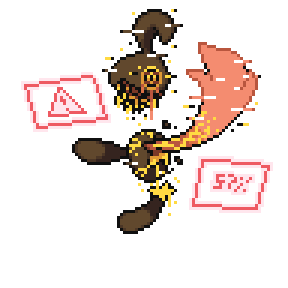
Goursaur are popular Pokémon for Trainers in rural communities, their innate connection to the autumn harvest making them invaluable at knowing when pumpkins are ripe. They love to play in the fields, racing around as their leaves trail behind them.
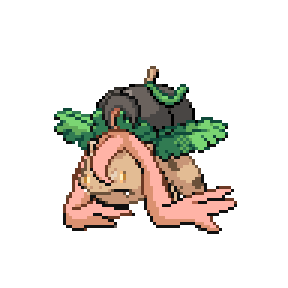
Gourape wander through rural communities in the dead of night, their bodies overflowing with spiritual energy. They seek out other nocturnal Pokémon to do battle with, striking out with their spectral fists in a flurry of blows.
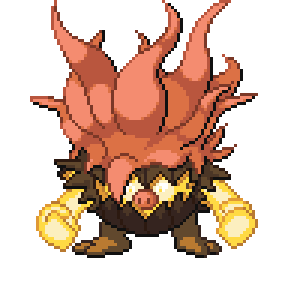
Swirfa are covered in a fine layer of soft, edible hair with a wonderfully sweet flavour. They are popular Pokémon for confectioners, and Swirfa hair is said to give the eater sweet dreams.
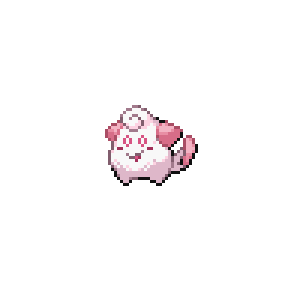
Molten chocolate constantly flows from Swircargo's shell, leaving a sweet trail behind them wherever they crawl. They feed on fruit to maintain their naturally high sugar levels, offering chocolate-covered berries to people they like.

Swirshrew bodies are coated in a thick layer of sweet candy. They are popular companions at carnivals and circuses where they will run up to children unprompted. When their candy is depleted they will curl up and wait for it to regrow.
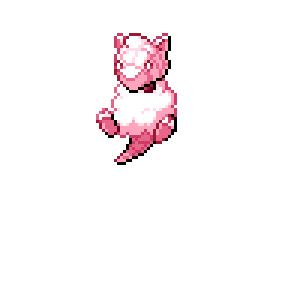
Despite the sweet smell their fluff gives off, it's not advisable to eat the candy that Swirino produce. The sugars of their fluff are mixed with a numbing toxin that can leave a person's mouth numb for multiple days.
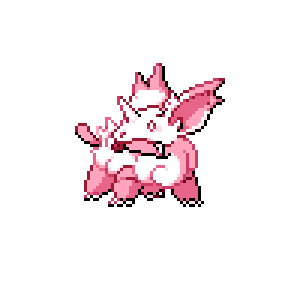
Swirfairy are common companions for confectioners thanks to the sweet secretions they produce from their fur. The taste of the oils they produce varies with time of day and is at its best in the middle of the night.

Swirtoise swallow large mouthfuls of saltwater, storing up the salt within their bodies. They mix it with a secretion produced from their cannons to create a sweet taffy that they love to share with other Pokémon.
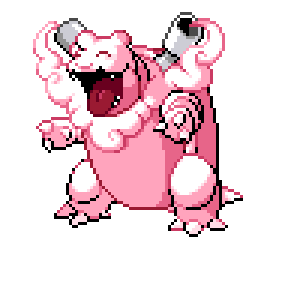
Slurcargo are a popular Pokémon to gift a loved one on their birthday. They are usually happy to offer some of the chocolate that oozes from their shell to those partying.

Slurcargo are a common sight in ice cream parlours, with vendors using them to provide emulsifiers to mix their ice creams together. Before the invention of refrigerators and ice cream, Slurcargo themselves were a common sweet snack.
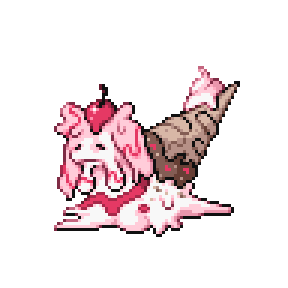
Slurcargo bodies have a sweet, syrupy scent that is reminiscent of strawberry jam. They carry fruit on their backs as they move around, gradually feeding on the natural sugars within them.
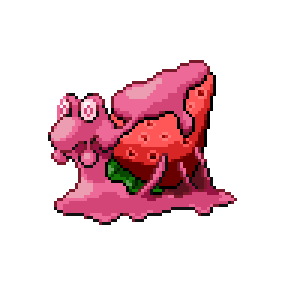
Slurcargo bodies have a sweet, syrupy scent that is reminiscent of strawberry jam. They carry fruit on their backs as they move around, gradually feeding on the natural sugars within them.
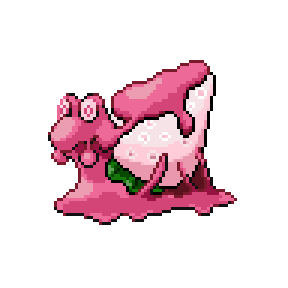
A Pokémon popular in bakeries, Slurgle is an expert at baking and decorating desserts. They are well known to produce beautiful cakes and will labor for hours to perfect the icing designs.
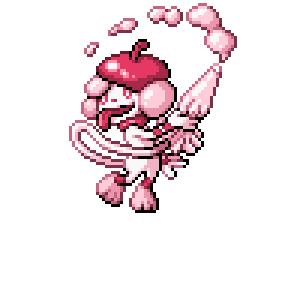
Slurgon-Z enjoy challenging others in contests of technological prowess, appearing within electronic devices and making up impromptu games within the user's software. Should they be defeated, they exit cyberspace and offer boiled sweets as a reward.
Slurgon-Z enjoy challenging others in contests of technological prowess, appearing within electronic devices and making up impromptu games within the user's software. Should they be defeated, they exit cyberspace and offer boiled sweets as a reward.
Though a popular confectionary in some parts of the world, Slurgon-Z can have an adverse effect on those who eat them. They have an acidic citrus flavour that is strong enough to cause some people to temporarily seize up and act erratically.
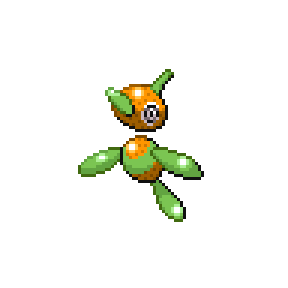
Slurgigas have a very low body temperature, their movements restricted as they maintain the ice cream-like texture of their bodies. They gradually become faster and more dangerous as their bodies begin to melt and become more fluid.
Slurfairy shed their fur easily, their hairs very fine and downy. Their body fur is formed of a compound that easily dissolves in water and is very sweet, making them a popular addition to desserts.
Some Slurfairy have clumps of fur that harden and crystalise into solid chunks of sugar. These clumps can be harmlessly removed and will regrow in time, and they are a common ingredient in Kalosian candy.

Slursaur produce a frothy foam from their backs that has the consistency of ice cream. They grow large cherries in this foam. When ripe, the cherries have a wonderfully sweet taste and are the prize of restaurants everywhere.
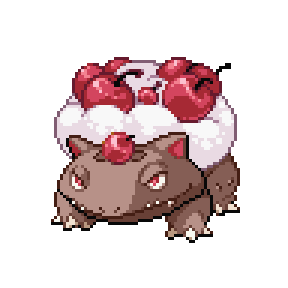
Deserts based upon Slurtrio attempt to capture the rich creamy texture and subtle, sweet flavour without having to harm the Pokémon. Connoisseurs of Slurtrio insist that the trio of flavours of the Pokémon simply can't be replicated artificially.
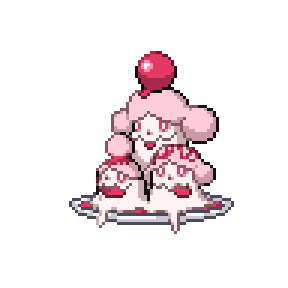
Slurnine are popular companions for bakers as they have an innate sense of when pastries are at risk of burning. Bakers use them as inspiration for producing sweet treats, creating raspberry doughnuts that resemble their ruffs.
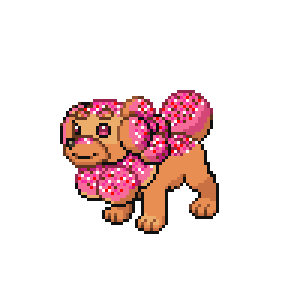
Slurnine are popular companions for bakers as they have an innate sense of when bread is at risk of burning. Bakers use them to help keep their ovens at the perfect temperature, feeding them extra bread rolls as a reward for a job well done.
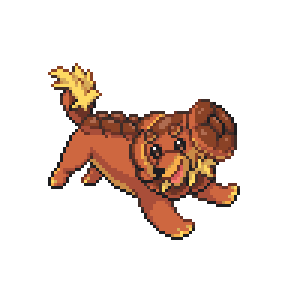
Slurtoise keep their body temperature just slightly below freezing, keeping the ice cream that forms their body solid. They are popular Pokémon with carnivals, happy to gift sweet treats to children.
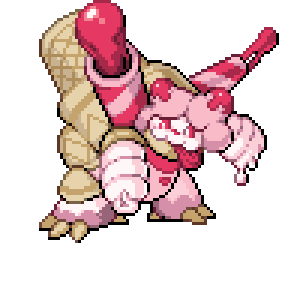
Slurtoise are a popular Pokémon for confectioners to make treats based on, often using the Pokémon itself as a model to work from. With a crisp chocolate shell, and sprinkles on their head, they are a favourite of children.
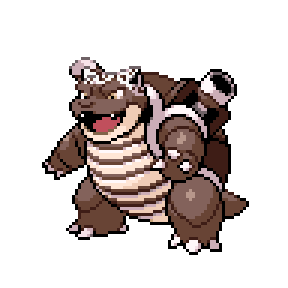
Lobre swim through meandering rivers, taking a languid approach to their life. They are amiable toward other wild Pokémon and offer to help carry them across the water.

Lodot blooms are enjoyed for their soft pink colour, as many artists actively seek them out as a muse for their paintings. They prefer to be solitary and waddle away into ponds when disturbed, firing off a rapid Bullet Seed if they can't escape.
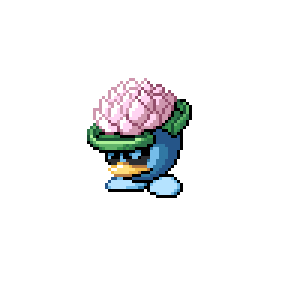
Loth enjoy playing in ponds and lakes, submerging themselves so that only their lily pad is visible above the water. Frustratingly for their trainers, Loth hate having baths, scratching at people whenever someone tries to wash them.

Lomtad live in still ponds and are indistinguishable from Lotad whilst submerged in the water. They are very lethargic and are hard to motivate, preferring to just sit in the sun all day.

Lombre alternate which of their two heads they keep above the water, taking turns to have the head underwater feed on pond weed. Their heads have different temperaments, most commonly one is friendly whilst the other is cantankerous.

Lomth enjoy sifting through muddy river beds in search of shiny objects. Archaeologists will sometimes make use of them when searching for evidence of ancient settlements, relying on Lomth to find old coins in the water.
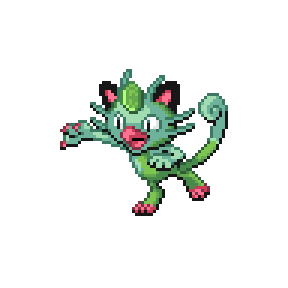
Lomduck keep their body underwater during the day with only their lily pad resting above the surface. They venture out at night, but appear to experience intense headaches if they become too dry, invariably leading them to submerge themselves again.
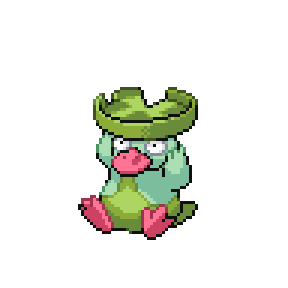
Ludigrigus are drawn to festivals and celebrations, revelling in the positive energy. They feed off the atmosphere and push people to continue partying beyond their limits - their presence can cause dangerous exhaustion.
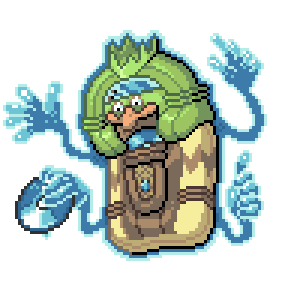
Luditales are most active in Autumn, with families of them gathering fallen leaves into piles with sweeps of their many tails before leaping into them. Researchers are unable to find any practical reason for this; they appear to simply want to play.
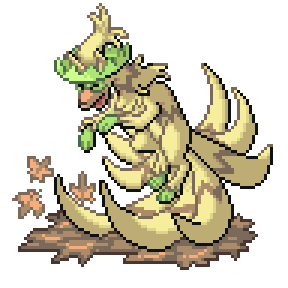
Ludiselia seek out festivals and parties that are attended by large crowds of people. They are drawn to the wealth of positive emotion within the gatherings, their rhythmic dancing said to bring good dreams to those they dance with.
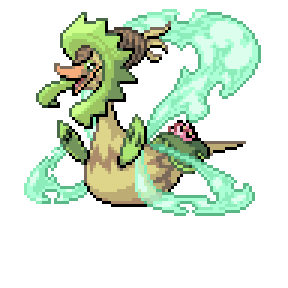
Ludimoth are commonly found in swamps and marshes, fluttering through the wetlands at night. They are drawn to rhythmic noises and will swarm toward nearby settlements during music festivals, flapping in time with the beat.
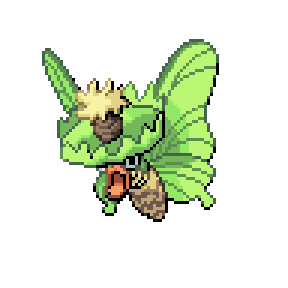
A constant stream of water runs down from Ludinoone's large flower to its tail. The flow of water is normally smooth and fast-running, but becomes turbulent when music is played nearby, with eddies and whorls appearing in time with the beat.
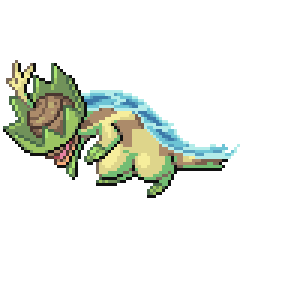
Ludith enjoy performing dances for onlookers during festivals, doing their best to put on the most enjoyable performance. They start to sulk if those watching them don't throw them coins, though the value of the coins is secondary to the shininess.
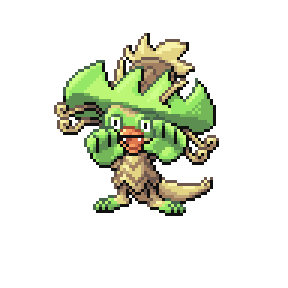
Minicargo are covered in a constant crust of cooled basalt, slowing their movements but making them resistant to physical harm. Their movement is accompanied by loud cracking noises, their skin of basalt breaking apart and re-sealing as they move.
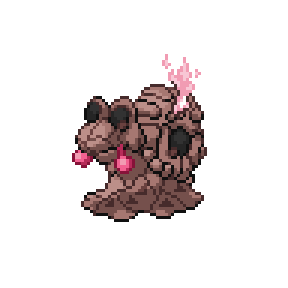
Minither hurtle through the sky at high speed, leaving a glittering trail of wing scales in their wake. They have been observed catching bird Pokémon with their scythes, careening to the ground with their prey to feed.
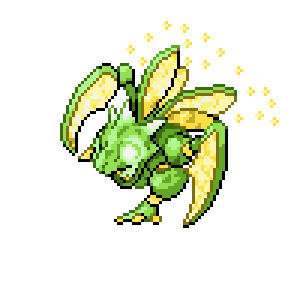
Minipy crash to the ground from outer space. They are found in meteor craters and have a joyful demeanour. Researchers speculate that whilst in space Minipy use debris and rocks to protect their bodies, though this has yet to be observed.
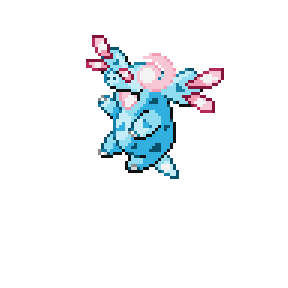
Chartales tails burn constantly, forcing them to hunt for food to keep their flames alight. They wave their tails in the dark to lure prey toward them, laying a fiery ambush for anyone foolish enough to investigate them.

Chartales tails burn constantly, forcing them to hunt for food to keep their flames alight. They wave their tails in the dark to lure prey toward them, laying a fiery ambush for anyone foolish enough to investigate them.
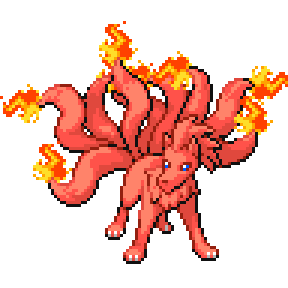
Charth are commonly used companions for security guards. The light their flame gives off makes them useful Pokémon to have at night, and they have an uncanny ability to sense large volumes of money, helping to detect theft.
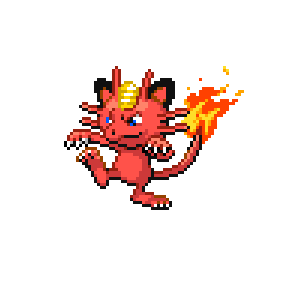
Charwrath are wilful and aggressive Pokémon, eager to get into battle with others. Their aggressive personality makes them ill-suited to novice Trainers, but their versatile fighting style nonetheless makes them popular choices.

Digpie are vital for a healthy ecosystem; their burrowing pulls nutrients down from the topsoil deeper into the ground, enabling large plants to grow deep roots. Ecologists view large populations as a good sign that the environment is healthy.
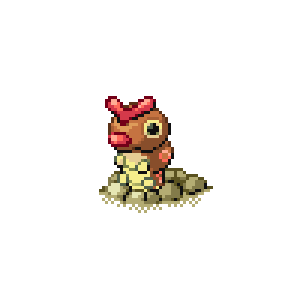
Digans cause a lot of problems in rural communities, frequently proving to be disruptive to crops and gardens. Researchers presume their tendency to disrupt crops and plants is due to them feeding on plant roots.

Digzone float a few inches above the ground, scanning the dirt below them with their magnets for traces of metal. When they find a concentration of metal in the soil, they spark happily and scoop as much soil as they can out of the ground.

Digzone float a few inches above the ground, scanning the dirt below them with their magnets for traces of metal. When they find a concentration of metal in the soil, they spark happily and scoop as much soil as they can out of the ground.

Digzone float a few inches above the ground, scanning the dirt below them with their metal detectors for traces of metal. Their detectors are powerful and able to sense even non-magnetic metals, making them invaluable for archaeological digs.
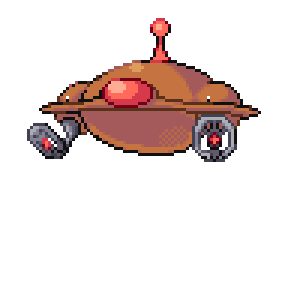
Digran spend most of their lives burrowing underground, creating complex tunnel networks for their family to live in. They surface when they hear other Digran families digging toward them, giving angry chirps to scare them away from their home.
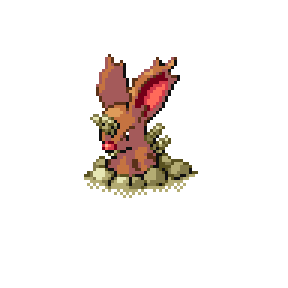
Digrino tunnels can be found around the base of mountains, their burrow networks having multiple exits to allow them to search for food and water. They dig using their exceptionally hard spines, scraping through even the toughest rock.
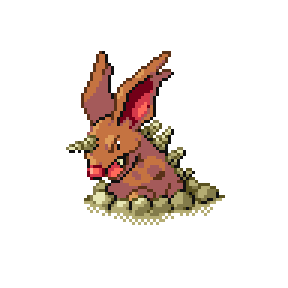
Digking ears are extremely sensitive to vibration, enabling them to hear movement above them from several meters underground. They are aggressive and will burst out from the soil to ambush anyone passing their home.
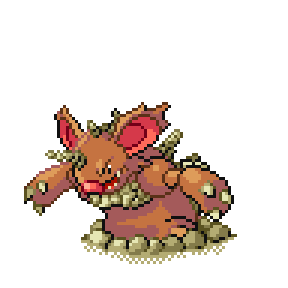
Digtales tails are tipped with molten magma and are used to tunnel through even the densest of rock layers. They can move their tails independently of one another, enabling them to dig at high speed.

A constant stream of nutrient-rich drool spills from the mouths of Digoom. They wander around underground, leaving a trail of the liquid as they walk, nourishing the roots of plants above the surface.

A constant stream of nutrient-rich drool spills from the mouths of Digoom. They wander around underground, leaving a trail of the liquid as they walk, nourishing the roots of plants above the surface.

Gardens of Digplume travel together in search of fertile fields to call home for the day. They extend into the air and wave around one another, the petals on their necks absorbing sunlight as they perform their communal dance.
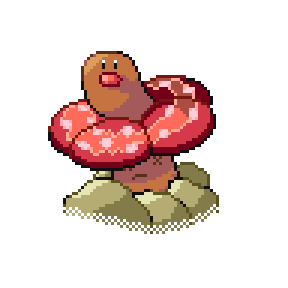
Gardens of Digplume travel together in search of fertile fields to call home for the day. If they ever get separated from the rest of their group, Digplume become lonely, remaining in place in the hopes their family will return to them.
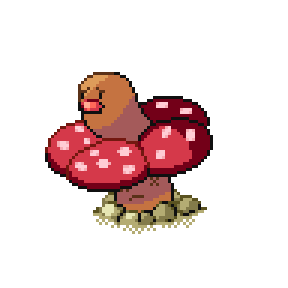
Digmoth spend large portions of their life underground, feeding on the roots of plants. When the ground temperature gets too warm, they dig toward the surface and fan their wings in the air to cool their bodies.
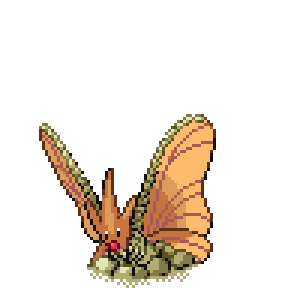
For a long time, researchers assumed that Digtrio were not a true fusion but were instead simply a pair of Diglett. When they were observed constantly sticking together it became clear that they were a new fusion species.
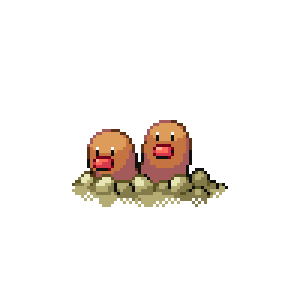
Digduck use their webbed hands like shovels, rapidly digging through the soil to create their tunnels. They are popular with construction crews for their ability to help with the installation of underground pipes and cables.
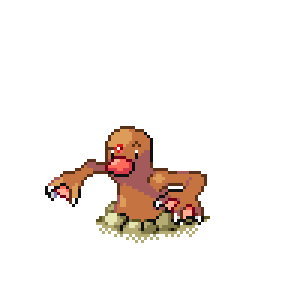
Dignine fur is frequently coated in a thick layer of dirt and mud due to its tendency to dig long tunnels. Trainers are advised to keep Dignine outside so that they don't shake their mud out all over furniture and carpets.
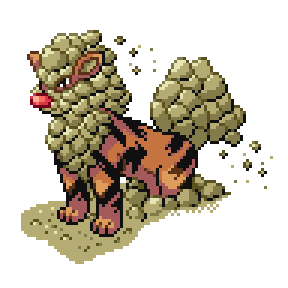
Digwrath dig rapidly through the ground, using their powerful arms to shovel soil out of their way. They are a popular Pokémon with farmers, who use them to turn over their fields ready for fresh crops.

Diangon-Z enjoy acting as mascots during live coverage of news and sporting events. They closely monitor commentary that is being made about the coverage, deconstructing irrelevant or harmful comments and feeding on the constituent data.
Diangon-Z search through the databases of large mining firms in the hopes of discovering information on new crystal mines. They race to these mines upon discovering them, searching through the rocks and incorporating choice gemstones into their body.
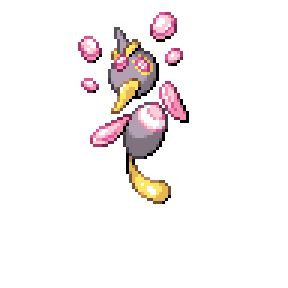
Luvcargo shells are an ingredient in a traditional recipe for love potions. There is no evidence that the potions actually work, but they are nevertheless collected by many young hopefuls pining for their crush.
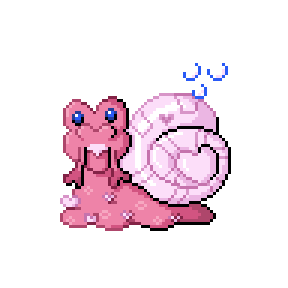
Luvgast use fallen Heart Scales as a nucleus to form themselves around, pulling sand into a rough shape around the scale. Their size greatly depends on the number of scales they can collect, with larger Luvgast having more scales in their body.

Luvggy are commonly found playing in the shallows on beaches and at river mouths. They are friendly and enjoy involving other Pokémon in their games, chasing one another through the surf.

Zigbre have a deep fascination with shiny objects, searching out items that have caught their interest and claiming them as their own. They store the items in the bag on their head, hiding in bushes if they think the owner may come to reclaim them.
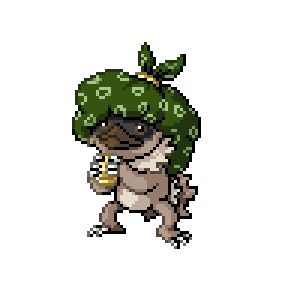
Zigbre have a deep fascination with shiny objects, searching out items that have caught their interest and claiming them as their own. They carry the items in the lily pad on their head, often leaving a trail of lost items behind them as they walk.
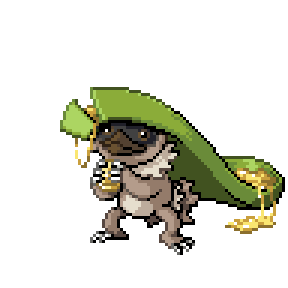
Zigull have a dark patch of fur surrounding their eyes, helping to reduce glare from the sun and improving their eyesight. They soar high above beaches, watching for inattentive trainers to steal food from.
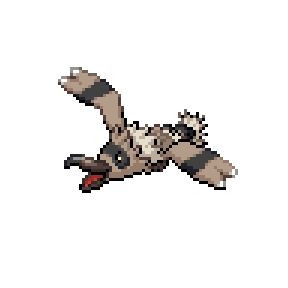
Zigliper make their homes in and around coastal cities, constantly watching for any dropped items. If they see something that catches their interest, they fly down and scoop it up into their large beak, sometimes carrying dozens of objects at once.
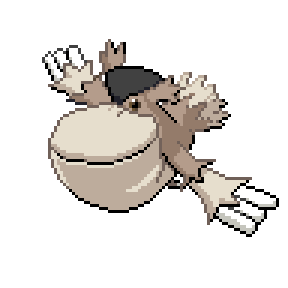
Wurmyena are popular Pokémon with new trainers, being easy to train and quick to pack bond with their trainer. When they get excited, they spray silk from their mouth, a habit that can result in them accidentally sticking themselves to their trainer.
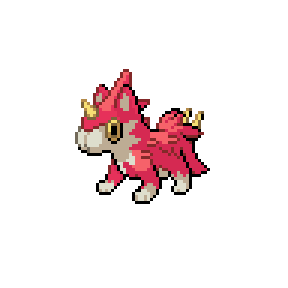
Wurmple use their string to weave together a shelter for themselves out of leaves. If they can't find any leaves, they will shelter under any object that fits over their head, leading many trainers to have fun getting them to wear tiny hats.
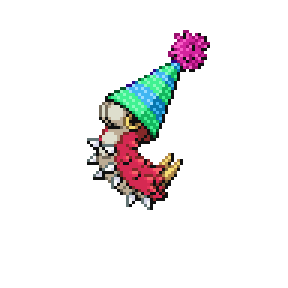
Beautirua wander through meadows in search of recently bloomed flowers, using their long proboscis to feed on the nectar. Their antennae twitch when they sense danger, glowing and projecting an illusion of an empty field when they want to hide.
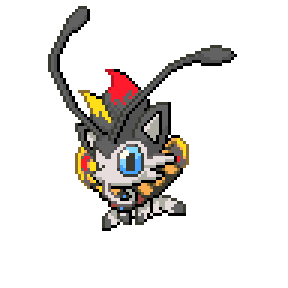
Beautiyena swarms bound through the air together, following the largest packmate wherever they lead. They leave a trail of wing scales glittering in their wake, drawing many admirers to watch the passage of the swarm.
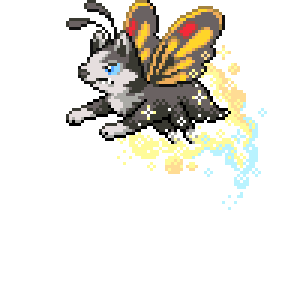
Casrill attach themselves to mangrove trees, hanging from the branches while they wait to evolve. If they hear a predator approaching, they release their silk strands, dropping into the water and floating away to safety.
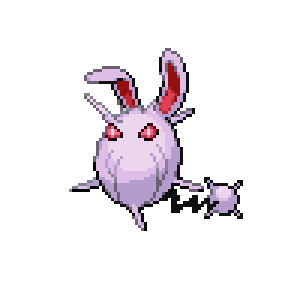
Casdreavus hang motionless in the branches of trees during the day, wrapping their long trailing tendrils around themselves to disguise themselves as flower buds. At night, they unfurl, waiting to surprise passing people and taking joy in their fear.
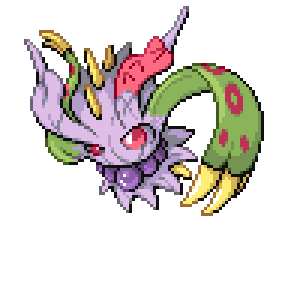
Cascoon silk can be spun into an exceptionally fine cloth and is used to create high-end garments. Cascoon resent having their silk taken against their will, making the process of acquiring the silk primarily one of building trust with the Pokémon.
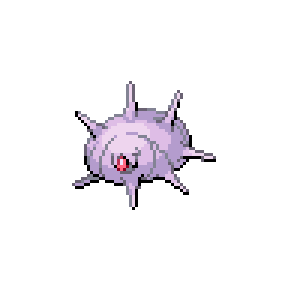
Cascoon silk can be spun into an exceptionally fine cloth and is used to create high-end garments. Cascoon resent having their silk taken against their will, making the process of acquiring the silk primarily one of building trust with the Pokémon.
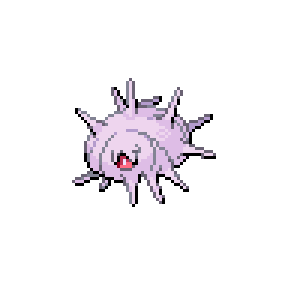
Casfly coat their bodies in a fine layer of silk, protecting themselves from physical harm. They flutter away into the treetops in a panic if they're confronted with a threat strong enough to pierce their silken armour.
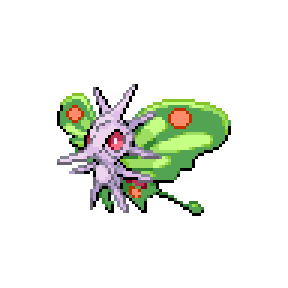
Dugdle sway back and forth whilst sniffing the air, using their keen sense of smell and three heads to triangulate the location of predators. If they smell a threat approaching, they rear back and spray three strands of sticky silk at the danger.

Duguna cluster themselves around tree roots, feeding directly on the plant's sap with their three heads in an effort to accelerate themselves to early evolution. If discovered, they turn their tough carapaces outward to try to stay safe from harm.
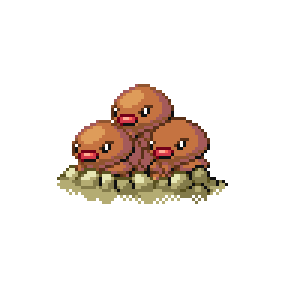
Dugdrill dig complex colonies between the roots of trees in forests. They spend the majority of their time underground but will burst out above ground to attack anyone approaching too close to their hive.

Dugret's long and flexible body is well adapted for moving through tunnels. They chase other burrowing Pokémon to their nests, their twin heads checking forks for the right direction to run. Their tail head watches for pursuit from other Pokémon.

Dugfa can be seen emerging from their burrows shortly after a meteor shower, scouring the area for any signs of fallen meteors. Researchers examining Dugfa tunnels have found that they hoard Moon Stone fragments.

Dugwoodo are a low-maintenance Pokémon popular with people living in small apartments. They tend to remain completely stationary whilst observed, pretending to be a miniature plant. Their three heads only seek sustenance when nobody else is around.
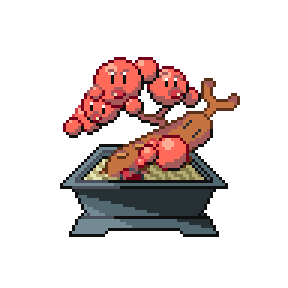
Farmers encourage Dugsaur to make their homes in crop fields, as the Pokémon's presence is beneficial for soil nutrition. Dugsaur enrich the soil with essential nutrients through their flowers, mixing it into the soil with their constant digging.

Dugrow flare their wings wide when they feel threatened, markings on their feathers making it appear as though they have three heads. They use the confusion this sudden reveal creates to dig away to safety.
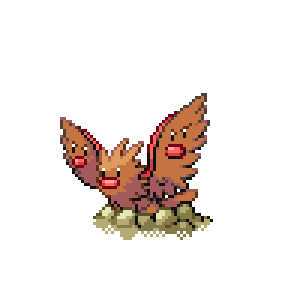
Dugrow use mud and dust as a natural means to keep themselves free of parasites, frequently flying to muddy springs and bathing their wings in the dirt. This habit led to them are often the mascot Pokémon for spas.
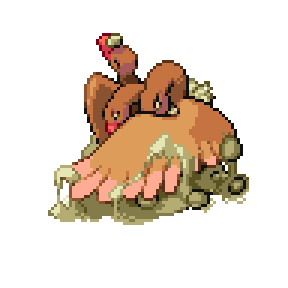
Dugrow fly aimlessly through the sky, their three heads each trying to lead it in a different direction. When they spot food, they become far more coordinated, swooping down to deliver a powerful Drill Run.

Dugsly make their home in clay pots, burrowing their lower halves into the soil contained within. They enjoy being cared for, their three heads constantly looking around for people and growing upset when none can be found.
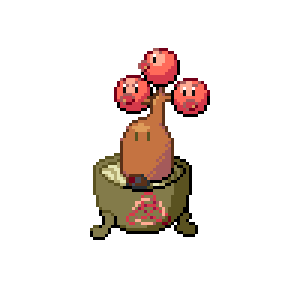
Dugkip are constantly alert, the twin heads growing from their cheeks looking left and right for danger, whilst the central head searches for food. At the first sign of danger, they disappear into their burrows, hiding in river banks.
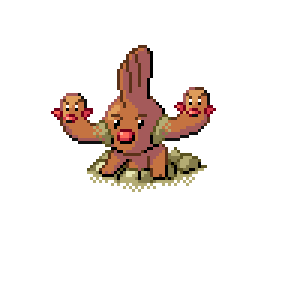
Dugkip share a single mind, acting completely in concert with one another. With their three sets of limbs, they are able to rapidly dig through the soft mud of their swampy homes, creating deep-running tunnel networks to live in.
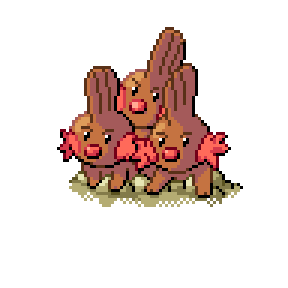
Dugfairy spend the day underground in their tunnels, hunting around underground for fragments of Moon Stones. At night, they emerge from their tunnels and dance together under the moonlight.
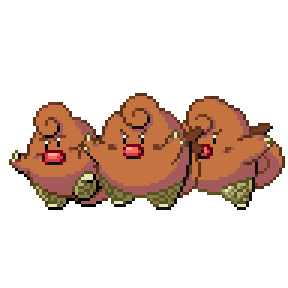
Dugfable move their arms in total synchrony with one another, performing moves together in battles. They are a favourite Pokémon of gamblers, who believe that their Metronomes are more likely to result in a lucky outcome.

Dugtula uproot sections of earth to use as a protective layer for their main body. Their multiple heads function as limbs, allowing them to rapidly scuttle along the ground, withdrawing back into their earthy core for safety when threatened.
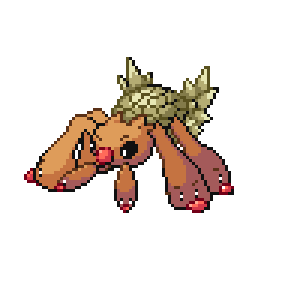
Each of the many heads atop the tails of Dugtales have their own distinct minds and personalities, resulting in a communal approach to decision making. Remarkably, they never seem to struggle to decide what to do and will consistently work together.

Dugon anchor themselves within the moulted shells of Aron, using the fragile remains of their armour as a shelter to hide in when threatened. Their trio of heads extend out to feed on nearby roots and dirt, maintaining a sedentary existence.
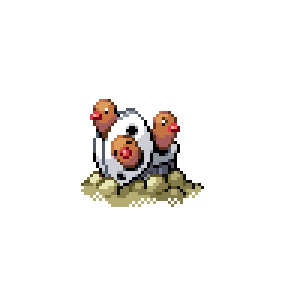
Dugelgon can retract within their tough shell at the first sign of trouble, hiding until the danger threatening them has passed. They are most active at night, their multiple heads emerging and acting as limbs to move their body around.

Dugvanha rapidly chew their way through dirt, moving in formation toward the sounds of other Pokémon battling. They burst out of the ground and attack whichever Pokémon appears to be losing, sometimes interrupting Trainer battles in the process.
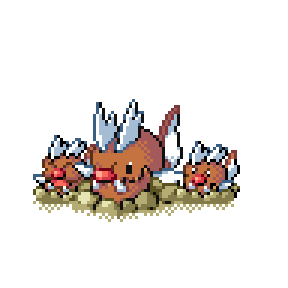
Dugedo tunnel through topsoil at high speed, their trio of heads the only thing visible above ground as they do. Their keen sense of smell lets them chase down Pokémon that have passed by, bursting out to bite at them and drag them underground.

Dugoom have a habit of clustering together in groups of three in fields, burying themselves up to their flower. At night, they dig through the soil, moving together and giving the illusion of flowers drifting across the ground.

Dugplume's petals are constantly coated in a fine layer of dirt and grime from their relentless digging. When they surface, they shake themselves vigorously to clean themselves, sending clouds of pollen flying into the air alongside the dirt.
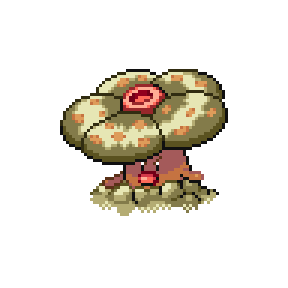
Dugnat make tunnels around the roots of large trees, using their sharp fangs to feed on the roots for sustenance. At night, they emerge into the open air, using their six antennae to sense danger while they search for another tree to feed on.
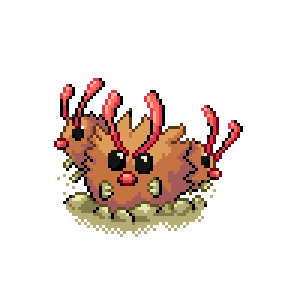
Dugmoth make their nests in underground tunnels, tucking their wings in tight against their body when they dig. If their nest is disturbed, they spread their wings and flutter away whilst taking a clod of their home soil with them as a memento.
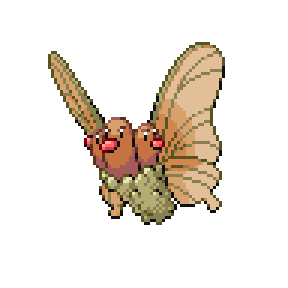
Dugtrio fusions appear to have a variable number of members, something researchers are trying to understand the true nature of. Conflicting theories abound over whether colonies are multiple Dugtrio or a single large Dugtrio.
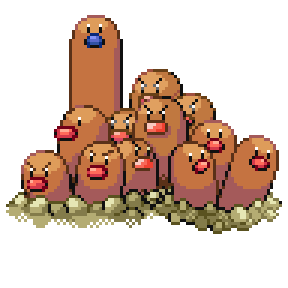
Dugwrath coat their bodies with soil, manipulating the dirt to use as an extension of their own body. This allows them to fight tirelessly, throwing punches with their artificial limbs without needing to worry about muscle fatigue.
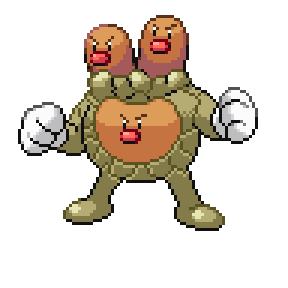
Dugdude burrow through the ground with ease, carving out intricate tunnel networks. Large populations can cause built-up areas to suffer stability issues as foundations are cracked and damaged by their activity.
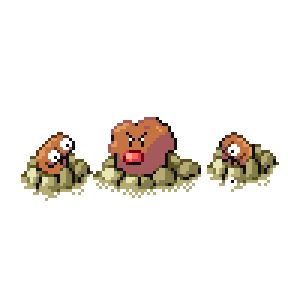
Dugdude burrow through the ground with ease, carving out intricate tunnel networks. Large populations can cause built-up areas to suffer stability issues as foundations are cracked and damaged by their activity.

Dugdude burrow through the ground with ease, carving out intricate tunnel networks. Large populations can cause built-up areas to suffer stability issues as foundations are cracked and damaged by their activity.
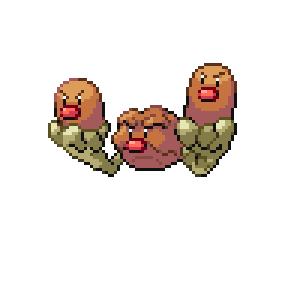
Dugler live inside boulders that they animate and use to move from location to location. When threatened, they retreat back inside their boulder, using the rock as a makeshift shell.
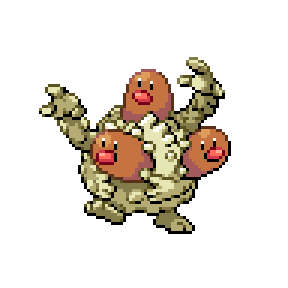
Dugster use layers of mucus to trap mud around themselves, forming a tightly packed protective shell. They swim by pumping water through their shell, drawing it in with their three heads and jetting it out behind them.
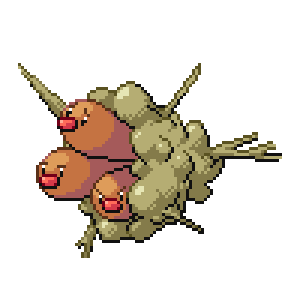
Dustrill flutter above lakes at night, chasing after Volbeat in the dark. They are easily confused by boat lights and can end up falling into the water when they crash into them, relying on their tail float to keep them from sinking.
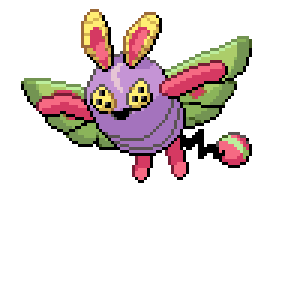
Dustsol roam forests at night, their compound eyes scanning for even the dimmest light in the darkness. If they come across the spark of a fire, they make a loud buzz, striving to alert sleeping Pokémon to the potential threat of a forest fire.
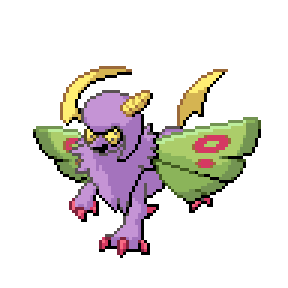
Dustfly eyes are extremely sensitive to light, swarms of them often being drawn to artificial lighting at night. When they're startled, they release a toxic powder before fluttering away.
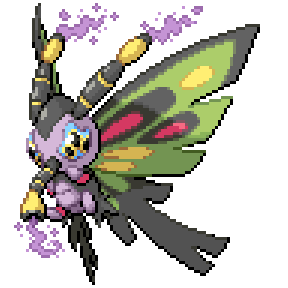
Dustfly emerge at night to feed on flowers that only bloom in the dark. Dustfly with lightly patterned wings have tassels that confuse their predators, drawing attention away from their bodies and helping them escape to safety.
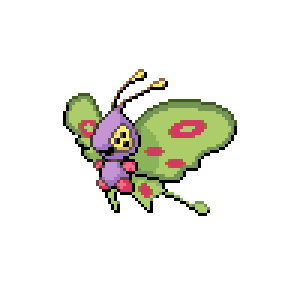
Dustfly emerge at night to feed on flowers that only bloom in the dark. Dustfly with heavily patterned wings abruptly flare their wings when they spot a predator approaching, startling them with their eye spots before fluttering away to safety.
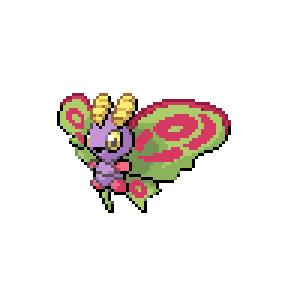
An old rumour holds that the age of a Seedwag can be determined by the length of the wooden spiral on its stomach. Researchers have found that the spiral length is unrelated to the Pokémon's age and is instead a signifier of a good diet.
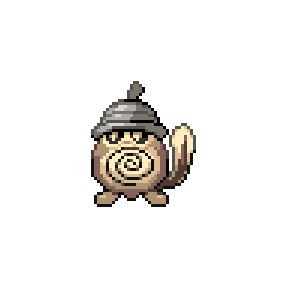
Tailgey are able to fly vast distances with unerring accuracy, braving all kinds of weather to reach their destination. The underside of their wings is coated with white feathers, disguising them against the clouds as they fly.
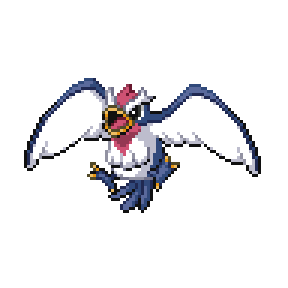
Flocks of Tailhoot sleep together throughout the day, with one member of the flock keeping watch over the rest. Tailhoot on guard will pick fights with Pokémon many times their size in order to keep their family safe.
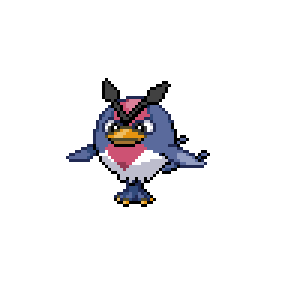
Flocks of Tailhoot sleep together throughout the day, with one member of the flock keeping watch over the rest, ready to fight at a moment's notice. Which Tailhoot is on guard changes each hour, the current guard waking the next with gentle chirps.
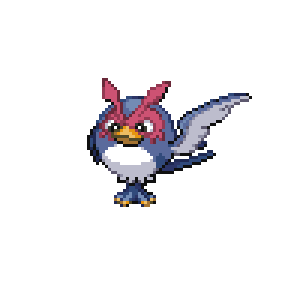
Tailgey are able to fly vast distances with unerring accuracy, braving all kinds of weather to reach their destination. They can be trained to carry messages to far-flung locations, and were commonly used as messengers in pre-industrial times.
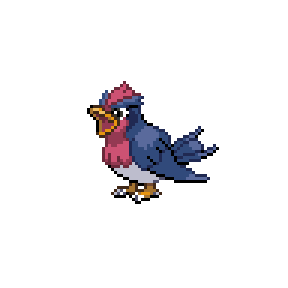
Tailotto maintain large territories, circling the boundaries of their home multiple times in a day. They are bold and will attack bird Pokémon many times their own size, seemingly heedless of the danger to themselves.
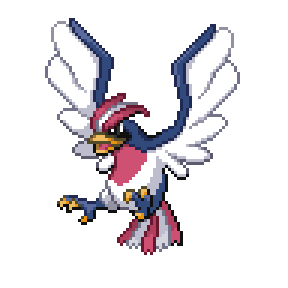
Swellowl circle high in the sky at night, hunting under the cover of darkness. Their eyes are adapted for low-light vision and, when they spot movement below, they dive down at high speed to catch their prey unawares.
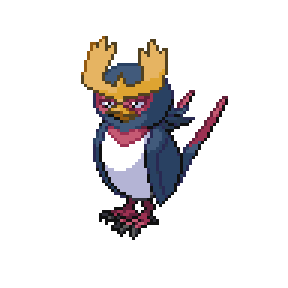
Swellotto feathers are sensitive to even small air movements, allowing them to easily adjust their altitude and catch the jet stream. They prey on smaller bird Pokémon, dive bombing them from above to catch them unaware.
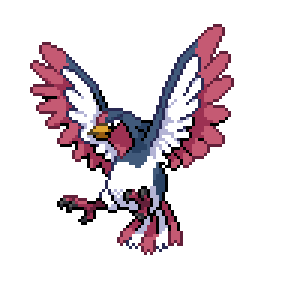
Meowlee limbs are made of interlocking coins, resulting in a rippling series of metallic clicks as they move. They obsessively add more coins to their limbs, enhancing the reach and power of their kicks.
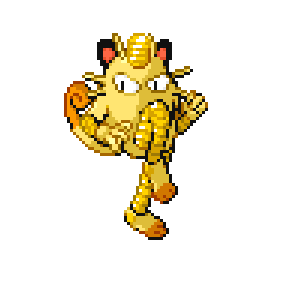
Meowlee are popular Pokémon amongst villainous organisations thanks to their vicious fighting style and keen sense of where to find money. Team Rocket admins in particular enjoy having Meowlee on their teams as a status symbol.

Meowfree are seen as omens of good fortune, their golden wings signifying an impending windfall. They are easily drawn to people by offering out a shiny coin, though no correlation can be found between earning their favour and increased fortunes.
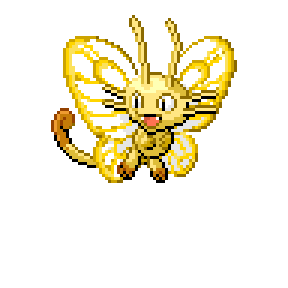
Meowrogue fight with more enthusiasm than skill, lashing out with rapid scratches and bites at those they're battling. Despite their own inexperience, they are nimble and difficult to pin down, making them a challenge for younger trainers to battle.
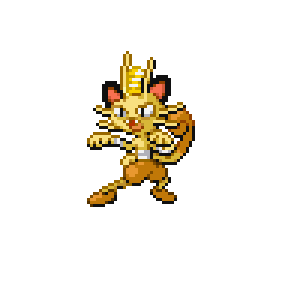
Meowlax have an insatiable appetite, constantly demanding their trainers feed them. They have a preference for expensive fish Pokémon, their eyes lighting up with delight when they're offered imported cans of them.

Meowlax have a single-minded focus on finding food and are prone to jumping up onto kitchen surfaces to yowl at their owner until they're fed. If they are ignored for too long, they begin to knock items off of countertops to get attention.

Meowlax have a single-minded focus on finding food and are prone to jumping up onto kitchen surfaces to yowl at their owner until they're fed. They have a preference for pasta-based dishes, with lasagne being a special favourite.

Meowcada use their sharp claws to dig through undergrowth and dirt in search of metal. They have a fondness for living in and around cities and amass small hoards of lost and discarded coins.
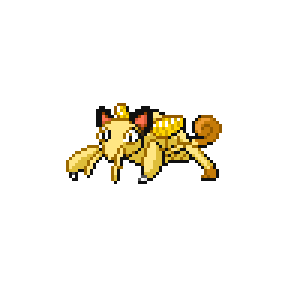
Meowkoth laze about in sunbeams for most of the day, content to sleep away the daylight hours under the warm light. Trainers sometimes have to motivate them to get exercise, using the allure of a shiny coin to get them to move.
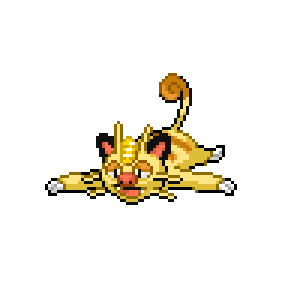
Meowkoth laze about in sunbeams for most of the day, content to sleep away the daylight hours under the warm light. Trainers sometimes have to motivate them to get exercise, using the allure of a shiny coin to get them to move.

Though they usually keep to themselves, Meowroth fly into an excited frenzy when they see people handling coins. They barrel into whoever is holding the money and attempt to claw it off them, making them a particular nuisance in big cities.

Though they usually keep to themselves, Meowroth fly into an excited frenzy when they see people handling coins. They barrel into whoever is holding the money and attempt to claw it off them, making them a particular nuisance in big cities.
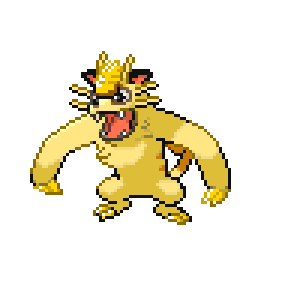
Meowtales have an affinity for wealth, seeking out valuable items and locations where they're hoarded. They are commonly used to guard banks, their presence considered to bring a supernatural good fortune to the company.
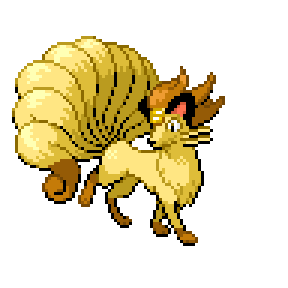
Meowtales have an affinity for wealth, seeking out valuable items and locations where they're hoarded. They are commonly used to guard banks, their presence considered to bring a supernatural good fortune to the company.
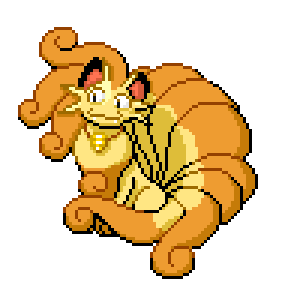
The coin on Meowrua's forehead glitters and gives off light whenever they are projecting an illusion. They can create convincing illusions of people, using these figments to distract humans whilst they pilfer valuable items from their apartments.

Prior to the invention of paper money, entire families of Meowmander worked together in treasuries to help with coin production. They are easily trained to shape the molten metal into coinage, as their flames are hot enough to quickly melt metal.
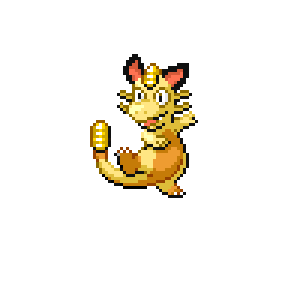
Meowsect obsessively seek out coins and other shiny objects that have been dropped in dark places. They attach these items to their back, fungal threads holding the shiny items in place as they build up their hoard.
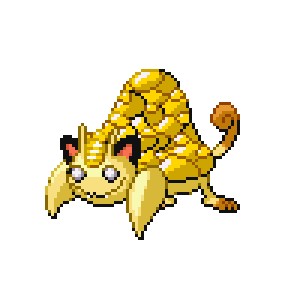
Meowsect are a common companion of archaeologists thanks to their uncanny ability to sense buried coinage. They use their large front claws to dig through soil to uncover ancient currency, alerting the archaeologist to a potential dig site.
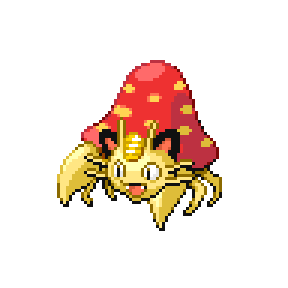
Prior to the invention of paper money, entire families of Meowmander worked together in treasuries to help with coin production. They are easily trained to shape the molten metal into coinage, as their flames are hot enough to quickly melt metal.

Prior to the invention of paper money, entire families of Meowmander worked together in treasuries to help with coin production. They are easily trained to shape the molten metal into coinage, as their flames are hot enough to quickly melt metal.
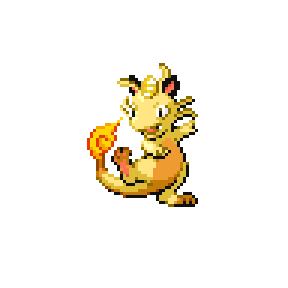
Meowmeleon gather old coinage to pile into nests, curling up in them and heating the metal with the flame on their tail to help them stay warm at night. Meowmeleon nests that have been used for a long time melt into a single mass of metal.
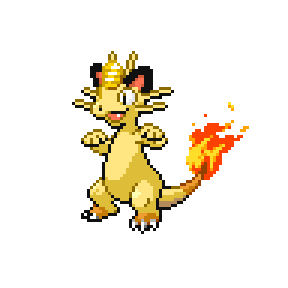
Trios of Meowtrio each feed on a different part of the soil as they dig. One feeds on metal compounds, the second on the soil itself, and the third on organic matter. Their appearances end up reflecting their individual diets.

Trios of Meowtrio each feed on a different part of the soil as they dig. One feeds on metal compounds, the second on the soil itself, and the third on organic matter. Their appearances end up reflecting their individual diets.

Meowler eat raw metals, incorporating them into their body to increase their density. They have historically been a problem for banks in mountain towns as they barrel down the hillside at high speed, breaking into the vaults to eat the gold inside.
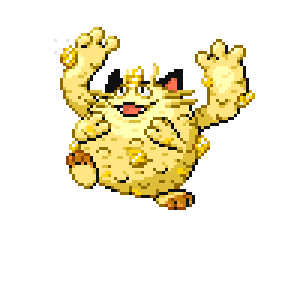
Meowler eat raw metals, incorporating them into their body to increase their density. They have historically been a problem for banks in mountain towns as they barrel down the hillside at high speed, breaking into the vaults to eat the gold inside.
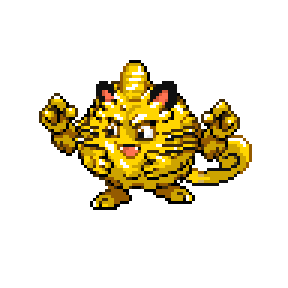
Meowzee wave their coin back and forth to lull people into a deep slumber. Their hypnotic powers work best on greedy people, and the dreams of wealth these people have are their favourite meal.
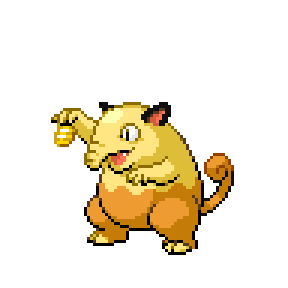
Meowno often work within banks, using their coin pendulum to divine whether an approaching patron is wealthy or not. Those who are wealthy are led to the manager's office where they are hypnotised into making large deposits of money.
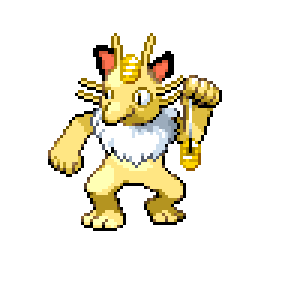
Whismpunny are cautious Pokémon, keeping themselves hidden away from anything noisy. They let out a deafening shriek when startled, using the loud noise as a distraction to allow themselves extra time to escape.
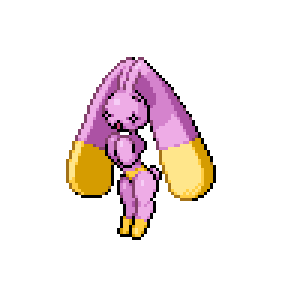
Loudnine hearing is sensitive enough to allow them to hear the roars of other Loudnine from across entire mountain ranges. They race toward one another when they hear a roar, leaping between crags and valleys at high speed.
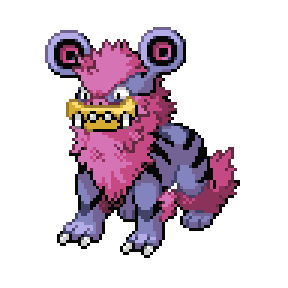
Makucool swim by rapidly contracting their body, expelling water at high speed to jet along through the ocean. They use their tentacles to defend themselves, swinging them through the water to club at whatever's attacking them.
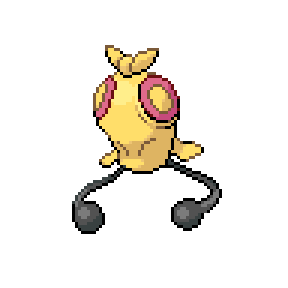
Delia project a constant field of positive emotion around themselves, brightening the mood of those nearby. They use their aura to help defuse fights, using their powers to amplify the empathy of others.
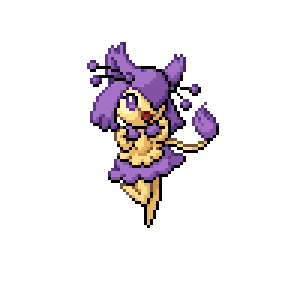
Delia project a constant field of positive emotion around themselves, brightening the mood of those nearby. Their powers make them a popular choice for stage magicians, amplifying the audience's feelings of wonder during the performance.
Electpy often work in power plants, using their powerful trunks to spin turbines and generate electricity. They need constant supervision while doing so, as in their enthusiasm, they are prone to spinning too fast and zapping everything around them.
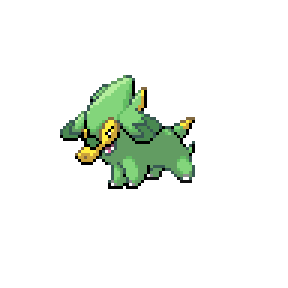
Perzing gas is mildly toxic to people, causing an altered mental state in those exposed to it for too long. Breathing the gas in over long periods of time creates feelings of avarice and a desire to hoard wealth.

Though Perhorn spend most of their day lazing in the sun, they are sometimes seized by a manic burst of energy. These energy bursts almost always result in property damage due to Perhorn crashing through walls and furniture as they race around.

Pereon fur prickles and stands up on end when they're startled, sparking with electricity. They shoot out powerful bolts of lightning toward whatever scares them, focusing the bolt through their forehead gem.

Perdle form colonies within the branches of large trees, feeding on the leaves and hiding within the bark when predators approach. They purr to one another to communicate, creating the illusion that the trees are making a constant low noise.

Peruna use their tails to cling to tree branches while they gather the strength to evolve. They are almost completely immobile but give out a loud hiss to try and scare off threats that get too close.

The gem on Perdrill's forehead glints an angry red whenever they spy another Pokémon encroaching on their territory. The glint catches the attention of other Perdrill, drawing the entire swarm to descend on the unfortunate intruder.

Perlava fur is prone to igniting when stroked, making them a dangerous Pokémon to keep indoors. They appear not to realise the risk they pose to others, purring as they attempt to rub up close against people they care about.

Perlosion can sense changes in the wind with their whiskers, preferring to be upwind of their opponent during Pokémon battles. They can flare the fire burning in their fur to release large plumes of smoke, choking their foes in battle.
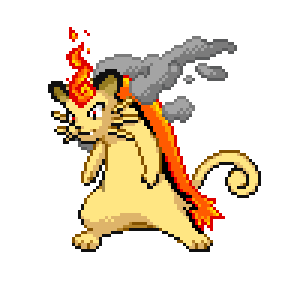
Perwoodo enjoy mimicking their trainers, pretending that they have their own Poké Balls and Pokémon to battle with, striking poses as a battle starts. They make a happy purring noise when praised for their mimicry, enjoying the positive attention.

Perzor gems light up when they sense air movement, reacting quickly to incoming attacks with an evasive fighting style. They leave trails of red light behind them as they fight, lunging in with their metal claws for rapid strikes.
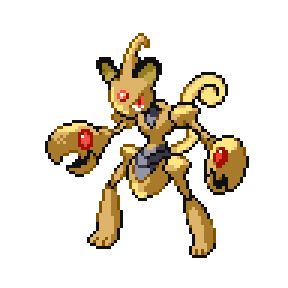
Perlia enjoy putting on performances for onlookers, twirling and dancing on stage in groups. Their whiskers are sensitive to the movements of others, enabling them to keep in time without needing to look at one another across the stage.

Pervoir drift along just above the ground, allowing them to move completely silently. Their whiskers are sensitive to the emotions of others, drawing them to those struggling with self-doubt.
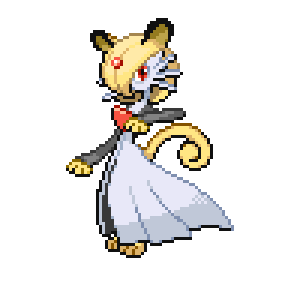
Perblim enjoy taking people on journeys across the sky, using their sensitive whiskers to sense air currents and drift as it chooses. It's advised to travel in pairs as they sometimes grow hungry during a flight and try to feed on lone occupants.

Pertales are fussy and very particular Pokémon, making them a challenge to train and care for. Historical records suggest that Pertales were once considered to be vessels for regal spirits, each of their tails holding a different ancient monarch.

Pertales are fussy and very particular Pokémon, making them a challenge to train and care for. Historical records suggest that Pertales were once considered to be vessels for regal spirits, each of their tails holding a different ancient monarch.
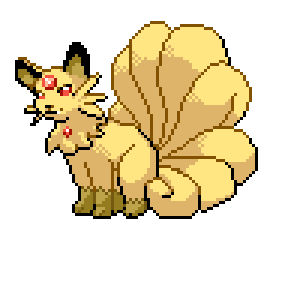
The gem on Perpuff's forehead pulses red in time with their song, matching their melody beat for beat. Those who hear their song quickly fall asleep, Perpuff then curl up atop them and sleep alongside them.

Perinch enjoys playing in sand pits, digging out hollows before circling around and sitting within them. It lunges at anyone who intrudes on its personal space, snapping at them with its powerful jaws.

Perloon sense changing air currents with their sensitive whiskers, adjusting their buoyancy to catch the breeze. During storms, they deliberately tangle their feet in tree branches, remaining stuck there until the storm passes.

Perloon sense changing air currents with their sensitive whiskers, adjusting their buoyancy to catch the breeze. They use the breeze to drift between tropical islands, able to travel tens of miles without touching the ground.
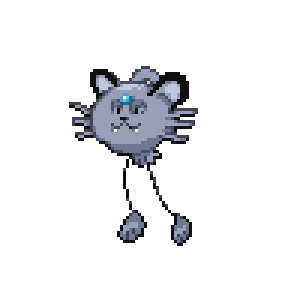
Pertuff purrs have a soporific effect, lulling those who hear them gently to sleep. They make excellent therapy Pokémon, helping insomniacs achieve a solid night's sleep.

Perok are drawn to large quantities of money, hanging around street corners and ambushing people to steal their money. This habit makes them popular Pokémon with organised criminals, handing the stolen money to their Trainer.
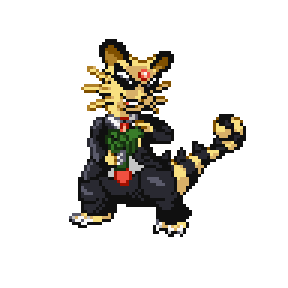
Perok are drawn to large quantities of money, hanging around street corners and ambushing people to steal their money. They have no concept of how much an individual note is worth and seem to simply enjoy rifling through wads of cash.
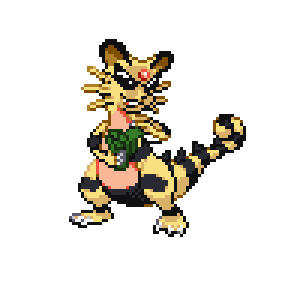
Despite their size, Perpede love to curl up in the laps of their trainer. They roll into a ball, purring loudly as they pin their trainer in place. They can spend hours in one place, refusing to move until they've received enough attention.
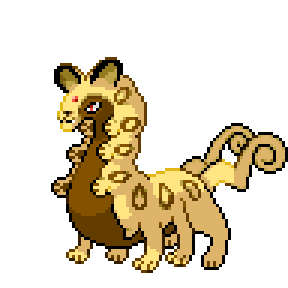
Packs of Perunt stomp across the landscape, watching for the glint of the garnets in each other's heads as a means to keep track of others in their pack. When they track down prey, they deliver a powerful Bite that is able to puncture steel.
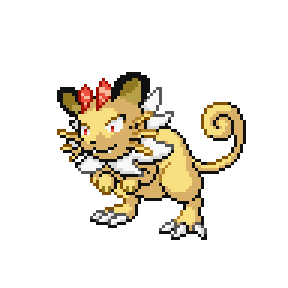
Pertrum stomp across open plains in small prides, roaring to one another to communicate. They work together to drive prey into an ambush, where the rest of the pride lies in wait.

Perpod live at the bottom of rivers and ponds, feeding on much smaller Pokémon. They can sense even faint water movements with their sensitive whiskers, scurrying to safety the moment they think something larger than them is chasing them.
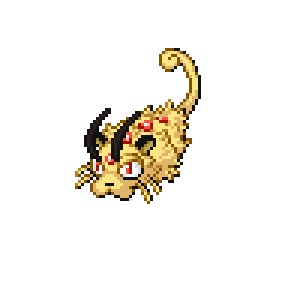
Perbell hang by their tails from tree branches, using their whiskers to sense incoming rain. When they sense impending rainfall, they yowl unhappily to one another, prompting them to curl up tight and try to shelter from the rain.

Perbell hang by their tails from tree branches, using their whiskers to sense changes in the wind. When they sense a strong breeze, they give excited purrs, enjoying the feel of being buffeted by the wind.

Perbell hang by their tails from tree branches, using their whiskers to sense passing Pokémon. When they sense a Pokémon getting too close to them, they hiss and spit out acid in an effort to get the other Pokémon to back off.

Perbell laze around on the jungle floor with their mouth wide open. They can remain motionless for days, waiting for small Pokémon to wander into their mouth, snapping their mouth closed on their prey when it walks in.

A passing flock of Pluskrow is regarded as an omen of good fortune, their positive energy inspiring those who see them to greater heights of performance. They seem to enjoy circling over sports grounds, crowing happily as the games play out.
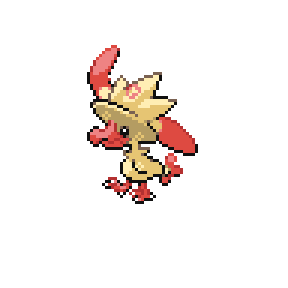
Minkarp slowly build up a negative electrical charge as they swim, passively discharging the energy from their scales. A thin stream of hydrogen bubbles constantly comes from their body, their charge splitting the water into its component elements.
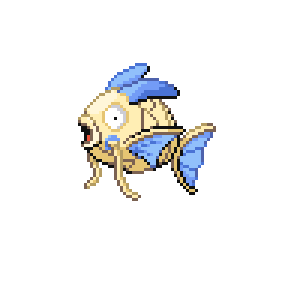
Minwile's long steel horn crackles with a negative electrical charge. They can deliver jolts of electricity by using their horn to bite into others, the painful Thunder Fangs sometimes causing paralysis in those attacked.
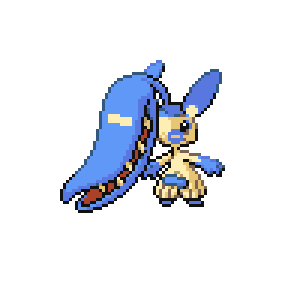
Swarms of Volras can be seen trekking across the forest floor from a great distance, their bioluminescent mushrooms creating a trail of light in the dark. Individual Volras are drawn to the swarm, attracted by the strong light.
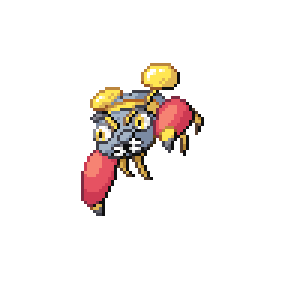
Swalcargo shells are flexible, able to expand up to twice their body size. They use their shells as a second stomach, swallowing gigantic meals whole and then storing the food in their shell while they wait for it to digest.
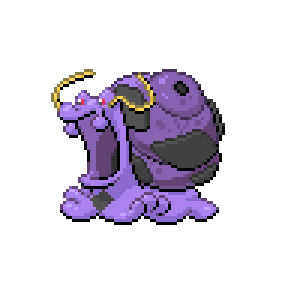
Psyvee beaks shimmer and react to the presence of Evolution stones. They are sometimes used by jewellery stores to assess the purity of the Evolution stones they sell, as a more pronounced reaction from Psyvee indicates a higher quality stone.
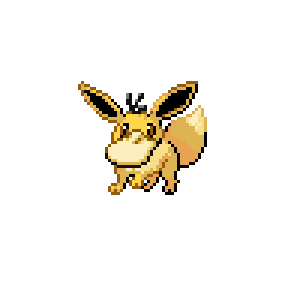
Psyvee beaks shimmer and react to the presence of Evolution stones. They are sometimes used by jewellery stores to assess the purity of the Evolution stones they sell, as a more pronounced reaction from Psyvee indicates a higher quality stone.

Psygon attempt to help programmers by drifting through computer code, eating anything that looks bugged. Their efforts to help usually end up causing headaches as they are bad at determining what's important within the code.

Psygon roll forward in battle, seeking to slot their beak underneath their opponent, then abruptly flip them into the air. They honk loudly when they use this manoeuvre, enjoying the sight of their foe tumbling through the air.

Psygon roll forward in battle, seeking to slot their beak underneath their opponent, then abruptly flip them into the air. They honk loudly when they use this manoeuvre, enjoying the sight of their foe tumbling through the air.
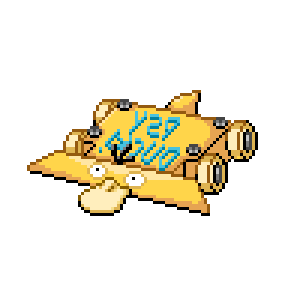
Psynair swim elegantly through the water, winding their way through lakes in search of food. A common superstition holds that it brings good fortune to see one breach the water and hear its loud honk.
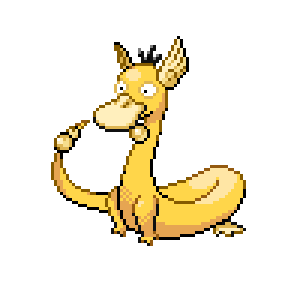
Psynair's forehead gem sparkles with psychic energy. Psynair constantly focus their excess energy into their gem, preventing a painful build-up that would otherwise cause debilitating headaches.

Tea brewed from Psyrita leaves is a traditional home remedy for headache relief. Recent analysis of their leaves shows that they contain natural painkillers. Pharmaceutical companies have taken an interest in them, hoping to develop new medicines.

Psyleef wade through wetlands in search of fresh shoots to feed on, their broad beaks well suited to rooting through mud and silt in search of new growth. They walk along the bottom of the wetlands, using their long neck to keep a view above water.

Psybuffet are unusually resistant to mental assault; attempts to attack them with Psychic-type attacks invariably result in headaches for the aggressor. Psybuffet seem unaware of their resistance, simply clutching their head whenever they're attacked.
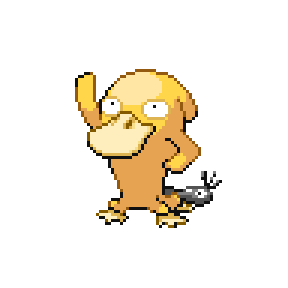
Psytress bob along the top of ponds, slowly paddling along with their tiny webbed feet. They fire off their cannons when startled, abruptly jetting across the water in a random direction.
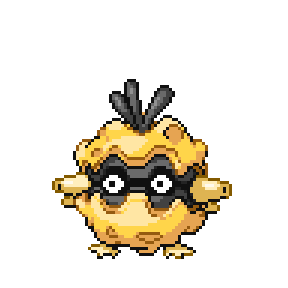
Psyinja hang motionless above ponds after rainstorms, gathering water from the pond below to add to their halo. The water that floats around them is rumoured to be a cure for hangovers, though their scarcity makes the rumour hard to verify.

Psydoof make their homes in meandering forest rivers, rooting around in the river's silt for aquatic plants to feed on. Their hind feet are webbed, enabling them to swim against the current with ease.

Psydoof make their homes in meandering forest rivers, rooting around in the river's silt for aquatic plants to feed on. Some Psydoof have four webbed feet, making them clumsier on land but faster swimmers than others of their species.

Psydoof make their homes in meandering forest rivers, rooting around in the river's silt for aquatic plants to feed on. Some Psydoof lack webbed feet, making them weaker swimmers but better at evading predators on land than others of their species.
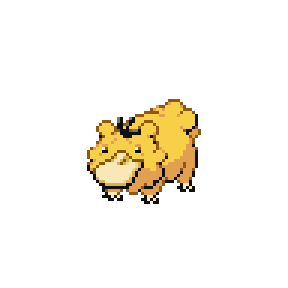
Psydoof dredge up mud from the river bed with their broad beaks, bringing it back to choke points in the river to construct dams. They flatten the mud with their flat tails, working together to build a home for their entire family group.

Psydoof make their homes in meandering forest rivers, rooting around in the river's silt for aquatic plants to feed on. Some Psydoof lack webbed feet, making them weaker swimmers but better at evading predators on land than others of their species.
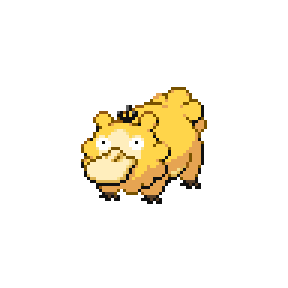
Psydoof dredge up mud from the river bed with their broad beaks, bringing it back to choke points in the river to construct dams. They are protective of their homes, loudly quacking at intruders in an effort to scare them away.
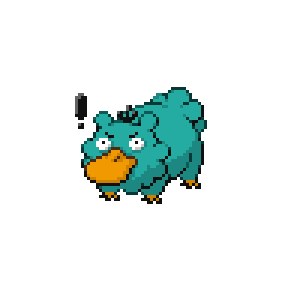
Psydoof dig multiple exit tunnels from their nests, allowing them to come and go unobserved whenever they want. They rattle their beak when they want to communicate, making a low growling sound.

Psyferno suffer from regular migraines that hamper their ability to fight. These migraines are a result of being able to sense the future, making them very effective fighters when they're able to parse the jumbled visions.

Psypede have poor eyesight and rely on low-grade psychic powers to sense the world around them. They are easily overwhelmed and curl into a ball when they feel endangered, projecting headache-inducing waves of energy outward to drive off threats.
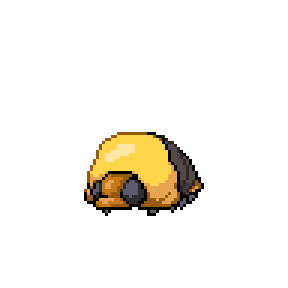
Psypede root through silt and mud for any Pokémon small enough for it to swallow whole. It uses its multiple upper limbs to rapidly dig the mud it feeds on out of the way, exposing shallow burrows and flushing out prey.
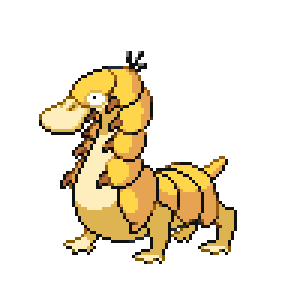
Psyrunt stomp happily through puddles, the splashes around their webbed feet accompanied by their happy honking cries. They turn violent if interrupted, chasing after whoever disturbed them with loud honks as they lunge and bite.

Psybish are very light for their size and are able to float across vast distances with very little effort. Large flocks of them have been found washed out to sea, making their homes in ocean gyres.
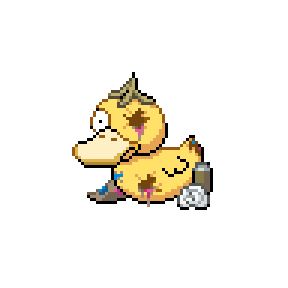
Psylu is usually found in ponds swimming at the surface of the water, its fluffy wings becoming drenched as it swims around. Fields on the flight path between ponds are well-watered when Psylu travels, its wings raining water down.
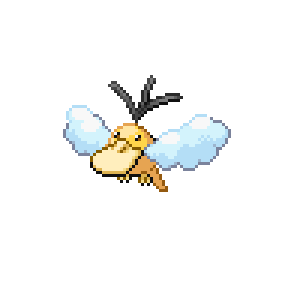
Psymo-o scales are only loosely attached to their body, flapping and clanging against one another whenever they move. The noise their scales make is loud and atonal, causing headaches in those unfortunate enough to hear them.
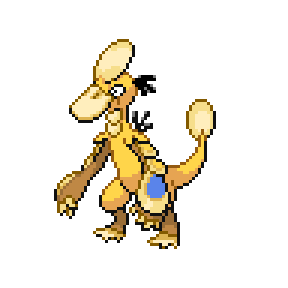
The intensity of the fire that burns on Psymander's tail varies depending on their mental state. When they are clear-headed and focused, their flame is steady and small. When they experience migraines, their flame burns bright and erratically.
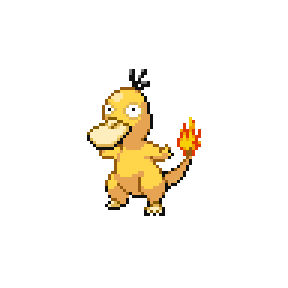
The intensity of the fire that burns on Psymander's tail varies depending on their mental state. When they are clear-headed and focused, their flame is steady and small. When they experience migraines, their flame burns bright and erratically.

Psylett use their tongue as a lure, fooling other Pokémon into believing a Diglett is surfacing. When they successfully lure a Pokémon close enough, they unleash a debilitating psychic attack, causing intense headaches.

Psylett are clumsy and accident-prone, their constant headaches affecting their sense of balance. They are often found with their heads underground, hiding from the light to reduce overstimulation, waggling their feet in the air happily as they do.
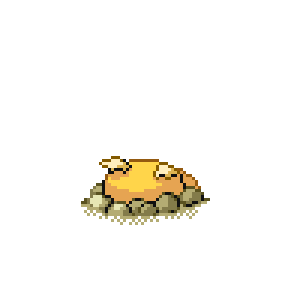
Psylett use their beak like a shovel, rapidly digging through soft dirt to make complex tunnel networks. They periodically poke their head out at the surface to get their bearings, though prolonged sunlight exposure can cause them severe migraines.
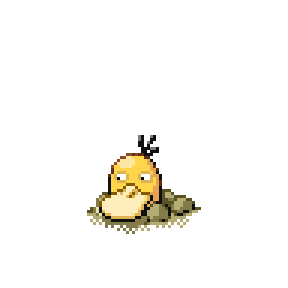
Psymeleon spend most of their day submerged within ponds, only their eyes and duck bill above the water. When startled, they give out a loud quacking noise, accompanied by a burst of fire from their beak.
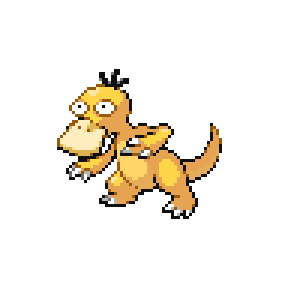
Psymeleon are prone to debilitating headaches if their bodies dry out too much, and are often found around rivers and ponds so they can keep themselves damp. Their burning tail gradually dries them out, forcing them to swim multiple times per day.
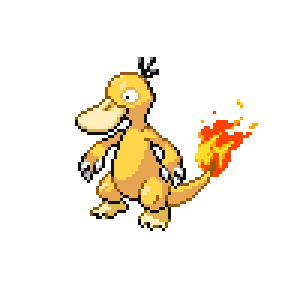
Whiscargo live deep in the ocean, making their homes around geothermal vents. They feed on the mineral rich waters that erupt from the vents, relying on their tough shells to protect them from the worst of the heat.
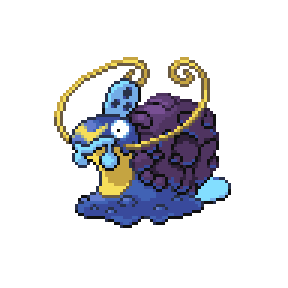
Whisgon-Z project false images of themselves, seeking to confuse those around them into thinking they are unfused Porygon-Z. Their long whiskers tremble when they sense their misdirection failing, causing them to abruptly flee.

Whisras sift through muddy river beds in search of aquatic plant life to feed on. Their whiskers are sensitive to changes in the water currents around them, allowing them to quickly dig themselves into the mud if they sense danger drawing close.
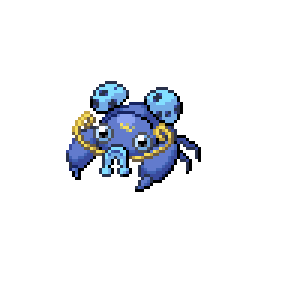
Golmime enjoy putting on dazzling performances, using their control over water to create rainbows and bubble arches. They are popular with entertainers, commonly being used at birthday parties to delight the children present.
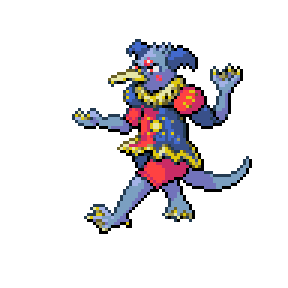
Lurking under the surface of murky lakes and ponds, Golsir lies in wait to ambush unsuspecting Pokémon. It uses its gigantic pincers to drag its targets underwater, making them easy prey.

Lurking under the surface of murky lakes and ponds, Golsir lies in wait to ambush unsuspecting Pokémon. It uses its gigantic pincers to drag its targets underwater, making them easy prey.

Golto use their sharp claws to latch onto larger Pokémon, hitching rides on them to fresh feeding grounds. Their shell is streamlined, allowing them to remain attached without significantly slowing their host's swimming speed.
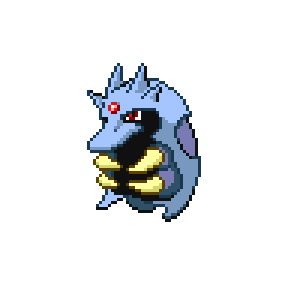
Golbuffet wait patiently during battle for their opponent to make the first move. They react quickly when they sense an attack coming at them, opening their beaks and shouting out a deafening, defiant honk.

Goldoom heat the water around them into a roiling steam, making it easier for them to swim through it. The approach of a pack of Goldoom is heralded by steam banks drifting to shore, leading to many legends ascribing them mystical powers.

Goltei live high up in mountains and spend their time seeking out mountain springs to relax in. Their bodies run at very high temperatures meaning any spring they climb into quickly heats up and becomes pleasant to bathe in.

Golnaut race one another to be the first to reach visitors to their pond, each hoping to be the first to be fed fresh berries. They are persistent, following people for hours around the park until they eventually lose interest.

Golvoir drift across the surface of still lakes, searching for visitors along the shoreline. Their gems glow as they approach, projecting feelings of empathy and care in the hopes that the person they approach will toss them food.

Golvoir drift across the surface of still lakes, searching for visitors along the shoreline. They honk to one another when they spot a person, converging on the visitor before holding out their hands in the hopes of being gifted food.

Golran live in small family groups along the edges of lakes. They take turns keeping watch while the rest of the family drinks or feeds, honking out an alarm call for everyone to scurry into the water to safety should danger arise.

Golrina are protective of their swimming grounds, barrelling toward any Pokémon that's as large as them that dares to enter the water. They honk aggressively, lashing out with venomous spines if they can't scare away the target of their ire.
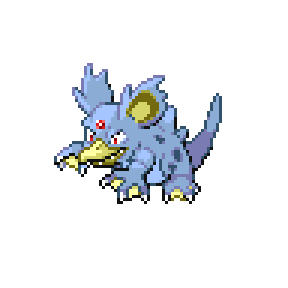
Golqueen weave nests made of dried out reeds and mud, hiding them along the banks of lakes. They are fiercely protective of their eggs, their gem-like horn shining bright red whenever they charge another Pokémon.

Golking honks echo across entire lakes, alerting all those that can hear them that the waters are claimed as their own. When two Golking try to claim the same lake, they end up battling for supremacy, exchanging brutal body blows.
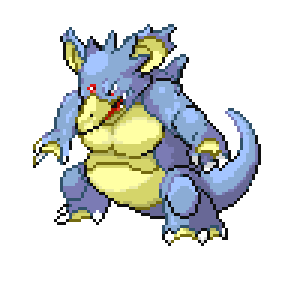
Golpuff are popular companions to lifeguards, standing watch at the water's edge for anyone struggling to remain afloat. If they spot someone floundering, they leap into the water and swim over, puffing themselves up to be a life float as they do.

Golish hide themselves amongst reeds and rushes along river banks, relying on the tall plants to conceal themselves from danger. When they're startled, they rapidly waddle into the water, drifting downstream to safety.

Flocks of Goling make their nests around lakes, darting in and out of the water in their hunt for small Bug-type Pokémon. Their feathers are coated in hydrophobic oil, keeping them dry and ready to fly no matter how long they spend in the water.
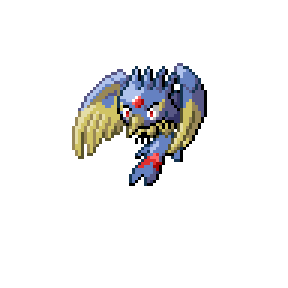
Golras's damp skin and tendency to swim in stagnant water leave them vulnerable to fungal infections. The mushrooms that grow on their back release their spores into the water when submerged, letting them spread to uninfected Golras.

Golsect mushrooms are a popular ingredient in many high-end restaurants thanks to their unique, gamey flavour. Connoisseurs feel it is best enjoyed when grown in damp conditions, encouraging Golsect to be raised with plenty of water access.
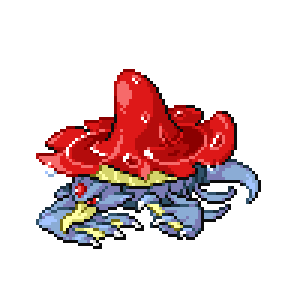
Golsect mushrooms are a popular ingredient in many high-end restaurants thanks to their unique, gamey flavour. Golsect are prone to infection if the mushroom is allowed to dry out, spoiling the taste.
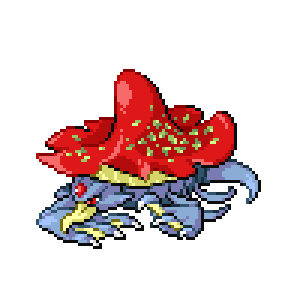
Goler's gems flash an angry red when they spot another Pokémon trying to take their food. They sidle up to their competitor, clacking their claws menacingly and making a loud honking sound to scare them off.
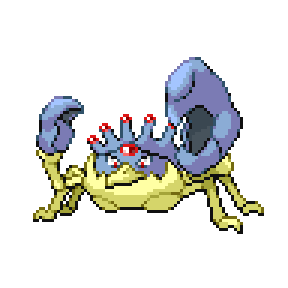
Trocargo are a delicacy in parts of Kalos, their fruity flavour making them a popular addition to many dessert dishes. In the wild, they hide from hunters by making their homes amongst fallen fruit, pretending to simply be old produce.
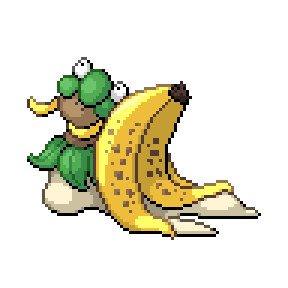
Trocargo are a delicacy in parts of Kalos, their fruity flavour making them a popular addition to many dessert dishes. In the wild, they curl up within their tough, coconut-like shell to try and avoid hunters.
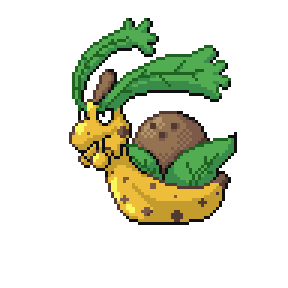
Hikers are known to spend many months hunting for Chingtini in the mountains, seeking out their nests in the hopes of catching a glimpse of them. The clear ringing noise they make as they move is said to be life-changing to hear, prompting the search.
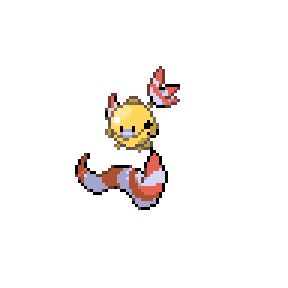
Chimewag swim with long, languid sweeps of their tail, taking their time as they drift along the bed of lakes. They make a high-pitched ringing cry when they need to swim quickly, alerting other Chimewag that danger may be close.

Chimewag swim with long, languid sweeps of their tail, taking their time as they drift along the bed of lakes. They make a high-pitched ringing cry when they need to swim quickly, alerting other Chimewag that danger may be close.

Manuna use their prehensile tails to suspend themselves from tree branches, hanging in place whilst they wait to evolve. They grow irritable if another Pokémon climbs the same tree as them, angrily swinging their body into the source of their ire.
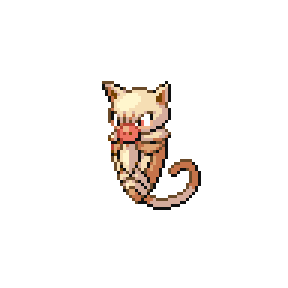
Mantine schools are known to get into territorial disputes with one another. They seek out rival schools, leaping out of the water and colliding with one another at high speeds in an attempt to Body Slam their rivals.
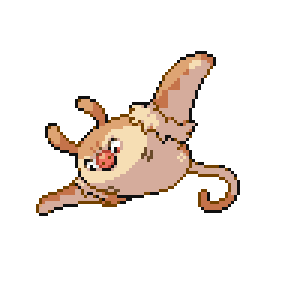
Mantyke fur is sensitive enough to detect eddies and whorls in the water, helping them move swiftly through the ocean. They grow angry when they sense the trail left by another Pokémon, swimming after them to try and chase them away.
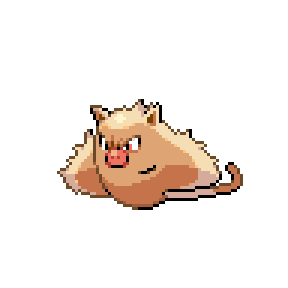
Manking are unusually aggressive Pokémon that will pick fights over the most trivial of slights. When they're angry, their fur will stand up on end, and they will race toward the target of their ire to pummel them with their fists.
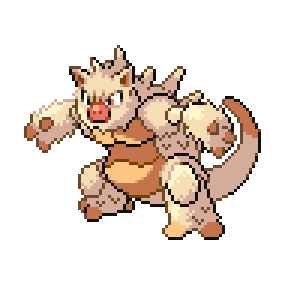
Manish raise themselves up high on their tails to get a good view of what's happening beyond the field they call home. Entire fields of Manish will launch into an attack at a moment's notice if they spot a person they dislike.

Manish sun themselves in fields to store as much energy as they can during the day. Entire fields of Manish will uproot themselves and run at high speed toward anyone who disturbs them, burning all their energy in an angry burst.

Manish sun themselves in fields to store as much energy as they can during the day. Entire fields of Manish will uproot themselves and run at high speed toward anyone who disturbs them, burning all their energy in an angry burst.
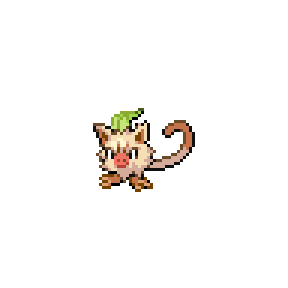
Walnine belch powerful Fire Blasts at one another as they battle for the best spots to sunbathe on the beach. They rely on their thick layers of blubber to protect themselves from the intense heat, emerging from the contests with only minor burns.
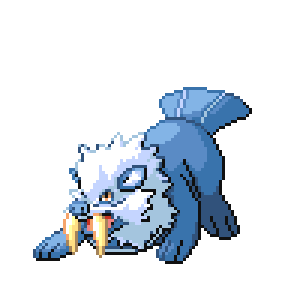
Walnine race forward at high speeds across ice sheets, spitting out Embers ahead of themselves to partially melt the ice. They flop forward and slide for hundreds of meters, barking happily as they play in the icy landscape.
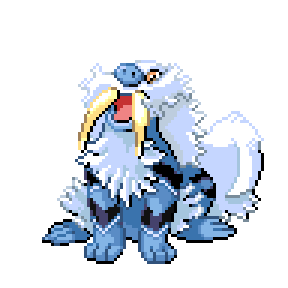
Relicargo are found in tropical waters, often seen crawling around coral reefs. When there are sufficiently strong waves, they spread their body flat, catching the current to be swept to new feeding grounds.
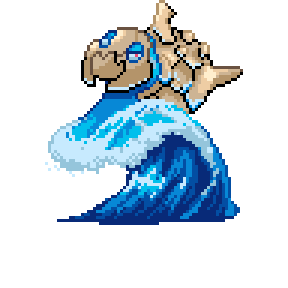
Primepie fur bristles if another Pokémon draws too close to them. They shake their body rapidly when angry, shedding their hair to get it into the eyes of those nearby. Should that fail, they launch sticky silk instead before jumping at their foe.
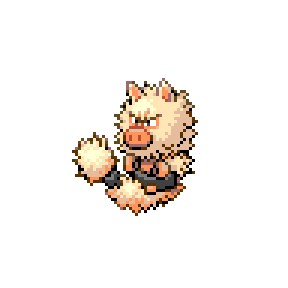
Primeorb are short-tempered and prone to outbursts of rage. Care is advised when walking past a Primeorb colony, as upsetting one could result in a chain reaction of Self-Destructs from the entire troop.

Primeode twitch and vibrate in place constantly, their anger always close to boiling point. The slightest inconvenience can set them off, causing them to explode violently.
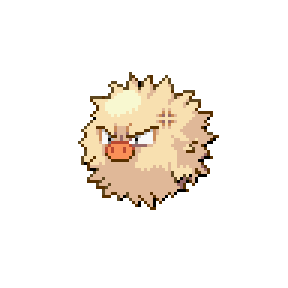
Primepie fur bristles if another Pokémon draws too close to them. They emit a foul odour whilst angry, driving nearby Primepie into a rage alongside them. Swarms of them work together to chase off intruders.
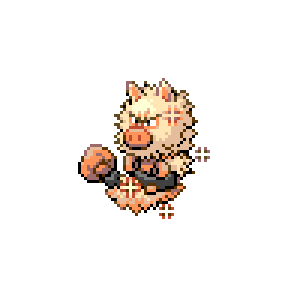
Primefree wing scales are mildly toxic when inhaled, causing increased feelings of aggression in whoever breathes them in. Primefree are not immune to their own scales and frenetically flutter around in the hopes of finding a fight.

Primefree wing scales are mildly toxic when inhaled, causing increased feelings of aggression in whoever breathes them in. Primefree are not immune to their own scales, whirling their ball and chain to try and knock out anyone they see.

Primeon fur makes a constant crackling noise as sparks of electricity jump between the hairs. Angry Primeon can cause power outages in homes as they are prone to discharging all of their electricity at once.
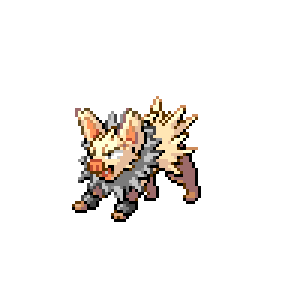
Primerita whirl their head during battles, trying to strike their foes with the fist attached to their head. They run headfirst into fights without thinking, relying on the twirl of their head to win the battle.
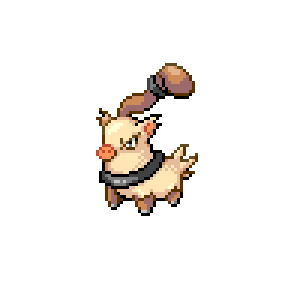
Primetu twitch and quiver as they gaze off into the middle distance, periodically making an angry trilling noise. Pokémon researchers believe Primetu are able to view the future, and that they grow angry at what they can see.

Primephan herds are protective of their young, rearing up on their hind legs and lashing out with their fists whenever their family is threatened. Stampedes of Primephan can end up levelling buildings if left to wear themselves out.
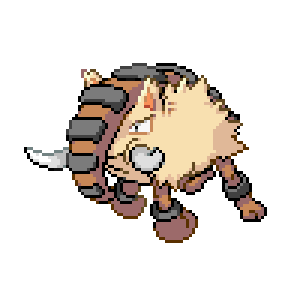
Primephan are commonly found within Paldea's Asado Desert, bullying smaller Pokémon away from watering holes and claiming them for their own herd. Their rough, craggy body armour allows them to crash through boulders and roll at high speed.
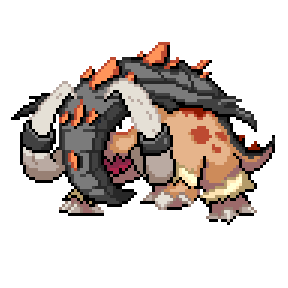
Primephan fur grows thickly along its armoured spine, becoming matted from their constant battling and rolling. Trainers who try to groom them are often met with frustration as Primephan lacks the patience to stay still long enough to be brushed.
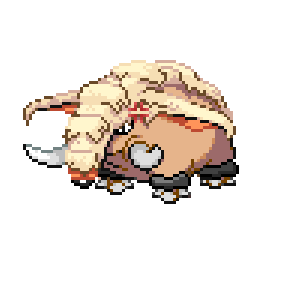
Primeslash spend their time digging tunnels, using their sharp claws and powerful muscles to carve through the soil. They fly into a rage if disturbed, digging out the ground under whoever interrupted them and dragging them into their tunnels.

Primelia are able to project their emotions to others, enabling the recipient to feel what they are feeling. Their tendency to grow angry often results in a meeting of two Primelia devolving into a furious battle.

Primeinja engender irrational feelings of anger and aggression in those who see them. Pokémon that try to strike them often find their attacks have no effect, invariably leading to the anger being projected by Primeinja to intensify.
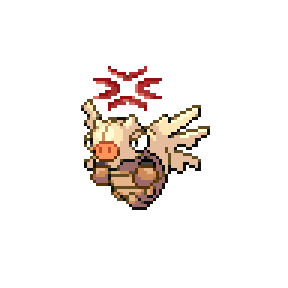
Primeslash spend their time digging tunnels, using their sharp claws and powerful muscles to carve through the soil. They grow angry when they encounter an unexpected object in their path, cleaving apart rocks and piping alike to continue their tunnel.

Primeslash alternate between using sharp swipes and blunt punches during battle. They lack the tactical knowledge to effectively choose between the two fighting styles, often just alternating between the two in a frenzied assault.

Primequeen are fiercely protective of their young, flying into an uncontrolled rage whenever their family is threatened. Their rampages can last for days, often taking them far away from their family in the process.

Primechar troops rip branches and fruit from trees, igniting them before hurling them at any Pokémon unfortunate enough to be passing by. During particularly dry periods, Primechar are prone to starting forest fires due to this habit.
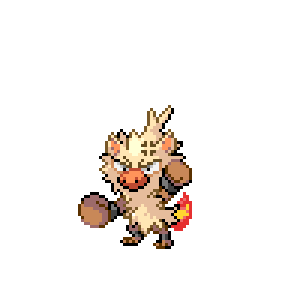
Primeferno fur catches on fire when they are angry, blazing with the heat of their rage. Explorers in Primeferno territory are advised to keep watch for fire in the branches above them, as it's often the only warning of an impending attack.

Primeblade whirl around their foes, darting in for quick and vicious blows whenever an opening appears. Martial artists train alongside them, studying their aggressive combat style closely.

Primeking are perpetually angry, throwing tantrums over the most minor of stimuli. Fights between two Primeking can rage for days, entire forests getting flattened as they thrash against one another.
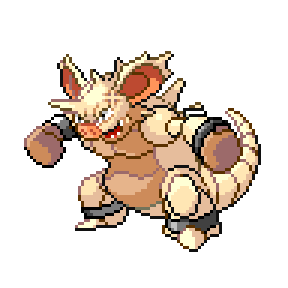
Primeloom are short-tempered Pokémon, taking offense at the most minor of inconveniences. They use rapid jabs of their claw-like hands to attack whatever's annoyed them, swiping with their tail if they can't finish off their foe just with punches.
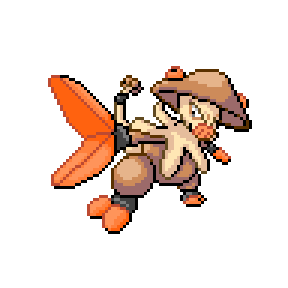
Primeloom are short-tempered Pokémon, taking offense at the most minor of inconveniences. They pick fights with anything that angers them, darting forward with a rapid Mach Punch before retreating to a safe distance again.
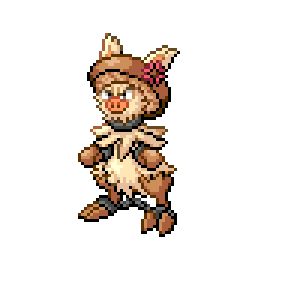
Primejask wings beat at the same frequency as their heartbeat, whirring faster and faster as they grow angrier. They are able to land flurries of punches on their opponents, racing past their foes' defences but leaving them open to counter-attacks.
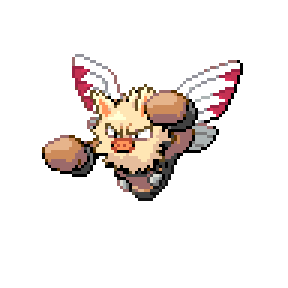
Primeinch are short-tempered Pokémon, snapping at anything that gets too close. They chase after Pokémon that run from them, but aren't able to chase for very long due to their stubby legs.

Primeva whirr across the desert in large swarms when searching for water. Their speed in flight, combined with their predisposition toward violence on arriving at a watering hole, means desert travellers are advised to stay aware of their presence.
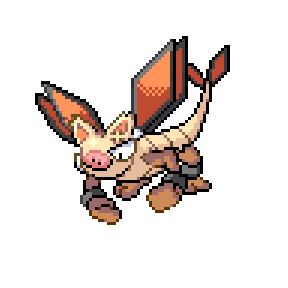
Primeloon puff their fists up with helium when they're angry, waggling their bodies to swing them at whatever's annoyed them. Their lack of muscles means their fists simply float beside them, inevitably leading them to grow angrier at their impotence.
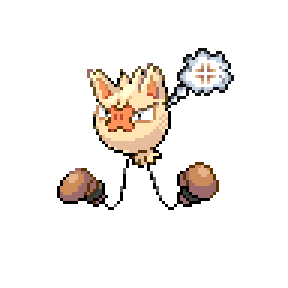
Primerantis are able to remain motionless for long stretches of time, waiting for the perfect moment to strike. They work themselves up into an angry fury while they bide their time, eventually launching a powerful Karate Chop without warning.
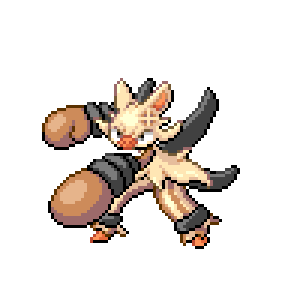
Primeladin troops are prone to in-fighting, individuals regularly battling one another to determine who is the strongest. The constant fights help train their muscles, making them a formidable threat when they unite against a common enemy.
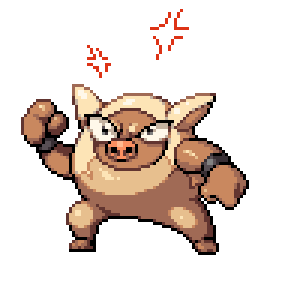
Primenaught rely upon their sturdy bodies to absorb physical blows, allowing them to focus purely on their offensive skills. They grow angry when they see acts they perceive to be an injustice, chasing down bullies and thieves in pursuit of fairness.
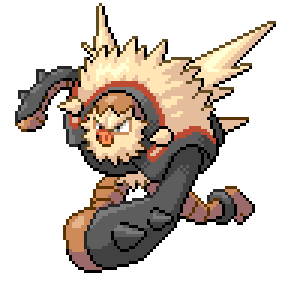
Primephox wield untamed fiery blasts, flinging their attacks at their foes from a distance. Primephox flames cause those struck to experience intense feelings of anger, making them more likely to make errors during battle.

Primekaboo are raised in fields for their fur, the thick wool covering their bodies being a popular choice for winter coats. They dislike having their fur harvested, however, and attack anyone who tries to do so.
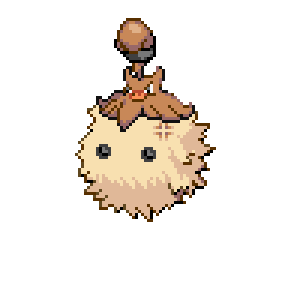
Primecolo quickly become irritable while in the presence of crowds and loud noises. Populations of Primecolo need to be monitored by Pokémon Rangers when nearby settlements want to host festive celebrations.
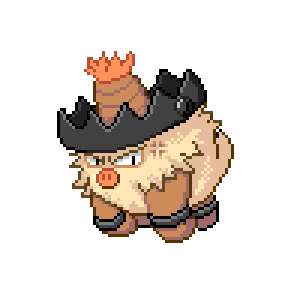
Growlsey are often employed by Pokémon Daycares to take care of any Pokémon eggs that happen to be found. They take great delight in their role, keeping the eggs warm and cosy in their belly fur.
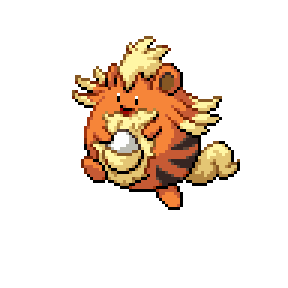
Schools of Growlsea are used by lifeboat crews to help rescue people who are swept out to sea. Their keen sense of smell and buoyant bodies let them find people struggling in the water, then safely guide them to the lifeboat.

Growldra shoals are prized by aquariums for their striking colouration. They are difficult to keep in tanks with other Water-type Pokémon due to their habit of heating the water they live in, often resulting in scalding temperatures.
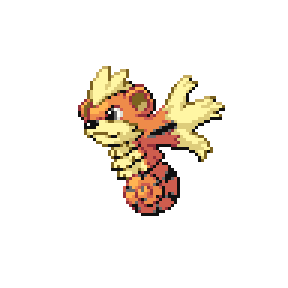
Growlchu are easily excitable, showing great enthusiasm when trying to join in with whatever their trainer is doing. They are prone to trying to use their fire powers to help out, inadvertently starting fires in the process.
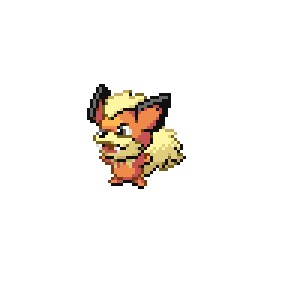
Growlrill often work alongside lifeguards in cold regions, leaping into the water to rescue anyone who appears to be struggling in the icy waters. Their buoyant and warm body help them keep people safe, staving off the cold while they swim to shore.

Growlrill fur is water repellent, enabling them to dry off rapidly when they leave the water. Swimwear companies have entire lines of clothing that are woven with Growlrill fur.
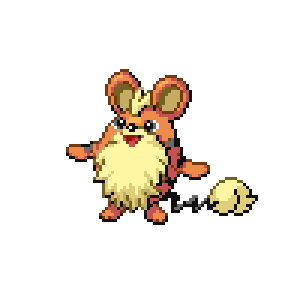
Packs of Growlgma are used to rescue precious belongings from lava flows before they can be destroyed. Growlgma paddle through the molten rock with their heads held above the flow, holding the rescued items safely out of harm's way.

Growltar are often put to work in mountain rescue, helping Pokémon Rangers search for lost Hikers after landslides. At night, they create flames to help light the way, raising their fire high to alert their Trainer when they find someone.

Growltar are often put to work in mountain rescue, helping Pokémon Rangers search for lost Hikers after landslides. They use their strength to shift boulders and rubble out of the way, barking loudly to alert their Trainers when they find someone.
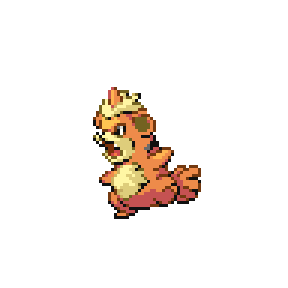
Growlchu bound about their territories with enthusiasm, packs of them chasing down bird Pokémon for food. During battle, they bark out blasts of electrical fire at their foes.
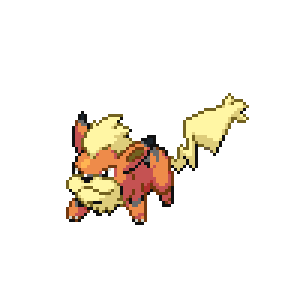
Growlchu aid firefighters in combating electrical fires. They are able to rush into burning buildings without risking injury, and then drain the electricity from the power source for the house, enabling firefighters to extinguish the blaze safely.

Pottery studios frequently employ Growlkip to help with preparing ceramics for the kiln. The water they produce contains traces of ash, allowing it to acts as a glaze for the freshly sculpted ceramics.

Pottery studios frequently employ Growlkip to help with preparing ceramics for the kiln. Their head fin is particularly sensitive to temperature, allowing them to monitor kilns and keep them at the perfect temperature with their Ember attacks.
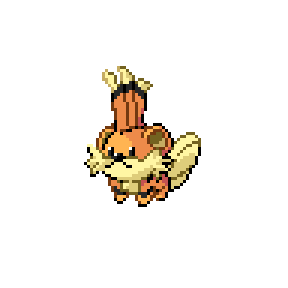
Growltomp line their dens with mud, baking it with their flames to form a dry place to raise their young. During stormy weather, they allow smaller Pokémon to share their den with them, keeping them safe from the poor weather.

Growlpert work with engineers to create storm defences along beaches. They use their powerful muscles to move boulders into place before blasting the rocks with Flamethrowers, melting the barriers into a single solid wall.
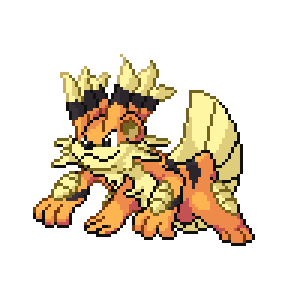
Growlqueen packs work together in the wild to defend large territories from much bigger Pokémon, relying on their combined control over fire to fend off aggressors. They are noisy Pokémon and can be heard approaching from great distances.

Growlsis require special gloves to handle, as their gel is hot enough to burn human skin on contact. They seem unaware of the danger they can pose, with wild Growlsis eagerly rolling up to people for attention.
Growlbre help out in restaurants, carrying food to the Pokémon belonging to diners. They balance the food in the bowl on their head, keeping it warm with their control over fire.
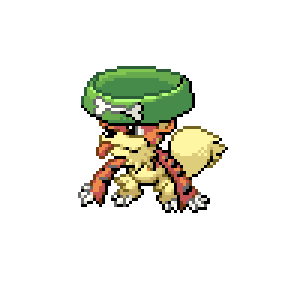
Growltrike's keen senses allow them to detect thunderstorms before they start. Researchers have determined that they are able to smell changes in air pressure while using their fur to sense changes in electrical charge in the air.
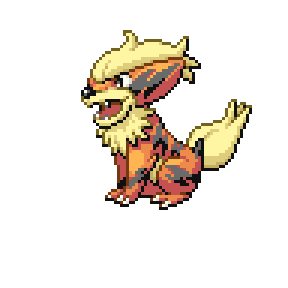
Growlsian make for loyal house pets. They are able to smell when their trainer is upset and curl up beside them, purring until they feel better. They enjoy sunning themselves in gardens, curling up on warm rocks, and watching bird Pokémon come and go.

Arcator live on tropical islands, stomping around the island perimeter each day in search of food. Their trio of heads frequently squabble with one another over which gets the first bite when they find something to eat.

Arcasea fur sheds easily as they move, making them unpleasant for larger Pokémon to try to catch and eat. The constant shedding makes them ill-suited to being kept in aquariums, as their fluff often clogs up the water filters.
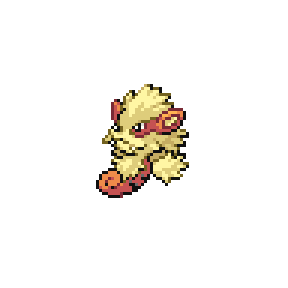
Arcadra are capable of swimming at high speed despite lacking a hydrodynamic shape, achieving speeds of up to 100 knots. Researchers have determined that they superheat the water in front of them, reducing its density to allow rapid acceleration.
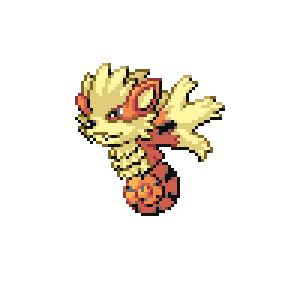
A traditional Paldean sport involves placing Arcaros within an arena, facing off against a matador wielding nothing but a red cape. The matador is usually the Arcaros's Trainer, the pair putting on a show of high-speed charges and near misses.

Arcareon fur constantly radiates an intense heat, creating a heat shimmer around them. Some kitchens make use of Arcareon to help keep food warm, using their sensitive noses to ensure the food doesn't burn or curdle under the heat.
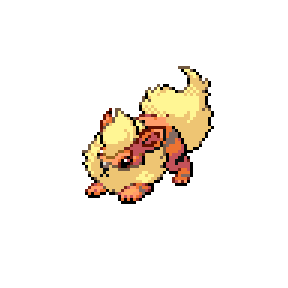
Arcareon fur constantly radiates an intense heat, creating a heat shimmer around them. When the heat surrounding them grows too uncomfortable, Arcareon take off running at high speeds, using the air rushing past them to cool down.

Arcato use their control over fire to heat the water directly in front of them when they swim, reducing the density of the water and allowing them to increase their speed. Thanks to their hydrodynamic shell, they can reach speeds of up to 50 knots.

Anorith fossils have been found with burned gouges cut into their armour, suggesting Arcatops were vicious predators in the distant past. Modern Arcatops use their blazing scythes to scare off potential combatants before blows are ever exchanged.

Arcatops are deceptively fast Pokémon, lunging at their foes with lightning-quick Slashes. They use their speed and rapid reflexes to evade retaliatory blows, weaving around their foes in combat.
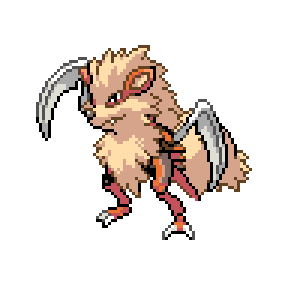
Arcatops are deceptively fast Pokémon, lunging at their foes with lightning-quick Slashes. Their scythe-like blades can be heated to inflict burns on their foe, providing them additional tools in their skillset during battles.
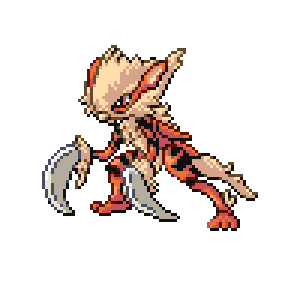
Arcawoodo rustle their furry arms as though attempting to imitate the noise of leaves shaking in the breeze. They hide amongst trees despite their vivid colours making them easy to spot, leading some researchers to speculate they may be colour blind.

Swarms of Arcaown float around ancient Hisuian ruins, moving around one another seemingly at random. They hover around researchers who are working near the ruins, launching co-ordinated Flamethrowers if they get too close.

Swarms of Arcaown float around ancient Hisuian ruins, moving around one another seemingly at random. They hover around researchers curiously, watching as notes are written about their home and eagerly racing around in excitement at new discoveries.
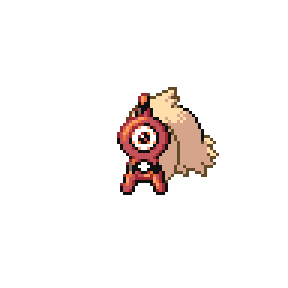
Arcabird live within city parks, watching carefully for people settling down to have a picnic. They wait for the picnicker's attention to wander before racing forward at incredible speed, grabbing the food and stuffing it into their tail for later.
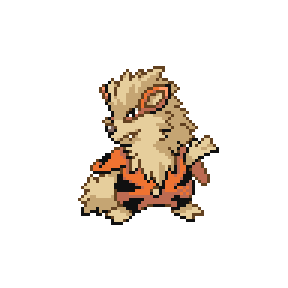
Arcadour are popular for night patrols, their superb dark vision allowing them to spot trespassers whilst their loud cries alert guards. They are fast enough to chase down almost anyone who tries to flee from them.

Arcadoom make their homes within volcanic calderas, battling with one another for the right to make their nest at the heart of the crater. They clash with one another by butting horns at high speed, racing into each other from across the caldera.
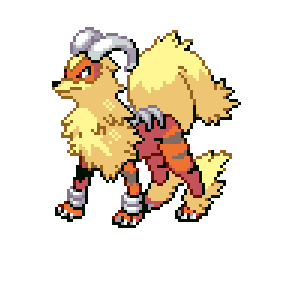
Arcadoom make their homes within volcanic calderas, battling with one another for the right to make their nest at the heart of the crater. Their ashen appearance allows them to hide in fresh volcanic ash, ambushing prey with well-placed Fire Fangs.
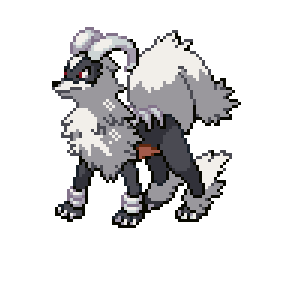
Arcadra are a popular companion of Dragon Tamers for their fiery demeanour and the precision with which they can spit their flames. With enough training, Arcadra can consistently strike a target from over a hundred meters away.

Arcadra's striking colouration make them a prized catch for many anglers. They make their homes deep in the ocean, necessitating special voyages out to find them, and are fast and strong enough that only the strongest fishermen can catch them.
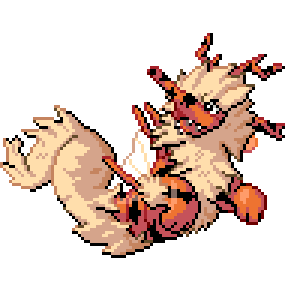
Arcatar scale mountains at incredible speed, travelling from the foot to the summit of even the tallest mountain in under an hour. Mountain rescue teams employ them to find stranded Hikers, relying on Arcatar's strength to ferry them down.

Arcaitar whip up ferocious sandstorms, using the poor weather as cover to launch their attacks from. Desert travellers are advised to be wary of being caught within their Fire Spins during these storms.
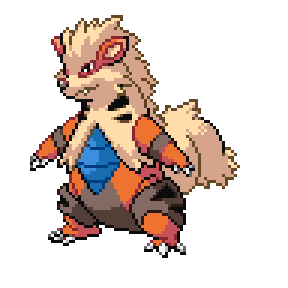
Arcapom troops travel through jungle canopies using their prehensile tails to swing from branch to branch. They can travel thousands of miles per day in search of food, hunting for ripe fruit to feast on.

Arcachic run at high speeds through grassy fields, kicking up Embers with their claws as they do so. They lack a strong sense of coordination and are prone to tripping and stumbling, unable to maintain their momentum with their stubby legs.

Arcabusken are able to sprint at incredible speed, taking over a dozen strides every second. They can't maintain their top speed for long, as their muscles rapidly overheat from the exertion.
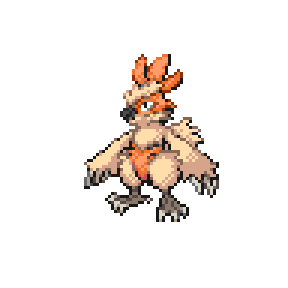
Arcaziken train their legs by sprinting for several miles each day, trying to cover the distance in as little time as possible. This strengthens their leg muscles, allowing them to kick through steel.

Arcalia skip lightly across the ground, their psychic powers letting them reduce the effects of gravity on their body. They are capable of sudden bursts of speed, gliding hundreds of meters in seconds with each bound.

Arcavoir are able to use their empathic powers to share a portion of their power with others. By sharing their ability to float above the ground, Arcavoir can race across the landscape with others, covering hundreds of miles in just an hour.

Arcavoir are able to use their empathic powers to mimic a portion of the power of Pokémon surrounding them. They conjure powerful flames when they sense the passion for battle in others.
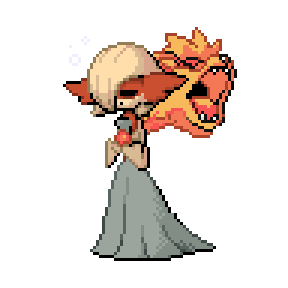
Arcavoir are able to use the Fire Stone lodged in their chest to control flames. They are often used during fire rescues, using their empathic powers to locate trapped people before siphoning the flames away to allow rescue crews access.
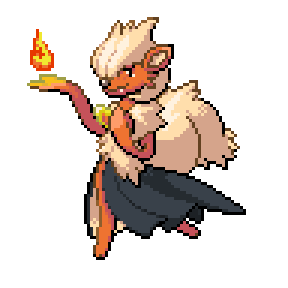
Despite their bulky appearance, Arcaqueen are capable of impressive bursts of speed. They use these bursts of high activity in combat to catch their opponents unaware, swiping at them with their massive forearms.

Despite their bulky appearance, Arcaqueen are capable of impressive bursts of speed. They use these bursts of high activity in combat to catch their opponents unaware, swiping at them with their massive forearms.

Arcaferno troops can travel hundreds of miles in a single day in search of food. They search for trees with particularly abundant fruit, using their flames to cook their food to perfection before eating it.
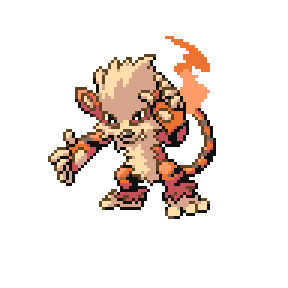
Arcaleon use steady streams of fire to melt channels into their icy home, creating runways that they can toboggan along. The ice is smooth enough that they can reach speeds of up to ninety miles per hour.
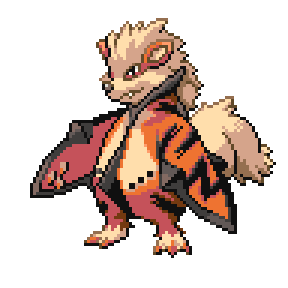
Arcarino roam their territory in small family packs of seven to eight individuals. They can cover many miles in a day, working together to keep rival families of Arcarino away with loud roars and blasts of fire.
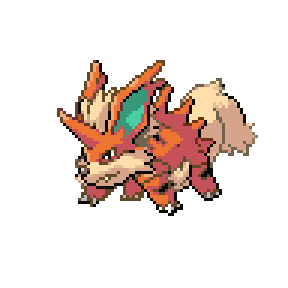
Luxury mansions commonly keep a pack of Arcaki on the grounds to serve as guards against thieves. Arcaki attach themselves to doors, allowing trusted people into the building they guard, whilst launching Flamethrowers at those they don't know.

Arcaflame are capable of covering vast distances within a single day, in some cases even being documented flying from one region to the neighbouring one. They were used by messengers to carry important missives before the advent of telephones.
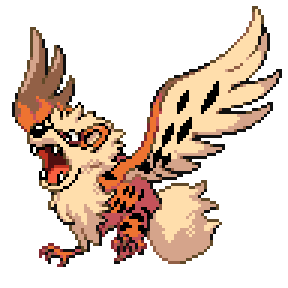
Arcaflame are capable of covering vast distances within a single day, in some cases even being documented flying from one region to the neighbouring one. Flocks of Arcaflame frequently leave a trail of fiery feathers burning in the sky in their wake.
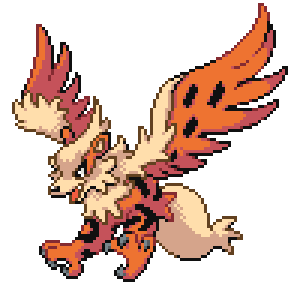
Arcarachi streak through the night sky, leaving a trail of fire in their wake. Legends persist that those who are able to chase after one and catch them before they hit the ground will be granted their heart's deepest desire.
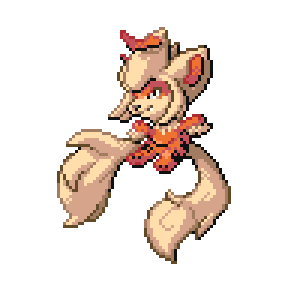
Arcabarel work together in packs to topple trees, taking turns ramming into the base of them with high-speed Headbutts. When the tree falls, they use their fiery breath to cook the wood to perfection before eating it.
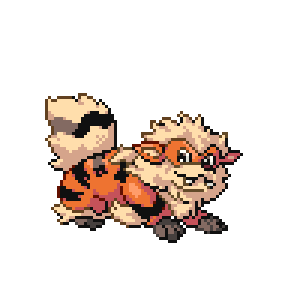
Arcasaur flowers release a steady stream of pollen into the air. The flames surrounding their flower create updrafts of hot air, helping to spread their pollen across great distances.
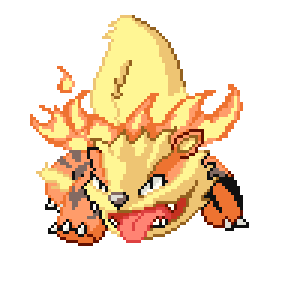
Arcadra are conflict-averse, preferring to resolve fights through peaceful hugs and de-escalation. Despite their aversion, they are fearsome when pushed into a fight and are capable of devastating Fire Blasts.

Arcaful have soft and fluffy bodies that make them a popular Pokémon amongst young children. They enjoy the attention, giving happy barks and pressing close to children whenever they're squeezed in a hug.
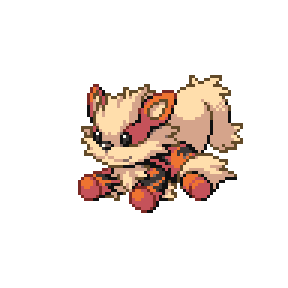
Despite their docile appearance, Arcawear are ferocious predators. They are able to run faster than most other Pokémon over short distances, using Extreme Speed to catch their prey in their powerful arms.

Despite their docile appearance, Arcawear are ferocious predators. They are able to run faster than most other Pokémon over short distances, using Extreme Speed to catch their prey in their powerful arms.

Arcawear are often unaware of their strength and the risks that they may pose to their trainer. They are easily trained to take passengers on rides, but they have to be taught that most people cannot handle their abrupt acceleration without fainting.

Arcaura herds seek out low hanging branches on trees, using the flames that sprout from their head to burn them away from the trunk. When the branches fall to the ground, they gather together to feed on the fruit on the fallen branches.

Arcarorus are dependable mounts, ferrying people from village to village through even the coldest environments. Their body constantly radiates heat, ensuring that those riding them are sheltered from the freezing air around them as they travel.
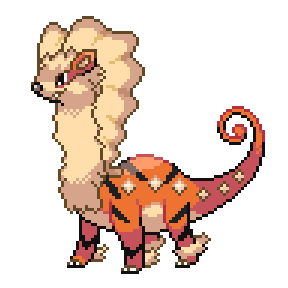
Arcaselia soar across the night sky, leaving a trail of glittering embers behind them as they fly. Those who watch the display often find themselves feeling drowsy, falling into a pleasant slumber within minutes of watching Arcaselia pass.

Arcalett rapidly dig through loose soil and dirt, creating large burrows that can extend for many miles. Researchers disagree with one another on what the reason is for these burrows, the leading theory being that they simply take joy in digging.

Arcacie incorporate various precious jewels into their bodies, having a preference for jaspers and rubies. They use these jewels to channel their elemental powers, storing heat within them to be projected out later.
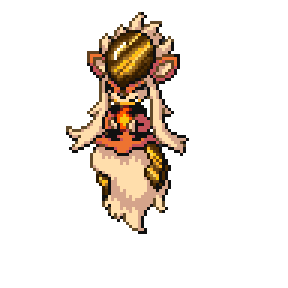
Arcalett rapidly dig through loose soil and dirt, creating large burrows that can extend for many miles. They enjoy sharing their tunnels with others, bursting from the ground to excitedly bark and bring other Pokémon underground with them.
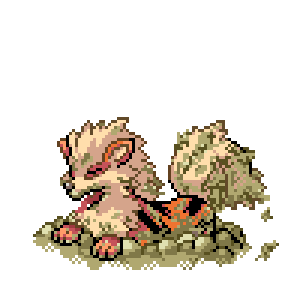
Arcalett rapidly dig through loose soil and dirt, creating large burrows that can extend for many miles. Archaeologists make use of Arcalett to find recent remains at dig sites, though care has to be taken to prevent them from gnawing on the bones.

Arcayama are able to move far faster than their bulk would suggest, grabbing onto their foes and grappling them to the ground. If they encounter a foe they're not strong enough to move, they switch tactics to use blasts of fire instead.
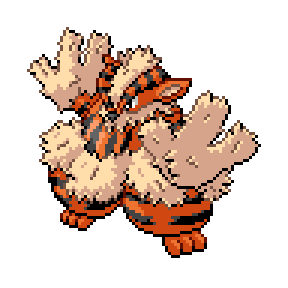
Arcale cheer along to those running marathons, running alongside the front runners and firing off excited showers of sparks as they do. They are able to run vast distances without tiring, keeping pace with the marathon from start to finish.
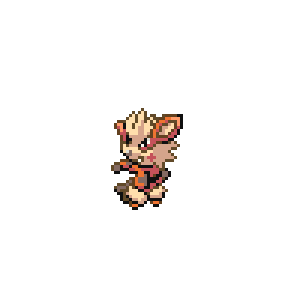
Arcalithe have a keen sense of smell that is sensitive enough to let them navigate the world even with their eyes closed. They freely indulge their curious side, racing from place to place to investigate new smells in their environment.
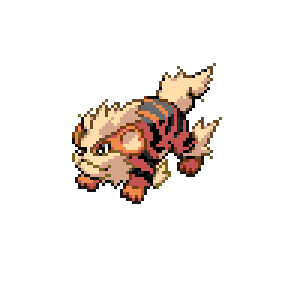
Arcalithe have a keen sense of smell that is sensitive enough to let them navigate the world even with their eyes closed. The fur on their head grows thick enough that it often blocks their eyesight, forcing them to rely on their nose to get around.
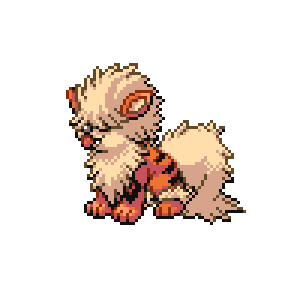
Arcanine prowl around farms, barking and chasing off predators that would attack the farmer's livestock. They are commonly rewarded with bones for their efforts, burying them in a hidden stash to keep them from others in their pack.
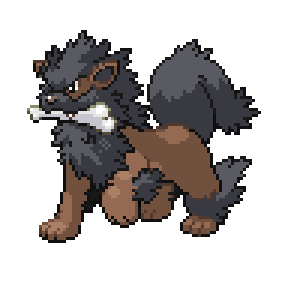
Arcanine's stormy appearance is of great interest to Sinnohan researchers. The similarity of the self-fusion's appearance to Hisuian Arcanine has led to a flurry of questions around genetics and the relationship of Arcanine to the regional variant.

Arcanine fur grows far thicker than that of unfused Arcanine, giving them a fearsome appearance. Trainers are advised to brush Arcanine twice daily to prevent their fur from becoming overly tangled and unruly.
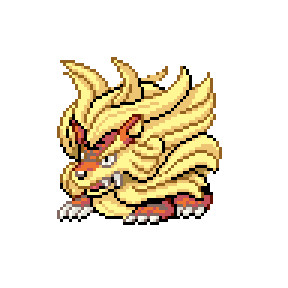
Arcanine's stormy appearance is of great interest to Sinnohan researchers. The similarity of the self-fusion's appearance to Hisuian Arcanine has led to a flurry of questions around genetics and the relationship of Arcanine to the regional variant.
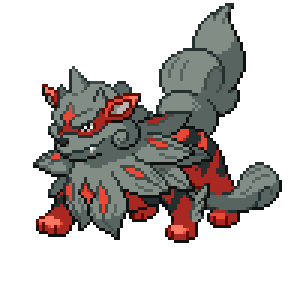
Arcanine have a higher internal temperature than unfused Arcanine, causing their bodies to constantly be wreathed in flames. They retain a playful nature, seemingly unaware of the increased risk of burns they pose to those around them.
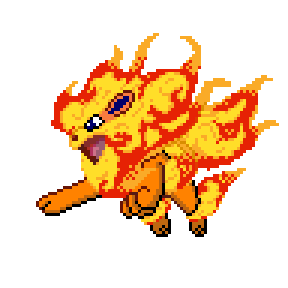
Arcanine are far prouder than unfused Arcanine, seeking to prove themselves through battles against powerful opponents. Their fur blazes as they prepare to fight, kept alight in constant readiness for them to unleash a powerful Flare Blitz.
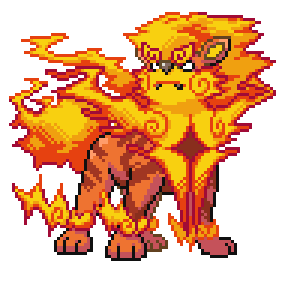
Arcano wield their fiery pendulum as a weapon in battle, swinging it at high speed into their foe. The flames have a numbing effect, inducing drowsiness in those burned by them and dulling reaction times.

The speeds at which Chargeot fly cause feathers to easily come loose from their body, drifting behind them in their wake. Their feathers burn brightly, which creates the illusion that Chargeot leave a burning trail behind them as they fly.

The speeds at which Chargeot fly cause feathers to easily come loose from their body, drifting behind them in their wake. Their feathers burn brightly, which creates the illusion that Chargeot leave a burning trail behind them as they fly.
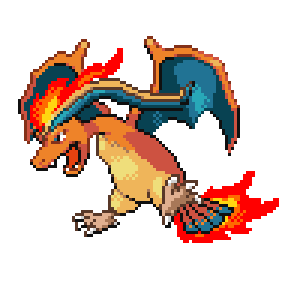
The speeds at which Chargeot fly cause feathers to easily come loose from their body, drifting behind them in their wake. Their feathers burn brightly, which creates the illusion that Chargeot leave a burning trail behind them as they fly.
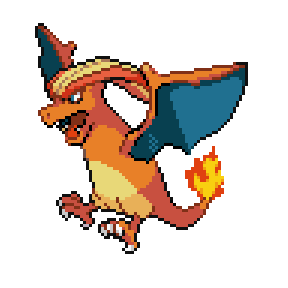
Charts are sensitive to the emotions and moods of others, often mirroring how those around them are feeling. The flames they conjure become more powerful in the presence of anger and quieten around positive and calm emotions.

Charnx rapidly flap their wings to make themselves seem bigger and scarier than they actually are. They are only able to produce small embers and sparks and so are reliant on these threat displays to scare off dangers.
Charnx are surprisingly loud Pokémon, their roars carrying for up to a mile. They are much less dangerous than their roar would imply, only able to produce small embers and sparks to fight with.

Chartales beat their wings to bring in fresh oxygen whenever the flames at the tips of their many tails are starting to dim. The influx of fresh air causes the fires to flare to life, giving them a fresh burst of energy.

The many flames at the tips of Chartales's tails burn with the intense heat of a bonfire. In battle, Chartales flap their wings to fan the heat toward their foe, relying on heat exhaustion to help them win their fight.
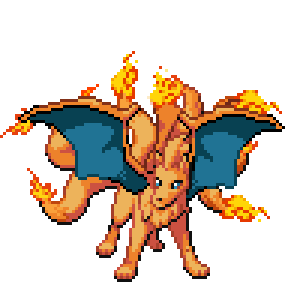
Found in high mountain passes, Charlass uses its body heat as a lure for lost travelers. The flames of its body can only be felt by the living and do not actually provide true warmth, allowing this malicious Pokémon to trick hikers to their doom.
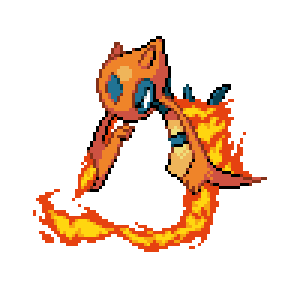
Charcorio perform elaborate dances to compete with one another for attention, tracing elegant patterns with their wings. They perform late into the night and can be seen from a great distance in the dark thanks to their flames.
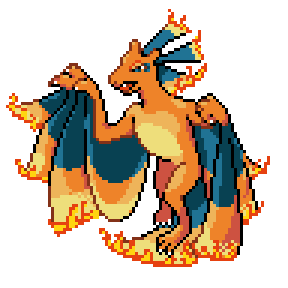
Charnine flap their powerful wings in battle, sending scorching Heat Waves toward their foes. Ace Trainers are particularly fond of using Charnine during tournament battles thanks to their speed and strength.
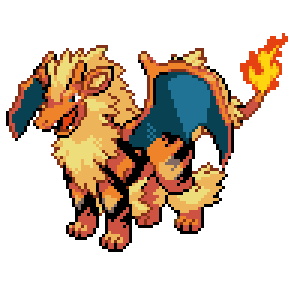
Charnine fur blazes with the heat of a wildfire. Packs of them race across the landscape, leaving a trail of fire in their wake. Pokémon Rangers carefully monitor their movements, warning nearby settlements to prepare for potential blazes.
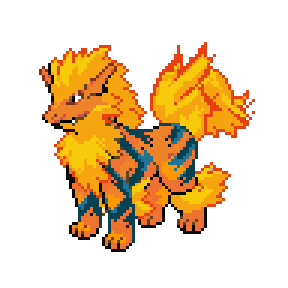
The spirals on Polidos's belly swirl at different speeds depending on their emotional state. When they're angry, the spirals spin rapidly and create a hypnotic pattern, distracting their foe from the powerful Twisters Polidos shoot.

Poliba forage for pondweed around the banks of lakes, trapping air within their wing cases while they remain underwater for extended periods of time. They are easily startled, rapidly swimming away if they think they're in danger.

Polipi secrete a calcium-rich mucus from their bodies. When they come into contact with air, the mucus hardens and forms a protective shell around their lower bodies.
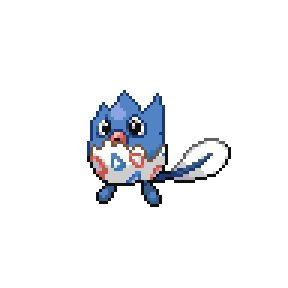
Polipi coat their bodies in a thin, spiral-patterned shell to try and protect themselves from harm. They spin around when swimming, creating a hypnotic spinning pattern with their spiral to put other Pokémon to sleep.

Polireep wool is extremely absorbent, able to hold many litres of water at a time. Large populations of them can cause environmental problems in local ponds, with herds of Polireep inadvertently soaking up all of the water.

Polireep wool is extremely absorbent, able to hold many litres of water at a time. Clothing spun from Polireep wool invariably has a damp, musty smell to it, no matter how many times it is cleaned.

Poliotto dive in and out of rivers in search of food, seeking out smaller Pokémon to snatch up with their talons. They are competent swimmers, using their tail and wings to splash through the river with surprising speed.
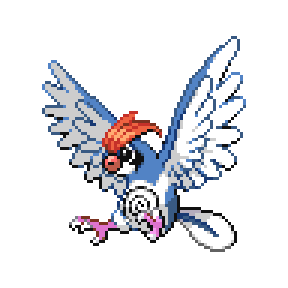
Poliffy are coated in a thin film of mucus produced from specialised glands under their fur. The mucus is an excellent conductor, allowing them to shock anything that touches them unexpectedly.

Poliros's stomach spiral crackles with electricity when they prepare to attack. Their electrical sparks are bright enough to be seen from miles away, with some Poliros being used for navigation on large lakes.
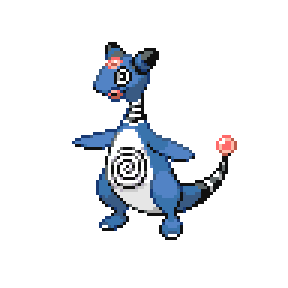
Polirill bodies are coated in a special water-repellent mucus that helps them dry off rapidly when they exit the water. The mucus seeps out of their tail, and they periodically rub it across themselves to ensure they have an even coating.

Polirill tails are reinforced with a zig-zag of toughened cartilage. This structure strengthens their tail, enabling them to strike out at threats with powerful Double Slaps.
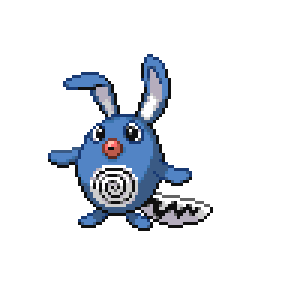
Polipip use the twin tails sprouting from their head to propel themselves through the water. They are capable of remarkable bursts of speed when swimming, sometimes leaping clear of the water and gliding for many meters to escape predators.

Poliloom spin their flower around when being threatened, using the spiral to hypnotise their aggressor and put them to sleep. They skip across the water to escape after doing so, fleeing from the danger.

Poliluff float through the sky by attaching bubbles to themselves and catching the breeze. Their bubbles sometimes pop in mid-air, sending them tumbling to the ground.

Polirow skin dries out very quickly, forcing them to stay close to lakes and ponds. Their feathers are absorbent, letting them carry some water with them as they fly around.
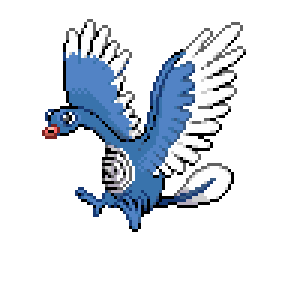
Polits's empathic powers allow them to sense the emotions of other Pokémon that are within the same body of water as them. They are easily overwhelmed when schools of Pokémon swim by, having to clutch their head as their eyes swirl.
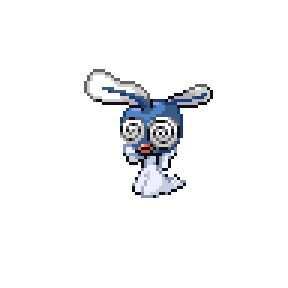
Polilia emerge from ponds during heavy rain, sitting together and happily sharing in meals with one another. They use their broad, flat tail to shelter themselves from the rainfall while they sit.

Polipix sit beside ponds, idly swishing their many tails through the water. They use their control over water to levitate orbs of liquid, splashing them into those who try to disturb their relaxation.

Though capable of sudden bursts of speed, Polilous are typically slow swimmers. Their twin heads rarely agree on which direction to swim, resulting in them drifting in the water whilst struggling to go in two different directions.

Politales swish their many tails through the water to create whirling vortexes, entrapping smaller Pokémon and drawing them into the depths of the lakes they live in. They have been seen using Will-O-Wisps to lure Pokémon closer to their traps.
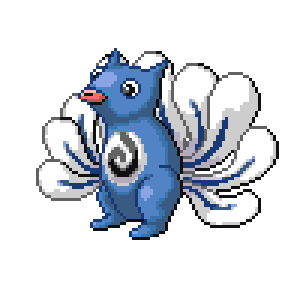
Polinch dig pits along muddy river banks, spitting water at those who walk past them in an attempt to make Pokémon fall in. They lunge at anything that gets too close, relying on their muddy trap to keep their prey from escaping.

Polisis gel dries out quickly when exposed to the open air. To keep themselves from getting dehydrated, Polisis regularly dip themselves into ponds and rivers, never straying far from their home.

Polionee blow bubbles with a slightly sticky membrane, sticking them to their head and gradually creating a foam. Their bubbles help to camouflage them as they swim, making it harder for larger Pokémon to spot them from above.

Polipede are commonly kept in aquariums due to their habit of feeding on detritus that has sunk to the bottom of the tank. They protect themselves from being eaten by larger Pokémon with the two venomous spines growing from their head.

Polipede waddle across river beds in search of food, relying on their tough bodies to protect themselves from harm. When panicked, Polipede are capable of bursts of speed, rapidly fluttering their tail to swim away from danger.
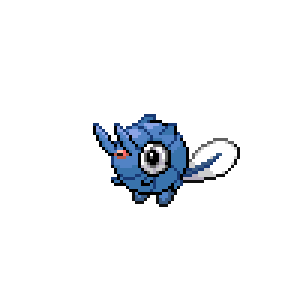
Polioom have a complex network of internal organs that allow them to break down toxins in the food they eat. Their toxins are stored in specialised sacs atop their head.

Poliplume squirt water from the centre of their flower when they're surprised, dousing whatever startled them with foul-smelling water. They're a popular Pokémon with some clowns, being used in comedy routines within the circus.
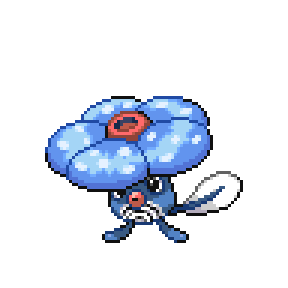
Polihita rapidly beat the spiral on their stomach before preparing to battle, psyching themselves up to fight. They grapple onto their opponents, relying on their slimy skin to prevent themselves from being grabbed in return.
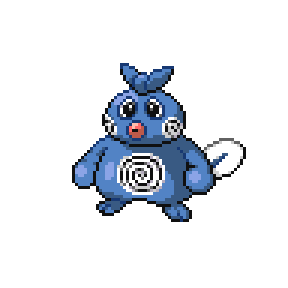
Poliform are surrounded by a constant film of bubbling water. When they feel threatened, they fire a scalding hot Bubble Beam at their aggressor.
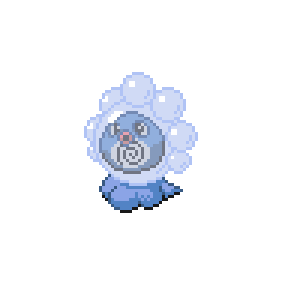
Poliecho hover above lakes, frolicking in the rain. Their long tail sways in the wind, causing their bodies to ring with an echoey chime that sounds like the splash of rain into a pond.
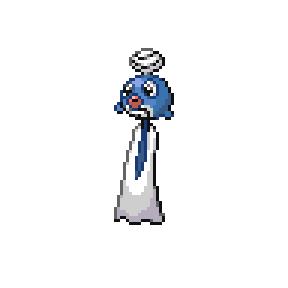
Polinix keep young Poliwag safe within the bubbles in their body, providing them shelter from predators. They rear up and use powerful Slams to knock away other large Pokémon if they feel they're a threat to their young charges.
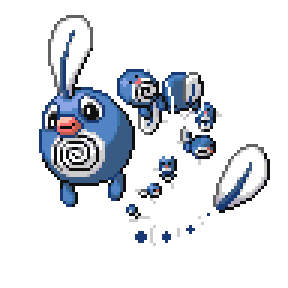
Polinix hide amongst boulders in glacial ponds, coiling themselves into a spiral around large rocks as they rest. They cause powerful tremors when disturbed, shaking themselves free before swimming to a new resting place.

Poliorb roll around together in small family groups. When startled, they are prone to Self-Destructing and showering the surrounding area in a wave of sticky mucus.

Poliwak scavenge around in lake beds for the bones of long-dead Pokémon, wielding them as weapons. They make happy croaking noises when they find a particularly sturdy bone, swinging it happily as they patrol the lake shore.

Polipod excrete a sticky mucus from the spiral on their chrysalis, using the mucus to attach to tree branches. Their mucus is water-soluble, and when they want to detach from the tree, they simply spray a Water Gun at themselves and fall.

Polideen schools swim in a slow, spiralling formation when kept in ponds. When food is thrown in, a frenzy breaks out amongst the school as each Polideen fights its way to the middle of the spiral.

Polikarp have proven to be popular as mascots for fishing companies, their impressive whiskers lending them an air of elegance and refinement. To help encourage this perception, it is common for marketing teams to put hats on them.

The chitin on the underside of the body segments of Polidle are very thin, revealing their internal organs. The black spirals within the segments contain the venom that they secrete from their sting.

Polihoot colonies loudly croak in synchrony once per hour, creating a brief cacophony of noise. Communities that live near Polihoot populations used to use the noise as a means of timekeeping before clocks became more popular.

The spiral on Poliowl's belly slowly rotates throughout the day and completes a full rotation once every 24 hours. An old legend claims that they wind the time into their spiral, saving it to use later.

Polirow make loud croaking calls to one another during the night, keeping the flock aware of where its members are in the dark. If they identify a threat to the flock, they will swing their massive fists at it to keep them away.

Policko use their sticky mucus to climb trees, leaping between branches high above the forest floor. Policko cause problems in cities as their instinct to climb drives them to scale large buildings, leaving a trail of slime on windows as they do.

Polivyle make their home in mangrove swamps, collecting floating fruit and bringing it back to their nest to feed on later. They are very protective of their nest, swinging Leaf Blades at those that try to steal food from them.

Politang are used during search and rescue operations around large bodies of water. With their large, soft hands and their ability to hover over the surface of lakes, they are invaluable at saving struggling swimmers from danger.

Polirina's skin constantly oozes a thick gel that coats their toxic spines to protect others from being stung. Their gel thins when they get into fights, allowing them to inflict their venom on others more easily.

Poliqueen live in extensive wetlands, each of them claiming a large pond for themselves. They call to one another with croaking bellows, the sound echoing up to a mile as they guard their home from rivals.

Polichar produce a flammable slime from their skin, flinging it at foes before following it up with an Ember. Polichar have been used in some rural villages to help with starting fires when wood is scarce.

Poliqueen live in extensive wetlands, each of them claiming a large pond for themselves. They call to one another with croaking bellows, using bubbles to amplify their voices and help them carry further.

Polifable keep long black ribbons wrapped around their body in tight spirals, wielding them with enough finesse to be able to pluck small rocks from the ground many meters away.
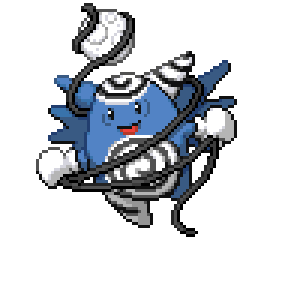
Poliseed crawl across the bottom of river beds using their powerful arms, keeping their soft under-belly safely turned to the floor. They grip tightly onto larger rocks when they come under attack, relying on their spiny hide to protect them.
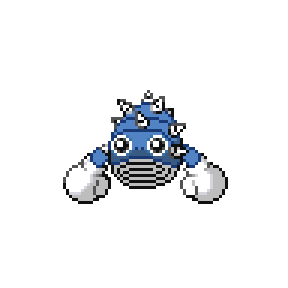
Polinder nest in the trees that line fast-running streams. They can sometimes be seen diving into the water to catch fish Pokémon, a thin covering of water-repellent mucus on their wings allowing them to dive in and out without issue.
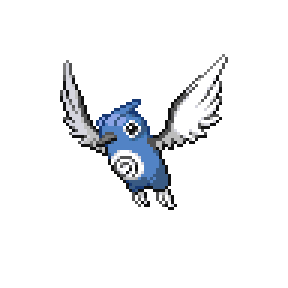
Polivanha live deep in the ocean within the twilight zone, where very little light can reach. Their eyes are protected by a transparent layer of mucus and constantly face toward the surface, capturing what little light there is to allow them to hunt.
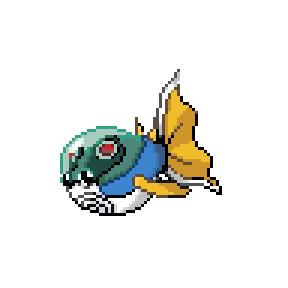
Polichop periodically challenge other aquatic Pokémon to tests of strength, trying to prove themselves to be the strongest Pokémon present. They are prone to overestimating themselves and have been seen being wrestled into submission by Poliwrath.

Poliduo's twin heads move independently of one another, bobbing around to help them see with proper depth perception. They tuck their heads close to their body when they run to minimise jostling as they race across the landscape.

Polinix dig long, spiralling tunnels beneath lakes in search of food. Polinix appear happy to share their burrows, and many aquatic Pokémon use their tunnels as shelter to hide from larger Pokémon.
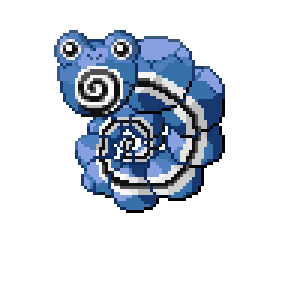
Polinix's spirals extract oxygen from the water surrounding them, releasing waste gas back into the water as bubbles. They can blast these bubbles out forcefully from any part of their long, serpentine body.
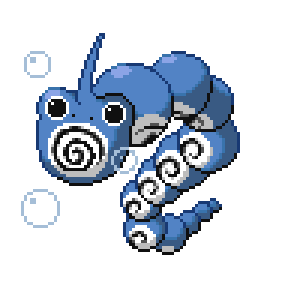
Polidle venom induces a restless energy in those afflicted by it. People stung by Polidle often find themselves running to exhaustion, believing that they have the same boundless energy as Polidle itself.

Poliuna use their stubby arms to move around in trees, clambering into a safe place to hide until they evolve. When forced into a battle, they swing their arms with enough strength to toss most foes off of their tree.

Polidrill swarms tirelessly work together to construct elaborate hives in lakes, building their home with multiple exits. When their hive is disturbed, Polidrill violently defend their home with a flurry of punches.

Polirill throw punches that pack far more strength than might be expected for a Pokémon their size, able to fell foes more than twice their size. They coil their tail and use it as a spring, letting them spring forward with a powerful Submission.
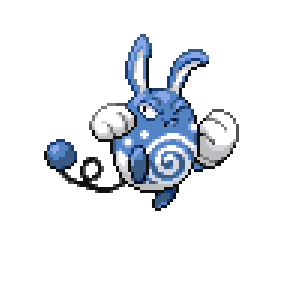
Polishrew spend lots of time digging complex burrow networks for their family, and their tunnels are often found around riverbanks. Their bellies are softer than the rest of their hide, forcing them to curl up to protect themselves when attacked.

Polishrew spend lots of time digging complex burrow networks for their family, and their tunnels are often found around riverbanks. They reinforce their hide with a layer of mucus, letting it harden into thick protective scutes.
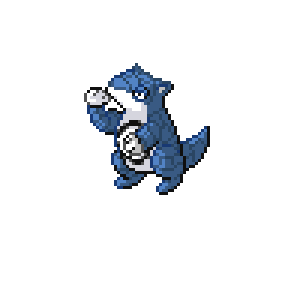
Polikia are able to compress and stretch their bodies using their control over spatial dimensions. They use this power to improve their combat prowess, making themselves challenging targets to strike in battle.
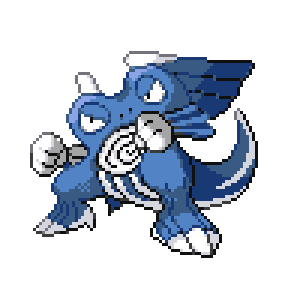
Polibat use the hypnotic spirals on their wings to disorient and confuse their prey, providing just enough distraction to allow them to swoop in and feed.
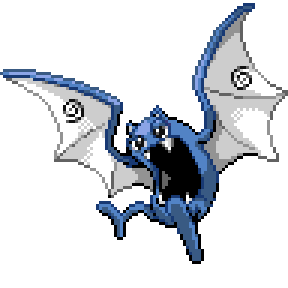
Poliape troops lay claim to large lakes, watching while submerged for anyone who dares to swim in their waters. They swim at those who rouse their anger, chasing their target to the point of exhaustion before tossing them out of the lake.

Poliape troops lay claim to large lakes, watching while submerged for anyone who dares to swim in their waters. They swim at those who rouse their anger, chasing their target to the point of exhaustion before tossing them out of the lake.
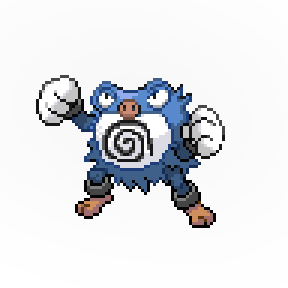
Abrino spend most of their day sleeping, relying on their psychic powers to passively sense any threats approaching their territory. If disturbed, they teleport behind the intruder and jab at them with their venomous horns.
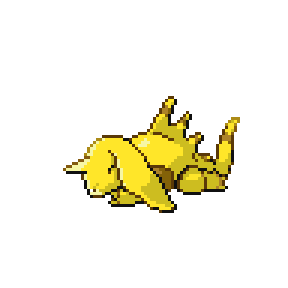
Kadazma use their immense psychic powers to animate the disparate pieces of their bodies. Their powers are drawn from Ultra Space and are difficult for other Pokémon to defend against due to their unearthly nature.
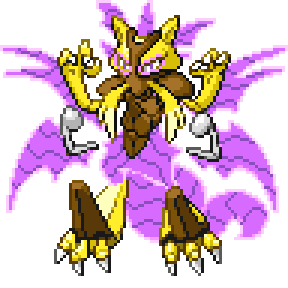
Kadamur use their burgeoning psychic powers to manipulate the air in front of them, increasing the density of it to help transmit sound waves more easily. This ability allows them to hear the faintest sounds even within a busy room.
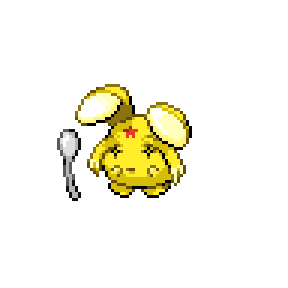
Alazma use their incredible psychic power to tear holes through reality into Ultra Space to wield the extra-terrestrial energies found there. They can only maintain their power for short times through the possession of special Alolan crystals.
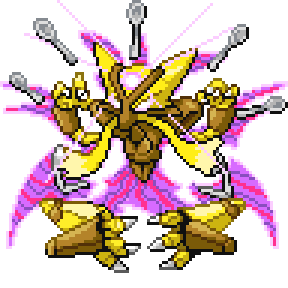
Maicate are destructive Pokémon that use their powerful arms to pull apart wood and stones so that they have something solid to gnaw on. Their presence around human habitation causes huge issues for the structural stability of the buildings.

Macargo enjoy participating in martial arts training, despite their lack of limbs. They freely offer their shells as a target for Black Belts to test their strength against, letting their trainers repeatedly strike the tough rock to build power.

Matop remains constantly in motion during battle, switching fluidly between multiple different styles of martial arts. Its preferred fighting styles are usually those focused on kicks, Taekwondo is a particular favorite.

Territorial disputes between Maqueen are resolved through contests of strength, the competing Pokémon lifting heavier and heavier objects until only one Maqueen is able to continue. Black Belts will seek wild Maqueen to train alongside.

Maicate use their powerful forelimbs to pry apart dense foliage and rocks to get to tubers and roots. They feed on the nutrient-rich parts of the plants with their sharp teeth, biting clean through the bark.
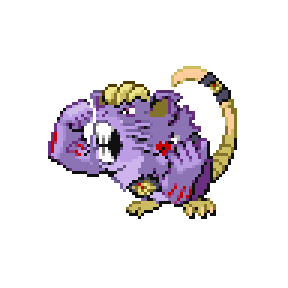
Maqueen commonly are put to work within exercise gyms and serve as spotters for people looking to do heavy lifts. Their competitive nature means that they encourage their assigned humans to greater heights whilst carefully monitoring their training.

Mapom wield their long tails as whips during battles with other Pokémon, lashing out with them at high speed. Their tails are reinforced internally with dense bones to help them survive the impacts.

Belltor stems tangle around one another to create a structure that is more rigid and supportive than could be achieved if each head had its own stalk. It shakes its leaves menacingly at those who try to uproot it, trying to scare away the threat.
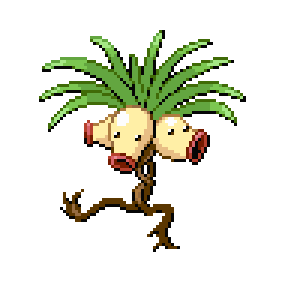
First thought to be a regional variant of Skrelp, Bellsea has recently been proven to be its own distinct species of Pokémon. They use their root-like tails to attach to kelp and hide amongst the plants, keeping safe from larger Pokémon.

Bellpip spend their youth buried in shallow soil, gradually growing strong yet light leaves above the ground that will one day lift them into the air. On windy days, entire fields of Bellpip are plucked out of the ground and spread upon the breeze.

Bellpip spend their youth buried in shallow soil, gradually growing strong yet light leaves above the ground that will one day lift them into the air. On windy days, entire fields of Bellpip are plucked out of the ground and spread upon the breeze.

Bellpip spend their youth buried in shallow soil, gradually growing strong yet light leaves above the ground that will one day lift them into the air. On windy days, entire fields of Bellpip are plucked out of the ground and spread upon the breeze.
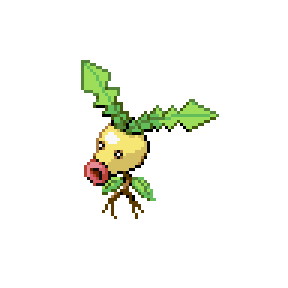
Belloom use the flowers on their heads to draw in Bug-type Pokémon with their sickly sweet scent in the hopes of catching them as food. Bug Catchers will lurk around fields of Belloom hoping to catch rare Bug-types drawn to them.
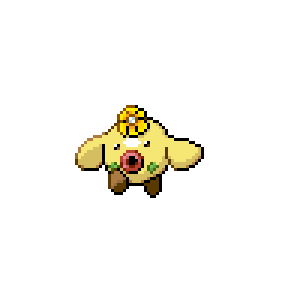
Bellrow buries the bottom half of its body in the ground, sunning itself with its chlorophyll-rich wings. When disturbed it releases a puff of poisonous pollen, using the puff as cover to uproot itself and fly to safety.

Bellrow buries the bottom half of its body in the ground, sunning itself with its chlorophyll-rich wings. When disturbed it releases a puff of poisonous pollen, using the puff as cover to uproot itself and fly to safety.
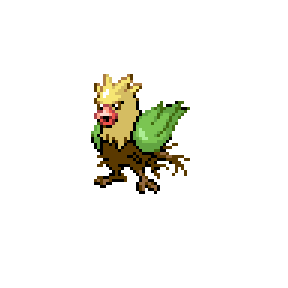
Bellrow roosts on branches upside down, spreading its wings to photosynthesise and craning its head upward to mimic a fruit. Its mouth secretes a honey-like substance that draws Bug-type Pokémon to it, enabling it to easily find food.
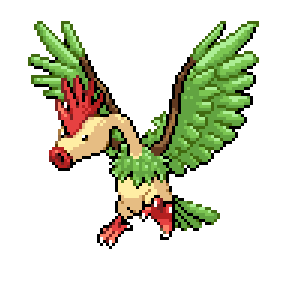
Bellran partially bury themselves in the ground during the day, leaving only their large photo-synthetic ears poking out of the dirt. At night they will dig themselves free and search for more nutritious soil.

Bellrino are highly defensive of their territory, finding a spot with great sunlight and water access and fiercely battling competitors away from it. Their roots help to anchor them in their fights, keeping them from being dislodged.
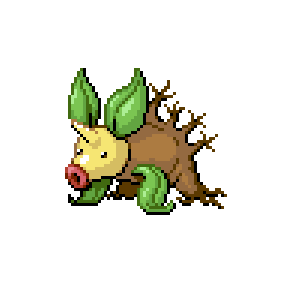
Bellbas live amongst mangrove roots, using the complex tangled maze of the tree roots as hiding places. They have a single large leaf that they bask with at the water's surface, flailing it rapidly to propel themselves to escape in emergencies.

Bellplume leaves are packed with chlorophyll, enabling them to generate huge amounts of energy from sunlight. They use this energy to spit acid from their central mouth, launching the acid several meters.
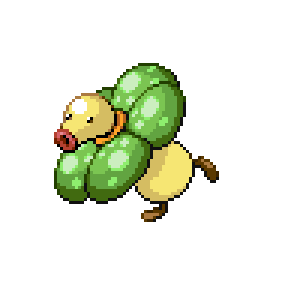
Bellpod is a popular Pokémon to keep in ponds and aquatic tanks. Though shy and rarely seen within the displays themselves, they perform the important role of cleaning up after other Pokémon and maintaining high water quality.
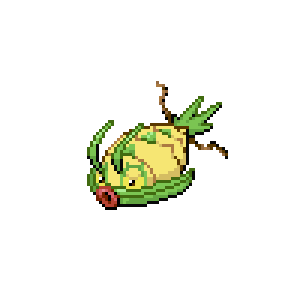
Belltrio flowers bloom in a trio of colours in an effort to appeal to different Bug-Type Pokémon. The nectar their three flowers produce have different flavours; one being savoury, one spicy, and one with a mild numbing effect.

Squirtpod have thick plates forming parts of their cocoon, the shell covering their most vital areas. They retain their limbs whilst pupating and can waddle away from danger, albeit at a slow pace.
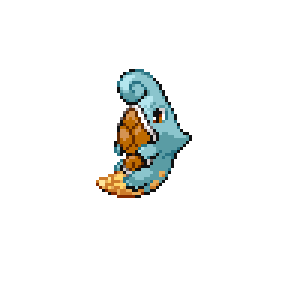
Squirteon are used by some swimming coaches to help teach children how to safely swim in large bodies of water. They have a docile demeanour that makes them ideal for working with children, and their psychic powers can help if an emergency arises.
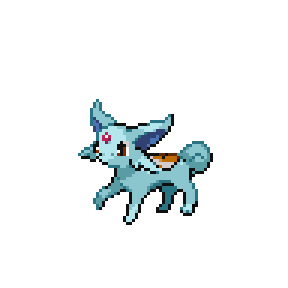
Squirteon are used by some swimming coaches to help teach children how to safely swim in large bodies of water. They have a docile demeanour that makes them ideal for working with children, and their psychic powers can help if an emergency arises.
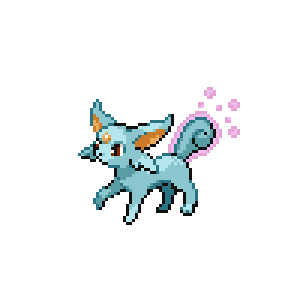
Squirtbird love to store anything small that catches their interest in the large hollow shell they carry around with them. When they meet a person for the first time, they will pull out a random item and offer it to them by way of greeting.
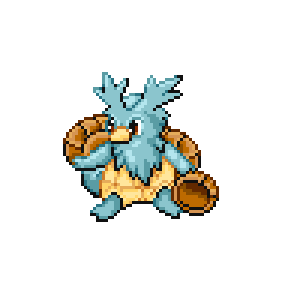
Squirtsly amble along riverbeds in search of food, relying on thick stony shells for protection. When they must move quickly, they create buoyant bubbles to lift themselves and drift with the current.

Squirtchu spray high pressure water at their opponents, dousing them and the area. Once everything is soaked, they indiscriminately shock the area around them, the water they've laid down amplifying the effect of their attack.

Squirtking are territorial Pokémon, battling with one another to maintain prime basking spots at the water's edge. Losers in these scuffles get tossed into the water and are forced to seek other resting places.

Squirtish move slowly through forest undergrowth, their protective shells limiting their speed. When migrating, they enter rivers and bob along the surface until reaching fertile ground.

There is only space in a Squirtduo's shell for one head at a time. When startled, both heads may retract at once, causing them to collide.
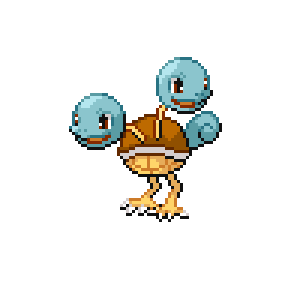
Weepinloom move very slowly through high tree branches and use their wide leaves to glide between trees. Their flowers have an overpoweringly sweet scent and their nectar is sometimes used to flavour tea.
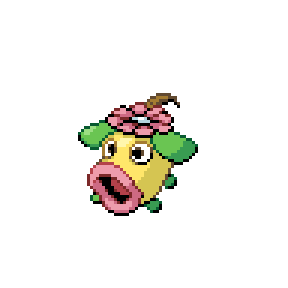
Weepinicate's saliva has a sickly sweet scent that is reminiscent of a flower's nectar. Dairy farmers will sometimes use it in the production of cheeses, the enzymes allowing for a unique texture and flavour to develop.
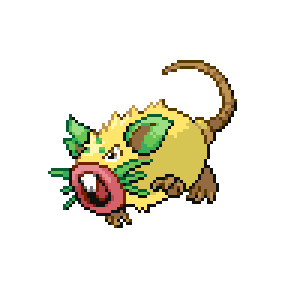
Weepinrow lives in tropical jungles, typically roosting high up in the trees while sunning its chlorophyll-rich wings. Its bell-shaped mouth produces a honey-like substance to lure in Bug-type Pokémon, drawing its food to it instead of having to hunt.
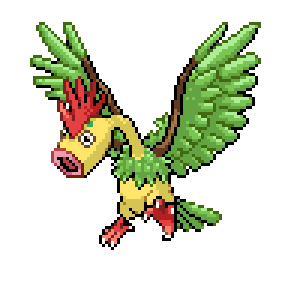
Weepinrow lives in tropical jungles, typically roosting high up in the trees while sunning its chlorophyll-rich wings. Its bell-shaped mouth produces a honey-like substance to lure in Bug-type Pokémon, drawing its food to it instead of having to hunt.

Weepingon-Z love getting attention from people, deliberately travelling into electronic display screens to observe whatever's displayed. They are often amazed at what they see, though their presence is considered a nuisance to those watching television.

Weepinrino produce a powerful acid that can burn through organic matter. They use this acid in territorial disputes to melt away the roots of their rivals. Battles for the best positions in a field between two Weepinrino can get very dangerous.
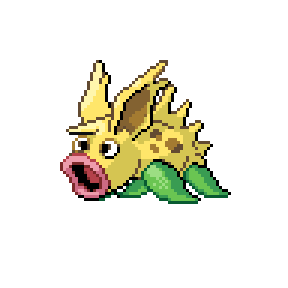
Weepinloom have long fronds extending from their head and tail that trail behind them as they swim. They move in languid coiling motions, weaving in and out of the mangrove roots in their environment.
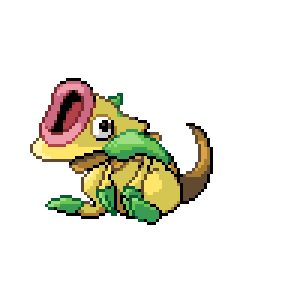
Weepinbas float at the surface of the water on their sides, their long tail lying flat to resemble a fallen leaf. When disturbed, they will abruptly burst into motion and swim away in fright.
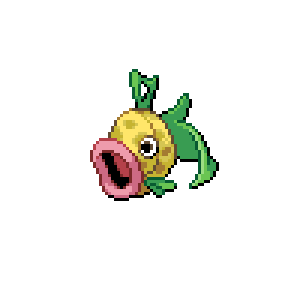
Weepintrio face directly upwards whenever it begins to rain, gathering rainwater within their open mouths. They hold the water as a lure for bird Pokémon, snapping shut and dragging them underground when they come to wash themselves.

Weepinape sap grows sweeter as they get angrier. Wild Weepinape are sometimes goaded intentionally with the goal of harvesting their sap after each time they calm down.
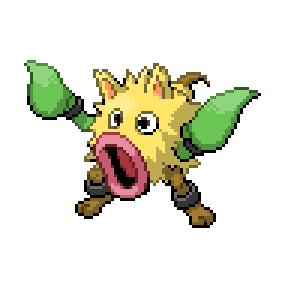
Pokémon Breeders seek to raise Weepinlithe with larger eyes and wider mouths, exaggerating their already unique features. Weepinlithe admirers often talk fondly of the way their leaves waggle as they run, or how cute their barks are.

Weepinine's fur is photosynthetic, allowing them to gain energy simply by taking a nap in the sunlight. They are protective of their resting places, breathing out powerful Flamethrowers if they find themselves being disturbed.

Victreedos roost in the canopy of jungles and rainforests, commanding a huge territory for themselves. They usually only take flight during the rains, becoming most active during thunderstorms.
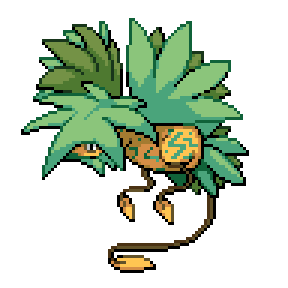
Victreerill is found in dense jungles, its natural camouflage and habit of only moving through the undergrowth mean it is often overlooked. It is shy and avoids people, preferring to flee rather than fight anything larger than itself.

Victreeicate's saliva is a prized ingredient in many perfumes thanks to its high sugar content. While the sweet smell is loved by many, the collection methods run the risk of the harvester being bitten by the viciously sharp incisors of Victreeicate.

Victreeicate's saliva is a prized ingredient in many perfumes thanks to its high sugar content. While the sweet smell is loved by many, the collection methods run the risk of the harvester being bitten by the viciously sharp incisors of Victreeicate.
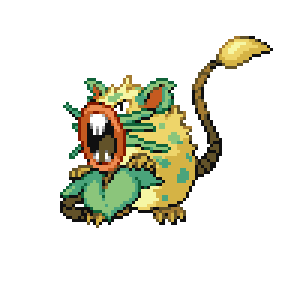
Victreecargo belch magma from their upturned mouth at their foes, launching the fiery projectiles dozens of meters through the air. Their attacks are often linked to forest fires, large areas burning away and leaving fertile ash for new plant growth.

Victreerow perch on the lower branches of jungle trees, keeping their wings outstretched and head leaf raised to catch as much sunlight as they can. A sweet scent emanates from their mouth, drawing smaller Pokémon to them which they trap to eat.
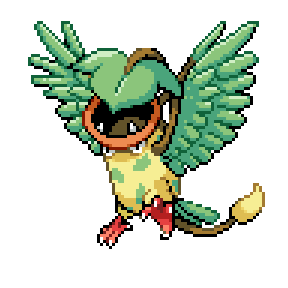
Victreetic produce a powerful acid from their mouths that they use when searching for food. Their acid has a sickly sweet scent and draws other Pokémon to them, acting as a lure.
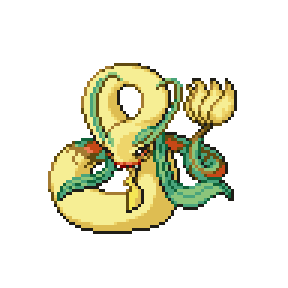
Victreeras are popular with garden centres for their habit of hunting down pests that would otherwise eat the plants for sale. They crawl around plant stems with their mouth open, emitting a smell similar enough to tree sap to entice bug Pokémon in.
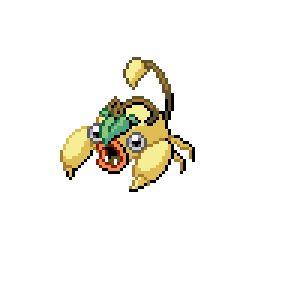
Victreemoth hide amongst tree branches during the day, spreading their leafy wings wide to absorb as much sunlight as they can. At dusk they take flight, seeking smaller Bug-type Pokémon to feed on.

When they're resting, Victreetrio pretend to be leaf litter on the jungle floor, remaining buried with only their head leaves visible. They become active during rainy periods, hunting for fallen fruit to snack on.
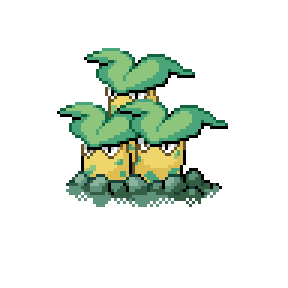
Victreeape lie in wait in jungle bushes, attempting to lure prey into their open mouth. They lack patience and often try to spring their trap too early, forcing them to chase after their meal, their leaves flapping with every step.

Victreenine live in dense jungles, roaming through the forest for food. When a Victreenine loses sight of their pack, they launch a Flamethrower from their upturned mouth, creating a pillar of fire to act as a beacon for their family to find them.

Victreetortle sit out in the rain with their mouth open watching the sky, catching as much water in their mouth as they can. They use the water they gather to hunt, pretending to be a safe place for smaller Pokémon to come and take a drink.
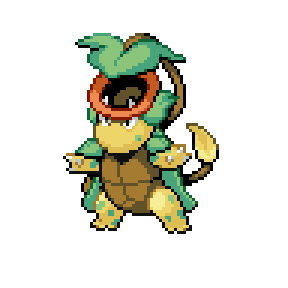
Tentabuff have gelatinous bodies that can compress to be remarkably small without harming the Pokémon. They use their tentacles to propel themselves through the water, avoiding danger by squeezing into crevices.

A somewhat clumsy aquatic Pokémon, Tentarow stays near the sea's surface and performs shallow dives for its prey. Its bulbous head acts as a float and can expand to rapidly surface or intimidate threats.

Tentacargo rely on their sturdy rocky shells to protect their gelatinous bodies, withdrawing into them at the first hint of danger. They communicate with one another through pulsing flashes of red, lighting up the sea floor in strobing lights at night.

Tentaicate dangle their long tentacles beneath them in the hopes of catching passing Pokémon. Anything caught by them is brought to their mouth and given a vicious bite.

Tentacargo keep their body hidden within their shell, interacting with the world using their long tentacles. Their tentacles are covered in microscopic stingers, used to poison their prey before dragging it to their shell to be cooked and consumed.

Gotop is an expert at excavating and digging through hard ground, making it highly prized by construction workers. It digs by using its head as a drill, its rock-hard body widening the holes it digs out.
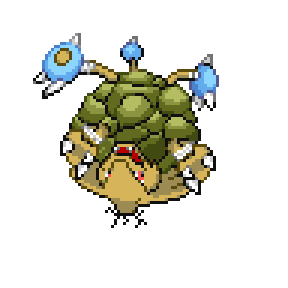
Goqueen carry a heavy cape of rubble upon their back, using it both as protection and a status symbol. They turn their backs to any incoming threat, allowing attacks to clatter against their cape before retaliating with a brutal Rock Slide.

Rapiew canter through the sky in search of distractions, stopping when they spy something that stokes their curiosity. They are enamoured with the ways humans use fire, teleporting within furnaces to watch people curiously from inside the flames.

Rapiew canter through the sky in search of distractions, stopping when they spy something that stokes their curiosity. They startle when they sense people watching them, galloping away in a streak of flame to escape observation.
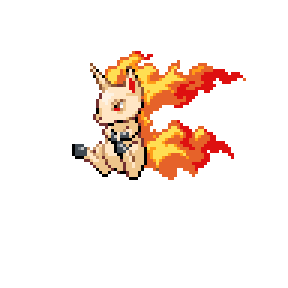
Slowgar climb up cave walls to gain enough height to take off into the air. Their reactions are slow, however, and it is not uncommon for them to launch off one wall and crash into the other before it occurs to them to flap their wings.
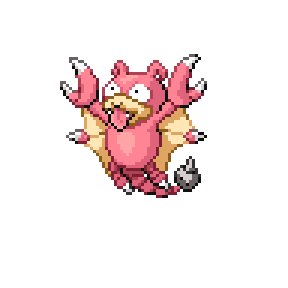
Slowcargo shells are hot enough to be used as grills. They are used for many traditional means of cooking, and are particularly popular in Johto for the preparation of Slowpoke tails.
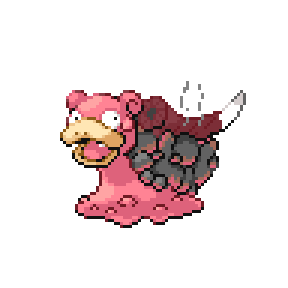
Warorb are drawn to make their homes in hydroelectric power plants. Their presence is problematic for the engineers working there as they are prone to exploding when disturbed, risking damage to the sensitive equipment.

Warorb are drawn to make their homes in hydroelectric power plants. Their presence is problematic for the engineers working there as they are prone to exploding when disturbed, risking damage to the sensitive equipment.
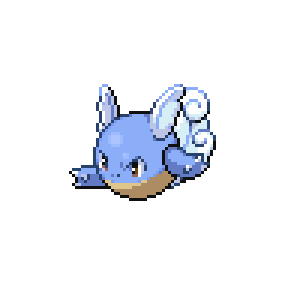
Warorb swim after other aquatic Pokémon at surprising speed using the wings poking out of their shell, exploding once they catch them. Some game developers have observed this behaviour and taken inspiration from them for enemies in their games.
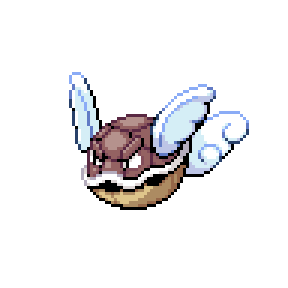
Ancient legends surrounding Warmie suggest that they fell from the stars, landing in the ocean and making their new home there. The winged gem at their core was used as evidence of this, suggested as their means of flight.
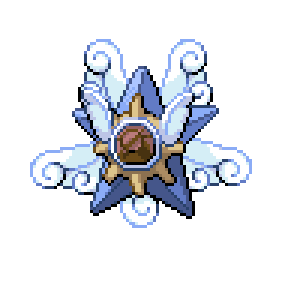
Wartops fossils are found on mountaintops, as the strata that they are found in date back over 500 million years. Modern instances of the fusion have barely changed from these fossils, living in oceans and relying on their shells to keep them safe.

Warcargo can be found in the waters surrounding volcanic islands, clustering around magma vents. Their populations are monitored by vulcanologists; a sudden increase in their presence is an early warning sign for volcanic eruptions.

Warelia create elaborate and delicate bubble structures reminiscent of flowers surrounding their hands. Pokémon researchers believe that these structures are used as a means to woo potential mates.
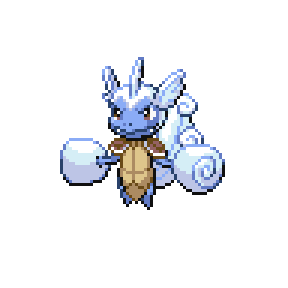
Warmantis hide in amongst aquatic plants, keeping themselves concealed from predators whilst watching for any prey that might come close. They use the thick fur of their tails to trap air bubbles, helping them stay submerged for longer periods.
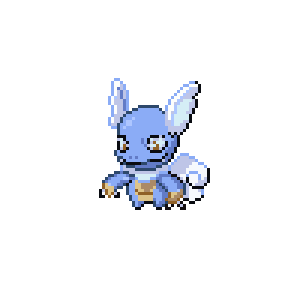
Warmantis hide in amongst aquatic plants, keeping themselves concealed from predators whilst watching for any prey that might come close. They use the thick fur of their tails to trap air bubbles, helping them stay submerged for longer periods.
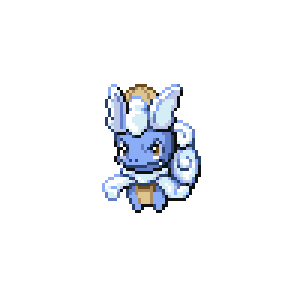
Wareel build up layers of insulating fat within their shell to help protect them from the cold of their arctic homes. Their shells are smooth on their stomachs, allowing them to slide freely across ice at surprisingly high speeds.
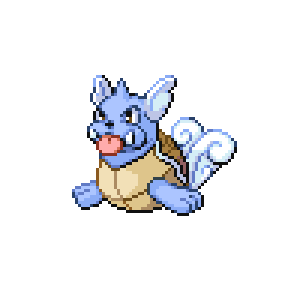
Slowcargo flames have a numbing property, making them dangerous to handle since trainers often aren't aware they're being burned until it's too late. They are sometimes used during medical procedures when cauterisation is required.
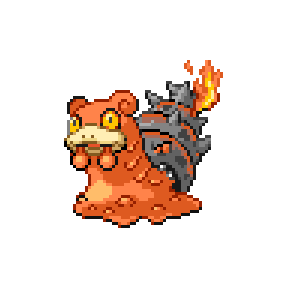
Slowcargo flames have a numbing property, making them dangerous to handle since trainers often aren't aware they're being burned until it's too late. They are sometimes used during medical procedures when cauterisation is required.
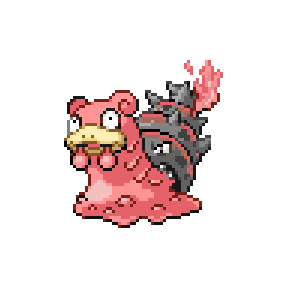
Slowking are exceptionally lazy Pokémon that will sleep for weeks on end before waking to gorge themselves, then going back to sleep. Despite their laziness they have an immense temper if disturbed and are incredibly strong.

Slowking are exceptionally lazy Pokémon that will sleep for weeks on end before waking to gorge themselves, then going back to sleep. Despite their laziness they have an immense temper if disturbed and are incredibly strong.
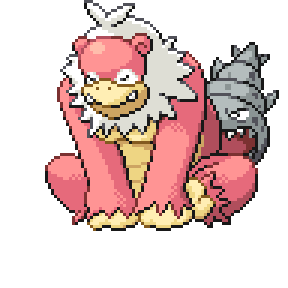
Slownine race across the landscape in packs, travelling at speeds in excess of eighty miles per hour. Unfortunately for those in their path, they have very poor reaction times and are prone to crashing into whatever happens to be in their way.

Magnegey are too heavy to fly without magnetic powers. Sometimes, young Magnegey that haven't mastered magnetism are found fallen from their nests and should be carefully returned to safety.

Magneotto are drawn to urban areas, often nesting along powerlines. Large populations can cause blackouts in cities as the concentrated magnetic fields disrupt the flow of electricity.

Magnesaur lumber around power plants, drawn to them by the strong electrical field. The magnets atop their back spin in the presence of electricity, spinning faster the stronger the field.
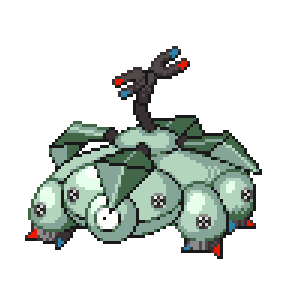
Magnesian can sense electromagnetic waves with their twin magnets, allowing them to feel the presence of machinery and electronics. Specific electronic frequencies appear to annoy them, prompting them to swipe at phones left unattended on counters.

Magnekey's magnetic feet allow them to run upside down along metallic ceilings. They are invaluable to engineers working within power plants, able to search out electrical faults in hard to reach places.

Magneizard fly through a combination of electromagnetic manipulation and huge wings. They periodically roost on top of power generators to recharge their magnetic fields, large flights of them sometimes causing a noticeable dip in energy production.

Magneizard fly through a combination of electromagnetic manipulation and huge wings. They periodically roost on top of power generators to recharge their magnetic fields, large flights of them sometimes causing a noticeable dip in energy production.
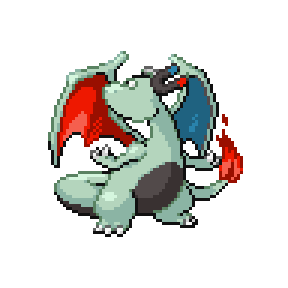
Magnepie infest power plants, draining electricity from generators and chewing at electrical casing and cables. They're a pest that require constant management to properly handle.

With three heads, Magneotto are efficient at constructing dwellings and can devote more time to raising their young. Unfortunately, their preferred building material is electrical wire, causing major issues in cities where they are abundant.

Magnefarig's magnets are charged so that each head has the opposite polarity to the other. They have to take great care not to let their heads get too close to one another, as they risk getting stuck if they do.
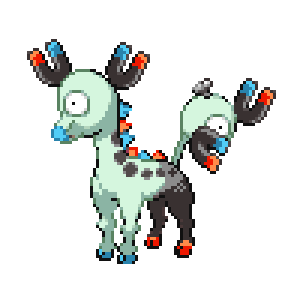
The magnets floating around the central pylon on the backs of Magnesaur are held in place by the powerful magnetic field the Pokémon generates. When they generate power to attack, the magnets spin around their pylon at high speed.
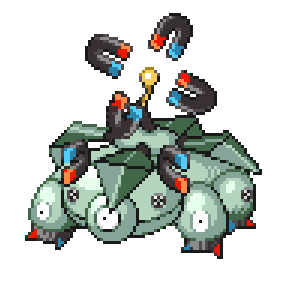
Magnexys create a body out of a malleable ferrofluid, using their magnetic powers to manipulate the tendrils. Their presence warps and disrupts electrical fields and can cause city-wide blackouts.

Magnesian magnets are uniquely sensitive to electromagnetic frequencies, allowing them to sense radio and television broadcasts. They enjoy the sensation of radio waves passing over them, making themselves at home in broadcast studios.

Farsian feathers are sensitive to even the slightest change in wind direction, letting them sense the approach of other Pokémon before they ever see them. They are ambush predators, pouncing on prey and pecking at it with their beak.

Fartortle often make their homes in city ponds, swimming together in small family units. They have a love for fresh vegetables and will beg for food from anyone who relaxes by the water.
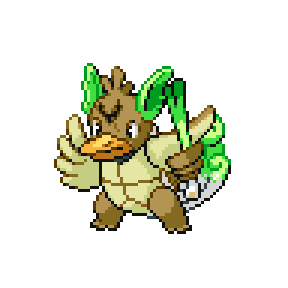
Seesaur live in cold water environments and have a specialised growth on their back that causes ice to crystalise on it. They use this growth as a buoyancy aid, the ice helping to keep them near the water's surface when they swim.

Seequeen sun themselves in family groups along the beaches of the Seafoam Islands, lazing beside one another on the frigid sands. They are capable swimmers and can quickly escape danger if needed, but will normally stand their ground when threatened.

Seeinch lurks in the shallows of the ocean, keeping just its eyes above the sand. When prey swims close enough, they launch upward with their powerful jaws and attempt to drag it into their burrows.
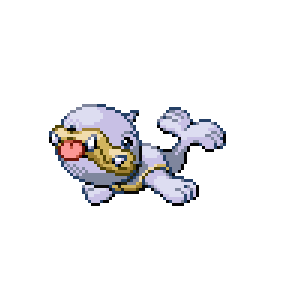
Seemeleon have a thick layer of insulating fat that keeps them warm even in the coldest arctic waters. During lean months where their fat reserves run thin they can supplement their body heat by creating fires to huddle around on the beach.

Despite spending almost all of their lives underwater, Dewsaur need air to breathe. The leaves on their back are able to produce oxygen bubbles from the seawater surrounding them, providing a portable air source.

Dewtile live in alpine lakes, spending most of their time beneath the icy surface of the water. The cold causes ice crystals to form on their skin. When the growths become too cumbersome, they scrape them off on nearby trees.

Dewqueen conjure javelins of water with which to battle, hurling them up to fifty meters to attack from a distance. Professional athletes will seek out Dewqueen to train alongside, working to hone their own throws.

Dewquaza live high above the poles, circling the skies in the upper stratosphere. Their dorsal fins glow with the light of the aurora, illuminating the night sky with their dances.
