Page 2 / 2 of 1041 pokedex entries by wildheartrazorfangs.
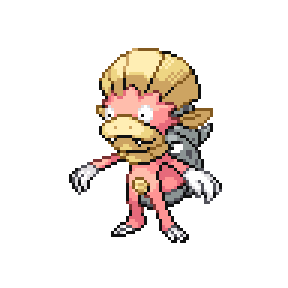
Slowvile stand atop frozen lakes to act as their guardians year round. Unfortunately, they don't seem to realize that the ice melts in the spring, causing them to sink into the water.
Magnetata nibble on electrical wires and metal beams, potentially causing disasters in metropolitan areas if enough of them gather at once. When startled, they will run away, using the magnets on their tails to pull metal scraps to feast on later.

Assembled from clusters of tangled-up and worn-out wires, Magnegela release stray sparks when they try to focus their magnetic powers. They attempt to construct satellite bodies to help channel their powers, but none have succeeded so far.

Acting as a sort of sentient jumper cable, Magnecor clamp onto things they want charged and use their tail to drain power from objects nearby.

Despite the raging fire at their tips, Farmar's stalks will only burn out if they're separated from the respective Farmar for extended periods of time. In recent times, Farmar have been trained to help signal plane landings.

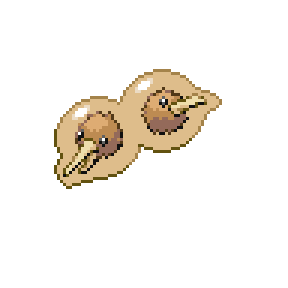
Dosis are highly curious by nature, each head poking around in different directions before the mysterious liquid surrounding them pulls them back together. If one head is curious enough about its study, it will convince the other to investigate.
The center head of a Dosaur is in charge of determining the diet for the other two, who produce their poison. Although the two side heads often struggle to focus or get along, the central head remains a vigilant protector.

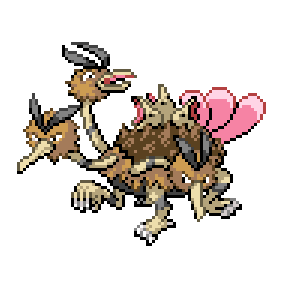
While the three heads of Dokoal often get into squabbles over minor things, they will fiercely work together to protect the nest on their main bodies. They make up for their low walking speed by rapidly extending their long necks to peck at foes.
Seelia excitedly run up to Trainers traveling through icy regions to share their food and play in the snow together. If a Trainer offers food to a Seelia in return, they will receive a hug that keeps them warm for the rest of the day.
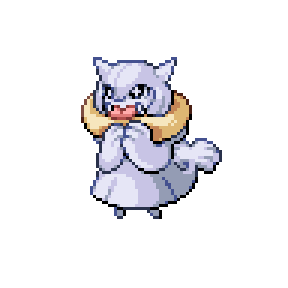
Popular companions of coast guards, Dewkhan help rescue Pokémon lost at sea. Once a Dewkhan has secured a passenger within its pouch, it will refuse to let them out until it's sure that they're warm and healthy.
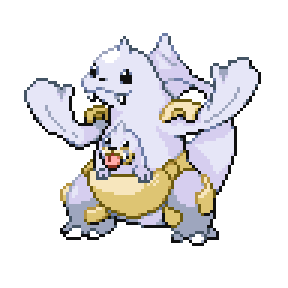
Grirak are made of a highly adhesive sludge, allowing them to move along walls and ceilings with ease. They leave trails of sludge behind them to stick prey in place, gliding along their own trails to gulp down anything caught within.
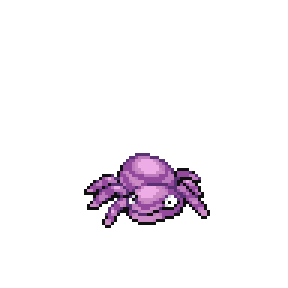
A Grirua's body is made of a constantly flowing and shifting ooze. Grirua can construct and color their ooze to form false images around them, splattering anyone who tries to attack them with poison before fleeing.
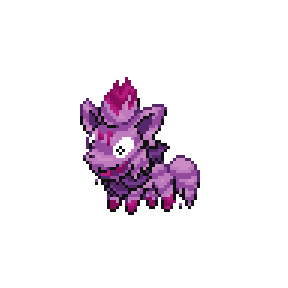
Mudos cast out their hind legs to stretch them out into nets, collecting whatever they can to feed into the mouths on their backs. Once full, they collapse these mouths back into their bodies and slide away into the night on a trail of sludge.
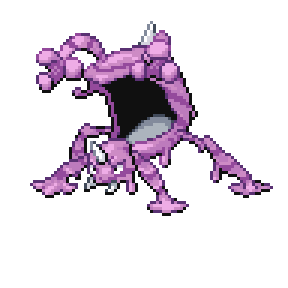
Mukazam gather spoons along their highly corrosive ooze to break them down and absorb the minerals inside of them. In battle, they use their psychic powers to rapidly rotate the spoons to fling their toxic sludge at opponents.

Blastoed store water within their shells before blasting torrents into the air large enough to rain down across multiple city blocks. They sing while walking through their rain, drumming on their shells to the beat.
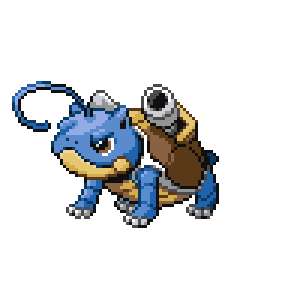
While Blastlass may appear to be wrapped in cloth, the material is sturdier than stone. Blastlass blasts precise streams of chilling water, almost seeming to detect where the target will be before they move.

The shells that Blastle gain upon evolution have grown to accommodate the cannons growing from their back. They tuck themselves into their shells during battle, preferring to stay on the defensive and blast water from afar.
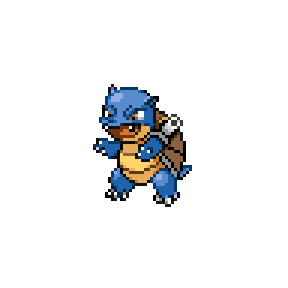
Blastortle polish their cannons with their fuzzy tails, making sure that they both shine the same brilliant white. If their tails get dirty, they will spray the entire area with water until they wash the dirt or the offender away.

The fire atop a Shellmeleon's head is fueled by oxygen stored within the Shellmeleon's shell, allowing it to burn strongly even while underwater. To flee from predators, Shellmeleon create a burst of flames from their mouths to propel themselves away.

Cloysaur excitedly run around poking things with their long horns. If a bigger Pokémon tries to retaliate, they will quickly tuck themselves back into their shells and let their poisonous spines do the work for them.

The spores emanating from a Gasaur's bulb drift towards people and Pokémon, drawing them in to abandoned gardens and giving them a sudden urge to tend to them. All while the Gasaur watches with the same unwavering smile.

Haunpede roll at incredible speeds, phasing through any obstacles in their paths. Once they have arrived at their destinations, they dig their claws into the nearest surface to stop themselves.
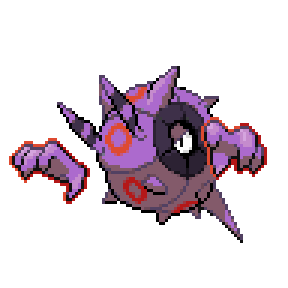
Genpass casts out collections of cackling shadows to intimidate all who hear them. They possess an odd power to draw anyone they pass back towards the central body, allowing it to feed on the captive audience's fears.

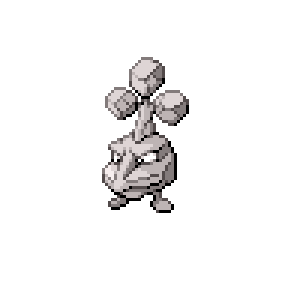
Onsly position themselves atop cliffs and toss down the rocks from the top of their head that they steadily regrow over time. Many Trainers often confuse Onsly for the heads of Onix that are emerging from the ground.
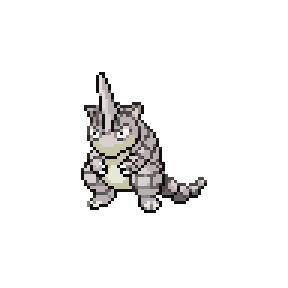
Onshrew use their large horns to help them dig into the ground. They curl up into balls and roll around, steering or launching different directions by extending their horns and striking the ground beneath them.
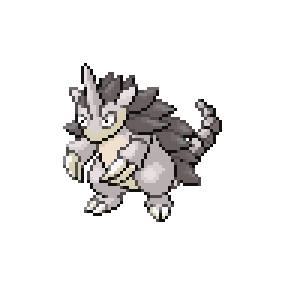
Onslash leap into the air and curl into balls to attack with their rocky spines. They gather rocks to sharpen their spines, constantly working to polish and refine them, carving out tunnels in caves to find the sturdiest stones to train with.
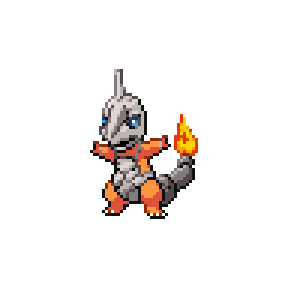
Onmander have trouble containing their fire, so they gather rocks to form armor that contains their excess energy. If their armor ever starts to melt, they will use the molten rocks to hold the new ones together.
Drowursa use their long noses to collect honey from hives, messily scooping it into their paws. After they've eaten their fill, they will use any remaining honey to create a strange mist that ensures sweet dreams for everyone nearby.

Hypbok paralyze their foes with fear by flashing the patterns on their chest before slowly waving the pendulums on their tails. The victims of their paralysis are even more susceptible to hypnotic suggestions.

Hypgon-Z collects discarded phones and projects hypnotic images on them to lull Trainers to sleep. If a Hypgon-Z sees a Trainer up late on their phone, it will send the signal of the display onto their phone instead and eat their dreams.
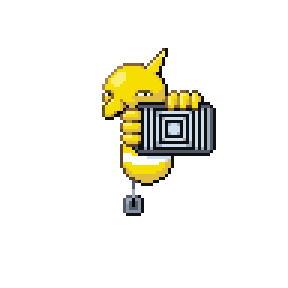
Hyprina are devious tricksters, luring in prey by hypnotizing them with their pendulums. However, they only go after prey larger than themselves, as they are fiercely protective of smaller Pokémon and want to make sure they have enough to share.

Hypthorn rocks back and forth, suspended in midair by its psychic powers. It uses its middle pendulum to guide the target's eyes back and forth between the other two, making sure they are thoroughly hypnotized.

The mysterious flames that Hyplure produce illuminate their odd floating pendulums in a myriad of dazzling patterns. Anyone that stares too long at this display will become transfixed, unable to even think of escape.
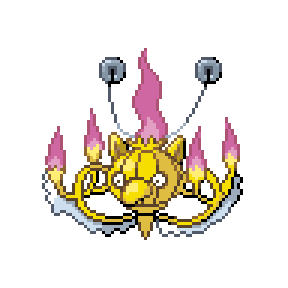
Hypnat use their psychic powers to detect their surroundings for signs of approaching predators. If anything manages to catch them off guard, they will startle with a burst of poisonous spores and psychically project their fear to their foe.
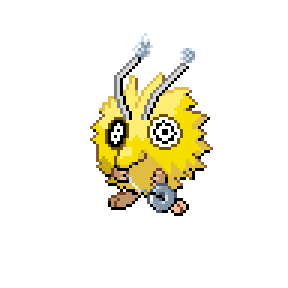
Hypmoth hide within a mist of poisonous scales from their wings, using their psychic powers to detect the fear of their prey. They appear from the mist only to hypnotize their target, feeding on the fear before disappearing into the mist once more.

Hypler swing their pendulums simultaneously to increase the range of their psychic powers. While they prefer attacking from a distance, they are able to swing their pendulums hard enough to shatter stone when gathering minerals for meals.

Krabyu scuttle along the seafloor, snapping their claws as warnings to predators. They quickly tilt their bodies to strike with their claws, using their arms to catch themselves and push back up onto their feet.
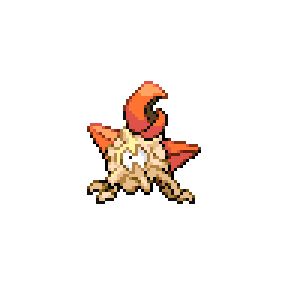
Krabark use the spray of bubbles from their body to reflect light off of themselves, creating mirages to blend into their surroundings. If anyone gets close enough to see through the mirage, Krabark will ready their claws as a warning.
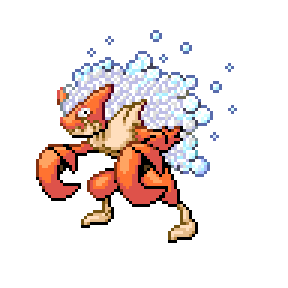
The fine hairs along a Krabnat's body are laced with toxins. If the latent poison isn't enough to finish an opponent, Krabnat will strike with their claws while wiggling their antenna, scattering a fresh dose of poison.
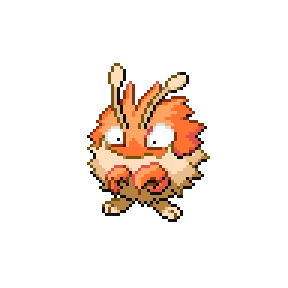
The spines along a Kingnat's back are highly toxic. Kingnat fight by striking back and forth with their claws before suddenly turning around, defending themselves by blocking any incoming attacks with their spikes.
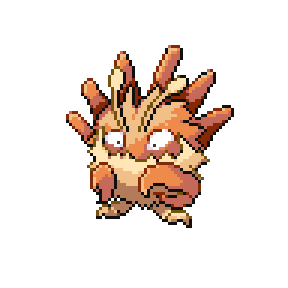
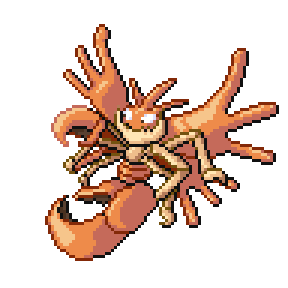
Kingmoth wings are surprisingly solid, containing layers of muscles that allow them to fly despite the heft. In battle, they fly into the air, only to suddenly drop, striking with their large claw and using the recoil to keep them aloft.