Page 2 / 2 of 1099 pokedex entries by santon5512.
Ponyown will seek out lost explorers within ancient ruins. Acting like a torch, they will guide them to safety while lighting up the way.

Slowtata will eat just about anything, often consuming washed-up trash on the shore. These Pokémon are easy prey for Flying-type Pokémon, their delayed reaction time leaving them unaware of danger.

Slowicate will infiltrate homes during the night in search of food. Due to their own carelessness, they often get their tails caught in mouse traps, which detach as they flee.

These elusive Pokémon are seen as symbols of health and longevity in many cultures. Their fur sheds as they move swiftly along the water's surface, these hairs being used in many medicines and remedies.

Warbusken's powerful legs let them propel themselves through the water at high speeds, their fluffy tails and feathers allowing for more precise movements. Their claws are incredibly powerful, able to crack open the shells of other Pokémon.

Warkip spray jets of water from their mouths at foes. The hairs along their tails stand on end when they sense danger, giving them ample time to retreat into their shells.

Wartomp diligently keep their tails clean, tucking them into their shells when in the mud. When approached by predators, they will bang on their stomachs to try to scare them off.

Warlade are often found defending underwater ruins, manipulating the tides to keep invaders at bay. The wings on their heads grow larger the older they get, their hairs becoming richer.

The fur on Wartuff's tails is incredibly soft and is often harvested to make high-quality clothing. The older Wartuff grow, the finer the quality of their tails becomes.

Warlass are spotted gracefully floating through rainstorms, their presence said to bring longevity to those who witness them. By twirling their umbrellas, they can cloak their bodies in an icy mist before disappearing.

Slowtata will make their homes in shells along the shore, sleeping in them for hours. The tide will often drag these shells back out into the ocean, typically leading to this Pokémon's demise.

The shells latched onto Slowda's tails constantly secrete a disorienting toxin into their bodies. This toxin leaves them perpetually dizzy, causing them to stumble around as they walk.

Groups of Magnepod will attach themselves to the tops of cell towers, feeding off their electricity. They use this energy to fuel their evolution, hatching once fully charged.

Magneros will charge at each other in fights for dominance, their metal bodies protecting them from injury. Their horns will often get stuck together, only making them angrier.

Magneown hide among swarms of Magnemite, communicating with them through unknown means. These Pokémon disrupt nearby communication lines, reducing them to static.

Magnegon-Z doesn't seem to have any control over their magnets, their magnetism fluctuating unpredictably. They are often weighed down by the scrap that becomes attached to them.

Magnelord watch for passing ships with their massive eye. Once spotted, they will use their magnets to pull them under, consuming them whole.

Magnemise attach themselves to the hulls of ships, using them as a means of transportation while feeding on the rust. Many sailors let these Pokémon stay on their ships due to how efficiently they can clean off rust.

Magnepod are often found attached to shipwrecks and other scraps of metal, eating the rust off them and leaving them remarkably shiny. If provoked, they can release an electric shock from their tails.

Groups of Magnecool attach themselves to the hulls of ships using their magnets, migrating great distances with little effort. As a result, these Pokémon can be found in every ocean.

Magneby claws act almost like metal detectors, allowing them to search for washed-up scrap beneath the sand. They will dig up this metal and consume it, absorbing the metals into their own bodies.

Often found in scrapyards, Magnetata's diet consists entirely of metal. The eyes on their bodies keep watch for predators they eat, letting them quickly flee at the first sight of danger.

Magneicate reside in scrapyards, scavenging for scrap and electronics. Their magnetic teeth pull metal into their mouths, which is ground down and absorbed into their bodies.

Magneown almost always live in groups, attaching together by their magnets to form various shapes and letters. Groups of up to 300 have been found, forming complex, web-like spirals.

Magnegross's legs repel off of any metal surface, allowing these Pokémon to swiftly glide across them. These Pokémon are often found in factories and power plants, carrying heavy machine parts back and forth.

Doby two heads work together to keep them balanced, though they often fight over which way to go. They will plunge their heads into the sand, eating mouthfuls of it for nutrients.

Dodactyl lurk near the peaks of canyons, searching below for carrion to eat. Once spotted, they will swoop down, each of their three heads picking apart the carcass.

Dotata forage for nuts in the forest, their beaks able to crack open hard shells with ease. These Pokémon are extremely fast runners, fleeing from danger in an instant.

Each of Dodrio's nine heads have a mind of their own. They rarely get along, often bickering and fighting amongst each other. When in danger, however, they put their differences aside and become a real threat.

Water freezes around Seeno's head and body as they hunt in frigid waters, slowly obscuring their vision and making each hunt a race against the clock. Seeno that are desperate for food have been known to continue hunting until frozen solid.

Seeile are well-versed swimmers, hunting for small fish beneath the ice. Due to their large appetites, these Pokémon often snag the catches of ice fishermen, only to end up caught themselves.

Dewtata create burrows in glaciers, their bodies able to withstand frigid temperatures. These Pokémon are skilled swimmers, emerging from their burrows in packs to hunt small fish.

Dewvile are incredible swimmers, hunting in packs. The wounds left by their claws freeze almost instantly, leaving their victims with severe frostbite.

Dewxen channel the cold in their fur, drastically lowering the temperature of their surroundings. By whipping their tails, they can send gusts of freezing air toward opponents.

Mulee's feet are composed of a toxic sludge; each step they take melts the ground beneath them. These Pokémon fling this sludge at opponents as they kick, capable of leaving serious, highly toxic burns.

Muown reside within radiated environments, searching for hazardous waste to absorb in an attempt to restore the land. They will warn unknowing Trainers of the danger that lies ahead.

Blastbuff fire powerful bursts of water from their cannons when threatened. Due to their small size, these blasts send them flying backwards, causing them to ricochet off walls.

Blastossom will dance on beaches when the sun is out, their armor-plated petals making a low ringing noise as wind passes through. They spray water from the cannons on their heads, creating beautiful displays as they dance.

Blastursa use the cannons on their backs to shoot down hives of Combee, eating the honey inside. If they eat enough of it, they can even fire honey from their cannons.

While underwater, Blastkip will suck in air through their gills, using it to blow bubbles with their cannons. These bubbles are incredibly resilient, able to float rocks up to the surface.

Blastgross hold large amounts of water in their bodies, firing it in powerful blasts from their legs. By spraying all four jets at once, these Pokémon can launch themselves into the sky, flying for short distances.

Blastdon live near shallow rivers, using their large mouth to scoop up water. When threatened, they will fire a barrage of water blasts from their cannons, driving predators away from their young.

Blastnape are incredibly agile, quickly climbing to high ground before firing a barrage of water blasts from their cannons. Despite how tough it is, their armor is incredibly lightweight, allowing for easy maneuverability when faced with danger.

Blastrade will fire powerful water jets from their hands in order to propel themselves through the air. The cannon on their heads fires a toxic poison, coating targets in just a single shot.

Blastseed use their spikes to cling to cave walls, absorbing moisture from the rock. Using this water, Blastseed can fire powerful blasts of water from the cannons on their heads, warding off predators.

Using the cannons in their mouths, Blastnea will rapidly fire spikes at opponents. They store water within their bodies, helping to prevent them from overheating while attacking.

Blastroc conceal a high-powered cannon beneath their fur, which they use to fire rocks at opponents. The thick armor covering their bodies protects these Pokémon from falling rocks as they hunt in the mountains.

Blastmoth congregate around ponds at night, attracted to the moon's reflection on the water. If provoked, they fire puffs of toxic powder from their tails.

Blastcash scoop up large amounts of mud using their mouths. They fire this mud from the cannon on their back, each blast causing tremors in the earth.

Blastsprout remain rooted in the ground, drawing water from the soil and storing it in their shells. When threatened, it unleashes a relentless volley of water bullets at its foe. For this reason, it is often kept by gardeners to protect their crops.

Blastbell make their homes in marshes, hunting their prey through the grass. Their stomachs contain a powerful acid, which they fire from the cannons in their mouths.

Blastbell will use their tails like a hose, spraying powerful acid at their enemies in a high-pressure stream. This acid is capable of melting through solid steel.

Shelltata scavenge for trash along the sea floor, searching for food with their tongues. Using their tongues as a propeller, these Pokémon can swim backwards at high speeds.

Gasuna conceal their bodies in a cocoon of gas, hiding their true bodies. This gas is highly toxic, incapacitating anyone who gets near.
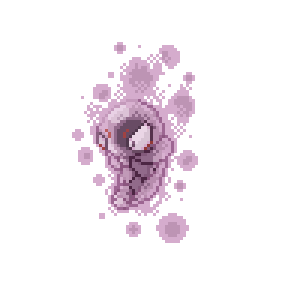
Solitary creatures, Gastress prefer to hide out in abandoned buildings where they can peacefully rest. If attacked, they will spew a thick gas from their bodies, covering their surroundings in a heavy smokescreen so they can escape.

By curling themselves into a ball, Gashrew can appear as nothing more than a floating shadow. These Pokémon can be found aimlessly drifting through deserts at night.

Gastoise spew poisonous gas from the cannons on their shells, covering the battlefield in a thick fog. This gas is highly toxic, causing anyone caught in it for too long to faint.
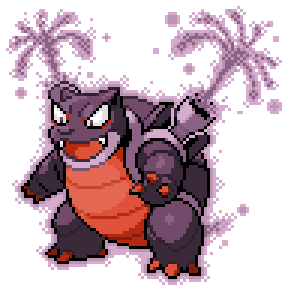
With their fists disconnected from their bodies, Haunchan can send punches at their opponents from any direction. Their incorporeal bodies mean that their fists are the only part of them able to be hit.

Hauntata reside in sewers, often climbing through drains to infiltrate homes. Trainers haunted by these Pokémon often report hearing scratching noises from their walls.

Haunleaf's presence is accompanied by an eerie whistling noise that echoes through the night. These Pokémon enjoy scaring campers at night, appearing behind them while they sit around the campfire.

Gentata will relentlessly haunt a single house of their choosing, rarely being truly chased out. They will hide out beneath the floor during the day, trashing the entire place in search of food at night.

Genlax pull anything edible they can find into the hole in their stomachs, constantly eating to sustain themselves. Those who peer into this hole claim to see an endless abyss staring back, though little is known about it.

Onfing release sulfuric gas from the vents in their bodies to ward off predators. To maintain this defense mechanism, they must constantly consume sulfur, forcing them to live in areas with high sulfur content.

Sleeping Onlax resemble massive boulders, allowing them to remain undisturbed while resting. Many suspected cave-ins have simply been these Pokémon, their immense bodies blocking entire tunnels.

Ontwo are made entirely of rock, lacking any internal organs. They are fueled only by psychic energy, which they use to move and sense their surroundings.

Onquil curl their bodies into balls while sleeping, resembling an ordinary rock. If picked up or disturbed, they will release bursts of flames from their backs.

Onlava's rocky bodies are able to withstand intense heat, allowing them to live near the bases of volcanoes. If provoked, they spew flames from the cracks in their bodies, using this to scare off attackers.

Onlosion's rocky bodies trap immense amounts of heat, which they can release in bursts of fire. These flames burn hot enough to turn parts of their bodies into magma.

By using hammers and chisels made from their bodies, Ongle sculpt intricate statues made of stone. Many of their creations are put on display in Gyms, embodying the principles and spirit of each Gym Leader.

Due to the high amounts of sulfur in Onplume's bodies, their petals take on a yellow hue. Their pungent smell follows them wherever they go, warding off both predators and Trainers looking to catch them.

Onviper consume crystals as they burrow underground, absorbing them to strengthen their fangs and tails. They diligently sharpen the crystal blades on their tails against rocks, ensuring that they are always in pristine condition.

Oncruel live near waterfalls and other mountainside bodies of water. They stretch their massive tentacles through the water, shaping small lakes and ecosystems around them that they maintain and feed on.

Onby use their claws to dig through the walls of caves. Their claws are capable of easily crushing rocks, which they consume in order to maintain their rocky bodies.

Drowtata will infest houses, emerging at night to consume people's dreams. Their noses can sniff out someone having a nightmare from miles away.

Groups of these Pokémon hover around and circle the heads of sleeping people, spelling out words as they seemingly feast on their dreams. The words Drowown spell out seem to directly correlate with what the person is dreaming about.

Drowamo are nocturnal creatures that move in large schools. They seek out sleeping Wailord in order to feast on their dreams while the Wailord is asleep.

Drowcruel swirl their tentacles in a spiral motion, a movement able to put their foes to sleep. Once incapacitated, these Pokémon will drag them into the depths of the ocean, feasting on their dreams until they either wake up or drown.

Hyptata will swing their tails around when threatened, putting targets to sleep. Those affected by this will often dream about cheese.

Hypth wave a silver coin in front of wealthy individuals, hypnotizing them into a deep slumber. Once they're asleep, these Pokémon will rob them of all the money they have on them.

Large schools of Hypamo swim in perfect sync, moving in hypnotic patterns that put anybody who sees them to sleep. Once their prey is asleep, they consume their dreams in order to charge their psychic energy.

Krabcute's five claws are disconnected from their main body, clicking together to scare off predators that get too close. These Pokémon bury themselves beneath the sand, though poachers often dig them up to steal their claws for food.

Krabdle will use the claw on their tails to cling to branches. When grabbed, they can snap this claw off in order to escape. However, this claw will grow back quite quickly.

Krabquil are quite timid, searching the shore for clams they can crack open and eat. When threatened, they will expel bubbles from their back, making themselves seem larger in order to scare off predators.

Krabquil are quite timid, searching the shore for Shellder they can crack open and eat. When threatened, they will expel bubbles from their back, making themselves seem larger in order to scare off predators.

The claws on their tails are strong enough to crush stone. They will snap these claws at other scavengers who get too close to their meals.

The nine claws on Krabpix's back help them maintain balance, allowing them to traverse rocky shores with ease. When threatened, they will show their back to predators, using their claws to defend against attacks.

Krabat click their claws together to help them navigate dark areas and locate prey. They will then swoop down, grabbing them in their claws and taking them back to their cave.

Hundreds of Krabtik lie buried in the shore, feeding on small bits of seaweed and algae in the sand. Their small size makes them easy prey for Flying-type Pokémon.

Krabrock will scoop up massive amounts of sand on the seafloor using their claws, absorbing it into their bodies. Various aquatic Pokémon make their bodies their homes, feeding on the algae that grows on them.

Krabwrath claws are exceptionally well-suited for digging, allowing them to burrow through the sand at high speeds. They will search for other Pokémon hidden underground, grabbing them with their claws and eating them whole.

Kingluff blow bubbles from the tops of their heads that are strong enough to carry them into the air. They use these bubbles to escape from high tides, slowly drifting to safety.

Kingtata use the massive claw on their tails to dig burrows in the sand. This claw weighs them down, leading them to hide in their burrows during the day to avoid predators. At night, they emerge to crack open coconuts for food.

Kingown write messages in the sand, using their claws like excavators. The exact purpose of these messages is currently unknown.
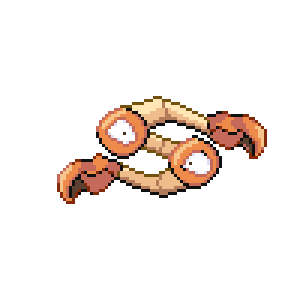
Groups of Kingmy are most often found tucked away in seaside caves, climbing along the walls. These Pokémon leave a trail of foam wherever they go.

Using their massive claws, Kingrock will defend the creatures inhabiting their bodies from any danger they may face. They will roam the seafloor for miles, covering entire oceans without stopping.

Kingsand release a pleasant aroma from their bodies, drawing smaller fish towards them. Once they get too close, they will snatch them up with their big, meaty claw, shoving them into their mouths.

Despite the great crushing power of their claws, these Pokémon barely use them to grapple. They use these claws to force intruders off their beaches, shoving them repeatedly with great force.

Kingcool drift near the seafloor of shallow waters, using their claws to crack open shellfish for consumption. They've been known to grab fishermen's hooks with their large claws, yanking them into the water for fun.

Kingcruel will drift along the sea floor, their many tentacles snatching anything they can get their claws on, consuming them whole. Just one of these Pokémon can leave entire coral reefs devoid of life.
