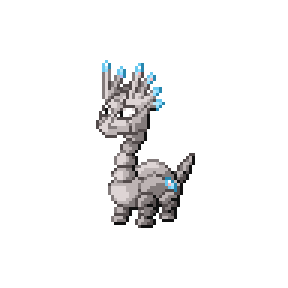
482 pokedex entries by chibitales
The bulb on Bulbablim's back is filled with air that expands when heated up, allowing them to float during the day. They float about in large groups, holding on to one another with vines.

When the sun reaches its apex in the sky, groups of Bulbaskit skate along lake surfaces to absorb the light. The water reflects more sunlight onto their bulb, allowing them to store more energy for evolution.
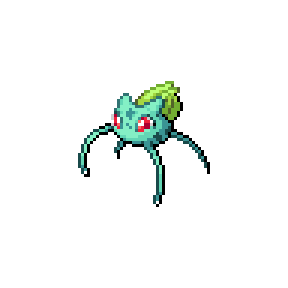
Caterlure's flames produce a strong, terrible odor that repels many predators. It is thought to subsist on wandering spirits, ridding areas of supernatural phenomena with its voracious appetite.

Immature leaves on Exeggunium's body have a very strong odor that many Pokémon dislike, acting as a natural Repel. Scientists are now looking to add these leaves to existing Repel recipes to strengthen them.

Cureon collect and hide bones in their fluffy fur. Their cries sound similar to a sobbing child, giving rise to legends of haunted volcanic ranges.
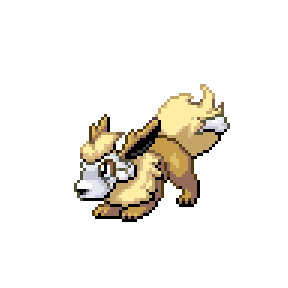
Cutrum was first discovered after being revived from a fossil found in a mix of amber and sediment. The bony portions of its body are thought to be incomplete yet are fully functional. Its amber crest is as durable as steel.

Maroroc uses the bones of fallen foes as armor to protect its weak points. Each piece is treasured and will only be replaced if broken beyond repair.
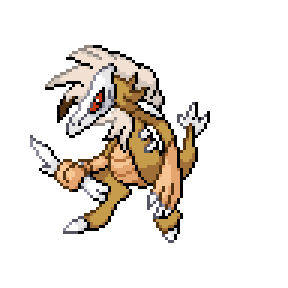
Hitmonchan's mastery of martial arts is beyond compare, so much that fights between individuals can last months. The outfit it wears is a symbol of its vanity due its accomplishments. It will protect its outfit by any means necessary.

Metaceus's shell is resistant to many attacks and environmental factors. If threatened enough or its environment is too unfavorable, it will search up to 1000 meters for a new spot to wait for evolution.
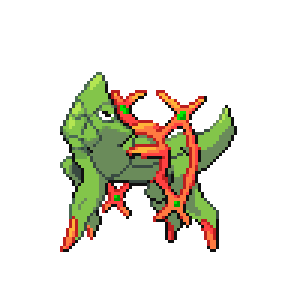
Metaceus's shell is resistant to many attacks and environmental factors. If threatened enough or its environment is too unfavorable, it will search up to 1000 meters for a new spot to wait for evolution.

Metatales covers its soft body with its hard-as-iron tails when threatened. It expends as little energy as possible while waiting to evolve, but will spew a powerful Flamethrower to make predators leave it alone.

Metapede clings to walls in less populated areas to focus on evolving. Its hard shell is coated in a bitter-tasting poison to deter predators.

Weeking produces a gas that is collected and processed for use in incense that induces feelings of relaxation. The type of smell is influenced by their diet, which normally consists of fruit, berries, and even rotting material if food is scarce.
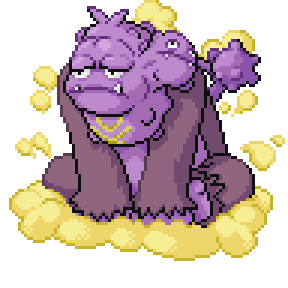
Weeking consume mostly mushrooms and vegetation in their territories. As they rest throughout the day, the organic compounds in the mushrooms mix in their stomachs into a terribly foul gas that Weeking can spew at foes at any time.
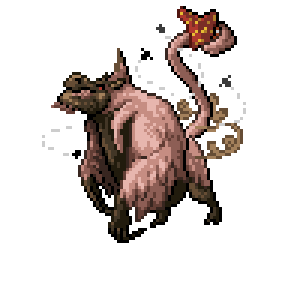
The emerald fur this variant of Weeking sports helps it further camouflage in their jungle homes. The Weeking with the largest crest is considered the leader of the group, which is further indicated by the terribly foul stench that follows them.
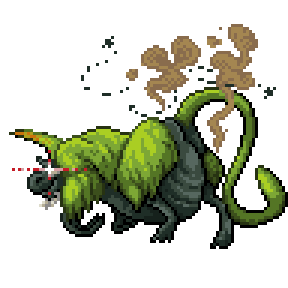
Weeceus's gate produces a gas that makes up the rest of its body. It loiters around large garbage dumps. When sick, the amount of gas emitted is reduced, weaking Weeceus in the process.
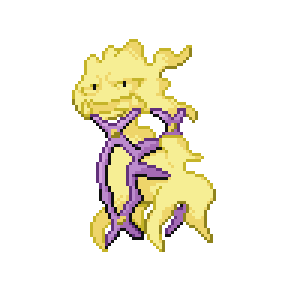
Despite its small size, Rhyfa is quite strong. It uses the drill-like horns on its head to burrow into rock walls and look for minerals to eat.

Using the drill on its head, Rhynix burrows through the mountains it calls home, looking for minerals to eat. Miners scour these tunnels afterward to find ores that it left behind.
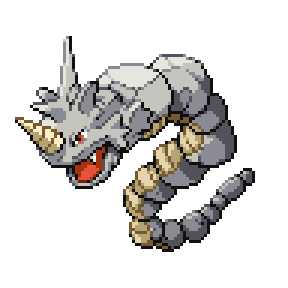
The goo secreted from Chandra's mouth is very nutritious, often being mixed into saline solutions given to hospital patients to speed recovery. In the wild, it often cares for younger Pokémon until they are ready to fend for themselves.

Kangasking has earned a reputation as protective yet cruel in its methods. It viciously punishes those who threaten its young with poisonous attacks, refusing to let the offender faint until it decides they've suffered enough.
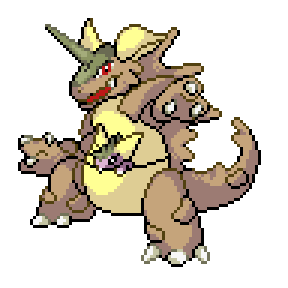
This Pokémon is constantly wary for any potential danger and will quietly usher its young into the thick fur on its tails to hide them when it senses a threat. It will protect its young to the end, no matter the cost.

Horish floats through the ocean eating plankton and other microscopic critters. When threatened, it releases a Smokescreen full of spores that irritate the mouths and gills of predators.
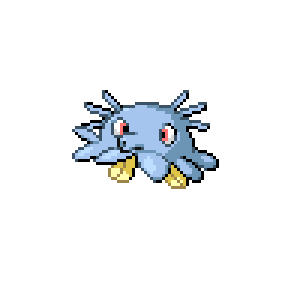
Golu secretes a foamy substance from the fins on the sides of its body, creating wings it uses to fly up short waterfalls. Seeing schools of Golu swimming up waterfalls was seen as a good omen that spring was upon the land.

Despite Golsian's large fins, it is quick and precise while hunting. The many patterns and colors Golsian's scales can take on have inspired luxury gowns all over the world.

Searet make their home in rocky riverbeds where sentries can easily poke their heads out of the water. At the first sign of danger, the sentries will cry loudly, causing the entire colony to hide away until the danger passes.
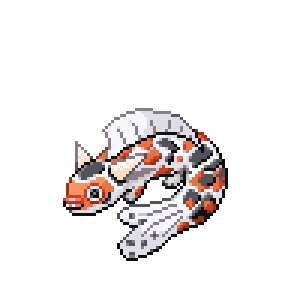
Through rain or shine, Buttertales seek nectar from a variety of flowers. They scatter toxic scales from their wings and fire Ember attacks to chase other insect Pokémon away from flowers.

The clouds produced by Starzing's body twinkle and shine as if reflecting the night sky. Perfumes made using collected gases from Starzing give wearers a subtle glimmer while the scent remains.

Despite having no discernable eyes, Stareanie is able to find prey easily. It's thought that it is able to sense changes in the light with the gem atop its head. The venom it produces has been used to create blood pressure management medications.
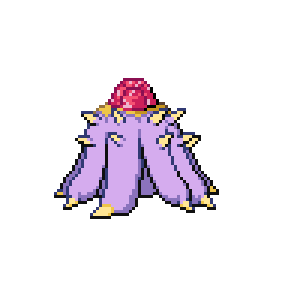
Starbell floats near the seafloor as it searches for prey. When it singles out a target, it uses Flash to disorient them and engulfs the target in its large mouth. The large gem above its mouth clamps down and acts as a stopper to prevent escape.
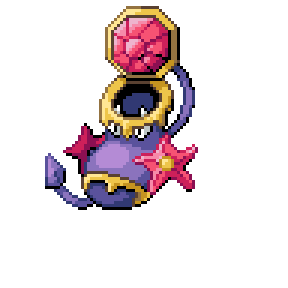
Scydos are highly temperamental Pokémon, becoming aggressive at the slightest provocation. Their wing membranes and crests shine a brilliant emerald when in light. Swarms of these Pokémon can devour a field of crops in mere hours.
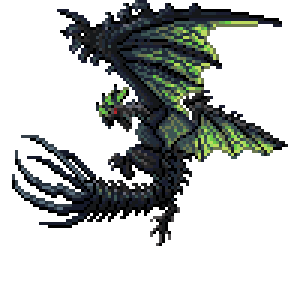
Scydos are highly temperamental Pokémon, becoming aggressive at the slightest provocation. As they channel Electric-type attacks, their bodies shine bright turquoise. They discharge wild Thunder Bolts from their tails.

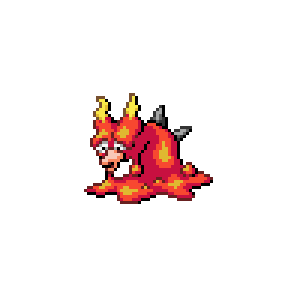
In medieval times blacksmiths would house a Magma within their forges. In exchange for keeping the forge heated, it was given food and protection from predators. It is able to control how much heat it gives off.
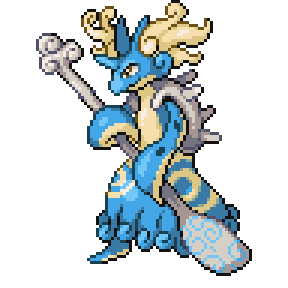
Laphox uses petrified wood to fashion a staff out of, carving intricate wave-like lines onto the flat portion. No two staves are alike between individuals. If their staff is lost, they will spend days looking for the perfect replacement.
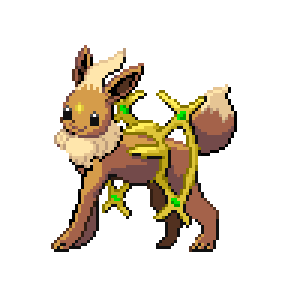
Ditin's diet consists of anything edible it can stretch its malleable body over. While full, it maintains a joyful smile. Should it be left without food for too long, it enters a frenzy state until fed again.

Eeceus's unstable genetics make it extremely susceptible to evolution at any time in any environment. The gemstones on its gate glow brightly when it is about to evolve, differing in color depending on what it will evolve into.
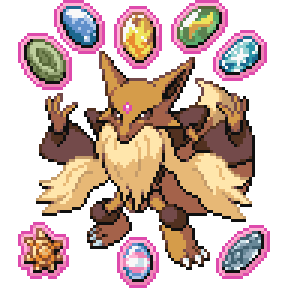
Eekazam are commonly found carrying various evolution stones in their telekinesis. Scientists believe Eekazam carry these stones around because they are conflicted on what they want to evolve into and are paralyzed by the choices.
Aerogey frequently spar with their siblings to develop their skills. Even during mealtime, they will fight with each other over who gets the biggest share. Despite not being fully grown, a Crunch from these Pokémon is able to break bones.
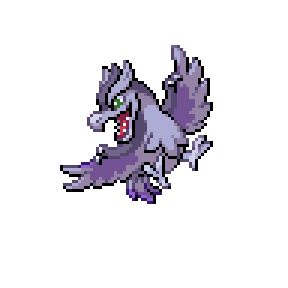
These Pokémon form large groups to take over forests as the new apex predators. The digits on their wings allow them to grab opponents and Headbutt them with rock-solid crests.
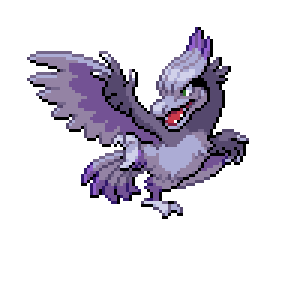
The blade-like teeth of Aerogeot can shear through solid metal as though it were paper. This savage Pokémon enjoys picking fights with strong opponents such as Dragonite or Swampert, brutally attacking until one Pokémon rises as the victor.
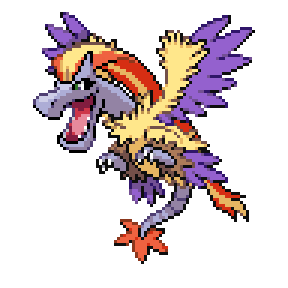
Aerorow hunt by picking up large rocks with their talons and dropping them onto prey. They often get into fights when other Aerorow try to steal their meal.
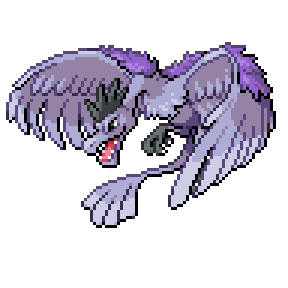
Aeroria's feathers are coated in various rocks and other minerals found in their territory. Aeroria are often docile around close companions, but fly into a ferocious frenzy when they or their friends are threatened.
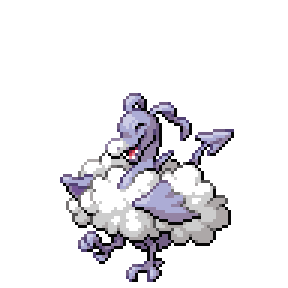
Aeroria's feathers are coated in a thick layer of amber that acts as a shield, but renders them near flightless. Aeroria are often docile around close companions, but fly into a ferocious frenzy when they or their friends are threatened.
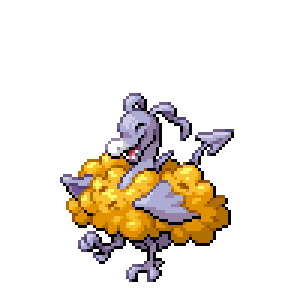
Statues of Aeronine appear in many ancient buildings, carved to look as if it were guarding the area. Its large, imposing wings are strong enough to let it carry heavy prey such as Dewgong to its nest.
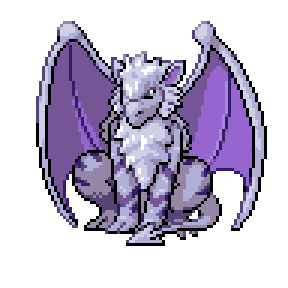
Snoreon lounges lazily in large lakes. When it lacks the energy to hunt, it eats moss or algae growing around the lakeside. This often leads to a cycle where it subsists on nothing but moss and algae for its entire life.
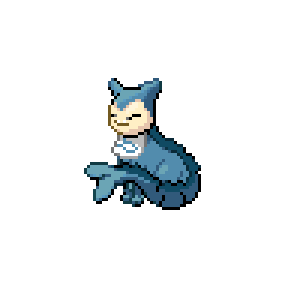
Known as one of the laziest Pokémon in the world, Snorsian does little else other than eat or sleep. Trainers often have trouble getting it to participate in battles unless they bribe it with vast amounts of food.

This form of Articuno resembles a species of Articuno found in Galar. It freezes prey in place with a piercing glare before blasting them with a mighty Blizzard. It thrives in sub-zero regions.
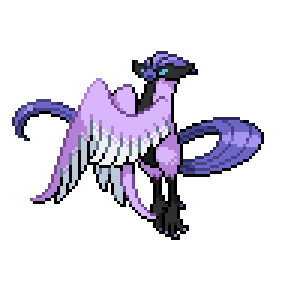
Artitales summons mighty blizzards to hide its presence when hunting, ambushing prey from above with Fire Spin. It lives on some of the tallest mountains in the world, making it difficult to research properly.

The fluid surrounding Artisis's core is constantly below 0°C, yet doesn't freeze. They are most often seen during blizzards in cold regions forming small groups. Research is still ongoing pertaining to why they do this.

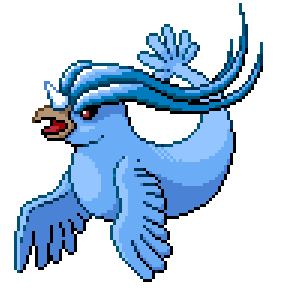
Artigong thrives in bitterly cold oceans, freezing both predators and prey in solid ice. As it swims, it leaves a glittering trail of ice crystals.
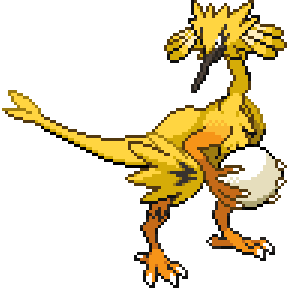
Zapsey are rarely seen without an egg in their claws, regardless of if it belongs to them. This often leads them into trouble when stealing from Pokémon nests, but they usually get away with it after paralyzing the pursuer with Thunder Wave.
Sighting a Zapquaza in flight was thought to herald the approach of weather-related natural disasters. They cover their bodies in crackling electricity and hard winds to defend against predators.
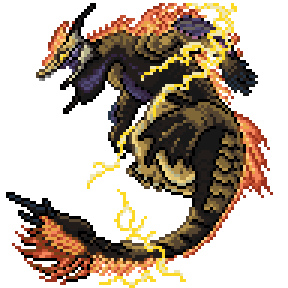
This variant of Zapquaza expertly controls both wind and electricity. Nesting Zapquaza are extremely dangerous, defending their nests with devastating Zap Cannons and Hyper Beams.
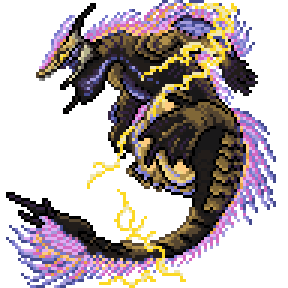
Zaptina is said to herald the approach of devastating thunderstorms. Efforts are being made to track it and create an early warning system to protect citizens.
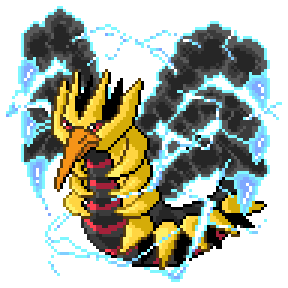
Zapeel's appearance has inspired a popular children's toy that floats on water. Its waterproof feathers trap heat near its body, allowing it to stay warm for hours while underwater.

An old legend claims Moluk originated from the heart of a volcano after months of unending rain. It subsists entirely on igneous rocks found around its home.

The energy welling within Dragonair's body is so immense, the weather experiences minor changes depending on their mood. Even Dragon Tamers report having trouble training these Pokémon due to the vast amount of energy they have.

Dragotini spends excess energy built up in its body by flying long distances. Scales shed during molts are used in herbal medications and are thought to help restore energy.

This self-fusion of Dragonite boasts brilliant blue scales that are resistant to many attacks. The orbs on its whiskers are thought to hold the power to grant the wish of a pure-hearted person.
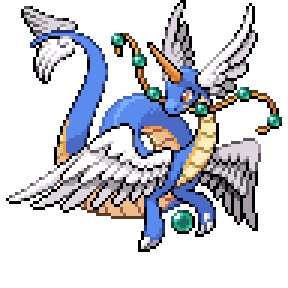
Legends from years past depicted Dragotales as a fierce and dangerous Pokémon. Nowadays, they are seen as playful and fiercely loyal. It is theorized the ferocity from Dragotales in the past was caused by humans invading their territory.

The buzzing of Beeceus's wings was once thought to command legions of insect Pokémon to their side much like Vespiquen. In more recent times, however, it has been found that Beeceus are simply efficient hive leaders.

Beetales is popular among keepers of Bug-type Pokémon due to its territorial nature. It will spit a honey-like substance at foes, sticking them in place before setting the substance ablaze and jabbing them with its many tail stingers.

The wings on Mewdactyl's arms are thought to have become vestigial after learning to levitate with their psychic power. Despite their cute appearance, Trainers are advised to leave Mewdactyl colonies alone, lest they be pelted with Rock Blast attacks.
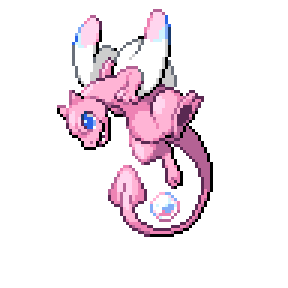
The leaf on Chikochic's head produces different scents depending on its mood. Each individual of this species has its own small garden of berries it tends to with diligence. Berries it chooses to eat are roasted with an Ember attack.

Young members of Megafarig herds are encircled by the adults as they travel between feeding areas. Megafarig are rarely caught off guard, as if their feelers serve as eyes on the backs of their heads.

Quibat can control the amount of fire making up its wings, allowing it to dodge away from an attack in a single flap when enough fire is produced. It emits a supersonic Screech and produces superheated air to intimidate foes.
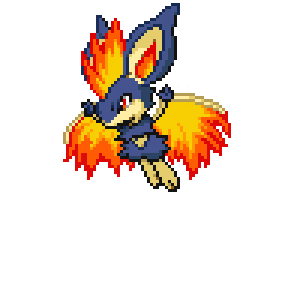
By rapidly buzzing its flaming wings, Typhmega creates sonic waves alongside a heat haze to disorient its opponent. Its bite force is strong enough to crush thick tree branches.

During battle, Pidreon shakes its body vigorously to cloud itself in the dirt or sand stuck in its fur. It takes advantage of the opponent's confusion by leaping behind them and striking with burning talons.

Feranair lie in rocky crevices underwater, waiting to ambush prey. When a fish Pokémon swims by, they clamp down on it with their strong jaws and wrap their long body around the target to prevent it from moving.

Ferarorus lives near the edges of glaciers and travels between land and sea to hunt. The sail on its back is made of a membrane that shimmers and causes confusion in potential prey, allowing it to close in and attack.

The shed fur of Furcune is highly sought after as warm, water-resistant linings for winter clothing. They seem to enjoy being chased by Trainers and Pokémon alike, as they view the chase as a game.

Furantis's fur requires a lot of attention to maintain, so they spend most of their time grooming each other in the wild. They are very affectionate to Trainers who can handle caring for them.
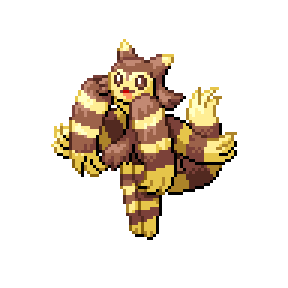
Noctales makes little noise as it flies through dark forests thanks to the structure of its wings. It traps unaware prey in a vicious Fire Spin before diving in to finish them.
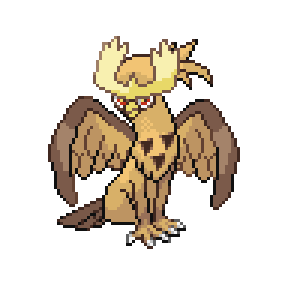
Ledcune appear during meteor showers, dashing across land and sea as if chasing the falling stars. Areas where the meteors fall often have a source of natural spring water nearby, leading some to believe it was left by Ledcune as a blessing.
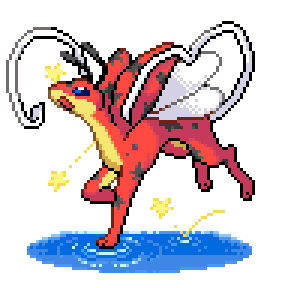
Spinaran's webs are coated in a poison that slowly weakens small Pokémon caught in them. They are considered a household pest, but also help keep the home free of other Bug-type Pokémon.

Its violent nature causes it to attack foes even larger than itself. The poison that secretes from its horn is enough to knock out a Vigoroth.
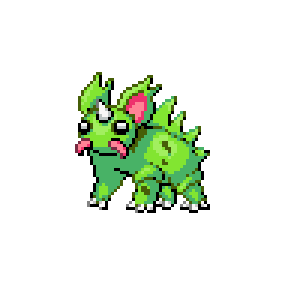
Caves where Chintula reside are filled with electric webbing. Chintula soak intruders with Water-type attacks, driving them into the webs and subsequently paralyzing them. The bulbs above its abdomen emit a bright Flash.
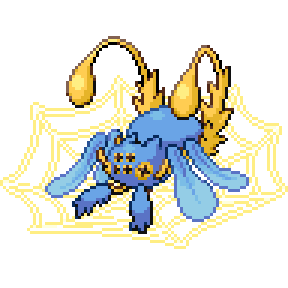
Lanreon's glowing fur makes it sought after for deep-sea excursions. The flame sac in its body is able to keep it warm even in the chilly depths.

Before modern boat lamps, Lankrow were used to light the way for small boats in dense fog. Their perceptive eyesight can pick out obstacles from several feet away. This didn't stop some from intentionally damaging boats by not alerting the driver.
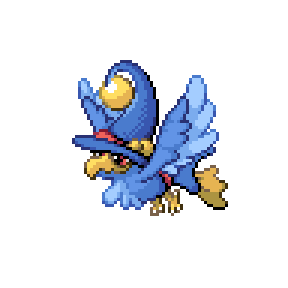
By emitting a bright Flash from their lure, Lanin blind and disorient prey before pouncing. Lanin rivals hunting too close together may end up dazing each other if they both use this ability.

When Pikarp are surprised, they release all of the electricity built up in their body, electrocuting themselves and those swimming around them. Thankfully, the shock is nothing more than a mild zap due to their underdeveloped electric sacs.

Togeful's mood is easily influenced by those around it. If influenced by negative feelings, it will throw a tantrum and flail its arms wildly, causing destruction until calmed.
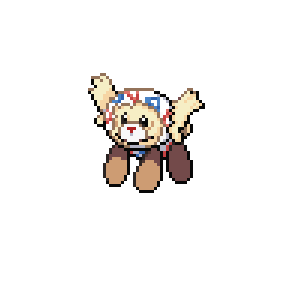
Its smile belies its mischievous nature. It bears gifts of coins and shiny objects to Trainers, only to steal the Trainer's own valuables while they're occupied. It freezes pursuers in place with an Icy Wind.

Togewear shares its happiness with those it finds pure of heart, wrapping its arms around the person in a tight hug. Unfortunately, Togewear does not know its own strength and often injures those it tries to make happy.

Mafarig's thick wool keeps it warm during winter and naturally sheds in the spring. The secondary head on its tail glows brightly when channeling Psychic-type attacks.

Downy wool shed from Flaatias is exceedingly popular as material for plush toys, both as stuffing and fabric. The orb on its chest is thought to be the source of its psychic power.

The velvety soft fur on Flaatales's tails is often used in heated blankets due to its ability to hold heat very well. Flaatales raised for their fur are often treated like royalty and have developed haughty attitudes because of it.
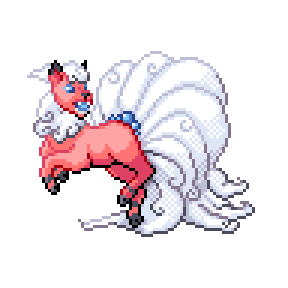
As Ampharia flies, the clouds on its wings generate electricity. Its wings darken and lightning begins to arc from its orbs when they build up enough charge. Fully-charged flocks are often mistaken for distant thunderstorms, driving citizens indoors.

Bellrai's flowers bloom during nights with a new moon. These flowers produce soporific pollen that easily floats along the wind and causes those affected by it to experience vivid lucid dreams.
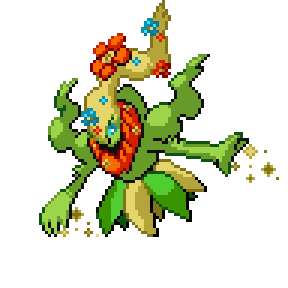
Bellrai's flowers bloom during nights with a new moon. These flowers produce soporific pollen that easily floats along the wind and causes those affected by it to experience vivid lucid dreams.

Belltales lounge in bright daylight for several hours, spreading their tails to absorb more of the sun's energy. When they cannot get enough light, they supplement their diet with berries, though their petals grow pale until light is absorbed again.

With their large ears, Malow hop across the ground listening for Bug-type Pokémon just beneath the soil. Once they find a target, they let out a screech to disorient it and Water Gun to soften the dirt. Then, they dig up their prize.
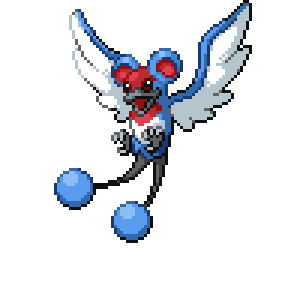
This variant of Skipin is unable to fly with its flower, instead hopping along the ground with its squishy body. In battle, it forces flowering vines to erupt from the ground and spray opponents with Poison Powder.

Jumptu's puffy body causes it to sneeze very often due to the cotton tickling its nose. These sneezes are accompanied by a burst of psychic power, so Trainers are advised to keep Jumptu's fluff trimmed to prevent accidents.
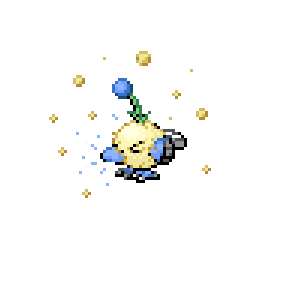
Ratceus are extremely skittish, darting away at the first sign of danger. Their gates are often coated in scratches and gouges from other Ratceus filing down their teeth on them. It's thought this behavior is a form of social bonding.

When shooting stars fill the sky, many Sunfa appear and unfurl their leafy curls as if absorbing the light. They will not move much after the event is over, subsisting only on rain and dew until they are ready to evolve.

Sunyte gather in large groups on sunny beaches to rest. The large shell on its back can take in sunlight and release it in a powerful Solar Beam if it feels threatened.

Thanks in part to its lightweight body, Espgon is able to levitate using psychic power. Its walleyed stare is often found humorous, allowing it to catch opponents off guard.
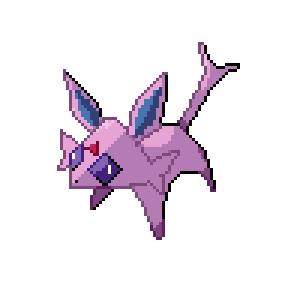
Thanks in part to their lightweight bodies, Espgon are able to levitate using psychic power. Espgon are relied upon by advertising agencies to predict what their customers might be looking for while surfing the web.
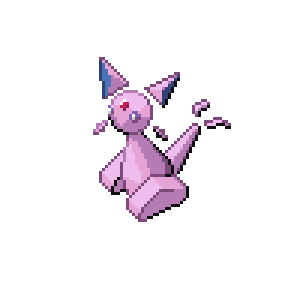
Images of Espoh were used as symbols for wisdom in the past. Its feathers shine the brightest and its psychic power is heightened when the sun reaches its apex in the sky.
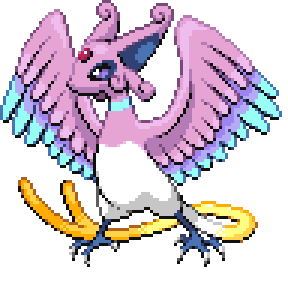
Images of Esptic appear on many types of clothing from the ancient past. It's thought people would wear these clothes in hopes of becoming as wise and elegant as Esptic.

By focusing its psychic power, Espflame can sense even the slightest variation in the breeze. It uses this ability to predict exactly when prey will fly by, striking in the blink of an eye.
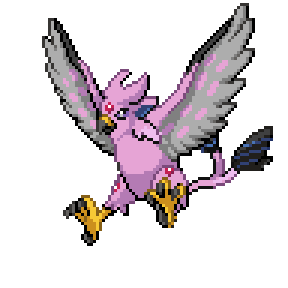
The rings on this Pokémon's body glow in various patterns. It is thought that Umbdour packs communicate with each other using this ability during hunts. Under the full moon, the rings glow much brighter.

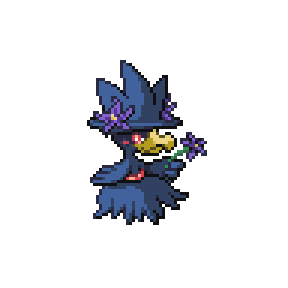
Murossom collects nightshade flowers to decorate their skirt and hat. These Pokémon dance together on nights with a new moon to forge bonds that will last for their lifetime.
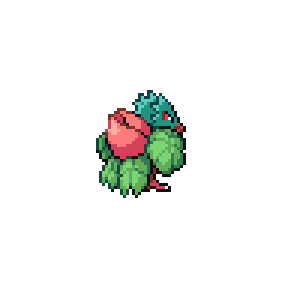
The immature leaves on Ivyleef's body are quite bitter, but helpful in creating herbal remedies to revive fainted Pokémon. The petals shed from its neck flowers can also be infused into tea that soothes sore throats.

Flocks of Ivyrow take over fields of flowers for weeks, sipping nectar to fuel their journey to the next field. They will guard their chosen site with flurries of intense Razor Leaf attacks, driving away anything that comes too close.
Researchers are split on whether Untales are able to see out of all the eyes on their body or through just the ones on their head. Gazing too long into their eyes provokes feelings of being watched at all times, even after moving away from them.

Pinefa are often found where shooting stars have fallen recently, adding shards from the fallen meteors to their shell. They are easily surprised and quick to explode, so it is not recommended to disturb Pinefa groups during this time.
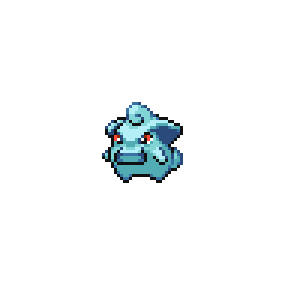
Despite the bright colors, the petals dangling from the end of Qwilrantis's scythe-like leaves are not poisonous. In the past, these petals were once used to dye clothing, but the difficulty of raising Qwilrantis caused the trend to fade.
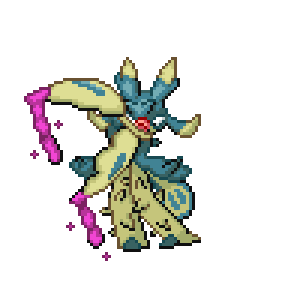
Heraler are very rarely found without a skull attached to their back, favoring skulls of larger predatory Pokémon. When unable to strike with their razor-sharp claws, they fire a pressurized stream of water through the skull's mouth.
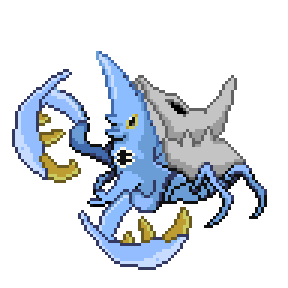
Teddito subsists mainly on honey, giving their bodies a consistency and smell similar to it. Beedrill often mistake Teddito for lost honey, bringing them directly to the hive where they feast on the reserves.

Forest areas where Ursaring are known to reside are closed off during the winter months. While these Pokémon are hard to wake from hibernation, they are ferociously cranky when woken up early.

Sudden volcanic eruptions were thought to have been caused by groups of Slugin fighting. Their skin is coated in a thin layer of poison that causes a burning sensation on contact.

Feartres's large crest and wings serve to make them seem larger to potential predators. Their dance-like movements allow them to deftly cross the battlefield and wreathe opponents in intense flames.
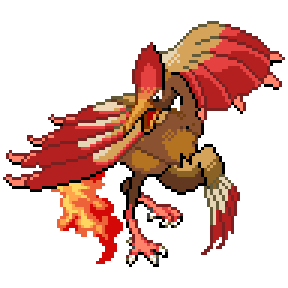
Swidos keeps its nose to the ground to sniff for food, often bumping into things in its environment as it does due to its stature. Any damage Swidos takes from this is minimal thanks to its hardened skull.

Often mistaken for a drowning person, sailors will try to rescue this Pokémon only to be pulled into the ocean themselves. Its claws contain a paralytic venom to stop potential prey from escaping its grasp.

Its large body serves as a home for many fish Pokémon needing shelter. As more Pokémon flock to Corceus, its swimming becomes slowed until it shoos away the ones weighing it down.

Its large body serves as a home for many fish Pokémon needing shelter. As more Pokémon flock to Corceus, its swimming becomes slowed until it shoos away the ones weighing it down.

Cortales sits near coral reefs, pretending to be part of it in order to lure in fish Pokémon to eat. It can go several weeks between meals, waiting for the perfect opportunity to strike. Despite its clunky appearance, it is quite fast underwater.

Using its powerful psychic abilities, Corphox defends its home by trapping intruders inside the bubbles from its staff and moving them far away. Those who continue to intrude are met with a mighty Bubble Beam barrage until they leave.

Corbro decorate their shell-covered tails with coral bits and discarded shells from other Pokémon. Some near-extinct species of coral have been found on Corbro tails, causing conservationists to consider protecting Corbro colonies.

Mantine can jump up to twice as high above the ocean as Mantine, riding the winds to stay aloft for longer. Its wings allow larger Pokémon to swim alongside it for protection.
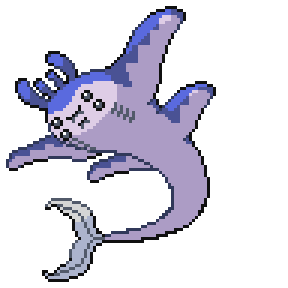
Skartini's scales harden and grow stronger with each molt, making its hide resistant to many attacks. It defends itself by bashing threats with its steel helmet.

These Pokémon were once thought to be servants of the underworld, patrolling rivers for unsuspecting souls to devour. They use their spade-shaped tail to propel themselves in water.
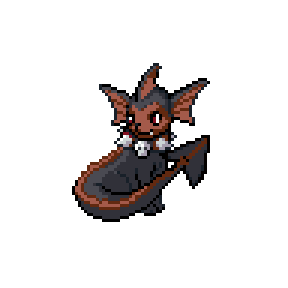
Hounicate commands a pack of its younger brethren. It will coordinate attacks on stores selling food to steal as much as the pack can before fleeing. Hounicate gets the biggest piece of the pie while its brethren are stuck eating scraps.
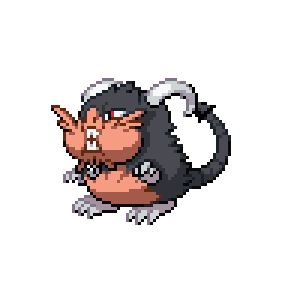
Stanpardos have been found in many places around the world, leading researchers to believe this species is nomadic. It relies on its large antlers to intimidate potential threats, only attacking when provoked. It sweeps its large tail to bat away foes.

Stanveon were once believed to be spirits of holiday joy given form. When the bells on their ribbons jingle, the area around them fills with a sense of nostalgic happiness.

Hitmonlucha's swift, high-flying fighting style leaves their opponents seeing stars. They can spin on their head for several minutes at a time without getting dizzy, delivering punches and kicks as they spin.
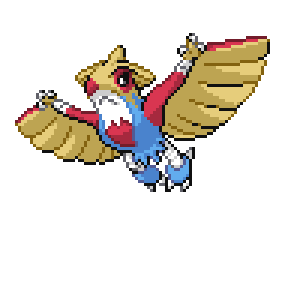
Archan have recently become known for their ruthless fighting style. They will sink their fangs into their opponent, envenoming them while delivering dozens of punches per second. Opponents that try to escape are coiled in their large tails.

Arloom live in packs consisting most often of three or four individuals. Using the poison sac in their body, the leader builds a cloud of poisonous spores in their mouth to spew at foes, after which the rest of the pack pounces.
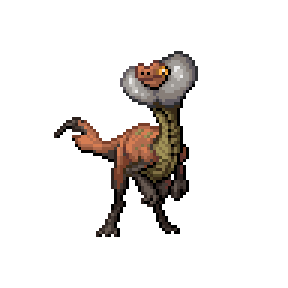
Blislosion's pouch is always heated to the perfect temperature for the egg it holds. It is recommended to keep a distance from this Pokémon as it is extremely protective of its egg and will blast threats with Flamethrower.

Bliskiss are popular among large hospitals for their kindhearted nature. When they sense negative emotions, they sing and even offer their egg to patients to make their stay a little less gloomy. The egg itself radiates an aura of happiness.

Rairoc's fur and rocky plates are highly conductive, allowing them to charge Electric-type attacks easily. It's thought the howls of these Pokémon can summon lightning bolts capable of levelling a neighborhood.
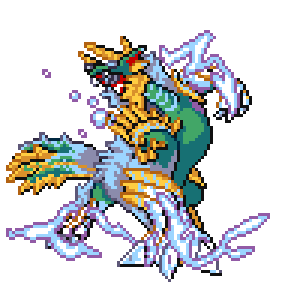
In the past, Tyrantales were trained to guard shrines from would-be thieves. The holes on their chest plate serve to vent heat from within their body and echo their mighty roar for several miles.

By waving the wing-like appendage on its head, Lurita creates strong gusts of wind. It uses this ability to knock berries from trees and trip up foes. If it doesn't plant itself firmly in the ground, it may blow itself backwards by accident.

Electricity crackles over Pikarina's venomous barbs when fully charged. It uses its tail alongside sparks to communicate with its family.

Ho-inder's large wings make it difficult for them to fly properly. The embers shaken from their feathers shine with every color of the rainbow.

Ho-corio rub their feathered pom-poms together as they perform, causing rainbow-colored sparks and embers to shower down around them. Molted feathers from these Pokémon have been found in ceremonial regalia from the past.
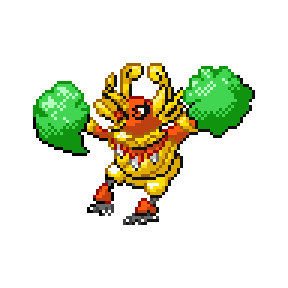
There is a legend that warns against staring at a Celetales for too long, claiming it will send you through time in the blink of an eye. The rarity of this Pokémon makes it difficult to confirm these claims.

A cry from Honchkou summons savage thunderstorms. Reports claim to see many Murkou within the clouds, flocking to their leader's call. Due to the rarity of these Pokémon, however, the Murkou are thought to be illusions created by rampant electricity.
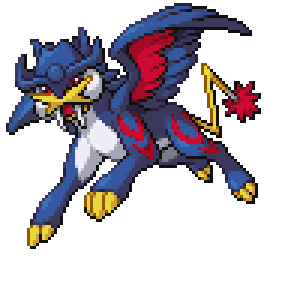
The barbs along Raidra's body contain a paralytic poison used in anesthetics. Shoals of these Pokémon take over shallow reefs in the summer months, forcing beaches to close until they move on.

Raidra rise from the deep ocean during thunderstorms, attracted by the lightning. As the storm rages, they prey on Water-type Pokémon who have been disoriented by the violent waves. They swim at burst speeds of over 35 miles per hour.

Flocks communicate with each other through a combination of chirps and electrical sparks from their tails. If they get agitated, Railing will not hesitate to shock the source of their anger.
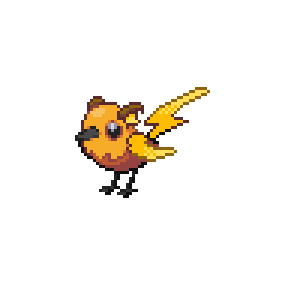
An extremely toxic gas is constantly building up within Magnefing's body. It expels this gas alongside its attacks to relieve pressure and poison foes.

Magmorshrew live in large groups composing of one or several families, making complex burrows that can span several miles of volcanic ranges. When threatened, Magmorshrew launch fireballs from their tails.
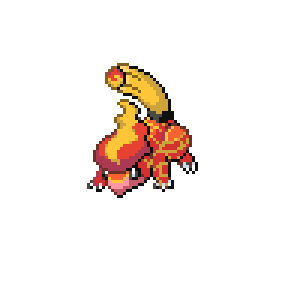
Once known as living volcanoes, Magmorock slowly trudge through volcanic mountain ranges looking for food. The molten rock used in their attacks exceeds temperatures of 2,000°F.
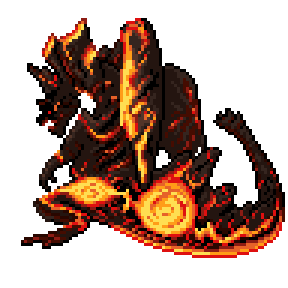
Its wings hide two sickle-like claws that are coated in ice when attacking. It swoops down to steal eggs from bird Pokémon, but often ends up dropping them into the arms of Trainers as it flies away.

Togetales appears to kind and respectful Trainers, often offering gifts of its feathers or bundles of fur. It is said these gifts are blessings of long life from this Pokémon in hopes the Trainers continue to do good.

Festivals of all kinds can be host to groups of Togeloon, as the positive emotions attract them. Their delicate wings are susceptible to being waterlogged and thusly will weigh them down, so they tend to hide away during rainy weather.

Sandinch create sand pits in their desert homes, waiting for unwary prey to fall into their open mouth. Desert-goers often get stuck in these pits as Sandinch don't bother filling in the pits when they move on.
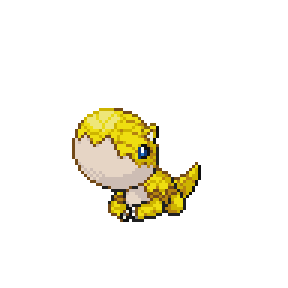
Leafrorus bask under moonlight to photosynthesize energy, supplementing their diet with other plants in their environment. Healthy Leafrorus emit a spearmint smell from their leaf-like sails.
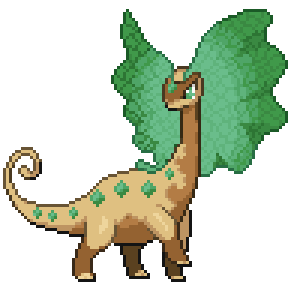
A bitter chill cold enough to flash freeze water follows Glaceceon as it walks. It's popular during summertime events, allowing people and Pokémon to cool off quickly.
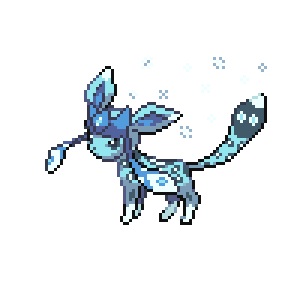
Porynette infests abandoned computers, consuming data left on the device until there is nothing left. Its appearance has inspired mechanical horror films about rogue computer programs.

The leaves growing out of Grorino's body help them camouflage in dense forests. A pack will sneak up on large prey before pouncing with poisoned claws. They will only stick together for a meal before splitting off again.
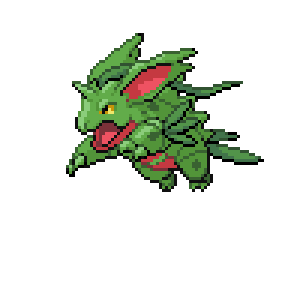
Despite their bulkiness, Grorunt are surprisingly agile. These Pokémon are often raised for the leaves and scales that shed from their body, which are collected for use in herbal medications. The pampering brings out their vain attitudes.

Scepdactyl is thought to be an ancient ancestor of Aerodactyl and Sceptile. Its powerful wings let it fly at high speeds, even through dense trees.

Known as the King of the Jungle, Sceptrum stomp around their territories, roaring loudly to assert their presence. Their strong jaws can split a thick tree in two.

Sandans burrows underground to keep itself cool in the blazing heat of its desert home. When threatened by larger Pokémon, it coils defensively and rattles the spines on its head, warning foes to stay away.

These Pokémon collect heavy bones and swing them with little effort despite their small size. Mudbone often fight over bones they want by flinging mud at each other until one admits defeat.

Swampdoom packs lurk in swamps, carefully watching anything they spot in their territory. During hunts, a small group of Swampdoom will break off and burrow into the ground, only to ambush the prey as it's chased into them by the others.
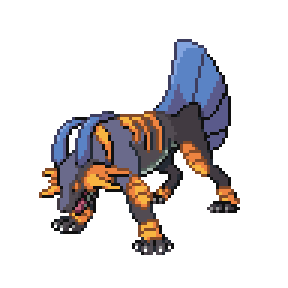
Kicks from this Pokémon initially seem weak due to its fragile exoskeleton, but soon after the attack, the target is struck with a supernatural force. It is theorized the strength of the attack manifests from the ghostly energy in Shedlee's body.

Shedian appears in areas with little to no light pollution, floating silently where the stars shine brightly. It is thought they gain energy under starlight, fueling the supernatural power behind their attacks.

Shedbi is said to form when their forest homes will be in danger in the near future. The recent rise in their numbers is concerning enough that new regulations regarding deforestation for human construction are being discussed.

Groups of Gibpy will spar with each other to train. They use their strong trunks to hold on to their opponent while delivering their Bite attacks.

The pollen produced by Venuceus's flower ring is collected and used to help make medications that lessen the effects of migraines. The quality of the pollen collected depends on how healthy Venuceus is when collected.

Nidopy's body is covered in barbs that slowly grow as it ages. These barbs are tucked close to its side as it rolls around looking for food to feed its family. Its trunk can pick up a scent from over a mile away.
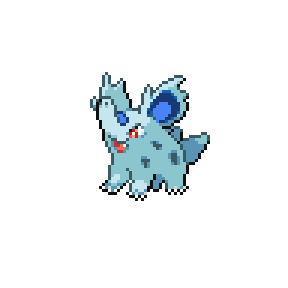
Despite sleeping for most of the day, Nidora can quickly jump up to defend their friends and family at the first hint of danger. They Teleport around opponents to confuse them, waiting for a chance to hit with a nasty Poison Sting.

Because they are blind, Mawbat navigate their territories with echolocation. They pounce upon anything smaller than them, using their wing spikes to inflict deep wounds that are easily infected.
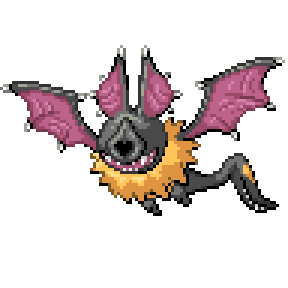
Mawgalge are the bane of sailors all over the world, especially those transporting fish. Their teeth can rip through the hull of a ship as if it were paper, reaching their arms into the storage areas to feast on the edible cargo.
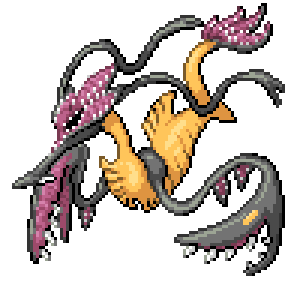
Lilnine serves as a wandering home for schools of fish Pokémon. It can cross several miles of seafloor in a day when searching for food.
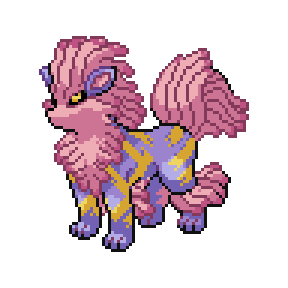
Slainch buries itself in shady places, leaving its open mouth exposed while it waits for prey to walk into it. It often falls asleep while waiting and ends up scaring away potential prey by snoring.

On nights when the moon is full, Nidotales gather in a single large group to pair with one another. Their tails are such a deep obsidian that they mirror the night sky. Some astronomers even use Nidotales to study constellations.
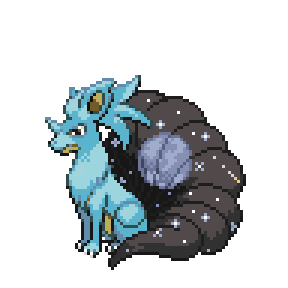
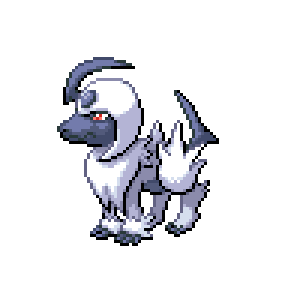
Abceus's sharp horn is extremely sensitive to changes in its environment, leading it to be seen as hyper-aware to natural disasters. Broken bits of this Pokémon's horn were collected in the past in the hopes they would serve as early warning signs.
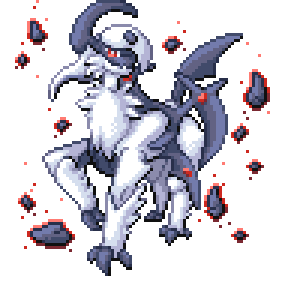
Rural areas often rely on Abtric to warn the communities of incoming disasters. When it senses danger, it seeks the highest point in the area and lets out barks that span several miles. The horn on its head acts as a lightning rod during storms.
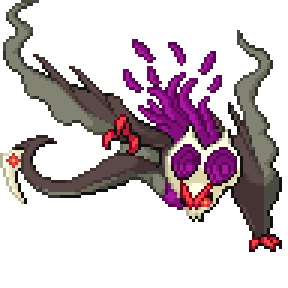
Dusdos is considered to be a harbinger of doom due to various disasters that occurred after sightings. Many Trainers have sought after this Pokémon, only to swear off further encounters with fear in their eyes.

Duspix creates orbs of ghostly energy that were once believed to be the restless spirits of those who passed away. It is more active at night, stalking in the darkness with only its single scarlet eye being visible.

Dusvern's haunting screech can be heard from over several miles away. It freezes potential prey in place with this cry alongside the menacing scarlet glare from the false eye on its tail. It then leaps from above to finish the hunt.
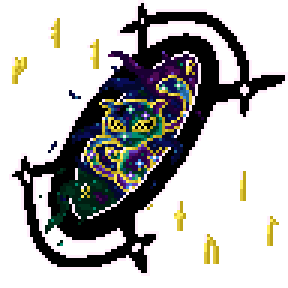
Arcgon can show up nearly anywhere in cyberspace. It steals anything it deems to be legendary or of significant value, leaving an odd residue in its place before disappearing, much to the annoyance of many users.

Researchers of all types are constantly wary of Arcew. These Pokémon seem to enjoy taking on the appearance of ancient art or artifacts to fool researchers into questioning their findings for a currently unknown reason.
Arcreep struggle to walk properly due to their heavy gate. This makes it difficult for these Pokémon to survive in the wild and therefore makes them a rare sight.
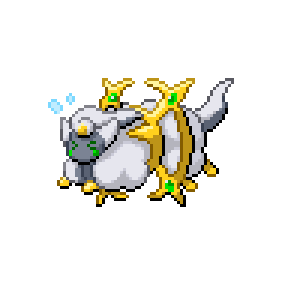
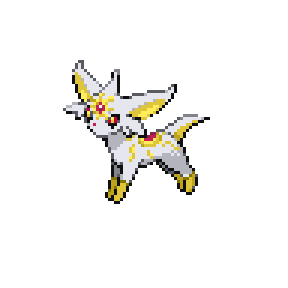
Arceon were once thought to be avatars of the sun due to the sun pattern on their back. The gems on their forehead and back glow when channeling their psychic power.
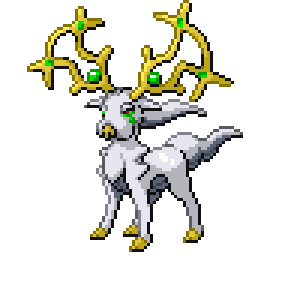
Arctler bears a resemblance to an ancient depiction of Stantler. Its large, golden antlers are highly sought after trophies with only a couple of sets having ever been collected. Arctler's rarity makes collecting the antlers a monumental challenge.
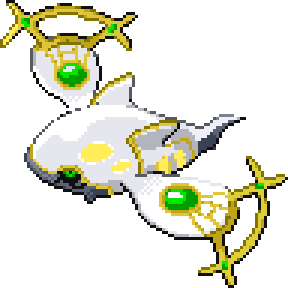
Due to Arcogre's rarity, it's thought they are able to swim through dimensions. Their mastery over water allows them to swim in nearly any ocean, making the water surrounding their body perfectly habitable for them, even in frigid temperatures.
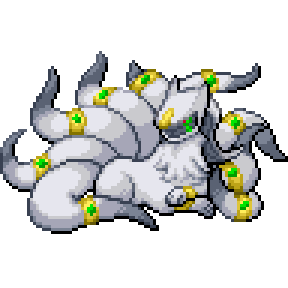
It is said that a Arctales has one tail for every existing Pokémon Type. Its nimbleness and elusive nature create difficulties for scientists studying it.
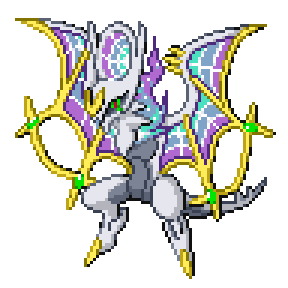
Arcvern's wing membranes resemble a supernatural phenomenon thought to have occurred in Alola. They cause confusion in their opponents by shimmering this membrane as they flap their wings. Their supersonic cries can be heard from vast distances.
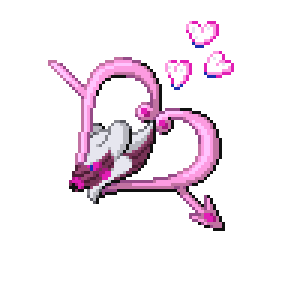
An old folk tale claims that being struck with a Water Gun from an Arcdisc would make you fall in love with the first person you see. While these claims are not true, the tale has persisted for over one thousand years.

An old folk tale claims that being struck with Arcdisc's pink, Luvdisc-shaped bubbles would make you fall in love with the first person you see. While these claims are not true, the tale has persisted for over one thousand years.
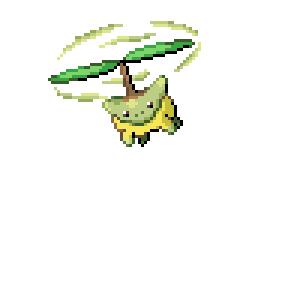
As Turpip drinks water, the leaves on its head harden enough to be used as a propeller. It uses this ability to travel from one water source to another. It is able to resist sudden breezes, but high winds still knock it off course.
Pipgey searches for bug Pokémon in tundra shrubs, kicking up dirt to drive prey into the open. Flocks of these Pokémon crowd tundra villages during the early summer as Pipgey parents begin raising their young.

Pipth hoard shiny objects and line their nests with them. When two Pipth meet, they puff their chests out at one another in a dominance display. The winner takes what they want of the loser's hoard.
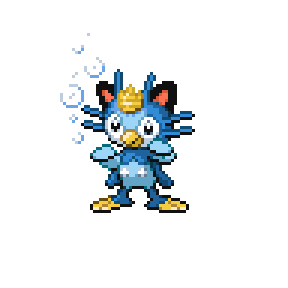
Pringey live solitary lives outside of breeding season. If two territories overlap, Pringey will viciously fight until one of them retreats, relinquishing that part of the territory to the victor.

Strikes from Prinotto's wings can knock the wind out of a Snorlax. Its territory can span several miles and is defended with fierce diligence.

These solitary Pokémon patrol their icy territories with diligence. The flame on their tail can withstand several hours underwater before they must surface.
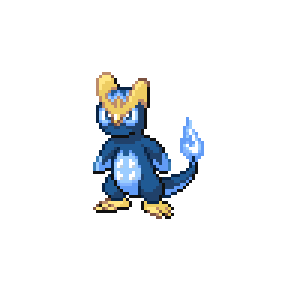
Once considered to be a king of the oceans it inhabited, Emponair exerts considerable power over water. It is said a sprawling city was washed below the waves in the past due to angering this Pokémon.

The blades on Empoceus's legs are as hard as steel, allowing it to slice through icebergs as though they were paper. Paths carved by Empoceus are often used by ships transporting cargo through arctic waters.
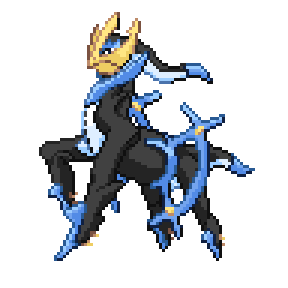
The steel horns on Empotales's head grow longer with age, attesting to its survival skills and thus making it more favorable to potential mates. The longest horns ever recorded reached from the head to the top of the tails.

Nicknamed the King of Slimes, Empomy often gather groups of their unevolved and younger brethren, even including unfused Goomy. The leader acts as the guardian for the entire group, retaliating against threats with intense Water-type attacks.

Nosegross cannot see well, instead using their nose and the holes on their feet to smell their surroundings. It's thought they can map an entire continent by smell and are intelligent enough to remember specific places for decades.
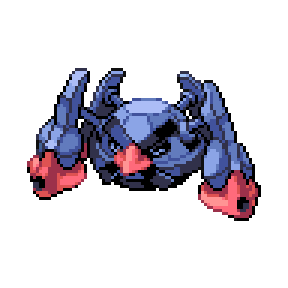
Territories where Aegiceus live are often filled with rocks filed down in different shapes due to Aegiceus sharpening its bladed gate on them. Images of this Pokémon were used in the past as symbols of power and courage for medieval knights.
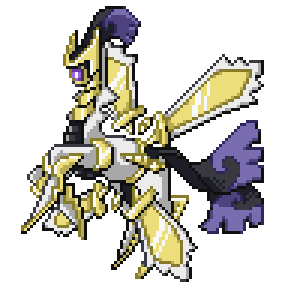
Despite their bulk, Aegitrum can swing their bladed tails with deadly force and precision. They use their jaws as a whetstone, keeping both their teeth and blades sharp.
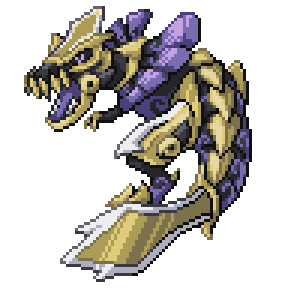
Nidoruff is incredibly stubborn, not giving up a fight until it faints. If it senses danger, the rocks on its collar start oozing with poison.
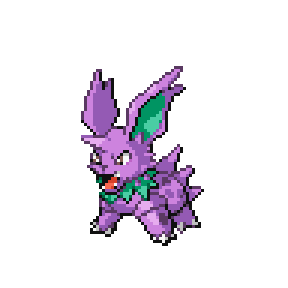
This smug Pokémon is able to run at high speeds, surpassing even Johto's Magnet Train. Its feathers spark with electricity when it gets excited.
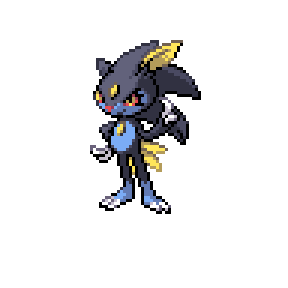
Aggret gather iron ore to fashion into the armor that protects their soft bodies. When threatened, they won't hesitate to charge foes and knock them down, only to quickly burrow into the ground to get away.
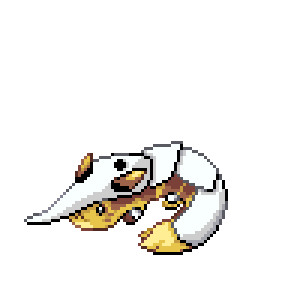
Territorial disputes between Aggitar were thought to have levelled mountain villages in the past due to their ferocity. Their plated bodies are resistant to many attacks, but overheat easily.

The steel plates on Aggceus's body are resistant to many attacks while also being pliable. Metalworks around the world seek these plates to make sturdy and reliable appliances that last for longer than those made with lesser materials.

The steel plates on Aggceus's body are resistant to many attacks while also being pliable. Metalworks around the world seek these plates to make sturdy and reliable appliances that last for longer than those made with lesser materials.

These Pokémon are constantly surrounded by cold mist due to their below-zero body temperature. Prolonged contact with their horns and spines can cause severe frostbite.
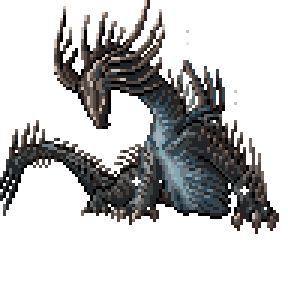
These Pokémon exhale an extremely cold mist due to their below-zero body temperature. Prolonged contact with their horns and spines can cause severe frostbite.
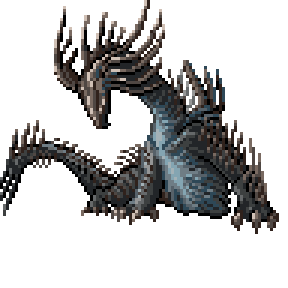
This variant of Aggvern has wings that are as hard as steel, yet allow flight. When flapped, these wings allow Aggvern to create extreme gusts of wind that are thought to rival hurricanes. As they age, their scales darken to a color akin to rust.
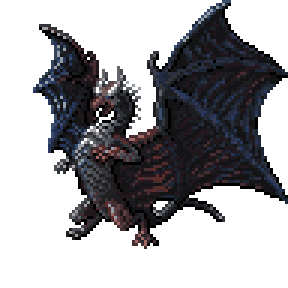
These Pokémon are most often seen during intense sandstorms hunting the Pokémon that get lost within. When night falls, they burrow into the sand to rest, leaving only their antennae exposed.
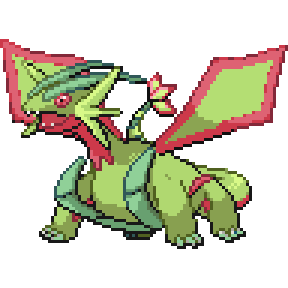
Flocks of Milovern inhabit misty highland areas, descending to lower regions to hunt. They let out a supersonic screech to stun prey and foes alike, diving in from above to take advantage of the opportunity.

When Salagon flaps its wings, a menacing growl is created. It uses this ability to chase weaker Pokémon into its territory, where a fierce sandstorm awaits. They get lost in the harsh winds and become Salagon's prey.
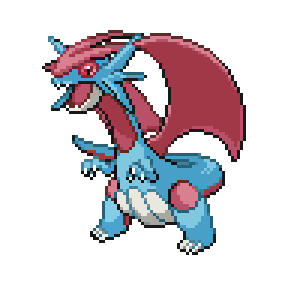
Its ears are strong enough to take flight and glide through the sky, realizing Salapunny's long-held dream. Kicks from its muscled legs can shatter boulders.

Syleary's thick cotton fur keeps them warm during winter. When they feel comfortable, they wrap their ribbons around their Trainer, emanating a cozy warmth to convey trust.

The sight of Sylcorio's fervent dancing and ribbon twirling is said to calm even the angriest of Gyarados. Sylcorio's ribbons are delicate and any sign of damage causes Sylcorio to work obsessively to mend them.

This variant of Grouram is covered from head to tail in a sticky, tar-like substance. Most of Grouram's diet consists of sulfur and other volatile materials found in volcanic areas, which they use to fuel their Fire-type attacks.
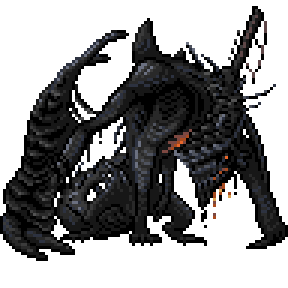
The flames on Raytres's wings are thought to be made of pure dragon energy leaking out of its body. Its mastery over wind and fire makes it a challenging opponent for many Trainers.

These Pokémon were once thought to be forms of malice incarnate. The ghostly fire used in their attacks leaves harsh burns that are difficult to recover from. A Giratei with damaged horns is often scorned by its brethren.

Prey enveloped by Girapex's arms are usually never seen again, leading to rumors that they are sent to a different dimension. Girapex's venom is potent enough to cause severe damage to the nervous system.

Darkpix shadows people and Pokémon, waiting until they fall asleep to torment them with nightmares. Its tails glow crimson from the negative energy it absorbs, channeling it into dark will-o-the-wisps it uses to attack any who dare challenge it.
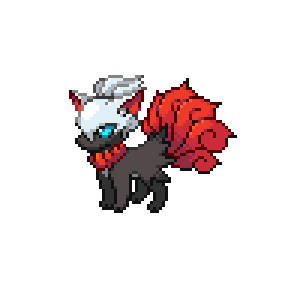
Darkdreigon's wing membranes constantly give off a dark mist. Inhaling too much of this mist in a short period causes a frenzy-like state in those affected. Darkdreigon does not seem to be affected by its own mist.
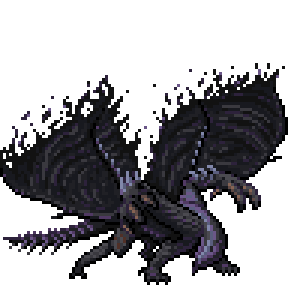
Darkgalge spits soporific poison at anything that crosses into its territory, even other Darkgalge. It torments intruders with nightmares and feeds on the fear they experience before swiftly shoving them out of its territory.
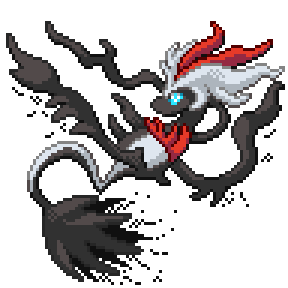
Darkchop seek out strong Pokémon like Charizard to train. Their punches fill the target's head with nightmarish visions, often causing the opponent to become disoriented long enough for Darkchop to claim victory.
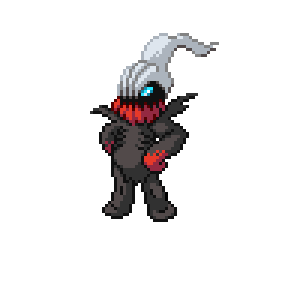
Cleflu gather in clearings to let the sunrise reflect off their wings, dazzling onlookers as their feathers glimmer and shine like stardust. It's thought these displays serve an important role in bonding with their flock.
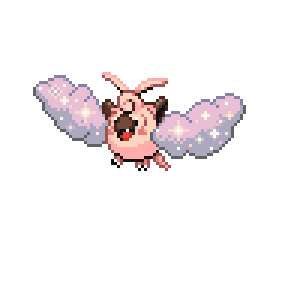
Kyuslash nest deep within glaciers, trudging above ground to feed. Their claws are so cold, a single strike inflicts frostbite that is difficult to recover from.

Rosedactyl spend most of the day sleeping after finding enough to eat, acting entirely disinterested in anything else unless actively attacked. During battle, they ram opponents with their body to deliver a paralyzing poison from their rocky spikes.

Bancario congregate where children play after the sun has set. The lingering auras of joy, happiness and friendship are believed to give them comfort. Those that have been adopted into families exude an overwhelmingly positive aura.
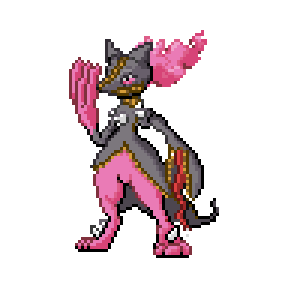
Bancario seek revenge on those who wrong them, driven by an instinctual rage. Their control over supernatural energy is so immense, it is thought they can level entire mountain ranges with a single blast.

The radiation emitted by Roin has been the subject of renewable energy discussions in recent years. They are able to increase the size of their radiation bubble at will, unintentionally poisoning those nearby.

Schools of Cleftine jump and glide over moonlit oceans as if defying gravity. An old legend claims Cleftine dotted the sky with their sparkling scales, creating the stars known today.
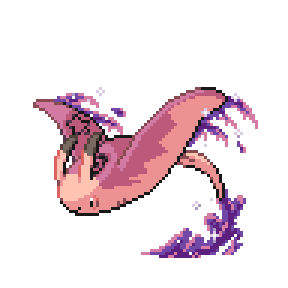
Groups of Cleftales and their brethren prance around lakes under moonlight. It's thought they absorb the moon's energy through this dancing, prolonging their lifespan. When the dance is complete, they howl and shower the area in brilliant pink embers.
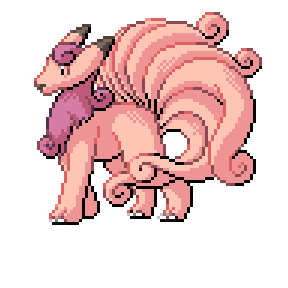
The cotton on Whimsiceus's body falls away as it floats along gentle winds. Plant seeds will sometimes get stuck in this cotton and sprout when it lands on soft soil.

As Whimsirona floats along whirlwinds, cotton from its wings breaks off and blows away. The cotton contains pollen from flowers Whimsirona pollinated and often causes allergy outbreaks when it floats through cities.

Krookoroc will spit sand into the eyes of its opponents to confuse and blind them. It will wear them down using fast attacks and the obsidian spikes in its mane until it can finish them with a Crunch.
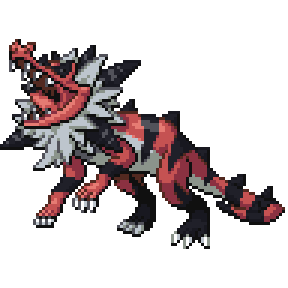
Galvangrowth's large bundle of sticky vines serves as a mobile home for their younger brethren. Galvangrowth are extremely protective of their vines, especially when occupied, unleashing powerful Discharge and Power Whip attacks to ward off predators.

As Litceus wanders throughout the night, wax and stray embers drop from its body. The embers do not start fires, instead draining energy from the surrounding area before slowly floating back to and being absorbed by Litceus's gate.
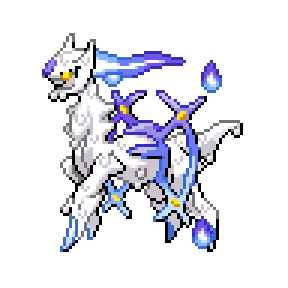
The ethereal flames that flow from Chandeltales's body are said to be an extension of their soul, varying in size among individuals. They are popular among haunted house attractions, providing ambient lighting and an ominous atmosphere.
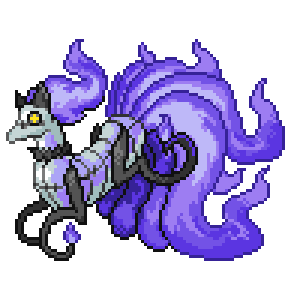
Goludos stalks through ancient ruins, attaching loose rubble and artifacts to their body with webbing, forming a sort of shell. They are extremely protective of this shell, but will fiercely defend anyone that gives them items to add to it.

Goluchamp is very strong and can often be seen helping with construction. Its multiple arms allow it to carry many heavy objects with ease.

Vulpie forages for food in heavy vegetation during the night. When threatened, it spits a fiery String Shot at the threat and burrows into the ground to hide until it feels safe.

Vulpix were once thought to be a pre-evolution of Vulpix. This has since been disproven, however it is unknown why fused Vulpix have fewer tails than normal Vulpix.

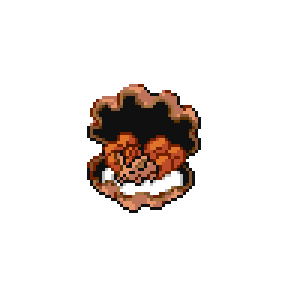
Vulperl's shell clamps tightly shut when it feels threatened. The shell is hard enough to break the teeth of some predatory Pokémon. If continually bothered, it creates boiling bubbles and launches them at the offender.
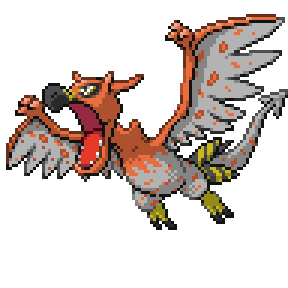
Flying at high speeds, Talondactyl showers clouds of embers over its foes and doubles back to dive through the fiery cloud. Its rocky exterior strikes the embers, causing them to explode and inflict major damage on the opponent.
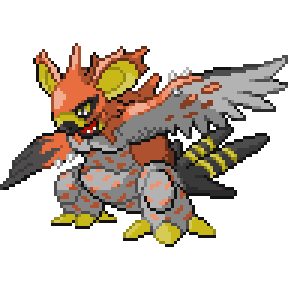
Talonium's neck flower produces a spicy aroma that irritates the nose. It uses its large wings to blow this scent towards opponents to disorient them before attacking.

Talonking spends most of its time on the ground as its wings can only allow it to glide for a short time. It will shower foes with fiery dust before following up with a devastating Earthquake.
The eyes on Mimidoom's head are false eyes made of will-o-the-wisps. Staring too long at the flame causes strong feelings of anxiety. Despite its scary appearance, Mimidoom craves affection.

Mimirachi seek affection from anyone they can find. By using their telepathy, they often promise to grant wishes for those who become their friends. Their wish-granting abilities seem to be limited to what they can craft with materials.
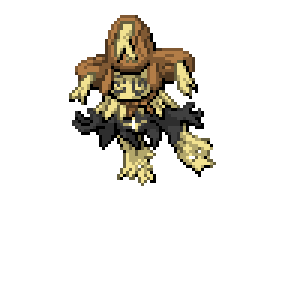
Using discarded electronics, Mimibat creates a disguise with a sound system that emits a high-frequency tone only younger people can hear. The tone is often described as nauseating and painful to hear. Mimibat does not seem bothered by it, however.
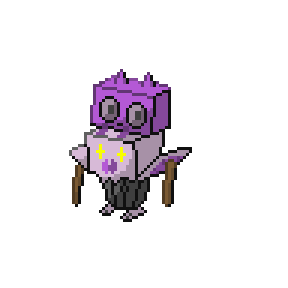
Mimior spends months creating a disguise to mimic a meteor shower. It often performs its own display during meteor showers, though many consider it a nuisance during these events.

Volcaceus attempt to hoard different types of healing herbs and other nutritious plants to strengthen their power. Those who try to take back the herbs are met with an intense Fiery Dance.

Deitic were recently discovered after a group bit through an autonomous submarine exploring the depths of the ocean, likely thinking it was food. They navigate their territories by taste, leading many to exhibit scarring from biting one another.

The mysterious orb on Lasaur's back swirls and shifts with purple mist. When close to evolution, the orb fills fully with this mist, leading Lasaur to find a spot as far away from danger as it can. It fills the chosen area with a poisonous fog.

Lalax are constantly on the move, looking for food in various places. They are very friendly when in a group, but skittish if alone. Earning their trust, while difficult, is said to bring good luck.

Dragon energy courses through Laziken's body, allowing it to deliver kicks with devastating ferocity. It harnesses this power further through training on tall mountains.

Lasaur spits a poisonous mist at anything it deems a threat, causing the mist within the orb on its back to churn and swirl with energy. This, alongside its seclusive nature, makes it difficult to study properly.

In ancient times, bones carried by Ninebone were thought to contain spells or enchantments and were thus collected by those practicing witchcraft. Making a Ninebone upset was thought to curse the instigator for decades.

When Ninereon is close to overheating, it releases excess heat from its tails and collar. When taken care of properly, Ninereon's golden fur is incredibly soft.
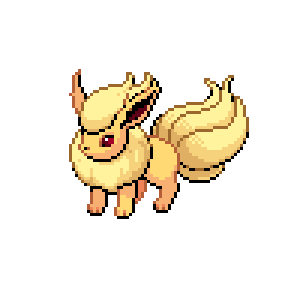
Regalia made with Ninenair fur were wildly popular among royalty in medieval times due to its golden hue. It's thought touching the orbs on Ninenair's tails will inflict the offender with a curse spanning generations.

In battle, Ninerita fans its leaf wildly to shower opponents in embers. These leaves are shed every year and are collected for culinary use, giving food a mild spicy flavor.
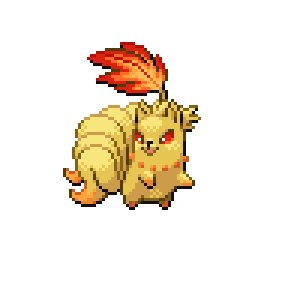
The fire spouting from Ninelosion's neck burns so hot during battle, the area is covered in a heat shimmer. Touching one of its many tails without permission can lead to intense burns that remain painful for years.

Ninesaur's large tails drag behind it as it walks, causing it to be easy to follow via the dragging marks. Its scarlet flower deepens in color as it absorbs sunlight and prepares for evolution.
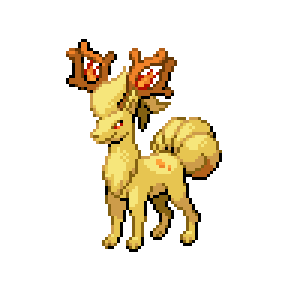
Ninetler's tails unfurl and the flame within its antlers glows brighter when channeling psychic power. It creates realistic illusions of forest fires to scare off potential predators.
Ninechu stores electricity in its tails, the tips of which darken as the charge increases. When threatened, it spreads its tails to make itself appear larger.

Ninevoir are often found in the Ecruteak Dance Theater dancing alongside the Kimono Girls. They control fire with ease and use it to create fantastic displays, capturing the hearts of viewers.

Ninesaur's large tails drag behind it as it walks, causing it to be easy to follow via the dragging marks. Its scarlet flower deepens in color as it absorbs sunlight and prepares for evolution.
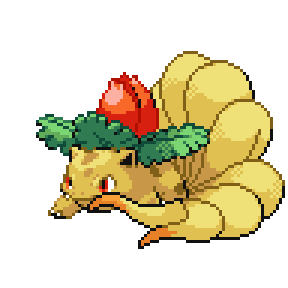
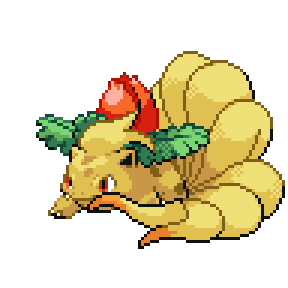
Ninesaur's large flower blooms only once during its lifetime, which is thought to span nearly one thousand years. Once the flower blooms, Ninesaur will no longer rely on food to survive, instead absorbing sunlight for energy.

Ninemander's control over fire is weak, rarely leading them to accidentally start wildfires when practicing. Ninemander are curious creatures that learn the extent of their powers through experience.
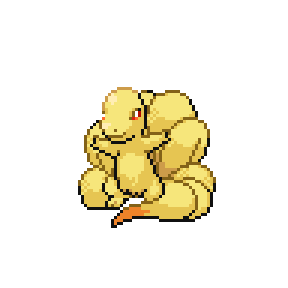
Ninepede's fur hides fine, poison-coated hairs that make maintaining its soft texture difficult without proper preparation. Wild Ninepede are highly aggressive and will target anything they see as a threat with a powerful Flamethrower.

Nineizard searches for fights with opponents stronger than itself. It will not stop searching even if it takes decades to find the perfect foe to test its skills. When it attains victory, it begins the search once more.

Ninegong parents spend all day hunting for food in cold oceans. When the sun sets, the shores of these oceans flood with returning parents, both to feed their children and sleep. They sleep in large groups to keep warm through frigid nights.

These Pokémon munch on the shards of fallen meteors, using the resulting paste to harden their exoskeleton. If you see a group of Jipie gathering in a spot, a meteor is sure to fall nearby.
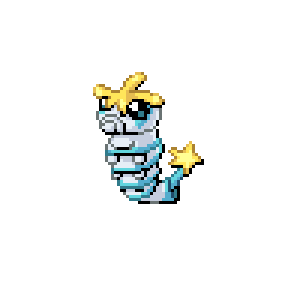
Nintales spends decades burrowing underground, eating roots and smaller bug Pokémon. When it's ready to evolve, it waits until nightfall to emerge from the ground with its brethren, ranging from a few hundred to thousands of individuals.
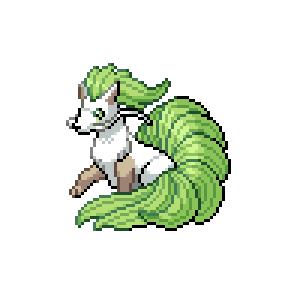
Slacoon lazily anchors itself to the ceiling of a tree hollow to await evolution. It often ends up falling from the ceiling, but lands softly on the hollow floor and continues to wait while watching the days pass.
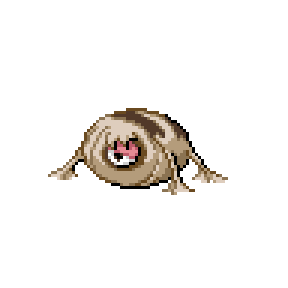
When surfacing for air, Waileal sometimes knocks over small boats. It mistakes the people in the water for its playmates and tries to play by bumping into them. Thankfully, it only lasts for a few minutes before Waileal gets bored and swims away.
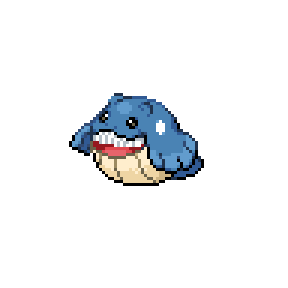
Shinat's long, stiff fur easily conducts static electricity. Some Shinat even end up sticking to one another if enough static is built up.
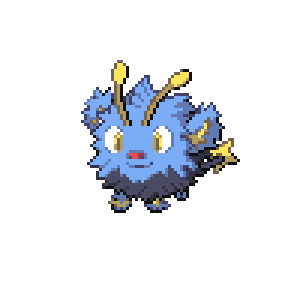
Excitable and friendly, Shitty's fur quickly charges with static electricity. During play, it can unintentionally shock playmates, so it is mostly found around other Electric-type Pokémon.
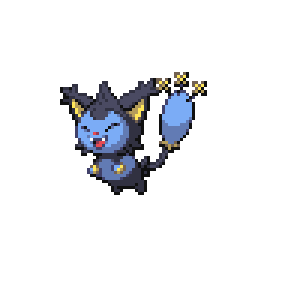
Lusel will clean its fur meticulously to help channel electricity through its body. Its exceptional eyesight can pick out movement in dense brush. Once close, it will let loose an Icy Wind to slow its prey before striking with charged claws.
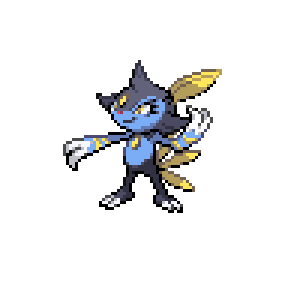
Jigglyrill's lightweight body allows them to clear the average house in a single jump. These Pokémon nest along lakes, using their excellent hearing to track prey beneath the water.
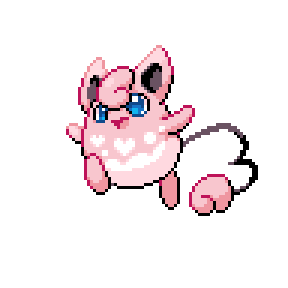
Jigglyrill seems to resemble an ancient depiction of Jigglypuff. By inhaling deeply and expanding its body, it belts out an ear-splitting scream that disorients those around it. It uses its long hair to force foes to be closer before it screams.

Jigglykern doesn't use much energy while waiting to evolve, gathering in places where both moonlight and sunlight can shine clearly on its leaves. It will sing with others as a last resort, putting predators to sleep before fleeing to safety.

The beautiful songs Jigglyetta sings are able to put any who hear them into a restful sleep. Melodies recorded from them are sold all over the world as sleep aids.

Jigglyter often float by people as they walk, looking at them with a pleading face. If given a gift, it will sing happily before floating away. Some children have even made a game of giving Jigglyter increasingly elaborate gifts.

Trapder use their strong jaws to eat dead coral, clearing space for new coral to grow. They burrow into the sand to sleep, using the same burrows as ambush points to hunt fish Pokémon when needed.
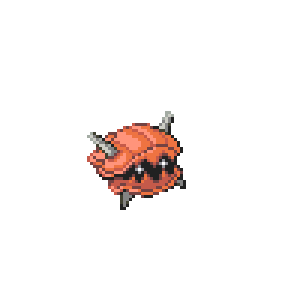
By emitting ultrasonic vibrations with their fins, Vibragong are able to effortlessly swim through sand. Some past civilizations have used Vibragong to transport people and goods across deserts using sleds.
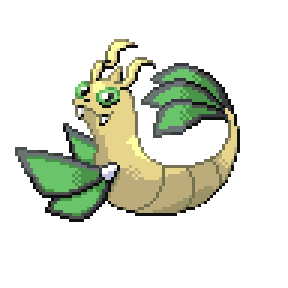
By emitting ultrasonic vibrations with their fins, Vibragong are able to effortlessly swim through sand. Some past civilizations have used Vibragong to transport people and goods across deserts using sleds.
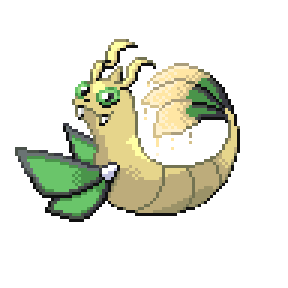
The muscles in Bapunny's legs allow it to kick with destructive force and bound away quickly if in a rough spot. It stares at bird Pokémon in the sky, envious of their ability to fly.

The muscles in Baeary's ears are so strong, a single punch can knock the wind out of a Snorlax. Its cotton-like fur often gets matted and must be groomed to maintain its health.
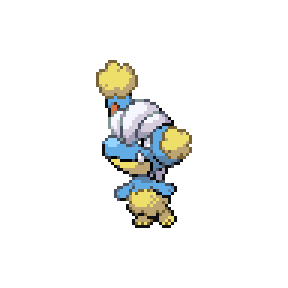
The heavy plating on its hands and ears makes it hard for Shelpunny to move quickly. Instead, it uses these plates to bat away threats and moves to a safer location.

The flame on Charceus's tail can be used as an indicator for their health. Their long legs allow them to quickly escape danger, often fleeing to their parents for protection.
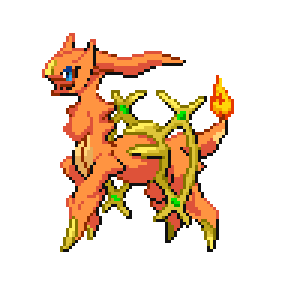
Without warning, Charape can erupt into a violent fit, thrashing at anything that comes near, including its Trainer. When calmed down, its flaming fur dies down to a smolder, leaving Charape extremely weakened while it rests.

The bicolored flower atop Rosewick's head glows due to a flame flickering inside. It loiters in flower gardens, leeching the life force of passersby.
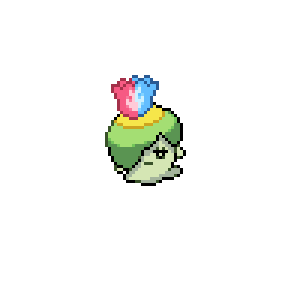
Incredibly slothful, Bunkoth sleeps for 20 hours a day and only wakes to eat. Its ears coil as it sleeps and can spring out suddenly with enough power to punch a hole through a tree trunk.

Shroomyena eats many different types of herbs to fill out its diet, many of which contain compounds that cause drowsiness, paralysis, and even poison. It stores these compounds in its body and releases them with its Bite attacks.
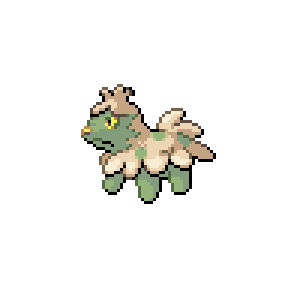
Shroomple is often found resting in patches of damp soil during the day, leaving to find food at night. If caught by a predator, it will shake its body vigorously, releasing poisonous and nasty-tasting spores.
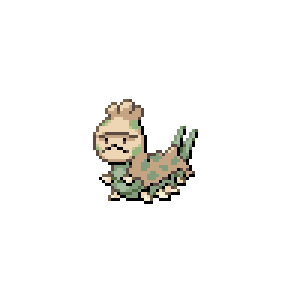
Because Shroomlow can't see very well, it stays almost entirely on the ground. If it gets spooked, it will fly into the nearest tree and leave poisonous spores in its wake.
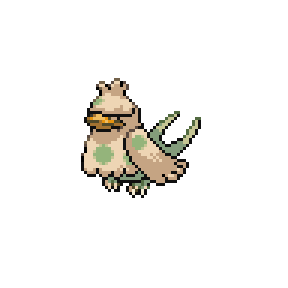
Shupcario are believed to be pacifist Pokémon, only attacking when provoked. They use ghostly energy to create spectral bones and attack their foes.
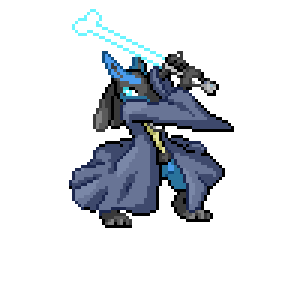
Shupolu is able to sense negative auras of those around it, following and absorbing the negativity from sources. It darts through shadows to remain unseen.

Cottonrona are raised for the cotton their wings shed daily, which is used in clothing and blankets. They spread cotton in battle, igniting it to burn foes. Ecologists are helping Cottonrona recover their dwindling population.

The cotton on Cottonile's body comes off easily, sticking to the mouth of opponents long enough for it to escape. It lounges in fields to absorb energy from the sun and burrows into the ground at night.

Sanditini burrows into desert sand during the day to sleep and hunts above ground during the night. It will molt underground once its skin becomes too tight.

Zusey hunts by using the nutritious eggs in their mouth to lure in egg-stealing Pokémon like Sneasel. When a Pokémon reaches in, Zusey bites down and injects the would-be thief with a paralyzing venom.
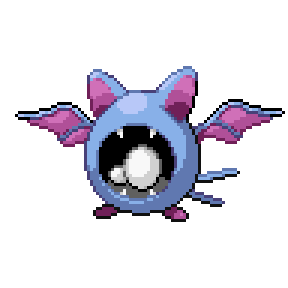
Yachomp has recently been discovered guarding ancient tombs. It can control the wrappings on its body at will, and it is theorized to survive by feeding on minerals or latent energy in the area.
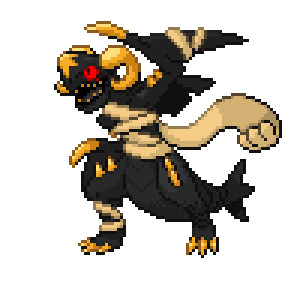
Jolpod's shell is covered in small spines that conduct electricity. Any Trainers or Pokémon curious enough to get close are scared off with a Thunder Shock.

The bundle of tangling vines conceals Jolgela's body as protection. It coats these vines in a sticky, conductive webbing, allowing it to catch prey with them and discharge Electric-type attacks easily.
Juvenile Fletchruff often form small groups and strengthen their wings by jumping from small ledges. Because they are very social and easy to train, Fletchruff make great starter Pokémon for new Trainers.

Swift as an arrow, Fletchling can catch even the fastest bug Pokémon. They often roost in chimneys when winter strikes to keep each other warm, causing a nuisance to many homes that rely on lit fireplaces to keep warm.
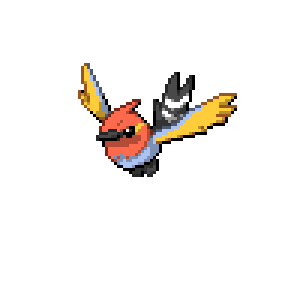
With stronger wings and more confidence, Fletchruff has become more independent than its previous evolution. It spits globs of molten rock from its beak to attack foes.

Sablin surrounds its nest with the same crystal spikes adorning its body, coating both with a poison that causes severe nausea. These spikes were found to have been used to create weaponry in the distant past.
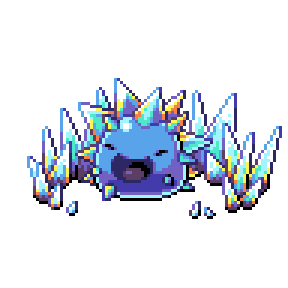
Whirliram remain in curled positions while waiting for evolution, relying on their hard-plated shell for protection. If threatened, they coil further into a wheel shape and, while their tail blazes with fire and poisonous spores, ram into the foe.
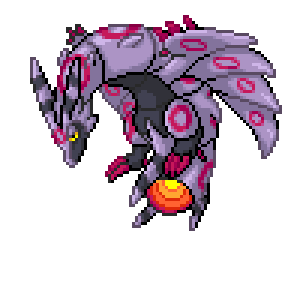
Their strong jaw muscles allow them to clamp onto prey, inflicting major damage. Due to the strength of their teeth, these Pokémon are forced to file them down on hard materials like metal, which makes them nuisances in populated cities.
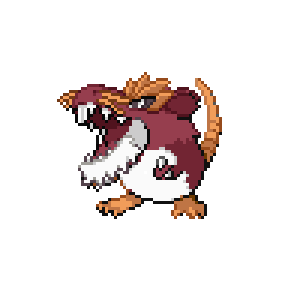
Snoran's warm fur hides venomous barbs they flex when threatened. They live in small groups of about six Snoran, coordinating activities such as eating and sleeping so that no one is left unprotected.
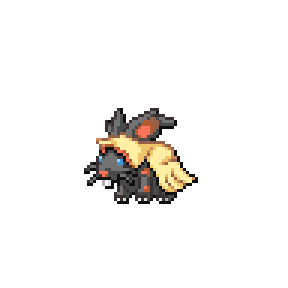
Despite its shivering, Snowick is surprisingly warm. It leeches heat from nearby sources, including people and Pokémon.
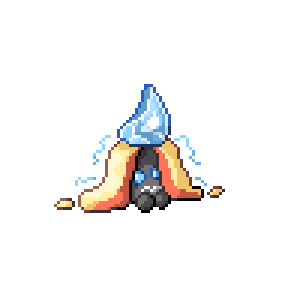
During heavy snowfall, herds of Frosdash appear and graze until the snow stops. Their misty manes are consistently below freezing temperatures, but feel oddly warm when touched by a Trainer they trust.
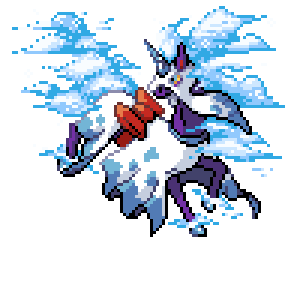
Fire swirls around Orixen as it dances with practiced grace. Its feet are coated in fire when it dances fast enough, leaving scorched pawprints in its wake.
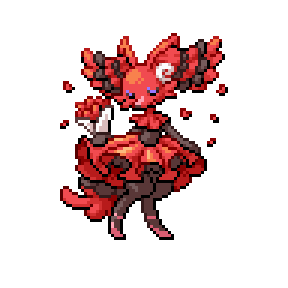
Oriloom's downy feathers hold poisonous spores produced by its body. It rubs its hands in this down to cover them in spores and static electricity before punching opponents.
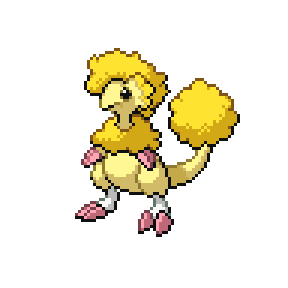
Orieon are popular in theaters for their graceful moves and psychic abilities that help in creating sound effects. By subtly moving their tail feathers, they produce a sound of water trickling over stones.
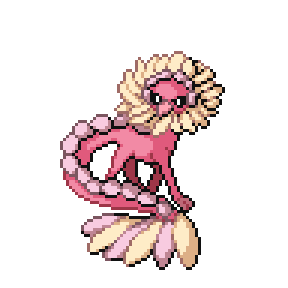
Orisel dances for humans and Pokémon alike, filling the air with a chilly calm. As soon as its audience disregards it as a threat, it scoops up any food it can grab and runs off.

The gentle swaying of their bodies alongside minor psychic pulses generates a relaxing aura around them. Hospitals employ these Pokémon to help patients experiencing extreme stress or anxiety.

The dance of an Orixen is slow, yet methodical. Its subtle movements coerce spirits from beyond to swirl around it as it dances. The spirit orbs then ignite with fire as they are hurled to attack its foes.

The flame of Orizard's tail flickers with ghostly fire. Many Trainers who own them claim to have seen images of passed loved ones within the fire, urging them to grow stronger. Despite the Charizard DNA within them, Orizard are quite serene.

Oridash are stars in the sport of Pokémon dressage. Their delicate twirls and cantering make the wisteria of their mane dance as if it were fire. When they rear, they let out a haunting cry that sounds similar to a woman singing.

Orifetchd spends weeks crafting the perfect wand for its dances, sometimes fighting with other Orifetchd for materials. Its dancing is believed to ward off negative energy, instead filling the air with a sense of serenity.
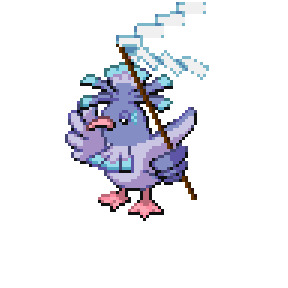
Trubkid roams garbage dumps looking for batteries of all kinds. It will feed on the batteries it finds, absorbing the charge and using the toxic materials it eats in its various Poison-type attacks.

Trubviper slithers around garbage dumps, feeding on organic garbage. The rotting waste in its body converts into a deadly poison that can corrode steel.

Garbcruel float aimlessly in oceans, adding any trash they find to their body. Cities suffering from large amounts of pollution often deploy Garbcruel in their local waterways to clean the trash, leaving them clean and safe to use.

Treveon, despite their Sylveon DNA, are often loners living within dark forests. Attempts to study them in the wild prove difficult because they shy away from human contact.

Depictions of Treizard appear in ancient texts describing it as a menacing deity of the forest. Those who took from the forest without recompense were met with awful fires burning their villages.
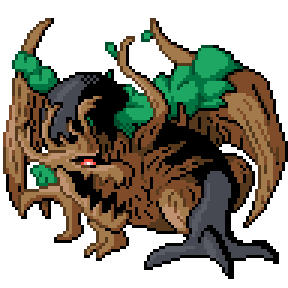
Gloozagoon can be tracked by the foul-smelling honey that drips from its mouth. The honey sticks to Gloozagoon's fur, making it smell awful until scrubbed away.
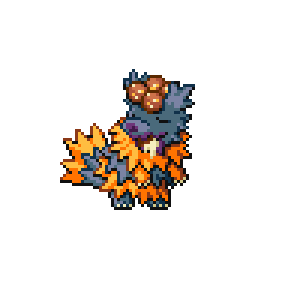
As sunset approaches, Noitales emerge from their roosts and take to the skies to hunt, using their harsh cries to deafen prey. They nest in large groups with a few individuals staying behind to care for the group's young.

This variant of Swabgon is most often seen cleaning and sorting files in a way only known to them. Messing with the organization of the files causes Swabgon great upset, flashing the light on their head and flailing the brush they hold.

Swabeel glides across coastal cliffs with its wing-like flippers. When wet, the cotton weighs Swabeel down, so Swabeel must wait several hours before it is able to fly again.

The large cloud trailing Altawile hides a mouth of sharp teeth. It hums a calming tune to lull foes into a false sense of security before clamping its jaws around them.

Googast's body is made up of fine granules of sand covered in a layer of gooey membrane. The shovel atop Googast's head is difficult to remove and doing so causes it to attack the offender until the shovel is returned.

Dirt and debris constantly get stuck in Goozagoon's gooey fur as it searches for food and places to rest, forcing it to find puddles to wash itself in. It leaves behind a slime trail in a zigzag-like pattern as it walks.
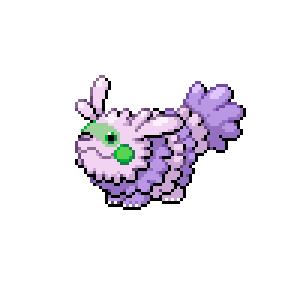
The goo secreted from Slirita's head is able to dissolve many materials. It uses this goo to melt food before absorbing it through its skin. When happy, Slirita produces a smell similar to what it previously ate.

The goo dripping from Slileef's leaves contains nutrients similar to fertilizer, allowing plants to flourish if it is mixed into the soil. Fruits and vegetables grown using it have a hint of a spicy smell and taste.
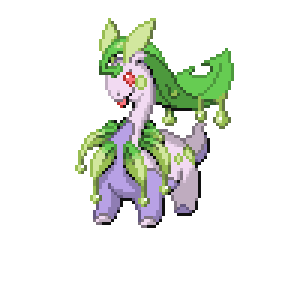
The goo dripping from Slileef's leaves contains nutrients similar to fertilizer, allowing plants to flourish if mixed into the soil. Fruits and vegetables grown using it have a hint of a spicy smell and taste.
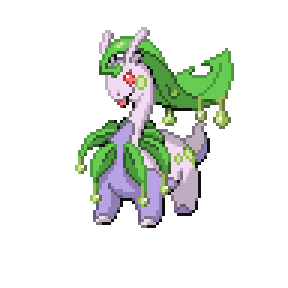
Gooper sense their environment using the goo coating their gills. Oddly, the goo does not interfere with breathing. They spread a thin layer of slime around their waterside nests to act as an early warning system against predators.

Gooveon are dotingly affectionate and will wrap their goo-covered ribbons around their Trainers to show affection. The goo has calming effects and is used in medical sedatives.

Nesting sites of Gootula are often covered in gooey webs that give off small electrical pulses. Anything that comes in contact with the webbing is glued in place and paralyzed by the electricity.

Gootales is very friendly and is often found sheltering weaker Pokémon and helping them grow. Despite this, its known to hold grudges for several decades if picked on. The gooey secretions from its tails are very warm.
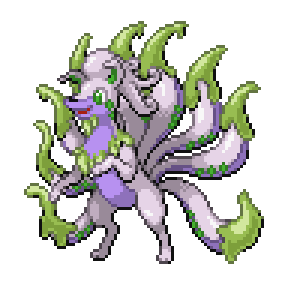
The goo secreted from Gooaura's body is often collected for use in reusable gel packs. This goo stays semifluid despite being below freezing or heated to high temperatures.
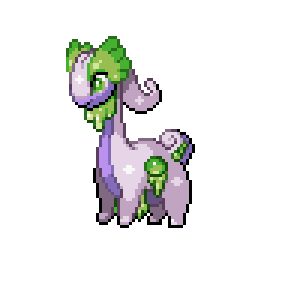
Despite their weight and clunky appearance, Regigull can fly fairly well. They peck at rocks and sand, adding the minerals to their body for protection.
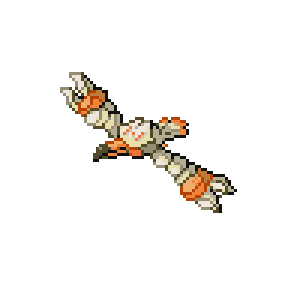
This Pokémon was first discovered after researchers followed a melody of icy winds into a deep arctic cave. Its body remains far below freezing; even touching its ice-like hair can cause near-instant frostbite.
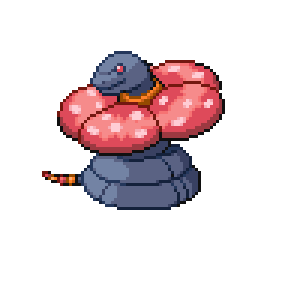
Vileans sits coiled near large trees, hoping to lure in bug Pokémon with its large flower. Pollinators like Butterfree and Beedrill can keep Vileans sated for several days.
Necrorai constantly seek sources of light to absorb, with their scales changing from black to gold depending on how much they've absorbed. Legends from long ago claim that Necrorai stalk the dreams of irresolute people.
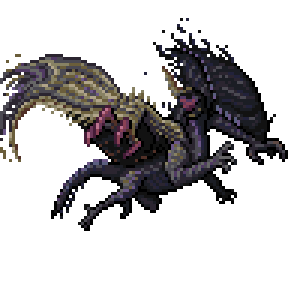
The plates on Necroaura's body easily absorb light and convert it into energy. Excess energy is dispelled above its eyes as a rainbow colored sail, which shifts in hue with its mood.

Said to be the combined spirits of sailors who passed away at sea, packs of Dheldoom skulk around massive shipwrecks. They superheat the water around the ship to drive away curious divers and predatory Pokémon.
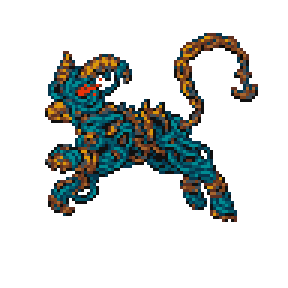
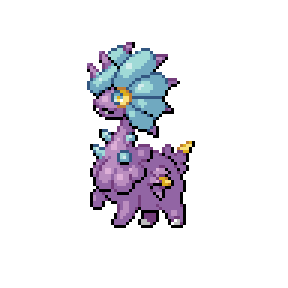
The arms on Maraura's head change color according to its mood, most often being a content blue. It can manipulate these arms to jab at opponents with poisoned tips. The poison chills the opponent until they can no longer move.
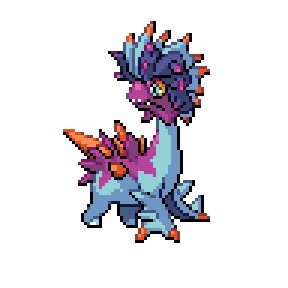
When hunting, Toxvern wrap their stinger-laden wings around prey, injecting a weakening poison. They seem to prefer hunting smaller Pokémon, as the poison takes hold much quicker.

Toxaura slowly cross the floor of cold seas in search of their favored prey, Corsola. After chasing Corsola into a set of Toxic Spikes, they stalk the weakening Pokémon until it is too weak to move.
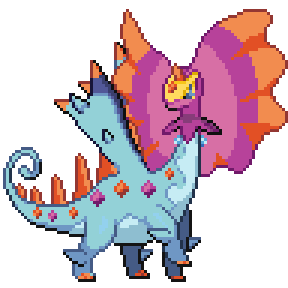
Herds of Toxrorus roam arctic seas, searching for prey to suit their large sizes. They work together to corner their prey by summoning walls of ice covered in Toxic Spikes. Their veils shimmer in bright colors depending on their mood.
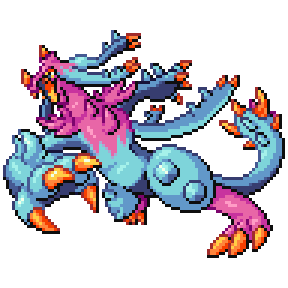
The poison from the punch of a Toxmo-o contains compounds that cause paralysis. Efforts are being made to see if the compounds could be safely added to anesthetics.
This Pokémon wanders miles of desert looking for oases to absorb water and nutrients from. The round cactus on its back holds the water it needs to keep cool in the blistering heat.

Though finicky about their appearance, Amavoir are known to be fiercely loyal. Depending on the direction their dress is seen when in light, the color shifts and sparkles. This has led to many designer outfits inspired by the dazzling display.
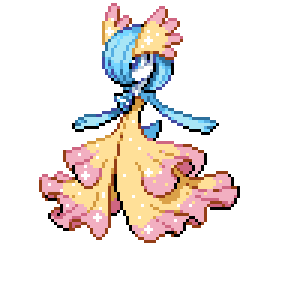
The flames making up Amadash's mane change color depending on their mood. When an aurora blankets the night sky, herds of these Pokémon gather together in tundra plains to find mates.

Researchers theorize that Aurororus's appearance may be the closest to what Aurorus looked like in the ancient past. Their bellowing cries can be heard up to five miles away.
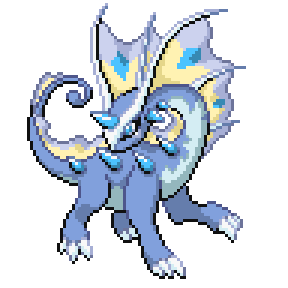
Nicknamed the Maestro of Ice, Auroxen creates beautiful, twinkling auroras using its wand. It's thought that groups use these shows to teach their young survival skills in the wild. They rarely perform for humans.

These Pokémon are popular among new Trainers for their friendliness and variety of evolutions. Packs of Rockvee will use their rock solid claws to mark trees within their territory and howl together to assert their presence.
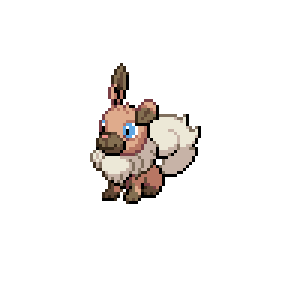
Rockshrew sniffs out roots and small Pokémon to feed on during the night. The tips of its ears are curved to keep dirt and debris out of its eyes and inner ear while digging.

Rocktrum's fur is coated with minerals, making it resistant to some of the strongest attacks thrown at it. The types of minerals in its fur reflect those found in its territory.
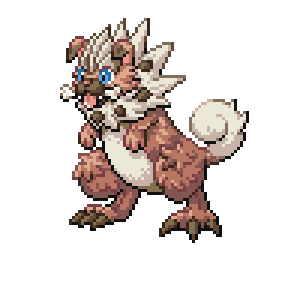
These Pokémon will take on foes larger than themselves, using their agility and sharp rocks around their neck to whittle down the opponent. When they reach maturity, the pack will journey to find evolution stones and evolve together.
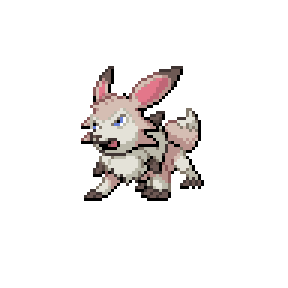
When hunting, a single Lycanta will lag behind the pack and pretend to be injured or weak in an attempt to lure in bigger Pokémon like Luxray. When the moment is just right, the rest of the pack will pounce on the would-be predator.

As Melolix burrows deep underground, the vibrations caused by its body spikes produce a unique melody that sounds like singing. The hair that falls away as it burrows is often used to make bows for string instruments.
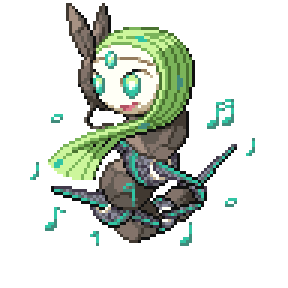
Meloria dance and sing atop tall mountains with voices that echo for miles. Each flock has its own stage ringed with glittering rocks where they dance for hours.
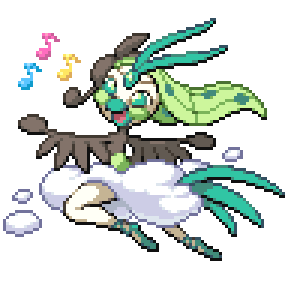
Cresstres's flaming wings shine with images of stars and galaxies. The stars shown seem to be similar in placement to those in the observable universe. Even embers shaken from its form glimmer with final motes of starlight before disappearing.
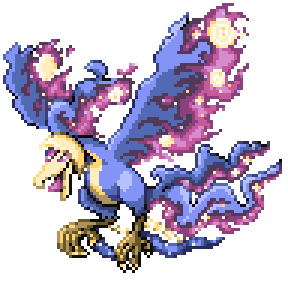
As Cresstei runs, embers fly off its smokey mane, resembling motes of starlight. Embers that land on people or Pokémon have a near immediate soporific effect, lulling them into a restful sleep.

During nights with a crescent moon, Cresstales lounges in areas with an unobstructed view of the sky. Its tails flutter and shine with the lunar energy it's storing. It will leave just before dawn to await the next crescent moon.

A legend from long ago tells of a princess who was put into a near eternal sleep with a single feather from a Cresselia. These Pokémon rarely show themselves to humans, preferring solitude in quiet forests.

A legend from long ago tells of a princess who was put into a near eternal sleep with a single feather from a Cresselia. These Pokémon rarely show themselves to humans, preferring solitude in quiet forests.

The wings of Bruxcorio pulse with psychic power to confuse opponents. It then strikes with sharp teeth and battering wings.
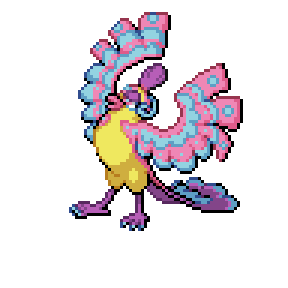
The fur on Necrovee's body shines with every color of the visible spectrum. Its chest and tail crackle with pure light energy as Necrovee struggles to keep it contained. Electric devices near it have a high chance of short-circuiting due to this.

The light pouring from Necrozma is so extremely bright it is theorized it could be seen from a galaxy away. Study of this Pokémon is practically impossible, not only due to its rarity, but because of the risk of blindness.

Jangsel cares very much about their appearance and sound. They meticulously clean their scales whenever they have a chance. The Jangsel with the shiniest and most pleasant-sounding scales leads the pack.
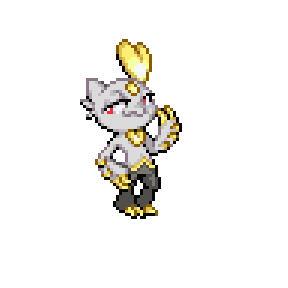
The petals on Ludactyl's wings are extremely sharp, allowing it to cause minor cuts to opponents and eventually overwhelm them. It needs a wide variety of food including meat and vegetables to maintain its vibrant coloration.

Lusharp's leafy blades are delicate, but turn hard-as-steel mere seconds before attacking. During winter, Lusharp groups frequently fight over food to maintain their vivid coloration, with paler-colored Lusharp being much more vicious.
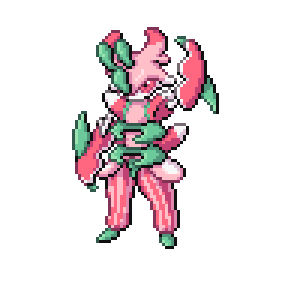
Carceus's skittish nature leads it to fire beams from the crystals around its chest at anything it sees as a threat. This sometimes includes other Carceus, leading to barrages of beams fired from both parties.
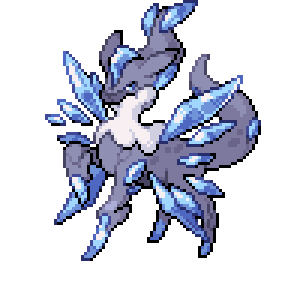
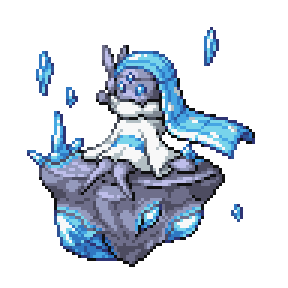
Deep, gem-lined caves are uncommonly host to Caretta performances. As they harmonize together, they fire beams from their platforms to add to the spectacle. Caretta are known to be skittish and will only perform for Trainers they trust.
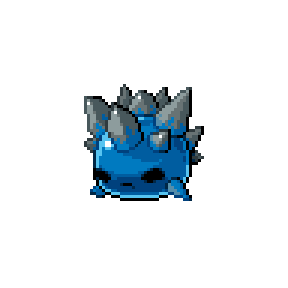
Carin are able to turn their spikes to solid stone as they attack, leaving wounds that burn with poison. They use this ability to dig through mountains to find the minerals they feed on.
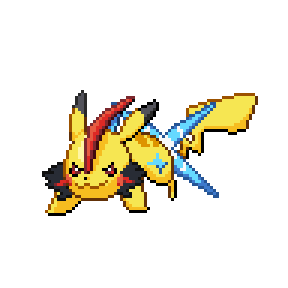
With lightning-fast reflexes, Grechu darts around the battlefield and strikes from all angles. The shuriken at the base of its tail acts as a propeller, allowing it to swim underwater.
A master of ambush tactics, Gredo is both silent and lightning-fast underwater. Several reports claim to see Gredo vanish mid-chase only to reappear in front of its prey, delivering a devastating Bite.
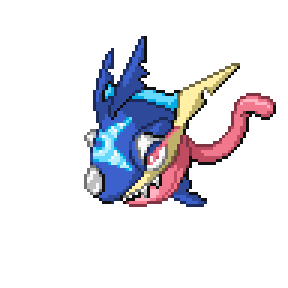
Coal mining facilities are a frequent target of Torhorn raids as they barrel through trying to find their favorite food: coal. Their blazing hot, rocky armor makes them slow, but tough to repel.
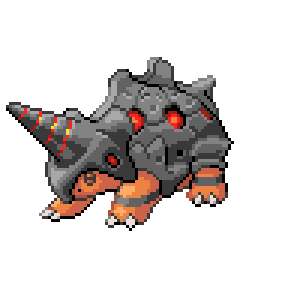
Torow live on foggy mountain peaks where the mist helps keep their body temperature down. They are easily excitable and, if well fed, can cause an area to heat up rapidly to uncomfortable levels.
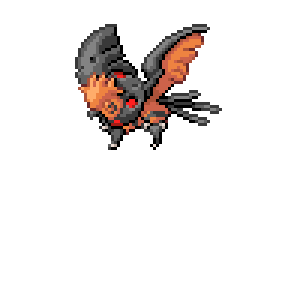
Torpede consumes coal to keep its energy high as it gallops around its territory. The craters on its back vent excess heat and poisonous smog.

The shell surrounding Torapex's head is heated by the coal it consumes. Water-type attacks from this Pokémon are scalding hot and likely to cause burns.

Pumprua appear during certain spirit festivals. The yellow fur on their bodies flickers like fire and is believed to drive away malevolent spirits. The flicker is more intense and a fresh pumpkin smell is produced when Pumprua are excited.
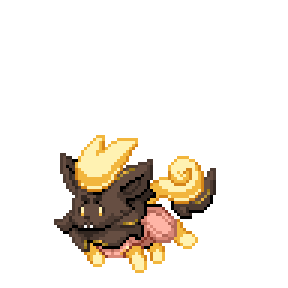
Gourpod pulls its body around using arms covered in sticky hairs. It also uses these arms as defense against Pokémon that would eat it by sticking the arms into the predator's mouth and allowing hairs to flake off, causing intense irritation.
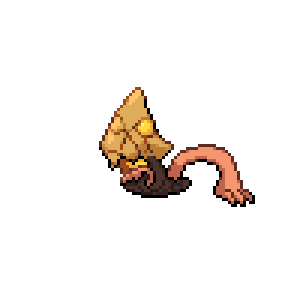
The sweet, yet haunting voices of Gourveon can be heard throughout many forests on nights with a new moon. They use their ribbon-like arms to grab prey, feeding off the fear they create by doing so.
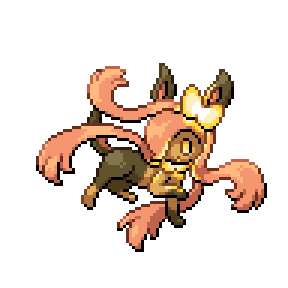
Gourtula waits to ambush prey from its treetop home with a web of tangling hairs. When its prey is properly ensnared, it uses a Thunder Wave to paralyze them further before feasting.

When in battle, Swirvee will tangle its opponent in sweet and sticky threads before striking with a Headbutt. It enjoys eating any sweets it can find, often finding itself in trouble when it ends up stealing said sweets.

Swirplume are raised for the sweet nectar that is produced from their large flower. The nectar is mixed with other ingredients to make syrups and jams for bakeries.

Miners rely on Slursparce's sensitive nose when working in areas that may contain dangerous gases. When it becomes uncomfortable, it flails wildly to alert nearby miners, and its cone like tail is hard enough to drill through solid rock.
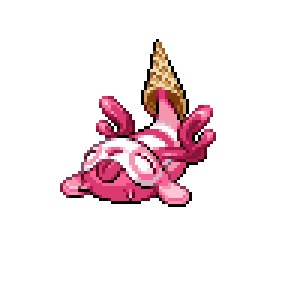
The icing inside Slurbird's tail is inexplicably delicious and sweet. During the holidays, pastries made alongside these Pokémon often sell out quicker than they can be made.
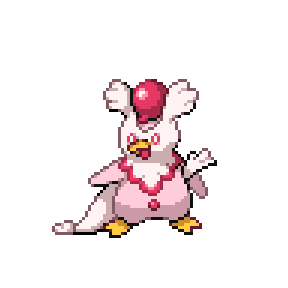
A single pastry from Slurtomb's box contains over 108 different flavors, overwhelming the taste buds of any consumer. They present these pastries to people and Pokémon they like and don't seem to understand how overwhelming their sweets are.

This Pokémon can create sweet smelling will-o'-the-wisps and control them at will. If there's a scent Slurpix particularly likes, the orbs will reflect that scent until it gets bored of it.
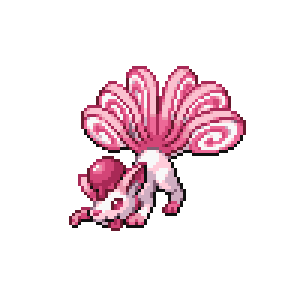
The tails of Slurtales contain a variety of sweets they store to enjoy throughout their lifetime. During festivals, one or two Slurtales may happily share treats from their tails, often rewarded for their generosity with even more sweets.
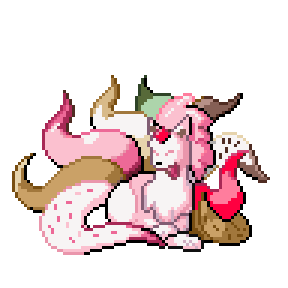
As Slurcorio dances, its feathers heat up and release a sweet scent. Opponents that are mesmerized by its dance are quickly enveloped in flames.

The joyful humming, alongside its cotton candy appearance, make Sluria a sought after Pokémon for vendors of all kinds. The shed puffs of cotton candy from its wings are said to be delicious enough to bring even the most hardened adults to tears.

This Pokémon leaves behind a sweet scent as it dashes around looking for the best berries to munch on. Some bakeries even employ Slurnine's help to bake pastries to perfection. Its nose is very sensitive to even the faintest of smells.
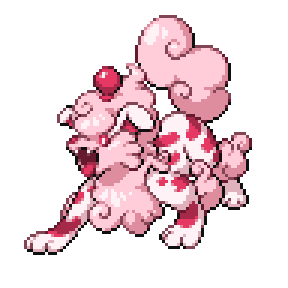
With its incredibly voracious appetite, Sluruk will stop at nothing to get its hands on any food it smells. Its immune system is strong enough to prevent it from getting sick if it eats something rotten.

Trainers are advised to keep an ear out while walking through areas where Lodot live. They enjoy popping out suddenly, spooking people and Pokémon alike. They can often be heard before they pop out by a hollow wood-esque jingling noise.
Lomeon sleeps in ponds during the day, camouflaging every part of its body except for the lily pad on its head. It is very skittish and will run away to hide if it senses danger.
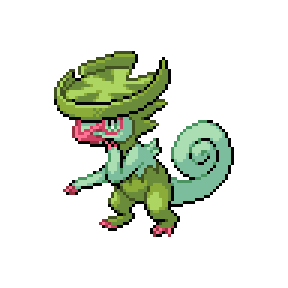
Legends from the past claim that the fountain on Ludifable's head contained water that would make those who drank it younger. While the water does not have these properties, it is exceptionally pure.
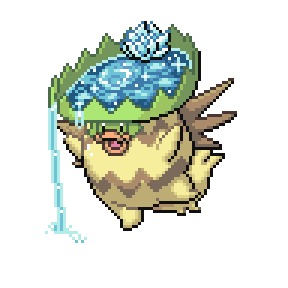
The cracks in Minitres's rocky exterior allow its core to vent fire-like plasma. The heat is so intense that standing nearby can cause burns. It is known to stay around the upper stratosphere eating dust and other particulates.
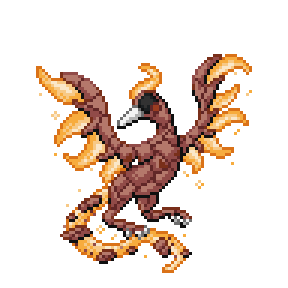
Even during battle, Minitales maintains a curled position. When threatened, it spews a Flamethrower filled with fine rocks that inflict cuts and burns.
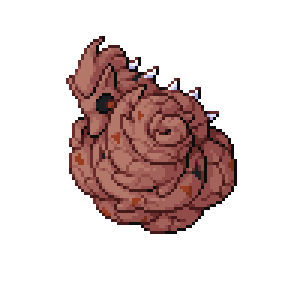
As Digceus digs underground, buried treasures and clumps of dirt stick to their body, forming a sort of protective barrier. Treasure hunters seek out these Pokémon in hopes of collecting any treasures that fall off.
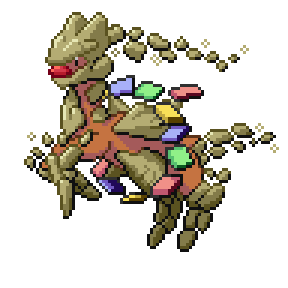
Digkoth spends only a few hours awake to find roots to feed on. Once its belly is full, it sleeps underground until it wakes again. Digkoth are often accidentally dug up on farms.

Digroth's active nature makes it a nuisance on farms. It can consume up to its body weight in crop roots in a single day and disrupts even hardy root systems. Some farms have seen success in deterring Digroth with underground walls around fields.

The gems on Diantales's body grow deeper in color as it ages. Jewelry made from these gemstones, especially from older Diantales, sells for millions. Reports claim the jewelry gives the wearer a sense of warmth and wisdom.
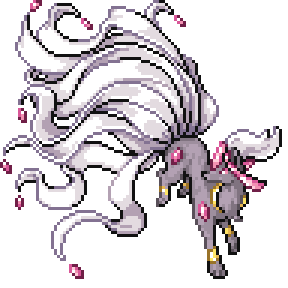
The clouds around Dianform's body are made up of ice-cold gem dust. They form these clouds into solid stones to lob at foes, inflicting minor frostbite upon contact.

Poochple actively seeks out other, preferably smaller Pokémon to bully and chase away from food it wants. If a larger Pokémon has food Poochple wants, it will gather its siblings or friends to help chase them off.
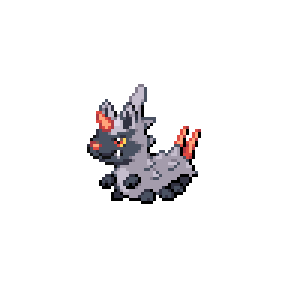
This Pokémon lazily floats on the pond it calls home, looking for shiny objects Trainers may have dropped in the water. Zigtad collects these objects and moves them to its den. No two hoards are exactly alike between individuals.
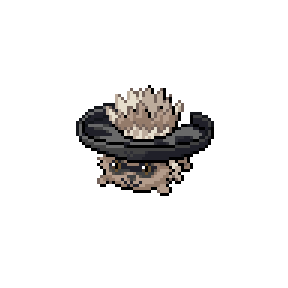
When foraging for food, Zigda trails often end up looking like giant spirals, only deviating if something grabs their interest. The patches of lighter fur on their face vary in placement between individuals.
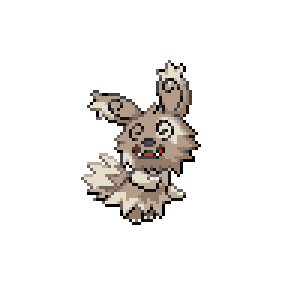
Linzagoon's sharp claws help it keep traction as it dashes at high speeds. It moves in both straight lines and zigzags to outsmart chasing predators.
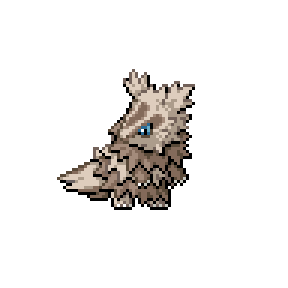
During arid seasons, Lintrike's long fur requires near constant attention to prevent static buildup. If not taken care of, it may accidentally short-circuit nearby electronics.
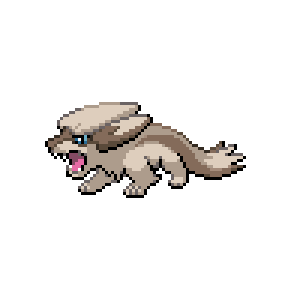
Lintric's powerful leg muscles allow it to run at high speeds in a straight line. In battle, it covers itself in the electricity stored in its fur and charges at opponents, delivering a devastating Wild Charge.
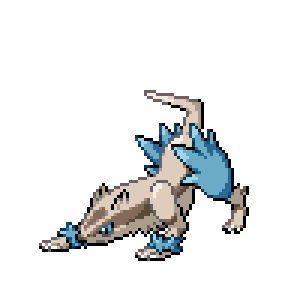
Wurmzagoon's spikes hold a paralyzing toxin it uses to deter predators. It is theorized this Pokémon intentionally eats poisonous plants to make it. As soon as the poison takes hold, Wurmzagoon will dash away to a safer location.
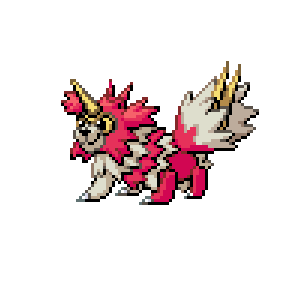
The large cap on its head stores energy from the sun. It uses some of this energy alongside the plants it eats to secrete a sticky poison from the horn on its head. This poison irritates the stomach of bird Pokémon that try to eat it.
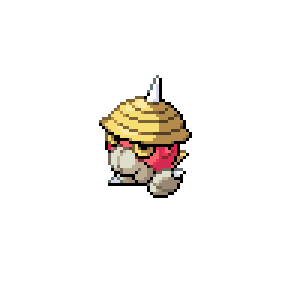
The three heads of Dugfetchd near constantly fight over holding their treasured leek, only stopping to eat, sleep or participate in battles. They will not accept additional leeks even from their trusted Trainers.

Seedrill loves to pretend to be a large acorn and spook Pokémon and Trainers alike. The leaf on its tail absorbs sunlight while it sits still and provides energy.
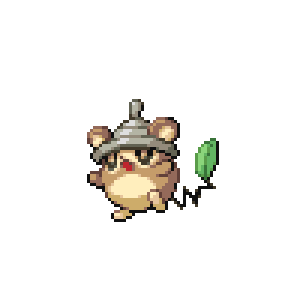
Seedzagoon attaches to tree branches by its head and tail to absorb nutrients. Its pinecone-like fur makes a rattling noise as it moves. When Seedzagoon is tired, it descends to the ground and digs a small burrow to rest in.
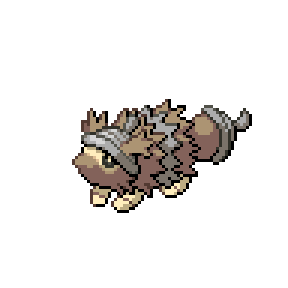
Taildeen live in clean rivers with flourishing floating plants. They use their wing-like fins to propel themselves out of the water to reach insect Pokémon flying just above the water's surface.
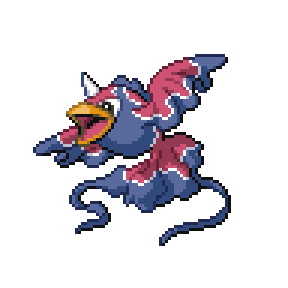
Tailchic often try to intimidate larger Pokémon into giving up their food by chirping loudly and spitting globs of fire from just out of reach. They quickly pick up on Pokémon that can be easily scared away and which to avoid.
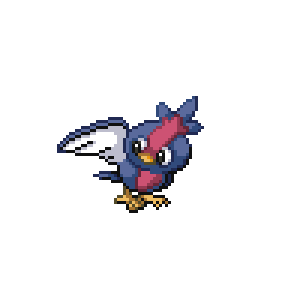
Tailyena will persistently chase its prey through land or sky. It will let out a loud bark from the top of its home tree to mark its territory.
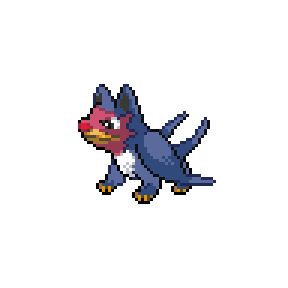
Swellziken runs at speeds rivalling Johto's Magnet Train, assisted by its lithe body shape. Even at such high speeds, it has little trouble clocking prey and attacking with powerful kicks.
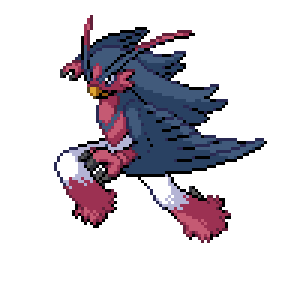
Winglett burrow around beaches looking for scraps of food left behind by beachgoers. It is not uncommon for someone to be suddenly surrounded by a group of Winglett. Despite their numbers, they are skittish and easy to scare off with loud noises.
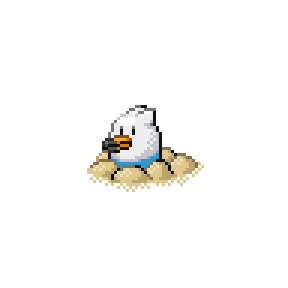
Wingyena sneaks around beaches to steal shiny objects and valuables from beachgoers. If confronted, it howls to summon more of its pack. If given an opportunity, it will flee with the valuables in its mouth.
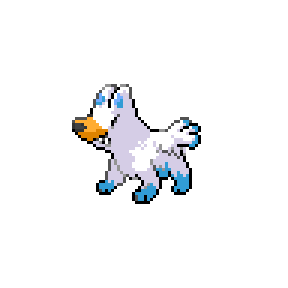
Wingnoone prowls around lakes where fishermen gather. As soon as a fish is reeled in, it dashes forward at lightning speed to steal the catch. This usually ends in success since most fishers won't bother chasing it.
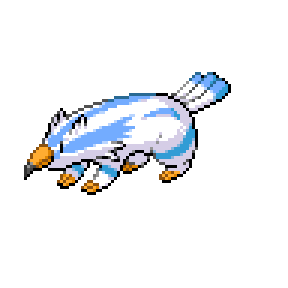
Suretta skates along the surface of ponds and lakes with graceful mastery. These Pokémon have inspired many figure skaters to imitate their moves in their own routines.
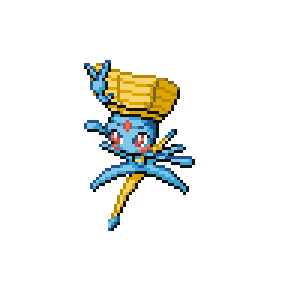
Meowsea will roam their ocean homes looking for shiny objects. They will hold onto objects they like with their paws, using their mouth to propel themselves backward instead. Fishermen covet the coin on their head as a good luck charm.
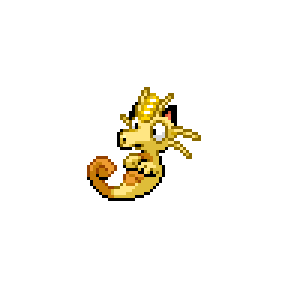
It is said that a Trainer that finds Meownite in the wild will be blessed with good luck. These Pokémon can fly around the world at high speeds and rarely stay in one place for long, making the chance of finding them very slim.

Meowling live in solitude for most of their life. When the breeding season begins, Meowling gather any shiny object they find, pairing these gifts with a dance and mirthful chirping to impress potential mates.

Expvern's Screech is enough to cause temporary deafness and nausea in those close to it. It uses this ability to stun prey and foes alike, swiftly closing in from above to attack.
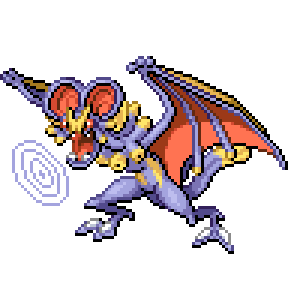
Makudude have been known to cause cave-ins while training in their home tunnels. Their powerful arms allow them to clear away rock piles with ease, so caves don't end up blocked for long.
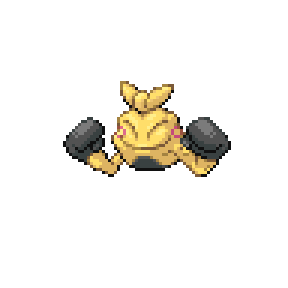
Using sticks it whittles into needles and fur from its body, Delphox knits toys for its young. The toys help its children practice skills that benefit their development. In battle, it loads the toys with psychic power before launching them at foes.
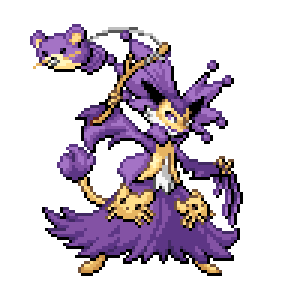
Meditales hone their fighting skills through deep meditation. Even as they meditate, they can defend themselves using their nine spirit-like arms, leaving foes with burning bruises that remain painful for days.

Though difficult to take care of, Persea adds an air of regality to home aquariums. Scientists debate on whether the color and size of the gem on Persea's head is influenced by its diet of microorganisms when it's young.
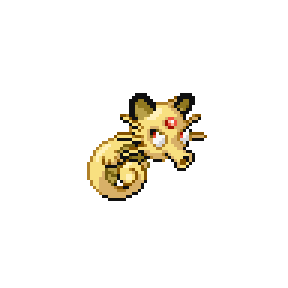
The velvety soft fur and feathers of Perinder make it highly sought after by the wealthy. If unhappy, it will violently flap its wings, releasing shining embers in frustration.

As this Pokémon runs at lightning speed, electricity builds in its arms and crackles wildly off its wrists. A single Thunder Punch from a fully charged Maneziken can level a building.

Reports of lightning streaking across plains are attributed to Manedash herds chasing storms. The electricity in their bodies causes their hooves to heat to high temperatures, leaving burned hoofprints where they run.

A negative electrical charge is generated and stored in Mingull's wings as it flies. If it builds up too much, it will discharge a Thunderbolt to get rid of the excess. This oftentimes leads to short power outages in areas with beaches.
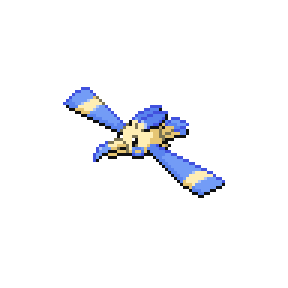
Volno's tail blinks in complex patterns that are thought to be a form of communication. Unfortunately, Volno are blind and cannot see the lights of their fellows.
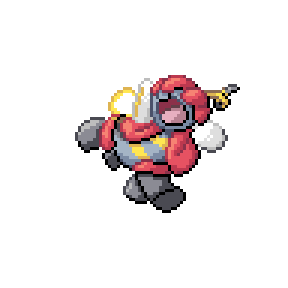
Sedactyl rakes its teeth on boulders around its territory. By doing this, it both sharpens its fangs and leaves distinct markings with strong-smelling poison.
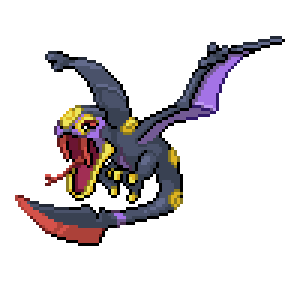
Castgeot's glossy feathers shine a brilliant amber in light. Collectors often use these feathers alongside glass or crystals to craft stunning suncatchers that cast a vibrant reflection. Its prismatic crest helps it stand out during breeding season.
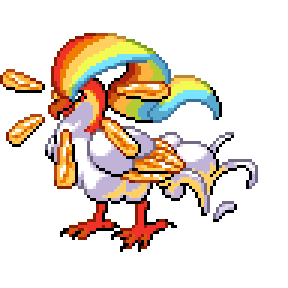
Castgeot's glossy feathers shine a brilliant amber in light. Collectors often use these feathers alongside glass or crystals to craft stunning suncatchers that cast a vibrant reflection.
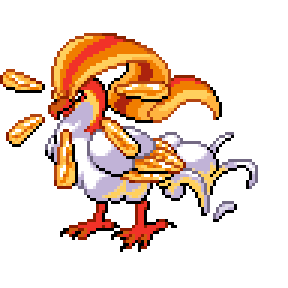
The cries produced by Castecho vary in sounds ranging from gentle rain to vicious downpours and thunderstorms. As they float about, the smell of petrichor follows them, making for a welcome hint of comfortable nostalgia.

Spheret often play by rolling into one another and barking. Their plush fur helps to keep them warm in frigid temperatures, though they will wrap their long bodies around each other for extra warmth if need be.
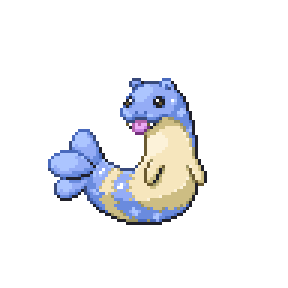
Trainers are recommended to be careful training Mandos, as it can erupt into violent thrashing at the slightest provocation, often preceded by growling and rough breathing. It wraps its body around opponents and batters them with punches and kicks.
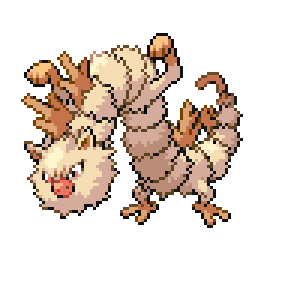
The act of self-fusion has caused Relicanth's armored plates to harden significantly and cover more of their body. As a result, their swimming speed is slowed, but their bite force rivals large predatory Pokémon such as Tyrantrum.
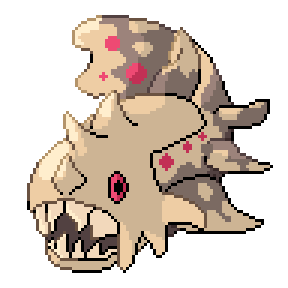
Primeceus's long legs allow it to kick with devastating force. When angry, it becomes nearly uncontrollable and reckless, throwing itself at opponents until one Pokémon stands as the victor.
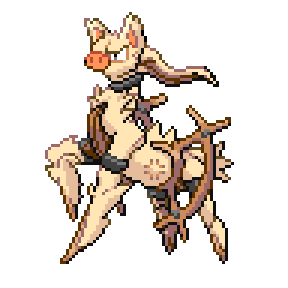
Researchers theorize Arcageot can fly for several days without tiring, even at extreme speeds. The Flamethrower it spews from its beak is hot enough to melt steel.

Chardactyl have been found in many parts of the world, often getting into vicious territorial disputes with other Pokémon. During battle, the flame on their tail burns hot enough to rival magma, causing Chardactyl to become even more vicious.

Charos's tail glows like a heat lamp in the midst of battle, putting off heat similar to a bonfire. Fights where Charos are involved are easily spotted even through dense fog.
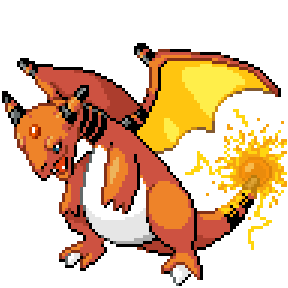
Chartei surrounds their body and the immediate area with hot, highly volatile dust in the heat of battle. The snapping of their teeth acts as a spark, igniting the dust and causing a large explosion.

Charceus are constantly searching for strong opponents, making them difficult to handle when such opponents are not available. The heat from their Flamethrower can get as hot as 1000°F.

The flame on Charmo-o's tail burns hottest when engaged in a heated battle. Fights between these Pokémon can last for days, neither willing to admit defeat.
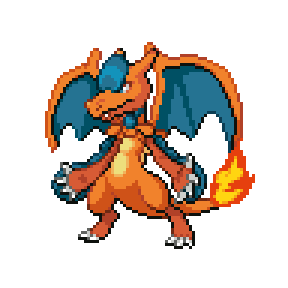
The jangling scales on Charmo-o's body can be heated to extreme temperatures, making its Fire Punch deadly. Its amazing power is matched solely by its fiery temperament.
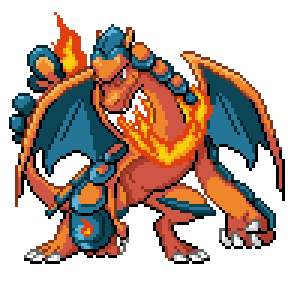
Abtini's skin is soft after it molts, making it vulnerable to attack. When it senses danger, it will release a Dragon Breath towards the danger before teleporting away. Multiple people have reported Abtini teleporting into their homes.

Kadachop train themselves with both physical and mental exercises to be chosen as the leader of their group. It is not known how Kadachop groups determine their leader's mental acuity.

Miners often have to deal with Geowile in active tunnels, as they lay still with their geode-like mouths open to lure Pokémon like Sableye to eat. If disturbed, they will defend themselves by throwing rocks and biting at threats.

Rapidash was first discovered after a herd of them was mistaken for a raging wildfire. The size of their flaming manes seems to determine the leader of the herd, who will protect their brethren with their life.

Past legends claim that Rapigong were once used as underwater mounts for a sea-dwelling race. The water-like manes of content Rapigong are warm and safe to touch, but when angered, their manes can skyrocket to boiling temperatures.

Slowpoke has mastered catching fish Pokémon with its tail, using small bursts of psychic power to aid in catching bigger prey. A shed tail from Slowpoke is considered a luxury food item in many parts of the world because of its high protein.
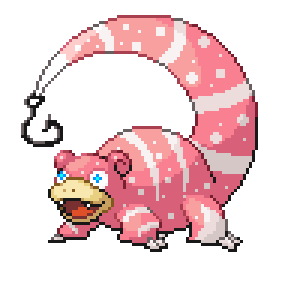
Warchu's tail fur darkens as electricity is stored in its body. Trainers often use this quirk as an indicator of when this Pokémon needs to discharge. In water, it sends out small electrical pulses to search for prey.
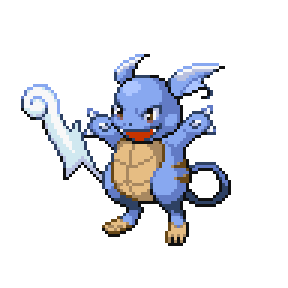
The magnificent fur on Warceus's crest and gate deepen in color as it ages. Those with deep-colored fur and many battle scars are seen as more favorable for potential mates.

Magnerill swarms take over factories that have little to no people in the area. They attach to machinery using their magnetic tails and absorb electricity, driving up the cost of energy. A way of repelling the swarms is currently being researched.
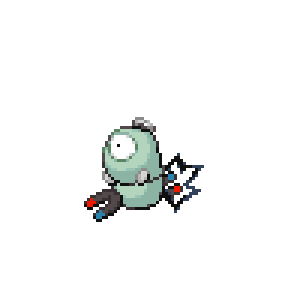
Magneinch are often found digging through iron-rich sand, using their inherent magnetism to attract iron filings into their mouths. They are easily overheated and thus spend most of the day underground.

Magnepod's shell is tough and highly conductive, making it perfect for use in battery-making. As these Pokémon evolve, their shell is left behind and subsequently collected.

These Pokémon search for days to find the perfect leek to adorn their head with. When threatened, they will set their leek aflame to intimidate foes. This often incinerates the plant, causing them to search once more for a replacement.

The leeks making up Farpix's tails are highly nutritious, making them extremely popular for many dishes. Farpix were hunted to the point of endangerment before regulations were put in place to protect the remaining population.
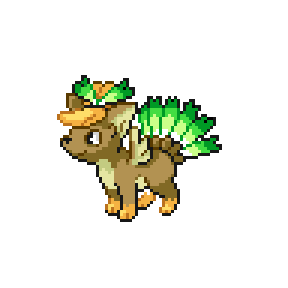
The heads of Dosel constantly fight over which head is dominant. The bickering can get so intense that it loses focus on battles with other Pokémon. Trainers with a calm Dosel are seen as highly skilled.
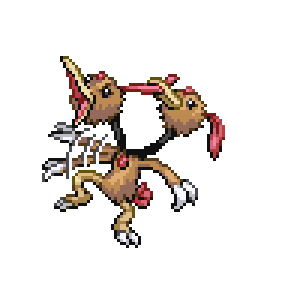
Doduo's long legs allow it to silently creep into shallow lakes while its body provides shade to lure fish Pokémon. One head remains vigilant for danger while the rest feed. It can flee at speeds around 65 miles per hour when threatened.

Dewmer's thick blubber allows it to withstand the sub-zero temperatures of its home. Unfortunately, this also makes Dewmer slow and cumbersome in the water, forcing it to rely on vegetation and slower fish for sustenance.

Despite the semifluid nature of Mucune's body, it can stand on the surface of water without deforming. It dashes around the world looking for polluted water sources, absorbing the pollution into its body and leaving pure water behind.
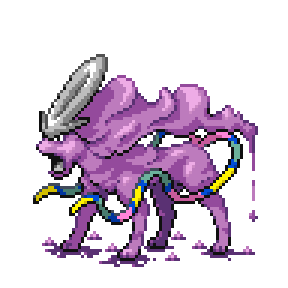
Found in abandoned garbage dumps and rarely in graveyards, Muvern collect bones and rotting organic material to add to their body. They spew a highly toxic gas at anything they perceive as a threat, following with a deafening Screech.

The ghostly energy surrounding Gaswak's bones resembles that of Marowak. These Pokémon do not seem to eat or drink and are often spotted trudging around cemeteries. Research is ongoing into Gaswak and its habits.

Gastales is usually seen wandering cemeteries at night, stopping at each grave as if in mourning. It stays longer for those who have not been visited in a long time. Once dawn arrives, it slinks back into the forest to await the twilight.
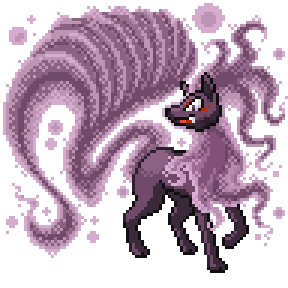
Gasrua stalks around schools and playgrounds, causing mischief directed at school bullies. Because of this, it is thought to be the combined malice of children who are being picked on and seeks revenge on their behalf.
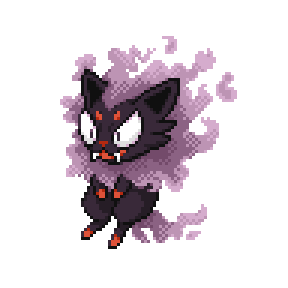
Haunsian territories are eerily devoid of nearly all natural sound. It is unknown whether this is caused by its presence inspiring fear in those within or if Pokémon actively avoid the area.

If you suddenly feel an immense chill, a Genrem is stalking the area near you. It feeds off of heat sources and enjoys striking fear into the hearts of people around it. It is not recommended to walk alone when a Genrem is around.
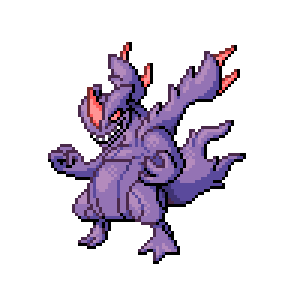
Gentales loves creeping around to scare unsuspecting Trainers. Some theorize it gains power through fear while others mark it as a simple prankster. Keep your senses sharp when travelling through Gentales's territory, or you may be in for a fright.

Onrith disguises itself against rocky reefs, waiting for prey to swim by. It can sense minor disturbances in the water with its horn.
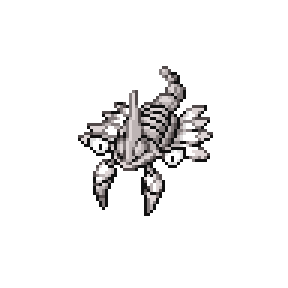
Shed stones from this Pokémon's body can stay below 0°F for weeks. Restaurants keep these stones in their freezers and refrigerators to keep the appliances cold should they fail.